Bath in summer transforms from a pleasant Georgian city into England's most photogenic tourist magnet. The honey-coloured Bath stone that makes every street look like a film set becomes genuinely golden in the longer daylight hours, but you'll share those picture-perfect moments with significantly more people. Summer in Bath means dealing with the highest crowds of the year while enjoying the best weather - a trade-off that defines the entire experience.
Bath Summer Weather: What to Actually Expect
Bath summer weather runs warmer and drier than the rest of the year, though "warmer" in England is relative. Daytime temperatures average 18-22°C (64-72°F) from June through August, with July typically the warmest month. You'll get around 15-16 hours of daylight in June and July, dropping to 14 hours by late August.
Rain still happens regularly - expect 10-12 rainy days per month even in summer. The difference from winter isn't the absence of rain but shorter downpours and faster drying. Pack layers and a waterproof jacket regardless of the forecast. The Georgian terraces look dramatic in light rain, but wet Bath stone becomes slippery underfoot.
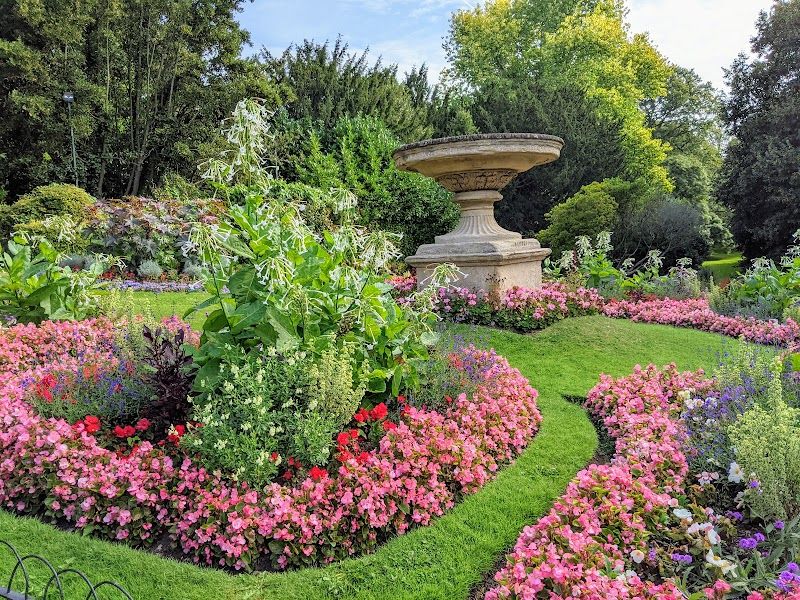
Wind rarely becomes an issue in the city center, though Royal Victoria Park and Alexandra Park can feel breezy on elevated sections. The River Avon creates its own microclimate that keeps the city centre a degree or two cooler than surrounding areas.
June in Bath: The Sweet Spot
June offers the best balance between decent weather and manageable crowds. Temperatures reach 19-20°C on good days, with long evenings that stretch until 9 PM. The Bath Festival runs through the first half of June, bringing classical music and literary events to venues across the city. School groups haven't yet descended in full force, making attractions like the Roman Baths more tolerable.
July and August: Peak Season Reality
July and August bring the warmest weather but also the worst crowds. Weekend afternoons in July see queues of 30-45 minutes at the Roman Baths entrance, even with advance tickets. The Royal Crescent becomes a photo-taking convention, with tour groups arriving by coach from London throughout the day.
August adds families to the mix as UK schools break for summer holidays. This makes child-friendly attractions busier but also brings more energy to the city. Street performers appear more frequently in Pulteney Bridge area, and outdoor seating at restaurants stays full until late evening.
Summer Crowds: When and Where They Hit Hardest
Bath summer crowds follow predictable patterns that you can work around with the right timing. Peak crowding occurs 11 AM-4 PM on weekends and bank holidays, when day-trippers from London and Bristol arrive simultaneously with hotel guests starting their sightseeing.
The Roman Baths and Bath Abbey Tower Tour see the worst congestion. Entry queues at the Roman Baths regularly exceed 20 minutes during summer afternoons, despite the £26.50 admission price acting as a natural filter. Book the first entry slot (9 AM) or visit after 5 PM when possible.
The Circus and Royal Crescent turn into outdoor photo studios during peak hours. The circular Georgian terrace becomes nearly impossible to photograph without people, while Royal Crescent's famous lawn fills with picnickers by noon on sunny days.
Smart crowd avoidance means shifting your schedule earlier or later. The city center empties noticeably after 6 PM as day-trippers depart, leaving restaurants and pubs to locals and overnight visitors. Early morning walks through Royal Victoria Park reveal Bath at its most peaceful, with joggers and dog walkers replacing tour groups.
Neighborhoods That Stay Quieter
Summer crowds concentrate in the tourist triangle between the Roman Baths, Royal Crescent, and Bath Abbey. Venture beyond these landmarks and you'll find Bath's normal rhythm continues. Walcot Street maintains its independent character, with antique shops and cafes serving locals rather than tourists. Widcombe feels like a village despite being ten minutes' walk from the city center.
The Artisan Quarter around Walcot provides an escape route when central Bath becomes overwhelming. The Bell Inn serves excellent food without tourist-trap pricing, while nearby Sydney Gardens offers green space that most visitors never discover.
Summer Events and Festivals Worth Planning Around
Bath's summer event calendar runs heavier than other seasons, with festivals and markets that can either enhance or complicate your visit depending on your interests. The Bath Festival in late May and early June brings classical music and literature to venues across the city, but also books up accommodation and restaurants weeks in advance.
Bath Fringe Festival runs alongside the main festival, offering alternative music, comedy, and theatre in smaller venues. Performances happen in pubs, churches, and unconventional spaces throughout the city centre, creating an energetic atmosphere but also increasing evening crowds.
July brings the Bath International Music Festival, focusing on early music and baroque performances. Bath Abbey and other historic venues host concerts, though many sell out to classical music enthusiasts who book months ahead.
Outdoor Markets and Night Markets
Summer weather enables Bath's outdoor market scene to expand beyond the usual Guildhall Market. Evening markets appear sporadically in Queen Square and other locations, selling local crafts, food, and vintage items. These pop-up markets lack fixed schedules, making them pleasant surprises rather than planneable events.
The regular Saturday farmers market at Green Park Station continues year-round but becomes more appealing in summer weather. Local produce vendors, cheese makers, and bakeries set up from 9 AM-2 PM, providing alternatives to tourist-focused dining in the city center.
Jane Austen Festival
September's Jane Austen Festival technically falls outside summer but affects late-August planning as accommodation books up early. The festival brings Regency-costumed participants to Bath's Georgian streets, creating Instagram-worthy scenes but also artificial crowds at Austen-related sites like the Jane Austen Centre.
Activities That Improve in Summer vs. Those That Don't
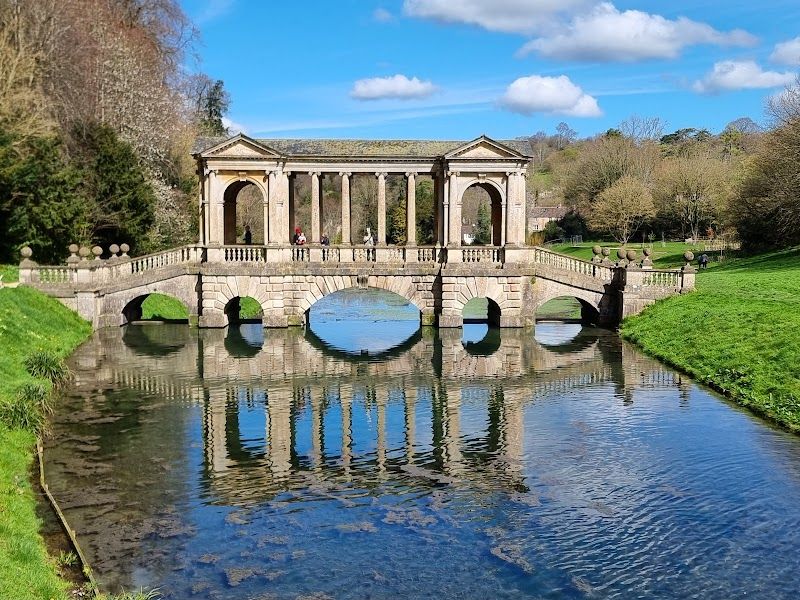
Summer weather transforms some Bath experiences while making others more challenging. Outdoor attractions obviously benefit most, with Prior Park Landscape Garden becoming genuinely beautiful when flowers bloom and paths stay dry. The garden's Palladian bridge and city views justify the uphill walk when you're not battling rain and mud.
Thermae Bath Spa experiences its peak season in summer, when the rooftop pool's novelty matches the weather. However, summer crowds mean booking 2-3 days ahead becomes essential, compared to same-day availability in winter. The £42 standard session feels more worthwhile when you can enjoy the outdoor elements comfortably.
Walking tours multiply in summer, with various companies offering themed walks through Georgian Bath, Roman sites, and literary connections. The longer daylight hours enable evening ghost walks and "dark Bath" tours that rely on atmospheric lighting rather than actual darkness.
Indoor Attractions: Mixed Results
Indoor attractions face challenges during Bath's summer peak. The Fashion Museum becomes uncomfortably crowded when coach tours arrive, with narrow galleries that weren't designed for modern tourist volumes. Visit early morning or late afternoon to appreciate the Georgian dress collection properly.
No. 1 Royal Crescent suffers similar issues, with timed entry tickets that still result in congested rooms during peak summer slots. The museum's Georgian interior deserves careful examination, not the rushed shuffle that summer crowds impose.
Conversely, Sally Lunn's Historic Eating House & Museum benefits from summer tourists who appreciate the Roman foundations beneath the restaurant. The £4 museum entry feels reasonable when combined with afternoon tea, though tables book weeks ahead during peak season.
Practical Changes: Prices, Hours, and Logistics
Summer brings operational changes across Bath that affect both costs and convenience. Restaurant prices typically increase 10-15% during peak season, with some establishments introducing separate summer menus at higher price points. Fixed-price lunch menus that cost £8-14 in spring become £12-18 during July and August.
Accommodation costs peak in summer, with mid-range hotels charging £150-200 per night compared to £120-180 in shoulder seasons. Budget options like Premier Inn and Travelodge maintain standard rates (£65-95) but book out further in advance. Boutique properties in Georgian buildings command premium prices (£250-350) that reflect both demand and their unique character.
Extended Hours and Seasonal Services
Many attractions extend operating hours during summer months. The Roman Baths opens from 9 AM-10 PM in July and August, compared to 9:30 AM-6 PM in winter. Evening visits after 6 PM cost the same £26.50 but offer dramatically fewer crowds and atmospheric lighting that enhances the ancient architecture.
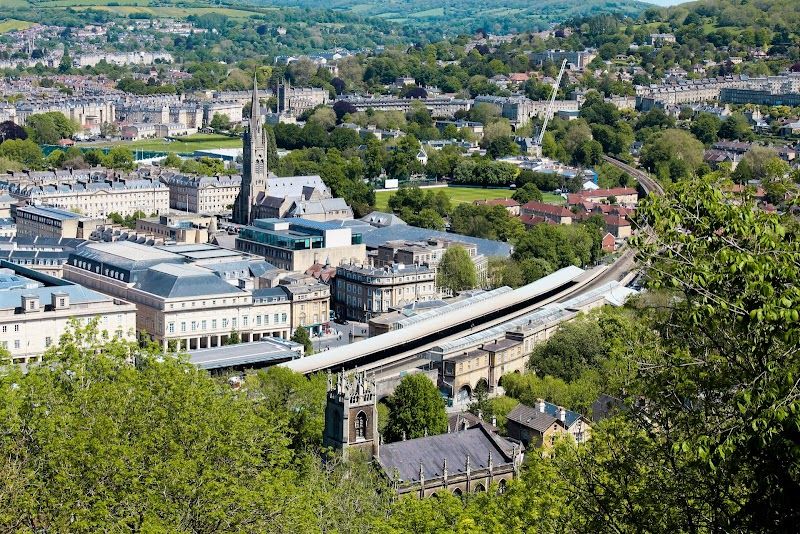
Bath Abbey Tower Tours run more frequently in summer, with slots every 30 minutes rather than hourly. The £8.50 admission includes views over Bath's Georgian rooftops that photography enthusiasts prefer in late afternoon golden light.
Public transport increases frequency during summer months. First West of England buses run every 10-12 minutes on popular routes rather than 15-20 minutes in winter. The £5.50 day ticket becomes better value when services run more regularly, though buses also become more crowded with tourists unfamiliar with Bath's geography.
Restaurant and Pub Changes
Bath's dining scene adapts significantly for summer crowds. Many restaurants introduce reservations-only policies during peak months, compared to walk-in availability in winter. Popular spots like The Scallop Shell require bookings 3-5 days ahead rather than same-day seating.
Pub gardens that sit empty in winter become valuable real estate during summer months. Traditional pubs expand seating outdoors, though this also means indoor spaces become quieter and less atmospheric. Beer prices increase by £0.50-1.00 per pint at tourist-focused establishments, while locals-oriented pubs maintain standard pricing.
Outdoor seating spreads across Bath's Georgian squares and streets, creating continental café culture that doesn't exist in colder months. However, most restaurants add service charges (10-12.5%) during peak season that they waive during quieter periods.
Getting the Most from Bath in Summer
Successful summer visits to Bath require accepting the crowds while optimizing around them. Plan major attractions for early morning (before 10 AM) or evening (after 5 PM) when possible. The Roman Baths at 9 AM offers the same experience as 2 PM but with 80% fewer people competing for photos and audio guide clarity.
Book restaurant tables and attraction tickets in advance, especially for weekend visits. Summer's flexibility with weather doesn't extend to availability - spontaneous dining often means tourist traps rather than quality local food. Check our Bath food guide for specific restaurant recommendations that maintain standards despite summer pressures.
Use Bath's compact size to your advantage by planning geographically logical routes rather than checklist tourism. Combine Royal Crescent and Royal Victoria Park in one morning, then shift to the Roman areas when afternoon crowds make Georgian terraces less pleasant.
Consider staying outside the immediate city center if budget allows flexibility. Properties in Widcombe or beyond offer quieter evenings while maintaining walking access to major attractions. The summer savings on stress often outweigh minor inconvenience.
Weather Contingency Planning
Bath summer weather remains unpredictable enough to require backup plans. Indoor attractions like the Fashion Museum become overcrowded on rainy days as everyone shifts simultaneously from outdoor sightseeing. Having multiple options prevents getting trapped in tourist bottlenecks.
Rainy day alternatives should include covered markets, independent shops along Walcot Street, and cafes that welcome lingering. Colonna & Small's serves exceptional coffee and provides atmosphere for waiting out brief summer downpours.
Remember that Bath's Georgian architecture looks particularly striking in dramatic weather. Light rain creates reflections on wet stone that enhance photography, while clearing storms produce dramatic skies above the terraced crescents. Don't retreat indoors immediately when weather turns - some of Bath's most memorable moments happen between rain showers.
The key to enjoying Bath in summer lies in embracing what changes while appreciating what remains constant. The Roman Baths still demonstrate remarkable engineering regardless of crowd levels. Georgian architecture still represents urban planning perfection whether you're sharing the view with five people or fifty. Summer simply concentrates Bath's appeal into a more intense, more expensive, but ultimately more rewarding experience for those willing to plan accordingly.