Choosing where to stay in Budapest matters more than in most European capitals because this city is actually two cities - Buda and Pest - split by the Danube River. The wrong choice puts you far from what you want to see, while the right neighborhood puts everything within walking distance. After visiting dozens of Budapest hotels across all districts, here's my honest take on where you should book.
Budapest's accommodation landscape centers around four main areas: Belváros (the downtown core), the Castle District (medieval Buda), the Jewish Quarter (nightlife central), and City Park (thermal bath territory). Each serves different travel styles, and picking wrong means spending your vacation on Metro Line 1 instead of in thermal baths.
Belváros (District V): The Classic Choice for First-Time Visitors
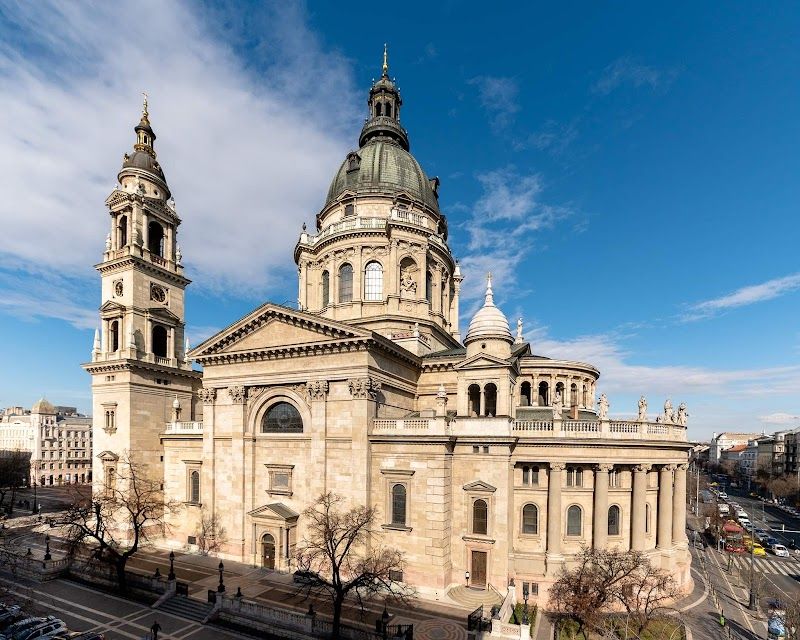
Belváros literally means "inner city," and 80% of first-time visitors stay here for good reason. This is Budapest's Manhattan - everything important happens within a 15-minute walk. The Hungarian Parliament Building dominates the northern edge, St. Stephen's Basilica anchors the center, and the Great Market Hall marks the southern boundary.
Why Belváros Works for Most Travelers
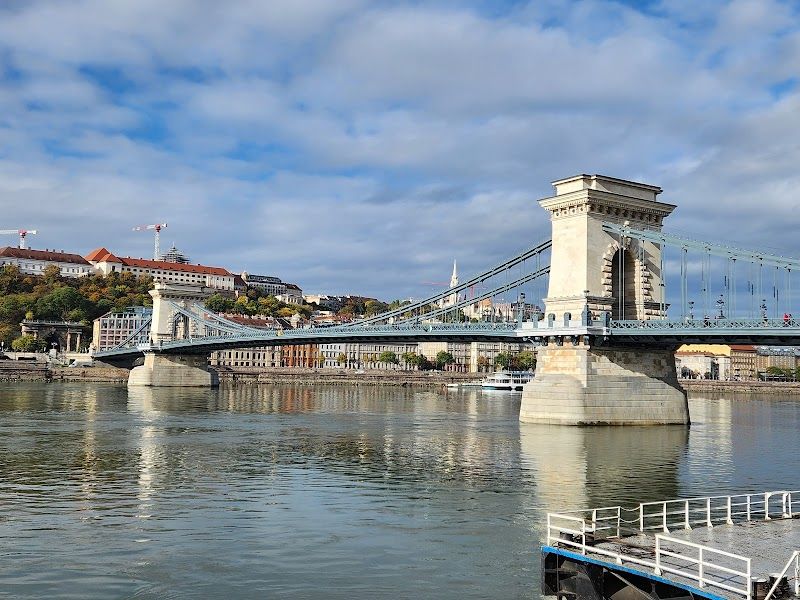
The Danube Promenade runs along Belváros' western edge, giving you postcard views of Buda Castle and the Chain Bridge right outside your hotel window. Three major thermal baths (Gellért, Rudas, and smaller facilities) sit within 10 minutes of central Belváros hotels.
Transport connections from Belváros reach every corner of Budapest. Deák Ferenc tér, where all three metro lines intersect, sits at Belváros' northern tip. The airport bus 100E terminates here (EUR 3.5, 35-40 minutes), making arrival simple. Walking to the Jewish Quarter takes 8 minutes, the Castle District 15 minutes via Chain Bridge.
Best streets to book in Belváros: Váci utca puts you on the pedestrian shopping street but expect tourist prices. Károly körút offers better value with the same central location. Petőfi Sándor utca gives you Danube views without the Chain Bridge crowds.
Belváros Hotel Recommendations by Budget
Luxury (EUR 200-450 per night): The Ritz-Carlton faces the Chain Bridge with Danube-view rooms that justify the premium. Four Seasons Gresham Palace occupies an Art Nouveau masterpiece on Roosevelt tér, though some rooms face the courtyard rather than the river.
Mid-range (EUR 60-120 per night): Hotel Moments Budapest offers modern rooms on Andrássy út's quiet section. Aria Hotel Budapest positions you near St. Stephen's Basilica with themed rooms that avoid kitsch. Both provide easy walking access to major attractions.
Budget (EUR 35-55 per night): City Hotel Ring sits on the Grand Boulevard with basic but clean rooms and excellent transport links. Hotel Central Basilica trades space for location, putting you 100 meters from the basilica's dome.
Belváros hotels book solid from April through October, especially properties with Danube views. Reserve at least 8 weeks ahead for summer visits, or consider booking through Budapest's shoulder seasons (March, November) for better rates and availability.
Castle District (Várnegyed): Medieval Atmosphere with Tourist Trade-offs
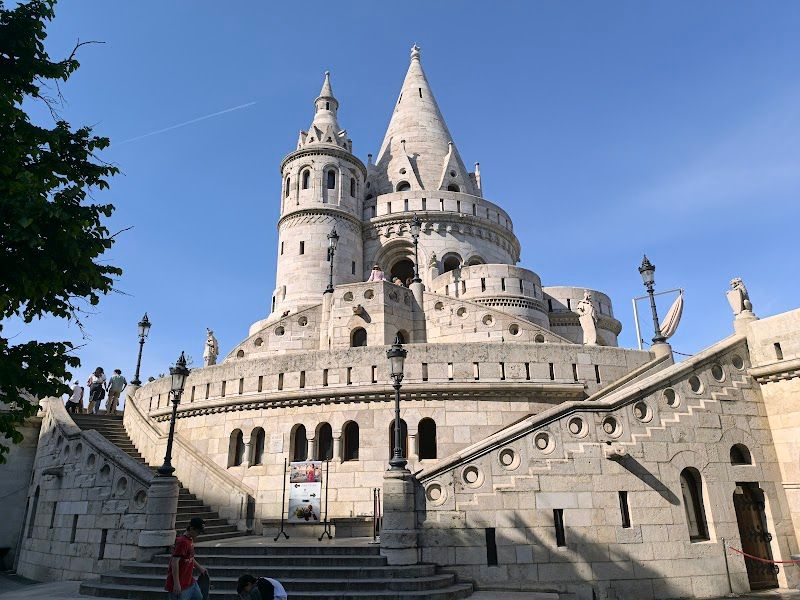
The Castle District sits 170 meters above the Danube on Castle Hill, offering the most atmospheric accommodation in Budapest. This UNESCO World Heritage area houses Buda Castle, Matthias Church, and Fisherman's Bastion within cobblestone walking distance of your hotel room.
The Castle District Reality Check
Staying in the Castle District means living inside a postcard, but it comes with significant practical drawbacks. This area essentially shuts down at 7 PM when day tourists depart. Dinner options concentrate around Szentháromság tér and Tárnok utca, but expect inflated prices and menus translated into six languages.
Getting here requires either the historic Castle Hill Funicular (Sikló) from Chain Bridge, bus 16 from Deák Ferenc tér, or a steep 15-minute walk up cobblestone paths. None of these options appeal at midnight after exploring Budapest's famous ruin bars.
Transportation considerations: No metro stations serve the Castle District directly. The closest connection point is Szell Kálmán tér on the Buda side, requiring a bus transfer. The funicular operates until 10 PM, leaving late-night transport to taxis or the long walk down to river level.
When the Castle District Makes Sense
Book here if you prioritize historical atmosphere over convenience, travel with mobility limitations that make the central location worth the transport challenges, or plan a short Budapest visit focused on Buda's attractions rather than Pest's nightlife and dining scene.
The district works particularly well for romantic getaways and photography-focused trips. Sunrise and sunset from your Castle District hotel balcony beat any postcard, and you'll have medieval streets to yourself before 9 AM when tour groups arrive.
Castle District hotel standouts: Hilton Budapest occupies a former Dominican monastery, blending 13th-century architecture with modern amenities. Hotel Castle Garden positions you slightly down the hill but still within walking distance of major attractions while offering better restaurant access.
Jewish Quarter (Erzsébetváros): Nightlife Central with Authentic Local Life
Erzsébetváros, Budapest's 7th district and historic Jewish Quarter, has transformed from a neglected area into the city's nightlife epicenter. This neighborhood houses Budapest's famous ruin bars, including Szimpla Kert and Fogasház, alongside traditional Jewish sites like the Great Synagogue.
Why the Jewish Quarter Appeals to Different Travelers
Unlike sanitized tourist districts, the Jewish Quarter maintains authentic Budapest life. Local residents shop at Klauzál tér market, elderly men play chess in Kossuth tér, and family restaurants serve traditional Hungarian dishes to neighbors, not tourists. This atmosphere gives you genuine insight into contemporary Budapest culture.
The district's compact size concentrates diverse experiences within walking blocks. New York Café sits 5 minutes from Szimpla Kert, the Hungarian State Opera House neighbors dive bars, and Andrássy Avenue's grand boulevards intersect narrow alleys lined with street art.
Nightlife advantages: Staying here puts you in the center of Budapest's after-dark scene. Ruin bars typically open at 3 PM and close around 2 AM on weekdays, later on weekends. Walking back to your accommodation beats navigating night transport or expensive taxi rides from other districts.
Jewish Quarter Transportation and Practicalities
Three metro stations serve the Jewish Quarter directly: Astoria (M2 red line), Blaha Lujza tér (M2), and Opera (M1 yellow line). This connectivity makes reaching other Budapest attractions simple - Széchenyi Thermal Baths require one metro transfer, the Castle District needs a short metro ride plus bus connection.
The area's restaurant scene extends far beyond tourist traps. Frici Papa serves traditional Hungarian dishes to local families, while Mazel Tov offers Middle Eastern cuisine in a courtyard setting. Street food options include lángos stands and traditional Hungarian pastries at reasonable prices.
Jewish Quarter accommodation types: Boutique hotels dominate this area, often occupying renovated 19th-century buildings with original architectural details. Hostel options target the party crowd but provide quality accommodations. Mid-range hotels balance character with modern amenities.
Area considerations: Weekend nights bring crowds and noise, particularly around major ruin bars. Book accommodations on side streets like Rumbach Sebestyén utca or Wesselényi utca for atmosphere without the late-night disruption.
City Park (Városliget): Thermal Bath Paradise with Resort Atmosphere
Várrosliget, Budapest's expansive City Park, sits at the eastern end of Andrássy Avenue and centers around Széchenyi Thermal Baths, Europe's largest medicinal bath complex. This area appeals to travelers prioritizing relaxation, spa experiences, and easy access to Budapest's thermal culture.
The City Park Advantage for Spa Travelers
Staying near City Park puts you 5 minutes from Széchenyi's 18 thermal pools, including the famous outdoor pools where locals play chess while soaking in mineral-rich waters. The bath complex opens at 6 AM, allowing early morning soaks before day crowds arrive. Multiple daily sessions become practical when you can walk back to your hotel room between visits.
The park itself covers 100 hectares with wide walking paths, the fairy-tale Vajdahunyad Castle, and Heroes' Square marking the western entrance. This green space provides relief from Budapest's dense urban core, particularly valuable during summer months.
Cultural attractions within walking distance: The Museum of Fine Arts houses European masterpieces across from Heroes' Square. Budapest Zoo, the Transport Museum, and Petőfi Hall concert venue cluster within the park boundaries. These attractions work well for travelers with children or those seeking cultural experiences beyond Budapest's typical offerings.
City Park Transportation Reality
Mmetro Line 1 (yellow line) terminates at Széchenyi fürdő station, providing direct connections to central Budapest in 15-20 minutes. This vintage metro line, dating to 1896, offers a but slower journey compared to modern Metro Lines 2 and 3.
Getting to other attractions: The Castle District requires a metro transfer at Deák Ferenc tér plus additional transport. The Jewish Quarter sits 4 stops away on the same metro line. Walking to central Belváros takes 25-30 minutes along Andrássy Avenue, though this boulevard's architecture makes it a pleasant journey.
City Park Hotel Options and Atmosphere
Accommodation choices near City Park tend toward spa hotels and family-friendly properties rather than boutique or luxury options. The Mirage Medic Hotel specializes in wellness packages combining thermal treatments with accommodation. Hotel Benczúr positions you between City Park and the Jewish Quarter with reasonable rates.
This area operates on a quieter rhythm than central Budapest. Restaurants cater to local families and spa visitors rather than international tourists. Expect traditional Hungarian cuisine at moderate prices, with limited late-night dining options compared to central districts.
Alternative Areas: When Standard Districts Don't Fit
Óbuda (District III): The Historical Alternative
Óbuda, literally "Old Buda," preserves Roman ruins and maintains small-town atmosphere within greater Budapest. The Aquincum archaeological park showcases extensive Roman remains, while traditional restaurants serve local specialties without tourist markup. This area appeals to history enthusiasts and travelers seeking quiet accommodation with authentic local character.
Transportation limitations: Óbuda requires HÉV suburban rail connections to reach central Budapest attractions. Journey times to Belváros run 35-40 minutes with transfers. Choose this area only if Roman history specifically interests you or you prefer suburban tranquility over urban convenience.
Margaret Island: Green Oasis Accommodation
Margaret Island sits in the Danube between Buda and Pest, offering park-like surroundings with thermal spa facilities. The Danubius Health Spa Resort provides all-inclusive wellness packages but isolates you from Budapest's street-level culture. Consider this option for pure relaxation trips rather than cultural exploration.
Practical Booking Strategy for Budapest Hotels
Seasonal Pricing Patterns
Budapest hotel rates peak during summer months (June-August) and around Christmas markets (December). Spring (March-May) and autumn (September-November) offer 25-30% lower rates with excellent weather for walking between attractions. January and February provide the deepest discounts but limit outdoor thermal bath enjoyment.
Event-driven price spikes: Formula 1 Hungarian Grand Prix (late July), Sziget Festival (August), and New Year's celebrations create booking pressure across all districts. Reserve accommodations 12-16 weeks ahead for these periods.
Budapest Accommodation Booking Tips
When evaluating where to book Budapest hotels, prioritize location over amenities unless you're specifically seeking spa treatments. The city's compact center makes walking the primary transportation method for major attractions. Air conditioning becomes essential for summer stays, as Budapest experiences genuine heat waves.
Hidden costs to verify: Many Budapest hotels charge extra for Wi-Fi, breakfast, and parking. Tourist tax runs approximately EUR 2 per person per night in most districts. Some properties include thermal bath access in room rates - verify these details before booking.
Transportation Passes vs. Walking
Central Budapest accommodation reduces public transport needs significantly. The 24-hour travel pass (EUR 5.9) covers all transport but becomes unnecessary when staying in Belváros or the Jewish Quarter. City Park stays benefit from the 72-hour pass (EUR 15.2) due to regular metro usage.
Considering our complete 3-day Budapest itinerary, most attractions cluster within walking distance of central neighborhoods. The Budapest thermal baths guide details spa locations relative to each accommodation district.
Final Verdict: Matching Neighborhoods to Travel Styles
Choose Belváros if: You want maximum convenience, plan to visit attractions across both Buda and Pest, prefer established hotel options, or travel with limited time in Budapest.
Choose the Castle District if: Historical atmosphere trumps convenience, you focus primarily on Buda attractions, mobility considerations make central location valuable, or you're planning a romantic getaway.
Choose the Jewish Quarter if: Nightlife matters to your trip, you prefer authentic local atmosphere, boutique hotels appeal more than chains, or you want to explore Budapest's contemporary culture beyond tourist attractions.
Choose City Park if: Thermal baths motivate your Budapest visit, you prioritize wellness and relaxation, you travel with children who need green space, or you prefer quieter surroundings with easy city access.
The truth about where to stay in Budapest: location determines your entire experience in this split city. Book central (Belváros or Jewish Quarter) unless you have specific reasons to choose otherwise. The few extra euros for prime location pay dividends in time saved, experiences gained, and genuine understanding of this remarkable capital that straddles two worlds across the Danube.