Valencia's neighborhoods tell the story of Spain's third city better than any guidebook. The valencia neighborhoods map reveals distinct districts that range from medieval quarters where paella was invented to modernist zones housing Europe's largest aquarium. Understanding Valencia's geography means knowing which metro stop gets you to the best horchata, where to find authentic paella valenciana, and which districts offer the most value for your accommodation budget.
The city spreads inland from the Mediterranean coast in a logical pattern. The valencia districts follow the historical expansion from the Roman settlement through medieval walls to modern developments. Metro lines connect these areas efficiently, with Line 3 running from the airport through the city center to the beach neighborhoods. A valencia area guide starts with understanding that most visitors spend their time in just four main zones, each with distinct personalities and price points.
Ciutat Vella: Medieval Heart with Modern Appetite
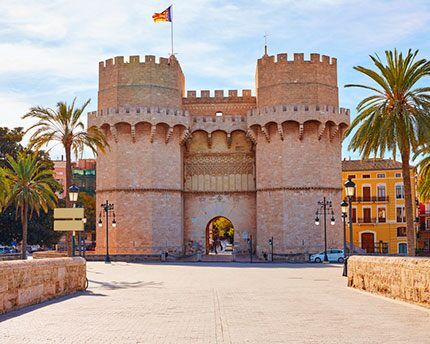
Ciutat Vella occupies the compact medieval core where Valencia began as a Roman settlement. The neighborhood packs more history per square meter than anywhere else in the city. Gothic and Baroque buildings line narrow streets that suddenly open into expansive plazas. The best neighborhoods valencia conversation always starts here because Ciutat Vella contains the city's most important landmarks and serves as the transport hub for reaching other districts.
What Makes Ciutat Vella Special
The Valencia Cathedral and Micalet Tower anchor the neighborhood's northeastern corner. The cathedral claims to house the Holy Grail, though locals care more about the EUR 7 ticket that gets you up the Miguelete bell tower for panoramic city views. Three blocks south, La Llotja de la Seda showcases Valencia's medieval wealth through twisted stone columns that UNESCO protects as World Heritage. The EUR 2 admission fee makes this the city's best architectural bargain.
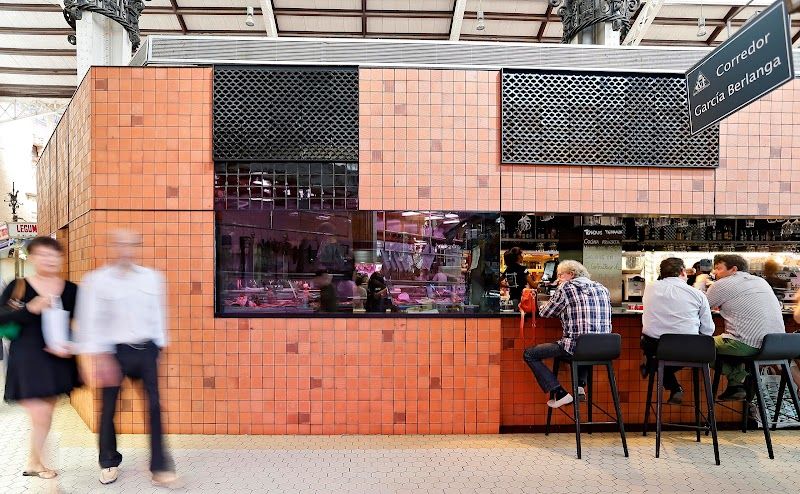
Mercado Central Valencia occupies a modernist masterpiece from 1928 where 300 vendors sell everything from jamón ibérico to fresh seafood. The market opens at 7:30 AM Monday through Saturday, closing at 2:30 PM except Thursday and Friday when it stays open until 8:30 PM. Browsing costs nothing, but expect to spend EUR 3-8 on street food portions that make legitimate lunches.
Where to Stay in Ciutat Vella
Accommodation in Ciutat Vella ranges from EUR 18-28 hostel beds to EUR 200-350 luxury hotels in converted palaces. Mid-range options around EUR 80-120 cluster near Plaza de la Reina and offer easy walking access to major sights. The neighborhood gets noisy on weekend nights, particularly around Café de las Horas and the Barrio del Carmen bars.
Stay near Plaza de la Virgen for the quietest sleep while remaining central. Avoid accommodations directly on Calle de la Paz during Las Fallas in March unless you enjoy fireworks at 6 AM. The medieval street layout means some hotels occupy buildings without elevators - confirm before booking if mobility matters.
Getting Around Ciutat Vella
Xàtiva metro station (Lines 3 and 5) provides the most convenient access to Ciutat Vella from the airport and train station. The neighborhood measures roughly 1.5 kilometers across, making everything walkable once you arrive. Narrow medieval streets exclude most cars, though delivery trucks squeeze through before 11 AM.
Metro single tickets cost EUR 1.5 within Zone A, or purchase a 10-trip card for EUR 8 if you plan multiple neighborhood hops. The 24-hour tourist travel card at EUR 4.9 includes metro, bus, and tram access.
Ruzafa: Valencia's Food Revolution Headquarters
Ruzafa transformed from working-class immigrant neighborhood to Valencia's hippest dining district over the past 15 years. The transformation began with young chefs opening innovative restaurants in former corner bars. Today, Ruzafa offers the best concentration of quality restaurants outside Barcelona, plus the city's most active nightlife scene.
The Ruzafa Food Scene
Restaurants in Ruzafa serve everything except tourist paella. Instead, you'll find contemporary Spanish cuisine, international fusion, and traditional tapas executed with modern techniques. Dinner reservations become essential Thursday through Sunday, particularly at restaurants along Calle de Sueca and Calle de Cuba.
Mercado de Ruzafa anchors the neighborhood's food culture in a restored 1950s market hall. Local vendors occupy the ground floor while upstairs restaurants serve lunch and dinner until midnight. The market's bars pour excellent natural wines starting around EUR 2.5-4 per glass.
Mid-range dinner for two with wine costs EUR 35-55 at neighborhood restaurants. The menu del día lunch option, available Monday through Friday, ranges EUR 12-18 and often includes creative dishes you won't find elsewhere in Valencia.
Ruzafa Nightlife and Culture
Ruzafa's bars stay open later than other Valencia neighborhoods, with last orders around 2 AM on weekends. The crowd skews local rather than tourist, creating authentic nightlife experiences. Independent bookstores, vintage shops, and art galleries occupy former storefronts along the main commercial streets.
Street art covers many building walls in Ruzafa, creating an outdoor gallery that changes monthly. The neighborhood association organizes cultural events throughout the year, including outdoor concerts in Jardins de la Rambla.
Staying in Ruzafa
Accommodation options in Ruzafa favor boutique hotels and modern apartments over chain properties. Boutique hotel double rooms cost EUR 120-180, while entire Airbnb apartments range EUR 60-120 per night. The neighborhood offers excellent value for visitors who prioritize dining and nightlife over proximity to tourist sights.
Ruzafa connects to central Valencia via metro Line 1 (Bailén station) or a 15-minute walk to Ciutat Vella. Bus routes 11, 16, and 35 provide additional public transport options.
City of Arts and Sciences: Futuristic Valencia
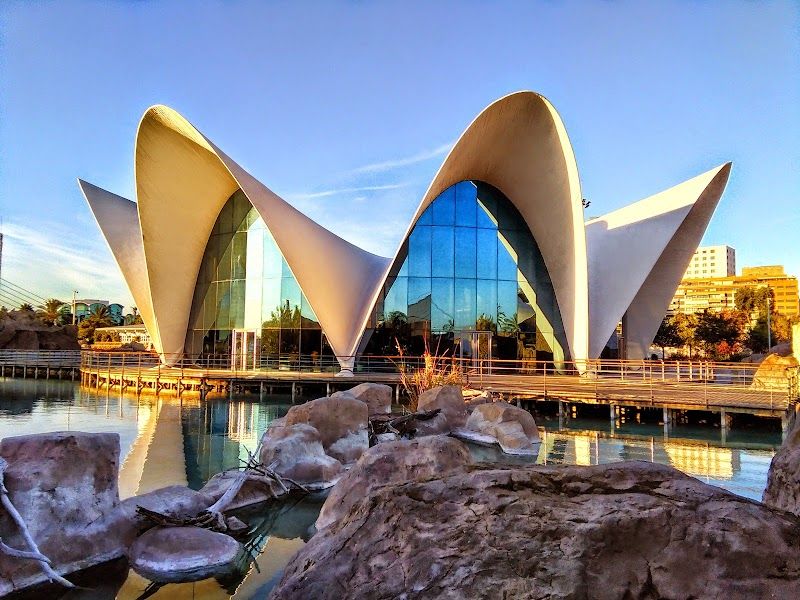
The City of Arts and Sciences occupies the southern section of Turia Gardens in a complex of futuristic white buildings designed by Santiago Calatrava. This district exists primarily for tourism and cultural activities rather than residential life. The area showcases Valencia's ambitions as a modern European cultural capital.
Major Attractions in the Arts District
Oceanogràfic Valencia claims status as Europe's largest aquarium with marine habitats representing different global ecosystems. Adult tickets cost EUR 32.7, making this Valencia's most expensive single attraction. The aquarium requires 3-4 hours for a complete visit, with the dolphin show running multiple times daily.
Museu de les Ciències Príncipe Felipe offers interactive science exhibitions across multiple floors. The EUR 8.7 admission fee includes access to temporary exhibitions that change quarterly. Plan 2-3 hours for a thorough visit.
L'Hemisfèric shows IMAX and planetarium films in a building shaped like a giant eye. Individual attraction tickets cost EUR 8.7, though a combo ticket for EUR 37.8 includes Hemisfèric, Science Museum, and Oceanogràfic access.
Practical Considerations for the Arts District
The City of Arts and Sciences requires significant walking between buildings. Wear comfortable shoes and bring water, especially during summer visits. Limited shade exists between structures.
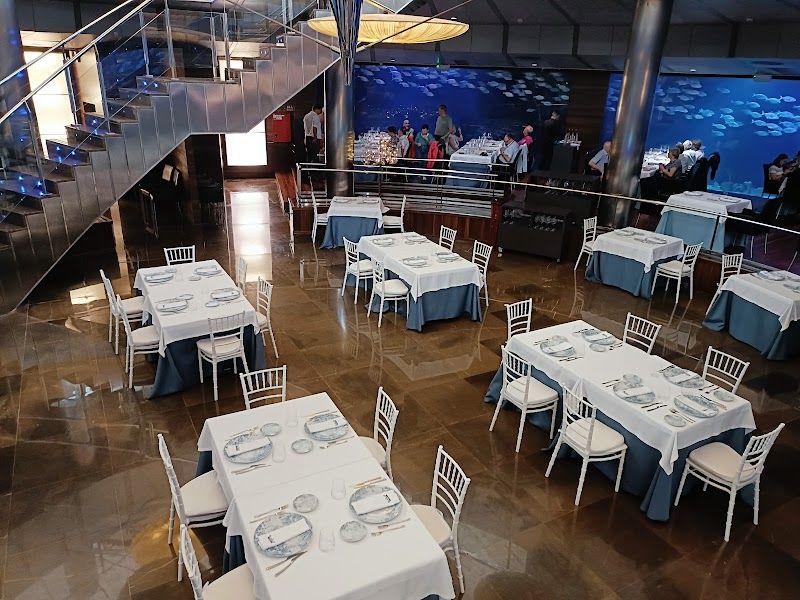
Restaurante Submarino inside Oceanogràfic offers dining surrounded by aquarium walls. Expect upscale prices starting around EUR 25-40 per person for lunch. The restaurant requires advance reservations and Oceanogràfic admission.
Transportation to Arts and Sciences
Metro Line 3 stops at Alameda station, requiring a 10-minute walk to reach the main attractions. Bus routes 15, 25, 95, and 35 provide direct service to the complex. The district offers limited accommodation options, with most visitors staying in other neighborhoods and visiting as a day trip.
El Cabanyal and La Malvarrosa: Beach District with Authentic Paella
El Cabanyal represents Valencia's most authentic neighborhood, a former fishing village that retained its own street grid and cultural identity after annexation in 1897. The district extends inland from Malvarrosa Beach, offering the best paella restaurants in Valencia plus the city's most distinctive architecture.
El Cabanyal's Unique Architecture
El Cabanyal's houses display colorful ceramic tiles that create geometric patterns across building facades. These azulejo decorations represent a working-class architectural tradition unique in Valencia. Many buildings date from the early 20th century when fishing families prospered from Mediterranean trade.
Urban renewal plans threatened to demolish much of El Cabanyal in the 2000s, but neighborhood activism preserved the historic fabric. Today, new residents mix with longtime fishing families in a neighborhood that maintains authentic character.
Beach and Paella Culture
Platja de la Malva-rosa stretches for 1.2 kilometers along Valencia's coastline. The wide sandy beach offers free access with seasonal lifeguard service from June through September. Beach restaurants, called chiringuitos, line the promenade serving paella directly on the sand.
La Pepica claims to be the birthplace of paella, serving the dish since 1898. Paella valenciana costs EUR 12-18 per person with a two-person minimum order. The restaurant only serves paella at lunch, never dinner, following Valencian tradition.
Casa Montaña operates as Valencia's most respected wine bar, offering over 600 bottles alongside traditional tapas. Established in 1836, the bar maintains original wooden barrels and vintage posters. Expect to spend EUR 25-40 per person for wine and substantial tapas portions.
Modern El Cabanyal Culture
New residents have opened contemporary cafes and shops that complement traditional businesses. Ubik Cabanyal exemplifies this blend, serving specialty coffee in a space that doubles as a bookstore and cultural center.
Mercat del Cabanyal offers a smaller, more local alternative to Central Market. Vendors sell fresh seafood caught by neighborhood fishermen alongside produce from nearby farms. The market opens Monday through Saturday, closing at 2 PM.
Transportation and Accommodation
Tram Lines 4, 6, and 8 connect El Cabanyal to central Valencia, with stops at Eugenia Viñes and Les Arenes. The journey takes 20-25 minutes from Xàtiva station in Ciutat Vella.
Accommodation options remain limited but growing. Budget hotels near the beach cost EUR 45-70 for double rooms, while beachfront properties charge EUR 120-180. Many visitors choose daily trips to El Cabanyal rather than staying overnight.
Choosing Your Valencia Base: District Comparison
Selecting the right Valencia neighborhood depends on your priorities, budget, and travel style. Each district offers distinct advantages and trade-offs that affect your daily experience.
For First-Time Visitors
Ciutat Vella provides the most convenient base for first-time visitors to Valencia. Walking distance to major attractions, abundant restaurant choices, and central metro connections outweigh the higher accommodation costs and weekend noise levels. Budget EUR 80-120 for mid-range hotels or EUR 120-180 for boutique properties.
For Food Enthusiasts
Ruzafa offers Valencia's most diverse and innovative dining scene. The neighborhood's restaurant density and late-night culture suit travelers who prioritize culinary experiences. Accommodation costs less than Ciutat Vella while maintaining easy access to other districts. Plan dinner reservations in advance, especially Thursday through Sunday.
For Families
El Cabanyal provides beach access, family-friendly restaurants, and authentic Spanish culture without tourist crowds. The neighborhood's quieter pace suits families with children. Beach proximity eliminates transportation costs for daily seaside visits. Choose accommodation near tram stops for convenient city center access.
For Cultural Tourists
Staying near the City of Arts and Sciences makes sense only for visitors focused primarily on the museums and aquarium. Most travelers prefer daily trips from other neighborhoods rather than the limited dining and entertainment options in the arts district.
Valencia Transportation Between Districts
Valencia's public transportation system efficiently connects all major neighborhoods through metro, tram, and bus networks. Understanding the system helps you choose accommodation and plan daily activities.
Metro System Overview
Four metro lines serve Valencia's main tourist areas. Line 3 runs from the airport through Xàtiva (Ciutat Vella connection) to Rafelbunyol. Line 5 connects Marítim-Serreria near the beach to Airport via the city center. Lines 1 and 2 serve residential areas with limited tourist relevance.
Single metro tickets cost EUR 1.5 within Zone A, covering all tourist destinations. The 10-trip Bonometro card at EUR 8 provides better value for multiple daily journeys. Tourist travel cards offer unlimited access: EUR 4.9 for 24 hours or EUR 12.6 for 72 hours.
Tram Network
Tram lines connect the city center to beach neighborhoods. Lines 4 and 6 run from Pont de Fusta to beach areas including El Cabanyal. Line 8 extends further north along the coast. Tram tickets use the same pricing as metro services.
Walking Between Districts
Valencia's compact size makes walking feasible between adjacent neighborhoods. Ciutat Vella to Ruzafa requires 15-20 minutes. Ruzafa to the Arts and Sciences district takes 25-30 minutes. The beach neighborhoods remain too distant for comfortable walking from the city center.
Seasonal Considerations for Valencia Districts
Valencia's Mediterranean climate affects neighborhood choice depending on visit timing. Understanding seasonal patterns helps optimize accommodation location and daily planning.
Spring and Fall (March-May, September-November)
Mild temperatures make all neighborhoods comfortable during spring and fall visits. Las Fallas festival in March brings crowds and noise to Ciutat Vella, while other districts remain relatively quiet. Hotel prices increase citywide during Las Fallas week.
Summer (June-August)
Hot temperatures make beach proximity valuable during summer visits. El Cabanyal and La Malvarrosa offer easy Mediterranean access for cooling off between sightseeing. City center neighborhoods feel less comfortable during afternoon heat.
Winter (December-February)
Cool weather and shorter daylight hours favor central accommodation in Ciutat Vella or Ruzafa. Beach neighborhoods lose appeal during winter months when restaurants reduce hours and beach activities disappear. Hotel rates reach annual lows.
Understanding Valencia's valencia city map through its distinct neighborhoods reveals a city that rewards exploration beyond obvious tourist sites. Whether you choose medieval Ciutat Vella for convenience, trendy Ruzafa for dining, or authentic El Cabanyal for beach and paella, each district offers genuine Spanish experiences that package tours miss.
For more detailed planning, check our 2-3 Days in Valencia: First-Timer's Itinerary and Where to Eat in Valencia: Paella, Horchata & Ruzafa guides that complement this neighborhood overview with specific recommendations.