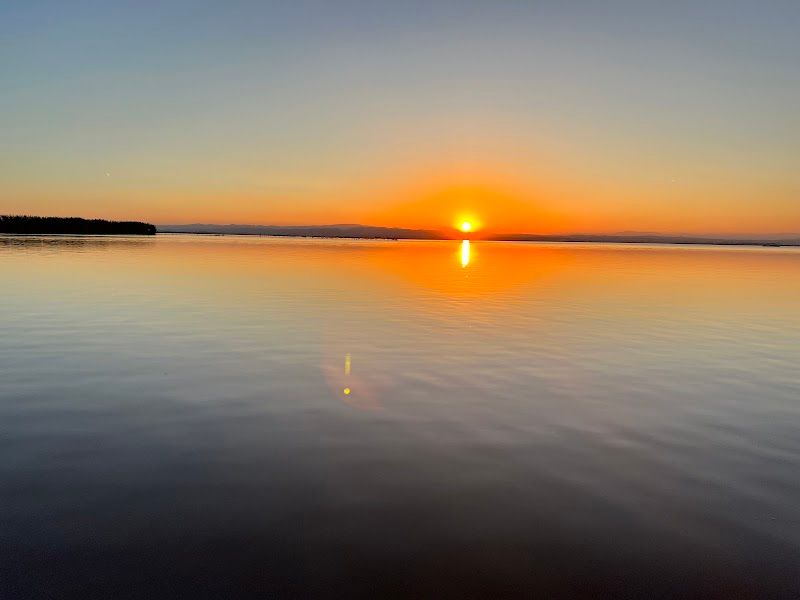
Valencia · City of Arts & Sciences

Restaurante Submarino

A unique underwater restaurant located inside the Oceanogràfic aquarium with floor-to-ceiling windows overlooking a massive aquarium tank.
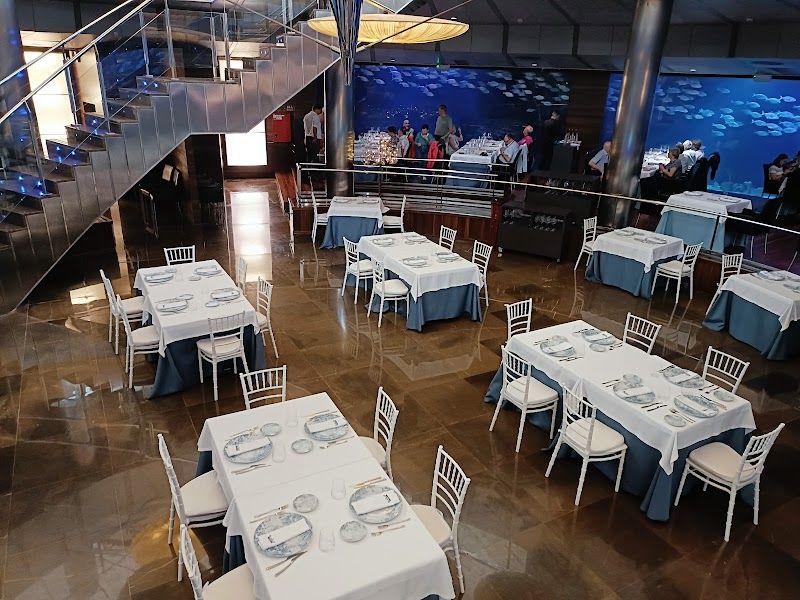
Restaurante Submarino, Valencia · City of Arts & Sciences
Category
Restaurant
Duration
2 hours
Best Time
Afternoon
Entry
€€€€
Rating
4.0 (5,697)
The place

About Restaurante Submarino

A unique underwater restaurant located inside the Oceanogràfic aquarium with floor-to-ceiling windows overlooking a massive aquarium tank. Diners enjoy Mediterranean cuisine while sharks, rays, and tropical fish swim past their tables. The tasting menus feature fresh local seafood and rice dishes with creative presentations.

Book ahead

Book Tickets

Live availability and skip-the-line options from our booking partners.

Search on Viator →Search on GetYourGuide →

Booking powered by our partners. DAIZ may earn a commission.

The place

Getting there

Address
C/ d'Eduardo Primo Yúfera, 1b, Quatre Carreres, 46013 València, Valencia, Spain
Neighborhood
City of Arts & Sciences
View on Google Maps →
Good to know

Tips, answered

Reserve a table for dinner service around 8:30pm when the aquarium lighting creates the most dramatic ambiance and the fish are most active.

Plan for about 2 hours.

Restaurante Submarino is in the City of Arts & Sciences neighborhood of Valencia. The address is C/ d'Eduardo Primo Yúfera, 1b, Quatre Carreres, 46013 València, Valencia, Spain. The area is well-served by metro.

This works well at any time of day, though mornings tend to be quieter. Weekdays are less crowded than weekends.

Around the corner

Nearby in City of Arts & Sciences
Explore all →
City of Arts and Sciences
Museum

City of Arts and Sciences

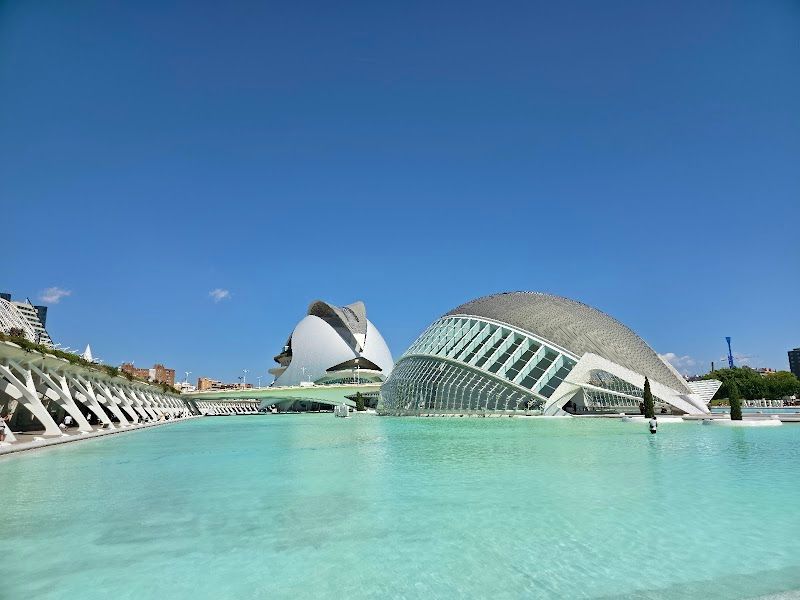
Valencia's City of Arts and Sciences sprawls across 350,000 square meters of what used to be the Turia riverbed, featuring six futuristic white structures designed by Santiago Calatrava. You're looking at Europe's largest aquarium (the Oceanogràfic), an IMAX cinema shaped like a giant eye (the Hemisfèric), an interactive science museum that resembles a whale skeleton, and an opera house that pushes architectural boundaries. The buildings reflect dramatically in shallow surrounding pools, creating some of Spain's most photographed modern architecture. Walking through feels like exploring a sci-fi movie set where every angle reveals new curves and impossible-looking supports. The structures change completely as you move around them: what looks like a spine from one side becomes flowing wings from another. Early morning and late afternoon light transforms the white surfaces and creates mirror-perfect reflections in the water. The scale hits you gradually as you realize each building is massive, yet they feel weightless thanks to Calatrava's engineering. Most guides push you to buy tickets for everything, but honestly, walking the exterior for free gives you 70% of the experience. The Oceanogràfic justifies its EUR 33 price if you've got 3 hours and love aquariums, but the science museum at EUR 9 feels dated. Skip the IMAX unless you're desperate for air conditioning. The real magic happens outside with your camera during golden hour.

3-5 hours (full complex)Explore
Oceanogràfic València
Cultural Site

Oceanogràfic València

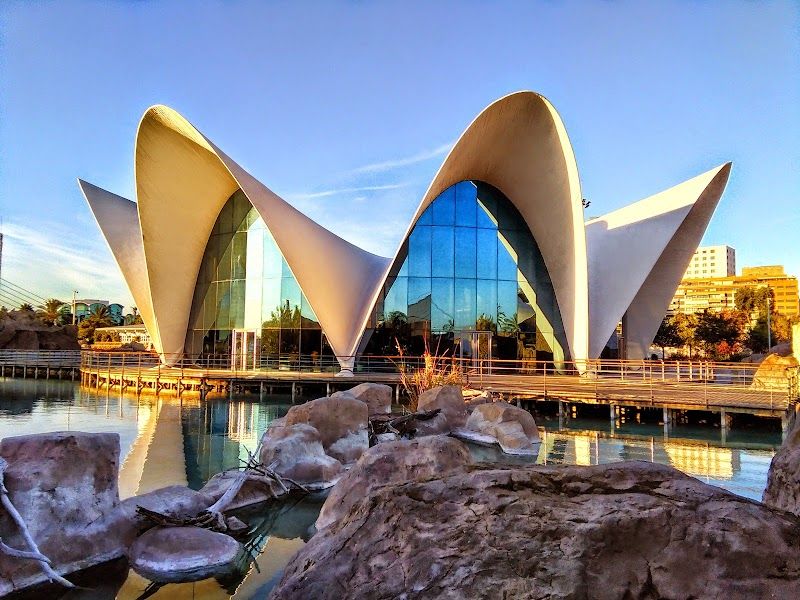
Oceanogràfic València houses 45,000 marine animals across nine underwater towers, each replicating different ocean ecosystems from Arctic waters to tropical coral reefs. You'll walk through Europe's longest underwater tunnel (35 meters) surrounded by sharks, rays, and massive groupers, then explore separate pavilions for dolphins, beluga whales, walruses, and penguins. The architecture alone is spectacular: Félix Candela's futuristic white structures look like giant water lilies floating on artificial lagoons. Your visit flows naturally from ecosystem to ecosystem, starting with Mediterranean waters and progressing to tropical seas, Arctic zones, and finally the impressive dolphinarium. The underwater tunnels create genuine wow moments as hammerhead sharks glide overhead, while the beluga whale habitat lets you watch these Arctic giants both above and below water. The dolphin shows happen four times daily, but honestly, the spontaneous interactions you'll see just walking around the dolphin lagoons are more engaging. Tickets cost 32.70 EUR for adults (book online for small discounts), and you'll need a full morning or afternoon to see everything properly. Skip the overpriced restaurant inside and eat beforehand. Most visitors rush through the smaller exhibits to reach the big attractions, but the jellyfish gallery and sea turtle recovery center are actually more memorable than the crowded dolphin shows. Start with the Red Sea tower if you arrive after 11am, as tour groups hit the main tunnel first.

3-4 hoursExplore
Museu de les Ciències Príncipe Felipe
Museum

Museu de les Ciències Príncipe Felipe

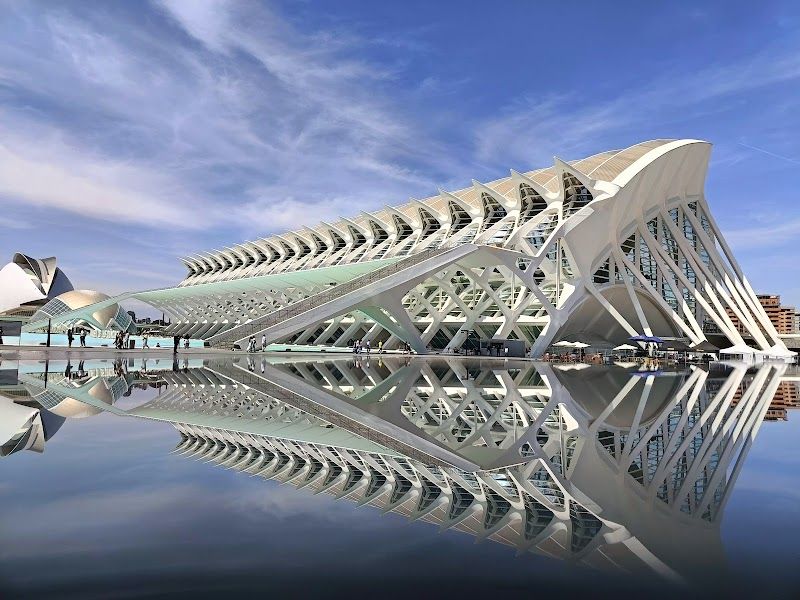
Santiago Calatrava's skeletal white architecture houses one of Spain's most engaging science museums, where you'll spend hours with hands-on exhibits that actually work. The Zero Gravity simulator lets you experience weightlessness, while the giant Foucault pendulum demonstrates Earth's rotation in real time. Interactive displays cover everything from DNA sequencing to Mars exploration, with most explanations in Spanish, Valencian, and English. You can manipulate real lab equipment, walk through a reproduction of the International Space Station, and test physics principles that would make your school teacher jealous. The building itself steals the show with its ribbed white exterior and cathedral-like interior spaces flooded with natural light. You'll start on the ground floor with basic physics exhibits, then climb through increasingly complex displays about biology, technology, and space. The atmosphere feels more like a playground for curious adults than a stuffy museum. Kids run between exhibits while parents get equally absorbed in the demonstrations. The upper levels offer the best exhibits and fewer crowds, especially the astronomy section with its planetarium-style projections. Most guides don't mention that entry costs €8 for adults, but the combined ticket with other City of Arts and Sciences attractions gets expensive fast at €37.20. Skip the ground floor's basic exhibits about simple machines and head straight upstairs where the real innovations live. The museum works best for 2-3 hours maximum, after that the interactive novelty wears thin and you'll want to explore the stunning exterior architecture and reflecting pools outside.

2-3 hoursExplore
L'Hemisfèric
Cultural Site

L'Hemisfèric

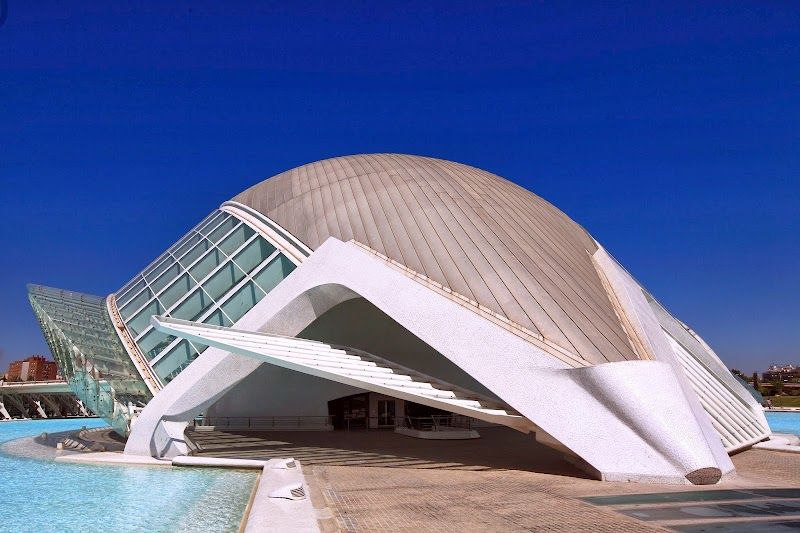
L'Hemisfèric houses Europe's largest IMAX dome screen inside Santiago Calatrava's eye-shaped architectural marvel. You'll watch immersive documentaries about space, nature, and science while lying back in specially angled seats as images wrap around you in 180 degrees. The building itself sits like a giant blinking eye beside a reflecting pool, with mechanical eyelids that actually open and close throughout the day. Inside, the experience feels like being swallowed by the screen. The 900-square-meter concave dome surrounds you completely, making you forget you're in a theater. Films range from flying through galaxies to swimming with sharks, all with crystal-clear 8K resolution and surround sound that rumbles through your seat. The 45-minute shows rotate throughout the day, typically featuring 3-4 different documentaries. Tickets cost around 8-11 EUR depending on the show, but honestly, half the films are recycled nature documentaries you could watch at home. The space and astronomy films deliver the most wow factor on this massive screen. Skip the afternoon sessions when school groups turn it into chaos. The architecture outside photographs beautifully, but don't spend more than 10 minutes walking around the building itself.

1.5-2 hoursExplore
Parc Natural de l'Albufera
Park & Garden

Parc Natural de l'Albufera

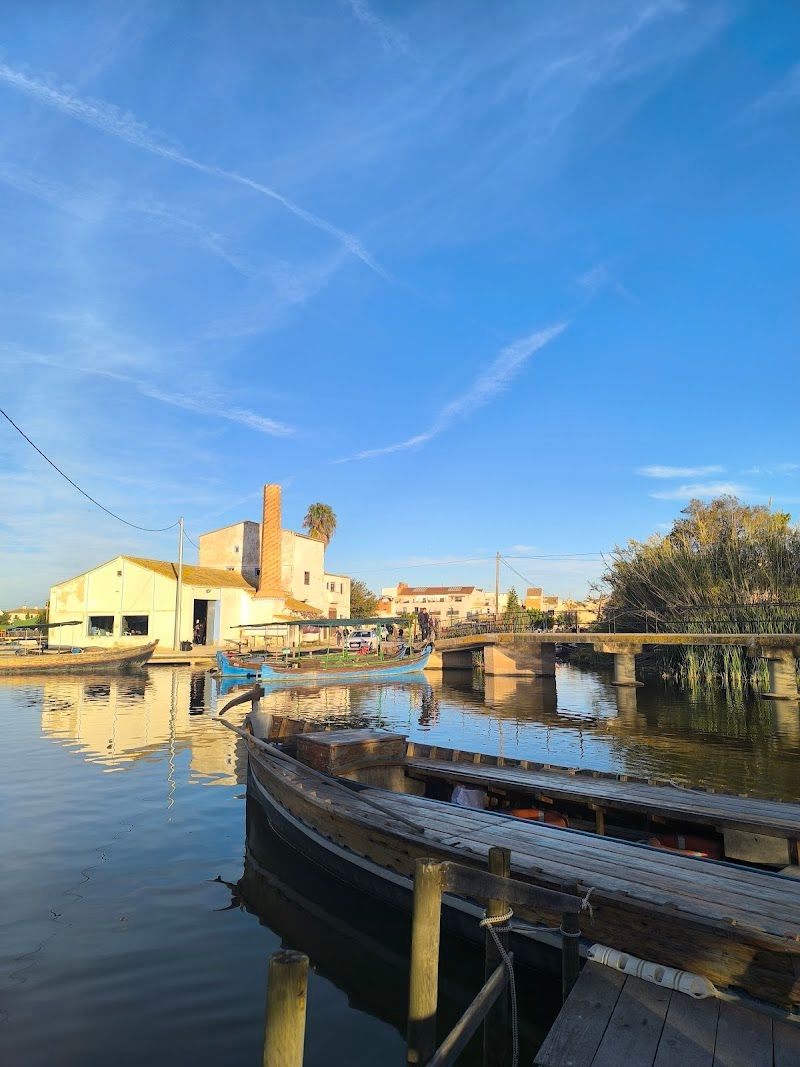
Parc Natural de l'Albufera is Europe's largest freshwater lake, sitting 15km south of Valencia amid 21,000 hectares of rice paddies that supply the city's paella restaurants. You'll cruise shallow waters dotted with traditional thatched fishing huts called barracas, while flamingos, herons, and over 350 bird species feed in the marshlands. The boat trips cost around 4-6 EUR and last 45 minutes, but the real draw is staying for sunset when the entire lagoon turns molten gold. The experience feels wonderfully unhurried after Valencia's pace. Your boat putters slowly through reed-lined channels where fishermen still use traditional nets, exactly as they have for centuries. The silence is broken only by bird calls and the gentle splash of oars. During migration seasons (spring and autumn), the sky fills with thousands of birds creating an almost otherworldly atmosphere. The landscape shifts constantly as you move between open water, narrow canals, and rice field borders. Most visitors rush through on day tours and miss the magic. Skip the crowded restaurant terraces in El Palmar village (overpriced tourist traps) and focus on the boat trip plus sunset viewing from the shoreline. The morning trips at 10am offer better bird watching, but afternoon departures around 4pm let you stay for that famous golden hour. Parking costs 2-3 EUR for the day, and you can easily combine this with a proper paella lunch in nearby Cullera for better value.

2-3 hoursExplore
Albufera Excursions
Tour

Albufera Excursions

Albufera Natural Park sits 15km south of Valencia, where Spain's largest freshwater lagoon meets endless rice paddies that supply the city's paella restaurants. You'll cruise across mirror-still waters on traditional wooden boats called albuferencs, watching flamingos and herons fish in the shallows while farmers tend fields that have fed Valencia for over 700 years. The boat rides at sunset are genuinely spectacular, not tourist trap material. The experience starts with a drive through flat agricultural landscape that looks unremarkable until you reach the water. Your boat captain, usually a local fisherman, poles through narrow channels between reed beds where the only sounds are water lapping and birds calling. The lagoon opens up to reveal a 21-square-kilometer expanse that turns gold, then pink, then deep orange as the sun drops. Rice paddies stretch to the horizon, flooded fields creating a patchwork of mirrors. Most tour companies charge 25-35 EUR for boat rides plus transport, but you can drive yourself and pay locals directly at El Palmar village for 12-15 EUR per person. Skip the restaurant stops that tour groups push, the paella is mediocre tourist food. The morning boat trips are pretty but lack the dramatic lighting that makes this place special. Go for late afternoon departures between 5-7pm depending on season.

4 hoursExplore
More on Valencia

From the blog

View all →
Ready for Valencia?

Let DAIZ plan your Valencia days

Tell us how long you've got and what you're into. We'll build a day-by-day plan, with the bookable bits ready to lock in.

Plan my Valencia tripFree · no signup to start
Plan your Valencia trip