Valencia's restaurant scene splits into two distinct personalities: the traditional coastal city that guards its paella recipe with fierce pride, and the modern food destination that's quietly become one of Spain's most exciting dining cities. You'll find EUR 12-18 paella cooked over wood fires at beach restaurants where locals argue over the socarrat, and EUR 35-55 dinner experiences in Ruzafa bistros serving dishes that would fit comfortably in Barcelona or Madrid.
The best valencia food places aren't clustered in one tourist zone. They're scattered across neighborhoods that each tell a different culinary story. Ciutat Vella holds the traditional taverns and century-old horchaterías, while Ruzafa transformed from working-class barrio to foodie paradise in just 15 years. The beach neighborhoods of El Cabanyal serve the city's most authentic rice dishes, and even the futuristic City of Arts and Sciences has restaurants worth the metro ride.
Traditional Valencia Food Places: Where Locals Have Been Eating for Decades
The Paella Masters at La Malvarrosa Beach
La Pepica remains the most famous paella restaurant in Valencia, and despite the tourist crowds, it still cooks proper paella valenciana. The restaurant opened in 1898 and Ernest Hemingway ate here regularly during his Valencia visits. The EUR 16 per person paella valenciana arrives in a 15-inch pan with rabbit, chicken, green beans, and garrafón beans cooked over orange wood. The socarrat (crispy bottom layer) is properly caramelized, and they refuse to serve paella after 4 PM because locals don't eat rice for dinner.
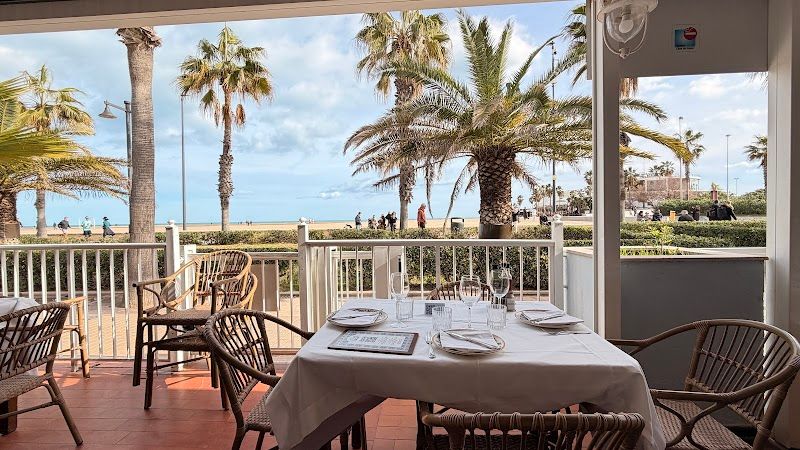
The restaurant sits directly on Platja de la Malva-rosa with tables spilling onto the beach promenade. Arrive by 1 PM on weekends or expect a 45-minute wait. They also serve excellent fideuà (noodle paella) for EUR 14 per person and arroz con bogavante (lobster rice) for EUR 24 per person.
Casa Roberto (Carrer de Eugenia Viñes 314) takes paella more seriously than most Valencians take their football team. Owner Roberto Domenech uses rice grown 30 minutes south in Sueca, saffron from La Mancha, and refuses to cook for fewer than two people because "paella is a social dish." His EUR 15 per person paella valenciana includes a 10-minute lecture about proper paella technique while you wait. The restaurant looks like someone's grandfather's dining room, but the rice is flawless.
Restaurante Navarro (Carrer del Doctor Lluch 19) has been serving the same families for three generations. The EUR 13 per person paella comes with beans picked that morning from their supplier in Gandia. The dining room hasn't changed since 1982, complete with plastic tablecloths and fluorescent lighting, but locals pack the place every Sunday because the rice speaks louder than the decor.
Century-Old Establishments in Ciutat Vella
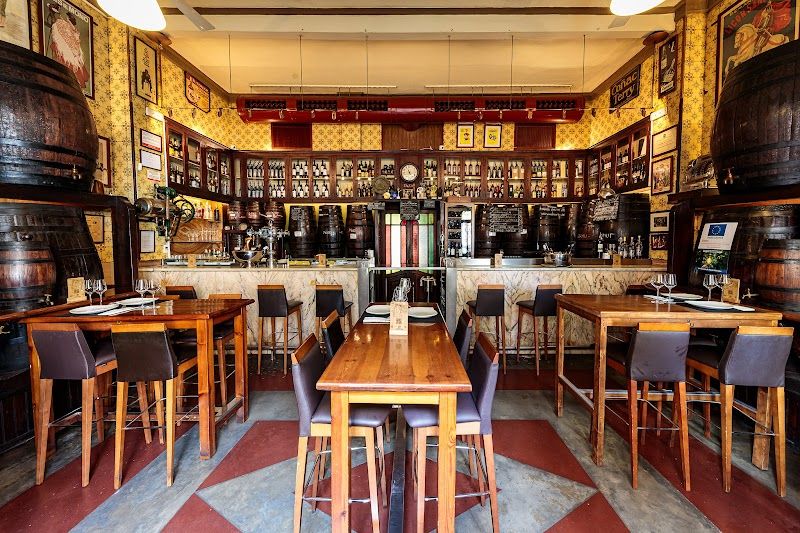
Casa Montaña opened in 1836 as a wine shop and gradually added food to accommodate customers who didn't want to leave. The tiny bar serves over 600 wines by the glass and plates of jamón that cost EUR 12-18. Stand at the bar with locals during evening aperitivo hour (7-9 PM) or reserve one of eight tables for dinner. The boquerones en vinagre (marinated anchovies) for EUR 6 and tortilla española for EUR 8 haven't changed recipes in decades.
The original wine barrels still line the walls, and the handwritten wine list changes daily based on what owner Emiliano García finds interesting. This isn't a restaurant that caters to tourists - the menu is in Spanish and Valencian only, service can be brusque, but the quality is uncompromising.
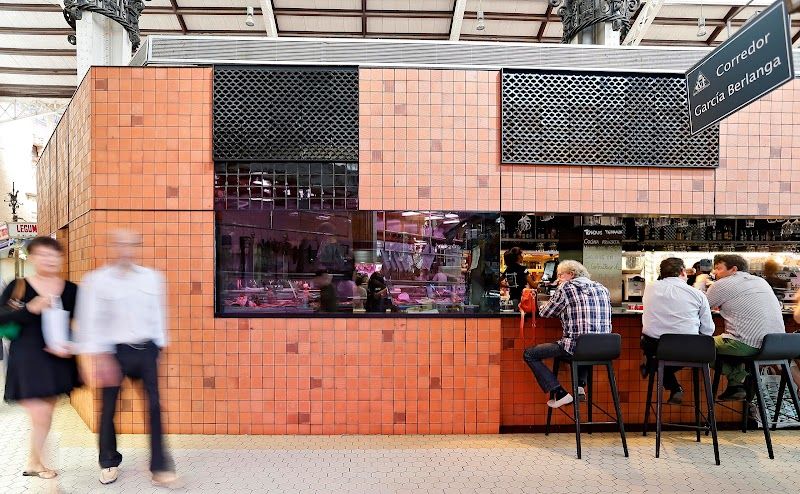
Central Bar operates inside the Mercado Central and serves the market vendors and early shoppers. The EUR 8-12 menu del día includes dishes made from ingredients bought that morning from neighboring stalls. Try the esgarraet (cod and pepper salad) for EUR 7 or the all i pebre (eel stew) for EUR 12. The bar opens at 6 AM for coffee and stays busy until the market closes at 3 PM.
Horchatería Santa Catalina (Plaza de Santa Catalina 6) has been serving horchata since 1845 from the same marble-topped tables. The EUR 4 horchata with fartons (sweet bread sticks) remains Valencia's perfect afternoon snack. The horchata is made fresh daily from tiger nuts grown in nearby Chufa, and locals judge other horchaterías against this standard. Order it ben freda (very cold) and dip the fartons directly into the drink.
Modern Valencia Restaurants: The Ruzafa Revolution
Ruzafa transformed Valencia's dining reputation starting around 2010 when young chefs began opening restaurants in abandoned storefronts. The neighborhood now hosts some of valencia's most innovative restaurants, though prices reflect the area's rapid gentrification.
Creative Mediterranean Cuisine
Fierro (Carrer del Comte d'Altea 35) occupies a former metalworking shop and kept the industrial aesthetic while installing a kitchen that produces some of Valencia's most precise cooking. Chef Germán Carrizo trained at elBulli and applies molecular techniques to Valencian ingredients. The EUR 45 tasting menu might include deconstructed paella presented as rice paper with concentrated paella essence, or traditional horchata reimagined as a savory soup with tiger nut oil.
Reservations open 30 days in advance and fill within hours. The dining room seats only 28 people at communal tables made from the original workshop benches.
Canalla Bistro (Carrer de Cadis 37) was Ricard Camarena's first restaurant before he earned his Michelin star, and it remains his most approachable. The EUR 35-45 dinner features dishes like duck confit with Valencian orange reduction and sea bass with almond picada. The restaurant feels more like a neighborhood bistro than a celebrity chef showcase, with closely packed tables and a soundtrack that shifts from jazz to indie rock.
The lunch menu del día costs EUR 18 and offers the same quality as dinner at half the price. Arrive before 1:30 PM or after 2:30 PM to avoid the peak rush.
Slaughterhouse (Carrer de Dénia 12) serves American-style barbecue in a former butcher shop, complete with hanging meat hooks and checkered floors. The EUR 15-22 main courses include 12-hour smoked brisket and house-made chorizo that somehow works in Valencia. The craft beer selection focuses on American IPAs and Spanish microbrews.
International Flavors Done Right
Kamon Ramen (Carrer del General Prim 10) makes proper tonkotsu ramen in a city where Asian food was limited to Chinese takeaway until recently. The EUR 12-15 ramen bowls use 20-hour pork bone broth and house-made noodles. The restaurant seats 25 people at a counter facing the open kitchen, and there's usually a 20-minute wait during dinner hours.
La Finestra (Carrer de Cuba 49) serves pizza napoletana from a wood-fired oven imported from Naples. The EUR 9-13 pizzas use San Marzano tomatoes and buffalo mozzarella, and the crust achieves the proper char-to-chew ratio. The wine list focuses on natural Italian wines starting at EUR 18 per bottle.
MercatBar (Carrer de Cadis 27) is Quique Dacosta's casual concept serving elevated tapas in a space designed to look like a traditional market. The EUR 8-15 small plates include liquid olives that explode with flavor and deconstructed tortilla española. The restaurant doesn't take reservations, so arrive early or prepare to wait with a drink at the bar.
Valencia Dining by Neighborhood: Where to Eat Based on Where You Are
Ciutat Vella: Traditional Tapas and Historic Establishments
The old town concentrates Valencia's oldest restaurants around the cathedral and central market. Prices remain reasonable because many establishments cater to locals who work in the area.
Taberna Alkázar (Carrer de Mossén Femades 13) serves traditional Valencian dishes in a dining room lined with ceramic tiles from Manises. The EUR 12-16 main courses include espencat (roasted pepper and eggplant salad) and fideuà negra made with squid ink. The house wine costs EUR 2.50 per glass and comes from vineyards in nearby Requena.
Casa del Bacalao (Carrer de Caballeros 35) specializes in cod preparations, serving 15 different bacalao dishes in a restaurant that's been family-owned for four generations. The EUR 10-14 cod dishes range from traditional esqueixada (shredded cod salad) to more creative preparations with saffron and almonds.
La Pilareta (Carrer de Mossén Femades 13) claims to have invented the tapa (small appetizer) in Valencia, though several other bars make the same claim. The EUR 1.50-3 tapas include mussels, clams, and small sandwiches that arrive automatically with each drink order. Stand at the bar like locals or grab one of six tables in the back room.
El Cabanyal: Authentic Paella and Beach Dining
The former fishing village turned beachfront neighborhood serves Valencia's most traditional rice dishes in restaurants that have fed maritime families for generations.
Casa Clementa (Carrer de José Benlliure 142) cooks paella over wood fires in clay-lined ovens, giving the rice a subtle smoky flavor that gas burners can't achieve. The EUR 14 per person paella marinera includes monkfish, prawns, and mussels caught that morning. The restaurant occupies a converted fisherman's house with tables in three small dining rooms.
Restaurante Marisol (Passeig de Neptú 8) sits directly on the beach promenade and serves paella to families who've been coming here for Sunday lunch since the 1960s. The EUR 15 per person paella mixta combines seafood and meat in a preparation that purists reject but locals love. The terrace tables offer direct beach views, though you'll pay EUR 2 extra for the privilege.
Barraca Toni Montoliu (Carrer del Rosari 3) operates in a traditional barraca (thatched-roof farmhouse) that was moved from the rice fields to the beach in 1987. The EUR 16 per person paella valenciana follows the original recipe exactly, and owner Toni Montoliu explains the cooking process to anyone who asks. The restaurant serves paella only, closing when they run out of rice.
City of Arts and Sciences: Modern Dining with a View
The futuristic complex offers several dining options, though prices reflect the tourist-heavy location.
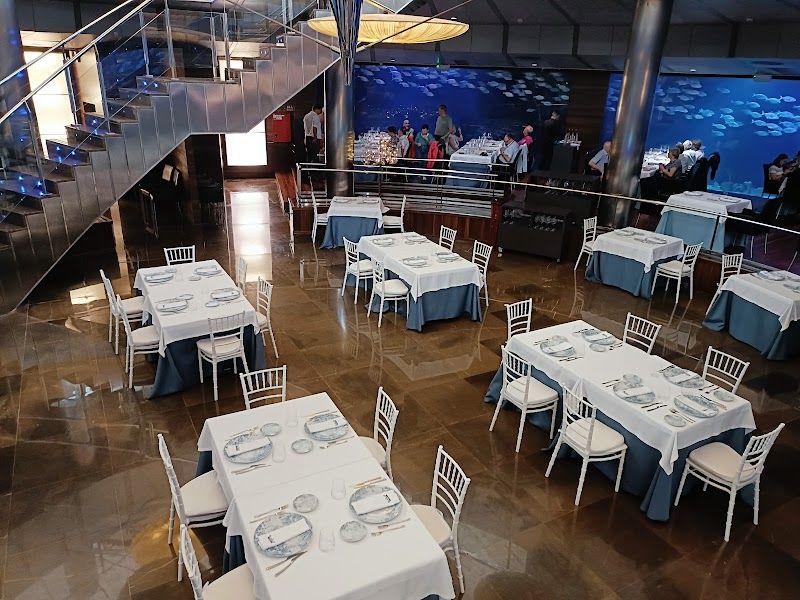
Restaurante Submarino operates inside the Oceanogràfic aquarium, surrounded by floor-to-ceiling tanks filled with sharks, rays, and tropical fish. The EUR 35-45 tasting menu focuses on sustainable seafood prepared with modern techniques. Dining here requires Oceanogràfic admission (EUR 32.7), making it an expensive but memorable experience.
Ágape Restaurante (Avenida del Professor López Piñero 7) serves creative Mediterranean cuisine in a glass-walled dining room overlooking the City of Arts and Sciences. The EUR 28-38 main courses include dishes like red tuna with black garlic and lamb with rosemary from their rooftop garden. The lunch menu del día costs EUR 22 and offers better value than dinner.
Budget-Friendly Valencia Food Places: Quality Meals Under EUR 15
Valencia's best budget meals aren't found in tourist areas. Head to neighborhoods like Benimaclet or Campanar where locals eat regularly.
Neighborhood Gems for Everyday Dining
Bar Momo (Carrer de Primado Reig 162) serves the city's best bocadillos (sandwiches) from a tiny shop that seats 12 people. The EUR 4-6 sandwiches use bread from nearby Horno de San Onofre and fillings like jamón ibérico or Spanish tortilla. Order the bikini (grilled ham and cheese) for EUR 3.50 or the pepito de ternera (beef sandwich) for EUR 5.50.
Cervecería Madrid (Carrer de Xàtiva 27) has been serving the same EUR 8-12 menu del día since 1968. The three-course lunch includes soup or salad, a main course like paella or grilled fish, dessert, and wine or beer. The dining room fills with office workers and students who appreciate honest cooking at fair prices.
L'Estimat (Carrer de Sant Pere 1) operates in Benimaclet neighborhood and serves traditional Valencian home cooking. The EUR 10-14 main courses include dishes like arroz con verduras (vegetable paella) and conejo al ajillo (rabbit with garlic). The restaurant feels like eating in someone's grandmother's dining room, complete with lace curtains and family photographs.
Market Food and Street Eats
The Mercado Central offers numerous stalls serving prepared food alongside fresh ingredients. Central Bar inside the market serves quality meals for EUR 8-12, but several other stalls offer quick bites.
Jamón Experience (stall 356 in Mercado Central) serves jamón ibérico carved to order with manchego cheese for EUR 8-12. The quality matches expensive restaurants at half the price.
La Pepica del Mercat (stall 234) makes individual portions of paella for EUR 5-7, a quick taste without committing to a full restaurant meal. The rice isn't as refined as beachfront restaurants, but it satisfies cravings affordably.
Upscale Valencia Restaurants: Special Occasion Dining
Valencia's fine dining scene combines traditional techniques with modern presentation, often featuring locally sourced ingredients from L'Horta (the surrounding agricultural region).
Michelin-Starred Excellence
Ricard Camarena Restaurant (Carrer del Dr. Cadafalch 4) earned its Michelin star by applying contemporary techniques to traditional Valencian ingredients. The EUR 85-125 tasting menus might include liquid paella served in an edible spoon or horchata reimagined as a savory course. Chef Ricard Camarena sources ingredients from specific farms in L'Horta and the menu changes seasonally.
The restaurant requires reservations weeks in advance and maintains a dress code that excludes shorts and sandals. The wine pairing adds EUR 45-65 to the meal cost.
Ca Sento (Carrer de Méndez Núñez 17) focuses exclusively on rice dishes elevated to fine dining standards. The EUR 45-65 rice courses include preparations like arroz con alcachofas y almejas (artichoke and clam rice) and paella with lobster and seasonal vegetables. The dining room seats only 35 people, and chef Raquel López personally explains each dish.
Contemporary Spanish Cuisine
Vertical (Carrer de Luis Vives 35) occupies the 16th floor of a residential tower with panoramic city views. The EUR 38-52 main courses focus on grilled meats and seafood prepared simply but precisely. The terrace tables offer sunset views over Valencia, though you'll need reservations weeks ahead for window seats.
Habitual (Carrer del Doctor Sumsi 4) serves modern Spanish cuisine in an intimate dining room that seats 30 people. Chef Vicente Patiño trained at El Celler de Can Roca and creates EUR 42-58 tasting menus that change monthly based on seasonal ingredients. The restaurant doesn't advertise and relies entirely on word-of-mouth recommendations.
Practical Information for Dining in Valencia
When and How Valencians Eat
Valencians eat later than most European cities. Lunch typically runs from 2-4 PM, with many restaurants closing between 4-8 PM. Dinner doesn't begin until 9 PM, and restaurants stay busy until midnight on weekends.
Paella is always a lunch dish. Ordering paella for dinner marks you as a tourist, though some beachfront restaurants will reluctantly serve it. Most paella restaurants require minimum orders for two people because the dish is designed for sharing.
Tapas culture exists but differs from southern Spain. Valencian bars serve small portions (tapas) with drinks, but don't expect elaborate pintxos like in the Basque Country. A EUR 2.50 caña (small beer) typically includes a small tapa like olives or cheese.
Reservation and Payment Tips
High-end restaurants require advance reservations, especially on weekends. Many restaurants don't answer phones during service hours (2-4 PM and 9-11 PM), so call during afternoon breaks.
Most restaurants accept credit cards, but smaller bars and traditional establishments prefer cash. Tipping isn't expected but rounding up bills or leaving 5-10% for excellent service is appreciated.
Getting Around Valencia's Food Scene
The metro connects major dining areas efficiently. Line 3 runs from the airport through Ciutat Vella to the beach neighborhoods. A EUR 1.50 single ticket covers most journeys within the city.
Ruzafa restaurants cluster within walking distance of Xàtiva metro station (Lines 1, 2, 3, 5). The beach restaurants near La Malvarrosa are accessible via tram Line 4 or 6.
Many locals cycle between neighborhoods using ValenBisi public bikes. The system costs EUR 13 for weekly access and works well for restaurant hopping during afternoon breaks.
Conclusion: Valencia's Food Identity Beyond Paella
The best valencia food places tell the story of a city that honors its culinary traditions while embracing innovation. You'll find EUR 13 paella cooked over orange wood fires by families who've perfected their technique across generations, and EUR 45 tasting menus that deconstruct those same flavors for modern palates.
Valencia's dining scene rewards exploration beyond the obvious tourist areas. The most memorable meals happen in neighborhood restaurants where locals eat regularly - whether that's a century-old tavern in Ciutat Vella serving EUR 8 menu del día or a Ruzafa bistro where young chefs experiment with local ingredients.
For a comprehensive overview of Valencia's food culture and traditions, check out our detailed paella and food guide, which covers the history and proper preparation of the city's most famous dish. If you're planning a broader Valencia visit, our first-time visitor's guide includes dining recommendations integrated with sightseeing suggestions.
The city's food reputation has evolved far beyond its signature rice dish. Modern Valencia offers everything from EUR 3.50 horchata at marble-topped traditional stands to EUR 125 Michelin-starred tasting menus that reinterpret Valencian classics. The best approach is to experience both: respect the traditions that define the city's culinary identity, then explore how contemporary chefs are pushing those traditions forward.