Valencia
The city that invented paella, a futuristic Calatrava complex in a riverbed park, and a Gothic market with 1,000 stalls
About Valencia
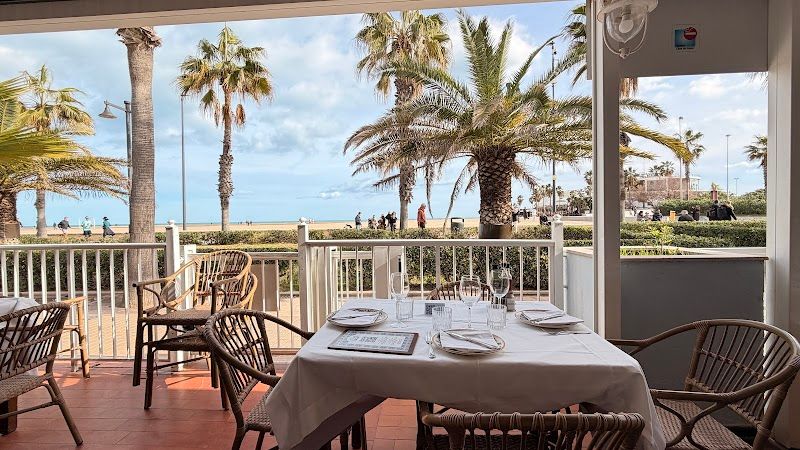
Valencia is the city that invented paella and will never let you forget it. The dish is cooked over wood fire in a wide shallow pan, the rice is short-grain and absorbs the saffron broth, the socarrat (the crispy rice at the bottom) is the part locals fight over, and if you order it with chorizo a Valenciano will look at you like you insulted their mother. A proper paella valenciana has rabbit, chicken, green beans, and garrafon beans. It costs EUR 12-18 per person, is always ordered for a minimum of two, and is always eaten at lunch, never dinner. The beach restaurants at La Malvarrosa and El Cabanyal serve it best.
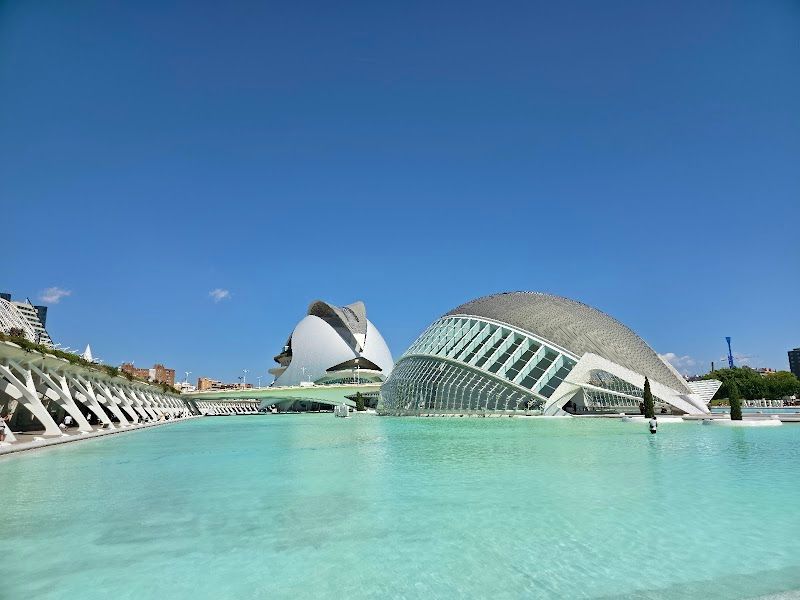
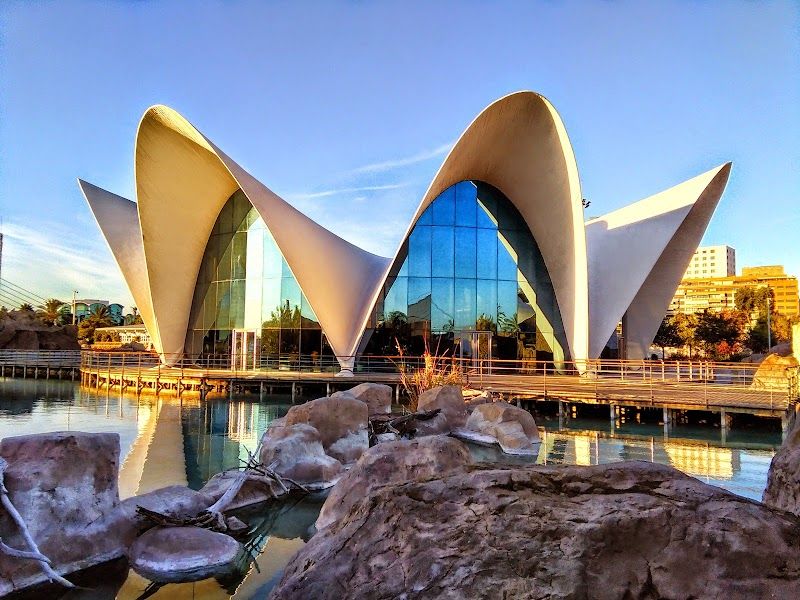
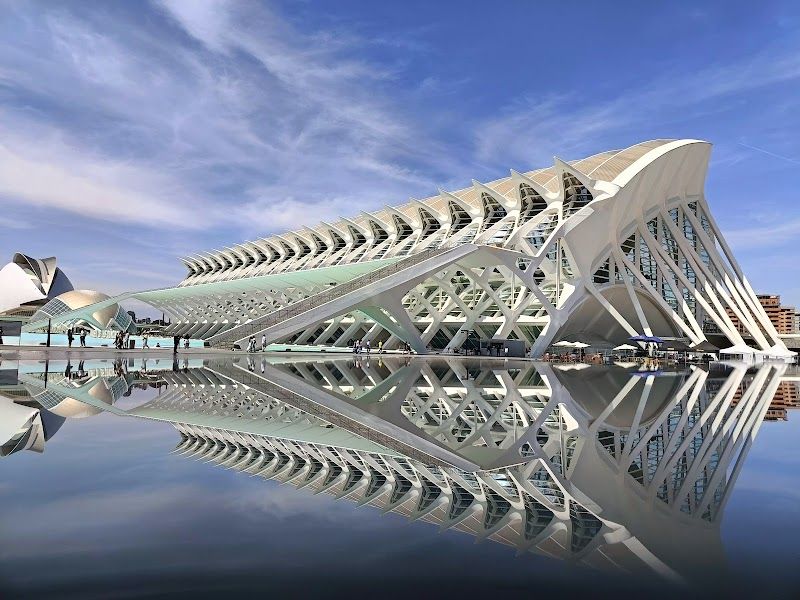
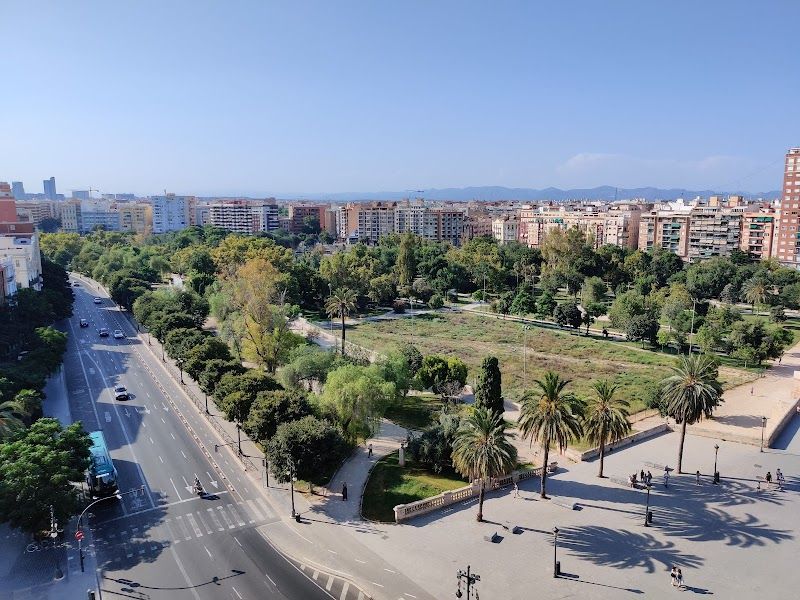
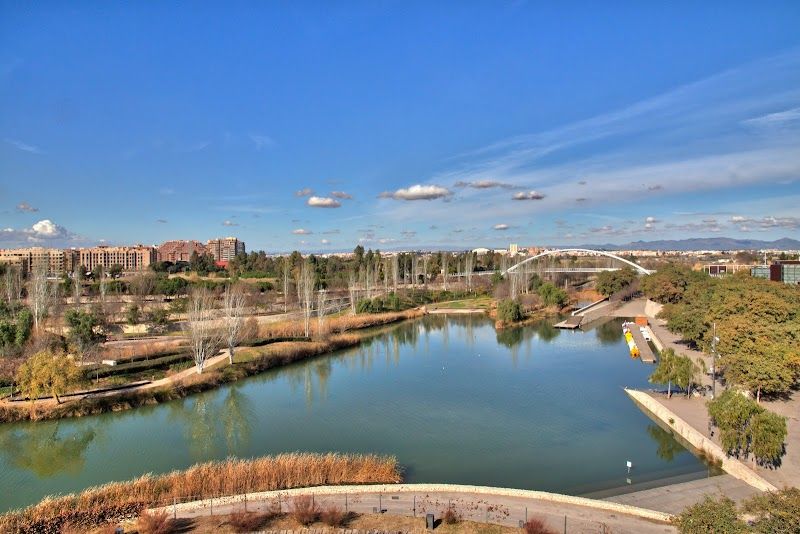
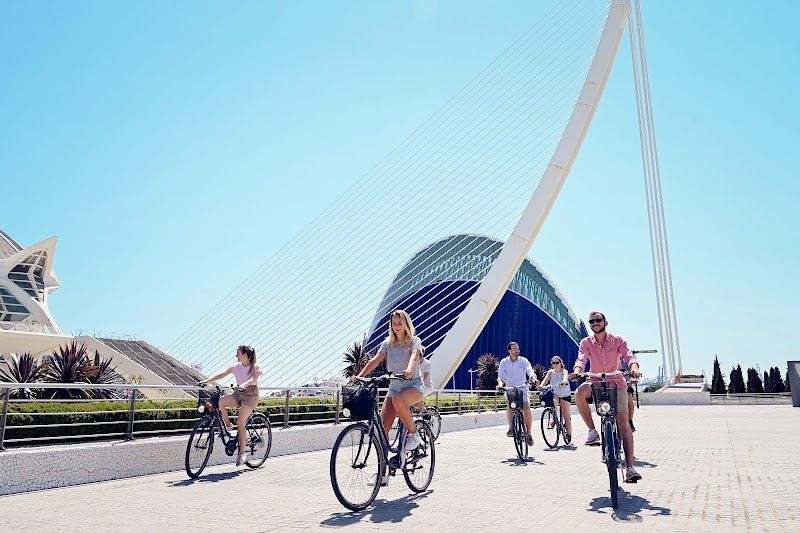
The City of Arts and Sciences is the other reason people come, and it is genuinely worth the trip. Santiago Calatrava designed a complex of futuristic white buildings in a drained riverbed that looks like a science fiction film set. The Oceanografic (EUR 33, the largest aquarium in Europe) and the Hemisferic (IMAX cinema inside what looks like a giant eye) are the highlights. The whole complex is walkable and the Turia Gardens, the 9 km park that runs through the old riverbed from the city centre to the complex, is one of the best urban parks in Europe.
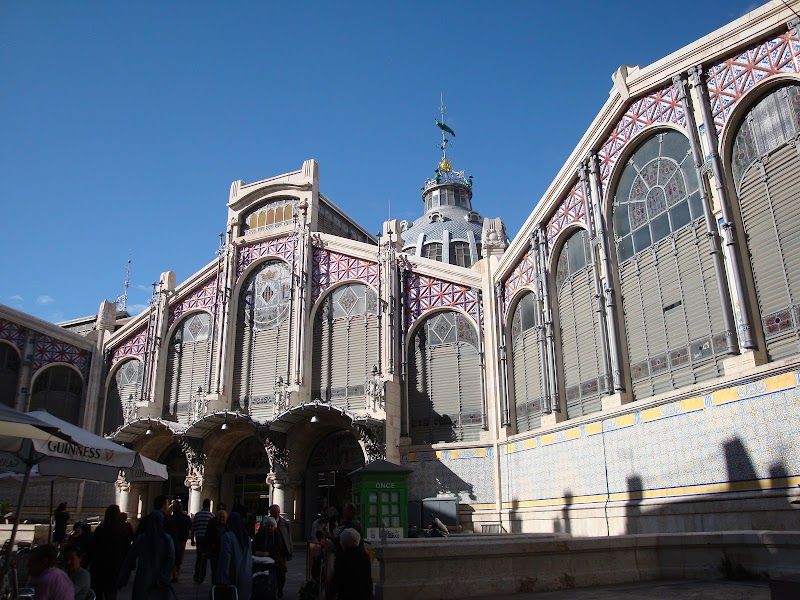
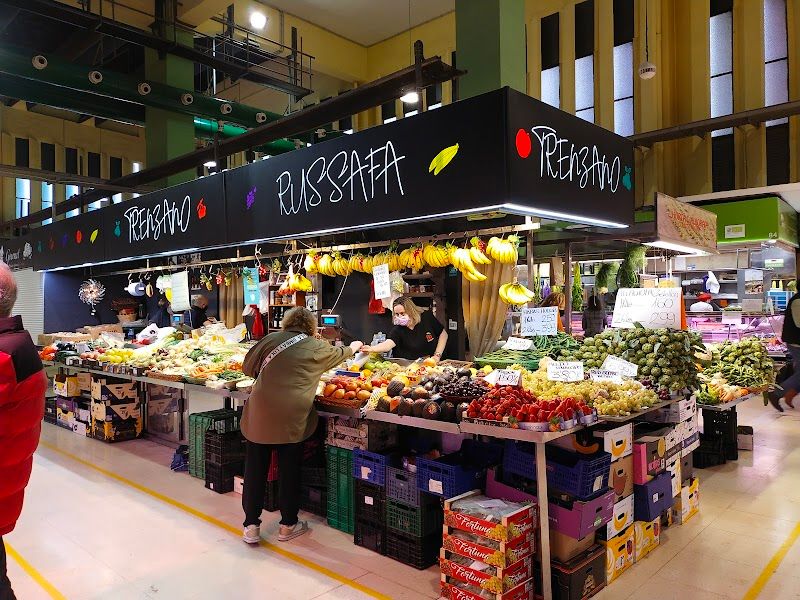
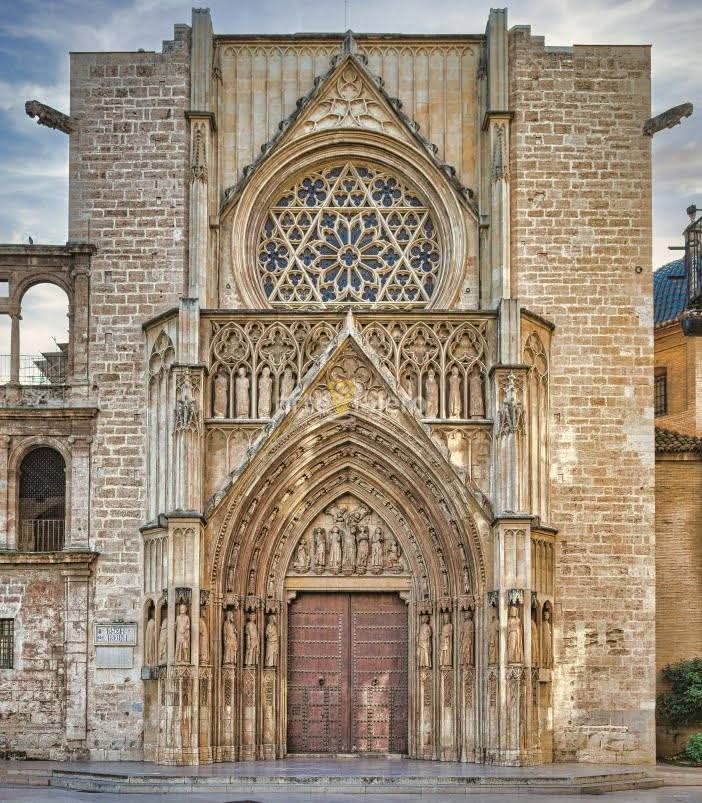
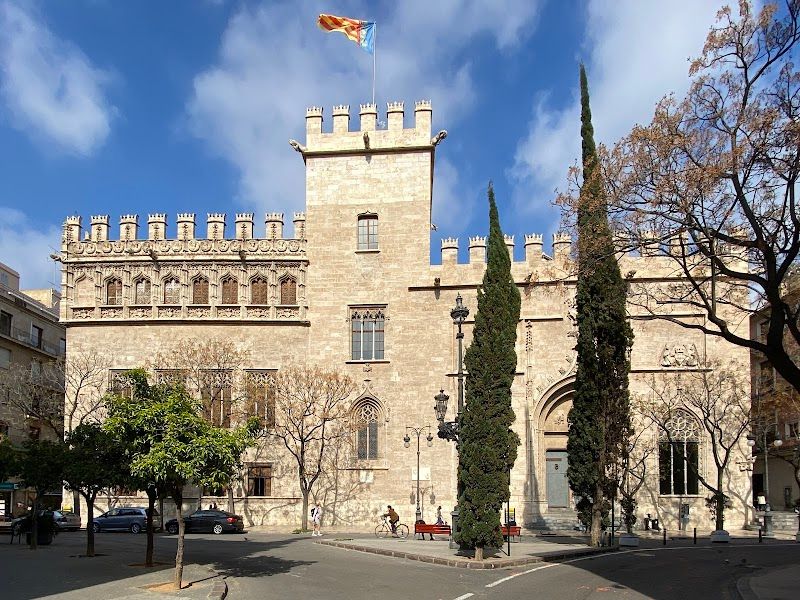
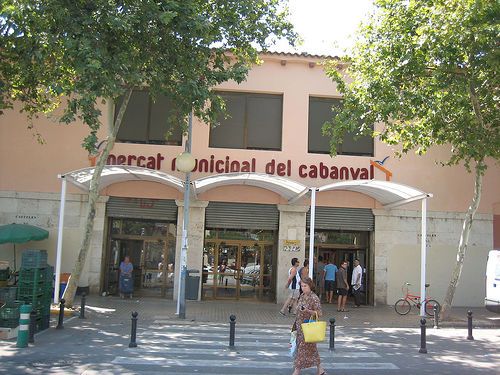
The old town is underrated. The Cathedral claims to have the actual Holy Grail. The Llotja de la Seda (EUR 2) is the Gothic silk exchange with twisted spiral columns and is the most beautiful secular Gothic building in Spain. The Mercado Central has over 1,000 stalls in a 1928 Modernisme building: go hungry, drink fresh horchata at the counter, eat at the stalls, and understand why Valencia's food scene is better than its reputation suggests.
Pick your base
Stay in Valencia
Real-time pricing across hotels, apartments, and ryokans. Book direct from the map.
Things to do in Valencia
Experiences worth booking ahead
Vetted tours and tickets we'd send a friend to. The ones worth reserving before you arrive.
Travel guides
From the blog
Practical bits, answered
Paella is a lunch dish, never dinner. Order a minimum of two portions (the pan size makes single servings impractical). Allow 30-45 minutes for it to cook after ordering: a good paella cannot be rushed. Paella valenciana uses rabbit, chicken, green beans, and garrafon beans. Seafood paella (arroz a banda, arroz negro) is a different dish and also legitimate. Ordering paella with chorizo is the one thing that will genuinely offend the person cooking it.
The Oceanografic (EUR 33) is worth it if you want to spend 2-3 hours in the largest aquarium in Europe: 500 species, the shark tank, and the jellyfish tunnel are the highlights. The Museu de les Ciencies (EUR 9) and the Hemisferic IMAX (EUR 9) are optional add-ons. The exterior of the complex is free to walk around and already justifies the trip. Morning light (before 11 AM) is best for the reflections in the pools.
Las Fallas is Valencia's fire festival, held annually in the third week of March. The city constructs hundreds of large satirical sculptures (fallas) throughout the streets, runs 18 days of fireworks at 2 PM daily (the mascletà), and burns everything on the night of March 19th. It is one of the most extraordinary festivals in Europe. Book accommodation 6-12 months ahead: the city fills completely and prices triple. The UNESCO-listed festival is loud, smoky, and astonishing.
Metro Line 4 or 6 from Xativa station to Neptuno stop (25 min, EUR 1.50). Alternatively, bike the Turia Gardens (30-40 min from the old town, flat and car-free). The beach at La Malvarrosa is 6 km from the old town. El Saler beach (15 km south, backed by Albufera pine forest) requires a bus (route 25) or car and is less crowded.
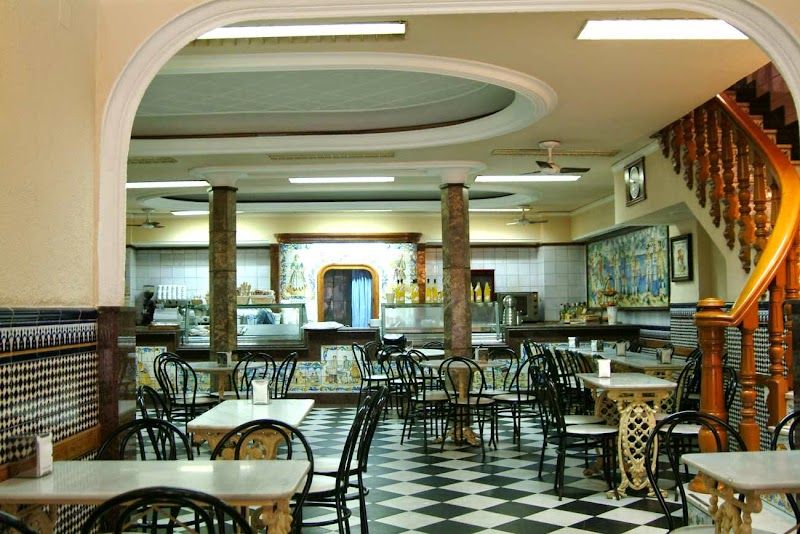
Horchata (orxata in Valencian) is a cold drink made from tiger nuts (chufa), water, and sugar. The fresh version is thick, slightly earthy, and completely unlike the packaged version sold elsewhere in Spain. It is drunk as a mid-morning or mid-afternoon refreshment, always cold, usually with fartons (elongated glazed pastries for dipping). The Mercado Central horchata stall serves the genuine article. Horchateria Santa Catalina near the Cathedral is the most historic vendor.
Let DAIZ plan your Valencia days
Tell us how long you've got and what you're into. We'll build a day-by-day plan, with the bookable bits ready to lock in.