Valencia food specialties extend far beyond the paella that made this Mediterranean city famous. While tourists flock here for the saffron-scented rice dish, locals have been quietly perfecting a dozen other specialties that deserve equal attention. The valencia food spain scene combines influences from the fertile agricultural region of L'Horta, the Mediterranean coastline, and centuries of Arabic culinary tradition.
The city's food identity is deeply rooted in its geography. The Albufera wetlands produce Spain's finest rice, the Mediterranean provides fresh seafood daily, and the surrounding orchards yield citrus, vegetables, and the tiger nuts that become horchata. This isn't fusion cuisine - it's regional cooking that evolved over centuries, and every dish tells the story of Valencia's landscape.
Paella Valenciana: The Real Version
Let's start with the obvious one, but do it properly. Paella valenciana contains rabbit, chicken, green beans (garrofón), lima beans, rice, saffron, and nothing else. No chorizo, no seafood, no peas. The dish costs EUR 12-18 per person and requires a minimum order for two people.
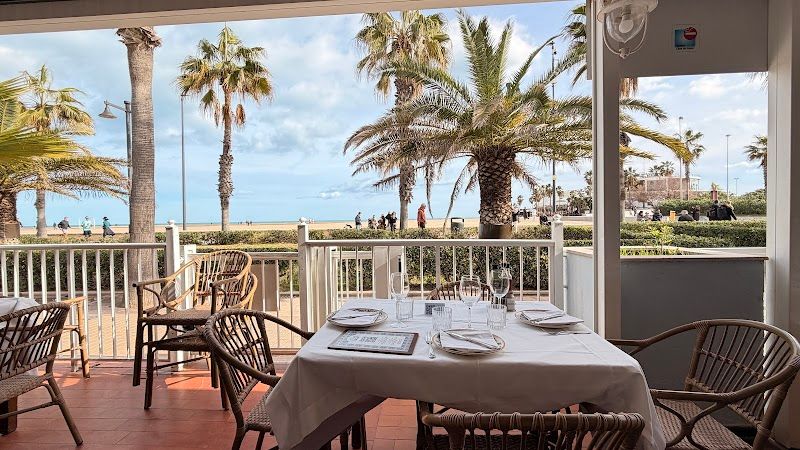
The best paella comes from restaurants in El Cabanyal, particularly those near Platja de la Malva-rosa. La Pepica on Paseo Neptuno has been serving the same recipe since 1898 and charges EUR 16 per person. The rice is cooked in a wide, shallow paellera over orange wood fire, creating the coveted socarrat (crispy bottom layer) that locals fight over.
Never order paella for dinner. It's a lunch dish, period. Restaurants stop serving it around 4 PM, and any place offering paella at night is targeting tourists, not feeding locals.
Valencia Traditional Food Beyond Rice
While rice dominates Valencia's culinary reputation, the region's traditional food encompasses much more. The valencia traditional food repertoire includes hearty stews, fresh seafood preparations, and unique sweet treats that reflect both Mediterranean and Arabic influences.
Horchata with Fartons
Horchata is Valencia's signature drink, made from tiger nuts (chufas), water, and sugar. It's served ice-cold and has a creamy, nutty flavor that's completely unlike anything else. The drink costs EUR 3.5-5 and comes with fartons - long, sweet pastries designed for dunking.
Horchatería Santa Catalina on Plaza Santa Catalina has been serving horchata since 1845. Their horchata is made fresh daily from tiger nuts grown in nearby Alboraia, and the fartons are baked on-site. Open daily 8 AM to 10 PM, it's where three generations of Valencian families have brought their children for their first taste of horchata.
Pro tip: Horchata doesn't keep well, so it's always made fresh. If a place has been serving horchata all day without making new batches, go somewhere else.
All i Pebre (Eel Stew)
All i pebre translates to "garlic and pepper," which accurately describes this intense eel stew from the Albufera region. The dish combines fresh eel with garlic, ñora peppers (dried red peppers), paprika, and potatoes. It's not subtle - the garlic hits you first, followed by smoky heat from the peppers.
Restaurante El Palmar in the Albufera Natural Park serves the best version for approximately EUR 18-22 per person. The eels are caught daily from the lagoon, and the ñora peppers are grown locally. The dish is intensely regional - you won't find it anywhere else in Spain.
Fideuà
Fideuà uses thin noodles instead of rice but follows the same cooking principles as paella. The noodles (fideus) are toasted first, then cooked in seafood stock with prawns, mussels, and squid. The result has more texture than paella and absorbs flavors differently.
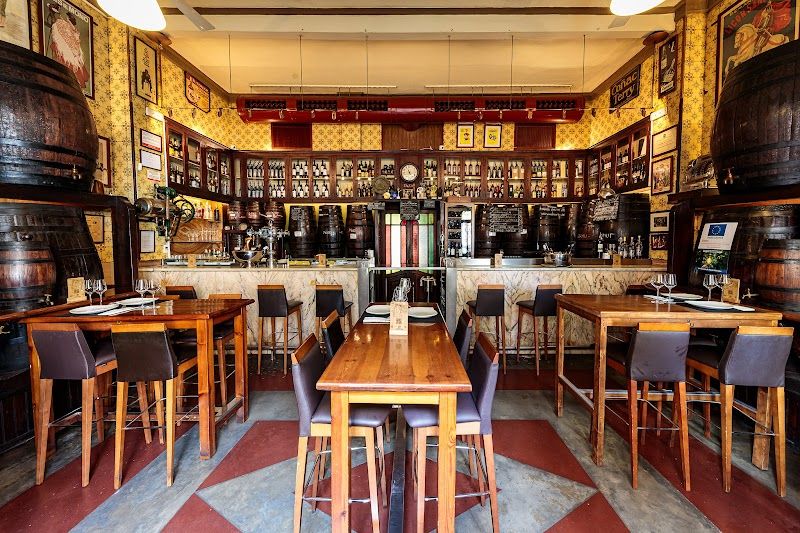
Casa Montaña on Calle José Benlliure serves excellent fideuà for EUR 14 per person. This century-old tavern focuses on traditional preparations and sources their seafood from the Port of Valencia daily. Their fideuà has a proper socarrat and comes with alioli on the side.
Market Specialties and Street Food
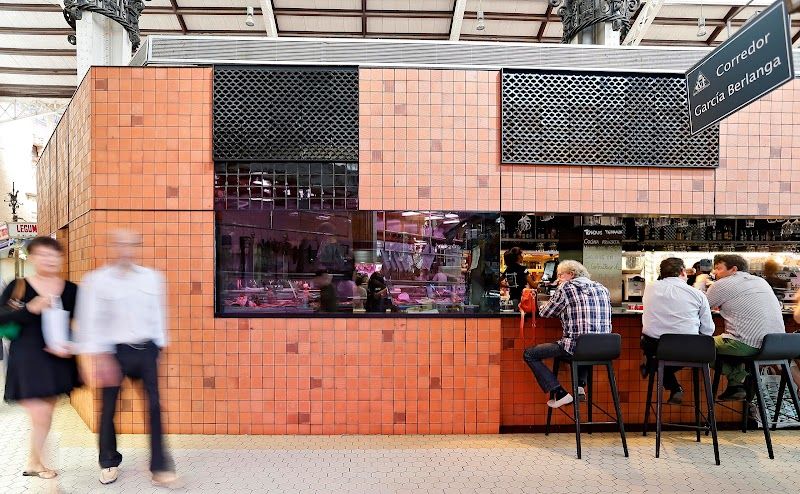
Valencia's markets showcase the region's agricultural abundance and provide the best introduction to local eating habits. The Mercado Central in Ciutat Vella contains over 900 stalls selling everything from Iberian ham to fresh tiger nuts.
Agua de Valencia
Agua de Valencia is the city's signature cocktail, invented in 1959 at Café Madrid. The drink combines fresh orange juice (Valencia produces Spain's best oranges), cava, vodka, and gin. Despite the name, it contains no water and packs a serious alcoholic punch.
The original recipe calls for equal parts orange juice and cava, with smaller amounts of vodka and gin. Café de las Horas on Calle Conde de Almodóvar serves an authentic version for approximately EUR 8-10. The drink is traditionally shared among friends from a large pitcher.
Esgarraet
Esgarraet is a simple salad made from roasted red peppers, salt cod, garlic, and olive oil. The name comes from the Valencian verb "esgarrar" (to shred), referring to how the peppers and cod are torn into strips by hand, never cut with a knife.
This dish appears on every traditional menu and costs around EUR 6-8. The quality depends entirely on the ingredients - the peppers should be roasted over open flame until charred, and the cod must be properly desalted. Central Bar near the Central Market does an excellent version using cod from their own supplier.
Buñuelos de Bacalao
Buñuelos de bacalao are salt cod fritters that appear at every Valencia bar during evening aperitif hours. The batter is light and crispy, and the cod inside is flaked and seasoned with parsley and sometimes a touch of garlic.
These fritters cost around EUR 1.50-2 each and are best eaten immediately while hot. The technique matters - the batter should be airy, not dense, and the oil temperature must be precise to avoid greasiness. Quality varies dramatically between establishments.
Regional Sweets and Desserts
Turrón de Jijona
While technically from nearby Jijona, turrón is sold throughout Valencia and represents the broader Alicante province tradition. The soft version (turrón blando) is made from ground almonds, honey, and egg whites, creating a paste-like consistency that melts on your tongue.
Valencia's version tends to be less sweet than Andalusian turrones and uses local Marcona almonds. The Mercado de Ruzafa has several stalls selling artisanal turrón for around EUR 12-15 per kilogram.
Arnadí
Arnadí is a pumpkin dessert with Arabic origins, made from roasted pumpkin, almonds, and sugar, then shaped into small cakes. The texture is dense and sweet, similar to marzipan but with the subtle flavor of roasted squash.
This dessert appears mainly during autumn and winter when pumpkins are harvested. Traditional bakeries in Ciutat Vella sell individual portions for around EUR 2-3, though many places only make it seasonally.
Panquemado
Panquemado is Valencia's traditional sweet bread, made with eggs, flour, and sugar, then glazed until golden. Despite the name (literally "burnt bread"), it's not burnt but rather deeply caramelized on top.
The bread is associated with local festivals and religious celebrations. Bakeries throughout the city sell it year-round for approximately EUR 3-4 per loaf, but the best versions appear during Las Fallas in March.
Where to Find Valencia Food Specialties
Traditional Neighborhoods
Ruzafa has evolved from a working-class neighborhood into Valencia's food innovation hub. While you'll find excellent traditional dishes here, many restaurants add contemporary twists to classic preparations. The Mercado de Ruzafa combines traditional market stalls with modern gastronomy bars.
El Cabanyal remains the best area for traditional seafood preparations. This former fishing village maintains its authentic character, and restaurants here serve the most traditional versions of paella, fideuà, and all i pebre.
Price Expectations
A traditional menu del día lunch costs EUR 12-18 and typically includes a first course (often rice-based), second course (meat or fish), dessert, and wine or water. This represents the best value for experiencing multiple Valencia specialties.
Upscale restaurants serving traditional cuisine charge EUR 25-40 per person for dinner with wine. These establishments focus on premium ingredients - better saffron, locally-caught seafood, and organic vegetables from L'Horta.
Timing Your Food Adventures
Valencian meal times run later than Northern European schedules. Lunch happens between 2 PM and 4 PM, with many restaurants closing their kitchens by 4:30 PM. Dinner starts around 9 PM and can extend past midnight.
Horchata is traditionally consumed as an afternoon snack (merienda) around 6 PM, paired with fartons. Morning horchata isn't traditional, though tourist-focused establishments serve it all day.
Paella is exclusively a lunch dish. Restaurants that serve paella for dinner are targeting tourists and likely reheating pre-made portions rather than cooking to order.
Beyond the Tourist Trail
While most visitors focus on paella and horchata, Valencia's food scene includes several lesser-known specialties that locals consider equally important.
Olleta
Olleta is Valencia's version of bean stew, made with white beans, pork ribs, black pudding (morcilla), and vegetables. The dish originated as peasant food but has been elevated by contemporary chefs who respect the traditional preparation while using superior ingredients.
This hearty stew costs around EUR 12-15 at traditional restaurants and appears most frequently during cooler months. The beans should be creamy inside while maintaining their shape, and the broth should be rich but not greasy.
Sepia a la Plancha
Sepia a la plancha (grilled cuttlefish) showcases Valencia's Mediterranean location. The cuttlefish is grilled simply with garlic, parsley, and olive oil, allowing the seafood's natural flavor to dominate.
Fresh cuttlefish has a sweet, delicate flavor and firm texture when cooked properly. Overcooked sepia becomes rubbery and tough. Quality establishments charge around EUR 14-18 for a portion, and the dish appears on most traditional seafood menus.
Making the Most of Valencia's Food Scene
To experience valencia food specialties properly, plan your eating schedule around local customs. Start with coffee and pastries for breakfast (around EUR 2.5-4), enjoy a substantial lunch featuring rice dishes or seafood (EUR 12-18), take horchata and fartons as an afternoon snack (EUR 3.5-5), then have a lighter dinner focusing on tapas and wine (EUR 15-25).
The city's food markets provide the best introduction to local ingredients and preparation methods. The Mercado Central operates Monday through Saturday and closes at 3 PM, so visit during morning hours when the selection is best.
For a comprehensive food experience, consider our valencia paella food guide which covers restaurant recommendations and specific dishes in more detail.
Valencia's food scene rewards curiosity and timing. The best dishes reflect centuries of local tradition, use ingredients from the immediate region, and follow preparations that haven't changed in generations. Skip the tourist menus in Plaza de la Reina and head to neighborhood restaurants where locals eat - that's where you'll find the real Valencia on your plate.