The Rome vs Paris debate splits first-time European travelers more than any other city comparison. Both capitals promise different versions of the European dream: Rome with its ancient layers and accidental culinary brilliance, Paris with its museum-quality architecture and café culture that actually works as advertised.
After analyzing costs, logistics, food scenes, and what each city delivers for newcomers to Europe, the answer isn't universal. Your choice depends on whether you prioritize historical immersion or cultural sophistication, whether you eat to live or live to eat, and how much planning stress you can handle.
Rome vs Paris: The Food Verdict Settles It for Many
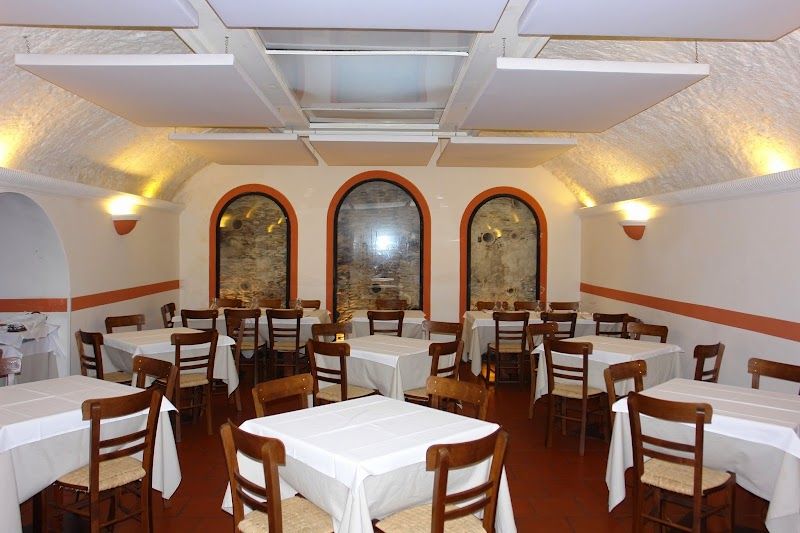
Rome wins the food battle decisively. This isn't about Michelin stars or elaborate presentations. Rome is where you eat better by accident than most cities manage on purpose. You'll stumble into a €12 lunch at a trattoria in Testaccio that ruins you for Italian-American food forever.
The Roman food ecosystem works on simplicity and repetition. Carbonara, cacio e pepe, amatriciana, and gricia. Four pasta dishes, perfected over generations, available at nearly every restaurant worth entering. A cornetto and cappuccino breakfast costs EUR 3.5-5, lunch menus at trattorias run EUR 12-18, and you can eat spectacularly well for under EUR 25-40 per person at dinner.
Paris food requires more navigation. Yes, the best croissants are transcendent, and a proper French bistro delivers flavors that justify the reputation. But tourist traps proliferate around major sites, mediocre food costs more than excellent food in Rome, and the dining schedule aligns poorly with jet-lagged Americans. Mid-range Paris dinners start around EUR 35-50 per person, significantly higher than Rome's equivalents.
The coffee culture comparison: Rome's espresso culture operates on efficiency and excellence. EUR 1-1.5 gets you perfect coffee at thousands of bars, consumed standing in two minutes. Paris café culture prioritizes ambiance over coffee quality, with sitting charges that can double your bill.
Historical Immersion: Rome's Ancient Layers vs Paris's Grand Boulevards
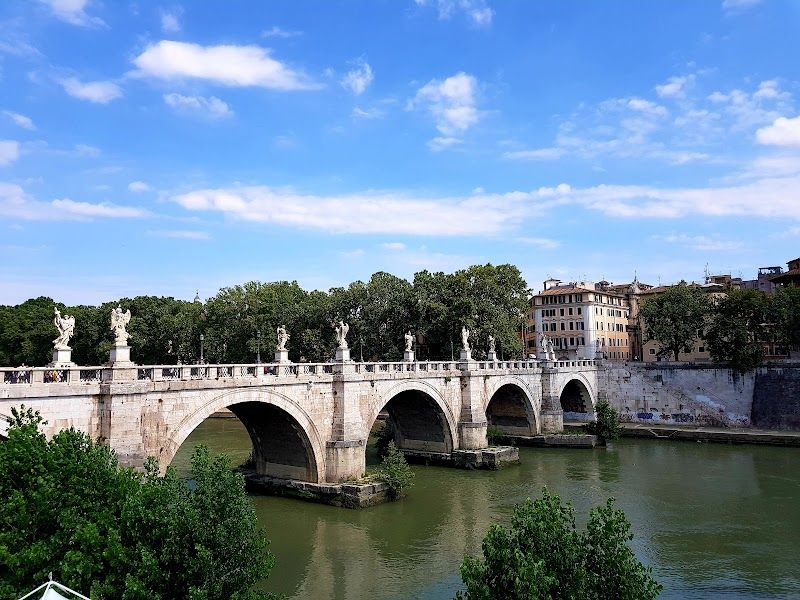
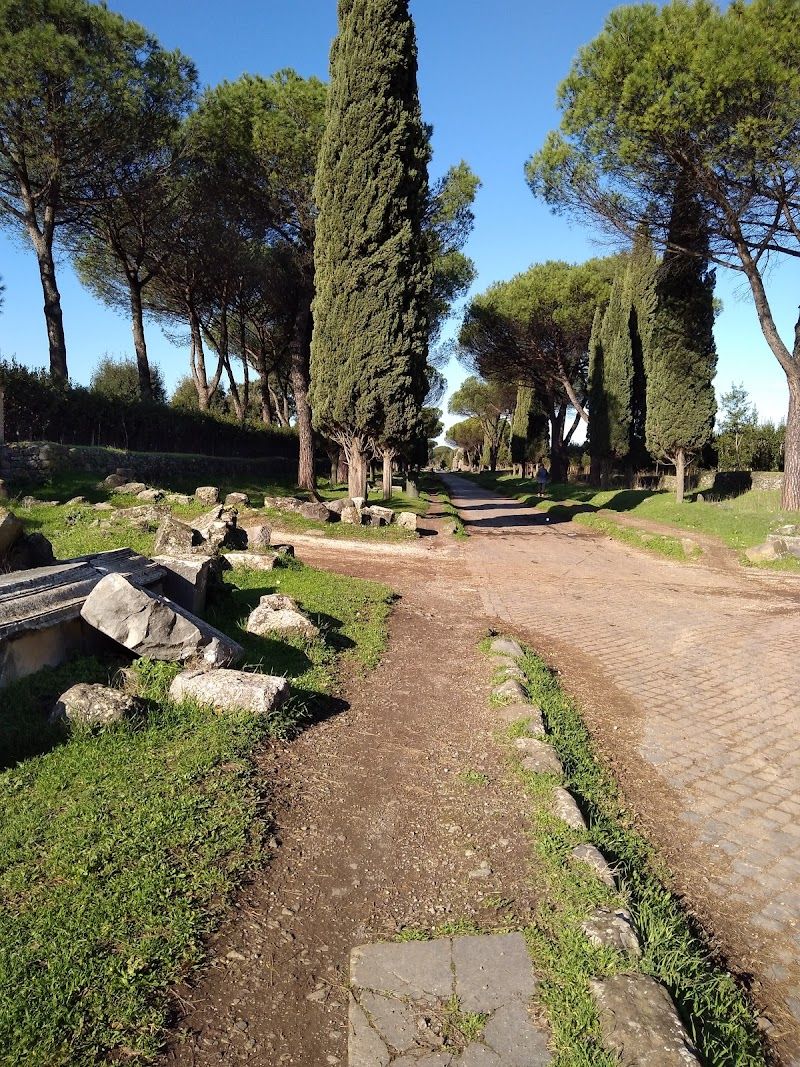
Rome delivers historical density that's genuinely overwhelming. The Colosseum (EUR 18, includes Roman Forum and Palatine Hill) sits across from a working metro station. The Pantheon (EUR 5, advance booking required) functions as an active church where Romans attend Sunday mass between tourists' photo sessions. You walk on 2,000-year-old stones as part of normal navigation.
Paris offers historical grandeur of a different sort. The city planning is museum-quality, the architecture cohesive and intentional. The Louvre, Notre-Dame (currently under restoration), and the Champs-Élysées deliver the European capital experience Americans imagine. But it's curated history, designed and redesigned by Napoleon III's planners.
For first-timers seeking the "this is really Europe" moment: Rome wins. Walking through the Roman Forum where Julius Caesar actually walked creates a connection across millennia that Paris's grand boulevards, however beautiful, can't match.
Cost Comparison: Rome vs Paris Travel Budgets
Daily budget breakdown for first-time visitors:
| Category | Rome (EUR) | Paris (EUR) |
|---|---|---|
| Budget hotel double room | 60-100 | 80-130 |
| Mid-range hotel double room | 120-220 | 180-300 |
| Breakfast | 3.5-5 | 8-15 |
| Lunch | 12-18 | 18-28 |
| Dinner (mid-range) | 25-40 | 35-55 |
| Metro day pass | 7 | 8.45 |
| Museum entry (average) | 10-15 | 12-20 |
Transportation costs favor Rome slightly. ATAC 24-hour travel passes cost EUR 7 versus Paris Navigo day passes at EUR 8.45. Both cities have excellent public transit, though Paris Metro coverage is more comprehensive.
Museum costs are comparable, but Rome's outdoor historical sites (many free or low-cost) provide more value. The Trevi Fountain, Spanish Steps, and numerous churches cost nothing but deliver major sightseeing impact.
Paris or Rome Vacation: Cultural Immersion Styles
Paris excels at the intellectual European experience. Museums like the Louvre and Musée d'Orsay house world-famous collections. The café culture encourages lingering with books and conversations. Shopping ranges from vintage markets to luxury boutiques that invented modern fashion.
Rome provides cultural immersion through daily life participation. You learn to order espresso properly, navigate the siesta rhythm (shops close 1-4 PM), and decode the unwritten rules of aperitivo culture. Trastevere evenings feel like joining a neighborhood party rather than observing one.
Evening culture: Paris offers theater, opera, and nightlife that runs late. Rome's evening rhythm centers on food and conversation, with most nightlife winding down earlier than Paris standards.
Logistics and First-Timer Friendliness
Paris wins on infrastructure and planning ease. The tourism machine operates smoothly, English signage is prevalent, and the metro system connects everything efficiently. Tourist information is comprehensive and accurate.
Rome requires more adaptability. Opening hours change unexpectedly, the bus system confuses newcomers, and "tourist information" often means asking locals. But this chaos creates authentic interactions impossible in Paris's more polished environment.
Airport connections: Both cities offer reasonable airport transport. Rome's Leonardo Express (EUR 14, 32 minutes to Termini) connects to the main train station. Paris CDG to city center takes 45-60 minutes via RER B (approximately EUR 11).
Rome vs Milan vs Paris: Adding Italian Alternatives
Since many travelers consider Rome vs Milan alongside the Paris comparison, Milan deserves mention. Milan offers sophisticated shopping, excellent restaurants, and efficient transportation. But it lacks Rome's historical density and Paris's comprehensive cultural offerings. For first-time European visitors, Milan works better as a second Italian city rather than a primary destination.
Neighborhood-by-Neighborhood: Where to Base Yourself
Rome's Best Areas for First-Timers
Centro Storico puts you walking distance from the Pantheon, Trevi Fountain, and countless restaurants. Hotel costs are higher, but transportation savings and constant discovery make it worthwhile.
Monti offers excellent restaurants, wine bars, and a residential feel while staying central. It's where Romans in their 30s live, providing authentic neighborhood experiences.
Paris's Prime Tourist Zones
The Marais (4th arrondissement) combines history, Jewish quarter culture, and excellent connectivity. Saint-Germain-des-Prés offers classic Left Bank café culture with reasonable metro access.
Montmartre provides the quintessential Paris experience but requires more travel time to major sites.
European City Comparison: Beyond Rome and Paris
Among European capitals, Rome and Paris represent different approaches to the grand European experience. London offers English-speaking ease but higher costs. Berlin provides modern history and nightlife but less classical beauty. Amsterdam delivers canals and museums in a smaller, more manageable package.
For Americans making their first European trip, Rome vs Paris often comes down to whether you want to fall into European life (Rome) or observe it from a comfortable distance (Paris).
Seasonal Considerations and Timing
Best times for Rome: April-June and September-October offer pleasant weather and manageable crowds. August is brutally hot, and many restaurants close for vacation.
Best times for Paris: May-July and September-October provide ideal conditions. Winter in Paris is gray but atmospheric, with fewer crowds at major sites.
Summer comparison: Rome's heat becomes oppressive in July-August, while Paris summers are generally more comfortable. However, Paris experiences more tourist crowds during summer months.
The Food Deep Dive: Why Rome Changes How You Think About Eating
Roman cuisine operates on principles that seem simple until you experience them executed perfectly. Take carbonara: eggs, pecorino Romano, guanciale, black pepper, pasta water. Five ingredients that require technique perfected over generations.
Testaccio restaurants like Flavio al Velavevodetto serve versions that locals line up for. The neighborhood markets, morning routines, and evening aperitivo culture create a food ecosystem that tourists can actually participate in rather than just observe.
Paris food culture, while excellent at its peaks, often feels performative for visitors. The best restaurants require reservations weeks in advance, price points exclude casual experimentation, and the dining schedule conflicts with typical tourist energy levels.
Street food comparison: Rome's supplì (EUR 1.5-3) and pizza al taglio (EUR 2.5-4) provide excellent quick meals. Paris street food has improved significantly but remains more expensive and less integrated into local culture.
Museum and Cultural Site Strategies
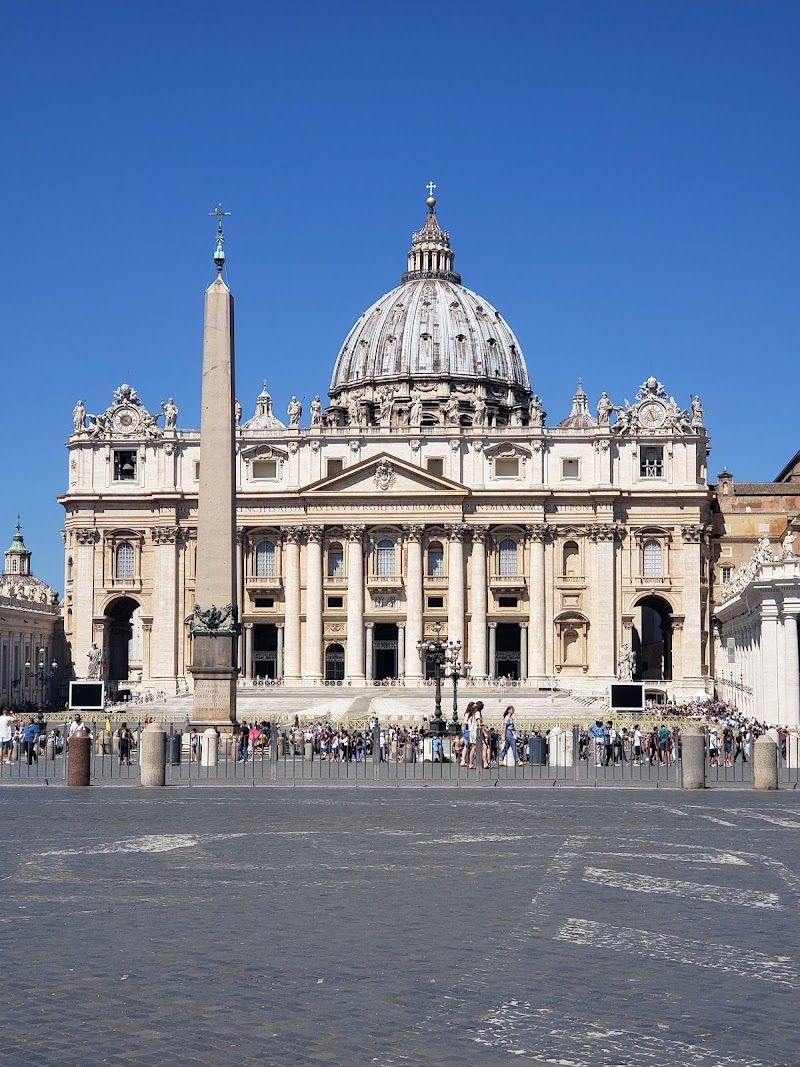
Rome's museum landscape requires different planning than Paris's established circuits. The Vatican Museums (EUR 20 plus EUR 4 booking fee) demand advance reservations and full-day commitment. But smaller sites like Galleria Doria Pamphilj (EUR 15) offer art in intimate settings.
Paris museums operate more predictably. The Louvre requires strategic planning to avoid exhaustion, but the system works efficiently. Museum passes provide value for intensive cultural tourists.
Hidden advantage in Rome: Many spectacular churches house Renaissance art for free or small donations. Saint Louis of the French contains three Caravaggio paintings accessible during regular church hours.
Transportation Deep Dive: Getting Around Each City
Rome's ATAC system covers the city adequately, though buses can be unreliable during peak hours. The two metro lines (A and B, with C under construction) connect major sites. Walking remains the best way to discover the city, as Rome's historic center is surprisingly compact.
Pro tip for Rome: Many major sites lie within a 30-minute walk of each other. From the Pantheon to the Trevi Fountain takes 8 minutes on foot, passing excellent restaurants and gelaterias.
Paris Metro covers the city comprehensively, running frequently and connecting efficiently. The system feels more tourist-friendly, with clear English signage and logical numbering.
The Verdict: Choosing Between Rome and Paris
Choose Rome if you want to:
- Eat spectacularly well without research or high costs
- Experience history as living environment rather than museum display
- Participate in European daily life rhythms
- Handle some chaos in exchange for authentic experiences
- Prioritize value and spontaneous discovery
Choose Paris if you want to:
- Experience the classic "European capital" atmosphere
- Access museums and cultural institutions
- Enjoy sophisticated shopping and nightlife
- Minimize language barriers and logistical surprises
- Photograph famous, Instagram-ready architecture
For most first-time European visitors, Rome edges out Paris due to food quality, historical immersion, and value. The city provides more "I can't believe this is my life" moments per euro spent. Paris offers refinement and predictability that some travelers prefer, but Rome delivers the European experience that changes how you think about travel.
The choice ultimately depends on whether you want your first European adventure to feel like discovering secrets (Rome) or appreciating masterpieces (Paris). Both cities deliver transformative experiences, just through different approaches to the art of European living.
Both deserve visits eventually. But if you're choosing your first European destination, Rome's combination of historical depth, culinary excellence, and authentic daily rhythms provides the more complete introduction to what makes European travel addictive. Check out our complete Rome itineraries to start planning your trip to the Eternal City.