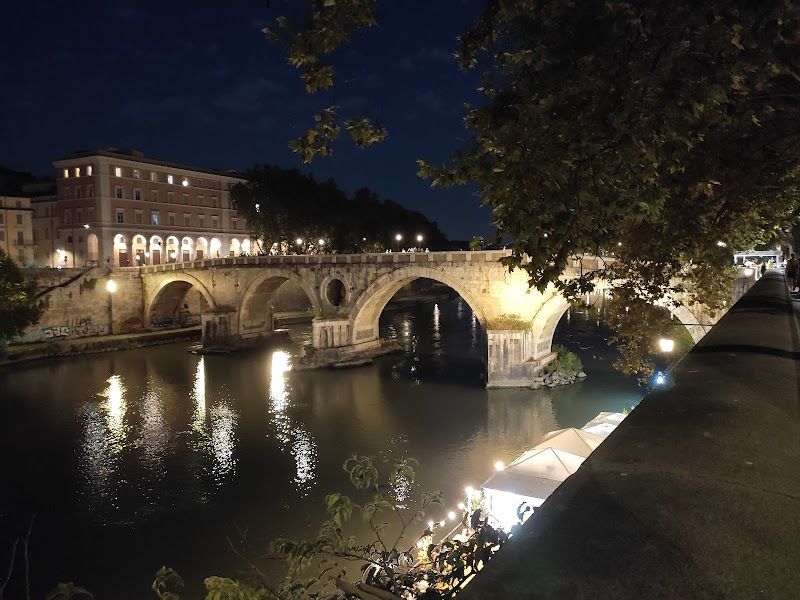
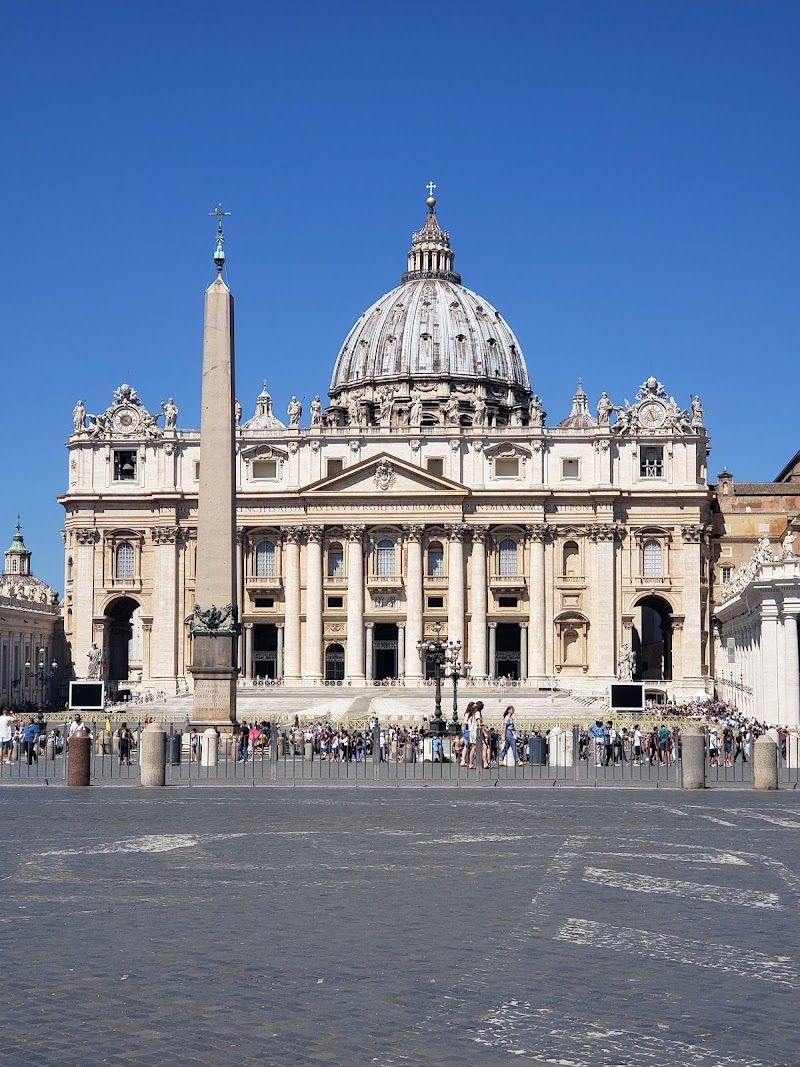
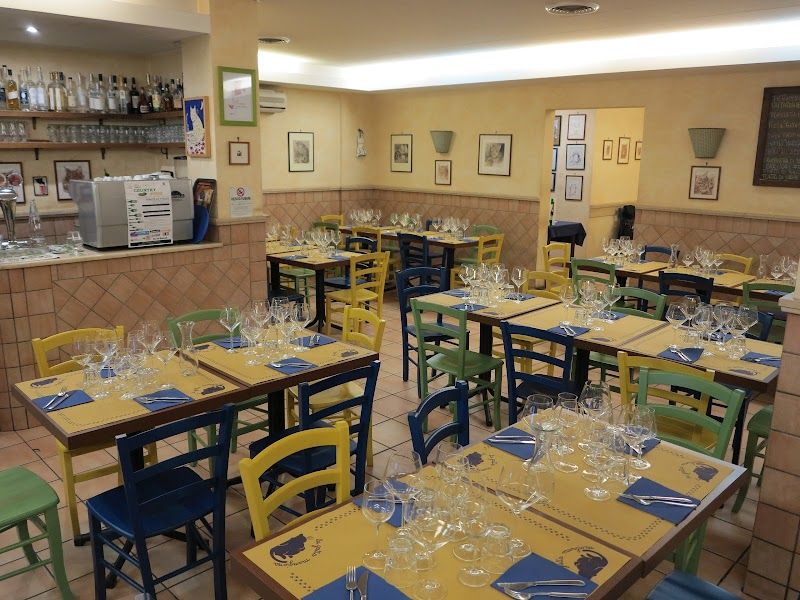
Rome · Testaccio

Flavio al Velavevodetto

Historic trattoria built into Monte dei Cocci, the ancient Roman pottery shard mountain.
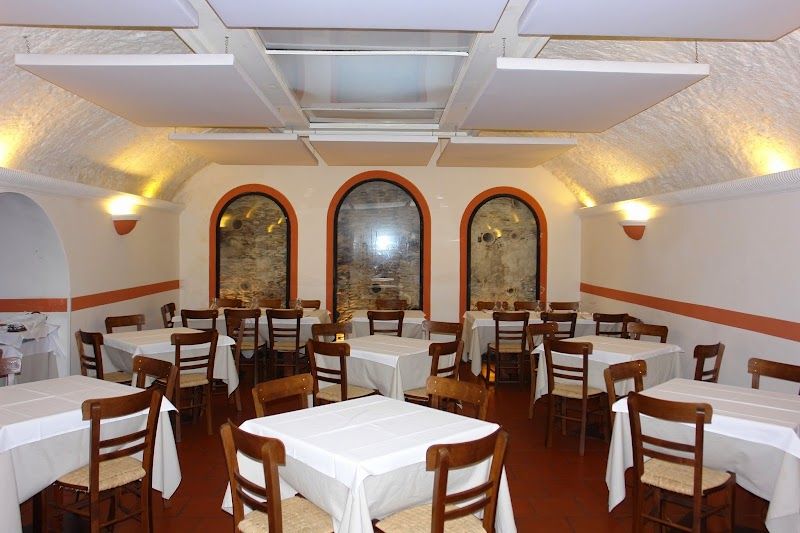
Flavio al Velavevodetto, Rome · Testaccio
Category
Restaurant
Duration
1h 45m
Best Time
Any time
Entry
€€
Rating
4.2 (6,101)
The place

About Flavio al Velavevodetto

Historic trattoria built into Monte dei Cocci, the ancient Roman pottery shard mountain. Known for exceptional cacio e pepe and amatriciana, with house-made pasta that exemplifies Roman tradition. The location inside the archaeological site gives it unique atmosphere.

Book ahead

Book Tickets

Live availability and skip-the-line options from our booking partners.

Search on Viator →Search on GetYourGuide →

Booking powered by our partners. DAIZ may earn a commission.

The place

Getting there

Address
Via di Monte Testaccio, 97, 00153 Roma RM, Italy
Neighborhood
Testaccio
Nearest Metro
Piramide (Line B)Testaccio (Line B - planned)
View on Google Maps →
Good to know

Tips, answered

Book ahead for Thursday when they serve the Roman classic trippa (tripe) - it sells out by 9pm.

Plan for about 1h 45m.

Flavio al Velavevodetto is in the Testaccio neighborhood of Rome. The address is Via di Monte Testaccio, 97, 00153 Roma RM, Italy. The area is well-served by metro.

This works well at any time of day, though mornings tend to be quieter. Weekdays are less crowded than weekends.

Around the corner

Nearby in Testaccio

Explore all →
Garbatella
Cultural Site

Garbatella

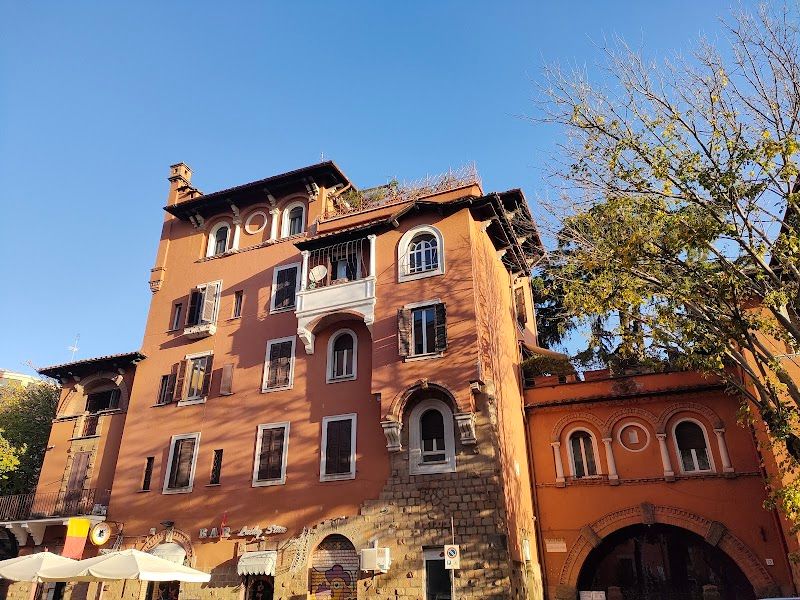
Garbatella represents one of Rome's most successful social housing experiments, a garden city neighborhood from the 1920s where working families still live in colorful Art Nouveau and Rationalist apartment blocks. You'll walk through unique lottizzazioni (housing complexes) built around shared courtyards, each with its own architectural personality and community gardens. The area feels like a small town within Rome, complete with local bars where residents gather for morning coffee and evening aperitivo. Your visit involves wandering residential streets that curve organically rather than following Rome's typical grid pattern. You'll peek into internal courtyards where laundry hangs between balconies and neighbors chat across windows, discovering architectural details like ceramic tiles, wrought iron balconies, and painted facades in pastel colors. The atmosphere stays authentically local: you'll hear Roman dialect spoken by longtime residents and see kids playing football in the small piazzas between housing blocks. Most guidebooks romanticize Garbatella without mentioning the reality: it's a functioning residential neighborhood, not a tourist attraction. Skip the southern sections which feel more generic, and focus on Lotti 1 through 30 for the best architecture and community atmosphere. Don't expect museums or monuments here, this is about experiencing how real Romans live in one of the city's most distinctive neighborhoods.

1.5-2 hoursExplore
Eataly Roma
Shopping

Eataly Roma

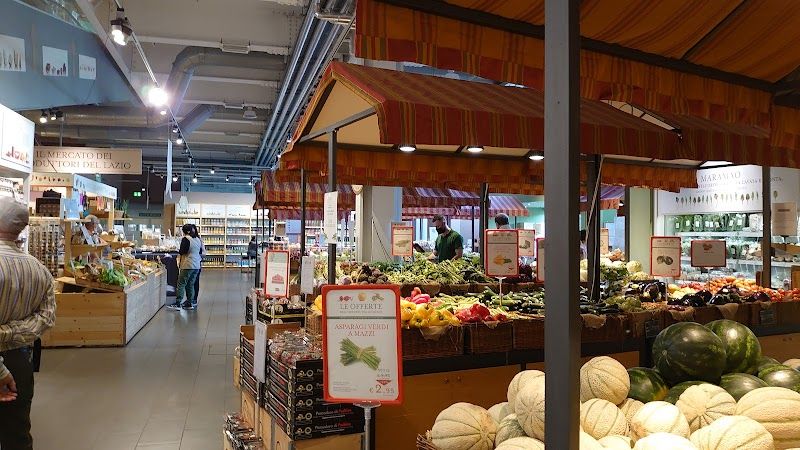
Eataly Roma transforms a striking 1930s air terminal into Italy's largest food playground, spreading gourmet markets, restaurants, and food counters across four sprawling floors. You'll find everything from €3 arancini at street food counters to €45 tasting menus at their upstairs restaurants, plus shelves packed with regional specialties like Sicilian pistachios and Ligurian olive oils. The cooking school runs hands-on pasta classes (€65-85), while the ground floor deli lets you build picnics with San Daniele prosciutto and aged Parmigiano. The experience feels more like wandering through an Italian food festival than shopping in a typical market. Each floor has a different energy - ground level buzzes with tourists grabbing quick bites, while the upper floors house proper sit-down restaurants with table service. The rationalist architecture creates dramatic spaces with soaring ceilings, and you'll constantly stumble across food demonstrations or pop-up tastings. Lines form quickly at popular counters, especially the fresh mozzarella station. Most food is genuinely excellent but prices run 30-40% higher than neighborhood shops. Skip the overpriced wine section upstairs and focus on the prepared foods and restaurants. The pizza al taglio counter serves Rome's best mall pizza (€4-6 per slice), while the gelato costs a steep €4.50 for two scoops but uses premium ingredients. Go hungry with at least €25-35 per person if you want to eat well.

1-2 hoursExplore
Centrale Montemartini
Museum

Centrale Montemartini

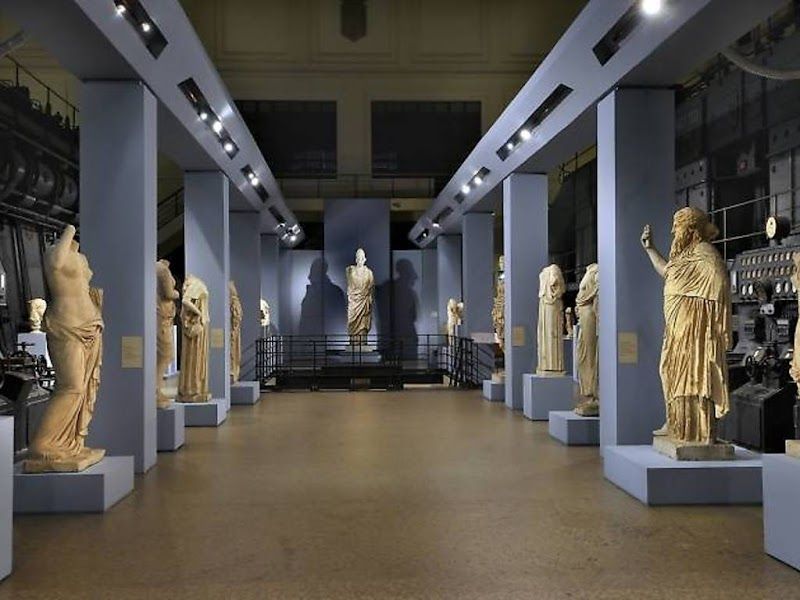
Centrale Montemartini houses one of Rome's most surreal art collections - classical Greek and Roman sculptures displayed inside a decommissioned 1912 power plant. You'll find headless torsos positioned next to massive diesel engines, marble gods sharing space with industrial turbines, and ancient mosaics spread across factory floors. It's part of the Capitoline Museums system, showcasing overflow pieces that couldn't fit in the main locations. Walking through feels like stumbling into a steampunk fever dream where antiquity meets the industrial age. The contrast is genuinely striking - a Venus de Milo-style statue silhouetted against towering machinery, or Roman portrait busts lined up beside control panels. The lighting is dramatic, often theatrical, making even familiar classical pieces feel fresh and mysterious. You'll spend most of your time just absorbing the visual weirdness of it all. Entry costs €7.50, making it excellent value compared to Rome's pricier attractions. Most travel guides oversell the 'undiscovered' angle - it's quiet because it's genuinely off most tourists' radar, not because it's difficult to reach. The collection isn't comprehensive enough to replace visiting the main Capitoline Museums, but if you're feeling museum fatigue from traditional displays, this offers a genuinely different perspective on classical art.

1.5 hoursExplore
Gazometro
Landmark

Gazometro

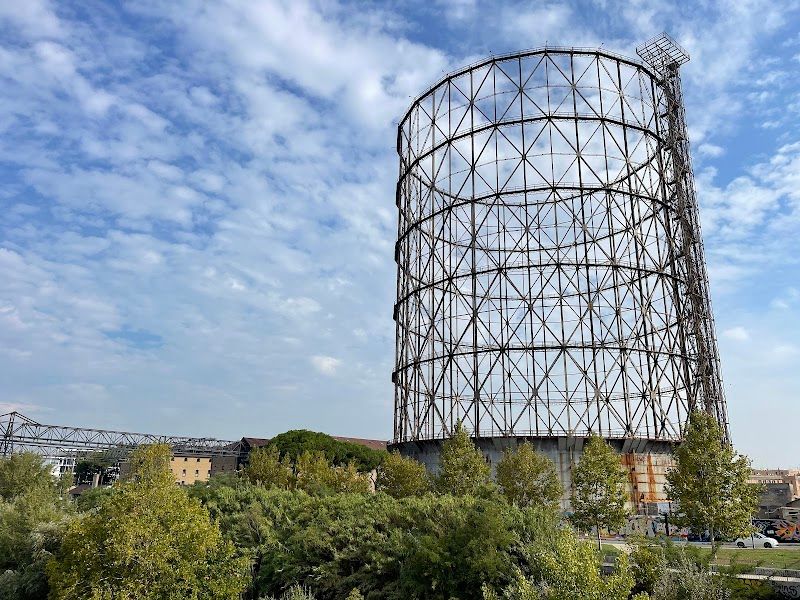
Rome's former gasometer stands 90 meters tall in the Ostiense district, a massive iron frame from 1937 that once stored gas for the city. You can't climb it, but you can walk right up to this industrial giant and appreciate its Art Deco engineering up close. The surrounding area has transformed into a cultural hub with street art, craft breweries, and regular outdoor concerts held in the shadow of the structure. The gasometer dominates everything around it - you'll spot it from blocks away as you approach through Ostiense's mix of converted warehouses and new developments. Walking around its base takes about 10 minutes, and you'll notice how the ironwork creates different geometric patterns as you move. The adjacent park hosts food trucks and pop-up markets on weekends, while local Romans use the area for evening runs and aperitivo. Most travel guides make this sound more exciting than it actually is. You're essentially looking at a big metal frame - interesting for industrial architecture fans, but not worth a special trip unless you're already exploring Testaccio or Ostiense. The real appeal is the neighborhood around it, especially the craft beer scene along Via Ostiense. Skip it if you're short on time in Rome.

30 minutesExplore
Lungotevere
Landmark

Lungotevere

The Lungotevere consists of embankment roads running along both sides of the Tiber River for about 20 kilometers through Rome's center. You'll walk tree-lined paths below street level, passing under Renaissance bridges like Ponte Sant'Angelo and Ponte Cavour while the river flows just meters away. The route connects major landmarks including Castel Sant'Angelo, Ara Pacis, and Tiber Island, offering continuous views without the chaos of Rome's traffic above. Walking the Lungotevere feels like discovering Rome's secret lower level. Joggers and cyclists share the wide stone paths while plane trees create natural shade overhead. The sound of flowing water replaces car horns, and you'll spot local fishermen casting lines from the stone embankments. During summer evenings, temporary bars and food stalls appear for the Lungo il Tevere festival, transforming the riverside into an outdoor social scene. Most tourists stick to the bridges and never descend to river level, which is their loss. The northern section from Castel Sant'Angelo to Ponte Margherita offers the best combination of monuments and peaceful walking. Skip the industrial southern stretches past Testaccio unless you're specifically exploring that neighborhood. The paths flood occasionally during heavy rains, so check weather before planning a long walk.

1-2 hoursExplore
More on Rome

From the blog

View all →
Ready for Rome?

Let DAIZ plan your Rome days

Tell us how long you've got and what you're into. We'll build a day-by-day plan, with the bookable bits ready to lock in.

Plan my Rome tripFree · no signup to start
Plan your Rome trip