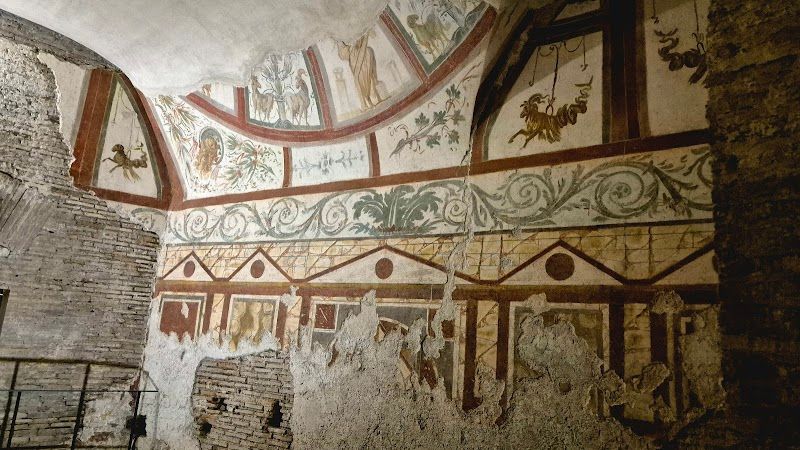
Rome
Testaccio
Authentic, food-obsessed, working-class Rome at its best
About Testaccio
Testaccio is where your Roman taxi driver eats lunch, and that tells you everything you need to know. This was the neighborhood built around the city's slaughterhouse (now a contemporary art space and food market), and the food culture that grew up around it is Rome's most honest: offal, nose-to-tail cooking, and the kind of trattoria where the owner's grandmother is probably still running the kitchen.
Mercato Testaccio is the market that Trastevere's tourist stalls wish they were. It moved into a modern covered building in 2012 and now has around 100 stalls. Morini does the best supplì in Rome (€2.50 each, the ones with cacio e pepe filling are extraordinary). Paciotti has trapizzino (pizza pocket stuffed with traditional Roman stew fillings, €3.50). You can eat a full, exceptional lunch at the market for €12-15 and leave wondering why you ever booked a restaurant.
Flavio al Velavevodetto is built into Monte Testaccio, a hill made entirely of ancient Roman pottery shards (2,000 years of amphora disposal). The restaurant serves benchmark cacio e pepe and amatriciana for €10-12 in a setting that's genuinely unique. The neighbourhood is quiet during the day and comes alive for dinner. On summer weekends, the clubs built into the caves of Monte Testaccio open up, and Testaccio becomes Rome's best nightlife district. During the day, almost no tourists. That's the whole point.
Things to Do
Top experiences in Testaccio
Garbatella
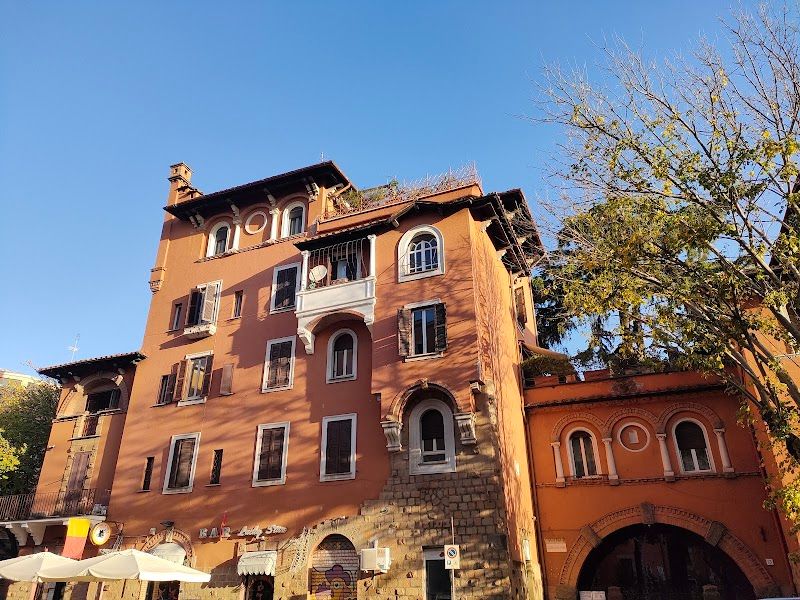
Garbatella represents one of Rome's most successful social housing experiments, a garden city neighborhood from the 1920s where working families still live in colorful Art Nouveau and Rationalist apartment blocks. You'll walk through unique lottizzazioni (housing complexes) built around shared courtyards, each with its own architectural personality and community gardens. The area feels like a small town within Rome, complete with local bars where residents gather for morning coffee and evening aperitivo. Your visit involves wandering residential streets that curve organically rather than following Rome's typical grid pattern. You'll peek into internal courtyards where laundry hangs between balconies and neighbors chat across windows, discovering architectural details like ceramic tiles, wrought iron balconies, and painted facades in pastel colors. The atmosphere stays authentically local: you'll hear Roman dialect spoken by longtime residents and see kids playing football in the small piazzas between housing blocks. Most guidebooks romanticize Garbatella without mentioning the reality: it's a functioning residential neighborhood, not a tourist attraction. Skip the southern sections which feel more generic, and focus on Lotti 1 through 30 for the best architecture and community atmosphere. Don't expect museums or monuments here, this is about experiencing how real Romans live in one of the city's most distinctive neighborhoods.
Eataly Roma
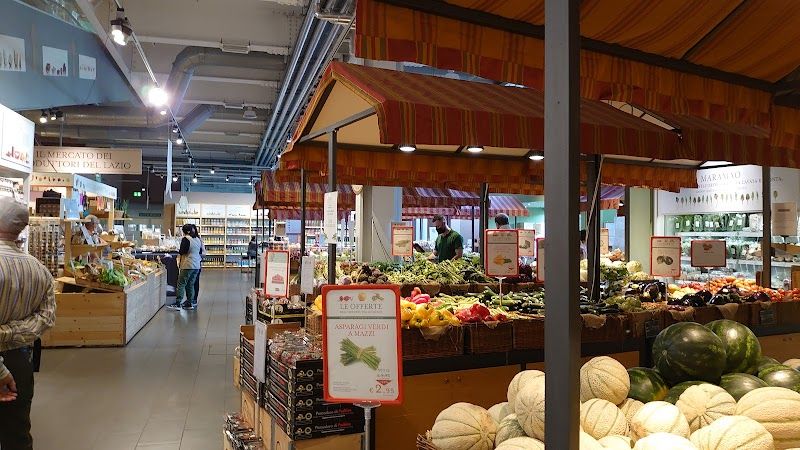
Eataly Roma transforms a striking 1930s air terminal into Italy's largest food playground, spreading gourmet markets, restaurants, and food counters across four sprawling floors. You'll find everything from €3 arancini at street food counters to €45 tasting menus at their upstairs restaurants, plus shelves packed with regional specialties like Sicilian pistachios and Ligurian olive oils. The cooking school runs hands-on pasta classes (€65-85), while the ground floor deli lets you build picnics with San Daniele prosciutto and aged Parmigiano. The experience feels more like wandering through an Italian food festival than shopping in a typical market. Each floor has a different energy - ground level buzzes with tourists grabbing quick bites, while the upper floors house proper sit-down restaurants with table service. The rationalist architecture creates dramatic spaces with soaring ceilings, and you'll constantly stumble across food demonstrations or pop-up tastings. Lines form quickly at popular counters, especially the fresh mozzarella station. Most food is genuinely excellent but prices run 30-40% higher than neighborhood shops. Skip the overpriced wine section upstairs and focus on the prepared foods and restaurants. The pizza al taglio counter serves Rome's best mall pizza (€4-6 per slice), while the gelato costs a steep €4.50 for two scoops but uses premium ingredients. Go hungry with at least €25-35 per person if you want to eat well.
Testaccio Market
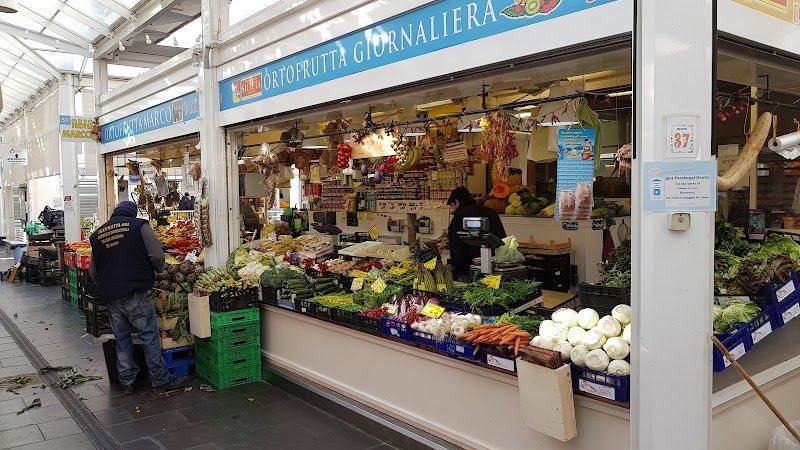
The covered market of Testaccio, with fruit, cheese and meat stalls for locals and a row of food stands serving Roman sandwiches and fried snacks. Closed on Sundays. Skip it after lunchtime; many stalls close early.
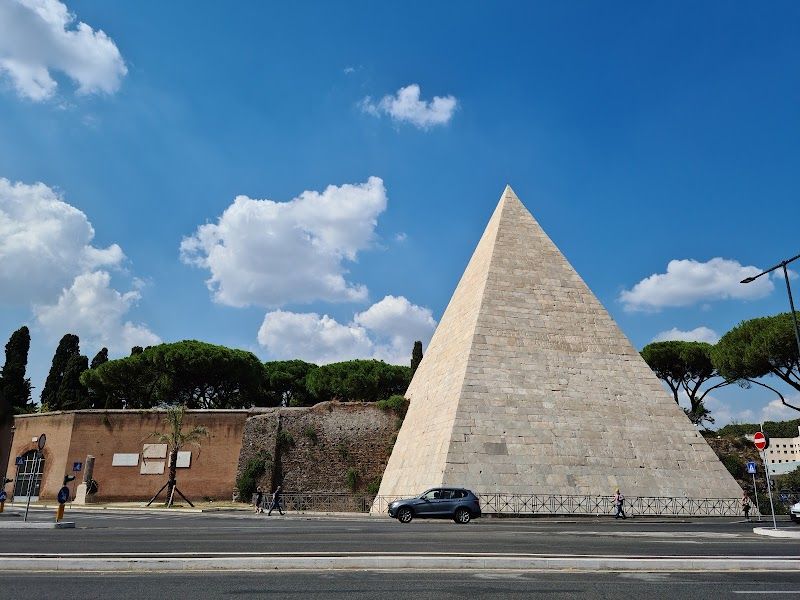
Pyramid of Caius Cestius
A pyramid built around 12 BC as the tomb of a Roman magistrate, Gaius Cestius, later built into the Aurelian Walls. You see it from the street and from the cemetery next door. Skip it as a stop; it's a quick look.
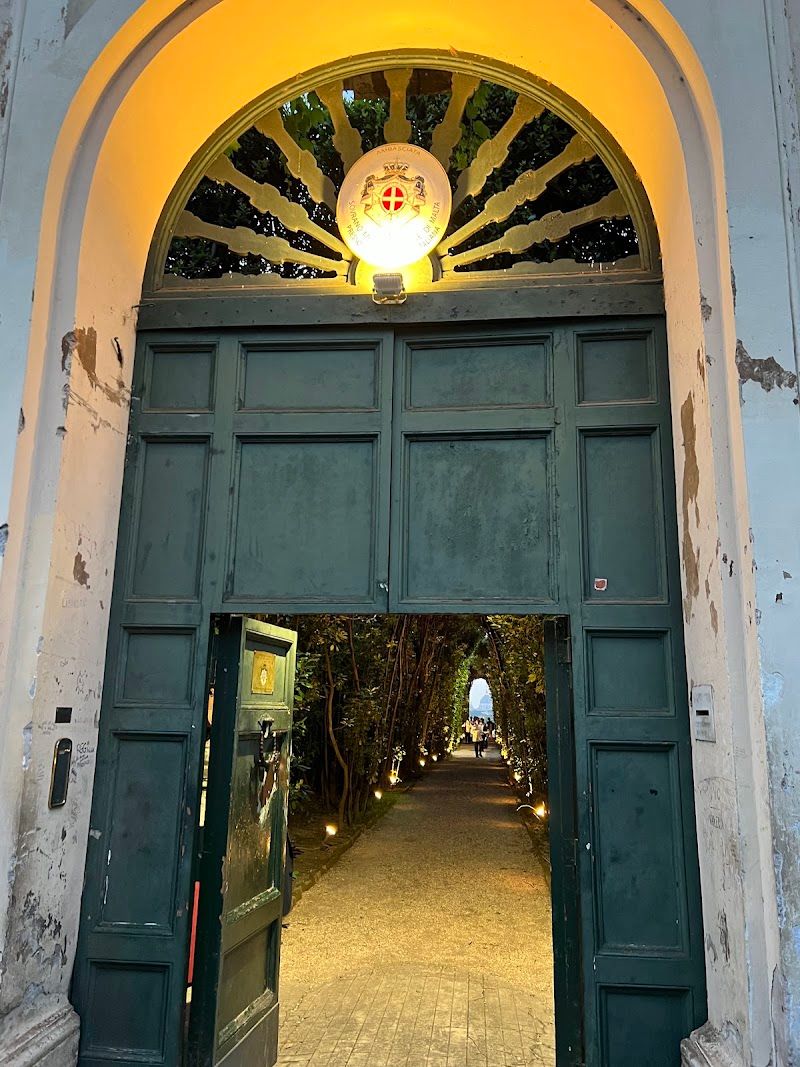
Aventine Keyhole
The keyhole in the gate of the Knights of Malta on Piazza dei Cavalieri di Malta, which frames St Peter's dome at the end of a garden path. There's often a queue. Skip it if the line is long; it's a few seconds of looking.
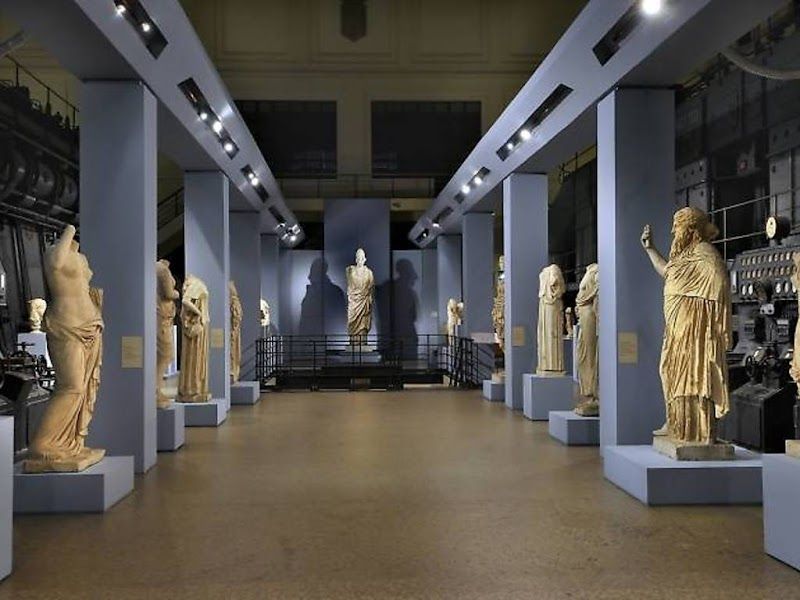
Centrale Montemartini
Centrale Montemartini houses one of Rome's most surreal art collections - classical Greek and Roman sculptures displayed inside a decommissioned 1912 power plant. You'll find headless torsos positioned next to massive diesel engines, marble gods sharing space with industrial turbines, and ancient mosaics spread across factory floors. It's part of the Capitoline Museums system, showcasing overflow pieces that couldn't fit in the main locations. Walking through feels like stumbling into a steampunk fever dream where antiquity meets the industrial age. The contrast is genuinely striking - a Venus de Milo-style statue silhouetted against towering machinery, or Roman portrait busts lined up beside control panels. The lighting is dramatic, often theatrical, making even familiar classical pieces feel fresh and mysterious. You'll spend most of your time just absorbing the visual weirdness of it all. Entry costs €7.50, making it excellent value compared to Rome's pricier attractions. Most travel guides oversell the 'undiscovered' angle - it's quiet because it's genuinely off most tourists' radar, not because it's difficult to reach. The collection isn't comprehensive enough to replace visiting the main Capitoline Museums, but if you're feeling museum fatigue from traditional displays, this offers a genuinely different perspective on classical art.
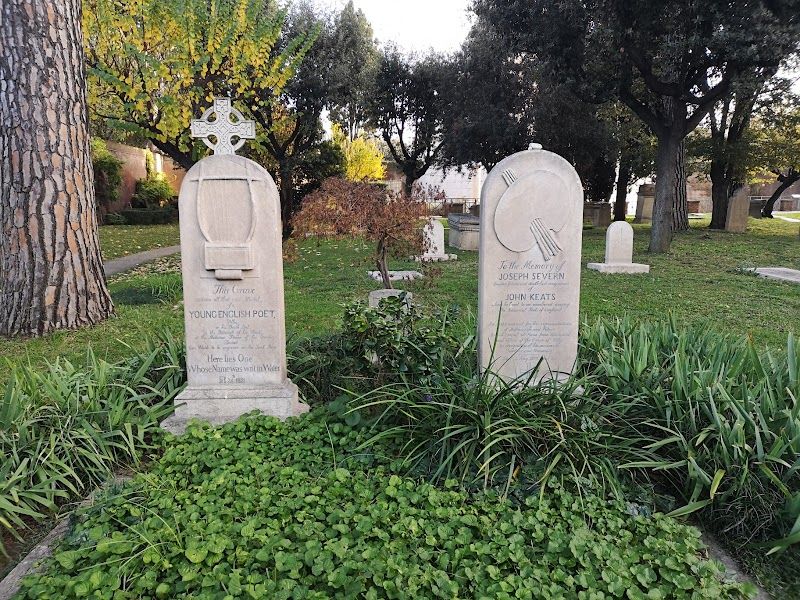
Non-Catholic Cemetery
The cemetery for non-Catholics beside the Pyramid, shaded by cypresses, with the graves of the poets Keats and Shelley and a colony of cats. A donation is asked at the gate. Skip it if cemeteries aren't for you.
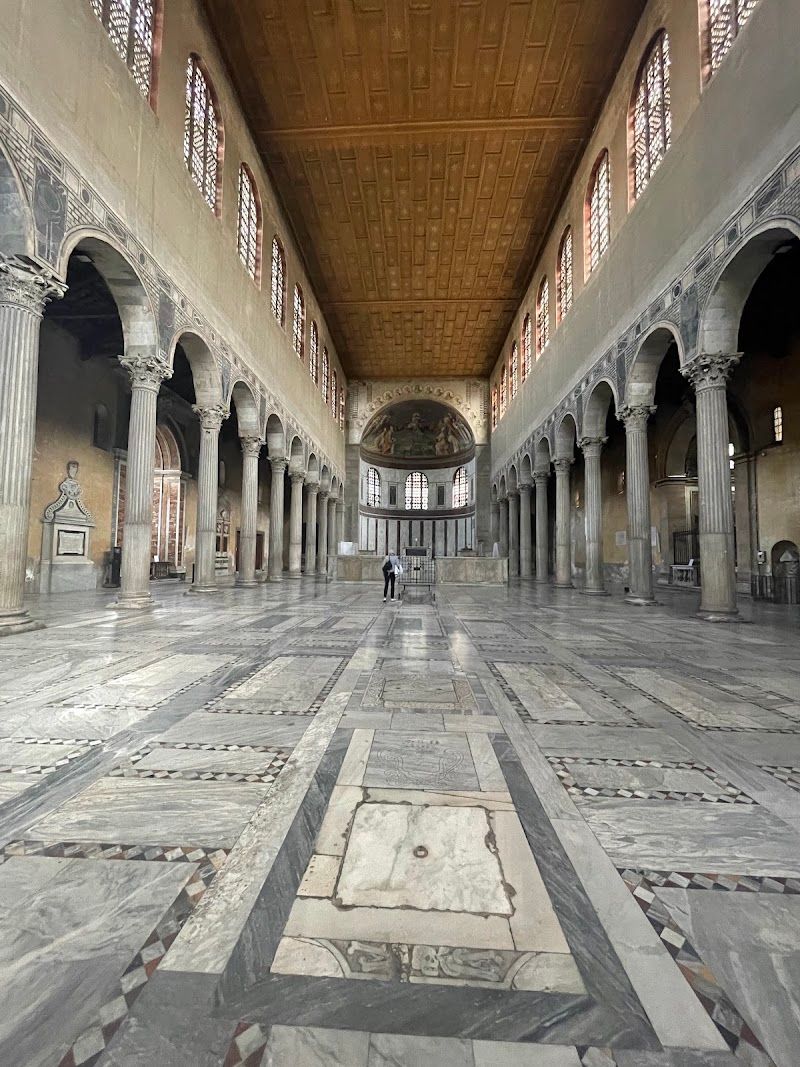
Santa Sabina
The basilica of Santa Sabina on the Aventine, built in the 5th century, with tall columns, clear light and one of the oldest carved wooden doors in the world. Skip it if early churches don't interest you.
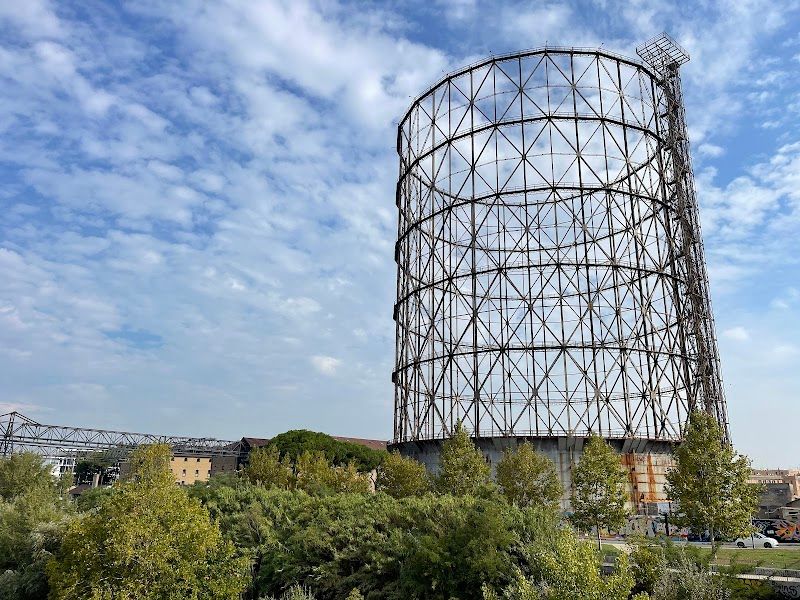
Gazometro
Rome's former gasometer stands 90 meters tall in the Ostiense district, a massive iron frame from 1937 that once stored gas for the city. You can't climb it, but you can walk right up to this industrial giant and appreciate its Art Deco engineering up close. The surrounding area has transformed into a cultural hub with street art, craft breweries, and regular outdoor concerts held in the shadow of the structure. The gasometer dominates everything around it - you'll spot it from blocks away as you approach through Ostiense's mix of converted warehouses and new developments. Walking around its base takes about 10 minutes, and you'll notice how the ironwork creates different geometric patterns as you move. The adjacent park hosts food trucks and pop-up markets on weekends, while local Romans use the area for evening runs and aperitivo. Most travel guides make this sound more exciting than it actually is. You're essentially looking at a big metal frame - interesting for industrial architecture fans, but not worth a special trip unless you're already exploring Testaccio or Ostiense. The real appeal is the neighborhood around it, especially the craft beer scene along Via Ostiense. Skip it if you're short on time in Rome.
Where to Eat
Restaurants and cafes in Testaccio
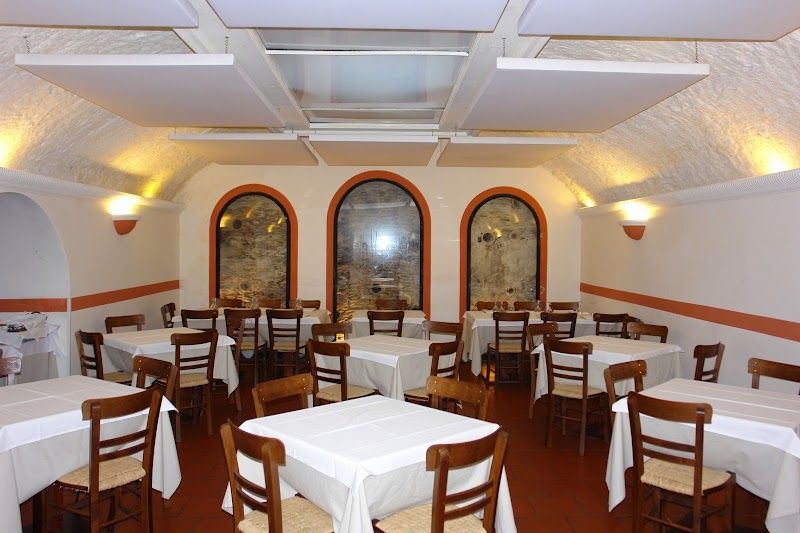
Flavio al Velavevodetto
RestaurantHistoric trattoria built into Monte dei Cocci, the ancient Roman pottery shard mountain. Known for exceptional cacio e pepe and amatriciana, with house-made pasta that exemplifies Roman tradition. The location inside the archaeological site gives it unique atmosphere.
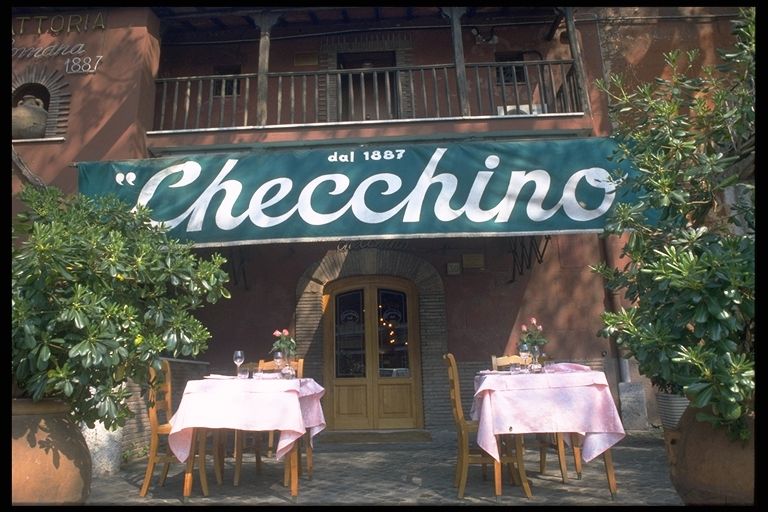
Checchino dal 1887
RestaurantHistoric Testaccio restaurant famous for quinto quarto (offal) dishes - the fifth quarter of the animal. Coda alla vaccinara (oxtail) and pajata are legendary. A pilgrimage site for understanding Rome's working-class food traditions.
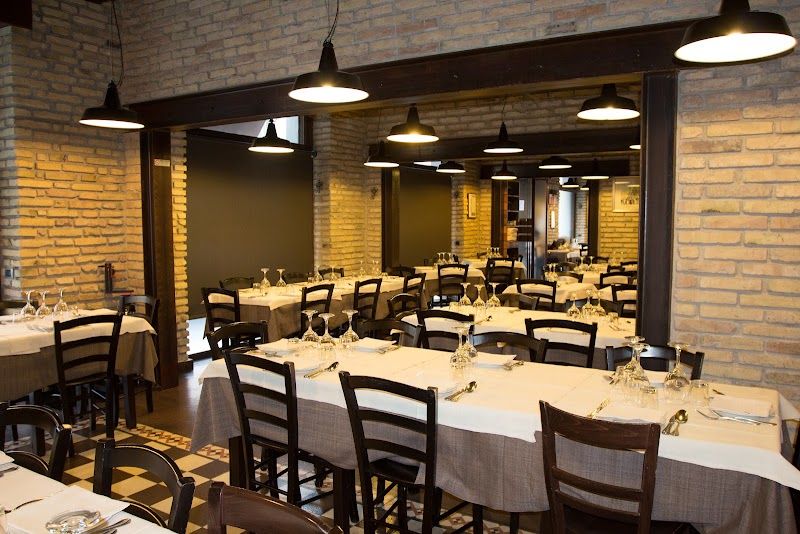
Felice a Testaccio | ROMA
RestaurantA Testaccio trattoria known for its cacio e pepe, mixed at the table. Book ahead. Skip it if you can't plan a day ahead.
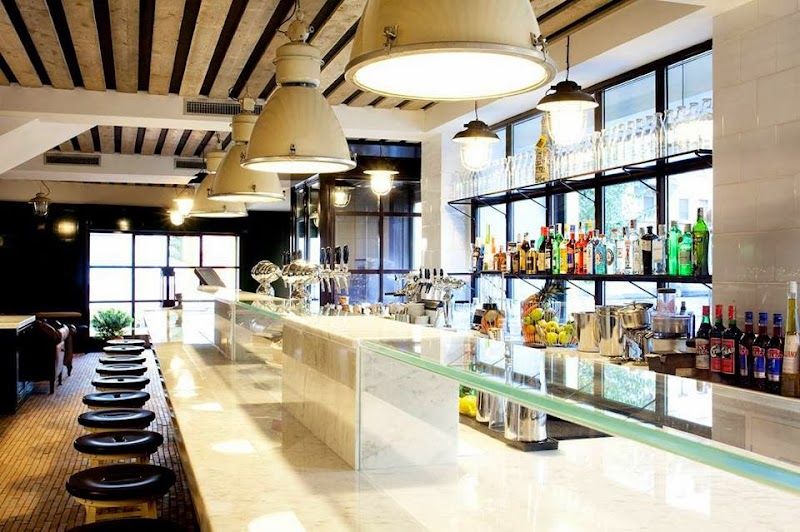
Porto Fluviale
RestaurantMassive warehouse-style restaurant in Ostiense with industrial decor and all-day dining. Breakfast through late-night aperitivo, pizza, pasta, and grilled meats. Popular with younger Romans, good prices for the portion sizes, lively atmosphere.
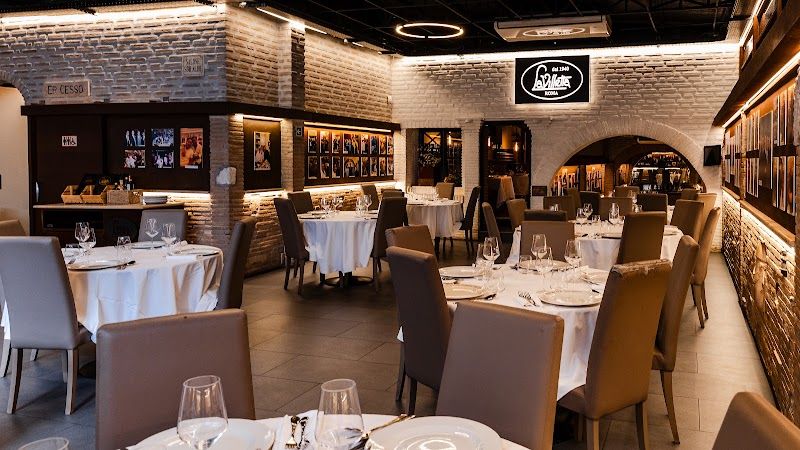
Ristorante La Villetta dal 1940
RestaurantA trattoria with a garden on Viale della Piramide Cestia, open since 1940. Skip it if you're on a budget.
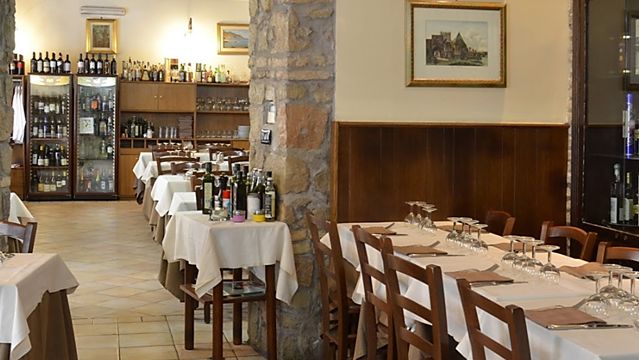
Da Bucatino
RestaurantA trattoria on Via Luca della Robbia in Testaccio, with Roman classics. Skip it if you want something smart.
Getting Here
Metro Stations
On Foot
Flat and walkable. The market, restaurants, and Monte Testaccio are all within a 5-minute radius.
Insider Tips
Mercato Testaccio lunch strategy
Go between 11:30 AM and 1 PM. Start with supplì at Morini (€2.50), then a trapizzino at Paciotti (€3.50), then whatever looks good. Budget €12-15 for a full, excellent lunch. The market closes at 3:30 PM. Closed Sundays.
Monte Testaccio nightlife
The ancient pottery hill has caves carved into its base that have been turned into nightclubs and live music venues. Summer weekends are the best. Entry is usually €10-15 including a drink. It's Rome's most unusual nightlife setting.
Nearby Neighborhoods
Continue exploring


Related Articles
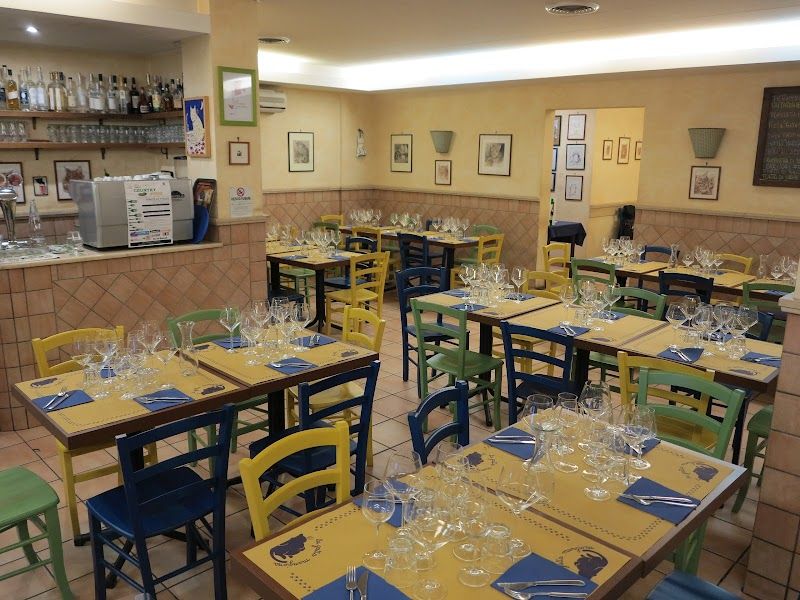
Rome Tipsy Tour: Wine Bar Crawls and Tastings That Locals Actually Recommend
From Monti natural wine bars to Testaccio aperitivo stops, here's how to build a Rome tipsy tour that actually reflects how Romans drink.
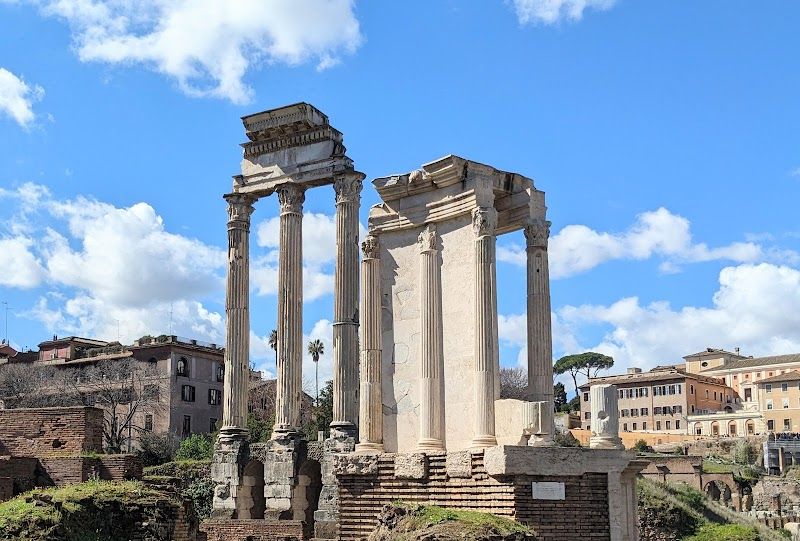
Rome Travel Pass Reddit Reviews: Which Pass Actually Saves Money in 2026
Reddit travelers share which Rome passes actually deliver value. We break down the real costs, honest reviews, and math behind Roma Pass, Omnia Card, and transport options.
Plan a trip featuring Testaccio
Get a personalized Rome itinerary with Testaccio built in.
Start Planning