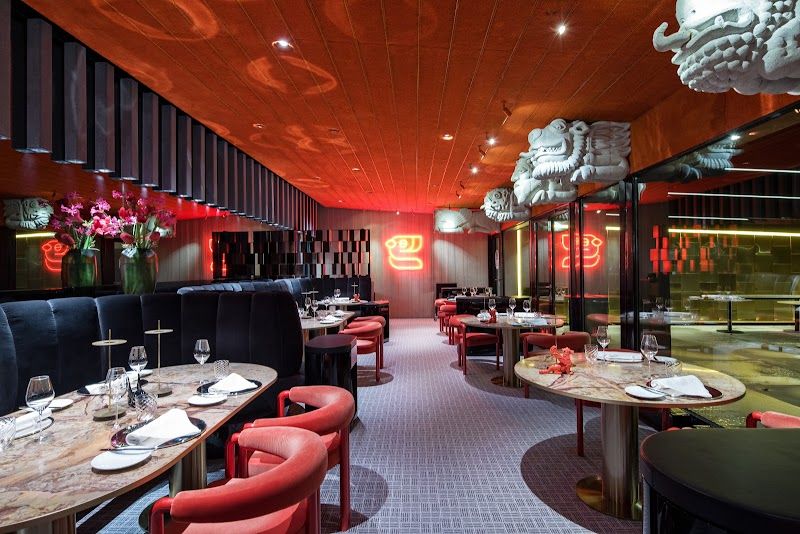
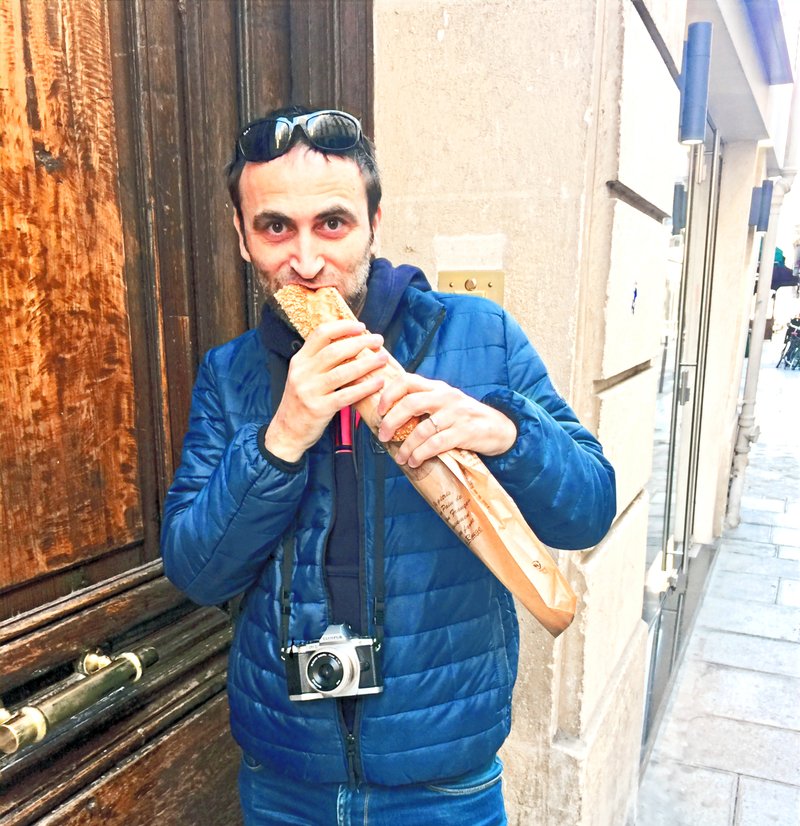
Munich's restaurant scene operates by rules that guidebooks rarely explain. While tourists flock to the Hofbräuhaus and struggle with menus they can't read, locals navigate a dining culture built on centuries of Bavarian tradition, Catholic rhythms, and an agricultural calendar that still influences what appears on plates today. Understanding these unwritten rules - when to share tables, how much to tip, what time to eat dinner - transforms your Munich dining experience from tourist theater into authentic cultural immersion.
Understanding Bavarian Dining Culture
The Communal Table Tradition
Bavarian restaurants, especially traditional ones, embrace communal seating in ways that can shock visitors from more individualistic cultures. At beer halls like Augustiner-Keller in Maxvorstadt, strangers routinely share long wooden tables without invitation or introduction. The protocol: nod when you sit down, avoid loud phone calls, and don't spread your belongings across the entire table. If someone asks "Ist hier noch frei?" (Is this seat free?), the answer is always yes unless you're genuinely saving it for someone arriving within the next ten minutes.
This communal dining tradition stems from Bavaria's agricultural past, when inn tables served entire farming communities. Modern Munich locals maintain this custom even in upscale establishments. At Ratskeller München in the basement of the New Town Hall near Marienplatz, business people in suits routinely share tables with tourists in lederhosen without batting an eye.
Sacred Meal Times and Kitchen Hours
Munich restaurant tips always include timing, because Bavarian kitchens operate on schedules that can frustrate visitors accustomed to all-day dining. Traditional restaurants serve lunch from 11:30 AM to 2 PM, then close kitchens until 6 PM for dinner service. This isn't laziness - it reflects Bavaria's agricultural heritage, where main meals aligned with farming schedules.
The dreaded "warme Küche" (warm kitchen) hours mean that between 2 PM and 6 PM, most traditional restaurants serve only cold dishes, beer, and pretzels. Locals know this and plan accordingly, eating substantial lunches or waiting until proper dinner time. Modern Munich has adapted somewhat - restaurants in Schwabing and the business district often serve continuously - but traditional establishments maintain these rhythms religiously.
Sunday Dining Protocols
Sunday dining in Munich follows Catholic Bavaria's rhythm differently than Protestant northern Germany. Many restaurants close entirely on Sunday evenings, while others offer limited menus. However, Sunday afternoon dining thrives, especially at beer gardens during warmer months. The Chinesischer Turm Beer Garden in the Englischer Garten becomes a family gathering point where three generations share tables and traditional Sunday roasts.
Locals treat Sunday dining as a social institution rather than mere sustenance. Reservations become essential at popular spots, and meals stretch longer than weekday dining. Understanding this helps visitors plan - either embrace the leisurely Sunday meal culture or prepare for limited options if you prefer quick, casual dining.
Munich Local Restaurant Etiquette
Ordering Like a Local
Munich restaurant etiquette starts with understanding how locals interact with service staff. Address servers as "Entschuldigung" (excuse me) rather than snapping fingers or waving frantically. When ready to order, locals make brief eye contact and raise their index finger slightly - no dramatic arm waving required.
Beer ordering follows specific protocols that separate locals from tourists immediately. Never order "ein Bier" (a beer) - specify the size and type. "Eine Mass Augustiner" gets you a liter of Augustiner beer, the local preference over touristy Hofbräu. "Ein Halbes" requests a half-liter, acceptable for lunch but unusual at dinner. Women ordering full liters won't raise eyebrows - gender-based beer size assumptions died decades ago in Munich.
Food ordering benefits from understanding Bavarian meal structure. Locals rarely order appetizers at traditional restaurants, instead diving straight into substantial main courses designed to accompany beer consumption. However, at modern restaurants in neighborhoods like Maxvorstadt, ordering patterns mirror international norms with appetizer-main-dessert progression.
Tipping Culture and Payment Protocols
Munich's tipping culture operates on different principles than American customs. The standard tip ranges from 5-10%, but locals round to convenient amounts rather than calculating precise percentages. For a EUR 23 meal, locals typically pay EUR 25 and say "Das passt so" (that's fine) when the server counts change.
Payment protocols follow German efficiency principles. When ready to pay, catch the server's attention and say "Die Rechnung, bitte" (the bill, please). Locals pay immediately when the server arrives with the bill, stating the total amount they want to pay (including tip). Leaving money on the table and walking away, common in other countries, can cause confusion in Munich restaurants.
Cash remains king in Munich's restaurant scene, though card acceptance has increased since COVID-19. Many traditional establishments still prefer cash, and locals carry sufficient euros for meals. However, modern restaurants in central areas accept cards without issue.
Table Service Expectations
Munich restaurant service operates on different principles than American-style frequent check-ins. Servers attend to orders efficiently but don't hover, interrupt conversations, or rush diners. This isn't poor service - it reflects Bavarian respect for dining as social time rather than quick fuel stops.
Locals signal service needs subtly. Eye contact and slight hand raises work better than calling out or standing up. When finished eating, place utensils parallel on the plate's right side - servers recognize this universal German signal that you've completed your meal.
Water culture differs significantly from other countries. Tap water isn't automatically served, and requesting "Leitungswasser" (tap water) often generates surprised looks. Locals order sparkling or still bottled water, accepting the EUR 2-4 cost as standard. However, tap water is safe and free when specifically requested - don't let servers convince you otherwise.
Where Munich Locals Actually Eat
Neighborhood Favorites Beyond Tourist Zones
Munich locals avoid Altstadt restaurants for regular dining, treating the area like a tourist preserve. Instead, they frequent neighborhood establishments that tourists rarely discover. In Maxvorstadt, Café Puck on Türkenstraße serves excellent schnitzel at EUR 14-18 to university professors and museum workers, not tour groups.
Schwabing's restaurant scene centers around Münchener Freiheit and the surrounding streets. Locals favor restaurants like Les Deux Brasserie on Leopoldstraße for French-influenced Bavarian cuisine, where main courses range EUR 16-24 and the wine list emphasizes German and Austrian selections over international options.
Giesing and Haidhausen, neighborhoods rarely mentioned in tourist guides, host Munich's most authentic local dining. Gasthof zur Post in Haidhausen maintains traditional Bavarian cooking without tourist-menu translations or inflated prices. Main courses cost EUR 12-18, and the clientele consists entirely of neighborhood residents and workers from nearby offices.
Market-to-Table Culture at Viktualienmarkt
Munich locals use Viktualienmarkt differently than tourists who browse for photos. Locals shop for ingredients at specific vendors they've patronized for years, building relationships that influence quality and pricing. The market's prepared food stalls serve as local lunch spots rather than tourist attractions.
The market's beer garden operates as a neighborhood meeting point where locals gather for quick lunches or after-work beers. Unlike tourist-focused beer halls, Viktualienmarkt's beer garden maintains lower prices (Maß beers EUR 11-12) and attracts office workers from nearby buildings rather than tour groups.
Locals know which vendors offer the best value. The fish vendors on the market's north side provide excellent selections for home cooking, while the spice vendors offer blends unavailable in regular supermarkets. Understanding these vendor relationships helps visitors shop like locals rather than tourists paying premium prices for average quality.
Modern Munich Restaurant Scene
Munich's contemporary dining scene extends far beyond traditional beer halls and schnitzel houses. Locals increasingly frequent restaurants that blend Bavarian ingredients with international techniques. Gratitude, located near Gärtnerplatz, serves modern European cuisine with Bavarian influences at EUR 18-26 per main course, attracting young Munich professionals rather than tourists.
The city's growing Asian food scene centers around Bahnhofsviertel and Glockenbachviertel neighborhoods. Locals recommend IZAKAYA for authentic Japanese cuisine (main dishes EUR 15-22) and Tian for upscale vegetarian dining (tasting menus EUR 45-65). These restaurants require reservations and cater to Munich residents seeking alternatives to traditional Bavarian fare.
Wine bars have emerged as local favorites, especially in Glockenbachviertel. Pusser's American Bar combines excellent wine selections with small plates, while Bar Centrale offers Italian wines and antipasti. These establishments serve Munich's growing wine culture, moving beyond beer-focused traditions.
Seasonal Dining Patterns and Specialties
Understanding Bavarian Food Seasons
Munich restaurant menus change with agricultural seasons more noticeably than in other major cities. Spring brings white asparagus (Spargel) season from April through June, when local restaurants feature special asparagus menus and locals make reservations specifically for seasonal dishes. Restaurants charge EUR 16-22 for asparagus main courses, reflecting both seasonal availability and cultural significance.
Autumn introduces game season (Wildzeit) from September through December. Traditional restaurants feature venison, wild boar, and duck preparations that locals anticipate annually. These seasonal specialties command premium prices (EUR 22-32) but represent authentic Bavarian dining culture tied to regional hunting traditions.
Winter dining emphasizes hearty preparations and preserved foods. Sauerkraut variations, root vegetables, and heavy meat dishes dominate menus. However, Christmas market season brings special treats like Lebkuchen and Glühwein that locals enjoy as much as tourists, though they know the best stalls and avoid overpriced tourist traps.
Beer Garden Culture and Seasonal Rhythms
Munich's beer garden culture operates on strict seasonal schedules that locals understand intuitively. Gardens typically open when chestnut trees begin blooming (usually April) and close when temperatures drop consistently below 10°C. The Augustiner-Keller and other traditional beer gardens don't operate year-round like restaurants - they're seasonal institutions.
Locals bring their own food to many beer gardens, a tradition called "Brotzeit" that allows families to enjoy inexpensive outings. Traditional beer gardens permit outside food but require beverage purchases. This custom lets locals enjoy EUR 11-14 Maß beers while controlling food costs through homemade sandwiches and salads.
Weather significantly influences beer garden dining. Locals check forecasts and make spontaneous decisions based on afternoon conditions. Unlike tourists who visit regardless of weather, locals treat beer gardens as fair-weather destinations and have alternative indoor plans for unpredictable days.
Navigating Munich's Diverse Food Neighborhoods
Altstadt: Beyond the Tourist Traps
While most Altstadt restaurants cater to tourists, locals know exceptions worth visiting. Weisses Bräuhaus, despite its central location near Marienplatz, maintains authentic Bavarian standards with proper Weisswurst breakfasts (EUR 8-12) served until 11 AM sharp - locals arrive early because supplies genuinely run out.
Der Pschorr, located in a historic building near the Frauenkirche, attracts both locals and informed visitors with traditional Bavarian cuisine prepared to authentic standards. Main courses range EUR 14-22, and the restaurant doesn't dilute recipes for tourist palates or provide English translations that oversimplify dishes.
Locals also frequent Ratskeller München for business lunches and special occasions. Despite its tourist location beneath the New Town Hall, the restaurant maintains high culinary standards and employs service staff who understand both Bavarian traditions and international guest expectations.
Schwabing's Diverse Dining Scene
Schwabing's restaurant landscape reflects the neighborhood's evolution from bohemian quarter to upscale residential area. Locals favor establishments that balance quality with reasonable pricing. Ristorante Il Mulino serves excellent Italian cuisine (main courses EUR 16-24) to local residents rather than tour groups, evidenced by the high percentage of German conversations and repeat customers.
The neighborhood's café culture thrives along Leopoldstraße and surrounding streets. Locals frequent Café Luitpold for traditional coffee and cake (EUR 4-7), while younger residents prefer specialty coffee shops like Maelu Coffee that emphasize bean quality over traditional German coffee culture.
Schwabing's proximity to the Englischer Garten influences dining patterns. Locals often combine restaurant meals with park walks, choosing establishments that accommodate leisurely dining before or after outdoor activities.
Maxvorstadt's Student and Professional Mix
Maxvorstadt's dining scene serves both university students and museum professionals, creating diverse pricing and cuisine options. Locals know which establishments offer quality meals within student budgets and which cater to higher-end tastes. Türkenhof provides excellent Turkish cuisine (main dishes EUR 9-15) that attracts both demographics without compromising quality.
The neighborhood's proximity to major museums influences lunch patterns. Restaurant staff accommodate museum workers' schedules and preferences, creating relationships that benefit regular customers. Locals working in the area receive better service and sometimes access to off-menu items.
Maxvorstadt also hosts Munich's growing craft beer scene. Locals frequent Tap House for international beer selections that complement traditional Bavarian options, representing the city's evolving beverage culture while respecting established traditions.
Advanced Munich Restaurant Navigation
Reservation Strategies and Timing
Munich restaurant reservations follow different patterns than other European capitals. Traditional Bavarian restaurants rarely accept reservations for parties smaller than six people, operating on first-come-first-served principles that reward locals who understand optimal arrival times. However, modern restaurants and upscale establishments require advance booking, especially for weekend dinners.
Locals make reservations 2-3 days ahead for popular restaurants, calling directly rather than using online platforms. Restaurant staff appreciate phone calls in German, but most accommodate English speakers professionally. Confirming reservations day-of prevents misunderstandings and demonstrates respect for restaurant operations.
Cancellation courtesy matters significantly in Munich's restaurant culture. Locals cancel unwanted reservations at least 24 hours ahead, and restaurants remember customers who repeatedly no-show. This mutual respect system keeps reservation availability reasonable for everyone.
Understanding Menu Language and Pricing
Munich restaurant menus blend standard German with Bavarian dialect terms that confuse even German speakers from other regions. "Schweinebraten" (roast pork) appears as "Sauerbraten" in some contexts, while "Knödel" (dumplings) might be listed as "Semmelknödel" or "Serviettenknödel" depending on preparation style. Locals understand these variations intuitively, but visitors benefit from asking servers for clarification.
Pricing transparency varies significantly between traditional and modern establishments. Traditional restaurants often charge for bread baskets, butter, and other items that appear complimentary. Locals expect these charges and factor them into meal costs, while surprised tourists sometimes dispute bills unnecessarily.
Wine pricing follows German restaurant traditions where markup percentages vary dramatically between different price points. House wines typically offer good value (EUR 4-8 per glass), while premium selections carry substantial markups. Locals often choose mid-range options that balance quality with reasonable pricing.
Managing Dietary Restrictions and Preferences
Munich's traditional restaurant scene has adapted slowly to dietary restrictions and preferences. Vegetarian options exist in most establishments, but vegan choices remain limited outside specialized restaurants. Locals with dietary restrictions research restaurants in advance and call ahead to discuss options rather than arriving and hoping for accommodation.
Gluten-free dining requires careful navigation in Munich's bread and beer-centric culture. Some traditional restaurants offer gluten-free beer options, while others remain inflexible about menu modifications. Modern restaurants generally accommodate gluten-free requests better than traditional establishments.
Allergy awareness varies significantly between restaurant types. Upscale establishments typically handle allergy requests professionally, while traditional beer halls and casual restaurants may lack detailed ingredient knowledge. Locals with serious allergies carry allergy cards in German and choose restaurants known for accommodation.
Munich's restaurant culture rewards visitors who understand its historical foundations, seasonal rhythms, and social customs. Learning these munich restaurant tips transforms dining from tourist consumption into cultural participation, connecting visitors with Bavaria's agricultural heritage and community-focused traditions. Whether sharing tables with strangers at beer gardens, navigating communal seating protocols, or timing meals with kitchen schedules, successful Munich dining requires cultural fluency rather than just appetite. Master these approaches, and Munich's remarkable food scene opens beyond its tourist facade into authentic Bavarian hospitality.
