Munich
Things to Do
56 attractions, museums, and experiences
Viktualienmarkt
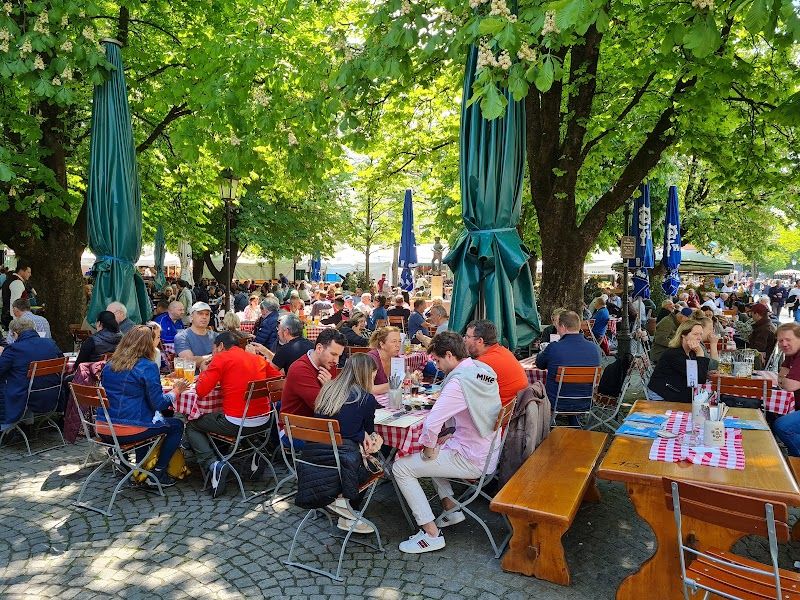
Viktualienmarkt is Munich's 200-year-old food market sprawled across a square just south of Marienplatz, where 30-plus permanent stalls sell everything from wild boar bratwurst to saffron. You'll find traditional Bavarian specialties alongside fresh produce, artisan cheeses, and honey from local beekeepers. The centerpiece is a year-round beer garden that rotates through all six Munich breweries, pouring proper half-liters while you sit under chestnut trees. The market hums with locals grabbing lunch and tourists sampling their way through Bavaria. You'll weave between cheese counters where vendors slice generous samples, pretzel stands cranking out warm brezn, and the legendary wild boar sausage stall near the central maypole. The beer garden fills by noon with a mix of office workers and visitors clutching pretzels smeared with obatzda cheese spread. Most guidebooks oversell this as quaint and charming when it's actually quite commercial and tourist-focused. Skip the overpriced specialty items and focus on the classics: a pretzel from Brezenbar (EUR 1.50), obatzda, and a half-liter at the beer garden runs about EUR 8-12 total. The produce is good but not cheap, and Sunday closures catch many visitors off guard.
Königsplatz
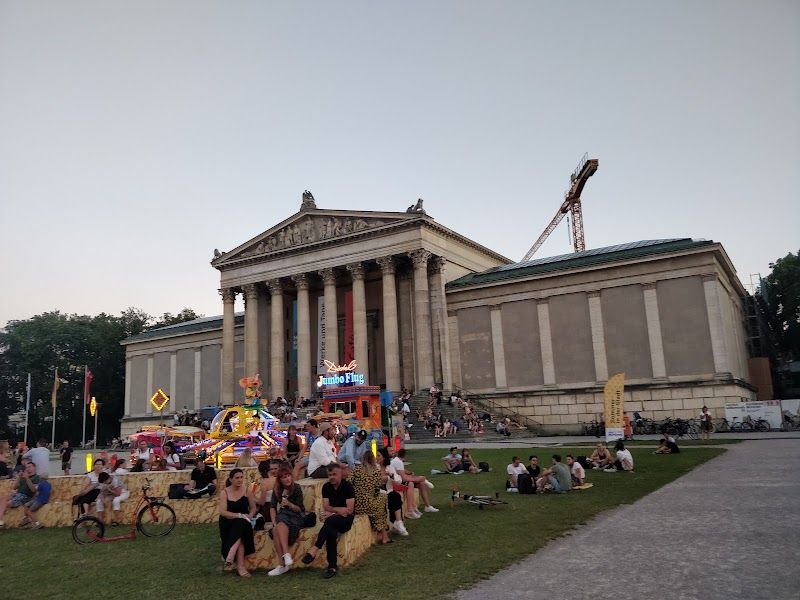
Königsplatz is Ludwig I's answer to Athens' Acropolis, a perfectly proportioned neoclassical square built in the 1820s that puts most European royal squares to shame. You're looking at three major buildings: the Glyptothek (ancient sculptures), the Antikensammlungen (Greek and Roman artifacts), and the imposing Propylaea gate with its Doric columns that frames the entire western end. The square itself is free to wander, though museum admission runs about 6 EUR each. Walking into Königsplatz feels like stepping onto a film set of ancient Greece, except everything's pristinely maintained German-style. The massive stone plaza stretches between the museums with geometric precision, while locals sprawl on the surrounding grass areas reading books or having lunch. The Propylaea gate dominates your view as you approach from the east, its columns creating dramatic shadows that shift throughout the day. You'll hear more German than English here, which tells you something about how tourists miss this place. Most guides oversell the museums unless you're genuinely into ancient artifacts. The square's real appeal is architectural, best appreciated by walking the full perimeter and sitting on the steps for perspective. Skip both museums if you're pressed for time and budget, the exterior views deliver 80% of the experience. Come mid-morning when the light hits the Propylaea perfectly and before the afternoon tour groups arrive.
Marienplatz
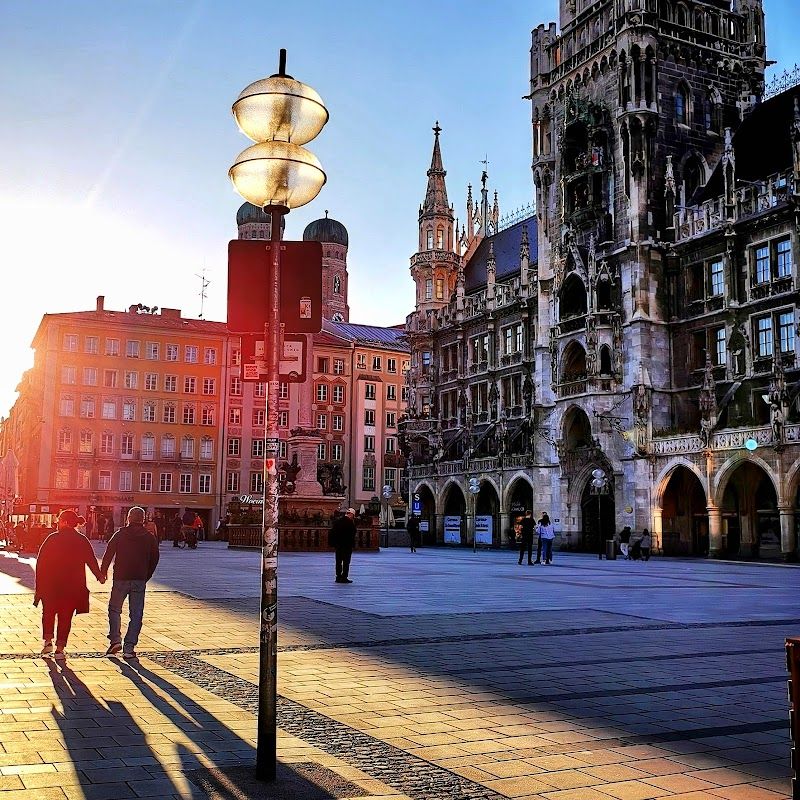
Marienplatz has been Munich's town square since 1158, and it still works exactly as intended: a daily stage where locals shop, tourists gawk, and street performers compete with the world's most elaborate cuckoo clock. The Neues Rathaus dominates with its Neo-Gothic towers, while the famous glockenspiel puts on a 15-minute puppet show at 11am, noon, and 5pm (May through October). You'll see 32 life-sized figures reenact historical Bavarian scenes including a tournament and the coopers' dance that supposedly ended a plague. The square fills up fast before each glockenspiel show, creating a temporary amphitheater of several hundred people all craning their necks upward. Between shows, it's surprisingly functional: locals cut through on their way to the pedestrian shopping streets, while you can explore the Altes Rathaus or grab a coffee at one of the surrounding cafes. The atmosphere shifts from tourist spectacle to working city square and back again throughout the day. Skip the New Town Hall tower (EUR 6) because it's actually not that high and the views are mediocre. The Frauenkirche towers five minutes away are free and much better for photos. Most people camp out in the center of the square for glockenspiel shows, but you'll get a better angle from the eastern side near the Altes Rathaus. If you're here in winter, the Christmas market transforms the entire square but makes it nearly impossible to move.
Hofbräuhaus
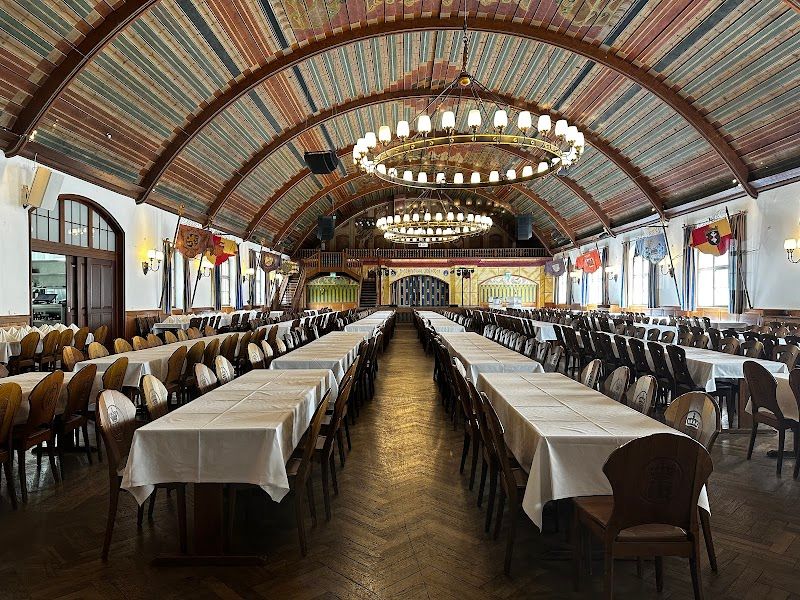
The Hofbräuhaus is Munich's most famous beer hall, a cavernous three-story temple to Bavarian drinking culture that's been pouring beer since 1589. You'll find it on Platzl square, where tourists and locals pack into wooden benches at long shared tables, downing liter steins of Hofbräu Original while a brass band plays traditional folk music. The ground floor Schwemme holds 1,300 people and serves 10,000 liters daily during Oktoberfest, making it one of the world's most productive beer dispensaries. Walking into the main hall feels like entering a beer-soaked cathedral: vaulted ceilings, wooden tables scarred by decades of steins, and the constant din of conversation in twenty languages. Servers in dirndls weave through the crowds carrying impossible numbers of full Maß glasses, while the brass band launches into yet another rendition of traditional Bavarian songs around 7 PM. The atmosphere gets progressively louder and more festive as the evening progresses, with spontaneous singing and table-tapping becoming the norm. Yes, it's touristy, but it's also genuinely authentic in a way that surprises many visitors. A Maß costs EUR 11-13, which is reasonable for the experience and location. Skip the upper floors unless you want quiet dining, the ground floor Schwemme is where the real action happens. The schweinshaxe (pork knuckle) for EUR 18-25 is massive and perfect for sharing, though the weisswurst before noon is more traditional.
Olympiapark
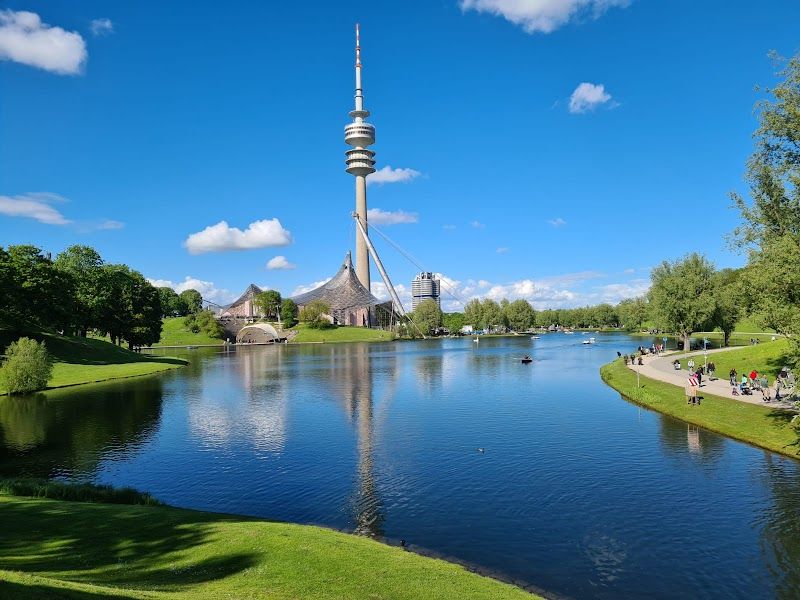
Olympiapark is Munich's sprawling 850,000 square meter sports and recreation complex, built for the 1972 Olympics and now the city's most distinctive public space. The star attraction is Frei Otto's revolutionary tent-like canopy roof stretching over the Olympic Stadium, a design so influential it was later copied in Sydney and Denver. You can walk the entire park for free, climb the artificial Olympic Hill for city views, or pay EUR 13 to ascend the 290-meter Olympic Tower for panoramic Alpine vistas on clear days. The park feels like a giant playground mixed with architectural museum. You'll find joggers circling the lake, families picnic on vast lawns, and tourists craning their necks at the futuristic tent structures that still look cutting-edge 50 years later. The Olympic Hill, built from WWII bombing rubble, gives you a surprisingly good view of the city skyline without the tower's admission fee. The whole complex has an optimistic, space-age atmosphere that captures 1970s architectural ambition perfectly. Most visitors either skip everything and just walk through, or waste money on the tower during cloudy weather. Check the weather forecast first, the Alpine view from Olympic Tower is spectacular on clear days but pointless when it's overcast. The hill offers 80% of the same view for free with no queues. Skip the stadium tour unless there's a concert, it's mostly empty concrete. Combine with BMW Welt across the street for a full morning.
Englischer Garten
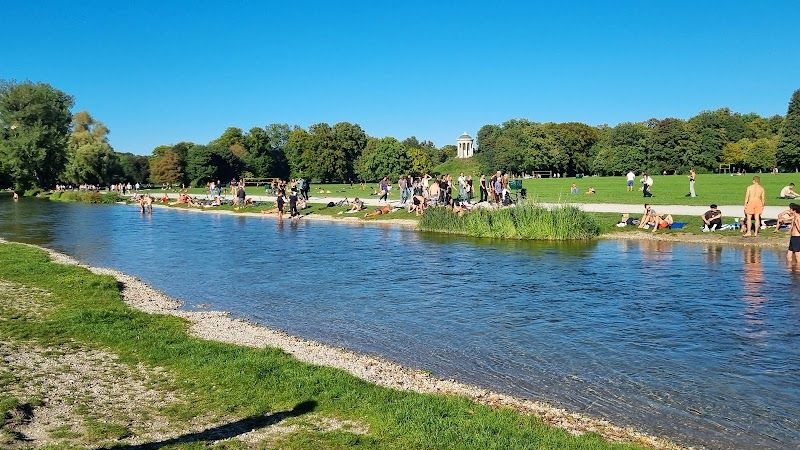
The Englischer Garten is Europe's third largest urban park at 375 hectares, sprawling north from the city center like Munich's green lung. You'll find genuine urban river surfing on the Eisbach (Europe's only permanent city wave), four beer gardens including the massive 7,000-seat Chinesischer Turm, and surprisingly good swimming spots along the river itself. The park stretches 5km north to south, passing a Greek temple folly with the city's best free viewpoint, a Chinese pagoda, and a proper lake with paddle boats. Walking through feels like escaping Munich entirely. The southern section buzzes with surfers and sunbathers around the Eisbach, while the middle section opens into rolling meadows where locals sprawl naked (this is Germany, after all). The Monopteros temple sits on an artificial hill offering panoramic city views, and the Chinesischer Turm beer garden creates its own village atmosphere under chestnut trees. Further north, the crowds thin out dramatically around Kleinhesseloher See, where you'll mostly encounter joggers and dog walkers. Most visitors stick to the southern third and miss the park's real charm up north. The Aumeister beer garden feels like a countryside inn rather than a tourist magnet, and the walk between Chinesischer Turm and the lake is genuinely peaceful. Skip the paddle boats (overpriced tourist trap), but don't miss swimming in the Eisbach if it's warm. A full north-south walk takes 90 minutes, but you'll want to stop for beer, so plan three hours minimum.
Deutsches Museum
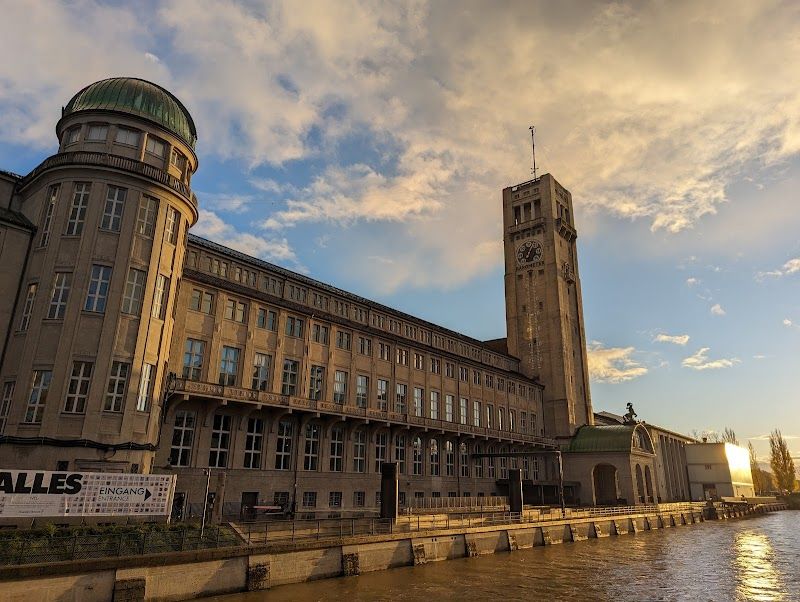
The Deutsches Museum houses 28,000 artifacts across 50 exhibition areas on Museum Island, making it one of the world's largest science museums. You'll find the original Benz Patent-Motorwagen from 1886, the first electric dynamo, and a full-scale Lufthansa Boeing 737 you can walk through. Interactive exhibits let you generate electricity, pilot flight simulators, and watch live chemistry demonstrations hourly. The mining section features an authentic underground tunnel system, while the astronomy wing has a working planetarium with shows in German and English. Navigating this place requires strategy because it's genuinely massive across six floors. Start on the ground floor with transportation (the vintage cars and locomotives are impressive), then work your way up through physics, chemistry, and aerospace. The atmosphere feels like a curiosity cabinet that got completely out of hand. Kids aged 8 and up get genuinely excited here, especially in the hands-on areas where they can operate historical machines and conduct simple experiments. At EUR 15 for adults, it's excellent value if you spend at least three hours, but many visitors try to see everything and burn out after two hours. Skip the ground floor energy section (it's dated and boring) and focus on transportation, aerospace, and the impressive musical instrument collection. The cafeteria serves terrible food at high prices, so bring snacks or eat beforehand. Most people miss the rooftop terrace with decent city views.
BMW Welt
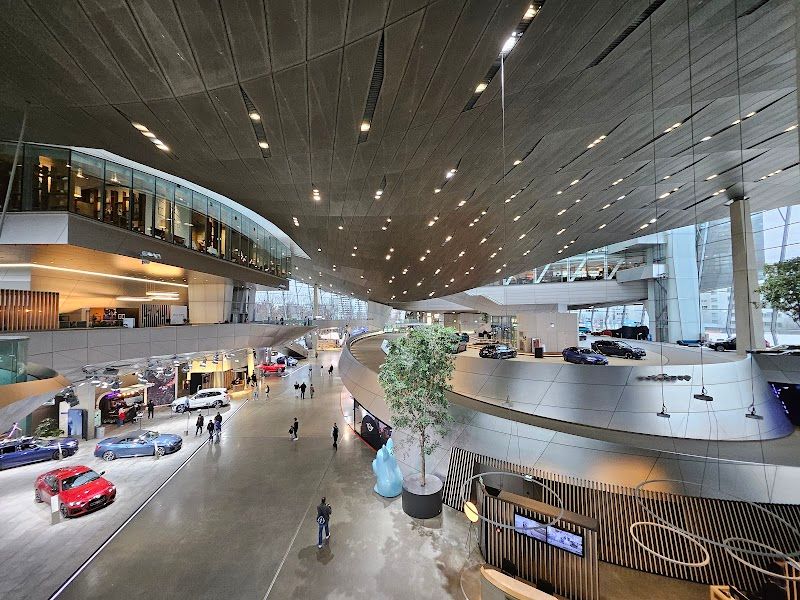
BMW Welt is the ultimate car showroom meets architectural spectacle, where you can walk through BMW's latest lineup for free in a futuristic steel and glass double cone. The continuous spiraling floor takes you past gleaming new models, the adrenaline-pumping M series performance cars, and the delivery ceremony area where new owners collect their BMWs in style. It's part brand theater, part genuinely impressive architecture by Coop Himmelb(l)au. The experience flows naturally as you spiral upward through different themed zones, with the building's dramatic curves creating unexpected views at every turn. The atmosphere buzzes with excitement from new car deliveries happening throughout the day, while families pose with supercars they'll never own. The highlight is watching the emotional handover ceremonies where BMW makes collecting your new car feel like winning an Oscar. Here's what most guides won't tell you: skip the separate BMW Museum (EUR 14) unless you're genuinely obsessed with automotive history. BMW Welt gives you 80% of the experience for free, and the museum feels dry by comparison. The building looks most dramatic at sunset when the glass facade glows, and weekday mornings offer the best photo opportunities without crowds.
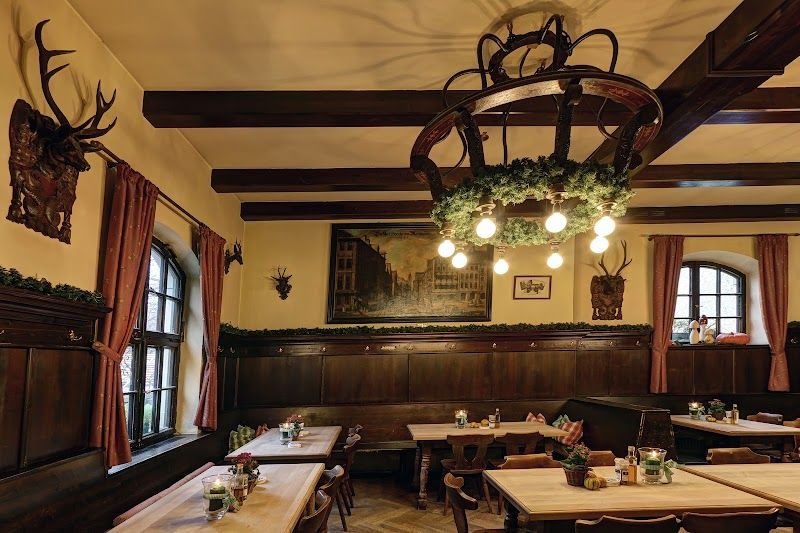
Augustiner-Keller
Augustiner-Keller is Munich's largest central beer garden with 5,000 seats sprawling under massive chestnut trees, serving the city's most beloved brewery direct from wooden barrels. You'll find yourself in pure Bavarian tradition: gravel paths, communal wooden tables, and that distinctive smell of roasted almonds mixing with beer foam. The self-service setup means you grab your own Maß (€4.20) from outdoor barrel taps, then hunt for food at various kiosks scattered throughout the sprawling grounds. The atmosphere hits you immediately: families claiming tables with tablecloths, office workers unwinding after long days, and tourists trying to figure out the unwritten seating rules. Brass bands play weekend afternoons in summer, adding that classic oompah soundtrack while servers in dirndls weave between tables in the restaurant section. The chestnut canopy creates natural shade that makes even sweltering July evenings bearable, and you'll hear a mix of Bavarian dialect and international chatter echoing off the gravel. Most guides don't mention that the restaurant section charges €6.80 for the same beer that costs €4.20 in the self-service garden area. Skip the overpriced Schweinshaxe (€18) and go straight for the Steckerlfisch (grilled mackerel, €8.50) from the outdoor kiosks. The trick is arriving before 6pm on sunny days to secure prime real estate under the trees, because after that you're stuck at cramped tables near the entrance where tour groups congregate.
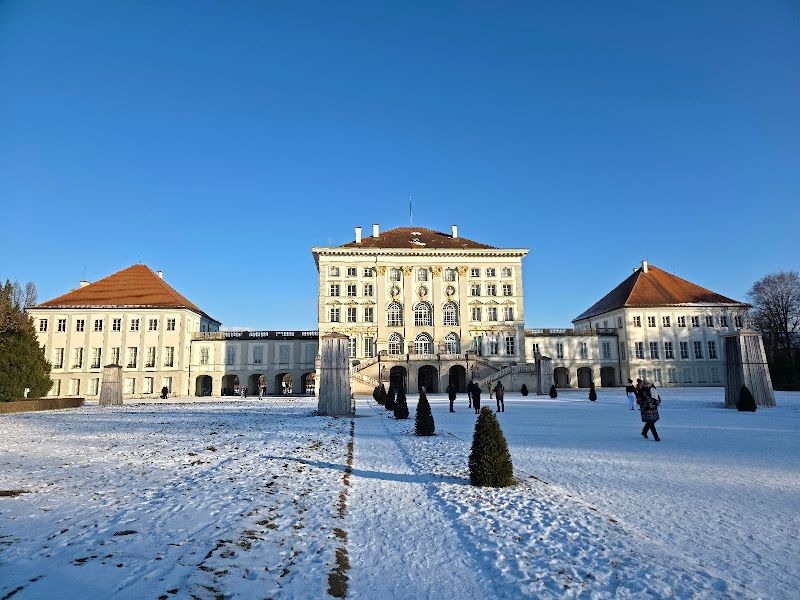
Nymphenburg Palace
Nymphenburg Palace is the sprawling Baroque summer residence of Bavaria's royal Wittelsbach family, built over nearly a century from 1664 to 1758. The EUR 8 combined ticket gets you into the ornate palace rooms, the Marstallmuseum with its spectacular royal carriages (including King Ludwig II's fairy-tale coaches), and the porcelain collection. But honestly, the real star is the 200-hectare formal gardens behind the palace, which are completely free and where you'll spend most of your time wandering between four pavilions tucked into landscaped parkland. The palace interior feels formal and gilded in typical Baroque fashion, but it's the Marstallmuseum that stops people in their tracks with Ludwig II's incredibly ornate sleighs and state coaches that look straight out of Cinderella. The gardens are where Nymphenburg transforms into something magical: you'll follow tree-lined paths to discover the Rococo masterpiece Amalienburg pavilion, the lakeside Badenburg with its original heated pool, and the deliberately crumbling Magdalenenklause hermitage. The central canal stretches toward the horizon like a smaller Versailles, and families push strollers easily along the wide gravel paths. Most guides undersell the gardens and oversell the palace rooms. Skip the palace interior entirely if you're short on time and focus on the Marstallmuseum and gardens, especially Amalienburg (EUR 6 extra but worth it). The gardens alone deserve 2-3 hours, and they're stunning in any weather. Getting there takes 25 minutes: U1 or U7 to Rotkreuzplatz, then bus 51 or tram 17 directly to the entrance.
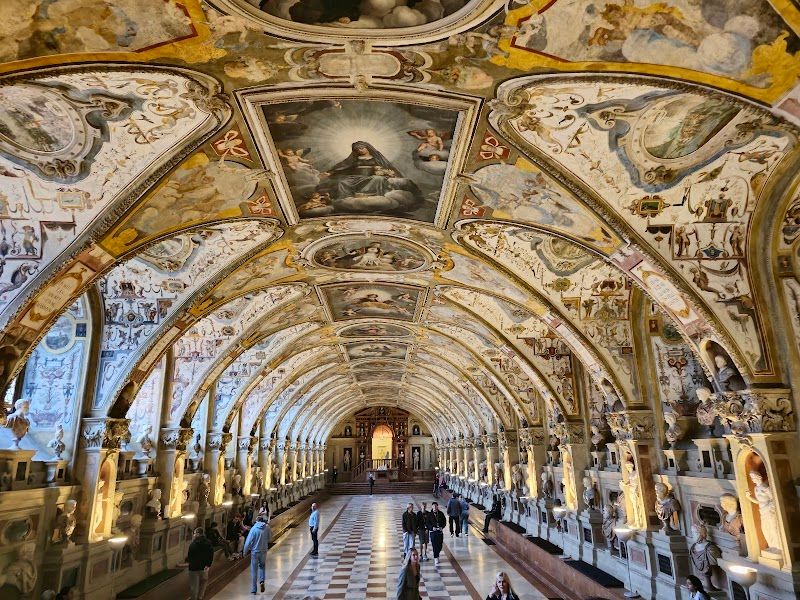
Residenz Munich
The Residenz is Germany's largest urban palace, a sprawling 90,000 square meter complex where Bavaria's Wittelsbach rulers lived for 400 years. You're paying for three separate attractions: the Residenz Museum with 130 opulent state rooms, the Schatzkammer Treasury holding Bavarian crown jewels, and the tiny Cuvilliés Theatre with its jaw-dropping rococo interior. The Antiquarium hall alone justifies the visit, a 66-meter Renaissance gallery that'll make your neck hurt from looking up at the intricate vaulting. Walking through feels like infiltrating a royal soap opera set across ten courtyards and countless gilded rooms. The Treasury sparkles with the famous St. George statuette encrusted with 2,300 gemstones, while the Museum overwhelms with room after room of baroque excess. The Cuvilliés Theatre packs maximum wow factor into minimum space, its gold and red rococo curves photographed more than any interior in Munich. Each section has its own entrance and vibe, from ceremonial grandeur to intimate royal apartments. Most guides won't tell you the combined ticket (EUR 17) isn't always worth it if you're palace-fatigued. Skip the theatre if you're rushed, prioritize the Antiquarium hall and Treasury instead. The Museum needs two full hours, the Treasury 90 minutes maximum. Avoid Sundays when German families pack the narrow rooms. The free Hofgarten courtyard outside makes a perfect breather between paid sections.
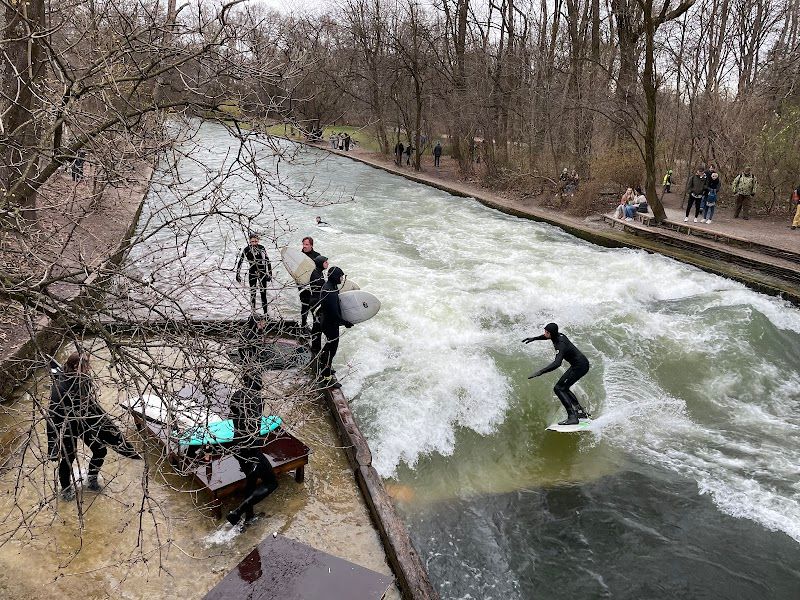
Eisbach Surfers
You're watching people surf on a river in the middle of Munich, which is exactly as surreal as it sounds. The Eisbach creates a permanent standing wave behind the Haus der Kunst museum where experienced surfers drop into a 1-meter high break that's been running since the 1970s. A concrete ramp built into the riverbed generates the continuous wave, and locals have turned this engineering quirk into Munich's most unlikely sport. You'll see wetsuits, shortboards, and proper surf technique in a city 300 miles from the nearest ocean. There's usually a queue of 5 to 10 surfers waiting on the bridge edge, each taking turns for rides that last 30 seconds to several minutes depending on skill level. The good ones carve back and forth across the wave face like they're in Hawaii, while beginners get swept downstream after a few wobbly seconds. The crowd watching from above cheers for good rides and gasps at spectacular wipeouts. The water rushes past fast and cold, creating genuine surf conditions that demand real skill. Most travel guides treat this like a quick photo stop, but 15 minutes is perfect for watching the rhythm of surfers rotating through. Weekend afternoons bring the biggest crowds and shortest rides, while weekday mornings offer longer sessions with fewer people. Don't expect to try it yourself unless you're an experienced surfer, multiple people have drowned here over the years. The show is completely free and runs year-round, even when it's snowing.
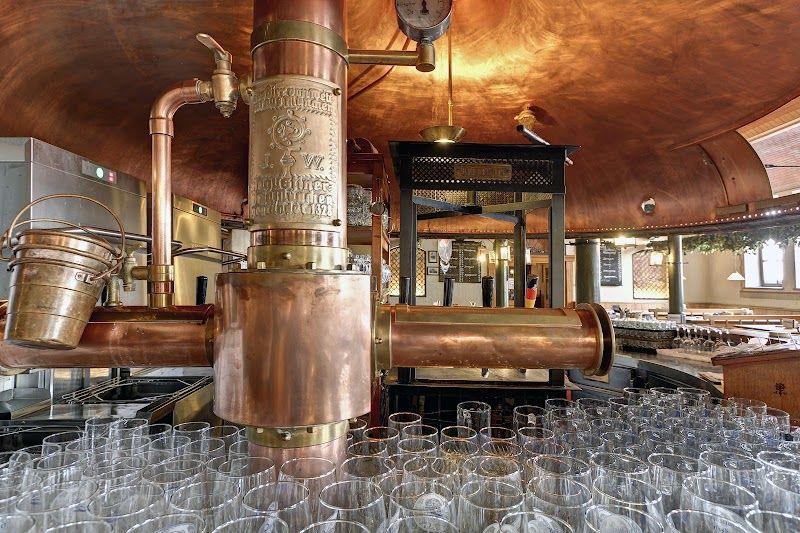
Augustiner Bräustuben
Augustiner Bräustuben is the real deal: a brewery taphouse attached directly to Munich's oldest working brewery, where locals drink unpasteurized Augustiner straight from wooden barrels. You'll sit at long shared tables in a no-frills Schwemme hall that hasn't changed much since the 1800s, surrounded by Müncheners who consider this the city's most authentic beer experience. The atmosphere is pure Munich: waitresses in dirndls carry armloads of Maß steins, conversation flows in rapid Bavarian, and tourists are genuinely rare. The moment you walk in, you're hit by the smell of hops and hearty Bavarian cooking. You'll squeeze onto wooden benches next to construction workers, retirees, and office employees all united by excellent beer. The hall gets loud and smoky (yes, people still smoke here), with that particular energy of a place where regulars have been coming for decades. Servers move fast and speak minimal English, so pointing at other tables' food works better than trying to translate the German-only menu. Most beer halls in Munich cater to tourists, but Augustiner Bräustuben actively ignores them. A Maß costs EUR 9 to 10, the Schweinsbraten with dumplings runs about EUR 16, and you'll need cash since card machines fail constantly. Come before 6pm on weeknights to avoid the rush, or embrace the chaos and squeeze in wherever there's space. Skip the touristy Hofbräuhaus entirely and come here instead.
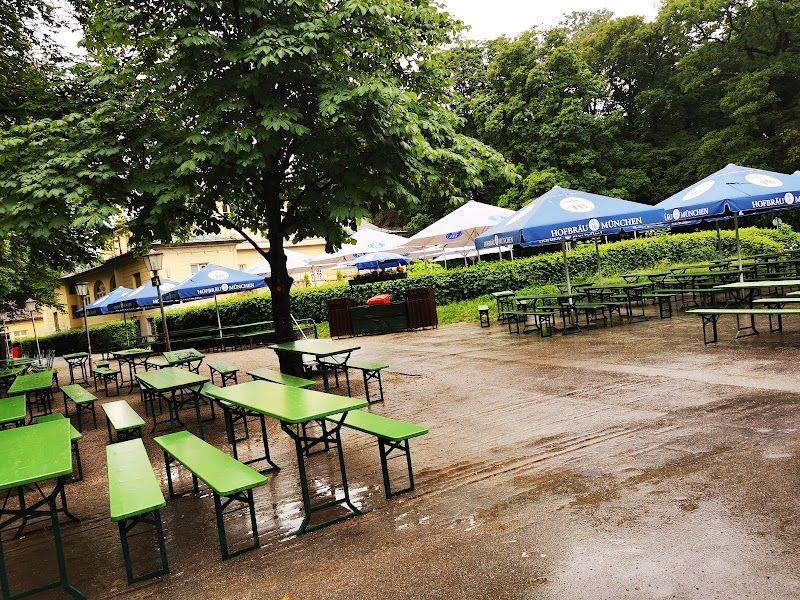
Chinesischer Turm Beer Garden
The Chinesischer Turm beer garden sits around a 25-meter wooden pagoda from 1789, creating Munich's largest traditional beer garden with 7,000 seats under towering chestnut trees. You'll drink Hofbräu from proper liter mugs (EUR 9-10) while a brass band plays from the pagoda on Sunday afternoons from May through October. The self-service food stalls serve decent roast chicken (EUR 12-14) and pork knuckle (EUR 16-18), but the real draw is the atmosphere: families sharing long wooden tables, locals bringing picnic spreads, and that distinctly Bavarian mix of relaxation and revelry. The experience feels authentically Munich without trying too hard. You'll queue at food kiosks, balance your tray while scanning for seats, then settle in for hours as the afternoon stretches into evening. The brass band music drifts through conversations in multiple languages while kids run between tables and servers weave through with armloads of beer steins. When the chestnut trees are in full leaf, the filtered sunlight creates this perfect golden hour effect that makes even overpriced beer feel worth it. Most guides don't mention that the unmarked outer tables let you bring your own food while buying beer from kiosks, a tradition locals absolutely embrace. Skip the touristy food stalls and pack sandwiches or salads if you want better value. The Sunday afternoon brass band (3-5 PM) is genuinely special, not just tourist theater. Just know it closes completely from late October through April, and any hint of bad weather shuts it down fast.
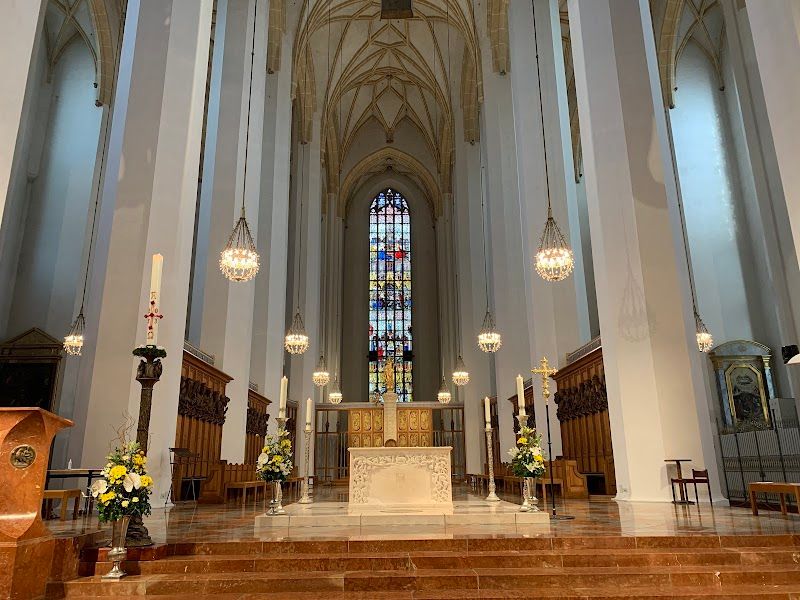
Frauenkirche
The Frauenkirche is Munich's cathedral and the city's most recognizable landmark, a brick Gothic fortress topped by twin green copper onion domes that have anchored the skyline since 1525. You'll find an austere late Gothic interior that feels surprisingly spacious despite the plain brick walls, plus the famous Devil's Footprint near the entrance where legend says Satan stamped his foot in anger. The real draw is the South Tower: EUR 7 gets you a lift partway up, then stairs to 99 meters for the best panoramic view in Munich. Inside, the cathedral feels unexpectedly stark after the impressive exterior, with whitewashed walls and minimal decoration that creates an almost Protestant atmosphere. The Devil's Footprint is a black stone mark in the floor that tour groups cluster around, though the story behind it is more charming than the actual sight. Climbing the South Tower means sharing a small elevator with other visitors, then huffing up narrow stone steps, but the payoff is spectacular: the entire city spreads below you, and on clear days the Alps create a dramatic southern backdrop. Most guides don't mention that the cathedral interior is genuinely underwhelming compared to other European cathedrals, so don't feel obligated to linger if architecture isn't your thing. The tower climb is absolutely worth EUR 7, especially compared to the New Town Hall's more expensive and lower viewpoint at EUR 6. Skip the visit entirely during services when the tower closes, and avoid late afternoons when haze obscures the Alpine views.
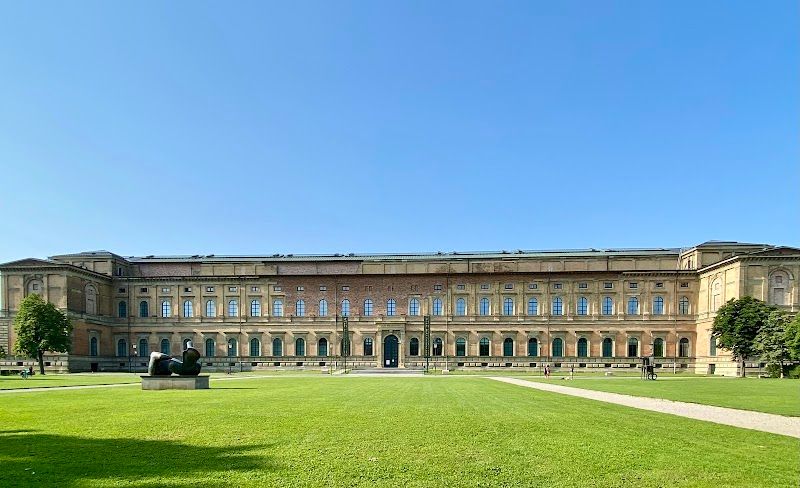
Alte Pinakothek
The Alte Pinakothek houses one of Europe's finest old master collections in a restored 19th-century building that pioneered the concept of public art museums. You'll find over 700 paintings spanning four centuries, with the world's second-largest Rubens collection (including his massive 6-meter Great Last Judgment), exceptional Dürer works, and comprehensive Dutch Golden Age pieces. The building itself tells a story: bombed sections were deliberately rebuilt in plain brick during 1950s restoration, creating a striking contrast with the original ornate facades. Walking through feels like a chronological journey through European painting mastery. The German Renaissance rooms showcase Dürer's penetrating self-portraits and Cranach's court paintings, while the Flemish galleries explode with Rubens' dynamic compositions and Van Dyck's elegant portraits. The Dutch rooms offer intimate Rembrandt portraits and Ruisdael landscapes. The building's war-damaged sections, now rebuilt in simple brick, create an unexpectedly moving backdrop to these timeless works. Most visitors underestimate how much time they need here. Three hours minimum if you're serious about art, though you could easily spend a full day. Skip the Spanish section if you're pressed for time, it's decent but not the main draw. Sundays cost only EUR 1 but expect crowds, weekday mornings are ideal. The audio guide at EUR 4.50 is genuinely excellent, especially for the Rubens rooms where the historical context transforms your understanding.
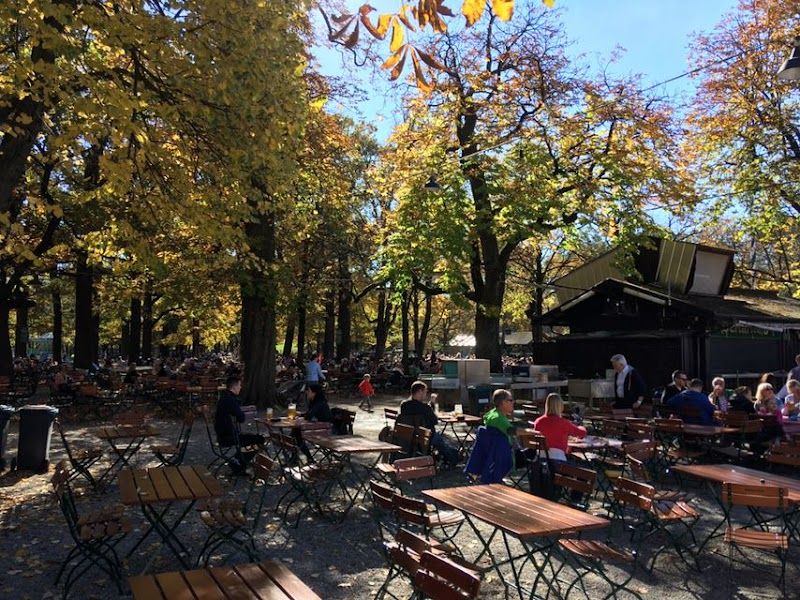
Hirschgarten
Hirschgarten is Munich's massive 8,000-seat beer garden where actual deer graze just meters from your table, creating the city's most surreal drinking experience. You'll sit under towering chestnut trees watching families of deer wander through the adjacent park while sipping Augustiner from proper liter steins. The self-service section lets you bring elaborate picnics (bread, cheese, wursts), while the restaurant side serves typical beer garden fare like schweinshaxe and obatzda. The experience feels like drinking in a nature preserve rather than central Munich. Kids run wild in the massive playground while parents settle in for hours-long sessions, spreading blankets and unpacking coolers like they're camping. The deer gather near the fence around sunset, and you'll watch toddlers squeal with delight as gentle does accept vegetables through the wire. Unlike touristy beer gardens, this draws local families who treat it as their weekend living room. Most guides don't mention that weekends get absolutely packed by 2pm, so arrive early or come weekday evenings instead. The restaurant section costs nearly double what you'll pay bringing your own food to self-service tables, and the quality isn't worth it. A Maß of Augustiner runs about EUR 9, and parking fills up fast. Skip the overpriced pretzels and bring proper picnic supplies from nearby Edeka.
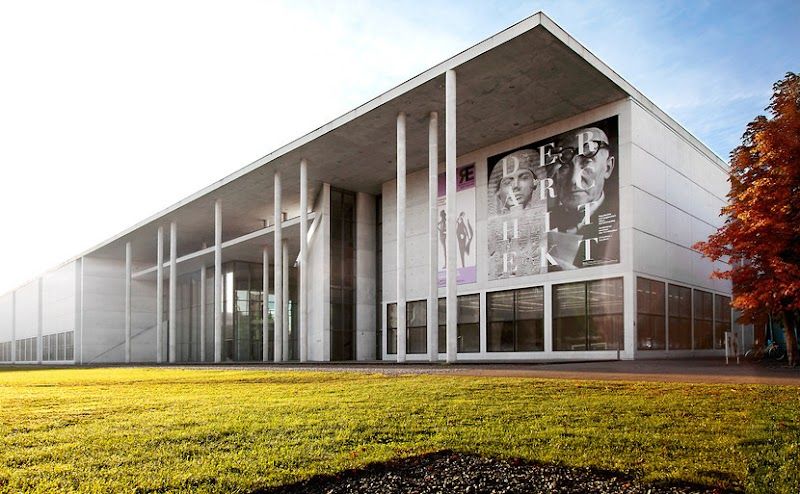
Pinakothek der Moderne
The Pinakothek der Moderne houses four distinct collections under Stephan Braunfels' concrete and glass roof: 20th century art (Picasso, Klee, German Expressionists), design (Bauhaus furniture, Eames chairs, early Apple computers), architecture (original drawings and models), and rotating graphic arts exhibitions. You'll spend most of your time with paintings and sculptures on the upper floors, but the design collection on the ground level consistently surprises visitors who came expecting only fine art. The building itself feels spacious and bright, with natural light flooding the central rotunda. You enter through the main hall where a curved staircase spirals upward toward the art galleries. The flow works well: start upstairs with classics like Kandinsky and Picasso, then work down to the design floor where you'll find everything from 1920s Bauhaus prototypes to the evolution of the computer mouse. Tuesday evenings after 6 PM offer the quietest experience, when most tour groups have departed. The architecture section appeals mainly to specialists, but Le Corbusier's original sketches are genuinely fascinating. Most visitors underestimate how engaging the design collection becomes. Skip the architecture section unless you're genuinely interested in technical drawings, and don't feel obligated to see every painting upstairs. At EUR 10 (just EUR 1 on Sundays), it's reasonable value, though the Alte Pinakothek next door offers more masterpieces per euro. Plan two hours if you want to see everything properly.
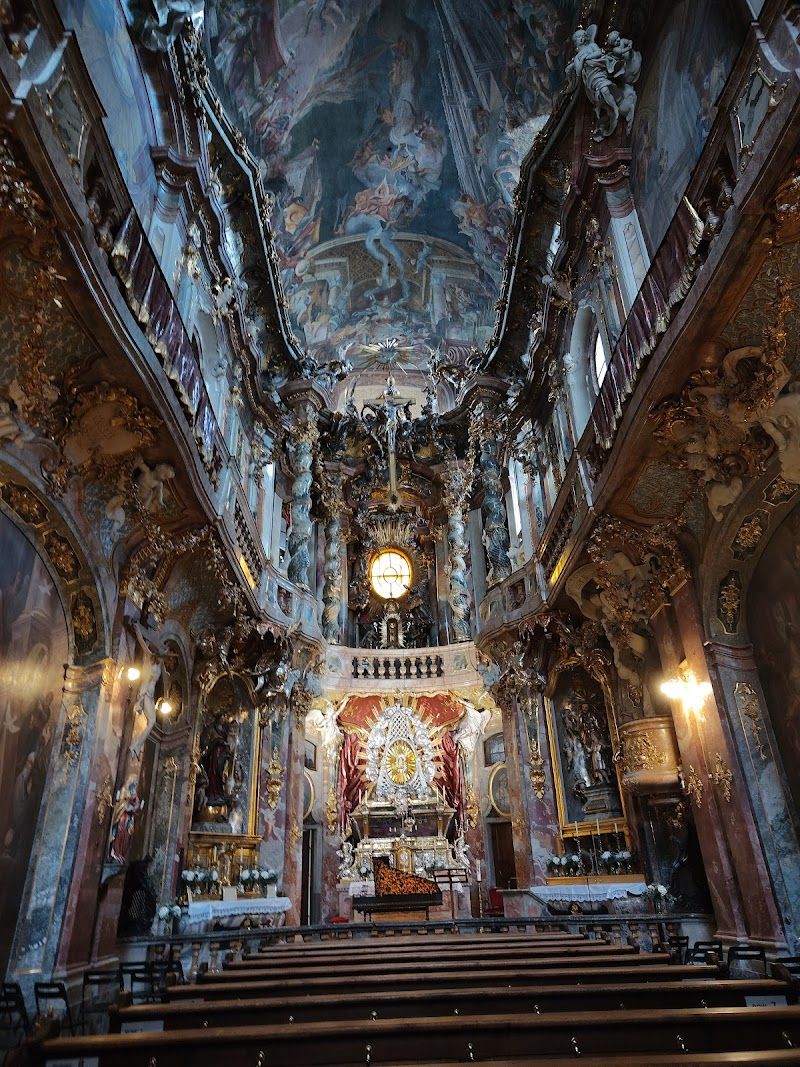
Asamkirche
The Asamkirche is a theatrical masterpiece crammed into a space barely wider than a city apartment. Brothers Cosmas Damian and Egid Quirin Asam built this private chapel in 1733 next to their own house, creating what's essentially a Baroque movie set in stone and gold. You'll see every surface covered in gilded stucco, swirling frescoes that make the ceiling disappear into heaven, and lighting effects that would make modern set designers jealous. Walking inside feels like entering a jewelry box designed by someone with unlimited imagination and a serious gold leaf budget. The space is so narrow you can almost touch both walls, but the brothers used every optical trick possible to make it feel infinite. Your eyes get pulled upward by spiraling columns and a painted dome that opens into a fake sky, while theatrical spotlighting (via cleverly placed windows) makes the whole thing glow like a stage set. Most guidebooks oversell this as a major stop, but honestly, you'll be done in five minutes max. The church is genuinely stunning but absolutely tiny, so don't plan your day around it. Entry is free, which makes it perfect for a quick detour while shopping on Sendlinger Strasse. Skip it if you're already planning to see larger Baroque churches like the Theatinerkirche, as this is more of a beautiful curiosity than a substantial cultural experience.
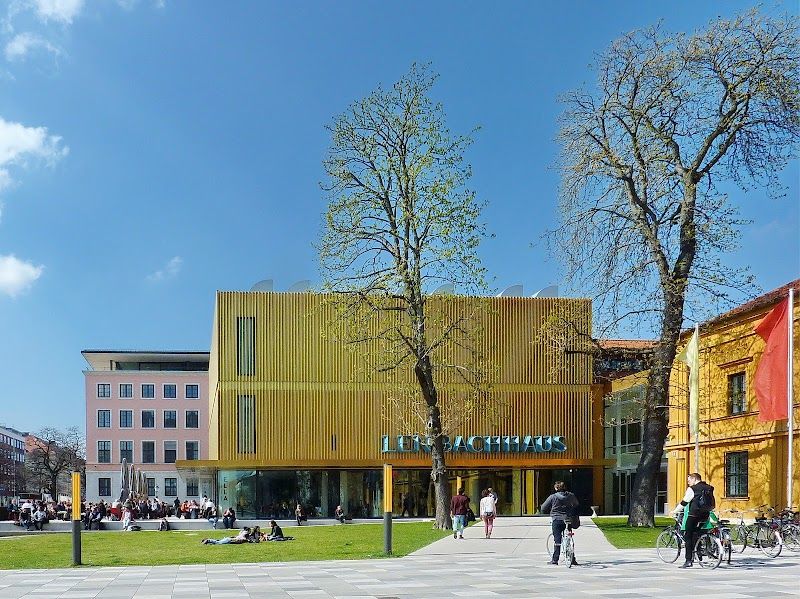
Lenbachhaus
This golden Tuscan villa houses the world's finest collection of Blaue Reiter artworks, the revolutionary Munich art movement that changed modern painting forever. You'll see Kandinsky's explosive color experiments, Franz Marc's mystical blue horses, Gabriele Münter's bold portraits, and Paul Klee's whimsical abstractions spread across 50 rooms. The collection chronicles how Munich became the epicenter of early modernism, with works spanning from 1900 to 1920 when these artists were literally inventing new ways to paint. The experience flows beautifully from the original villa's intimate rooms into Foster + Partners' sleek contemporary annex. Each gallery feels deliberately curated, not overwhelming like many major museums. The lighting is exceptional, especially for Kandinsky's later abstractions where you can see individual brushstrokes. You'll spend most of your time in quiet contemplation since this isn't a tourist magnet like the Pinakotheks nearby. The glass atrium connecting old and new architecture creates a perfect pause between sections. Most guides don't mention that the contemporary art in the new wing is hit or miss compared to the guaranteed masterpieces in the villa. Skip the temporary exhibitions unless you're specifically interested, they're often overpriced add ons. The EUR 10 admission is genuinely good value for what you see. Sunday's EUR 1 entry is Munich's best museum bargain, just arrive early since locals know this secret too.
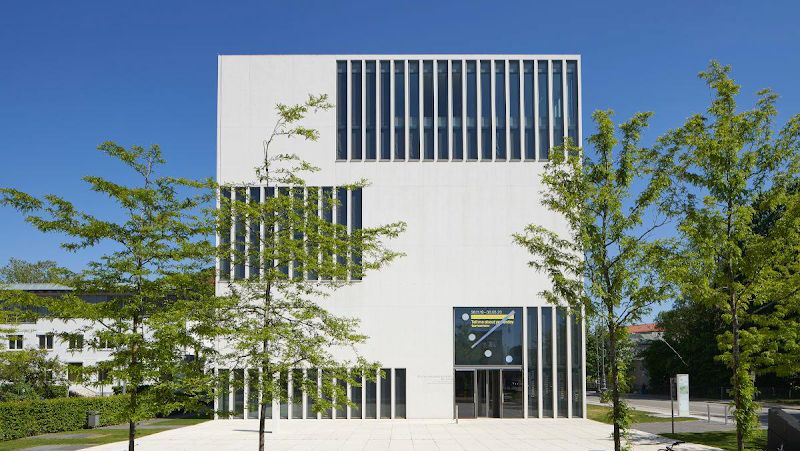
NS-Dokumentationszentrum München
This stark white cube houses Germany's most unflinching examination of how Munich became the birthplace of the Nazi movement. Four floors of original documents, photographs, and film footage trace the path from Hitler's failed 1923 Beer Hall Putsch to the city becoming the party's headquarters. You'll see propaganda posters, personal letters from perpetrators, and harrowing testimony from survivors across 34 themed rooms. The experience feels deliberately clinical and overwhelming in the best possible way. Each floor builds chronologically, starting with Munich's post-WWI chaos and ending with liberation and aftermath. The exhibits don't shy away from showing ordinary citizens' complicity, with voting maps and membership records that make clear how widespread support became. Audio testimonies play throughout, creating an atmosphere that's respectfully somber without being exploitative. Most visitors rush through the early floors, but the first two rooms explaining Munich's specific role are crucial context for everything that follows. The EUR 5 admission is almost insultingly cheap for this quality of curation. Skip the gift shop entirely, but don't miss the small memorial room on the ground floor that most people walk past. Plan at least two hours, though you could easily spend half a day here.
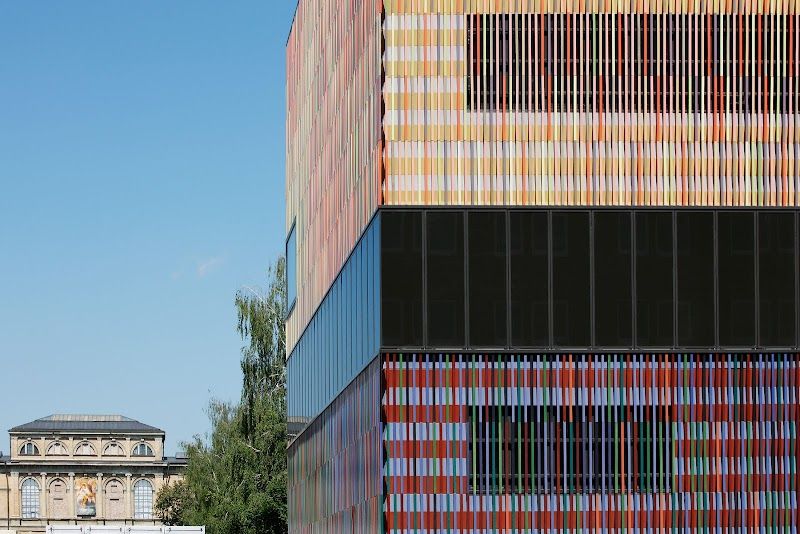
Museum Brandhorst
Museum Brandhorst houses Europe's most impressive collection of contemporary art inside a building wrapped in 36,000 multicolored ceramic tubes that shift from blue to green depending on your angle. You're here for the Cy Twombly collection, particularly the 12 massive Lepanto paintings that fill an entire room on the top floor, plus significant works by Warhol, Koons, and Damien Hirst. The building itself, designed by Sauerbruch Hutton, is as much an artwork as what's inside. The visit flows upward through three floors, starting with rotating exhibitions on the ground level before ascending to the permanent collection. The Twombly room on the top floor is the clear highlight: massive canvases depicting the 1571 naval battle create an immersive experience that feels more like standing inside a painting than viewing one. The space gets natural light that transforms the works throughout the day, while other galleries showcase everything from Warhol's screen prints to Jeff Koons' reflective sculptures. Most guides don't mention that Sunday admission drops to just €1 instead of the usual €7, making it Munich's best museum bargain. Skip the ground floor temporary exhibitions unless something specific draws you, they're often less compelling than the permanent collection upstairs. The museum is compact enough to see everything worthwhile in 90 minutes, but give yourself extra time in the Twombly room where most visitors rush through too quickly.
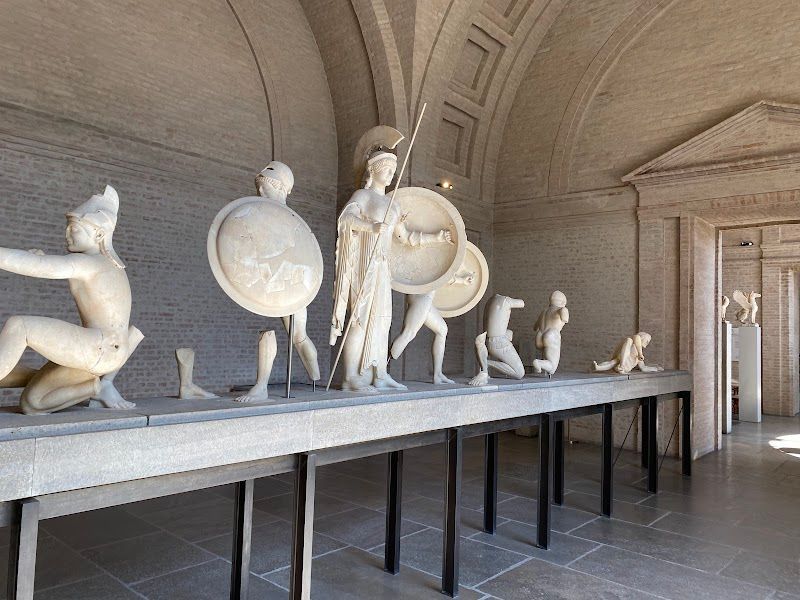
Glyptothek
The Glyptothek houses the world's only collection devoted exclusively to ancient Greek and Roman sculpture, displayed in a stunning neoclassical temple that King Ludwig I built in 1830 for his personal antiquities obsession. You'll come face to face with masterpieces like the haunting Barberini Faun, perfectly preserved kouros statues, and busts of Roman emperors whose marble eyes seem to follow you around the galleries. The building itself is part of the experience: its classical columns and vaulted ceilings create an almost sacred atmosphere that makes these 2,500 year old works feel immediate and alive. Walking through the Glyptothek feels like visiting a wealthy collector's private mansion rather than a typical museum. The sculptures are arranged in spacious galleries with dramatic natural lighting that changes throughout the day, casting different shadows across marble faces and bodies. You'll have the pieces largely to yourself, especially on weekday mornings when the galleries echo with footsteps and whispered conversations. The central courtyard with its reflecting pool offers a peaceful break between rooms, and you can actually sit and contemplate individual works without crowds pushing past. Most guides oversell the EUR 9 combo ticket with the neighboring Antikensammlungen, but honestly, after 90 minutes with these incredible sculptures, you'll be saturated. The Sunday EUR 1 admission is genuinely worth planning around. Skip the audio guide at EUR 4 and instead focus on the Barberini Faun in Room II and the Archaic Greek sculptures in Rooms I and III, which are far more compelling than the later Roman portrait busts that fill the remaining spaces.
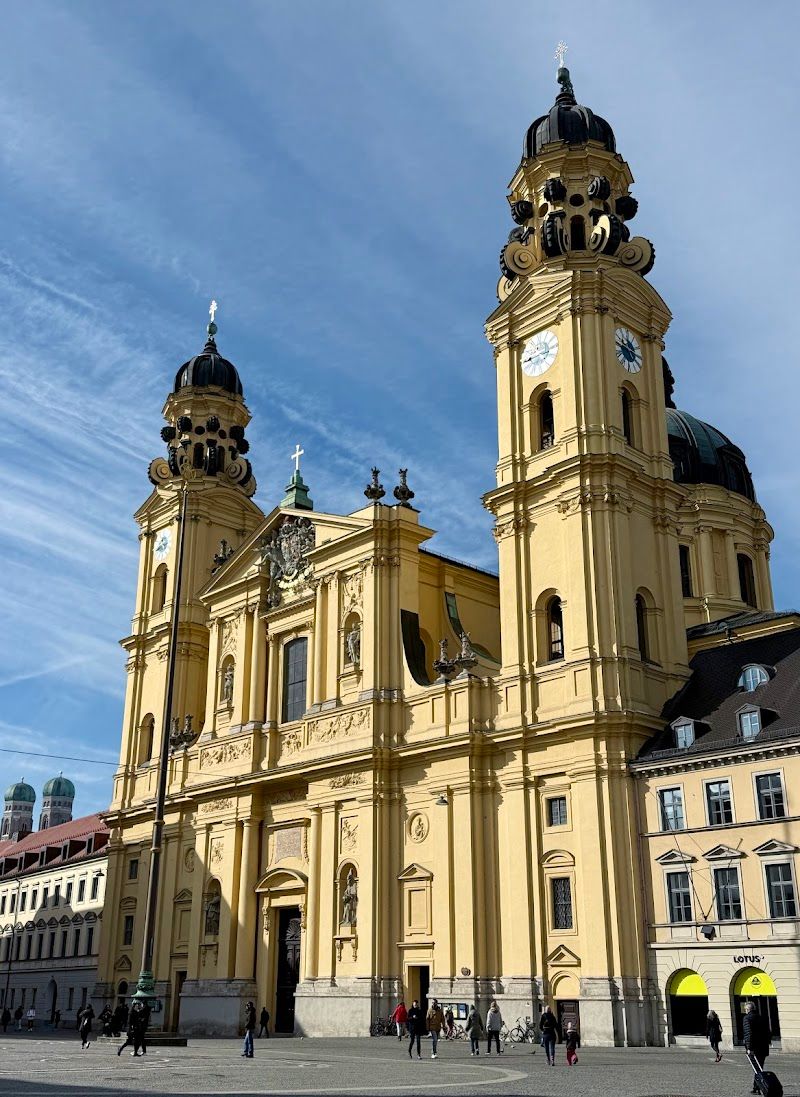
Theatinerkirche St. Kajetan
This yellow baroque church dominates Odeonsplatz with its twin domed towers and distinctly Italian architecture, built to celebrate a Bavarian prince's birth in 1663. The Wittelsbachs chose it as their burial church, and the contrast between the sunny exterior and pristine white interior creates Munich's most Mediterranean atmosphere. You'll find elaborate Rococo decoration, soaring arches, and a sense of royal grandeur that feels transported from Rome. Walking inside feels like entering a different country entirely. The white walls and ornate gilding catch natural light beautifully, especially in morning hours when sun streams through tall windows. The space stays refreshingly cool even in summer, and the acoustic qualities make even whispered conversations carry across the nave. Tourist groups tend to cluster near the entrance, but the side chapels offer quiet spots for reflection. Most guides don't mention that this church works better as a quick stop rather than a destination. Fifteen minutes covers everything unless you're specifically interested in baroque architecture details. The crypt tours cost around 5 EUR but only run sporadically, so don't plan your visit around them. Skip the paid guidebooks at the entrance and just enjoy the visual impact.
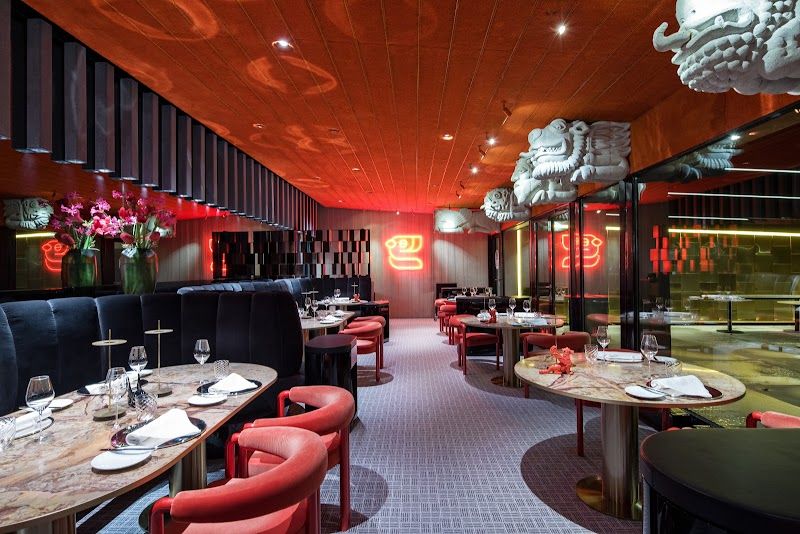
Tantris
Tantris stands as Munich's most celebrated fine dining institution, a two-Michelin-starred restaurant where Chef Virginie Protat creates modern European dishes with subtle Asian influences. You'll experience theatrical presentations across multiple courses in the restaurant's famous 1970s orange interior, which feels more like stepping into a design museum than a typical dining room. The cuisine focuses on technical precision and unexpected flavor combinations, with dishes that often blur the line between art and food. The experience unfolds over three to four hours in an atmosphere that's surprisingly relaxed despite the formal service. You'll sit surrounded by the restaurant's bold orange and brown color scheme while servers present each course with detailed explanations of techniques and ingredients. The open kitchen adds energy to the room, and you can watch the precise choreography of the culinary team. The wine pairings are exceptional, though they'll add significantly to your bill. Expect to spend around €300-400 per person with wine pairings, making this one of Munich's most expensive dining experiences. Many guides oversell the cheese trolley, it's impressive but can feel excessive after an already substantial meal. The lunch menu offers better value at around €180 per person and the same quality. Book at least six weeks ahead for dinner, though lunch reservations are easier to secure.
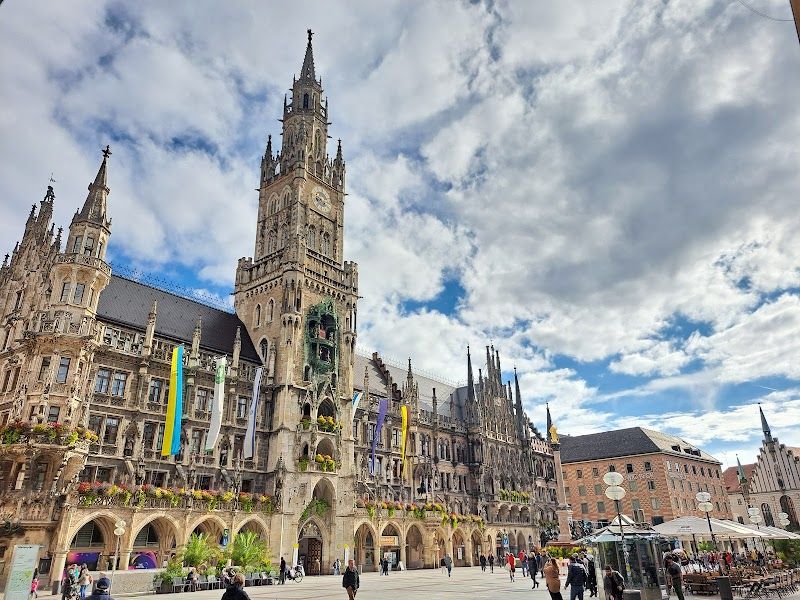
Christkindlmarkt Marienplatz
Munich's largest Christmas market takes over the entire Marienplatz from late November through Christmas Eve, transforming the square beneath the Gothic Rathaus into a maze of 140+ wooden stalls. You'll find everything from hand-carved nativity scenes and wool mittens to massive pretzels and roasted chestnuts, plus the obligatory glühwein served in collectible mugs. The market extends beyond the main square into Rindermarkt and even the Residenz courtyards, creating multiple zones to explore. The atmosphere shifts dramatically throughout the day. Mornings feel almost serene as vendors set up and locals grab coffee before work, but by afternoon tour groups descend and the narrow aisles become shoulder-to-shoulder chaos. The scent of cinnamon and roasted almonds fills the air while the Rathaus bells chime overhead every 15 minutes. Evening brings twinkling lights and even thicker crowds, especially on weekends when families with strollers make navigation nearly impossible. Honestly, this market trades heavily on location rather than authenticity. Glühwein costs €4 to €6 per mug (€3 deposit), same as everywhere else, but you'll wait 10 minutes just to order. Half the stalls sell identical mass-produced ornaments, and many vendors aren't even German. The lebkuchen is decent but overpriced at €8 for a small tin. If you're here for photos of the Rathaus backdrop, come before 11am or accept that you'll be fighting crowds for every shot.
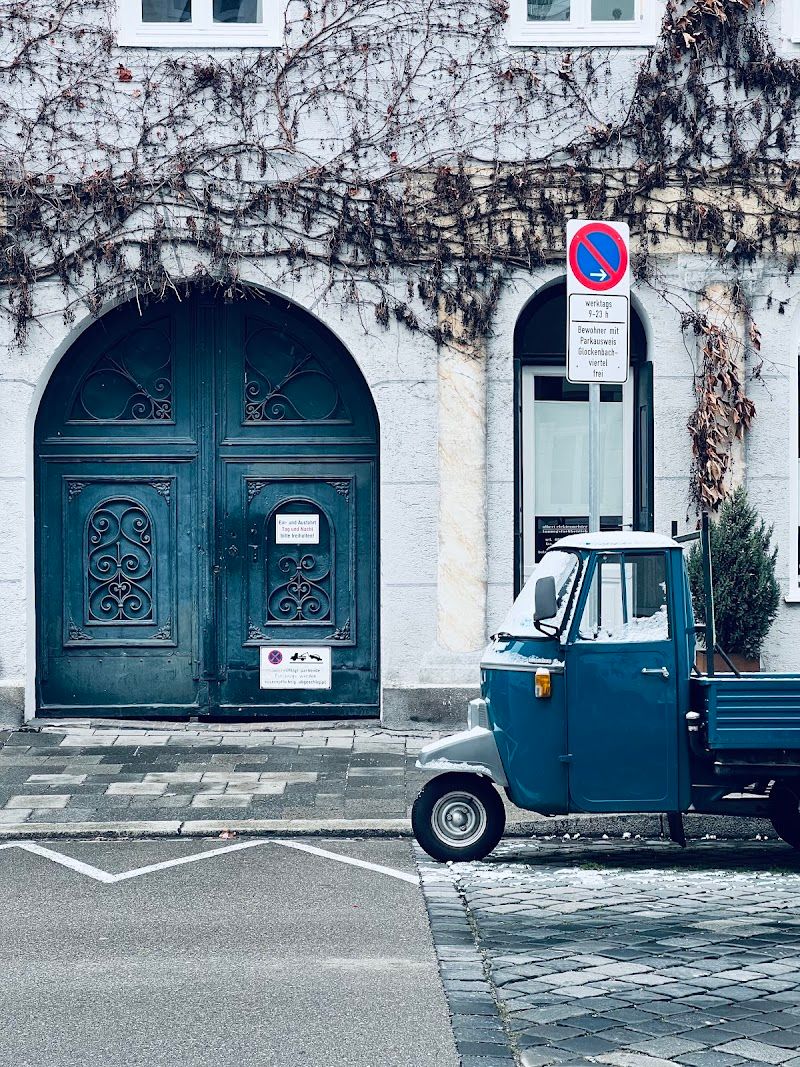
Glockenbach
Glockenbach transforms traditional Bavarian cooking through French technique and obsessive sourcing from local farms and Alpine lakes. Chef Moritz Kallmeyer changes his menu weekly but always delivers refined versions of regional classics: his Sauerbraten gets a red wine reduction that would make Lyon chefs jealous, while his whole trout comes from Tegernsee with herbs you've never heard of. The open kitchen dominates this stripped-down space where Munich's finance and media crowd eats after 8pm, avoiding the lederhosen circus entirely. You'll watch Kallmeyer's team plate dishes with tweezers while conversations flow in rapid-fire German around marble-topped tables. The atmosphere runs serious but not stuffy: think Berlin minimalism meets Michelin ambition. Service moves efficiently through five or six courses, with sommeliers explaining natural wines between dishes. The room fills with professionals who actually live here, not tourists seeking schnitzel Instagram moments. Most food guides miss this place completely, which keeps tables available for walk-ins before 7pm. Expect EUR 65-85 per person with wine, but skip the tasting menu and order à la carte for better value. The Sauerbraten costs EUR 28 and easily feeds two people, while their fish dishes run EUR 24-32. Book two days ahead for Friday and Saturday nights, or arrive at 6pm sharp for counter seating.
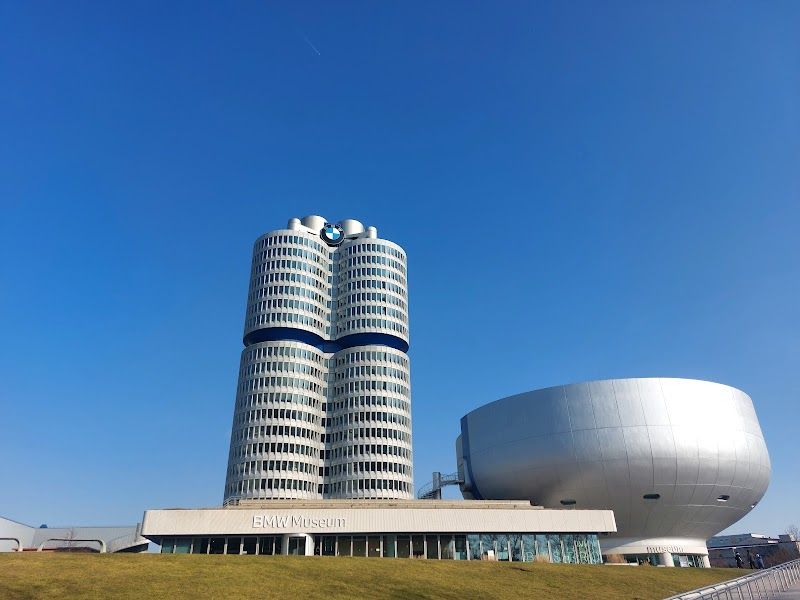
BMW Museum
The BMW Museum sits inside a gleaming silver bowl next to the company's headquarters, chronicling a century of Bavarian engineering through 125 vehicles and motorcycles. You'll see everything from the original 1929 Dixi 3/15 that launched the brand to hydrogen-powered concept cars that look like they're from 2050. The collection spans racing legends like the M1 Procar, vintage motorcycles that defined post-war Germany, and actual Formula 1 cars that won championships. The experience flows along a double-helix ramp that spirals through seven themed areas, each representing a different era or aspect of BMW. The lighting is dramatic, almost theatrical, making even ordinary sedans look like sculptures. You'll walk past a 1936 BMW 328 roadster sitting mere feet from tomorrow's prototypes, creating this strange time-warp effect. The sound design is subtle but effective: gentle engine purrs and revs accompany each display. Most guides oversell this as essential Munich viewing, but honestly, it's mainly for car enthusiasts. If you're not genuinely interested in automotive history, you'll be done in 90 minutes feeling underwhelmed. The EUR 14 admission is steep for what amounts to a corporate showcase, though the building itself is architecturally striking. Skip the gift shop entirely unless you enjoy overpriced keychains, and don't bother with the audio guide since the displays are well-labeled in English.
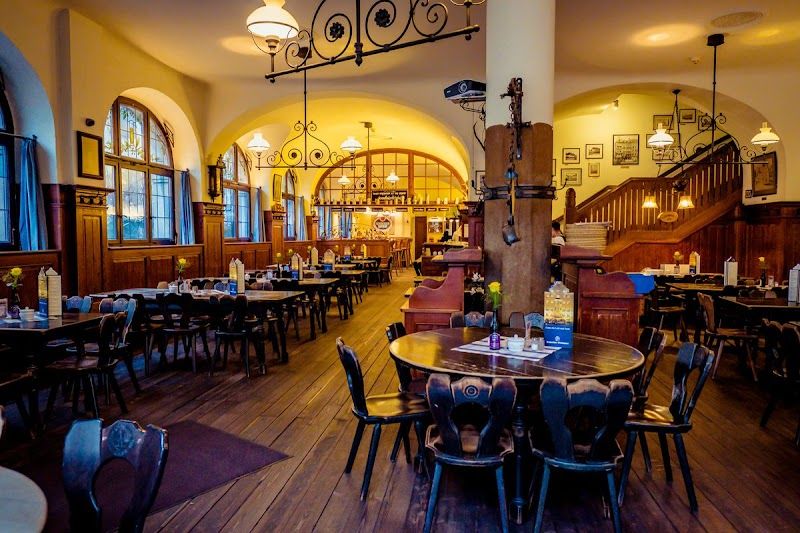
Schneider Bräuhaus
This is the Munich flagship of Schneider, Bavaria's oldest wheat beer brewery, where you can drink their legendary Weisse Tap 7 while watching actual brewing happen behind floor-to-ceiling glass windows. The copper kettles gleam under industrial lighting, creating a modern beer hall that feels more Brooklyn than traditional Bavaria. Their five-course beer pairing menu (around €65) matches each wheat beer style with dishes designed specifically for those flavors, not just thrown together. You'll sit at long wooden tables surrounded by copper pipes and brewing equipment, with servers who actually understand the difference between their eight tap beers. The atmosphere splits the difference between beer hall gemütlichkeit and modern gastronomy. The open kitchen works in sync with the brewing schedule, so your Aventinus Weissbock arrives precisely as your venison is plated. The whole experience feels choreographed without being stuffy. Most people order the wrong beer for their food. Skip the standard schnitzel and go for dishes that actually complement wheat beer's complexity. The pretzel soup with Tap 5 Mein Hopfen-Weisse (€4.50 beer, €8.50 soup) is brilliant, but avoid the overpriced Weisswurst at €14. Come between 6-8pm when brewing activity is highest and you can smell the hops. The beer menu explanations are genuinely helpful, not just marketing fluff.
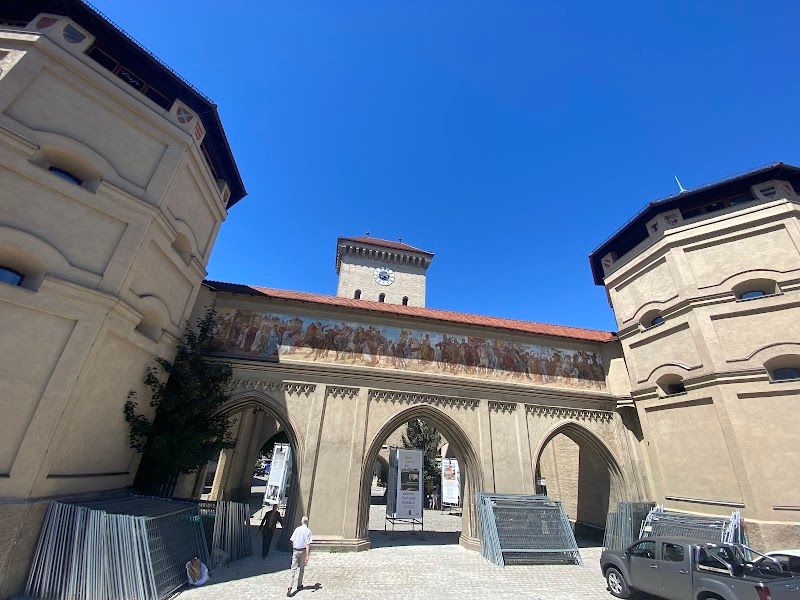
Isartor
Isartor stands as Munich's last surviving eastern gate, built in 1337 when medieval walls protected the city. You'll find the quirky Valentin-Karlstadt-Museum inside, dedicated to Munich's beloved comedian Karl Valentin whose absurdist humor defined the city's wit. The tower's exterior displays original 14th-century frescoes depicting the 1322 Battle of Ampfing, where Bavarian forces defeated their Austrian enemies. The museum feels like stepping into Valentin's eccentric mind, crammed with his handmade musical instruments, bizarre props, and wordplay-heavy sketches. You'll wander through small rooms filled with his typewriters, carnival masks, and surreal inventions while German audio clips play his rapid-fire comedy routines. The medieval tower setting adds unexpected charm to this celebration of Munich's most famous funny man. Most visitors skip this place entirely, which is their loss if you speak German or appreciate visual absurdity. The museum costs EUR 5 and accepts cash only, so come prepared. The exterior frescoes are free to admire and actually more impressive than many realize. Skip this if you're pressed for time and don't understand German, but comedy fans will find Valentin's genius transcends language barriers.
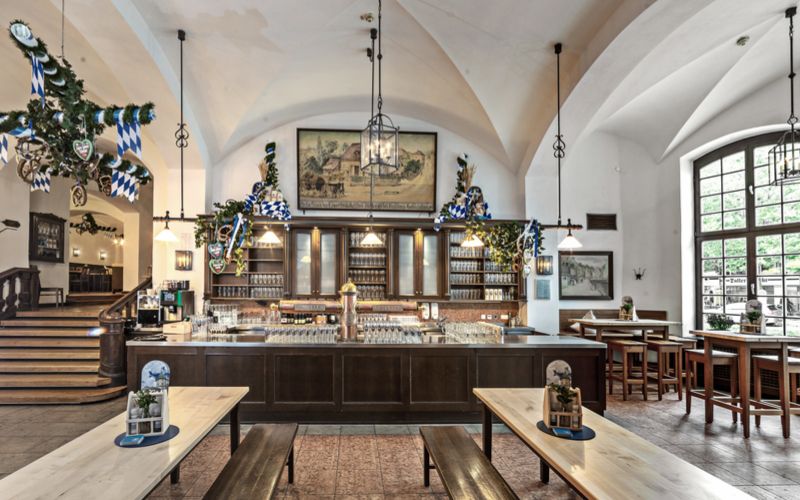
Löwenbräukeller
Löwenbräukeller is Munich's best traditional beer hall if you want authentic atmosphere without fighting hordes of tourists. This massive venue at Stiglmaierplatz seats 1,200 people under soaring vaulted ceilings, with long wooden tables where locals actually outnumber visitors most nights. You'll get proper Löwenbräu beer (EUR 9.50 for a Maß), classic Bavarian dishes like Schweinsbraten and Schweinshaxe, and live brass bands creating that quintessential oompah energy. The experience feels genuinely Bavarian from the moment you walk into the cavernous main hall. Servers in traditional dress navigate between packed tables carrying multiple Maß steins, while the brass band gets everyone swaying and singing along. The acoustics make conversations lively but not overwhelming, and you'll find yourself sharing tables with Munich families and workers unwinding after long days. The food is hearty and well executed, not just beer hall filler. This place delivers what Hofbräuhaus promises but can't because of tourist chaos. Weeknight visits give you the full experience with manageable crowds, while weekends require reservations and patience. The band plays Tuesday through Thursday starting around 7pm, which is peak energy time. Skip the tourist trap halls and come here for beer hall culture that feels real rather than performed.
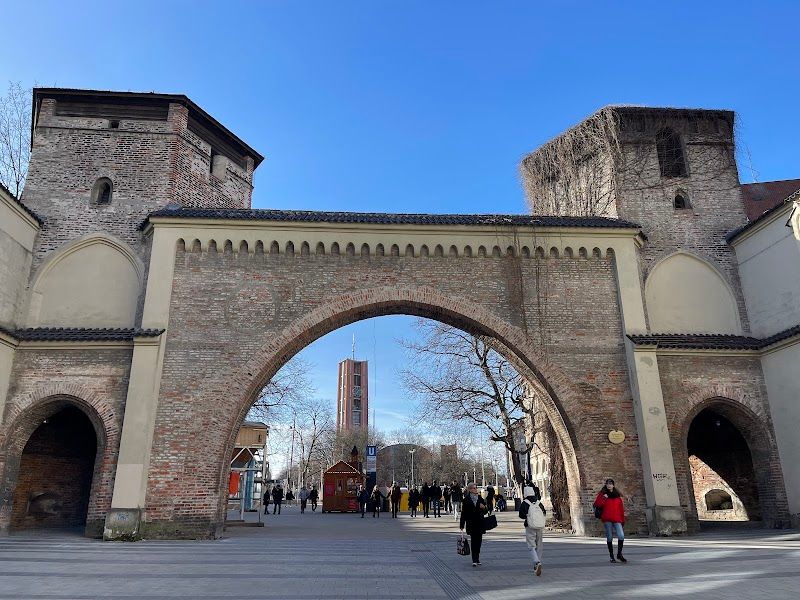
Sendlinger Tor
Sendlinger Tor is one of just three surviving gates from Munich's medieval fortifications, built in 1318 to guard the southern entrance to the old city. You're looking at twin hexagonal towers flanking a central archway, all constructed from weathered sandstone that photographs beautifully against Munich's often dramatic skies. The gate marks where the old city walls once stood, and today serves as both a pedestrian passage and a striking reminder of Munich's defensive past. Walking through feels like stepping between centuries. The archway creates a natural frame for views in both directions: medieval Altstadt to the north, modern Munich spreading south. The towers rise impressively on either side, their stone walls thick enough to withstand siege warfare. Traffic flows around the structure while pedestrians pass directly through the central arch, creating an odd mix of historical reverence and daily practicality. The surrounding plaza opens up nicely, giving you space to step back and appreciate the full structure. Most guides oversell this as a major attraction when it's really a beautiful 10 minute photo stop. The gate looks best in morning light when the sun hits the eastern tower faces. Don't bother climbing anything (there's no access to the towers), and skip the touristy restaurants immediately around the plaza. The Saturday farmers market adds some local color but isn't worth timing your visit around unless you're already nearby.
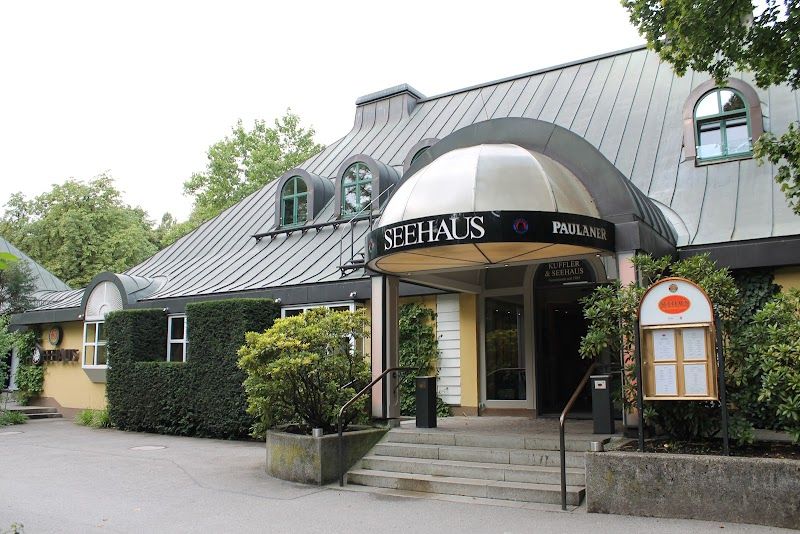
Seehaus im Englischen Garten
Seehaus sits right on the shores of Kleinhesseloher See, the only proper lake inside Munich's massive English Garden. You'll find classic Bavarian beer garden vibes with wooden tables under chestnut trees, plus a more upscale restaurant section with lakefront views. The real draw is the waterside terrace where you can watch swans glide by while nursing a Mass of Augustiner for €4.20, and the schnitzel here (€16.80) actually tastes better than most tourist traps in the city center. The experience splits between two worlds: the self-service beer garden where locals spread out picnic style, and the table service restaurant with white tablecloths overlooking the water. Ducks waddle between tables hoping for pretzel crumbs, and on weekends you'll see families with kids feeding swans while parents debate football over their third beer. The atmosphere stays authentically local despite being inside a major park, mostly because it's far enough from Marienplatz that tour groups rarely make it here. Most guides don't mention that the restaurant side charges tourist prices (mains €18-28) for standard fare, while the beer garden delivers the same lake views for a fraction of the cost. Skip the indoor dining completely unless it's raining. The Schweinebraten (€19.20) looks impressive but tastes dry, stick to simpler dishes like Weisswurst with sweet mustard (€8.40) or just come for drinks and bring your own food like the locals do.
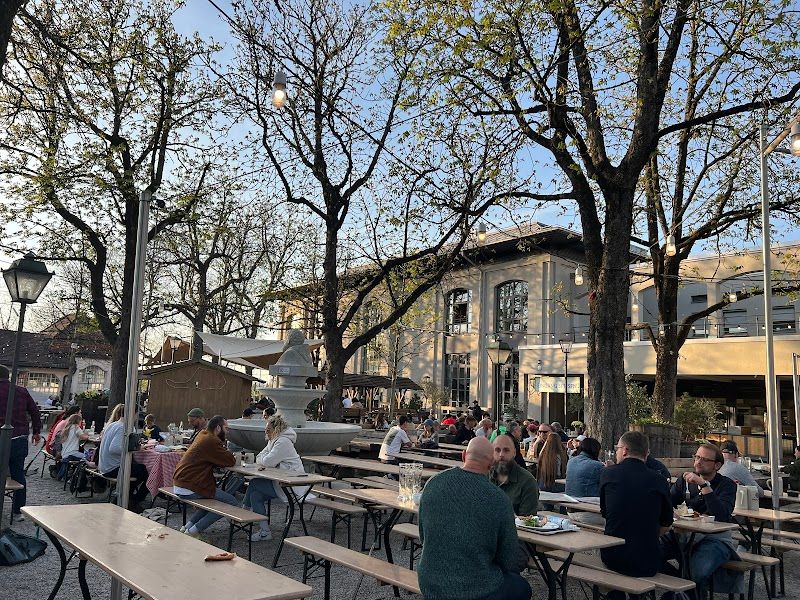
Paulaner am Nockherberg
Paulaner am Nockherberg sits on a hill southeast of Munich's center, serving as the original brewery taphouse where Paulaner's famous Salvator doppelbock was first served to monks. You'll drink the same 7.9% ABV beer that's been brewed here since 1629, plus the full Paulaner lineup in a genuine Bavarian setting that feels more authentic than most tourist beer halls. The massive beer garden holds 2,500 people in summer, and the terrace offers proper Munich skyline views. The atmosphere changes dramatically with the seasons. During March's Starkbierfest, the place turns rowdy with locals downing strong Salvator while politicians get roasted at the legendary Politiker-Derblecken events. Summer evenings are mellower, with families and couples claiming spots in the sprawling beer garden under chestnut trees. The indoor restaurant serves proper Bavarian plates like schweinshaxe and schnitzel, not the watered-down versions you'll find downtown. Most guides don't mention that a Maß costs EUR 9.50 here, which is actually reasonable for Munich. Skip the indoor dining unless it's raining, the beer garden and terrace are the real draws. The Starkbierfest gets packed and requires advance booking, but it's worth experiencing once if you can handle seriously strong beer. Come hungry, the portions are enormous and sharing plates makes financial sense.
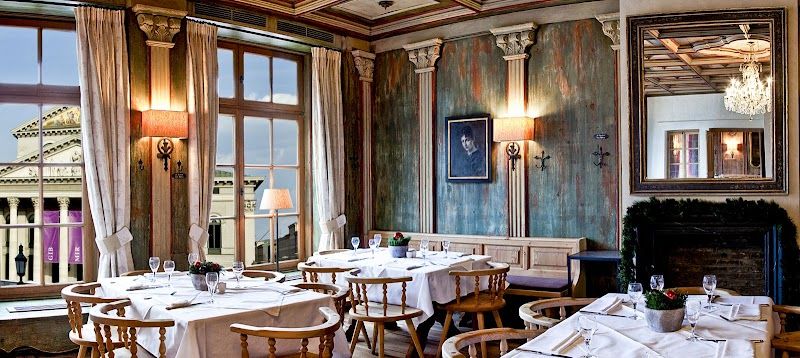
Spatenhaus an der Oper
Spatenhaus serves refined Bavarian classics in what feels like dining inside an opera house itself. The neo-baroque dining room, unchanged since 1896, features hand-painted ceiling frescoes and crystal chandeliers that catch the light from the floor-to-ceiling windows facing the Nationaltheater. You're here for dishes like their exceptional Tafelspitz (boiled beef with horseradish, €28) and Wiener Schnitzel vom Kalb (€32) that's pounded thin and golden-crusted to perfection. The white-gloved service moves with theatrical precision, especially during pre-opera hours when servers know exactly when to bring your next course. The dining room hums with conversations in multiple languages, opera-goers checking their watches, and the soft clink of proper crystal stemware. Window tables offer direct views of the illuminated theater facade, while the back rooms feel more intimate with their dark wood paneling and warm lamplight. Most guidebooks oversell the "authentic Bavarian" angle, but this is really about elevated Austrian-German cuisine at Munich prices. Skip the tourist-packed lunch service and book for dinner around 6 PM if you want the full experience without rushing. The wine list leans heavily German and Austrian (bottles start around €35), though their house Spaten beer (€4.80) pairs perfectly with the schnitzel. Service can feel stiff if you're underdressed.
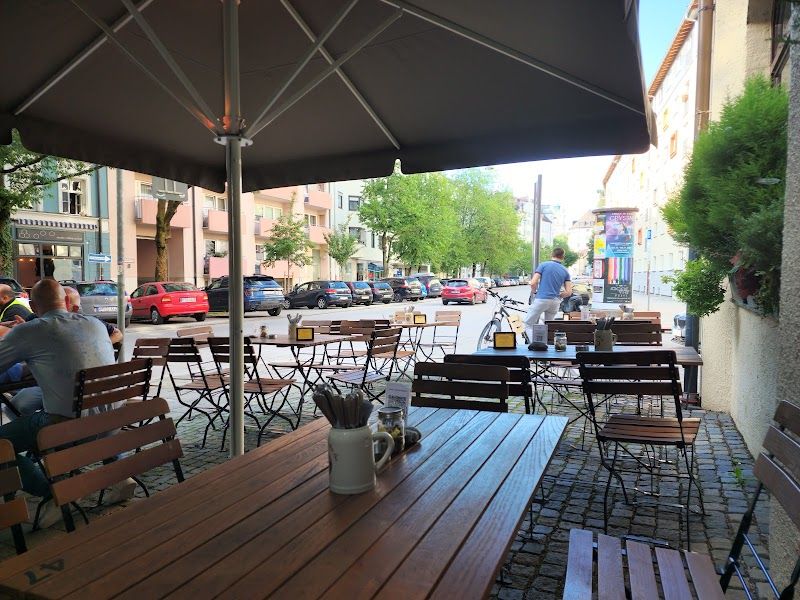
Wirtshaus in der Au
Wirtshaus in der Au delivers the kind of traditional Bavarian cooking that locals have been coming for since 1901, serving hefty portions of Schweinebraten with crackling so perfect it shatters, alongside four varieties of house-made Knödel. The wood-paneled rooms feel authentically old Munich, not tourist-themed, with a massive ceramic-tiled Kachelofen stove that actually heats the place in winter. You'll find seasonal game dishes like venison goulash and fresh fish specials that rotate based on what the kitchen sources that week. Inside, the atmosphere strikes the perfect balance between cozy neighborhood tavern and serious dining room, with locals at half the tables and visitors at the others. Service runs traditionally formal but friendly, and your server will guide you through Knödel options if you're unfamiliar. The Schweinebraten arrives with a crackling sound as they set it down, accompanied by sauerkraut that's tangy without being aggressive and gravy that's clearly made from proper pan drippings. Most guides place this in Au district, but it's technically on the Altstadt border, easily walkable from Marienplatz in 12 minutes. Main dishes run €16-24, which feels reasonable given the generous portions and quality. Skip the tourist-heavy beer halls if you want authentic Bavarian food without the performance, this place focuses on cooking rather than entertainment. The Sauerbraten needs 24 hours notice, so call ahead if that's your goal.
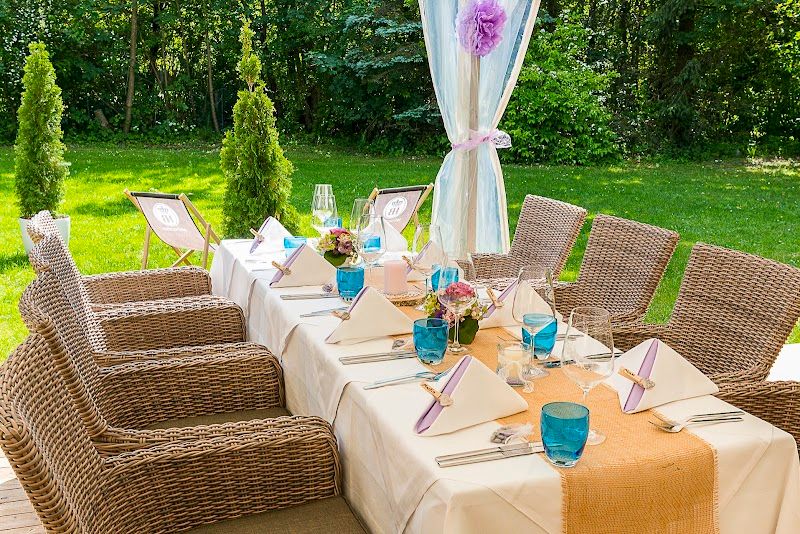
Aumeister
Aumeister sits at the far northern edge of Englischer Garten, a proper locals' beer garden that tourists rarely discover. You'll find 2,500 seats spread under chestnut trees, where Munich families bring homemade schnitzel and order nothing but beer. The wooded setting feels completely removed from the city, though you're still technically in central Munich. Brass bands play Sunday afternoons in summer, and cyclists treat this as their reward after long rides through the park. The atmosphere here is refreshingly authentic compared to the tourist circus at Chinesischer Turm. You'll hear more Bavarian dialect than English, and half the tables are covered with families' elaborate picnic spreads. The self-service system keeps things moving: grab your beer from the window, find an unmarked table (no tablecloth means you can bring food), and settle in for hours. Kids run between tables while parents nurse massive Maß glasses, and the only sounds are conversation and leaves rustling overhead. Most guides skip Aumeister entirely, which keeps it genuine but also means you really need to seek it out. A Hofbräu Maß costs EUR 8.80, about EUR 1 cheaper than central beer gardens, and the BYO food policy saves serious money. Skip the overpriced pretzels they sell and pack a proper picnic. The location is awkward without a bike, requiring either a 10-minute walk from U6 Studentenstadt or a long trek through the park, but this inconvenience is exactly what keeps the tour groups away.
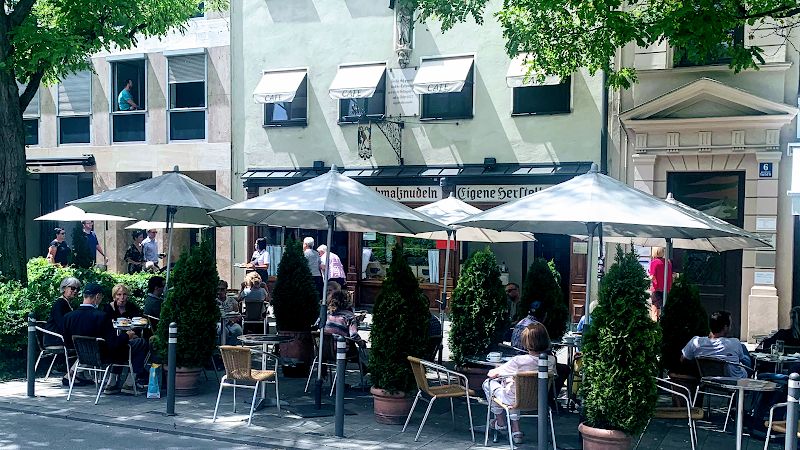
Schmalznudel - Café Frischhut
Schmalznudel Café Frischhut is Munich's tiniest bakery institution, a six-table corner spot that's been frying the same sugar-dusted doughnuts in beef tallow since 1973. You'll smell the frying oil from Prälat-Zistl-Straße as workers pull golden Schmalznudel from century-old cast iron pans every few minutes. The menu is laughably simple: fresh doughnuts at €1.20 each, coffee, and absolutely nothing else. The experience is purely functional yet oddly charming. You'll join a queue of market vendors, office workers, and the occasional tourist, all waiting for pastries that emerge crackling hot from the oil. The six cramped tables fill immediately, so most people eat standing outside or walking toward Viktualienmarkt. The Schmalznudel taste like childhood fairground doughnuts but better: crispy exterior giving way to soft, slightly chewy interior with just enough sweetness. Most food blogs overhype this place as some profound Munich experience, but it's simply very good doughnuts made the same way for 50 years. The morning queue moves fast despite looking intimidating. Skip the afternoon rush when tour groups discover it: the pastries are identical at 7 AM or 3 PM, but you'll actually taste them while they're hot instead of lukewarm.
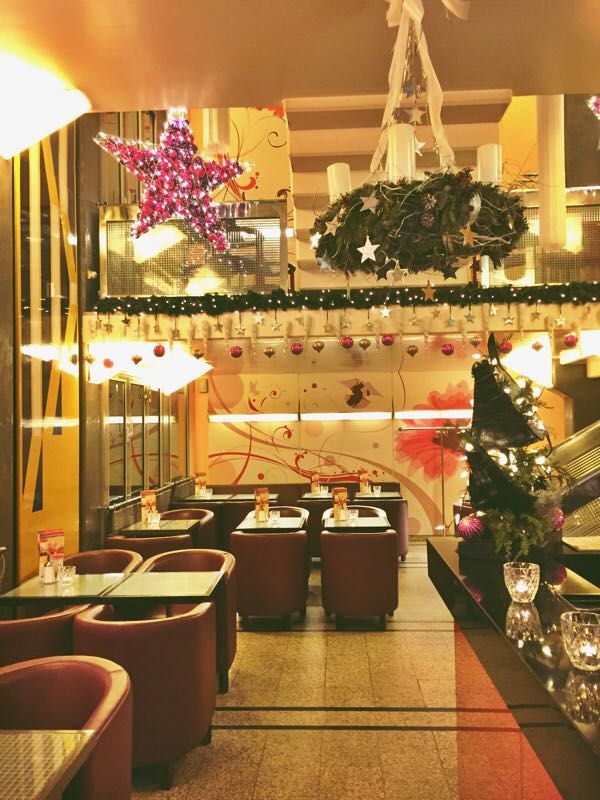
Café Freiheit
Café Freiheit transforms a corner building near Münchner Freiheit into Munich's most coveted brunch destination, where mismatched vintage teacups and elaborate egg dishes create an Instagram paradise. The real draw is the glass-covered courtyard garden where ivy climbs the walls and weekend brunch stretches into evening drinks. You'll find natural wines, specialty coffee, and plates like house-cured salmon on sourdough (€16) or shakshuka with whipped feta (€14) that justify the wait. The atmosphere shifts from sleepy morning café to buzzing social hub as the day progresses. Inside feels cramped with vintage furniture packed tight, but the courtyard opens up into an urban oasis where every table feels private despite being full. Service moves at European café pace, which means your coffee arrives when it's perfect, not rushed. The crowd skews local creative types during weekdays, weekend warriors fighting for courtyard tables on Saturday mornings. Most guides won't mention that the indoor seating is genuinely uncomfortable for long stays, those vintage chairs look better than they feel. The courtyard books solid for weeks in summer, but indoor tables usually stay available for walk-ins. Skip the overpriced natural wines (€8-12 per glass) and stick to the excellent coffee (€3.50) and food, which is genuinely worth the hype. Winter loses much of the magic when the garden closes.
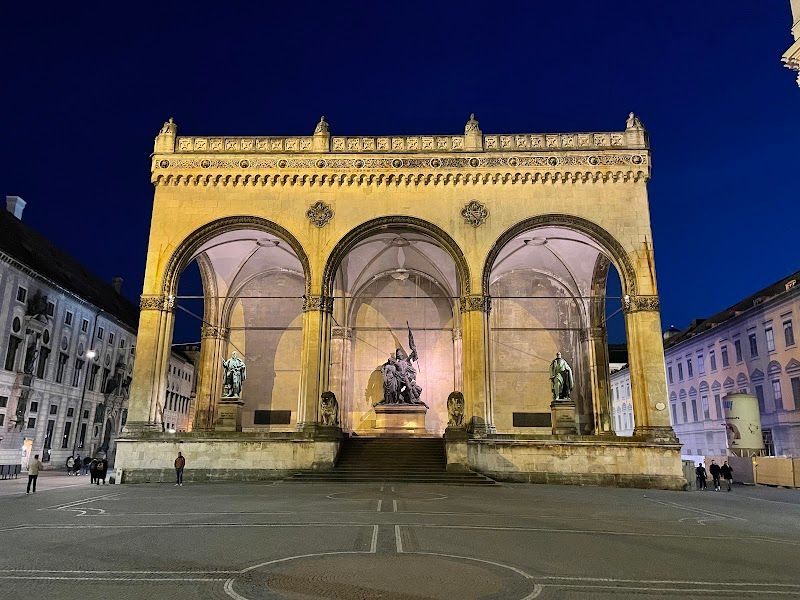
Feldherrnhalle
The Feldherrnhalle is a honey-colored stone loggia that frames the northern end of Odeonsplatz, built in 1844 to honor Bavaria's military heroes. You'll see statues of field marshals Tilly and Wrede flanked by two bronze lions, all under three graceful arches that perfectly mirror Florence's Loggia dei Lanzi. The structure serves as both monument and passageway, with locals and tourists flowing through its open arches throughout the day. Walking through feels like stepping into a grand outdoor gallery where history layers upon itself. The smooth stone floors echo with footsteps while sunlight filters through the arches, casting dramatic shadows on the sculptures. You'll notice how the loggia frames views of both the Residenz to your right and the Theatinerkirche's twin spires behind you. The space buzzes with tour groups pausing for photos, but it never feels cramped thanks to the soaring ceiling height. Most guides oversell this as a major stop when it's really a beautiful transition point between Odeonsplatz and the Residenz. The Nazi history is significant but you won't see any markers or plaques explaining it, so read up beforehand if you're interested. Skip the expensive cafes directly facing the loggia and grab coffee from the side streets instead. The real value here is using it as your gateway into Munich's royal quarter rather than treating it as a destination itself.
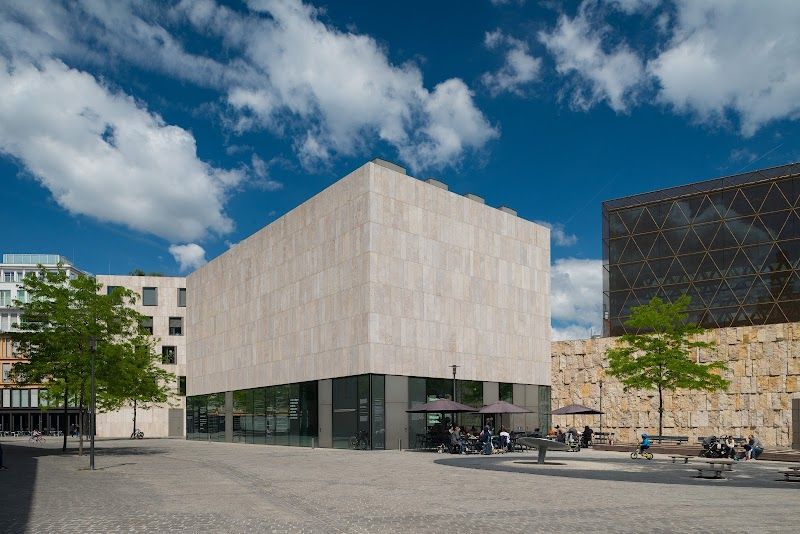
Jüdisches Museum München
This striking glass cube houses Munich's compact but thoughtfully designed Jewish Museum, tracing 900 years of Jewish life in the city across three floors. You'll see medieval artifacts, documents from the Holocaust period, and contemporary exhibits about today's 9,000-strong Jewish community. The permanent collection moves chronologically from the ground floor up, with rotating exhibitions on the top floor that often tackle current issues around Jewish identity and culture. The museum feels intimate rather than overwhelming, with audio guides that add crucial context to the displays. The ground floor covers medieval Jewish settlement in Munich, while the second floor confronts the Nazi period honestly without sensationalizing it. The top floor's temporary exhibitions are often the most engaging, featuring contemporary Jewish artists or exploring themes like Jewish humor or food traditions. Large windows throughout the building frame views of the adjacent Ohel Jakob Synagogue. At EUR 6, it's excellent value, though you can see everything worthwhile in about 90 minutes. Most visitors rush through the medieval section, but the artifacts here are genuinely rare. The museum shop sells quality books and Judaica, not tourist tat. Skip the basement level unless you're deeply interested in archaeological fragments, the real stories are upstairs.
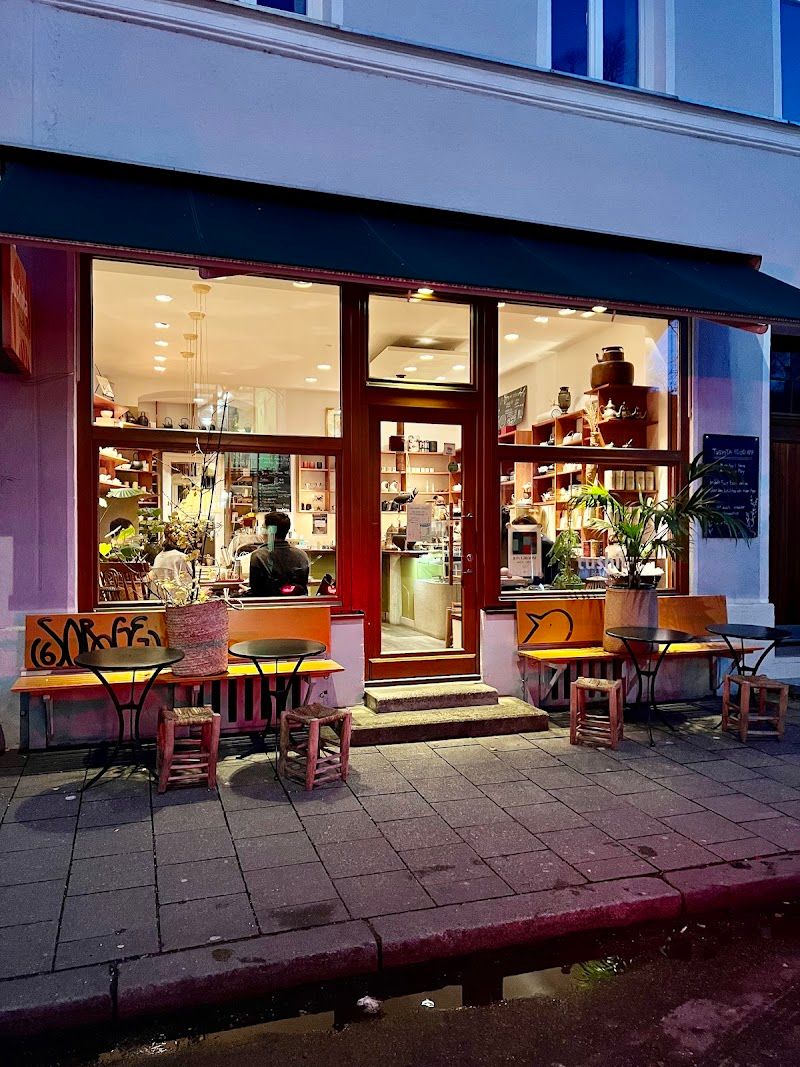
Tushita Teehaus
Tushita Teehaus sits at the edge of the English Garden in Schwabing, serving as Munich's most serious tea destination. You'll find over 60 loose-leaf varieties from single-estate Darjeelings to aged pu-erhs, with pots ranging from EUR 4.50 for basic green teas to EUR 8 for premium oolongs. The staff actually know their tea origins and brewing methods, making this a proper tea house rather than a coffee shop with tea as an afterthought. The real magic happens in the back garden, where chestnut trees create natural shade over wooden tables and benches. Inside feels cramped with just six small tables, but the outdoor courtyard transforms completely in good weather. You'll hear birds from the nearby English Garden instead of traffic, and the space feels genuinely peaceful despite being steps from busy Leopoldstraße. The ritual here moves slowly: tea arrives in proper ceramic pots with timers, and you're expected to linger. Most visitors order the house blend (EUR 4.50) and miss the point entirely. Go for something you can't get elsewhere, like the smoky Lapsang Souchong (EUR 6) or the floral Tie Guan Yin oolong (EUR 7.50). The cake selection looks tempting but tastes unremarkable, stick to tea and maybe their homemade cookies. Summer afternoons get crowded with English Garden spillover, so mornings offer the most serene experience.
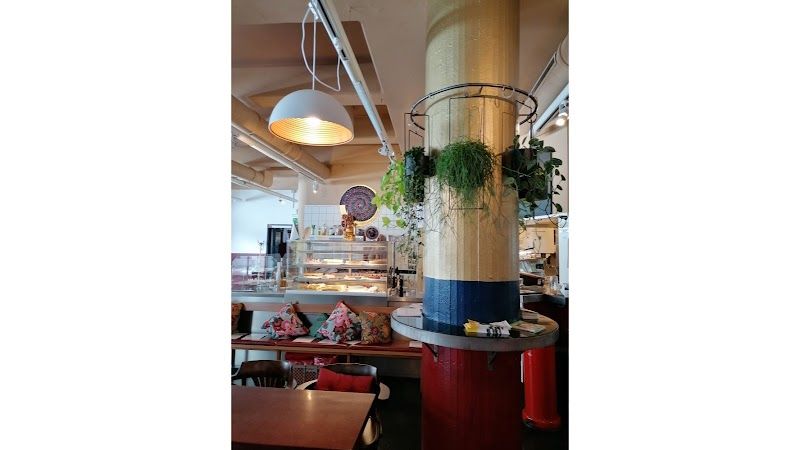
Stadtcafé im Stadtmuseum
Stadtcafé sits in the Munich City Museum's peaceful courtyard, serving proper breakfast plates for EUR 8-13 and surprisingly good coffee in one of Altstadt's quieter corners. You don't need museum admission to eat here, which makes it a smart refuge from the tourist crowds swarming Marienplatz just blocks away. The modern German menu covers everything from hearty morning plates to lighter lunch options, and the courtyard feels worlds apart from the busy streets outside. The experience centers around that beautiful inner courtyard, where families spread out at wooden tables while kids run safely between the museum walls. Service moves at a relaxed Munich pace, and you'll hear more German than English, which tells you something. The indoor seating works fine, but you're really here for that outdoor space where strollers park easily and parents actually relax. Coffee quality beats most tourist area cafes, and the breakfast portions justify the prices. Most guides skip this place entirely, which keeps it genuinely local. The courtyard fills up by 10am on weekends, so arrive early if you want your pick of tables. Skip the indoor seating unless weather forces you inside, the whole point is escaping to that calm courtyard space. Prices run fair for central Munich, breakfast plates hover around EUR 10, and you'll spend about EUR 15-20 per person with coffee.
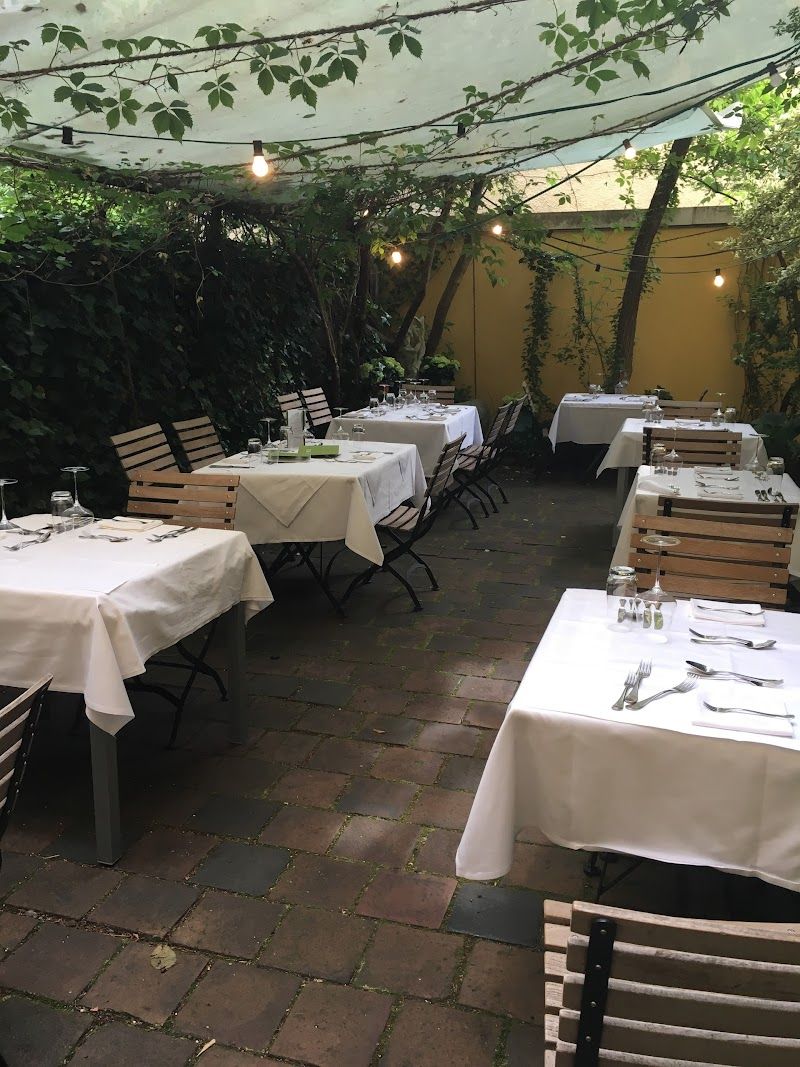
Broeding
Broeding flips the traditional fine dining script: sommelier Lukas Mraz picks wines first, then chef Fabian Freywald builds each course around them. You'll get seven courses that blur the line between New Nordic techniques and Bavarian ingredients, like Allgäu veal paired with fermented vegetables or Starnberger See fish with foraged herbs. The €185 per person price includes wine pairings, making it one of Munich's better fine dining values. The 25-seat dining room feels intimate without being stuffy, with exposed brick walls and warm Edison bulb lighting creating a modern supper club vibe. Service moves at a leisurely pace over three hours, with servers explaining each wine selection before the corresponding dish arrives. The open kitchen counter seats offer the best show, where you'll watch Freywald plate each course with precision while chatting about ingredients and techniques. Most food guides overhype the location in trendy Glockenbachviertel, but honestly, you're here for what's on the plate, not street wandering. The wine-forward concept works brilliantly, though carnivores should know that vegetable-heavy courses dominate the middle of the tasting menu. Book at least two weeks ahead for weekend slots, and skip the optional cheese course unless you're genuinely hungry for more.
Karlstor
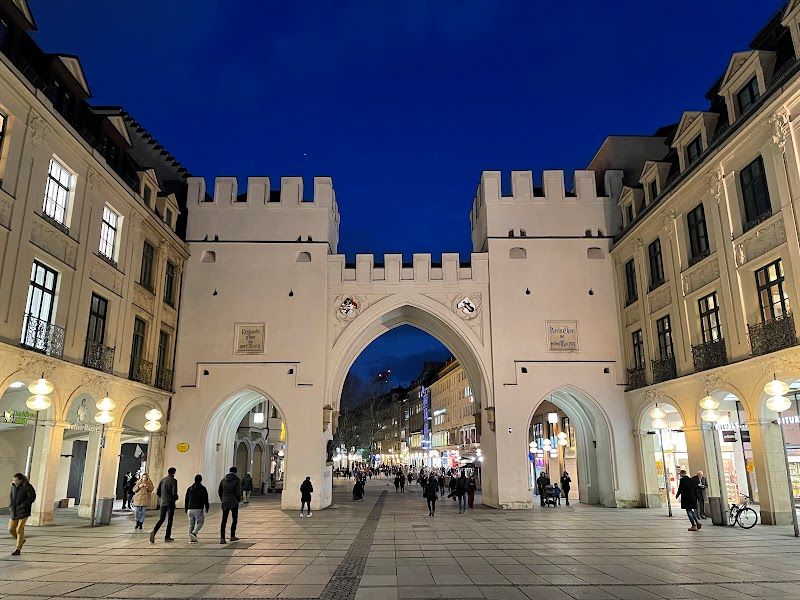
Karlstor stands as Munich's western gateway, where the medieval city walls once kept invaders out and now welcome millions of shoppers into the pedestrianized Altstadt. You'll walk through the same stone archway that merchants used 600 years ago, flanked by two round towers that somehow survived bombs, fires, and decades of urban planning. The gate marks the official start of Munich's main shopping drag, leading straight to Marienplatz through a maze of department stores and cafes. Walking through feels like crossing a threshold between Munich's modern commercial heart at Stachus and its historic core. The stone walls are thick enough that you notice the temperature drop as you pass underneath, and the contrast hits immediately: behind you, trams and traffic circle the busy square, while ahead stretches the calm pedestrian zone. Street musicians often set up in the archway, their sound echoing off medieval stones while shoppers flow around them in both directions. Most guidebooks oversell this as a destination when it's really just a gorgeous passageway. Don't linger here taking photos while blocking foot traffic, locals get annoyed. The real value is using it as your entry point for Altstadt shopping or as a landmark when meeting friends at Stachus. Skip climbing the towers, they're not open to visitors and the views aren't worth the hype anyway.
Schmock
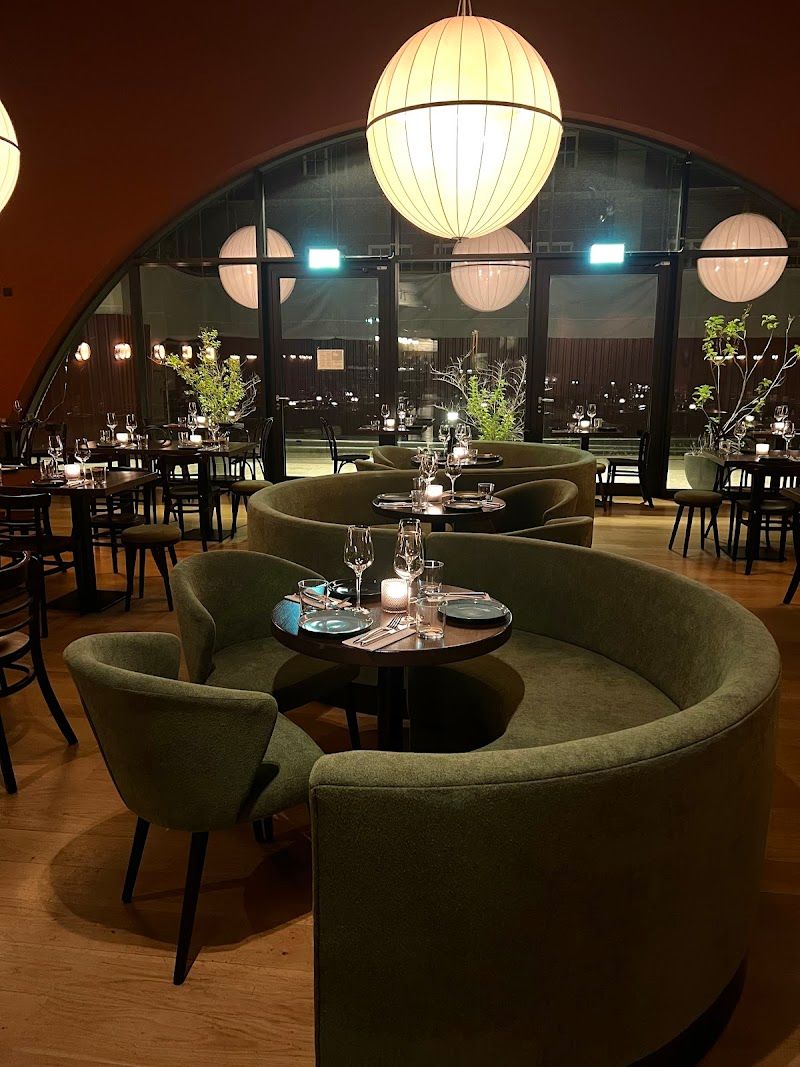
Schmock brings Tel Aviv's casual dining scene to Munich's Glockenbachviertel, serving elevated Israeli food that goes way beyond the typical hummus plate. Chef Adi Mahalel focuses on seasonal ingredients and house-made everything: the bread comes warm from their own oven, the labneh is strained daily, and even their harissa gets made in-house. You'll find familiar dishes like shakshuka and falafel alongside more ambitious plates like lamb shoulder with pomegranate molasses or grilled octopus with tahini. The dining room feels more like a neighborhood bistro than a Middle Eastern restaurant, with exposed brick walls, communal wooden tables, and an open kitchen where you can watch the controlled chaos. Service runs Mediterranean-paced (read: slower than typical German efficiency), but the staff knows their menu inside out and will steer you toward the best combinations. The crowd skews young and international, with plenty of expats who clearly treat this as their regular spot. Most mezze plates run 8-14 EUR, mains hit 16-24 EUR, and portions are generous enough to share. Skip the wine list, it's overpriced and limited. The weekend brunch draws long waits, but dinner reservations usually aren't essential if you arrive before 7:30pm. Don't bother with the desserts, they're an afterthought compared to the savory menu.
Pasinger Viktualienmarkt
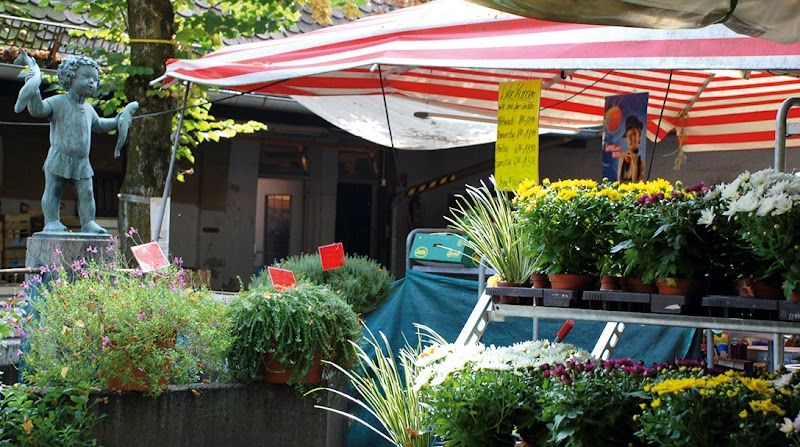
Pasinger Viktualienmarkt is Munich's neighborhood market that locals actually use, set up in a small square surrounded by traditional Bavarian buildings in the Pasing district. You'll find about 15 stalls selling regional produce, artisanal cheeses, fresh sausages, and seasonal vegetables, plus two lunch counters serving simple Bavarian dishes under old chestnut trees. It's perfectly positioned for combining with visits to nearby Nymphenburg Palace or Blutenburg Castle, operating Monday through Saturday mornings with the relaxed pace of suburban life. The market feels like stepping into a Bavarian village square, even though you're still in Munich. Vendors know their regular customers by name, and you'll hear more Bavarian dialect here than tourist English. The cheese vendor lets you sample before buying, the butcher wraps everything in proper paper, and the lunch crowd consists mainly of local workers grabbing Leberkäs semmel or a quick soup. The atmosphere peaks around 10am when the morning shopping rush creates genuine community buzz. Most travel guides skip this place entirely, which keeps it authentic but means you won't find the exotic variety of the central Viktualienmarkt. The produce is standard seasonal stuff, prices are fair but not bargain basement (expect EUR 3-4 for lunch dishes), and everything closes by 2pm. If you're staying near Nymphenburg, it's worth 20 minutes for the local atmosphere, but don't make a special trip across town just for this market.
Acetaia
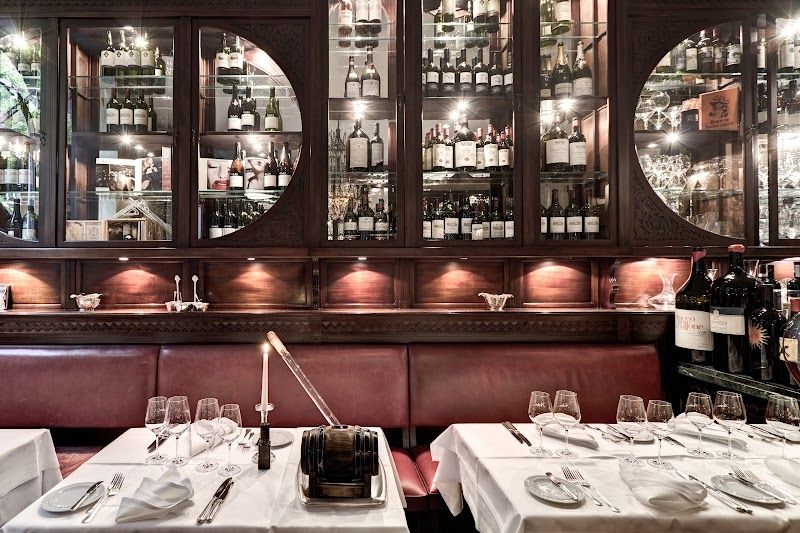
Acetaia brings authentic Emilia-Romagna cooking to Munich's Maxvorstadt, where Chef Giuseppe Messina serves the real deal: hand-rolled tortellini in brodo, 24-month aged Parmigiano Reggiano, and ragù that simmers for hours. The star attraction is the balsamic vinegar collection, with bottles aged up to 50 years that cost more than most people's rent. You'll taste the difference immediately, especially when drizzled over their stellar tagliatelle or paired with local burrata. The space feels deliberately understated with polished concrete floors, white walls, and legs of prosciutto hanging like art installations. University students and design professionals fill the 40 seats, creating a relaxed but informed crowd that actually knows their mortadella from their coppa. Service moves at Italian pace, meaning your pasta arrives perfectly al dente but you'll wait 20 minutes between courses. The open kitchen lets you watch Messina's team work their magic on fresh pasta throughout the evening. Most people order the obvious choices and miss the daily specials, which often feature seasonal ingredients flown in from Modena. The tasting menu at €65 offers better value than ordering à la carte, where mains run €18-26. Skip the tiramisu, it's forgettable, but definitely try the Lambrusco by the glass at €8. Book ahead for weekend dinners, though weekday lunches usually have walk-in availability.
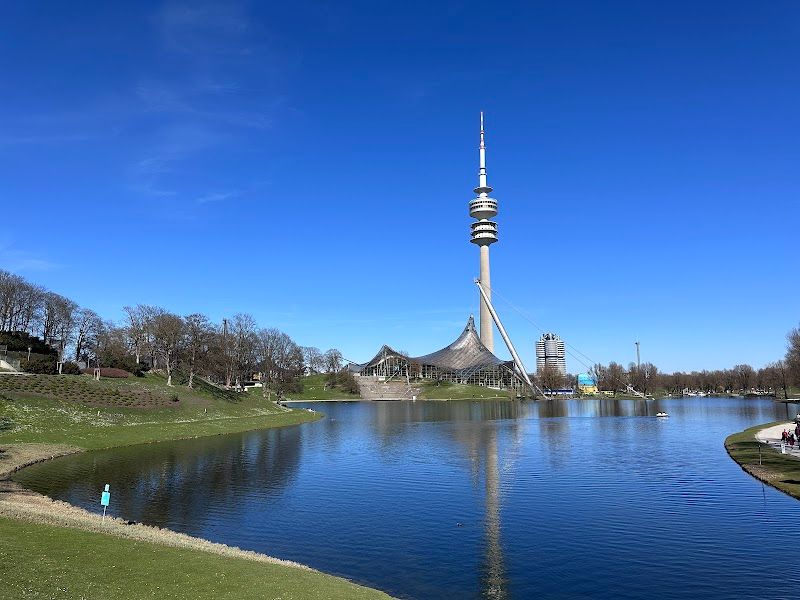
Olympiaberg
Olympiaberg rises 60 meters above Olympiapark as Munich's most accessible viewpoint, built entirely from 2.5 million cubic meters of WWII rubble. You'll get the same sweeping panoramas as the €9 Olympiaturm observation deck but for free, with unobstructed 360-degree views across Munich's rooftops to the Alps beyond. The climb takes just 15 minutes up grassy slopes, and on clear days you can spot landmarks from Frauenkirche's towers to the distant peaks of Zugspitze. The walk up feels more like hiking than sightseeing, following winding paths through planted grassland that locals use for jogging and dog walking. At the summit, you'll find yourself on a surprisingly spacious plateau where families spread picnic blankets and photographers set up tripods for golden hour shots. The western side drops away dramatically, creating an amphitheater effect where people gather to watch sunsets paint the Alps pink and orange. Winter transforms the hill into Munich's favorite sledding spot, with kids racing down the steeper northern slope. Most visitors rush straight to the top and miss the best photo angles halfway up the eastern face. Skip busy weekends when the summit gets crowded with picnickers, and avoid foggy mornings when the Alps disappear completely. The hill stays open 24/7, but parking in Olympiapark costs €1 per hour during events, so check the venue schedule before driving.
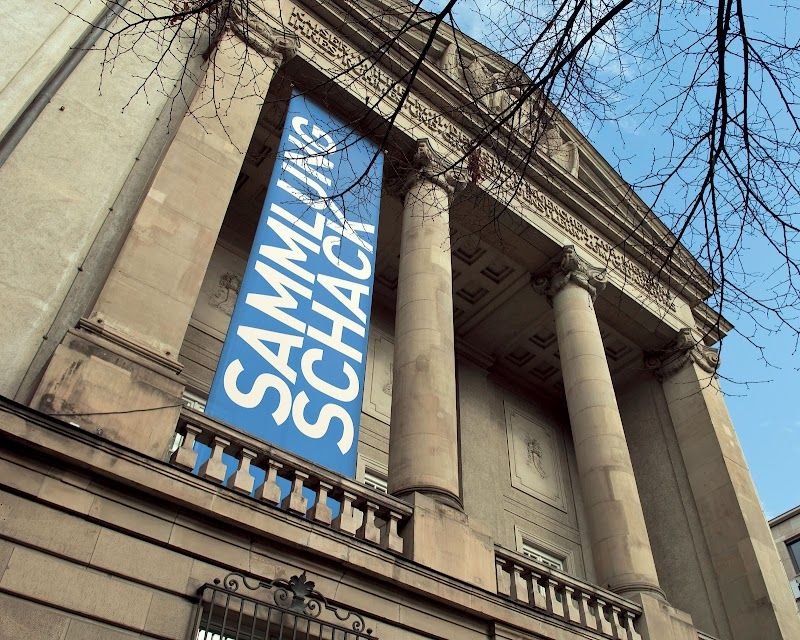
Sammlung Schack
An intimate townhouse museum showcasing Count Schack's 19th-century painting collection heavy on German Romantic landscapes and mythological scenes. EUR 4 admission (EUR 1 on Sundays) grants access to works by Böcklin, Feuerbach, and Schwind in elegant period rooms. A quiet counterpoint to the blockbuster Pinakotheks nearby.
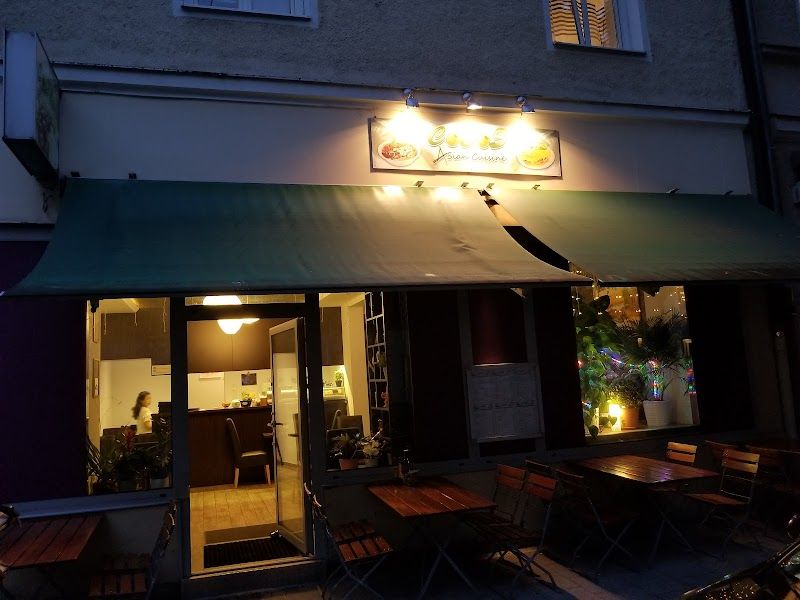
Lê Cocó Vietnamese Street Kitchen
Lê Cocó brings authentic Northern Vietnamese home cooking to a tiny counter-service spot that feels more like a Hanoi street stall than a Munich restaurant. The family behind it fled Vietnam and recreated their grandmother's recipes exactly, from the 18-hour oxtail pho broth fragrant with star anise to the bánh mì stuffed with house-made pâté. You'll pay around 8-12 EUR for most dishes, which is exceptional value for this level of authenticity. You order at the counter from a handwritten menu, then grab one of maybe eight wooden stools while watching the family work in the open kitchen. The space is cramped and basic, with bare tables and Vietnamese pop music playing, but that's exactly the point. The pho arrives steaming hot with fresh herbs you add yourself, while the bún chả comes with perfectly charred pork patties and tangy dipping sauce. Everything tastes like it came straight from a Hanoi market. Most Vietnamese places in Munich water down their flavors for German palates, but not here. The pho can be intensely beefy and the chili oil actually has heat, so speak up if you want it milder. Skip the spring rolls, which are decent but not special, and focus on the pho and bún chả instead. The lunch rush gets intense around noon, so come at 11:30 AM or after 2 PM for a more relaxed experience.
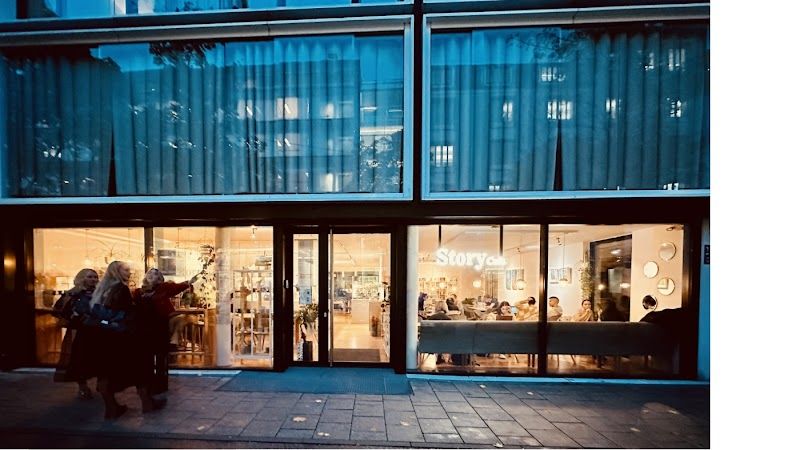
Café Stör
Café Stör preserves the soul of 1920s Munich in its original wood paneling, amber lighting, and creaky floors that haven't changed in decades. You'll find proper German breakfast spreads served on mismatched vintage china, with full plates running EUR 8 to 14. The café occupies a corner building in Maxvorstadt where university students, freelancers, and locals gather over coffee that's strong enough to fuel a morning at the nearby Pinakothek museums. The atmosphere hits you immediately: worn leather banquettes, newspapers hung on wooden sticks, and conversations in three languages floating over the clink of porcelain. Service moves at Munich pace, unhurried but efficient, while your breakfast arrives on plates that look like they came from different decades. The space feels genuinely lived in, not styled for Instagram, though the morning light through tall windows creates perfect shots anyway. Weekend queues are real but move faster than you'd expect, usually 15 to 20 minutes max. Skip the fancy coffee drinks and stick to the simple breakfast platters, which offer better value and showcase what this place does best. Most tourists miss it entirely, focused on flashier spots near Marienplatz, but locals know it's one of the few authentic old Munich cafés that hasn't been sanitized for mass appeal.
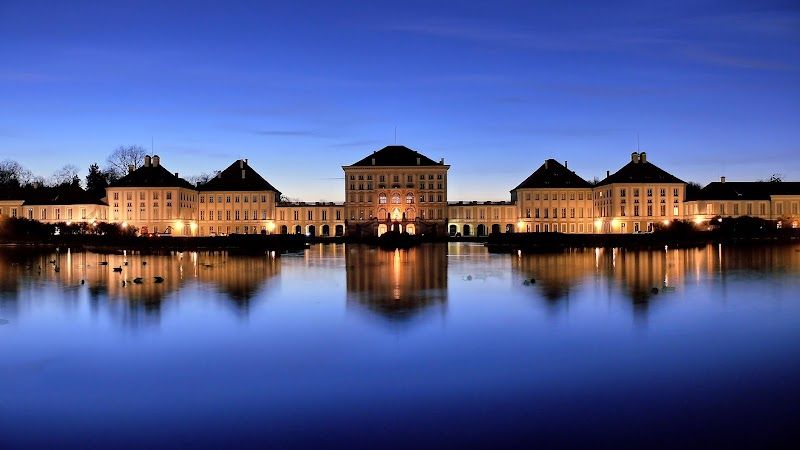
Munich Walking Tour: Old Town Highlights
A 2-hour guided walking tour of the Munich Altstadt covering the major landmarks: Marienplatz with the New Town Hall and glockenspiel timing, Frauenkirche with the Devil's Footprint legend, Residenz exterior, Hofgarten royal park, the Münchner Stadtmuseum exterior, and Viktualienmarkt. Most operators run free walking tours (tip-based, EUR 10-15 expected per person at the end) and paid tours (EUR 18-30 per person, smaller groups, more historical depth). The free tours leave from the Mary's Column on Marienplatz at 10:45 AM daily; you do not need to book. Paid options (Sandemans New Munich Tours, Munich Walk Tours) leave from various central points. Tours run year-round; outer-tier weather (heavy snow, very cold January days) may shift indoor.
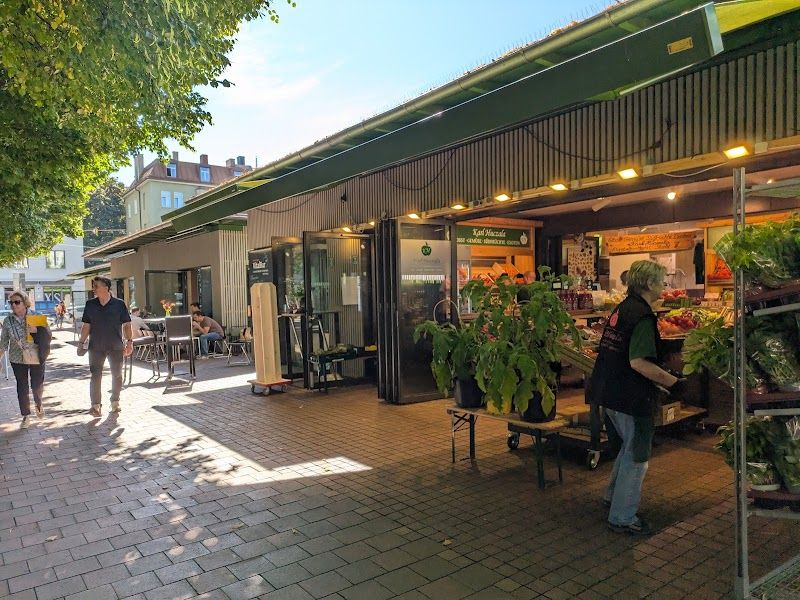
Elisabethmarkt
Elisabethmarkt sits on a tree-lined square in Schwabing, serving as the neighborhood's morning food hub since 1903. You'll find about a dozen stalls selling fresh produce, artisanal cheeses, crusty bread, and seasonal flowers to locals doing their daily shopping. The market caters to Schwabing's mix of students, young professionals, and long-time residents who prefer this intimate setup over the tourist-heavy Viktualienmarkt downtown. The atmosphere feels genuinely local, with vendors calling out greetings to regular customers and offering tastes of new cheeses or seasonal fruits. You'll hear a mix of Bavarian dialect and international accents as Schwabing's diverse community does their morning shopping. The lunch counters serve simple, satisfying meals: currywurst with bread for EUR 6, creamy käsespätzle for EUR 7, or daily soup specials around EUR 5. Most visitors browse for 20 minutes, though you could easily spend longer chatting with friendly vendors. Most travel guides barely mention this market, which keeps it refreshingly authentic. The produce quality rivals upscale supermarkets at better prices, and the bread stalls sell out of the best loaves by 10am. Don't expect extensive variety like larger markets, but what's here is carefully curated. Skip weekends entirely since it's closed Sundays and Saturday crowds can overwhelm the small space.
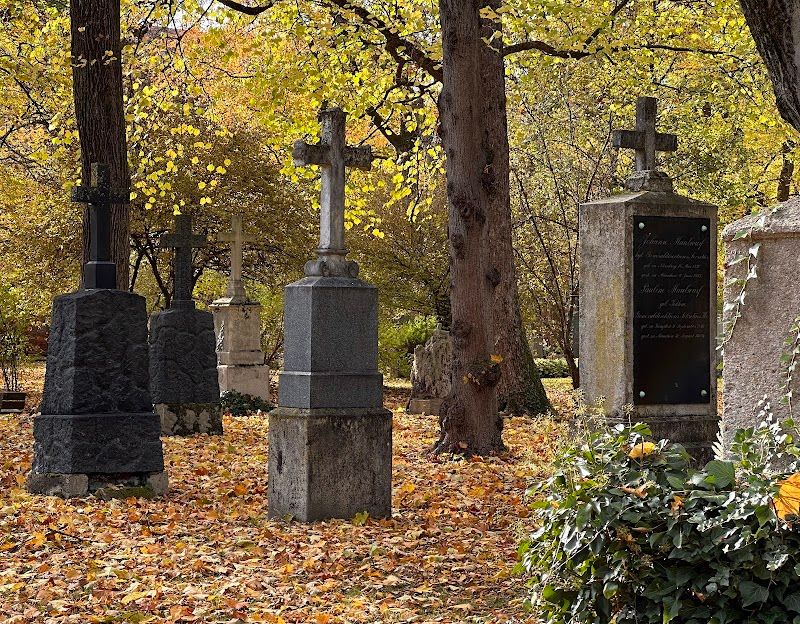
Alter Nordfriedhof
Alter Nordfriedhof transforms Munich's old cemetery into one of the city's most contemplative parks, where weathered headstones peek through ivy and massive old trees create natural reading nooks. You'll find locals sprawled on blankets between graves, joggers following the winding paths, and students from nearby LMU treating ornate mausoleums as scenic backdrops. The graves themselves tell Munich's cultural story: painters, writers, and forgotten aristocrats whose elaborate monuments now serve as jungle gyms for neighborhood cats. The atmosphere here feels uniquely Munich, mixing Bavarian reverence for the dead with practical German park usage. Families picnic literally on top of graves (it's completely normal), while couples claim romantic spots beside crumbling angels and weathered crosses. The southwestern corner feels most cemetery-like with its grand monuments, while the eastern sections have been so thoroughly parkified that you'll forget you're in a graveyard. Spring brings cherry blossoms that create pink tunnels over the paths, and autumn turns the massive chestnuts into golden canopies. Most travel guides treat this like a spooky tourist attraction, but locals use it as their backyard and you should too. Skip the tourist hunt for famous graves unless you're genuinely interested in 19th-century Munich artists: the real appeal is claiming a patch of grass and joining the impromptu community. The park closes at sunset, which seems obvious but catches visitors off guard since most Munich parks stay open later.
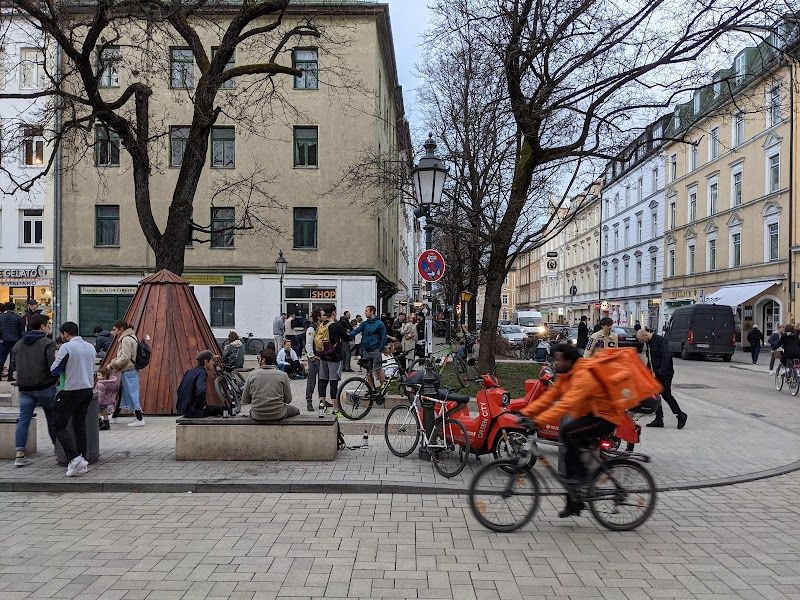
Wedekindplatz
Wedekindplatz sits in the heart of residential Schwabing, a tree-lined square surrounded by gorgeous Art Nouveau buildings from the early 1900s. You'll find intricate facades with decorative stonework, wrought-iron balconies, and those distinctive curved lines that define Munich's Jugendstil architecture. The Wednesday and Saturday farmers' market brings out local vendors selling everything from Bavarian cheese to seasonal vegetables, while corner cafés serve proper coffee to neighborhood regulars. The square feels authentically local in a way that's rare in central Munich. Chestnut trees provide shade over wooden market stalls, and you'll hear more German than English as residents shop for their weekly groceries. The pace is unhurried, with people lingering over newspapers at café tables and market vendors who actually remember their regular customers. It's small enough to take in completely in one glance, yet detailed enough to reward closer inspection of the architectural elements. Most travel guides skip this square entirely, which works in your favor. The market is genuinely for locals, not tourists, so prices stay reasonable (expect 2-3 EUR for excellent bread, 4-5 EUR for local cheese). Skip the expensive Leopoldstraße tourist cafés and grab coffee here instead. The square works best as a quick stop while exploring Schwabing, not a destination itself.