Munich · Altstadt (Old Town)

Schmock

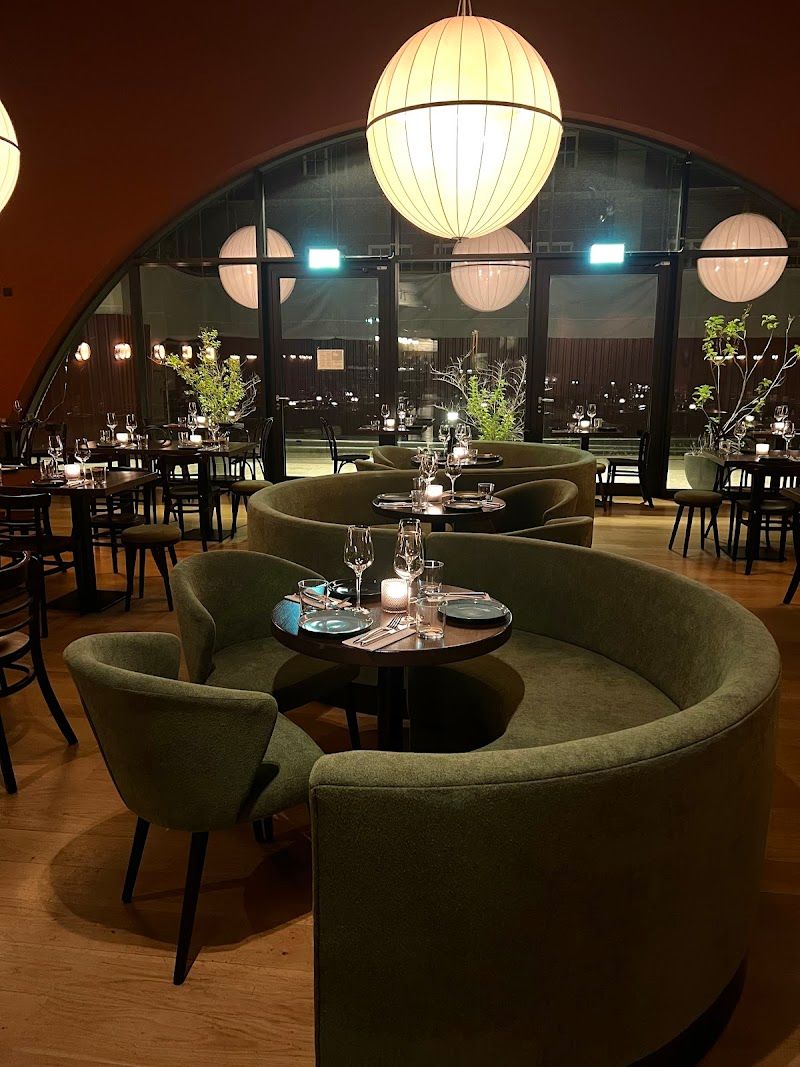
Schmock brings Tel Aviv's casual dining scene to Munich's Glockenbachviertel, serving elevated Israeli food that goes way beyond the typical hummus plate.
Schmock, Munich · Altstadt (Old Town)
Category
Restaurant
Duration
1h 45m
Best Time
Any time
Entry
€€€
Rating
4.1 (437)
The place

About Schmock

Schmock brings Tel Aviv's casual dining scene to Munich's Glockenbachviertel, serving elevated Israeli food that goes way beyond the typical hummus plate. Chef Adi Mahalel focuses on seasonal ingredients and house-made everything: the bread comes warm from their own oven, the labneh is strained daily, and even their harissa gets made in-house. You'll find familiar dishes like shakshuka and falafel alongside more ambitious plates like lamb shoulder with pomegranate molasses or grilled octopus with tahini.

The dining room feels more like a neighborhood bistro than a Middle Eastern restaurant, with exposed brick walls, communal wooden tables, and an open kitchen where you can watch the controlled chaos. Service runs Mediterranean-paced (read: slower than typical German efficiency), but the staff knows their menu inside out and will steer you toward the best combinations. The crowd skews young and international, with plenty of expats who clearly treat this as their regular spot.

Most mezze plates run 8-14 EUR, mains hit 16-24 EUR, and portions are generous enough to share. Skip the wine list, it's overpriced and limited. The weekend brunch draws long waits, but dinner reservations usually aren't essential if you arrive before 7:30pm. Don't bother with the desserts, they're an afterthought compared to the savory menu.

Book ahead

Book Tickets

Live availability and skip-the-line options from our booking partners.

Search on Viator →Search on GetYourGuide →

Booking powered by our partners. DAIZ may earn a commission.
The place

Getting there

Address
Tumblingerstraße 29, 80337 München, Germany
Neighborhood
Altstadt (Old Town)
View on Google Maps →
Good to know

Tips, answered

Arrive by 6:30pm on weekends to snag a table without waiting, or call ahead same-day for dinner reservations

Most people order too much, start with 2-3 mezze dishes for two people and add more if needed

The daily fish special is almost always better value than the regular menu options, usually around 18 EUR

Plan for about 1h 45m.

Schmock is in the Altstadt (Old Town) neighborhood of Munich. The address is Tumblingerstraße 29, 80337 München, Germany. The area is well-served by metro.

This works well at any time of day, though mornings tend to be quieter. Weekdays are less crowded than weekends.

Around the corner

Nearby in Altstadt (Old Town)

Explore all →
Marienplatz
Landmark

Marienplatz

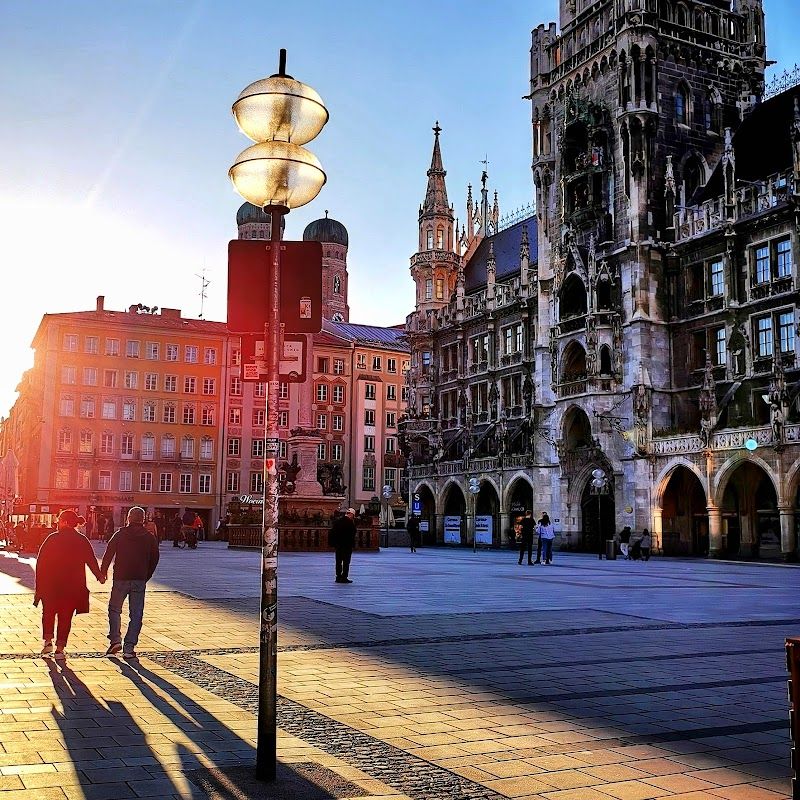
Marienplatz has been Munich's town square since 1158, and it still works exactly as intended: a daily stage where locals shop, tourists gawk, and street performers compete with the world's most elaborate cuckoo clock. The Neues Rathaus dominates with its Neo-Gothic towers, while the famous glockenspiel puts on a 15-minute puppet show at 11am, noon, and 5pm (May through October). You'll see 32 life-sized figures reenact historical Bavarian scenes including a tournament and the coopers' dance that supposedly ended a plague. The square fills up fast before each glockenspiel show, creating a temporary amphitheater of several hundred people all craning their necks upward. Between shows, it's surprisingly functional: locals cut through on their way to the pedestrian shopping streets, while you can explore the Altes Rathaus or grab a coffee at one of the surrounding cafes. The atmosphere shifts from tourist spectacle to working city square and back again throughout the day. Skip the New Town Hall tower (EUR 6) because it's actually not that high and the views are mediocre. The Frauenkirche towers five minutes away are free and much better for photos. Most people camp out in the center of the square for glockenspiel shows, but you'll get a better angle from the eastern side near the Altes Rathaus. If you're here in winter, the Christmas market transforms the entire square but makes it nearly impossible to move.

30-60 minExplore
Viktualienmarkt
Market

Viktualienmarkt

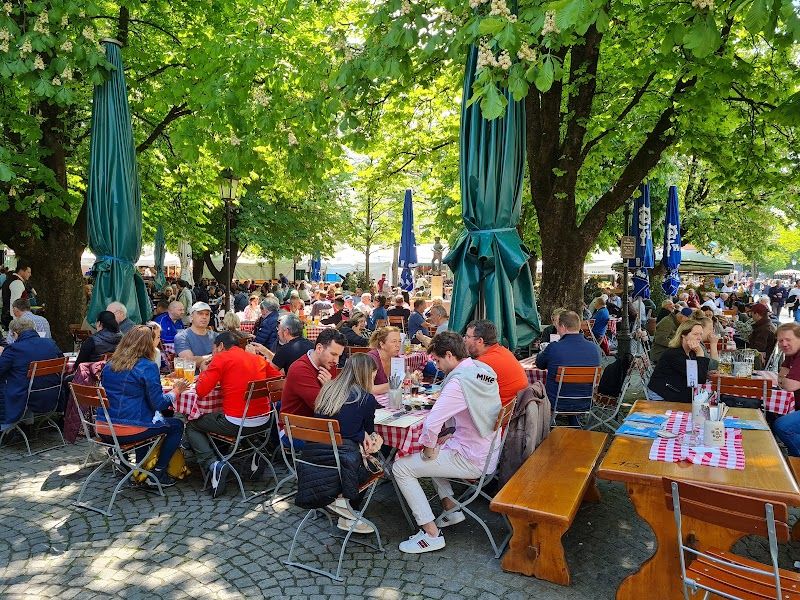
Viktualienmarkt is Munich's 200-year-old food market sprawled across a square just south of Marienplatz, where 30-plus permanent stalls sell everything from wild boar bratwurst to saffron. You'll find traditional Bavarian specialties alongside fresh produce, artisan cheeses, and honey from local beekeepers. The centerpiece is a year-round beer garden that rotates through all six Munich breweries, pouring proper half-liters while you sit under chestnut trees. The market hums with locals grabbing lunch and tourists sampling their way through Bavaria. You'll weave between cheese counters where vendors slice generous samples, pretzel stands cranking out warm brezn, and the legendary wild boar sausage stall near the central maypole. The beer garden fills by noon with a mix of office workers and visitors clutching pretzels smeared with obatzda cheese spread. Most guidebooks oversell this as quaint and charming when it's actually quite commercial and tourist-focused. Skip the overpriced specialty items and focus on the classics: a pretzel from Brezenbar (EUR 1.50), obatzda, and a half-liter at the beer garden runs about EUR 8-12 total. The produce is good but not cheap, and Sunday closures catch many visitors off guard.

60-90 minExplore
Deutsches Museum
Museum

Deutsches Museum

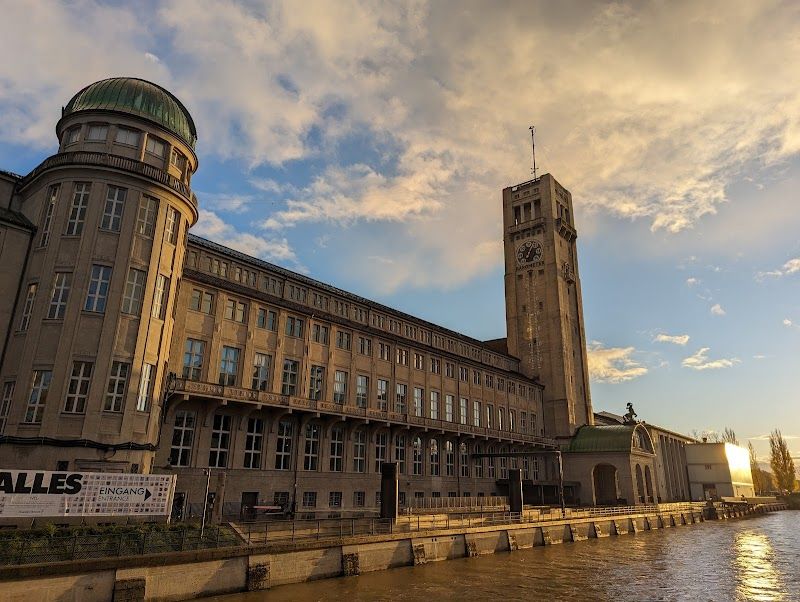
The Deutsches Museum houses 28,000 artifacts across 50 exhibition areas on Museum Island, making it one of the world's largest science museums. You'll find the original Benz Patent-Motorwagen from 1886, the first electric dynamo, and a full-scale Lufthansa Boeing 737 you can walk through. Interactive exhibits let you generate electricity, pilot flight simulators, and watch live chemistry demonstrations hourly. The mining section features an authentic underground tunnel system, while the astronomy wing has a working planetarium with shows in German and English. Navigating this place requires strategy because it's genuinely massive across six floors. Start on the ground floor with transportation (the vintage cars and locomotives are impressive), then work your way up through physics, chemistry, and aerospace. The atmosphere feels like a curiosity cabinet that got completely out of hand. Kids aged 8 and up get genuinely excited here, especially in the hands-on areas where they can operate historical machines and conduct simple experiments. At EUR 15 for adults, it's excellent value if you spend at least three hours, but many visitors try to see everything and burn out after two hours. Skip the ground floor energy section (it's dated and boring) and focus on transportation, aerospace, and the impressive musical instrument collection. The cafeteria serves terrible food at high prices, so bring snacks or eat beforehand. Most people miss the rooftop terrace with decent city views.

4 hoursExplore
Residenz Munich
Cultural Site

Residenz Munich

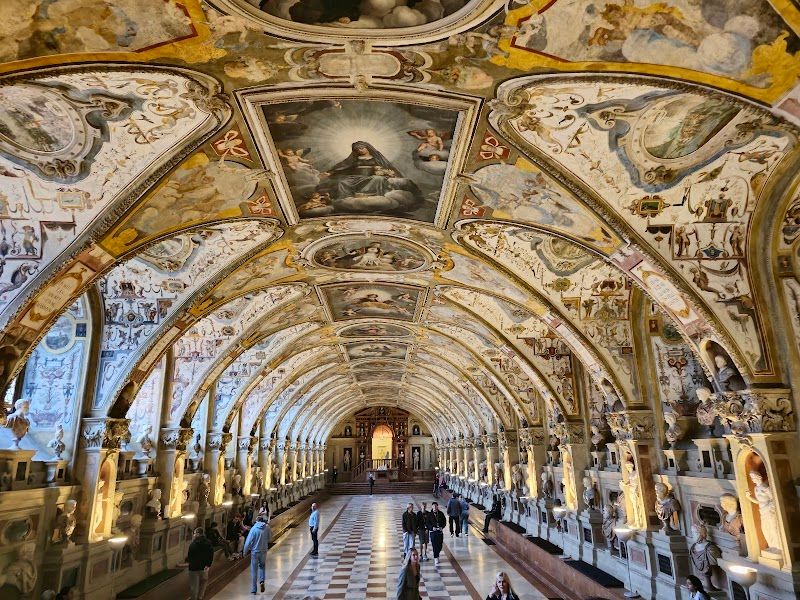
The Residenz is Germany's largest urban palace, a sprawling 90,000 square meter complex where Bavaria's Wittelsbach rulers lived for 400 years. You're paying for three separate attractions: the Residenz Museum with 130 opulent state rooms, the Schatzkammer Treasury holding Bavarian crown jewels, and the tiny Cuvilliés Theatre with its jaw-dropping rococo interior. The Antiquarium hall alone justifies the visit, a 66-meter Renaissance gallery that'll make your neck hurt from looking up at the intricate vaulting. Walking through feels like infiltrating a royal soap opera set across ten courtyards and countless gilded rooms. The Treasury sparkles with the famous St. George statuette encrusted with 2,300 gemstones, while the Museum overwhelms with room after room of baroque excess. The Cuvilliés Theatre packs maximum wow factor into minimum space, its gold and red rococo curves photographed more than any interior in Munich. Each section has its own entrance and vibe, from ceremonial grandeur to intimate royal apartments. Most guides won't tell you the combined ticket (EUR 17) isn't always worth it if you're palace-fatigued. Skip the theatre if you're rushed, prioritize the Antiquarium hall and Treasury instead. The Museum needs two full hours, the Treasury 90 minutes maximum. Avoid Sundays when German families pack the narrow rooms. The free Hofgarten courtyard outside makes a perfect breather between paid sections.

2-4 hoursExplore
Frauenkirche
Cultural Site

Frauenkirche

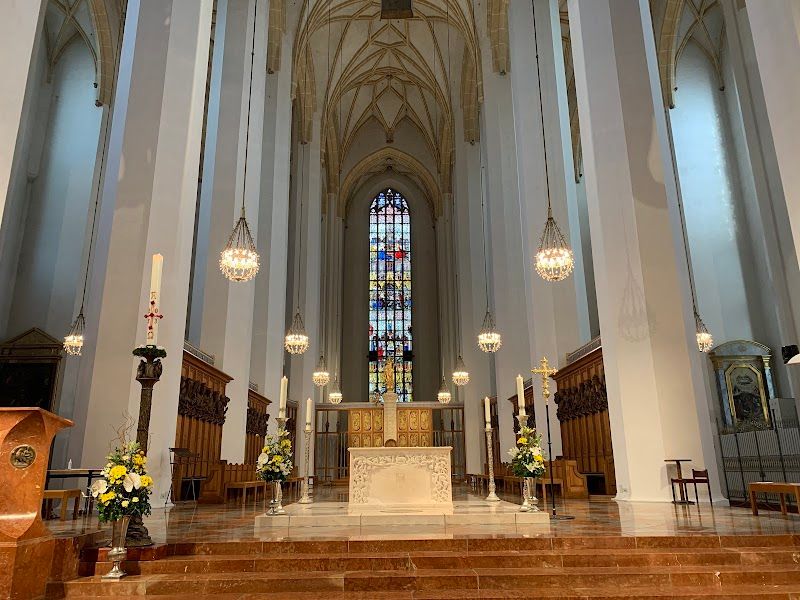
The Frauenkirche is Munich's cathedral and the city's most recognizable landmark, a brick Gothic fortress topped by twin green copper onion domes that have anchored the skyline since 1525. You'll find an austere late Gothic interior that feels surprisingly spacious despite the plain brick walls, plus the famous Devil's Footprint near the entrance where legend says Satan stamped his foot in anger. The real draw is the South Tower: EUR 7 gets you a lift partway up, then stairs to 99 meters for the best panoramic view in Munich. Inside, the cathedral feels unexpectedly stark after the impressive exterior, with whitewashed walls and minimal decoration that creates an almost Protestant atmosphere. The Devil's Footprint is a black stone mark in the floor that tour groups cluster around, though the story behind it is more charming than the actual sight. Climbing the South Tower means sharing a small elevator with other visitors, then huffing up narrow stone steps, but the payoff is spectacular: the entire city spreads below you, and on clear days the Alps create a dramatic southern backdrop. Most guides don't mention that the cathedral interior is genuinely underwhelming compared to other European cathedrals, so don't feel obligated to linger if architecture isn't your thing. The tower climb is absolutely worth EUR 7, especially compared to the New Town Hall's more expensive and lower viewpoint at EUR 6. Skip the visit entirely during services when the tower closes, and avoid late afternoons when haze obscures the Alpine views.

45-60 minExplore
Asamkirche
Cultural Site

Asamkirche

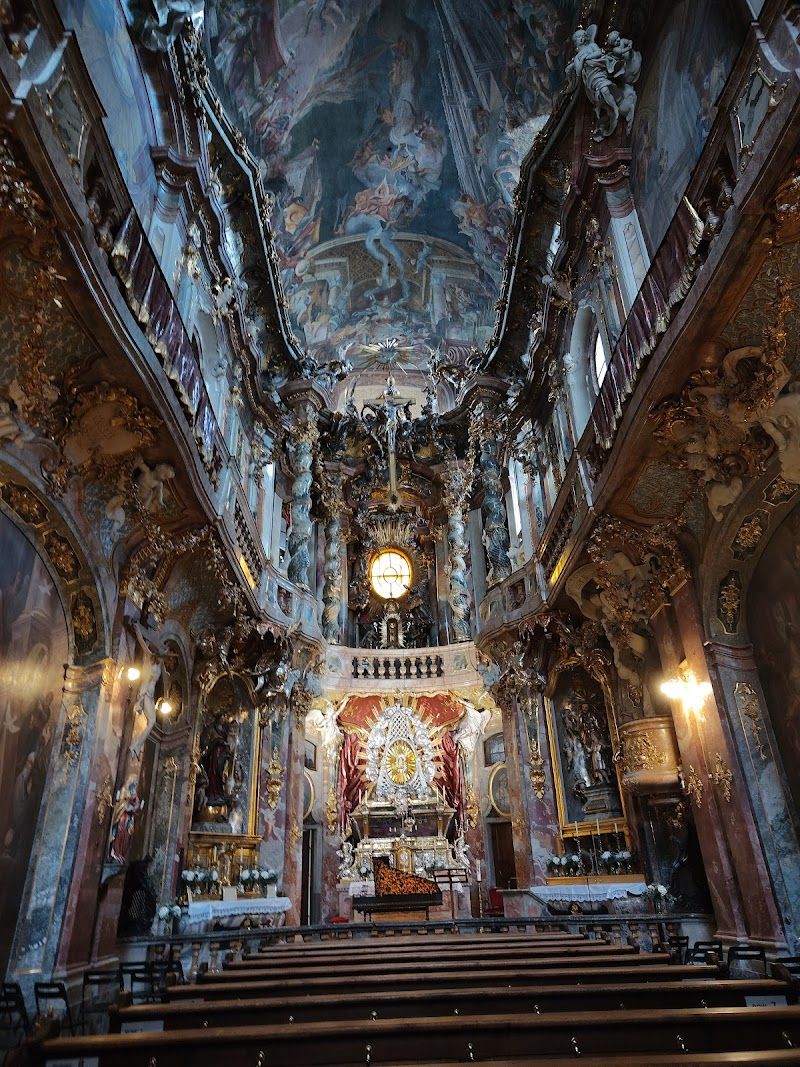
The Asamkirche is a theatrical masterpiece crammed into a space barely wider than a city apartment. Brothers Cosmas Damian and Egid Quirin Asam built this private chapel in 1733 next to their own house, creating what's essentially a Baroque movie set in stone and gold. You'll see every surface covered in gilded stucco, swirling frescoes that make the ceiling disappear into heaven, and lighting effects that would make modern set designers jealous. Walking inside feels like entering a jewelry box designed by someone with unlimited imagination and a serious gold leaf budget. The space is so narrow you can almost touch both walls, but the brothers used every optical trick possible to make it feel infinite. Your eyes get pulled upward by spiraling columns and a painted dome that opens into a fake sky, while theatrical spotlighting (via cleverly placed windows) makes the whole thing glow like a stage set. Most guidebooks oversell this as a major stop, but honestly, you'll be done in five minutes max. The church is genuinely stunning but absolutely tiny, so don't plan your day around it. Entry is free, which makes it perfect for a quick detour while shopping on Sendlinger Strasse. Skip it if you're already planning to see larger Baroque churches like the Theatinerkirche, as this is more of a beautiful curiosity than a substantial cultural experience.

15 minutesExplore
More on Munich

From the blog

View all →
Ready for Munich?

Let DAIZ plan your Munich days

Tell us how long you've got and what you're into. We'll build a day-by-day plan, with the bookable bits ready to lock in.

Plan my Munich tripFree · no signup to start
Plan your Munich trip