Germany
Bavarian capital where the old town's glockenspiel still draws crowds at 11am, the English Garden is bigger than Central Park, and the beer halls take their pour temperature seriously
Best Time
May-July, September
Ideal Trip
3-4 days
Language
German
Currency
EUR
Budget
EUR 35-71/day (excl. hotel)
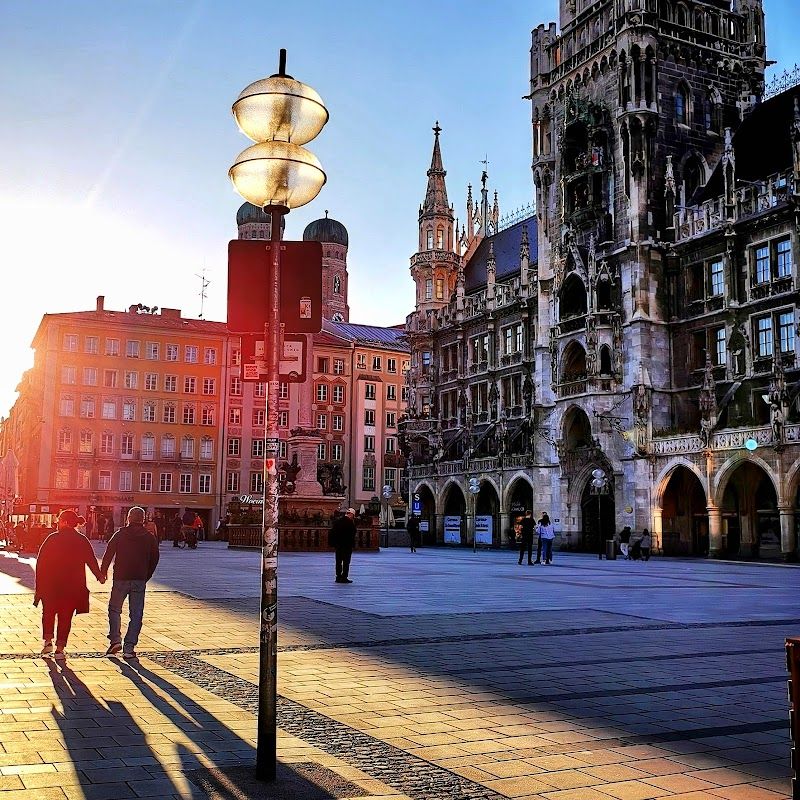
Munich is the capital of Bavaria, a region that has always considered itself culturally distinct from northern Germany - Catholic where the north is Protestant, agricultural where the north is industrial, and food-and-beer-forward in a way that even other German cities aren't. The city was founded in 1158 as a salt-trade waypoint, took its modern shape under the Wittelsbach kings between 1180 and 1918, and rebuilt nearly all its old town after WWII air raids that levelled 70% of it. The result is a working pedestrian centre that feels older than it is: the Marienplatz, Frauenkirche cathedral, Hofbräuhaus, and Viktualienmarkt are the postcard core, and the New Town Hall glockenspiel show at 11 AM and noon (and 5 PM May-October) draws a crowd of several hundred every day.
The city is a half-hour walk end-to-end through the centre and connects outward via the U-Bahn (subway, 8 lines) and S-Bahn (suburban rail) - both included in the same MVV ticket. A single ride is EUR 4 (2026), a day pass EUR 9.20, and the IsarCard 24 (a tourist day pass good for two adults plus three kids) is the value pick at EUR 17.80. Bicycles are everywhere and the city is genuinely flat. Taxis are reasonable.
The food is Bavarian, which is to say heavy and unambitious in the best way: weisswurst (the white veal sausage eaten with sweet mustard and pretzel - only before noon, the rule is not negotiable to a Bavarian), pretzels (laugenbrezeln, with butter, EUR 1-2), pork knuckle (schweinshaxe, EUR 18-25 a half), Wiener schnitzel (technically Austrian but served everywhere, EUR 18-26), and the Sunday-roast institution of weisswurst-beer-pretzel before church. Beer is taken seriously: there are six legal Munich breweries (Hofbräu, Augustiner, Paulaner, Spaten, Löwenbräu, Hacker-Pschorr), each with their own beer halls; a half-litre at a beer garden is EUR 4.50-6, a litre Maß at the Hofbräuhaus EUR 11-13. Coffee is a secondary priority - Vienna does it better - but the third-wave roasters in Schwabing and Glockenbach are catching up.
Munich peaks twice. Oktoberfest (mid-September to early October) takes over the Theresienwiese with 14 beer tents and 6+ million visitors; if you want to come, book accommodation a year ahead and budget heavily. The Christmas markets (late November to 24 December, mainly at Marienplatz, Rindermarkt, and Residenz) are the second peak - colder, less drunk, beautiful. Otherwise, May-July and September are the prime windows.
Each district has its own personality

The civic and tourist heart of Munich: Marienplatz with the New Town Hall glockenspiel show at 11am and noon, the Frauenkirche's twin onion domes, the Residenz palace complex, the Hofbräuhaus, and the Viktualienmarkt food market

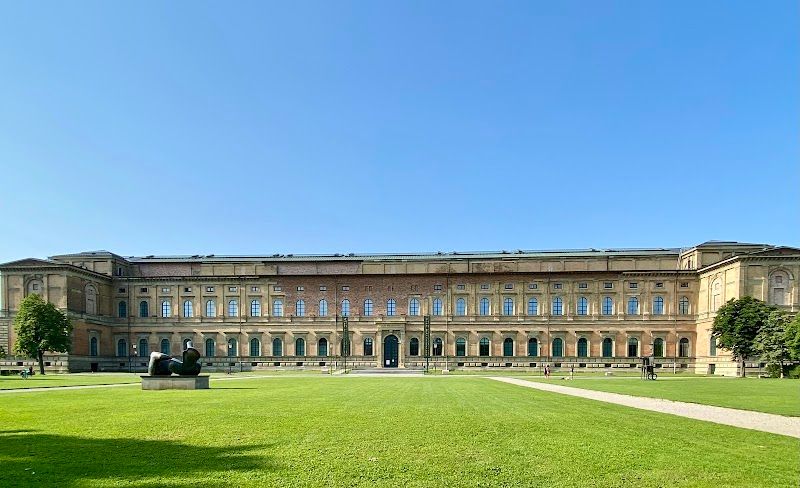
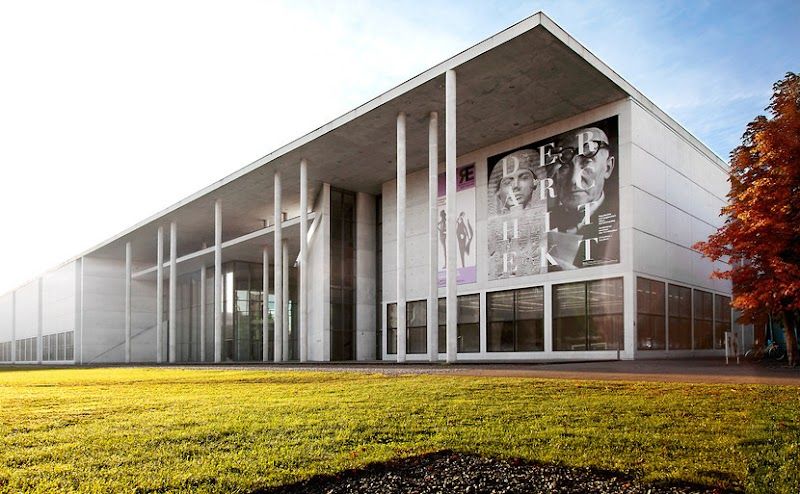
The university and museum quarter just north-west of the old town: three Pinakothek museums covering Alte (Old Masters), Neue (19th-century, currently closed for renovation), and Moderne (20th-21st century), plus the Brandhorst, Glyptothek, and Lenbachhaus

Schwabing is the historic bohemian / student quarter of Munich, north of Maxvorstadt: independent bookshops, cafes, and brunch spots cluster around Türkenstraße and Hohenzollernstraße
Top experiences in Munich

Marienplatz has been Munich's town square since 1158, and it still works exactly as intended: a daily stage where locals shop, tourists gawk, and street performers compete with the world's most elaborate cuckoo clock. The Neues Rathaus dominates with its Neo-Gothic towers, while the famous glockenspiel puts on a 15-minute puppet show at 11am, noon, and 5pm (May through October). You'll see 32 life-sized figures reenact historical Bavarian scenes including a tournament and the coopers' dance that supposedly ended a plague. The square fills up fast before each glockenspiel show, creating a temporary amphitheater of several hundred people all craning their necks upward. Between shows, it's surprisingly functional: locals cut through on their way to the pedestrian shopping streets, while you can explore the Altes Rathaus or grab a coffee at one of the surrounding cafes. The atmosphere shifts from tourist spectacle to working city square and back again throughout the day. Skip the New Town Hall tower (EUR 6) because it's actually not that high and the views are mediocre. The Frauenkirche towers five minutes away are free and much better for photos. Most people camp out in the center of the square for glockenspiel shows, but you'll get a better angle from the eastern side near the Altes Rathaus. If you're here in winter, the Christmas market transforms the entire square but makes it nearly impossible to move.

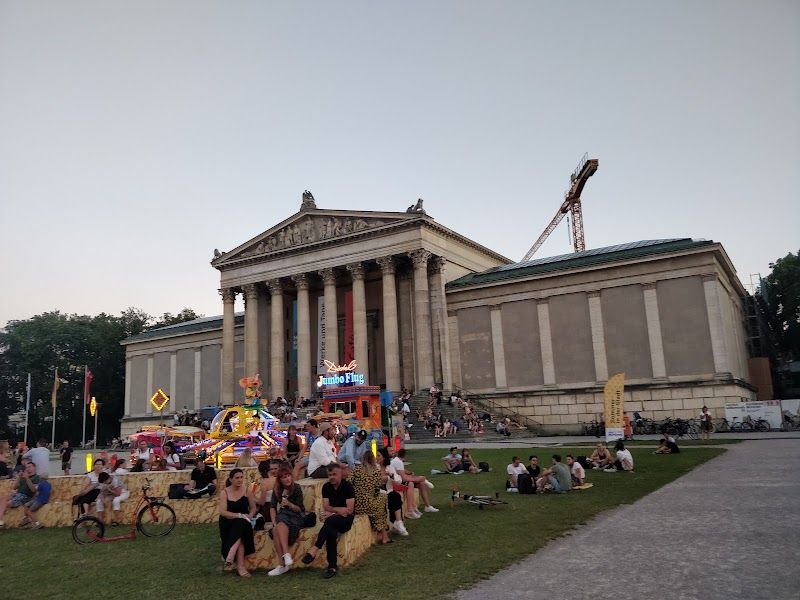
Königsplatz is Ludwig I's answer to Athens' Acropolis, a perfectly proportioned neoclassical square built in the 1820s that puts most European royal squares to shame. You're looking at three major buildings: the Glyptothek (ancient sculptures), the Antikensammlungen (Greek and Roman artifacts), and the imposing Propylaea gate with its Doric columns that frames the entire western end. The square itself is free to wander, though museum admission runs about 6 EUR each. Walking into Königsplatz feels like stepping onto a film set of ancient Greece, except everything's pristinely maintained German-style. The massive stone plaza stretches between the museums with geometric precision, while locals sprawl on the surrounding grass areas reading books or having lunch. The Propylaea gate dominates your view as you approach from the east, its columns creating dramatic shadows that shift throughout the day. You'll hear more German than English here, which tells you something about how tourists miss this place. Most guides oversell the museums unless you're genuinely into ancient artifacts. The square's real appeal is architectural, best appreciated by walking the full perimeter and sitting on the steps for perspective. Skip both museums if you're pressed for time and budget, the exterior views deliver 80% of the experience. Come mid-morning when the light hits the Propylaea perfectly and before the afternoon tour groups arrive.

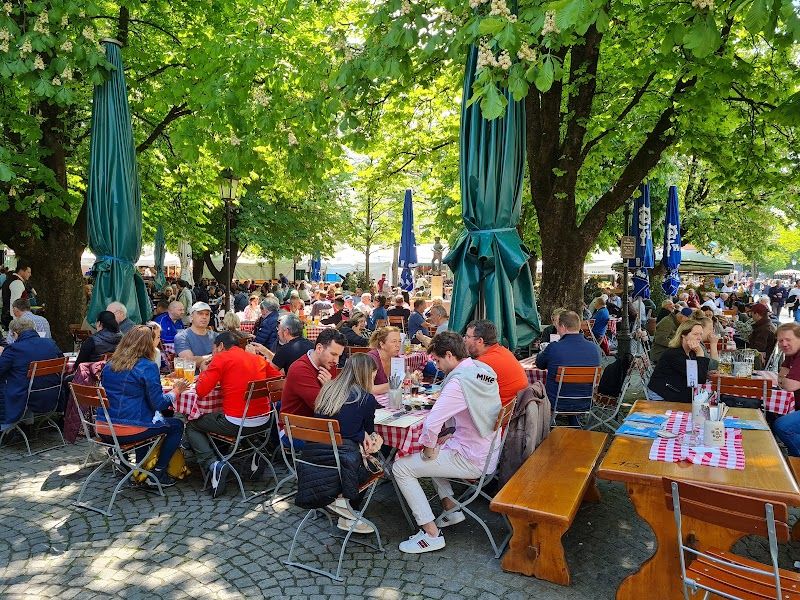
Viktualienmarkt is Munich's 200-year-old food market sprawled across a square just south of Marienplatz, where 30-plus permanent stalls sell everything from wild boar bratwurst to saffron. You'll find traditional Bavarian specialties alongside fresh produce, artisan cheeses, and honey from local beekeepers. The centerpiece is a year-round beer garden that rotates through all six Munich breweries, pouring proper half-liters while you sit under chestnut trees. The market hums with locals grabbing lunch and tourists sampling their way through Bavaria. You'll weave between cheese counters where vendors slice generous samples, pretzel stands cranking out warm brezn, and the legendary wild boar sausage stall near the central maypole. The beer garden fills by noon with a mix of office workers and visitors clutching pretzels smeared with obatzda cheese spread. Most guidebooks oversell this as quaint and charming when it's actually quite commercial and tourist-focused. Skip the overpriced specialty items and focus on the classics: a pretzel from Brezenbar (EUR 1.50), obatzda, and a half-liter at the beer garden runs about EUR 8-12 total. The produce is good but not cheap, and Sunday closures catch many visitors off guard.

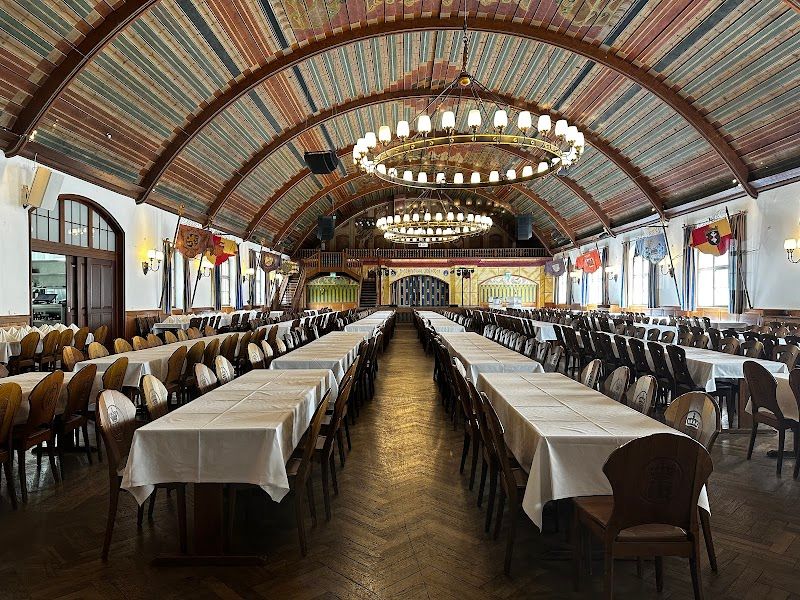
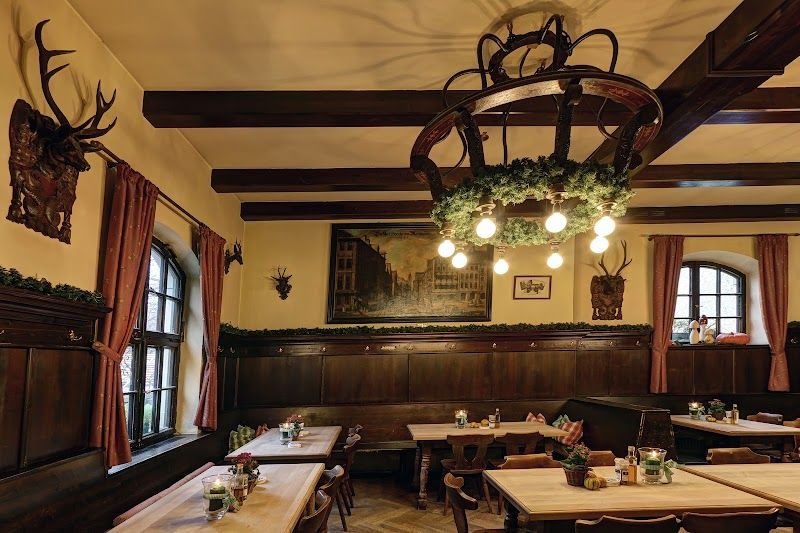
The Hofbräuhaus is Munich's most famous beer hall, a cavernous three-story temple to Bavarian drinking culture that's been pouring beer since 1589. You'll find it on Platzl square, where tourists and locals pack into wooden benches at long shared tables, downing liter steins of Hofbräu Original while a brass band plays traditional folk music. The ground floor Schwemme holds 1,300 people and serves 10,000 liters daily during Oktoberfest, making it one of the world's most productive beer dispensaries. Walking into the main hall feels like entering a beer-soaked cathedral: vaulted ceilings, wooden tables scarred by decades of steins, and the constant din of conversation in twenty languages. Servers in dirndls weave through the crowds carrying impossible numbers of full Maß glasses, while the brass band launches into yet another rendition of traditional Bavarian songs around 7 PM. The atmosphere gets progressively louder and more festive as the evening progresses, with spontaneous singing and table-tapping becoming the norm. Yes, it's touristy, but it's also genuinely authentic in a way that surprises many visitors. A Maß costs EUR 11-13, which is reasonable for the experience and location. Skip the upper floors unless you want quiet dining, the ground floor Schwemme is where the real action happens. The schweinshaxe (pork knuckle) for EUR 18-25 is massive and perfect for sharing, though the weisswurst before noon is more traditional.

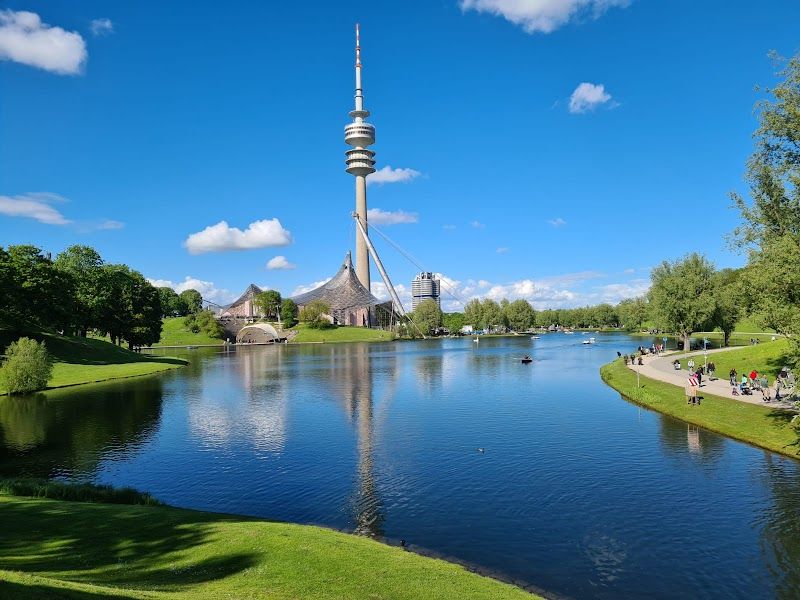
Olympiapark is Munich's sprawling 850,000 square meter sports and recreation complex, built for the 1972 Olympics and now the city's most distinctive public space. The star attraction is Frei Otto's revolutionary tent-like canopy roof stretching over the Olympic Stadium, a design so influential it was later copied in Sydney and Denver. You can walk the entire park for free, climb the artificial Olympic Hill for city views, or pay EUR 13 to ascend the 290-meter Olympic Tower for panoramic Alpine vistas on clear days. The park feels like a giant playground mixed with architectural museum. You'll find joggers circling the lake, families picnic on vast lawns, and tourists craning their necks at the futuristic tent structures that still look cutting-edge 50 years later. The Olympic Hill, built from WWII bombing rubble, gives you a surprisingly good view of the city skyline without the tower's admission fee. The whole complex has an optimistic, space-age atmosphere that captures 1970s architectural ambition perfectly. Most visitors either skip everything and just walk through, or waste money on the tower during cloudy weather. Check the weather forecast first, the Alpine view from Olympic Tower is spectacular on clear days but pointless when it's overcast. The hill offers 80% of the same view for free with no queues. Skip the stadium tour unless there's a concert, it's mostly empty concrete. Combine with BMW Welt across the street for a full morning.

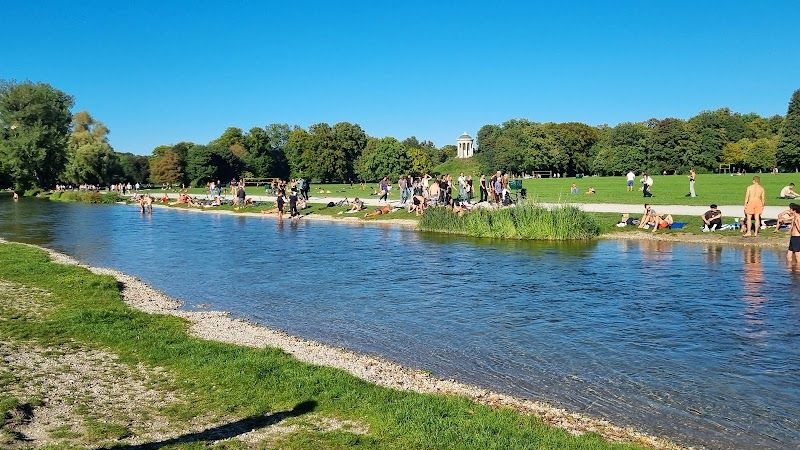
The Englischer Garten is Europe's third largest urban park at 375 hectares, sprawling north from the city center like Munich's green lung. You'll find genuine urban river surfing on the Eisbach (Europe's only permanent city wave), four beer gardens including the massive 7,000-seat Chinesischer Turm, and surprisingly good swimming spots along the river itself. The park stretches 5km north to south, passing a Greek temple folly with the city's best free viewpoint, a Chinese pagoda, and a proper lake with paddle boats. Walking through feels like escaping Munich entirely. The southern section buzzes with surfers and sunbathers around the Eisbach, while the middle section opens into rolling meadows where locals sprawl naked (this is Germany, after all). The Monopteros temple sits on an artificial hill offering panoramic city views, and the Chinesischer Turm beer garden creates its own village atmosphere under chestnut trees. Further north, the crowds thin out dramatically around Kleinhesseloher See, where you'll mostly encounter joggers and dog walkers. Most visitors stick to the southern third and miss the park's real charm up north. The Aumeister beer garden feels like a countryside inn rather than a tourist magnet, and the walk between Chinesischer Turm and the lake is genuinely peaceful. Skip the paddle boats (overpriced tourist trap), but don't miss swimming in the Eisbach if it's warm. A full north-south walk takes 90 minutes, but you'll want to stop for beer, so plan three hours minimum.

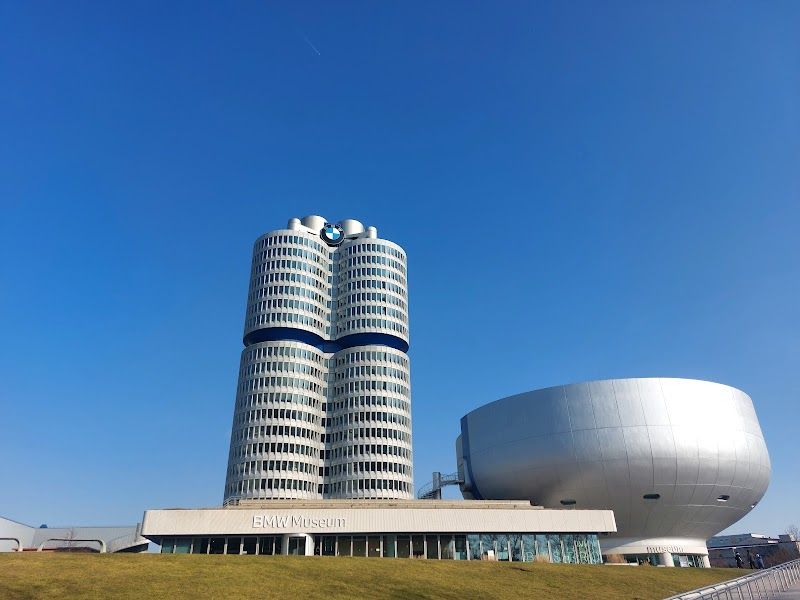
The BMW Museum sits inside a gleaming silver bowl next to the company's headquarters, chronicling a century of Bavarian engineering through 125 vehicles and motorcycles. You'll see everything from the original 1929 Dixi 3/15 that launched the brand to hydrogen-powered concept cars that look like they're from 2050. The collection spans racing legends like the M1 Procar, vintage motorcycles that defined post-war Germany, and actual Formula 1 cars that won championships. The experience flows along a double-helix ramp that spirals through seven themed areas, each representing a different era or aspect of BMW. The lighting is dramatic, almost theatrical, making even ordinary sedans look like sculptures. You'll walk past a 1936 BMW 328 roadster sitting mere feet from tomorrow's prototypes, creating this strange time-warp effect. The sound design is subtle but effective: gentle engine purrs and revs accompany each display. Most guides oversell this as essential Munich viewing, but honestly, it's mainly for car enthusiasts. If you're not genuinely interested in automotive history, you'll be done in 90 minutes feeling underwhelmed. The EUR 14 admission is steep for what amounts to a corporate showcase, though the building itself is architecturally striking. Skip the gift shop entirely unless you enjoy overpriced keychains, and don't bother with the audio guide since the displays are well-labeled in English.

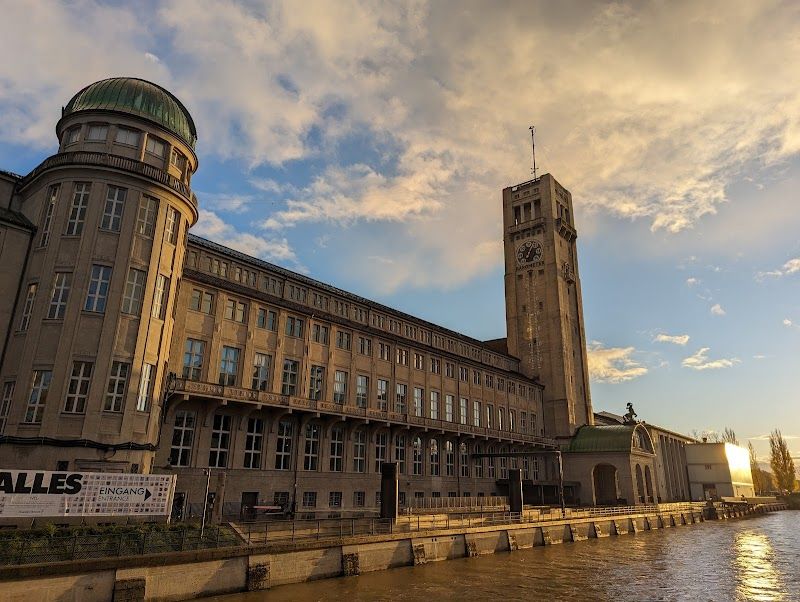
The Deutsches Museum houses 28,000 artifacts across 50 exhibition areas on Museum Island, making it one of the world's largest science museums. You'll find the original Benz Patent-Motorwagen from 1886, the first electric dynamo, and a full-scale Lufthansa Boeing 737 you can walk through. Interactive exhibits let you generate electricity, pilot flight simulators, and watch live chemistry demonstrations hourly. The mining section features an authentic underground tunnel system, while the astronomy wing has a working planetarium with shows in German and English. Navigating this place requires strategy because it's genuinely massive across six floors. Start on the ground floor with transportation (the vintage cars and locomotives are impressive), then work your way up through physics, chemistry, and aerospace. The atmosphere feels like a curiosity cabinet that got completely out of hand. Kids aged 8 and up get genuinely excited here, especially in the hands-on areas where they can operate historical machines and conduct simple experiments. At EUR 15 for adults, it's excellent value if you spend at least three hours, but many visitors try to see everything and burn out after two hours. Skip the ground floor energy section (it's dated and boring) and focus on transportation, aerospace, and the impressive musical instrument collection. The cafeteria serves terrible food at high prices, so bring snacks or eat beforehand. Most people miss the rooftop terrace with decent city views.

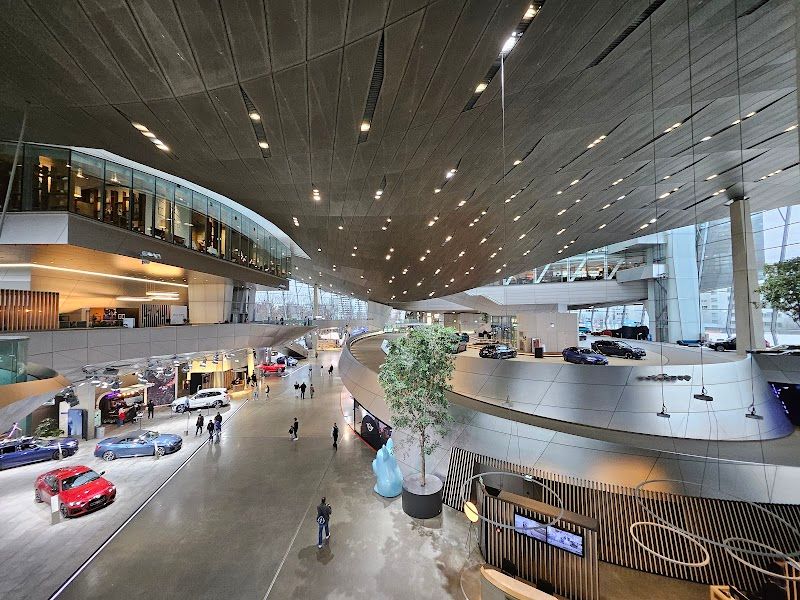
BMW Welt is the ultimate car showroom meets architectural spectacle, where you can walk through BMW's latest lineup for free in a futuristic steel and glass double cone. The continuous spiraling floor takes you past gleaming new models, the adrenaline-pumping M series performance cars, and the delivery ceremony area where new owners collect their BMWs in style. It's part brand theater, part genuinely impressive architecture by Coop Himmelb(l)au. The experience flows naturally as you spiral upward through different themed zones, with the building's dramatic curves creating unexpected views at every turn. The atmosphere buzzes with excitement from new car deliveries happening throughout the day, while families pose with supercars they'll never own. The highlight is watching the emotional handover ceremonies where BMW makes collecting your new car feel like winning an Oscar. Here's what most guides won't tell you: skip the separate BMW Museum (EUR 14) unless you're genuinely obsessed with automotive history. BMW Welt gives you 80% of the experience for free, and the museum feels dry by comparison. The building looks most dramatic at sunset when the glass facade glows, and weekday mornings offer the best photo opportunities without crowds.

Augustiner-Keller is Munich's largest central beer garden with 5,000 seats sprawling under massive chestnut trees, serving the city's most beloved brewery direct from wooden barrels. You'll find yourself in pure Bavarian tradition: gravel paths, communal wooden tables, and that distinctive smell of roasted almonds mixing with beer foam. The self-service setup means you grab your own Maß (€4.20) from outdoor barrel taps, then hunt for food at various kiosks scattered throughout the sprawling grounds. The atmosphere hits you immediately: families claiming tables with tablecloths, office workers unwinding after long days, and tourists trying to figure out the unwritten seating rules. Brass bands play weekend afternoons in summer, adding that classic oompah soundtrack while servers in dirndls weave between tables in the restaurant section. The chestnut canopy creates natural shade that makes even sweltering July evenings bearable, and you'll hear a mix of Bavarian dialect and international chatter echoing off the gravel. Most guides don't mention that the restaurant section charges €6.80 for the same beer that costs €4.20 in the self-service garden area. Skip the overpriced Schweinshaxe (€18) and go straight for the Steckerlfisch (grilled mackerel, €8.50) from the outdoor kiosks. The trick is arriving before 6pm on sunny days to secure prime real estate under the trees, because after that you're stuck at cramped tables near the entrance where tour groups congregate.

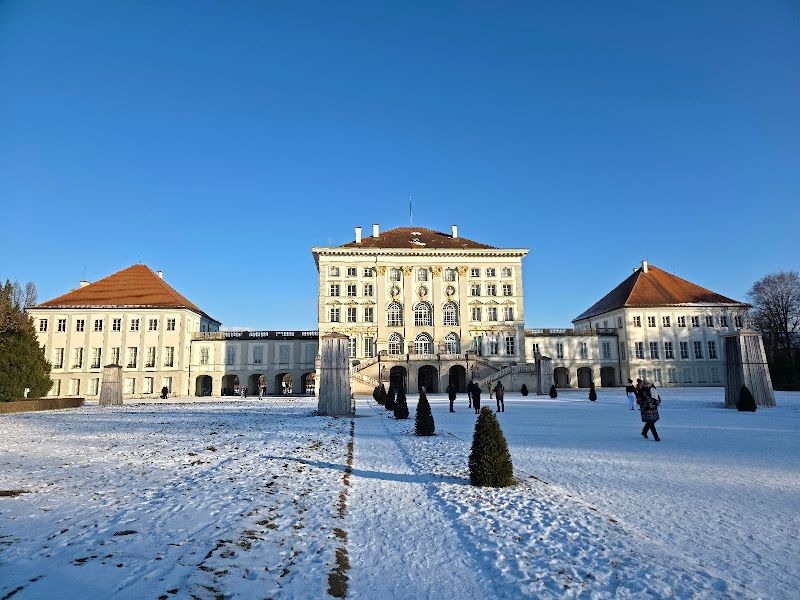
Nymphenburg Palace is the sprawling Baroque summer residence of Bavaria's royal Wittelsbach family, built over nearly a century from 1664 to 1758. The EUR 8 combined ticket gets you into the ornate palace rooms, the Marstallmuseum with its spectacular royal carriages (including King Ludwig II's fairy-tale coaches), and the porcelain collection. But honestly, the real star is the 200-hectare formal gardens behind the palace, which are completely free and where you'll spend most of your time wandering between four pavilions tucked into landscaped parkland. The palace interior feels formal and gilded in typical Baroque fashion, but it's the Marstallmuseum that stops people in their tracks with Ludwig II's incredibly ornate sleighs and state coaches that look straight out of Cinderella. The gardens are where Nymphenburg transforms into something magical: you'll follow tree-lined paths to discover the Rococo masterpiece Amalienburg pavilion, the lakeside Badenburg with its original heated pool, and the deliberately crumbling Magdalenenklause hermitage. The central canal stretches toward the horizon like a smaller Versailles, and families push strollers easily along the wide gravel paths. Most guides undersell the gardens and oversell the palace rooms. Skip the palace interior entirely if you're short on time and focus on the Marstallmuseum and gardens, especially Amalienburg (EUR 6 extra but worth it). The gardens alone deserve 2-3 hours, and they're stunning in any weather. Getting there takes 25 minutes: U1 or U7 to Rotkreuzplatz, then bus 51 or tram 17 directly to the entrance.

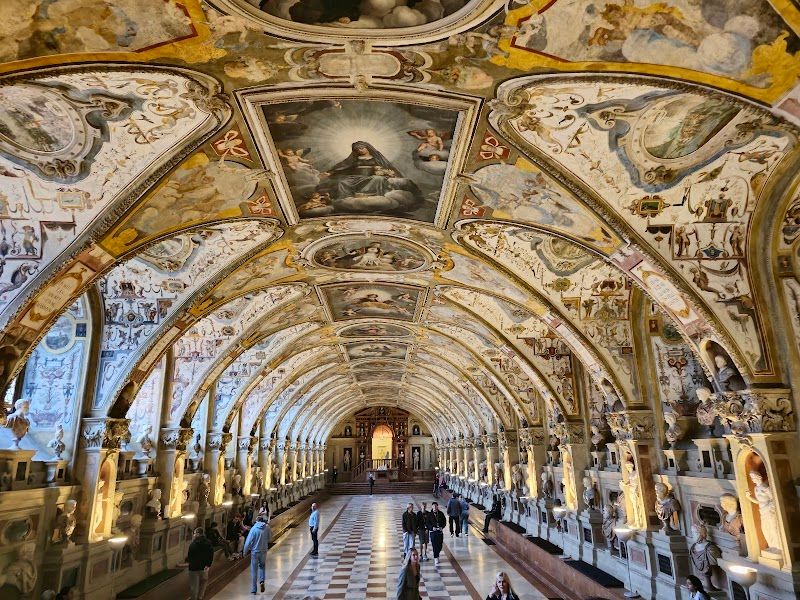
The Residenz is Germany's largest urban palace, a sprawling 90,000 square meter complex where Bavaria's Wittelsbach rulers lived for 400 years. You're paying for three separate attractions: the Residenz Museum with 130 opulent state rooms, the Schatzkammer Treasury holding Bavarian crown jewels, and the tiny Cuvilliés Theatre with its jaw-dropping rococo interior. The Antiquarium hall alone justifies the visit, a 66-meter Renaissance gallery that'll make your neck hurt from looking up at the intricate vaulting. Walking through feels like infiltrating a royal soap opera set across ten courtyards and countless gilded rooms. The Treasury sparkles with the famous St. George statuette encrusted with 2,300 gemstones, while the Museum overwhelms with room after room of baroque excess. The Cuvilliés Theatre packs maximum wow factor into minimum space, its gold and red rococo curves photographed more than any interior in Munich. Each section has its own entrance and vibe, from ceremonial grandeur to intimate royal apartments. Most guides won't tell you the combined ticket (EUR 17) isn't always worth it if you're palace-fatigued. Skip the theatre if you're rushed, prioritize the Antiquarium hall and Treasury instead. The Museum needs two full hours, the Treasury 90 minutes maximum. Avoid Sundays when German families pack the narrow rooms. The free Hofgarten courtyard outside makes a perfect breather between paid sections.
Expert guides for every travel style

A practical guide to Munich's museum quarter - what each Pinakothek covers, when to use combo tickets, the Sunday EUR 1 admission, and which museums genuinely repay 2+ hours.
10 min

A practical guide to drinking beer in Munich - the six breweries, the difference between halls and gardens, the tourist-vs-local venues, and how to behave at a shared table.
11 min

Vintage Munich travel posters from the 1920s-1960s showcase Bavaria's unique identity through Oktoberfest imagery, Alpine backdrops, and distinctive German design aesthetics.

Skip the tourist traps and learn the unspoken rules of Munich dining culture, from proper beer hall behavior to finding the restaurants locals keep to themselves.

Munich vs Munchen isn't just spelling - it's the difference between English and German names for Bavaria's capital. Here's why both exist and how to say them correctly.
The S-Bahn (S1 or S8 lines) from Munich Airport to the city center costs EUR 12.8 and takes about 40 minutes, compared to the Lufthansa Airport Bus at EUR 11. While the bus is EUR 1.8 cheaper, the S-Bahn runs more frequently and connects directly to the U-Bahn network. Taxis cost EUR 60-80 and aren't worth it unless you have heavy luggage. Once in the city, get an MVV Day ticket for EUR 8.8 if you're making 3+ trips, or just pay EUR 3.7 per single journey for zones M-1.
Traditional Weisswurst (white sausage) is eaten before noon with sweet mustard, a pretzel, and wheat beer. Find it at traditional restaurants for EUR 8-12. Don't eat the skin - locals suck the sausage out or cut it lengthwise. For cheaper eats, grab Leberkäse sandwiches from stands for EUR 3.5-5.5. At beer halls, a Maß (1-liter beer) costs EUR 11-14. Restaurants expect 5-10% tips, and many still prefer cash over cards.
A realistic daily budget includes EUR 8.8 for transport, EUR 15-25 for meals (bakery breakfast EUR 4-7, lunch EUR 12-18, dinner EUR 18-28), and EUR 15-30 for attractions. Budget travelers can survive on EUR 35-45 daily using hostels (EUR 25-45) and street food. Mid-range travelers should budget EUR 60-80 daily including better hotels (EUR 100-180) and restaurant meals. Always carry some cash - smaller establishments and beer gardens often don't accept cards.
Munich has very low crime rates, and you can walk alone at night in most areas including the Altstadt and Schwabing. The main risks are pickpockets at Marienplatz, the Hauptbahnhof, and crowded U-Bahn stations during rush hour. Don't leave bags unattended at beer gardens or outdoor cafes. Emergency number is 112. Tap water is safe to drink - ask for 'Leitungswasser' at restaurants to avoid paying EUR 1.5-3 for bottled water.
While many Munich locals speak English, especially in tourist areas, using basic German gets you better service and prices. Learn 'Grüß Gott' (hello), 'Bitte' (please), 'Danke' (thanks), and 'Entschuldigung' (excuse me). At beer halls, say 'Ein Maß Augustiner, bitte' for a 1-liter beer. Restaurant menus are often only in German - learn 'Schweinebraten' (roast pork), 'Schnitzel' (breaded cutlet), and 'Sauerbraten' (pot roast). Germans are direct in communication style - don't take bluntness personally.
3 full days covers the essentials without rushing: one for the old town (Marienplatz + glockenspiel + Frauenkirche + Viktualienmarkt + Hofbräuhaus), one for Maxvorstadt museums (Alte Pinakothek minimum, Neue Pinakothek if open, plus walking the museum quarter), and one for the Englischer Garten + Schwabing + Eisbach surfers. 4-5 days adds Olympiapark + BMW Welt and Nymphenburg Palace, plus a day trip (Neuschwanstein, Salzburg, or Dachau). Oktoberfest visitors typically lose a day to the Wiesn - plan accordingly.
Oktoberfest 2026 runs September 19 to October 4 (always 16 days ending the first Sunday of October). It is at the Theresienwiese, west of the centre, in 14 large beer tents plus dozens of smaller stands. Attendance is 6+ million. Worth it once if you book accommodation a year ahead, accept that hotel prices triple, and arrive at a tent by 9-10 AM to get a table without a reservation. After noon, all major tents are full. A litre Maß is EUR 11-14 at official tents, plus EUR 6-8 tips for service. Family-friendly daytime; rougher after 6 PM. The city is busy but functional - museums are quieter as locals stay away from the centre.
The MVV transit network covers everything: 8 U-Bahn (subway) lines, 12 S-Bahn (suburban rail) lines, trams, and buses. Single ride EUR 3.7 (zone M, the city), day pass EUR 8.8, weekly IsarCard EUR 18. Buy at any blue MVV ticket machine; validate before boarding (S-Bahn / U-Bahn at the platform entrance). The old town is small enough to walk - Marienplatz to Hofbräuhaus is 5 minutes. Bicycles everywhere; flat city. Taxis EUR 4 starting + EUR 2/km. Munich Airport (MUC) connects via S-Bahn line 1 or 8 (40 min, EUR 12.8) or the Lufthansa Express Bus (40 min, EUR 11).
For first-time visitors: Altstadt (the old town, walking distance to everything, pricier - Bayerischer Hof, Hotel Torbräu, or Le Méridien). For value: Maxvorstadt or Glockenbachviertel (10-15 min walk to the centre, 20-30% cheaper, more local). Avoid Hauptbahnhof neighborhood (functional but rough at night). Schwabing is good for longer stays and accessing the Englischer Garten. Mid-range hotel double EUR 100-180, boutique hotel double EUR 150-250. Triple-pricing during Oktoberfest (Sept 19 - Oct 4) and Christmas markets (Dec 1 - 24); book a year ahead for Oktoberfest.
Bavarian standards: weisswurst (white veal sausage with sweet mustard and pretzel - eaten before noon by tradition; not negotiable, EUR 8-12), schweinshaxe (pork knuckle, EUR 18-25 a half), Wiener schnitzel (EUR 18-26), obatzda (cheese spread, beer garden classic), kaiserschmarrn (shredded sweet pancake dessert, EUR 8-12). Beer halls and gardens: Hofbräuhaus (touristy but real, the original), Augustiner Bräustuben (the locals' choice for Augustiner beer), Chinesischer Turm (the giant beer garden in the Englischer Garten, family standard, you can BYO food). Pretzel from a Brezenbar in the morning EUR 1.50-2.50. Beer half-litre EUR 4.50-6 at a garden, full litre Maß EUR 11-14 at Hofbräuhaus.
May to July and September are the prime windows: 18-26°C, dry, beer gardens fully open, Englischer Garten lively, day trips to the Alps doable. August is hot (28-32°C) and the city empties out for vacation. Oktoberfest (mid-September to early October) is its own thing - book accommodation a year ahead; expect crowds and tripled hotel prices. Christmas markets (late November to 24 December, mainly at Marienplatz + Rindermarkt + Residenz) are beautiful and the second peak - cold (-2 to 5°C), very atmospheric. January-February is the genuine off-season: cheap, quiet, and museum-friendly weather.