Munich · Maxvorstadt (Museum Quarter)

Löwenbräukeller

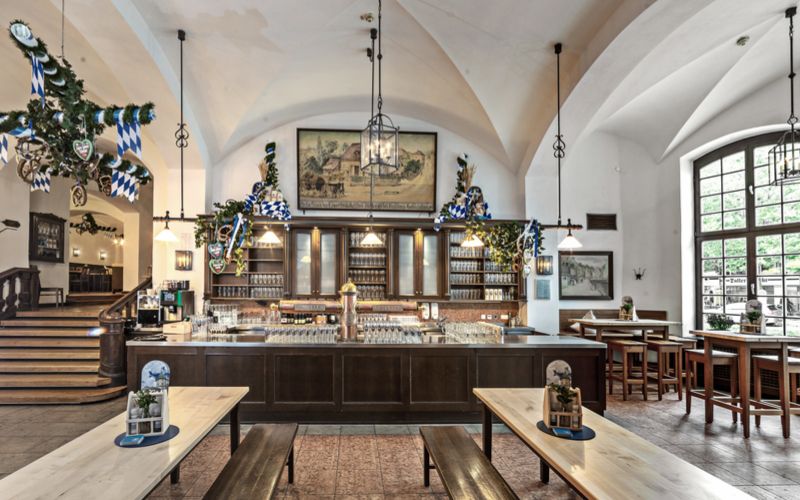
Löwenbräukeller is Munich's best traditional beer hall if you want authentic atmosphere without fighting hordes of tourists.
Löwenbräukeller, Munich · Maxvorstadt (Museum Quarter)
Category
Nightlife
Duration
2 hours
Best Time
Evening
Entry
€€
Rating
4.5 (9,499)
The place

About Löwenbräukeller

Löwenbräukeller is Munich's best traditional beer hall if you want authentic atmosphere without fighting hordes of tourists. This massive venue at Stiglmaierplatz seats 1,200 people under soaring vaulted ceilings, with long wooden tables where locals actually outnumber visitors most nights. You'll get proper Löwenbräu beer (EUR 9.50 for a Maß), classic Bavarian dishes like Schweinsbraten and Schweinshaxe, and live brass bands creating that quintessential oompah energy.

The experience feels genuinely Bavarian from the moment you walk into the cavernous main hall. Servers in traditional dress navigate between packed tables carrying multiple Maß steins, while the brass band gets everyone swaying and singing along. The acoustics make conversations lively but not overwhelming, and you'll find yourself sharing tables with Munich families and workers unwinding after long days. The food is hearty and well executed, not just beer hall filler.

This place delivers what Hofbräuhaus promises but can't because of tourist chaos. Weeknight visits give you the full experience with manageable crowds, while weekends require reservations and patience. The band plays Tuesday through Thursday starting around 7pm, which is peak energy time. Skip the tourist trap halls and come here for beer hall culture that feels real rather than performed.

Book ahead

Book Tickets

Live availability and skip-the-line options from our booking partners.

Search on Viator →Search on GetYourGuide →

Booking powered by our partners. DAIZ may earn a commission.
The details

Practical bits

WalkingMinimal walking
The place

Getting there

Address
Stiglmaierplatz, Nymphenburger Str. 2, 80335 München, Germany
Neighborhood
Maxvorstadt (Museum Quarter)
View on Google Maps →
Good to know

Tips, answered

Arrive by 6:30pm on band nights (Tuesday to Thursday) to grab a good table before the 7pm music starts and energy peaks

Order the half Hendl with potato salad instead of the heavy pork dishes if you want something filling but not overwhelming

Sit in the main vaulted hall rather than the side rooms where you'll miss the brass band and authentic atmosphere

Plan for about 2 hours. Evening visits offer a different atmosphere with softer light.

Löwenbräukeller is in the Maxvorstadt (Museum Quarter) neighborhood of Munich. The address is Stiglmaierplatz, Nymphenburger Str. 2, 80335 München, Germany. The area is well-served by metro.

Evening visits offer a unique atmosphere. The light is softer, crowds thin out, and the experience feels more intimate.

Around the corner

Nearby in Maxvorstadt (Museum Quarter)

Explore all →
Königsplatz
Landmark

Königsplatz

Königsplatz is Ludwig I's answer to Athens' Acropolis, a perfectly proportioned neoclassical square built in the 1820s that puts most European royal squares to shame. You're looking at three major buildings: the Glyptothek (ancient sculptures), the Antikensammlungen (Greek and Roman artifacts), and the imposing Propylaea gate with its Doric columns that frames the entire western end. The square itself is free to wander, though museum admission runs about 6 EUR each. Walking into Königsplatz feels like stepping onto a film set of ancient Greece, except everything's pristinely maintained German-style. The massive stone plaza stretches between the museums with geometric precision, while locals sprawl on the surrounding grass areas reading books or having lunch. The Propylaea gate dominates your view as you approach from the east, its columns creating dramatic shadows that shift throughout the day. You'll hear more German than English here, which tells you something about how tourists miss this place. Most guides oversell the museums unless you're genuinely into ancient artifacts. The square's real appeal is architectural, best appreciated by walking the full perimeter and sitting on the steps for perspective. Skip both museums if you're pressed for time and budget, the exterior views deliver 80% of the experience. Come mid-morning when the light hits the Propylaea perfectly and before the afternoon tour groups arrive.

30 minutesExplore
Alte Pinakothek
Museum

Alte Pinakothek

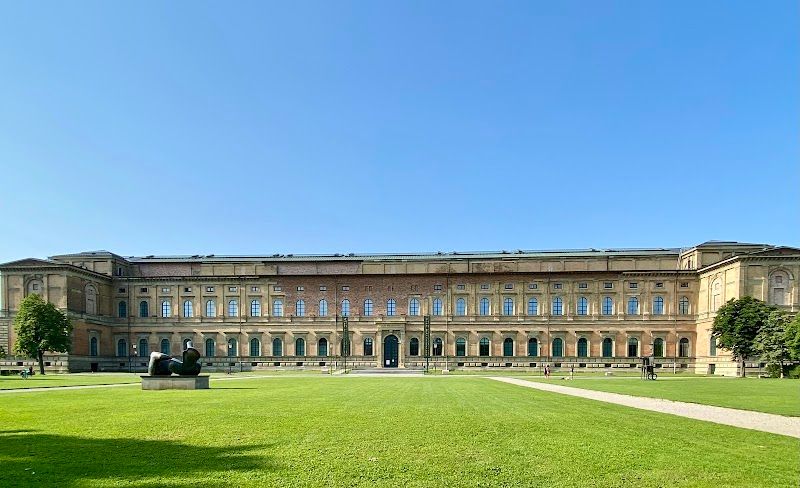
The Alte Pinakothek houses one of Europe's finest old master collections in a restored 19th-century building that pioneered the concept of public art museums. You'll find over 700 paintings spanning four centuries, with the world's second-largest Rubens collection (including his massive 6-meter Great Last Judgment), exceptional Dürer works, and comprehensive Dutch Golden Age pieces. The building itself tells a story: bombed sections were deliberately rebuilt in plain brick during 1950s restoration, creating a striking contrast with the original ornate facades. Walking through feels like a chronological journey through European painting mastery. The German Renaissance rooms showcase Dürer's penetrating self-portraits and Cranach's court paintings, while the Flemish galleries explode with Rubens' dynamic compositions and Van Dyck's elegant portraits. The Dutch rooms offer intimate Rembrandt portraits and Ruisdael landscapes. The building's war-damaged sections, now rebuilt in simple brick, create an unexpectedly moving backdrop to these timeless works. Most visitors underestimate how much time they need here. Three hours minimum if you're serious about art, though you could easily spend a full day. Skip the Spanish section if you're pressed for time, it's decent but not the main draw. Sundays cost only EUR 1 but expect crowds, weekday mornings are ideal. The audio guide at EUR 4.50 is genuinely excellent, especially for the Rubens rooms where the historical context transforms your understanding.

2-3 hoursExplore
Pinakothek der Moderne
Museum

Pinakothek der Moderne

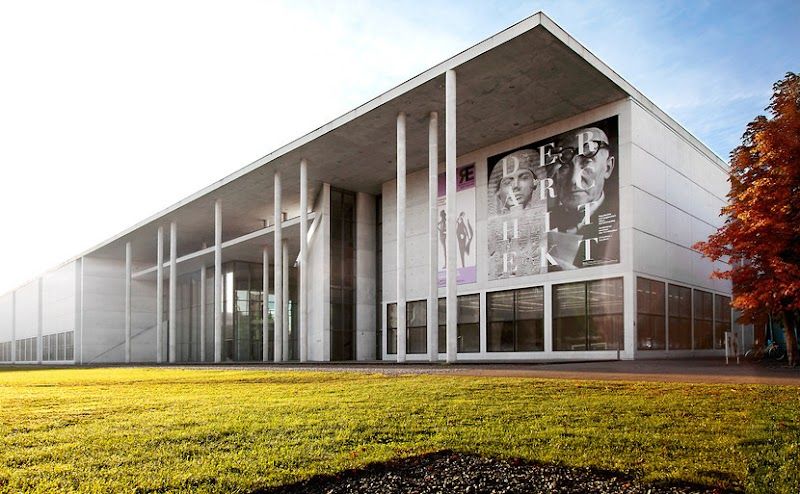
The Pinakothek der Moderne houses four distinct collections under Stephan Braunfels' concrete and glass roof: 20th century art (Picasso, Klee, German Expressionists), design (Bauhaus furniture, Eames chairs, early Apple computers), architecture (original drawings and models), and rotating graphic arts exhibitions. You'll spend most of your time with paintings and sculptures on the upper floors, but the design collection on the ground level consistently surprises visitors who came expecting only fine art. The building itself feels spacious and bright, with natural light flooding the central rotunda. You enter through the main hall where a curved staircase spirals upward toward the art galleries. The flow works well: start upstairs with classics like Kandinsky and Picasso, then work down to the design floor where you'll find everything from 1920s Bauhaus prototypes to the evolution of the computer mouse. Tuesday evenings after 6 PM offer the quietest experience, when most tour groups have departed. The architecture section appeals mainly to specialists, but Le Corbusier's original sketches are genuinely fascinating. Most visitors underestimate how engaging the design collection becomes. Skip the architecture section unless you're genuinely interested in technical drawings, and don't feel obligated to see every painting upstairs. At EUR 10 (just EUR 1 on Sundays), it's reasonable value, though the Alte Pinakothek next door offers more masterpieces per euro. Plan two hours if you want to see everything properly.

2 hoursExplore
Lenbachhaus
Museum

Lenbachhaus

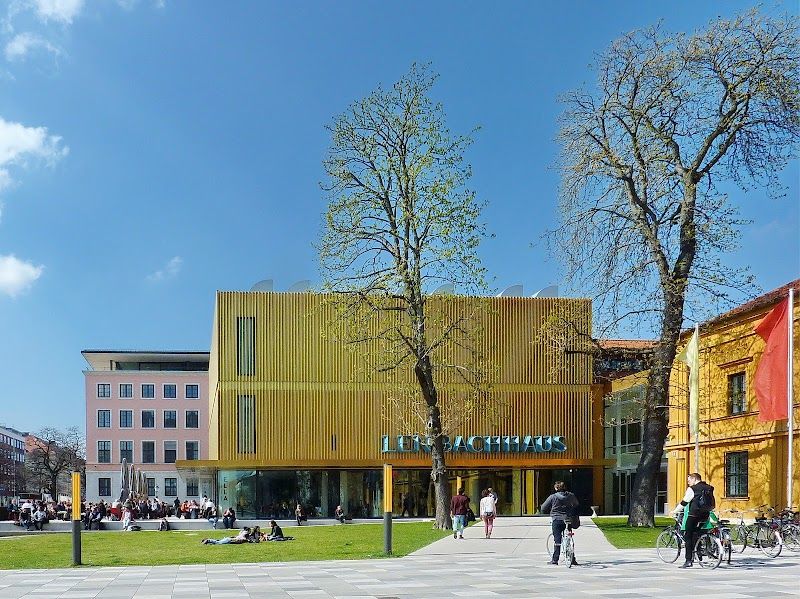
This golden Tuscan villa houses the world's finest collection of Blaue Reiter artworks, the revolutionary Munich art movement that changed modern painting forever. You'll see Kandinsky's explosive color experiments, Franz Marc's mystical blue horses, Gabriele Münter's bold portraits, and Paul Klee's whimsical abstractions spread across 50 rooms. The collection chronicles how Munich became the epicenter of early modernism, with works spanning from 1900 to 1920 when these artists were literally inventing new ways to paint. The experience flows beautifully from the original villa's intimate rooms into Foster + Partners' sleek contemporary annex. Each gallery feels deliberately curated, not overwhelming like many major museums. The lighting is exceptional, especially for Kandinsky's later abstractions where you can see individual brushstrokes. You'll spend most of your time in quiet contemplation since this isn't a tourist magnet like the Pinakotheks nearby. The glass atrium connecting old and new architecture creates a perfect pause between sections. Most guides don't mention that the contemporary art in the new wing is hit or miss compared to the guaranteed masterpieces in the villa. Skip the temporary exhibitions unless you're specifically interested, they're often overpriced add ons. The EUR 10 admission is genuinely good value for what you see. Sunday's EUR 1 entry is Munich's best museum bargain, just arrive early since locals know this secret too.

2 hoursExplore
NS-Dokumentationszentrum München
Museum

NS-Dokumentationszentrum München

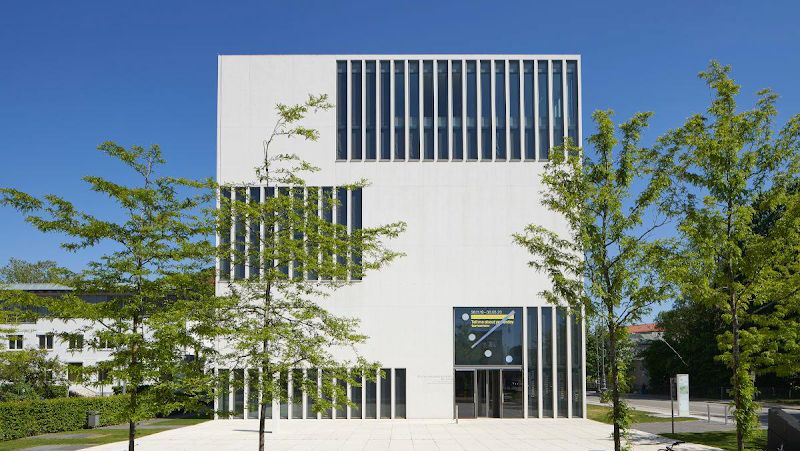
This stark white cube houses Germany's most unflinching examination of how Munich became the birthplace of the Nazi movement. Four floors of original documents, photographs, and film footage trace the path from Hitler's failed 1923 Beer Hall Putsch to the city becoming the party's headquarters. You'll see propaganda posters, personal letters from perpetrators, and harrowing testimony from survivors across 34 themed rooms. The experience feels deliberately clinical and overwhelming in the best possible way. Each floor builds chronologically, starting with Munich's post-WWI chaos and ending with liberation and aftermath. The exhibits don't shy away from showing ordinary citizens' complicity, with voting maps and membership records that make clear how widespread support became. Audio testimonies play throughout, creating an atmosphere that's respectfully somber without being exploitative. Most visitors rush through the early floors, but the first two rooms explaining Munich's specific role are crucial context for everything that follows. The EUR 5 admission is almost insultingly cheap for this quality of curation. Skip the gift shop entirely, but don't miss the small memorial room on the ground floor that most people walk past. Plan at least two hours, though you could easily spend half a day here.

2 hoursExplore
Museum Brandhorst
Museum

Museum Brandhorst

Museum Brandhorst houses Europe's most impressive collection of contemporary art inside a building wrapped in 36,000 multicolored ceramic tubes that shift from blue to green depending on your angle. You're here for the Cy Twombly collection, particularly the 12 massive Lepanto paintings that fill an entire room on the top floor, plus significant works by Warhol, Koons, and Damien Hirst. The building itself, designed by Sauerbruch Hutton, is as much an artwork as what's inside. The visit flows upward through three floors, starting with rotating exhibitions on the ground level before ascending to the permanent collection. The Twombly room on the top floor is the clear highlight: massive canvases depicting the 1571 naval battle create an immersive experience that feels more like standing inside a painting than viewing one. The space gets natural light that transforms the works throughout the day, while other galleries showcase everything from Warhol's screen prints to Jeff Koons' reflective sculptures. Most guides don't mention that Sunday admission drops to just €1 instead of the usual €7, making it Munich's best museum bargain. Skip the ground floor temporary exhibitions unless something specific draws you, they're often less compelling than the permanent collection upstairs. The museum is compact enough to see everything worthwhile in 90 minutes, but give yourself extra time in the Twombly room where most visitors rush through too quickly.

1.5 hoursExplore
More on Munich

From the blog

View all →
Ready for Munich?

Let DAIZ plan your Munich days

Tell us how long you've got and what you're into. We'll build a day-by-day plan, with the bookable bits ready to lock in.

Plan my Munich tripFree · no signup to start
Plan your Munich trip