Five days in Mallorca is enough time to see the island properly, but only if you plan the geography right. Most people lose two days backtracking because they booked a hotel in Palma and tried to day-trip everywhere. This mallorca itinerary 5 days is built around a logical loop: start in Palma, move northwest through the mountains, push up to the north coast, swing down the east, and finish at the south beaches before flying out. You will cover the island's five genuinely distinct characters without spending half your holiday in a rental car going back the way you came.
If you have more time available, the 7-day version of this route adds the interior and the southwest coast. For first-timers who want broader context before committing to a day plan, the first-timer's guide to Mallorca covers logistics and expectations in detail.
Day 1: Palma - Give the City More Time Than You Think It Deserves
Palma is where almost every visitor lands, and almost every visitor underestimates it. The old city behind the waterfront is a proper medieval quarter with Arab baths, Gothic churches, and a 14th-century palace that most people walk past without going in.
Morning: Cathedral, Almudaina, and the Old Quarter
Start at La Seu, the cathedral on the waterfront. Entrance costs EUR 8. The Gaudi interior renovation is the draw for architecture people, but the proportions of the nave, particularly the height of the central columns, are what actually stop you short. Go early, around 9:00-9:30, before the tour groups arrive.
Next door, the Palau Reial de l'Almudaina costs EUR 7 (free for EU citizens under 18 or over 65) and takes about 45 minutes. The views from the upper terrace over the bay are better than anything you will get from the cathedral.
From there, walk north into the old quarter. The Arab baths on Carrer de Can Serra are worth the EUR 2.50 entry, not because they are spectacular but because they are genuinely 10th-century and remarkably intact. Spend 20 minutes, then continue north to Plaça de Santa Eulàlia.
Midday: Mercat de l'Olivar and Lunch
Mercat de l'Olivar on Plaça de l'Olivar is the city's best food market. Entry is free; the money goes on what you eat. The fish hall is serious, the charcuterie stalls carry sobrassada and cured meats worth taking home, and the upstairs tapas bars do a serviceable menú del día for EUR 12-18. This is also a good place to assemble a lunch from market stalls if you want to eat outside at Parc de la Mar, which costs nothing and has direct views of the cathedral across the lake.
For coffee and the obligatory ensaimada, Ca'n Joan de S'aigo on Carrer de Can Sanç has been operating since 1700. An ensaimada runs EUR 1.50-4 depending on size. The hot chocolate is thick enough to eat with a spoon.
Afternoon: Bellver Castle and Santa Catalina
Castell de Bellver sits on a pine-covered hill about 3 km west of the old town. Take EMT bus line 46 from Plaça de la Reina (single ticket EUR 2). The castle entrance costs EUR 4, free on Sundays for EU residents. The circular Gothic design is unusual, and the 360-degree view over Palma Bay from the top is the best orientation shot you will get for the whole island.
On the way back, stop in Santa Catalina, the neighbourhood just below the castle. This is where Palma actually eats dinner. The covered market there is free to browse, and the surrounding streets have the highest density of good restaurants per block on the island.
Dinner: Celler Sa Premsa
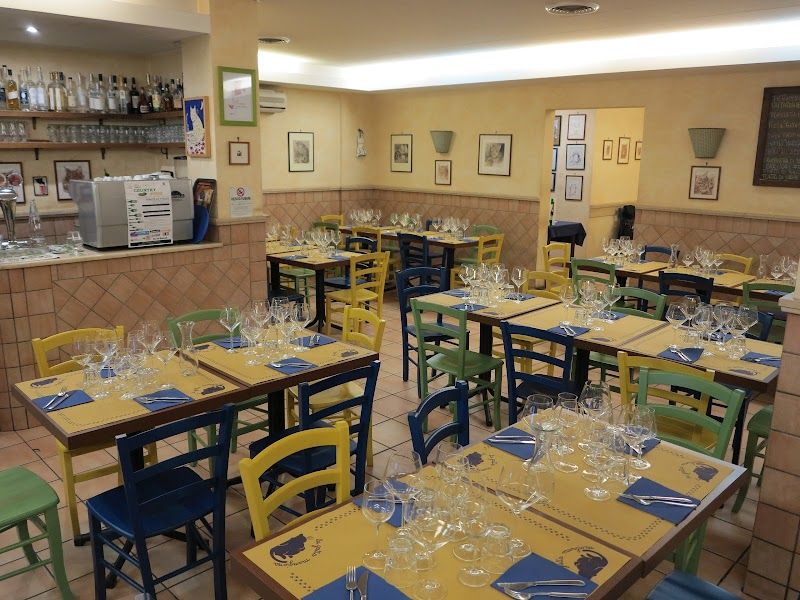
Celler Sa Premsa on Plaça del Bisbe Berenguer de Palou is an institution that resists trendiness. The barrels lining the walls are original, the menu is Mallorcan classics (frito mallorquín, tumbet, roast lamb), and the prices are mid-range. Budget EUR 25-40 for dinner with wine. Book ahead in peak season.
Day 2: Serra de Tramuntana - The Ma-10 Drive and Valldemossa to Deia
Day two belongs entirely to the Serra de Tramuntana. Pick up your rental car this morning if you have not already. Public transport along the Ma-10 is limited and slow; a car is the right call here.
The Ma-10 Route: What to Actually Stop For
The Ma-10 coastal road is one of the best drives in Europe, and that is not hyperbole. It runs the full northwest coast through limestone peaks, terraced olive groves, and cliff-edge villages. The road is narrow in places and demands attention, but the engineering of the route itself is part of the experience.
First stop: Valldemossa. The Real Cartuja monastery is where Chopin and George Sand spent the winter of 1838-39. Entry costs approximately EUR 10-12 (check locally, as this price is not in our verified list). The cells where Chopin worked are preserved and include one of his pianos. The town's coca de patata pastries, sold from almost every bakery on the main street, are worth at least one purchase. They are made with potato in the dough and taste nothing like anything else on the island.
From Valldemossa, continue on the Ma-10 to Son Marroig, the former estate of Archduke Ludwig Salvator, who documented Mallorcan culture in exhaustive detail in the 19th century. The marble rotunda on the cliff edge is the most photographed spot on this stretch of coast, and the view down to the Sa Foradada rock formation earns it.
Deia is the next village and the place where writer Robert Graves lived from the 1930s until his death in 1985. His grave is in the small cemetery above the village. The restaurant scene here is better than the size of the village suggests. For lunch at the water, Ca's Patro March in the cove below Deia (Cala Deia) is the correct answer. It is expensive and requires a reservation, but the setting, in a former fisherman's hut on water that is genuinely that clear, is the kind of meal you came to the island for. Budget EUR 60-100 per person with wine.
Afternoon: Soller and Fornalutx
Continue to Soller, the orange-growing valley town. If you left a car in Palma, the historic wooden train from Palma to Soller is worth doing separately on another day: EUR 32 round trip. But on a driving day, Soller is best as a late afternoon wander. The Plaça de Constitució has a modernist bank that looks out of place in the best way.
Four kilometres uphill from Soller sits Fornalutx, consistently rated one of the most beautiful villages in Spain. The stone houses, the citrus terraces, and the near-total absence of chain tourism make it worth the detour. Walk around for 30 minutes and then drive back to your base.
Base for nights 2-3: Stay in Soller or Deia if budget allows (boutique hotels run EUR 120-250 per night). Soller has more mid-range options at EUR 80-150.
Day 3: Sa Calobra, Lluc, and the North
Morning: Sa Calobra
Sa Calobra is a 14 km descent from the Ma-10 down a road that corkscrews through the mountains to a rocky cove at sea level. The drive alone takes 30 minutes each way and features a 270-degree loop where the road passes under itself. Go before 10:00. After that, the narrow road becomes a bus convoy and the parking fills. The cove itself, and the gorge walk (Torrent de Pareis) that leads to a second beach, justify the chaos. There is no entry fee.
Midday: Monestir de Lluc
Back up the mountain, Monestir de Lluc is Mallorca's spiritual centre: a working monastery in a mountain valley that has been a pilgrimage site since the 13th century. The complex is free to enter and wander; the basilica and the small museum of offerings left by pilgrims over the centuries are both genuinely interesting. The monastery restaurant does a serviceable set lunch.
Afternoon: Pollenca and Cap de Formentor
Drive north to Pollenca. The town itself has a Roman bridge, a Calvary staircase of 365 steps, and a Sunday market (Mercat de Pollença) that is one of the better ones on the island if your visit falls on the right day.
From Pollenca, the road northeast to Cap de Formentor takes you to the northern tip of the island. Note that in summer (June-September), private cars are restricted on this road during peak hours and a shuttle bus operates from Port de Pollença. Check current restrictions before planning. The lighthouse at the end of the cape sits above vertical cliffs dropping into the sea. Platja de Formentor, the beach on the way out, is one of the best on the island: pine-backed, calm water, and significantly less crowded than the southern beaches.
Base for night 3: Pollenca or Port de Pollença. Mid-range hotels here run EUR 80-150.
Day 4: East Coast - Alcudia, Caves, and the Coves
Morning: Alcudia Old Town
Alcudia Old Town is enclosed by medieval walls that are largely intact, which is rare enough to be worth 90 minutes of your time. The Roman ruins of Pollentia are just outside the walls. The Tuesday and Sunday market fills the streets around the walls and is more local-facing than the Pollenca market.
Afternoon: Coves del Drach
Drive south along the east coast to Porto Cristo for the Coves del Drach. Yes, they are touristy. Yes, they are still worth doing. The cave system contains one of the largest underground lakes in the world (Lake Martel), and the boat ride across it, accompanied by live classical music, is genuinely strange and memorable. Entrance costs EUR 16 and includes the concert and boat ride. Book online; the timed entries sell out in peak season.
After the caves, drive the coast road south through Cala Millor and Cala d'Or to your base for the night.
Base for night 4: Cala d'Or or Santanyi. Budget hotels from EUR 45-75; mid-range from EUR 80-150.
Day 5: Southeast and South - Es Trenc and the Drive Back to Palma
Morning: Santanyi and the Southeast
The southeast is where the postcards come from. Santanyi is a honey-coloured stone market town with a Saturday market and a disproportionate number of good galleries and delis for its size. Walk the main street, buy provisions for the beach, and leave by 10:30.
Midday: Es Trenc Beach
Es Trenc is the south coast's best natural beach: 6 km of white sand backed by dunes and protected from development. There are no hotels on the beach, no parasol rentals in the high-season style of the resort coast, and the water is genuinely shallow and clear for a long way out. Entry to the beach is free, though paid parking applies (arrive before 10:00 in summer or walk 15-20 minutes from free parking further back on the road).
For the best overview of Mallorca's beaches beyond Es Trenc, we have a full honest breakdown of what is and isn't worth the drive.
Afternoon: Drive Back to Palma
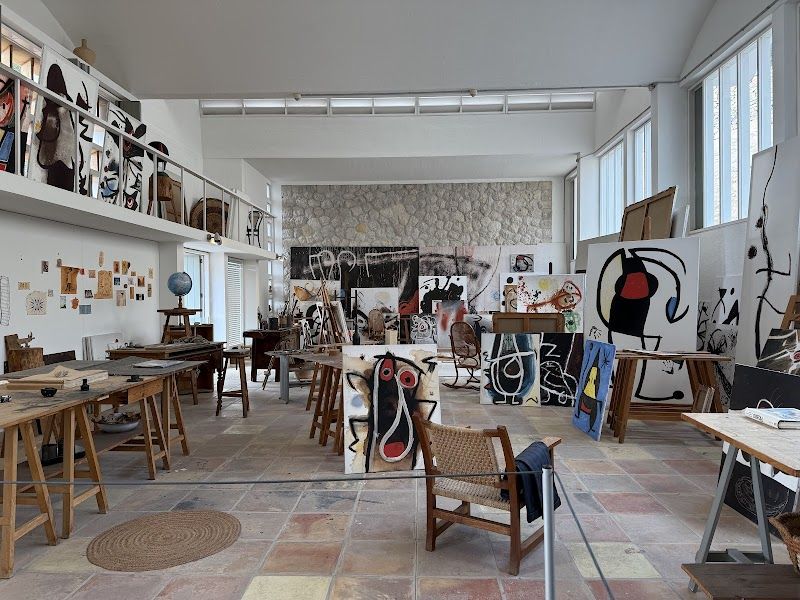
Es Trenc to Palma is about 45 minutes. If your flight is in the evening, the airport bus from Plaça d'Espanya costs EUR 5 and runs every 15 minutes. If you are staying another night in Palma, use the afternoon to hit anything you missed on day one: the Fundació Miró Mallorca in Cala Major (EUR 9, includes gardens) is worth a detour, and Forn des Teatre near the Teatre Principal does the best ensaimada in the city for under EUR 4.
Practical Breakdown for 5 Days in Mallorca
Transport Costs
| Getting Around | Cost |
|---|---|
| Airport bus to Palma centre | EUR 5 |
| EMT urban bus single ticket | EUR 2 |
| TIB intercity bus (varies by distance) | EUR 2.50-8 |
| Car rental (budget, 5 days) | approximately EUR 150-220 |
| Taxi airport to Palma centre | EUR 25-35 |
A rental car is the honest answer for this itinerary. The Serra de Tramuntana and the east coast coves are not practically accessible by public transport in 5 days. Pick up the car on day two after your Palma morning on foot.
Daily Food Budget
| Budget Level | Daily Cost (food only) |
|---|---|
| Budget (market lunches, local bars) | EUR 30-45 |
| Mid-range (menú del día lunches, sit-down dinners) | EUR 55-80 |
| Splurge (one good dinner per day) | EUR 100+ |
The menú del día at EUR 12-18 is the single best value mechanism on the island. Every local restaurant does one at lunch, it is always three courses with a drink, and the quality is consistently higher than you would expect for the price.
What to Skip
The Soller tram from Soller to Port de Soller is fine but not essential if time is tight. The Palma City Sightseeing Bus at EUR 20 for 24 hours makes sense if you have mobility issues or want a broad orientation on day one, but walking the old city is faster and more useful. Skip any day trip marketed as covering the "whole island in one day" - the island is 3,640 square kilometres and cannot be seen from a bus window.
The Honest Verdict on Mallorca in 5 Days
Five days handles Mallorca well if you accept that you are choosing between the island's regions rather than trying to see all of them. This itinerary prioritises the Serra de Tramuntana and the north because those are the parts of the island that justify the trip for anyone who has already done a beach holiday. The east coast and southeast are added because the caves and Es Trenc are genuinely worth the detour. The interior (Es Pla) gets dropped - the Sineu Wednesday market and the Mallorcan countryside are interesting but not essential on a five-day clock.
For families with children, the logistics shift considerably - the Mallorca with kids guide covers which parts of this route work with young travellers and which are better skipped.
The island rewards people who slow down. If you find yourself rushing through Sa Calobra to make the caves by 3pm, cut something. A long lunch in Deia or an extra hour at Es Trenc will serve you better than ticking off one more viewpoint.