Mallorca
A Mediterranean island where the mountains meet the sea, the wine is better than you expect, and the beaches actually look like the photos
About Mallorca
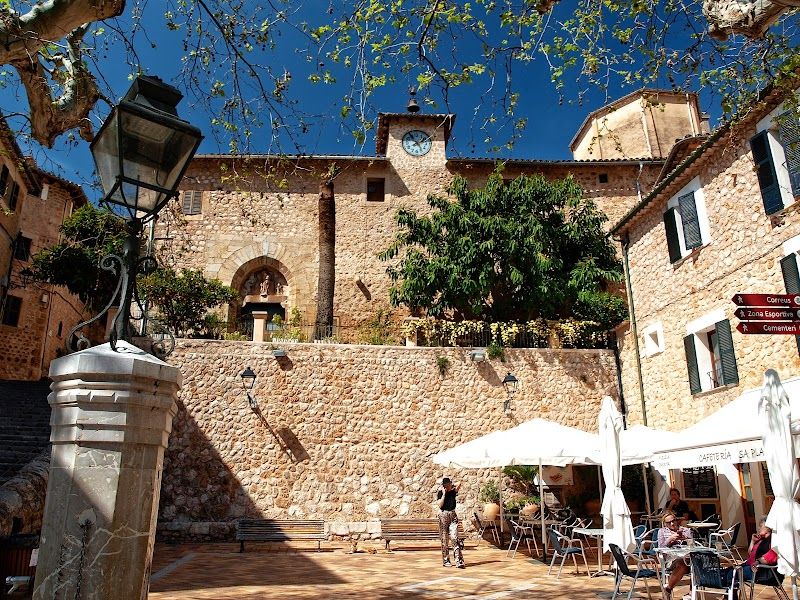
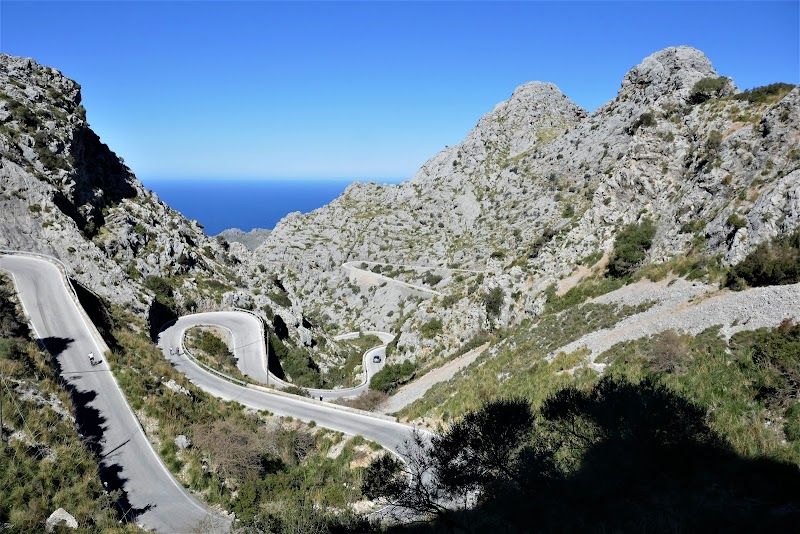
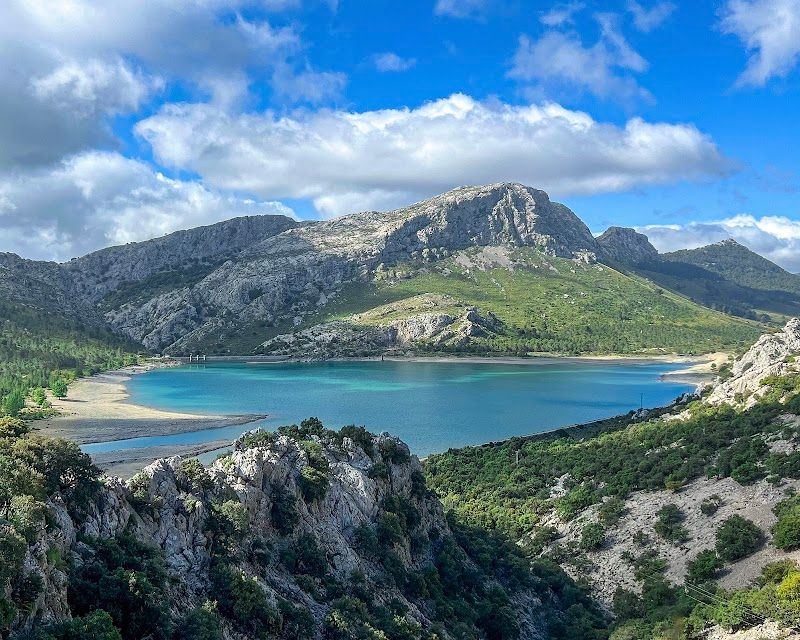
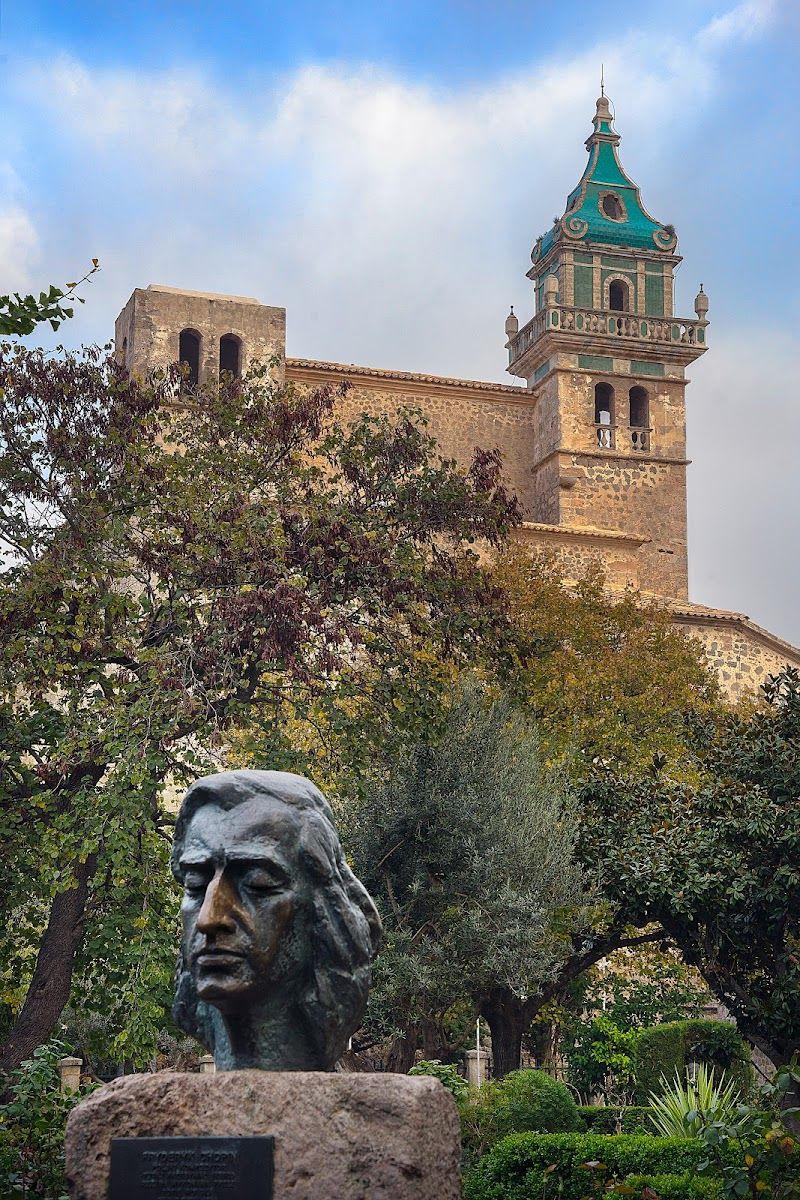
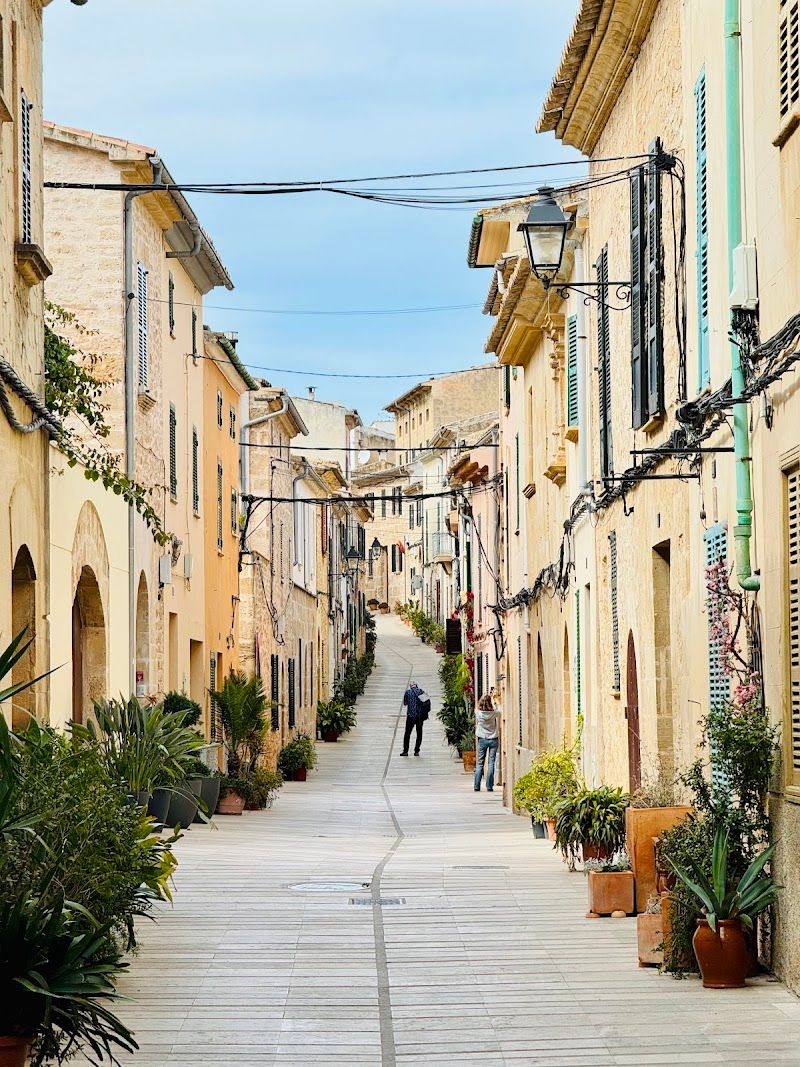
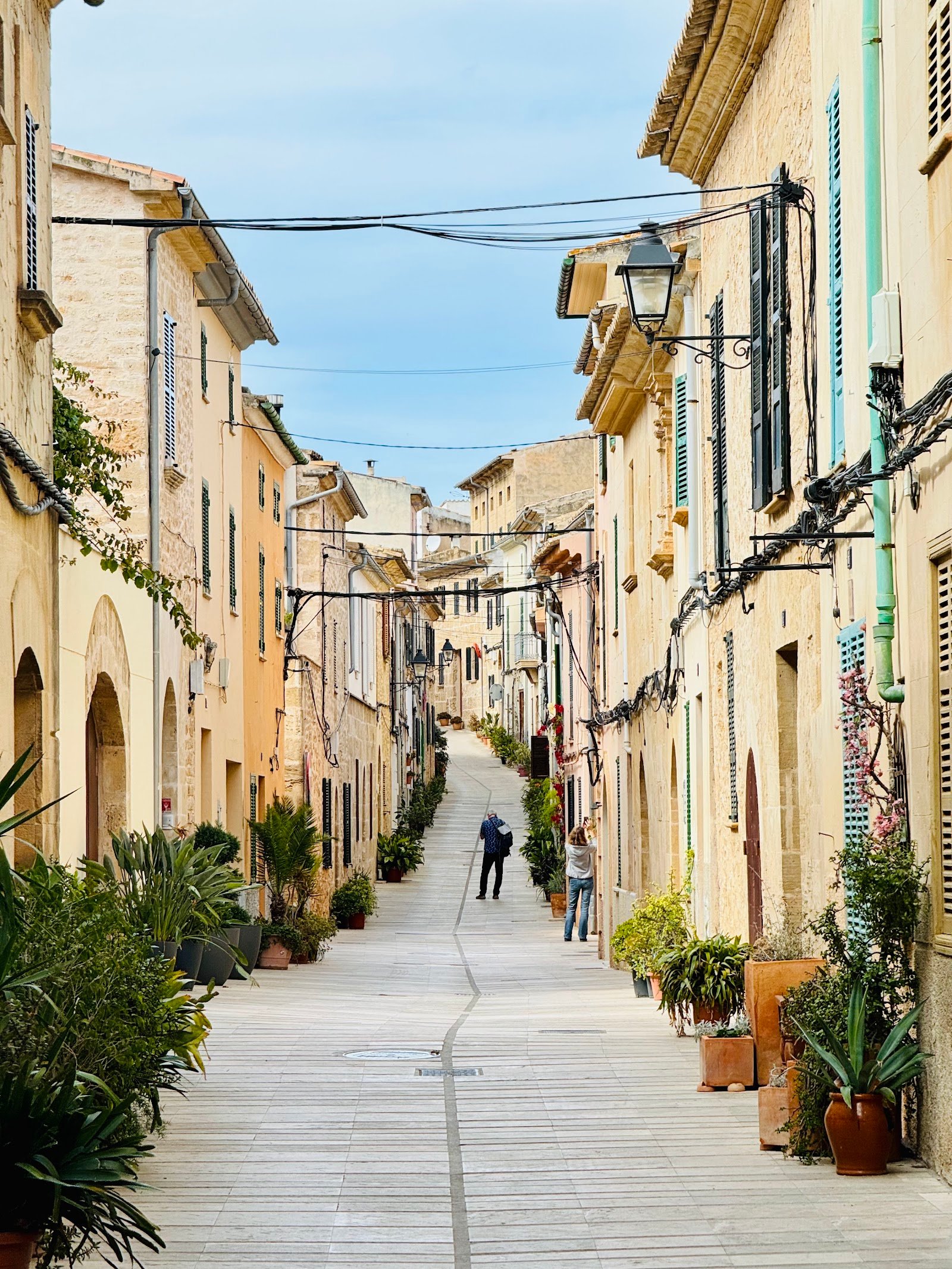
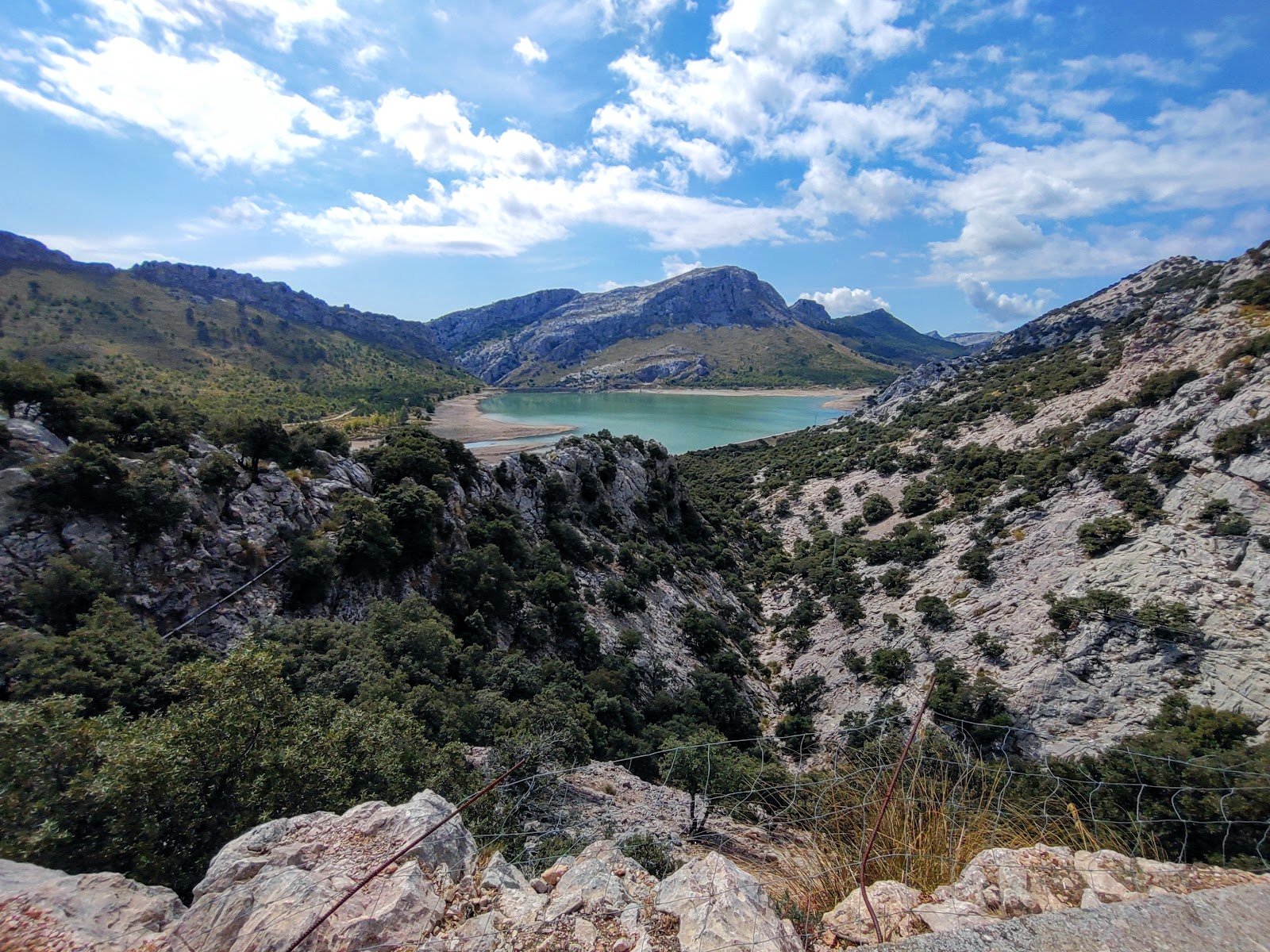
Mallorca is the island that people think they know and do not. The package-holiday reputation is decades out of date. What actually exists: the Serra de Tramuntana, a UNESCO mountain range that runs the entire northwest coast with stone villages clinging to the cliffs, hiking trails through centuries-old olive groves, and a coastal road (Ma-10) that is one of the best drives in Europe. Valldemossa has the monastery where Chopin spent a winter and the coca de patata pastries that the town has been making since before anyone remembers. Deia is the village where Robert Graves lived, the restaurant scene punches well above its weight, and the cove below town has water so clear it looks photoshopped.
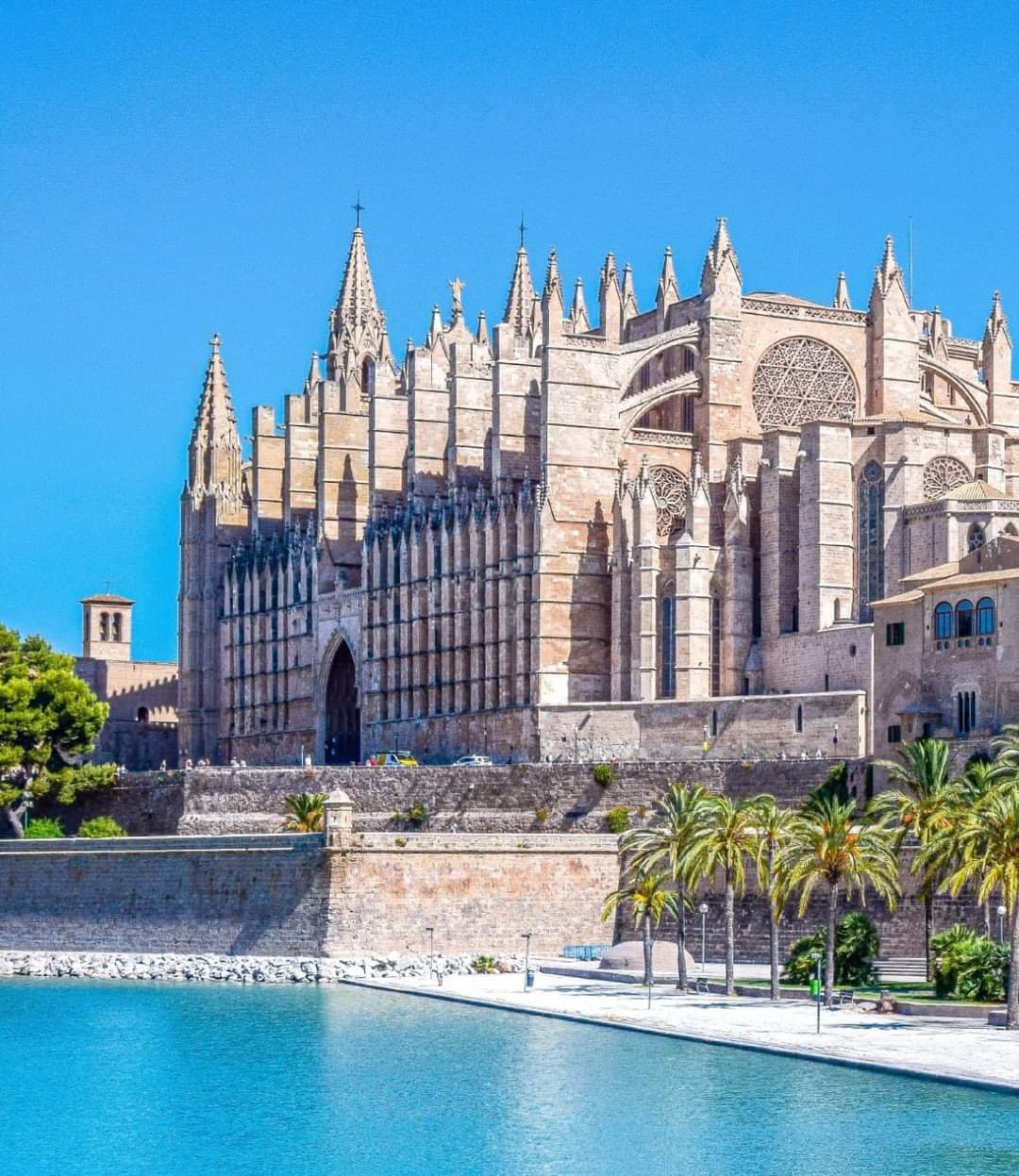
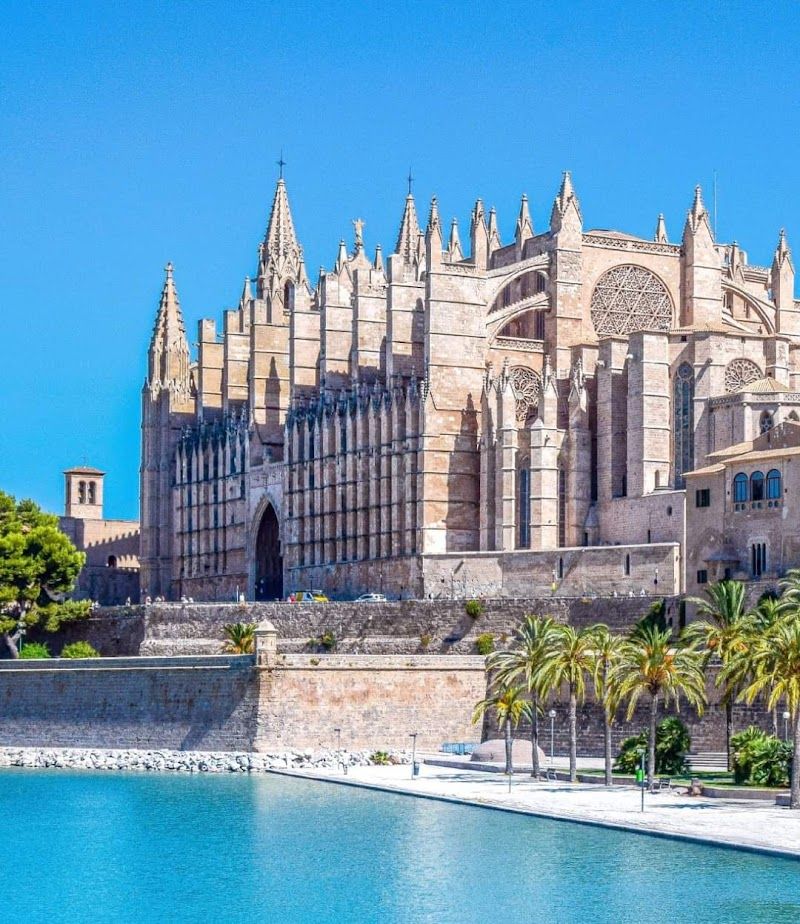
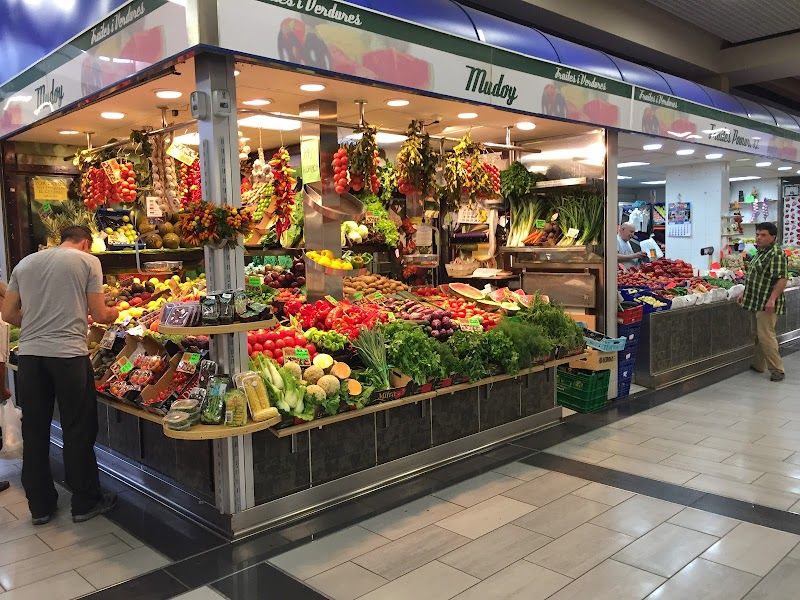
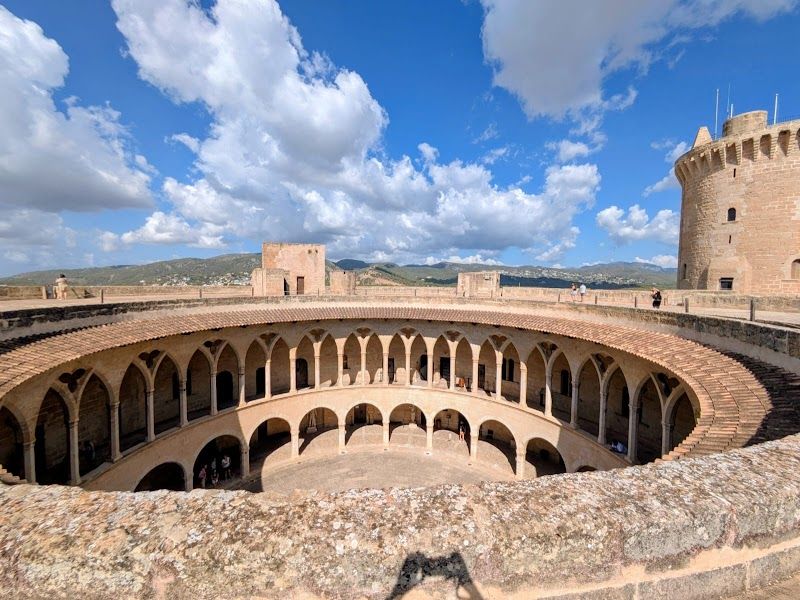
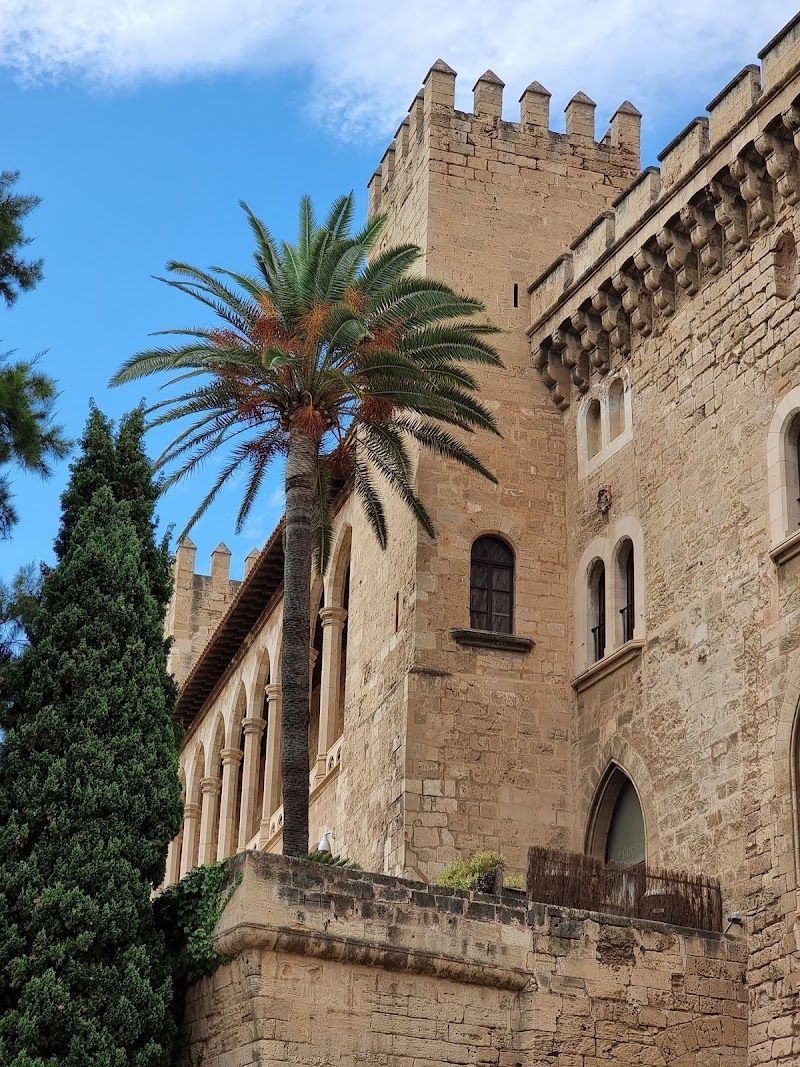
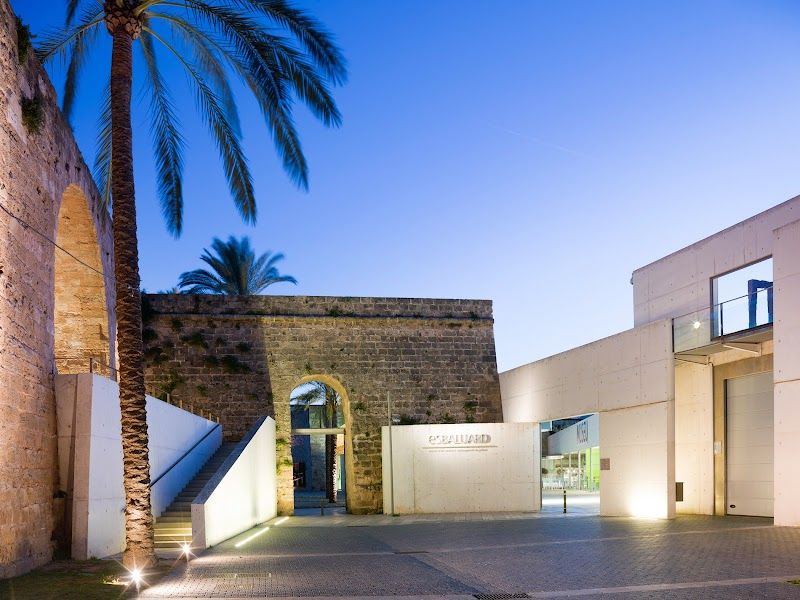
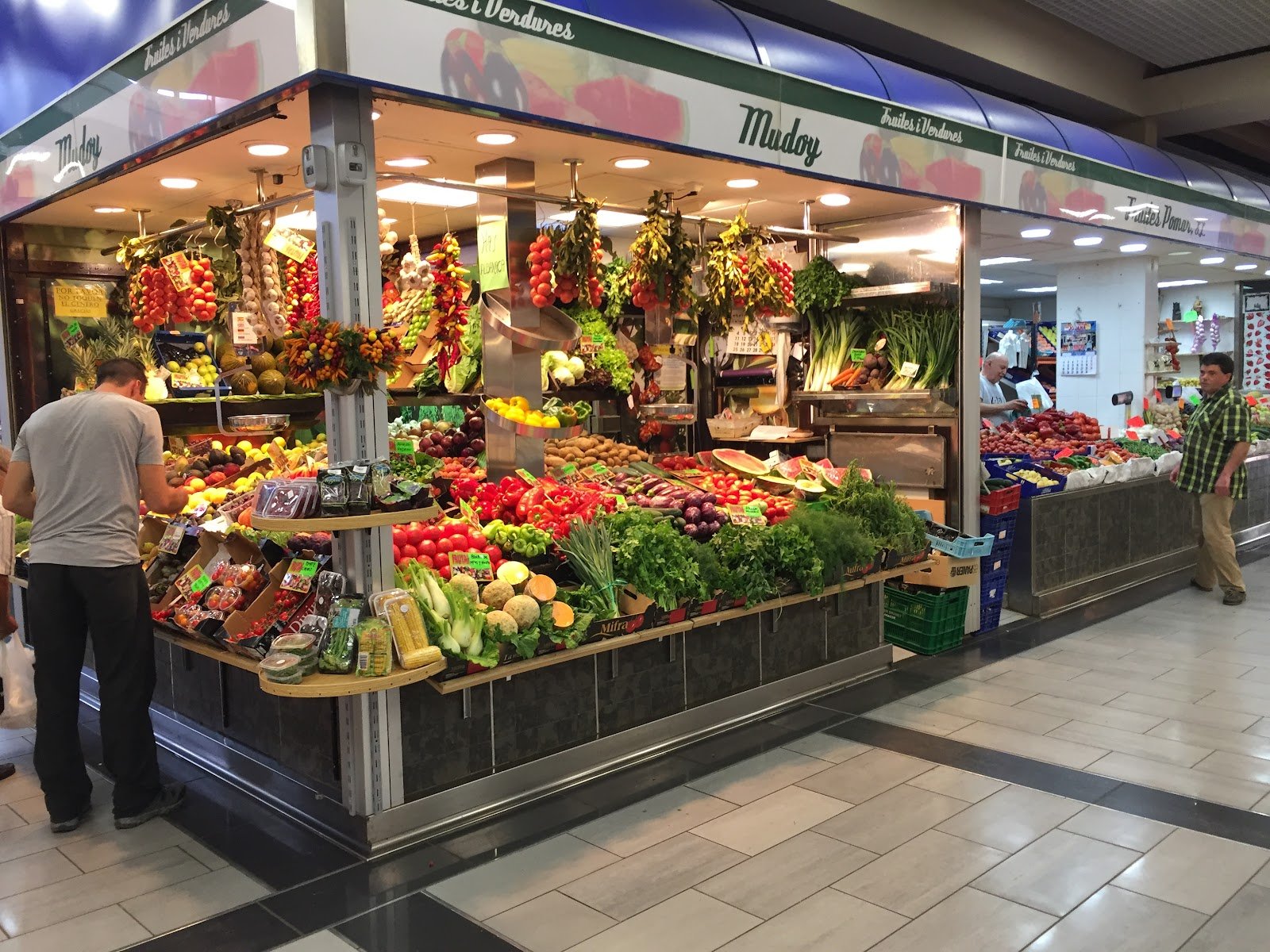
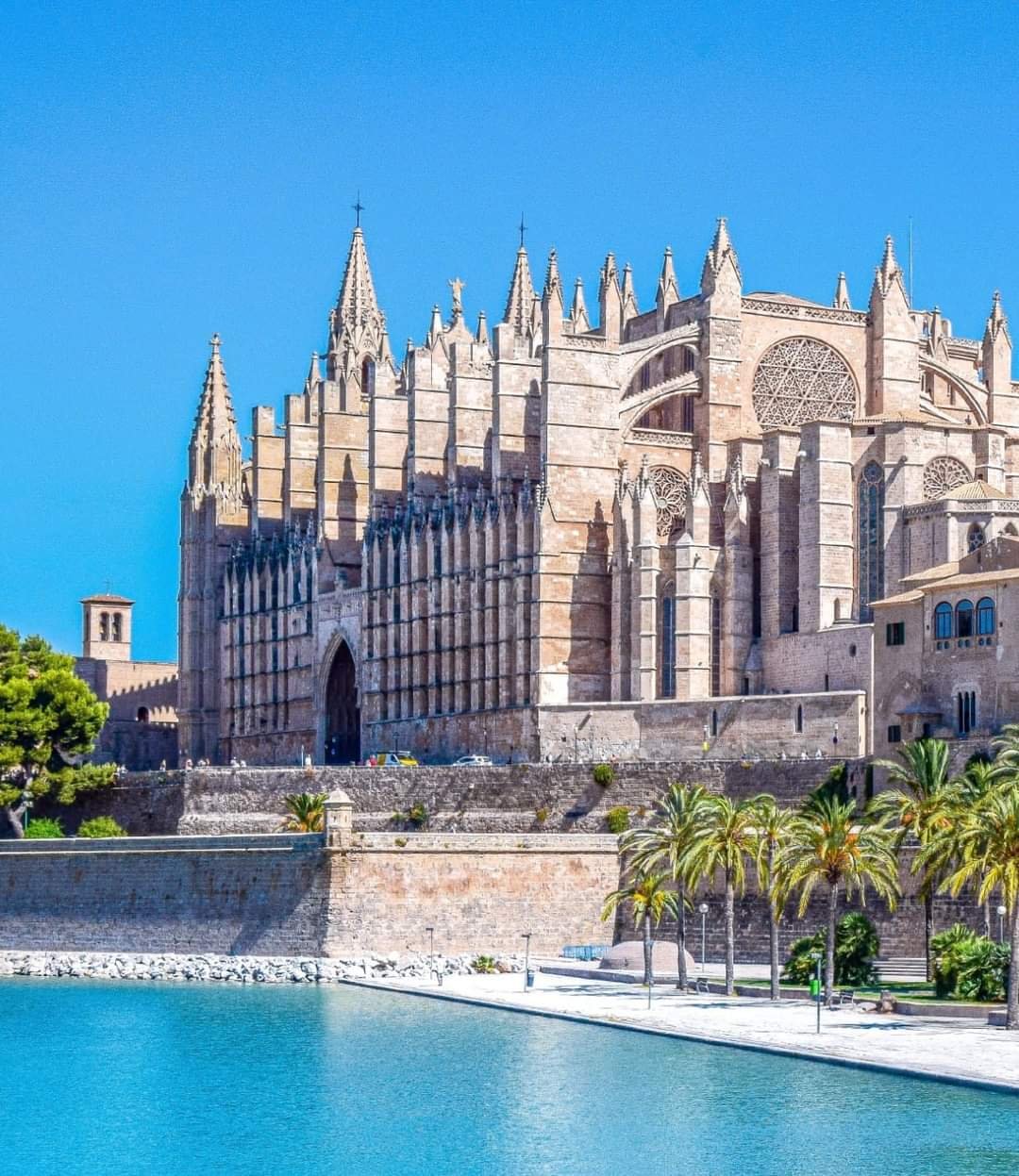
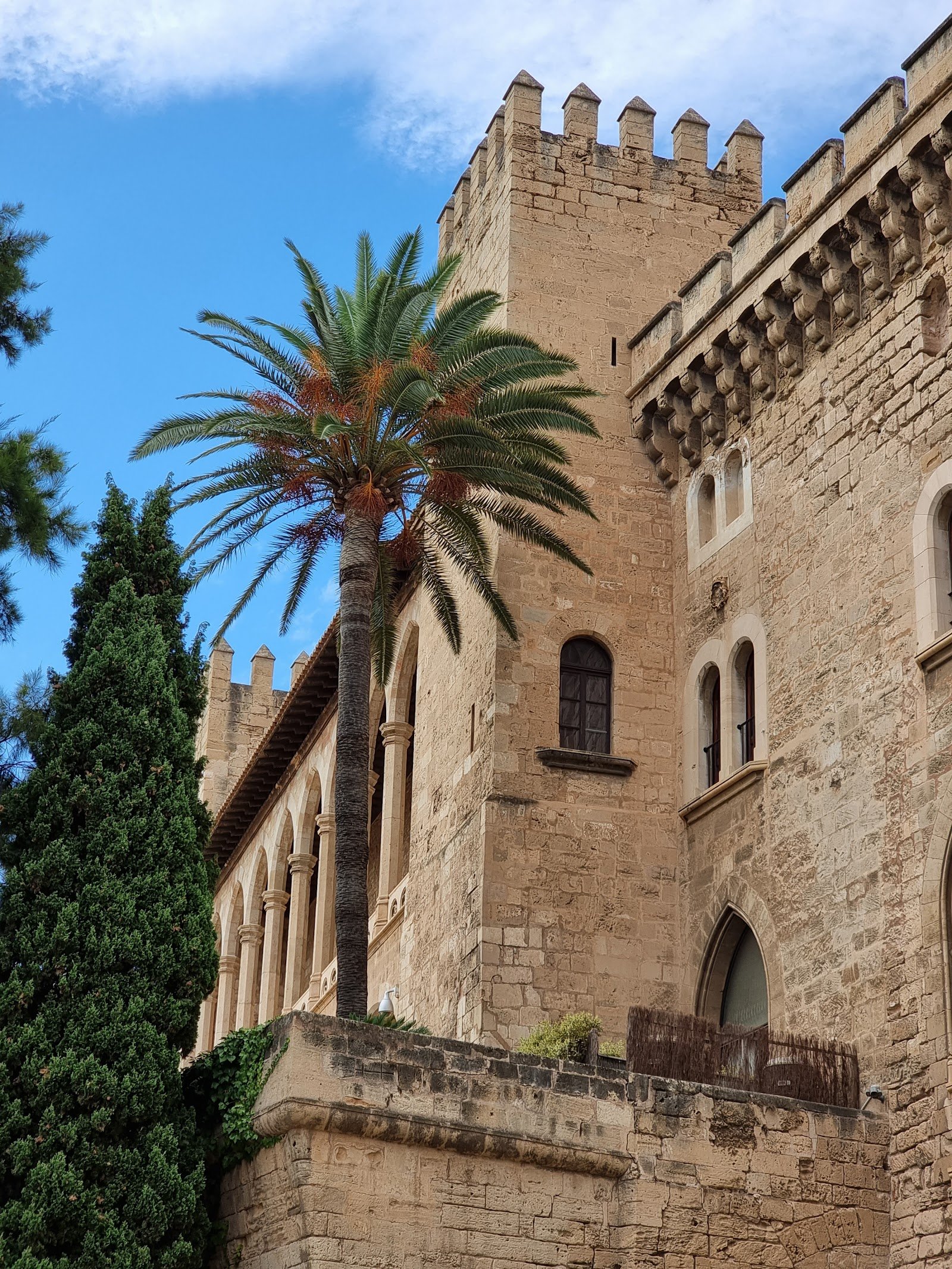
Palma is a proper city, not a resort town. The cathedral (La Seu) sits on the waterfront and the interior, renovated by Gaudi in the early 1900s, is one of the most unexpected architectural experiences in Spain. The old town has narrow streets, converted palace courtyards (patios), and a restaurant and bar scene that would hold its own in Barcelona. Santa Catalina is the neighbourhood where locals actually eat and drink: tapas bars, wine bars, and the Mercat de Santa Catalina (the market that chefs use, not tourists). A proper lunch at a good restaurant in Palma costs EUR 25-40 per person. A coffee is EUR 1.80-2.50.
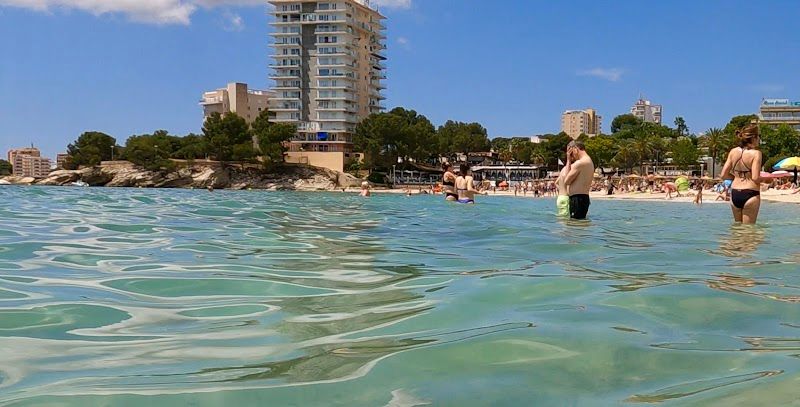
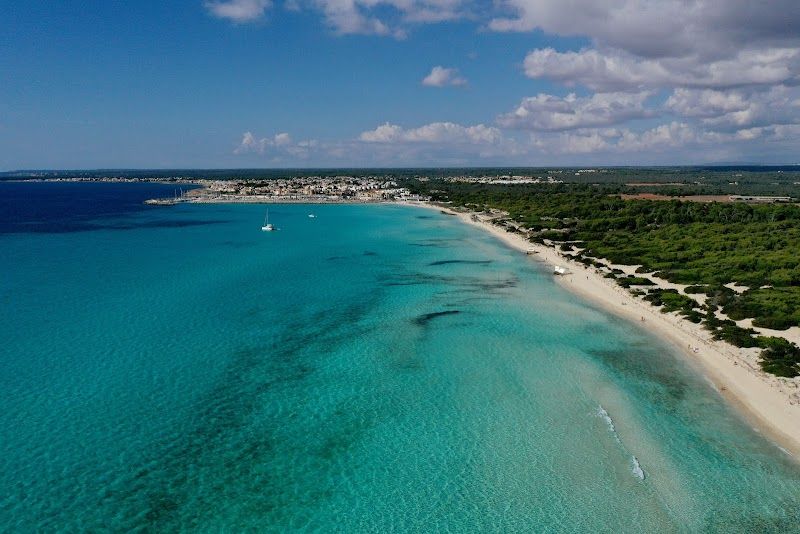
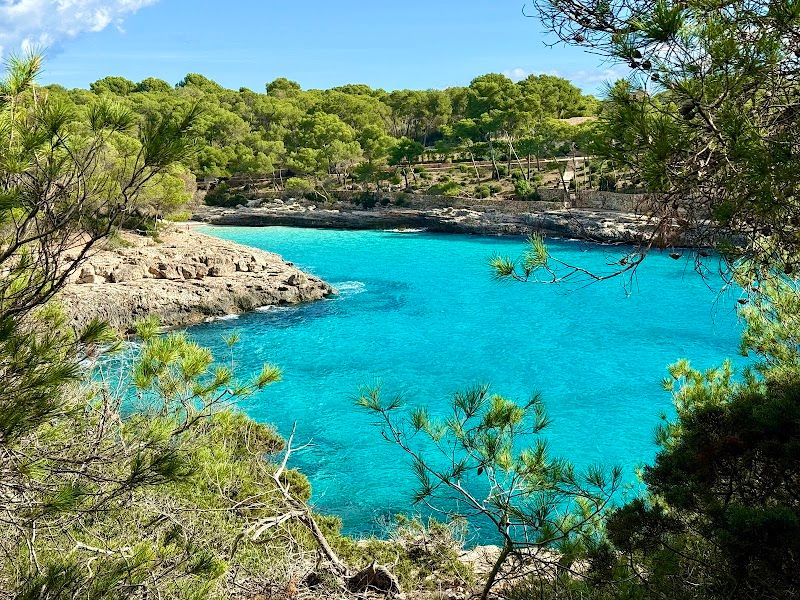
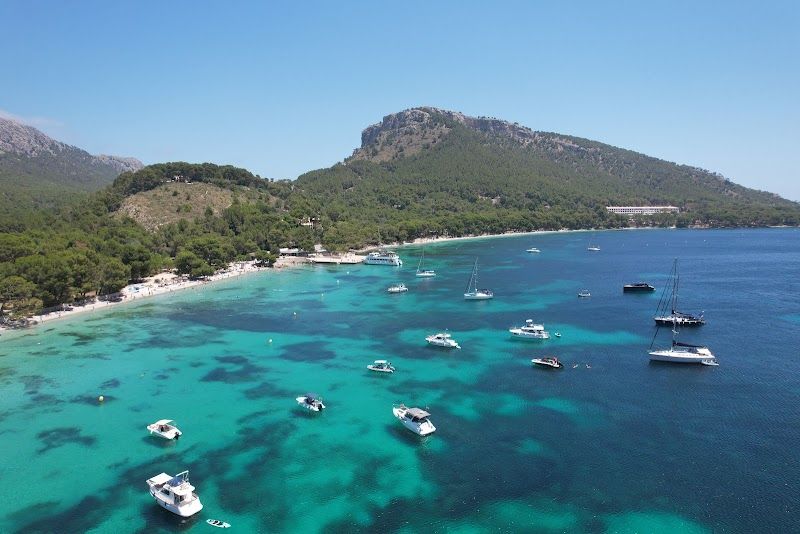
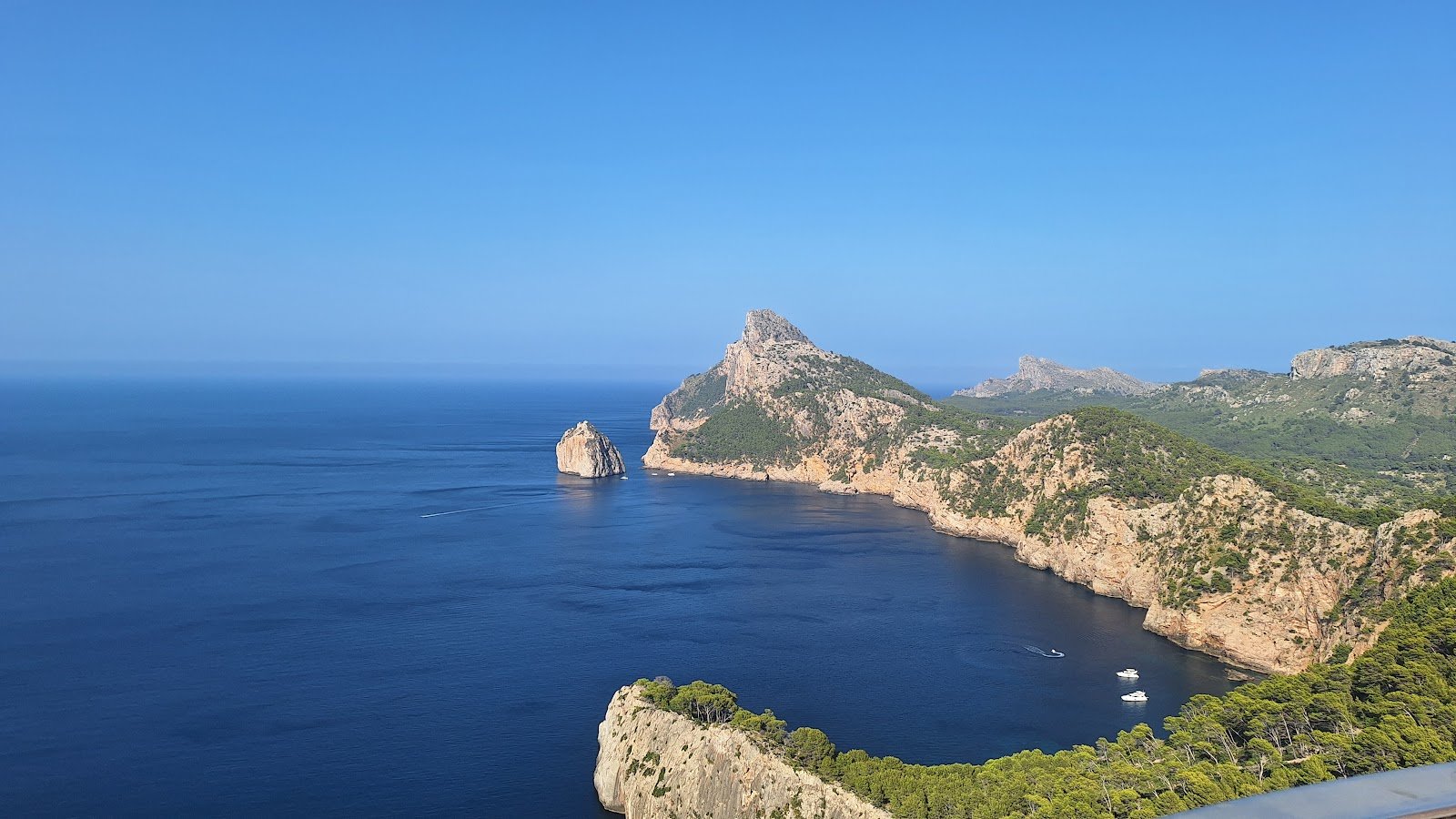
The beaches are the reason most people come, and the best ones are not the long resort strips. Cala Varques is a rocky cove with no facilities and water that glows turquoise. Es Trenc is the longest natural beach on the island (no hotels, just dunes and pine trees, EUR 7 parking). Cala Deia is pebbles, not sand, with a beach bar and the mountains behind. Formentor is a long sandy beach at the tip of a peninsula with pine trees growing down to the waterline.
The interior (Es Pla) is the part that tourists skip entirely: Sineu has the oldest market on the island (every Wednesday since the 13th century), Binissalem is the centre of the Mallorcan wine region (tastings EUR 10-20, the local Manto Negro and Prensal Blanc grapes are genuinely good), and Petra is where Junipero Serra was born before he went to California. Rent a car. You need one. Public transport exists but it is slow and limited outside Palma. A rental costs EUR 25-40 per day and the island is small enough that nowhere is more than 45 minutes from anywhere else.
Pick your base
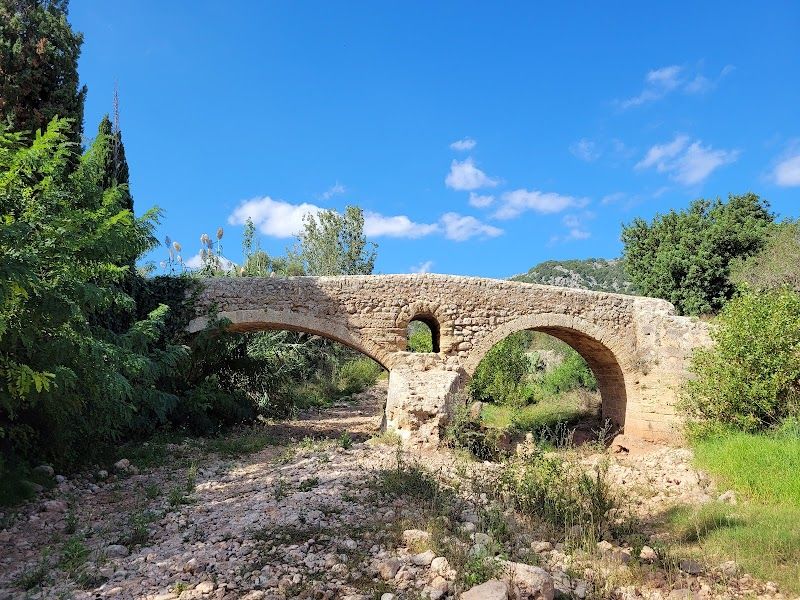
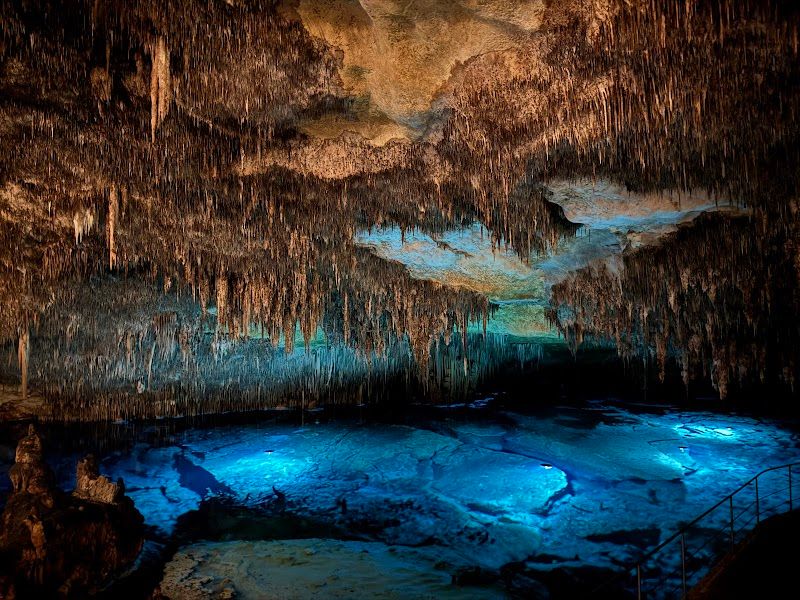
Stay in Mallorca
Real-time pricing across hotels, apartments, and ryokans. Book direct from the map.
Things to do in Mallorca
Experiences worth booking ahead
Vetted tours and tickets we'd send a friend to. The ones worth reserving before you arrive.
Travel guides
From the blog
Practical bits, answered
Five days is the sweet spot: two in Palma (cathedral, old town, Santa Catalina), one driving the Ma-10 through the Tramuntana with stops in Valldemossa and Soller, one on the east coast (Drach Caves, Porto Cristo, a cove swim), and one beach day at Es Trenc or Formentor. Seven days lets you add Cap de Formentor, the interior wine region, and a Cabrera Island day trip. A long weekend works if you stick to Palma and one day trip.
Yes. This is non-negotiable. Public transport exists (bus from Palma to Soller, Alcudia, some beach towns) but it is slow, infrequent outside Palma, and does not reach the best coves or mountain viewpoints. A rental costs EUR 25-40 per day. Book early in summer. Get a small car for the mountain roads. The island is compact: nowhere is more than 45 minutes from anywhere else.
Palma for first-timers: it is a proper city with restaurants, bars, culture, and the airport is 15 minutes away. Soller or Port de Soller for the mountains and a quieter pace. Port de Pollenca for families (long sandy beach, calm water, restaurants). Deia for couples with a budget (restaurants are expensive but the setting is unbeatable). Avoid Magaluf and S'Arenal unless you want the resort strip experience.
May to June and September to October are ideal: warm (25-30C), the sea is swimmable, beaches are not overcrowded, and prices are 20-40% lower than peak season. July and August are hot (35C+), everything is full, parking at beaches fills by 10 AM, and the Formentor road closes to private cars. November to March is quiet with some restaurants closed, but the hiking weather is perfect and flights are cheap.
English is widely spoken in Palma, tourist areas, and hotels. The local language is actually Mallorquin (a variant of Catalan), though everyone speaks Castilian Spanish too. In rural areas and smaller towns, basic Spanish helps. Learn "bon dia" (good morning in Mallorquin), "gracies" (thank you), and "la cuenta, por favor" (the bill, please). Younger staff are comfortable in English.
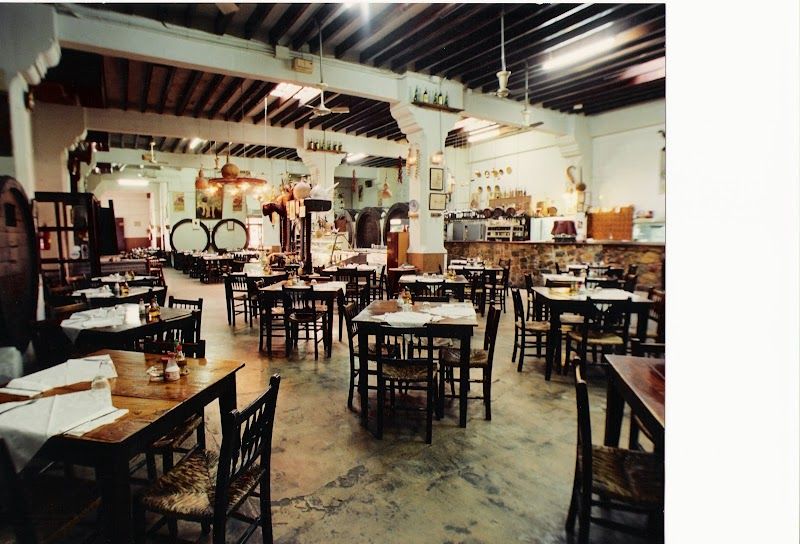
Moderate by European island standards. A coffee is EUR 1.80-2.50, a pa amb oli (bread with tomato and oil) is EUR 5-8, lunch at a celler in the interior is EUR 15-20 for three courses, a good dinner in Palma is EUR 25-40 per person, and fine dining is EUR 60-120. Beach parking is EUR 3-10. Museums are EUR 4-12. Palma and the coast are more expensive than the interior.
Let DAIZ plan your Mallorca days
Tell us how long you've got and what you're into. We'll build a day-by-day plan, with the bookable bits ready to lock in.