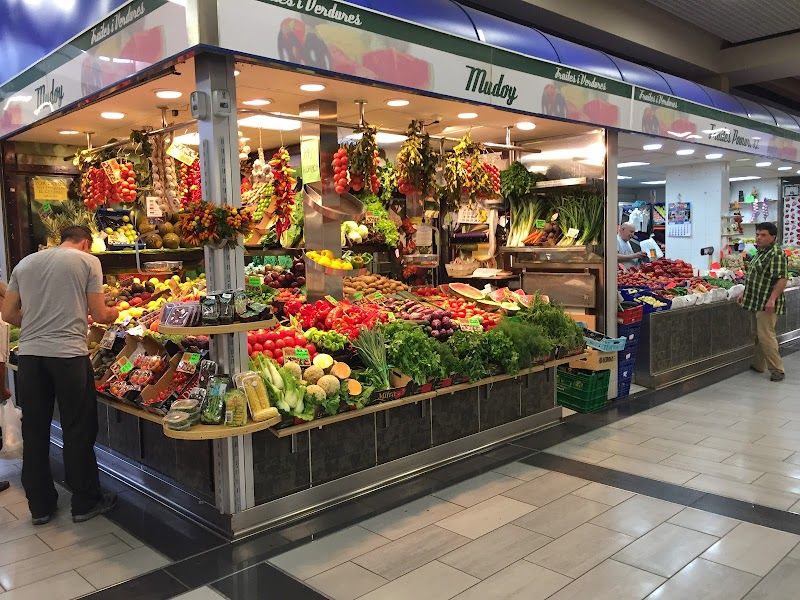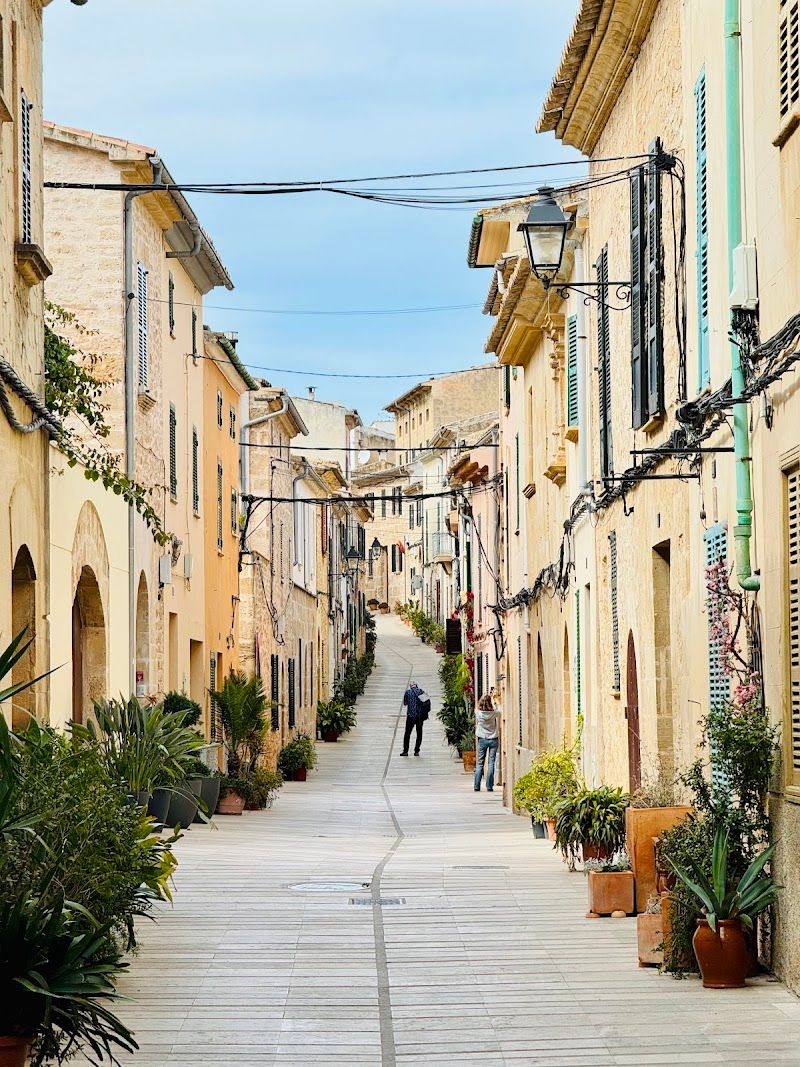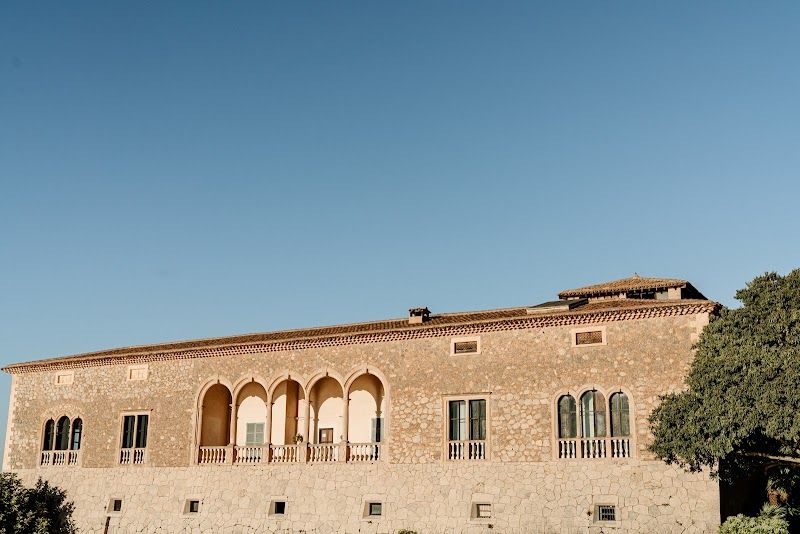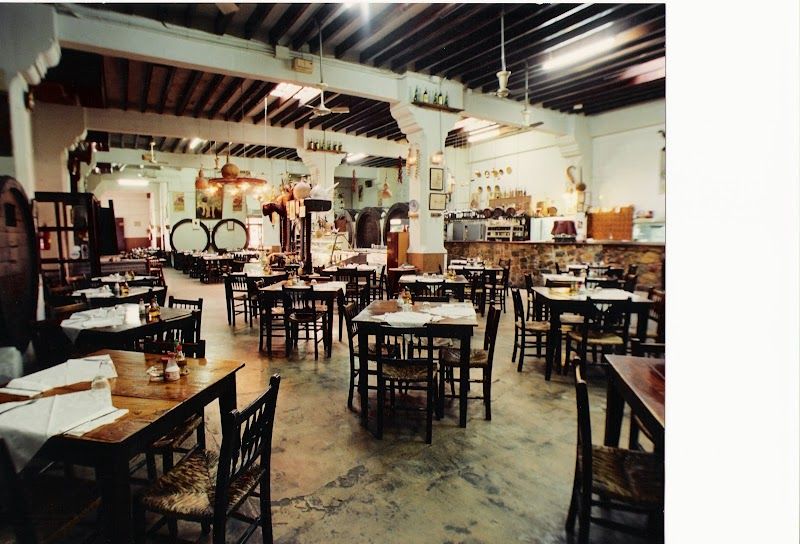
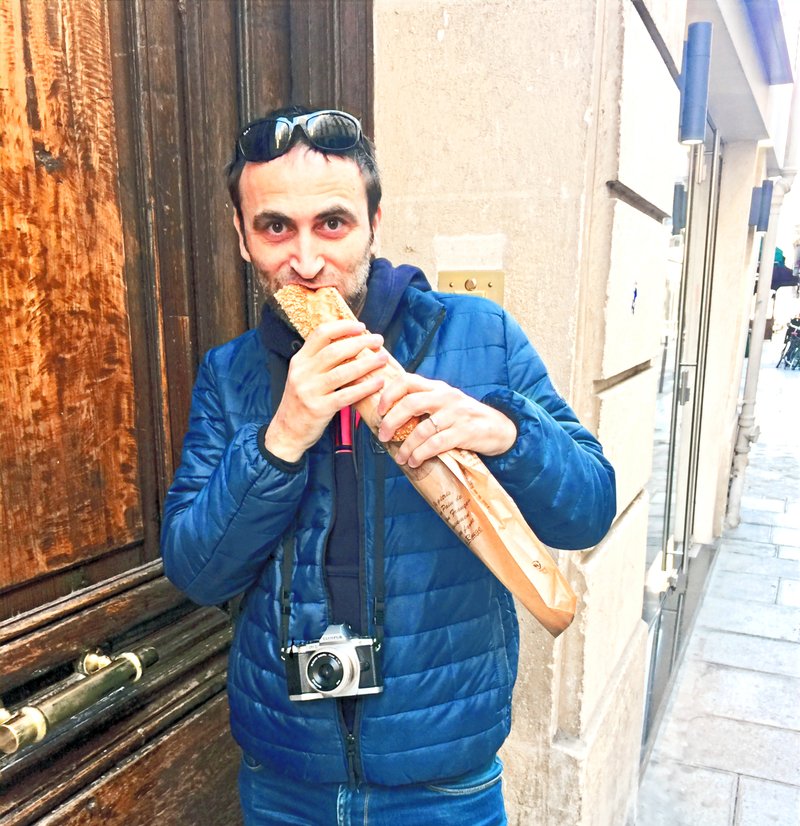
The mallorca food park scene isn't what most visitors expect. Forget the sanitized food courts of modern malls. Mallorca's food markets are century-old institutions where fishermen still bring their morning catch, farmers arrive with tomatoes that smell like dirt and sunshine, and the woman behind the counter has been selling the same sobrassada for thirty years. This is where the island's real food culture lives.
The tourist restaurants lining the marina in Palma serve decent paella, but they're not where locals eat. The real Palma food scene happens in markets that predate the package holiday boom by decades. The mallorca food market network includes everything from Palma's grand Mercat de l'Olivar to tiny weekly markets in mountain villages where the same families have been setting up stalls since before anyone remembers.
This guide covers every worthwhile food market and food park on the island, with honest assessments of what's worth your time and what isn't. Some markets cater to tourists and charge accordingly. Others barely acknowledge that visitors exist. Both have their place.
Mercat de l'Olivar: Palma's Food Cathedral
The Mercat de l'Olivar occupies a modernist building from 1951 in the heart of Palma. The steel and glass architecture looks like it was designed for food worship, and in many ways it was. This is Palma's primary food market, where restaurant chefs shop at dawn and locals come for ingredients that supermarkets don't carry.
The ground floor is organized by product type. The fish section runs along the north side, with vendors displaying everything from tiny silver boquerones to whole tuna that arrived on boats that morning. Prices start at EUR 8 per kilo for sardines and climb to EUR 35 for red prawns from Denia. The meat section occupies the center, where butchers break down whole pigs and sell sobrassada by the chunk.
The produce stalls ring the perimeter, selling vegetables that most visitors don't recognize. Pimientos de Padron cost EUR 4 per kilo. Mallorcan tomatoes, which taste nothing like their supermarket cousins, sell for EUR 3-5 per kilo depending on variety. The ramallet tomatoes, strung up to dry and intensely flavored, cost EUR 6 per string.
The upper floor food court opened in 2018 and changed everything. Before the renovation, l'Olivar was purely functional. Now it's become a destination. The upstairs vendors serve prepared foods from market stalls turned into tiny restaurants. Can Frau sells jamón ibérico sandwiches for EUR 8. Bar Joan serves wine by the glass starting at EUR 3. The paella counter charges EUR 12 per portion and actually makes it properly.
What Actually Works at Olivar
The morning fish auction happens at 7 AM and is worth witnessing if you're an early riser. The auctioneers speak rapid Catalan and the whole process concludes in twenty minutes. Arrive by 10 AM for the best selection - restaurants buy early and the good stuff disappears.
The cheese counter on the ground floor sells Mahón from Menorca for EUR 18 per kilo and local goat cheese for EUR 22. These are prices you won't find in tourist shops. The olive vendor sells oil in unlabeled bottles that comes from specific fincas in the Serra de Tramuntana. EUR 12 per liter for oil that costs EUR 25 in gourmet shops.
Skip the upstairs restaurants on weekends. Tourists discover good things and ruin them through enthusiasm. Saturday afternoon at l'Olivar feels like a themed restaurant. Tuesday morning feels like a working market.
Santa Catalina: The Gentrification Success Story
Santa Catalina Market sits in the neighborhood that locals now call "Little Brooklyn." The market building dates from 1920, but the current incarnation is pure 2020s food hall. The neighborhood gentrified rapidly after 2015, and the market followed.
The original vendors remain on the ground floor. The fruit seller who has occupied the same stall for forty years still sells oranges for EUR 2 per kilo. The fishmonger offers whole sea bass for EUR 15 per kilo. But these traditional vendors now share space with a sushi counter, a craft beer bar, and a stand selling "artisanal" hamburgers for EUR 14.
The transformation works better than it should. The wine bar (Bodega Santa Catalina) serves natural wines by the glass for EUR 4-8 and attracts a mix of longtime residents and newcomers. The deli counter sells Spanish cheeses and charcuterie that would cost twice as much in the Old Town.
The surrounding neighborhood has become Palma's most interesting food district. Restaurants cluster around the market building, from traditional tapas bars that have been serving the same dishes since the 1970s to modern bistros that change their menu monthly.
Santa Catalina Market Breakdown
Ground floor traditional vendors:
- Produce: EUR 2-5 per kilo for seasonal fruits and vegetables
- Fish: EUR 10-25 per kilo depending on type
- Meat: EUR 12-30 per kilo for local cuts
- Bread: EUR 1.5-3 for traditional loaves
Upper level food stalls:
- Prepared foods: EUR 8-15 per portion
- Wine: EUR 3-8 per glass
- Coffee: EUR 2-3.5 for espresso drinks
- Craft beer: EUR 4-6 per glass
Village Markets: The Weekly Food Circuit
Mallorca operates on a market schedule that hasn't changed in centuries. Each town holds its weekly market on the same day it has for generations. These aren't tourist attractions - they're working markets where locals buy food, clothes, and household goods.
Mercat de Sineu: Wednesday Mornings
The Mercat de Sineu happens every Wednesday in the interior town of Sineu. This market dates from 1306 and claims to be the oldest on the island. Whether that's true or not, it's certainly the most authentic.
The livestock section still operates on the edge of town. Farmers bring pigs, goats, and chickens to sell. The animal market starts at 7 AM and concludes by 10 AM. It's not picturesque - it's functional commerce that happens to involve living creatures.
The food section occupies the town center. Vendors sell vegetables that were harvested the day before. Potatoes cost EUR 1.5 per kilo. Onions sell for EUR 1 per kilo. The quality is exceptional because the distance from farm to market stall is measured in kilometers, not countries.
The prepared food vendors serve real Mallorcan cooking. Sobrassada sandwiches cost EUR 3. Pa amb oli - bread rubbed with tomato and drizzled with olive oil - costs EUR 6-8 depending on toppings. The woman who has been making bunyols (fried pastries) at the same spot for twenty-five years charges EUR 1 each.
Mercat de Pollença: Sunday Mornings
The Mercat de Pollença takes over the town's main square every Sunday. Pollença is a tourist destination, so this market balances local commerce with visitor appeal more successfully than most.
The food vendors cluster around the church. Local farmers sell vegetables, herbs, and fruits that reflect the island's agricultural seasons. Spring brings artichokes for EUR 3 per kilo. Summer means tomatoes and peppers. Fall delivers pomegranates and persimmons.
The prepared food options include several stalls selling traditional Mallorcan pastries. Ensaimadas cost EUR 1.5-4 depending on size. The coca de patata pastries from Valldemossa cost EUR 2 each. These are the same pastries sold in Valldemossa itself but without the tourist markup.
The honey vendor sells varieties that reflect Mallorca's diverse landscapes. Orange blossom honey from the interior costs EUR 12 per jar. Rosemary honey from the mountains sells for EUR 14. Wildflower honey from the coast goes for EUR 10. These are prices for 500-gram jars of honey that comes from specific locations.
Other Weekly Markets Worth Visiting
Santanyí (Saturday mornings): The market in this southeast town attracts both locals and visitors. The food selection is smaller than Sineu or Pollença, but the produce quality is exceptional. Figs cost EUR 4 per kilo in season. Local olive oil sells for EUR 10-15 per liter.
Alcúdia (Tuesday and Sunday mornings): Two markets per week in the north coast town. Tuesday caters more to locals, Sunday draws tourists. The fish selection on Tuesday morning includes catches from the night before. Red mullet costs EUR 18 per kilo. Sea bream sells for EUR 12-15 per kilo.
Sóller (Saturday mornings): The weekly market in the Serra de Tramuntana valley town focuses heavily on local produce. Oranges cost EUR 2 per kilo. The orange cake sold by local bakers costs EUR 3 per slice and deserves its reputation.
Modern Food Parks and Culinary Spaces
Rialto Living: The Department Store Food Hall
Rialto Living occupies a converted cinema in Palma's Old Town. The building dates from 1912, and the conversion preserved the original architecture while creating a modern retail space. The ground floor includes a gourmet food section and café that functions as an upscale food court.
The prices reflect the location and clientele. A sandwich costs EUR 12-16. Coffee ranges from EUR 3-5. But the quality justifies the premium. The bread comes from local bakeries. The jamón ibérico is properly aged. The wine selection includes bottles from small Mallorcan producers.
The prepared foods section sells items designed for wealthy locals and discerning tourists. Cheese plates cost EUR 18-25. Charcuterie boards range from EUR 20-35. These are airport lounge prices, but the ingredients are legitimate.
Mercat 1930: The Failed Food Hall
Mercat 1930 opened in 2018 in a restored market building near Palma's Borne district. The concept was sound: convert a historic market into a modern food hall with multiple vendors and a central seating area. The execution was problematic.
The vendors charge restaurant prices for market-stall portions. A tapa costs EUR 8-12. A glass of wine ranges from EUR 6-10. These prices make sense in a restaurant with table service and overhead costs. They feel excessive in a market setting where you carry your own food to communal tables.
The space attracts tourists who want to experience a "traditional" market without the inconvenience of actual tradition. Locals avoid it, which creates a feedback loop where only visitors eat there, confirming locals' suspicions that it's not for them.
Understanding Mallorca's Food Market Culture
Mallorca's market culture operates according to unwritten rules that visitors often miss. Markets open early and close by 2 PM. The best selection happens between 9 AM and 11 AM. Arrive after noon and you're shopping the leftovers.
Bargaining isn't expected but relationships matter. Regular customers get better prices and first pick of the good stuff. Tourists pay posted prices, which are still reasonable by international standards.
The language situation varies by market. In Palma, most vendors speak Spanish and basic English. In village markets, Catalan dominates with Spanish as a backup. English is rare but enthusiasm for trying to communicate is high.
Market Etiquette That Actually Matters
Bring a basket or bag. Plastic bags cost EUR 0.10 and vendors prefer that you come prepared. The locals carry purpose-built market baskets that have been in their families for generations.
Handle produce carefully. Don't squeeze tomatoes or poke avocados. Point to what you want and let the vendor select it. They know their products better than you do.
Cash remains king. Some vendors accept cards, but many still operate on cash transactions. ATMs are common in Palma but rare in village markets.
Seasonal Market Calendar
Mallorca's markets reflect the island's agricultural seasons more directly than restaurants do. Spring (March-May) brings artichokes, peas, and asparagus. The artichokes are particularly good - smaller and more tender than the globe artichokes common elsewhere in Europe.
Summer (June-August) means tomato season. The variety is astounding. Cherry tomatoes cost EUR 4 per kilo. Beefsteak tomatoes sell for EUR 3-5 per kilo. The ramallet tomatoes that dry naturally on the vine cost EUR 6 per string and last through winter.
Fall (September-November) delivers citrus and pomegranates. The first oranges appear in October and cost EUR 2-3 per kilo. Pomegranates from local trees sell for EUR 3-4 per kilo. The quality surpasses anything available in northern Europe.
Winter (December-February) features root vegetables and preserved foods. This is sobrassada season, when families make the year's supply of fermented sausage. Market vendors sell both fresh and aged versions.
Best Food Markets by Purpose
For Restaurant-Quality Ingredients
Mercat de l'Olivar wins this category easily. Restaurant chefs shop here, which means the quality meets professional standards. The fish selection is exceptional, the produce is seasonal and local, and the prices are wholesale rather than retail.
For Authentic Local Experience
Mercat de Sineu provides the most unchanged market experience on the island. The Wednesday morning market feels like it could be happening in 1950 or 2026 with equal authenticity.
For Tourist-Friendly Shopping
Mercat de Pollença balances local authenticity with visitor accessibility. English-speaking vendors are common, the selection includes both local specialties and familiar items, and the Sunday timing works well for holiday schedules.
For Prepared Foods
Santa Catalina Market offers the best selection of ready-to-eat options. The combination of traditional vendors and modern food stalls creates variety without sacrificing quality.
Mallorca's food park and market scene rewards visitors who treat it as a window into local life rather than a tourist attraction. The vendors are proud of their products and eager to share knowledge with genuinely curious customers. Come hungry, bring cash, and expect to discover ingredients and flavors that don't exist anywhere else.
The island's markets prove that the best travel experiences happen when you go where locals go for reasons that have nothing to do with tourism. These markets exist to feed the island's residents. The fact that they also provide visitors with exceptional food experiences is a happy accident rather than the primary purpose. That's exactly what makes them worth seeking out.
For more insights into Mallorca's culinary landscape, check out our comprehensive guide to where to eat across the island or our 5-day Mallorca itinerary which includes market visits alongside other essential experiences.