Seven days gives you enough time to see the real Mallorca - not the package-holiday version that most people think they know, but the UNESCO mountain range, stone villages clinging to cliffsides, and beaches that look too good to be real. This mallorca itinerary 7 days plan takes you from Palma's proper city streets to mountain villages where Robert Graves wrote his novels, to coves where the water is so clear it looks artificial.
Most visitors either stick to the resort strips or rush through the island trying to see everything. This itinerary strikes the balance: enough time in each area to actually experience it, with strategic bases that minimize driving time. You'll need a rental car for days 2-7, but the driving distances are manageable - Mallorca is only 100km wide.
Day 1: Palma - The City Most People Skip
Base: Stay in Palma's old town near Plaza Mayor or Santa Catalina neighborhood
Palma is where most visitors spend exactly one night - arriving and leaving. That's a mistake. This is a proper Mediterranean city with 400,000 residents, a Gothic cathedral that took 400 years to build, and neighborhoods that have nothing to do with tourism.
Start at Palma Cathedral (La Seu) when it opens at 10am (EUR 8). The interior renovation by Antoni Gaudi is worth the price alone - he moved the altar to the center and created a crown of thorns from wrought iron that hangs above the nave. The rose window is the largest Gothic rose window in the world at 13.8 meters across.
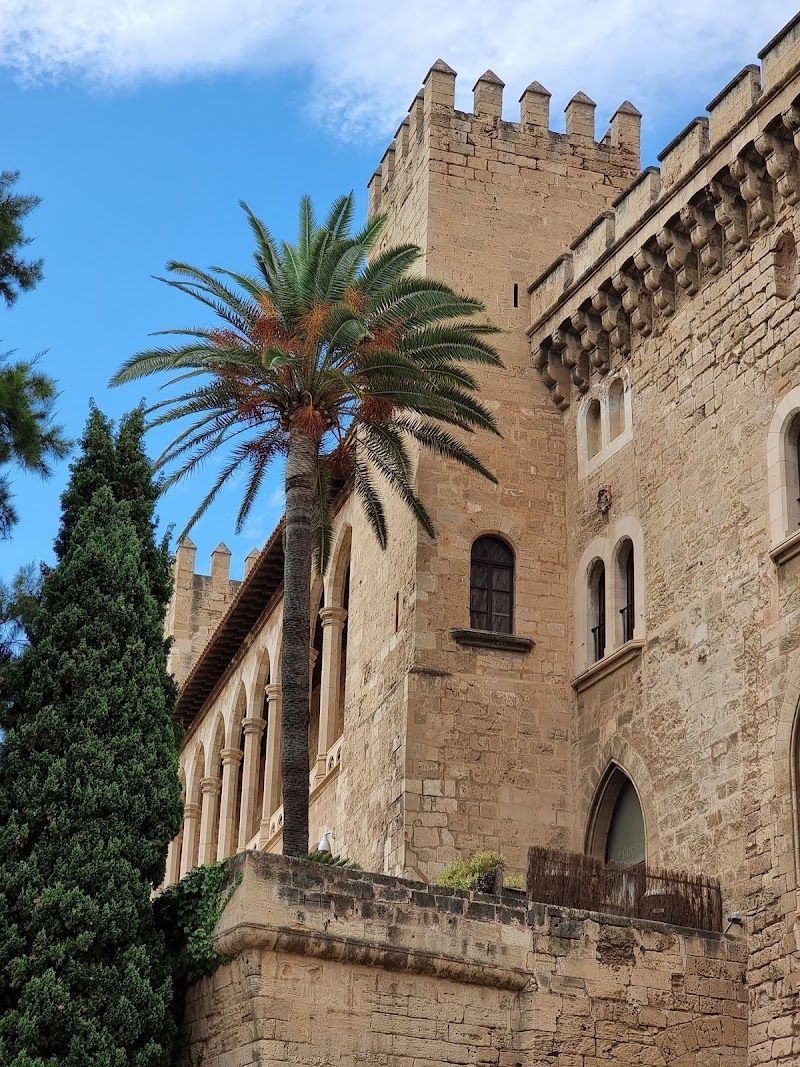
After the cathedral, walk five minutes to the Royal Palace of La Almudaina (EUR 7). This was the residence of the Kings of Mallorca in the 14th century and is still used by the current Spanish royal family. The Moorish-influenced architecture and the view over Palma Bay from the upper terrace make it worth the entry fee.
For lunch, head to Mercat de l'Olivar - not for the tourist traps on the ground floor, but for the proper market stalls selling sobrassada (spiced pork paste), Mahon cheese, and fresh fish. The upstairs level has decent tapas bars where locals actually eat.
Spend the afternoon in Palma's old town getting properly lost in the maze of streets between Placa Major and Placa Cort. The Banys Arabs (EUR 2.50) are the only remaining Arab baths in Mallorca and give you a sense of what the city was like under Moorish rule from 903 to 1229.
End the day at Castell de Bellver (EUR 4) for sunset. This 14th-century circular castle sits 112 meters above the city and has a 360-degree view over Palma Bay. The bus ride up (Line 3 or 20, EUR 2) takes 15 minutes from the city center.
For dinner, book a table at Celler Sa Premsa, a traditional celler (wine cellar) that has been serving the same Mallorcan dishes since 1958. The tumbet (layered vegetable casserole) and lechazo (roast lamb) are exactly what locals order.
Day 2: The Ma-10 Drive to Valldemossa and Deia
Drive time: 1 hour from Palma to Valldemossa, 20 minutes Valldemossa to Deia Base: Stay in Deia or return to Palma (Deia hotels book up months in advance)
Pick up your rental car early - the Serra de Tramuntana Ma-10 drive is 90km of the best coastal mountain road in Europe, and you want the full day to experience it properly. The UNESCO designation isn't tourism marketing - this limestone mountain range has been shaped by centuries of dry-stone terracing and olive cultivation.
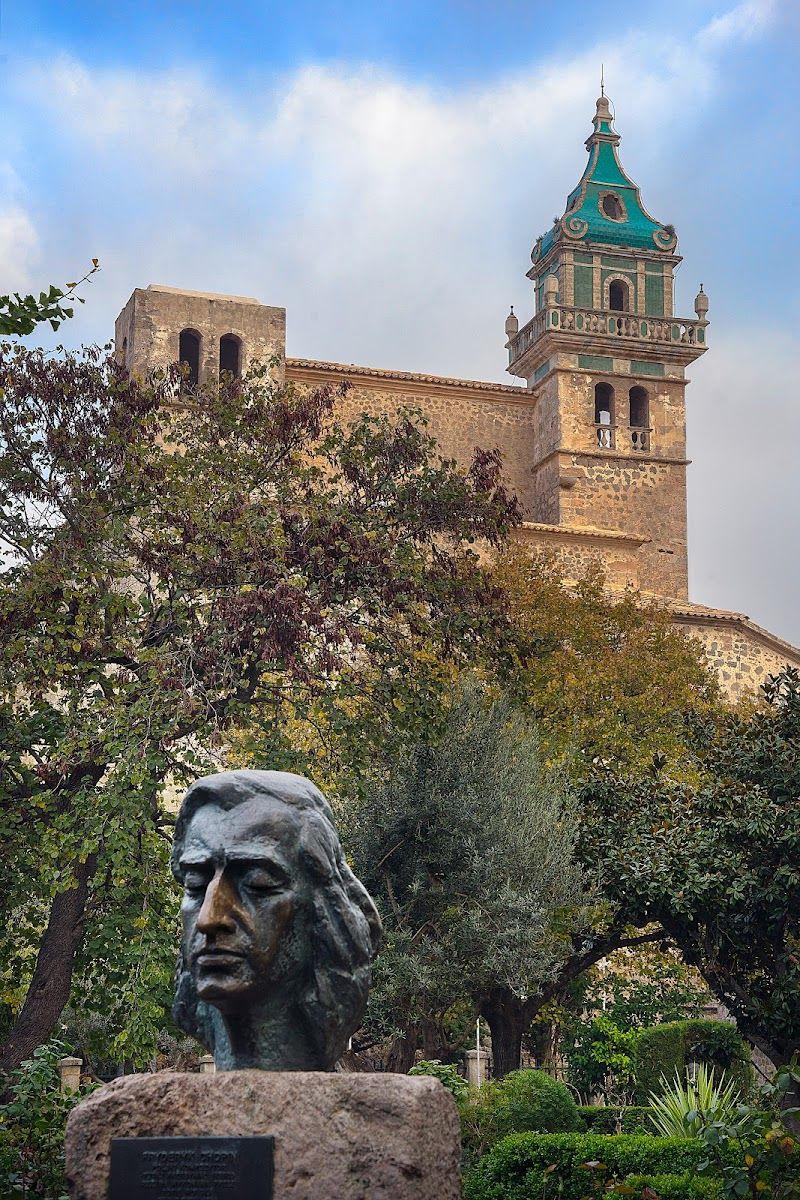
Drive straight to Valldemossa (30 minutes from Palma) and park in the public lot below town - the streets are too narrow for cars. The Valldemossa Monastery is famous because Chopin and George Sand spent the winter of 1838-39 here, but the real attraction is the Carthusian monastery itself. The cells where the monks lived are preserved exactly as they were, and the apothecary still has the original ceramic jars.
But here's what matters more than Chopin: Valldemossa has been making coca de patata (sweet potato pastries) since the 18th century. Every bakery sells them, but Ca'n Molinas on Carrer de Blanquerna has been making them the same way for four generations. Buy a box - they keep for days and you won't find them anywhere else.
From Valldemossa, the Ma-10 climbs through olive groves that are older than most European cities. The road hugs the coastline 400 meters above the sea, with views across to the mainland Spanish coast on clear days. Stop at Son Marroig, the estate where Archduke Ludwig Salvator of Austria lived in the late 1800s. The marble pavilion on the cliff edge frames the view perfectly - this is the postcard shot of Mallorca's coast.
Deia sits 20 minutes further along the Ma-10, and this is where you understand why artists moved here. Robert Graves lived in Deia from 1929 until his death in 1985, and the village still has that creative colony feeling. The narrow streets climb up the hillside, and every corner has a view over the olive groves to the sea.
For lunch, book ahead at Ca's Xorc (approximately EUR 60-80 per person) - the terrace overlooks the entire coast, and the restaurant has a Michelin star for good reason. If Ca's Xorc is full, Ca's Patro March down at Cala Deia serves excellent paella right on the beach (approximately EUR 25-35 per person).
The afternoon is for Cala Deia, the village's private cove. The path down from the village takes 15 minutes through olive groves. The beach is rocky, but the water is that impossible blue that makes you understand why people move to islands. Bring water shoes - the rocks are sharp.
If you're staying in Deia, Es Oliu restaurant has tables on a terrace that looks straight down the valley to the sea (approximately EUR 40-60 per person). If you're driving back to Palma, leave by 7pm - the Ma-10 is winding, and you don't want to drive it in the dark.
Day 3: Sa Calobra and Fornalutx - Mountain Villages and Dramatic Coastline
Drive time: 1 hour from base to Lluc Monastery, 30 minutes to Sa Calobra, 45 minutes to Fornalutx Base: Stay in Soller or return to Palma
This is the day for Mallorca's most dramatic scenery. Start early with coffee and ensaimada (EUR 1.50-4) in Soller's main square, then drive to Monestir de Lluc. This Benedictine monastery sits at 525 meters in the heart of the Serra de Tramuntana and has been a pilgrimage site since the 13th century. The morning service at 11:15am features the Blauets, a boys' choir that has been performing here for over 500 years.
From Lluc, the road to Sa Calobra descends 800 meters in 13km through 26 hairpin turns. This isn't a road for nervous drivers, but it's one of the most spectacular drives in Europe. The road was built in the 1930s specifically to reach the beach at Sa Calobra - there was no other reason to build a road down this cliff face.
Sa Calobra beach sits where the Torrent de Pareis (a dry riverbed that becomes a raging river in winter) meets the sea. The beach is small and crowded by noon, but the geology is extraordinary - limestone cliffs rise 200 meters straight from the water, and the rock formations look like a cathedral.
The walk to the beach from the parking area takes 15 minutes through a tunnel blasted through the rock. Bring water and sun protection - there's no shade. The tourist boats from Port de Soller arrive around 11am, so get there early or late.
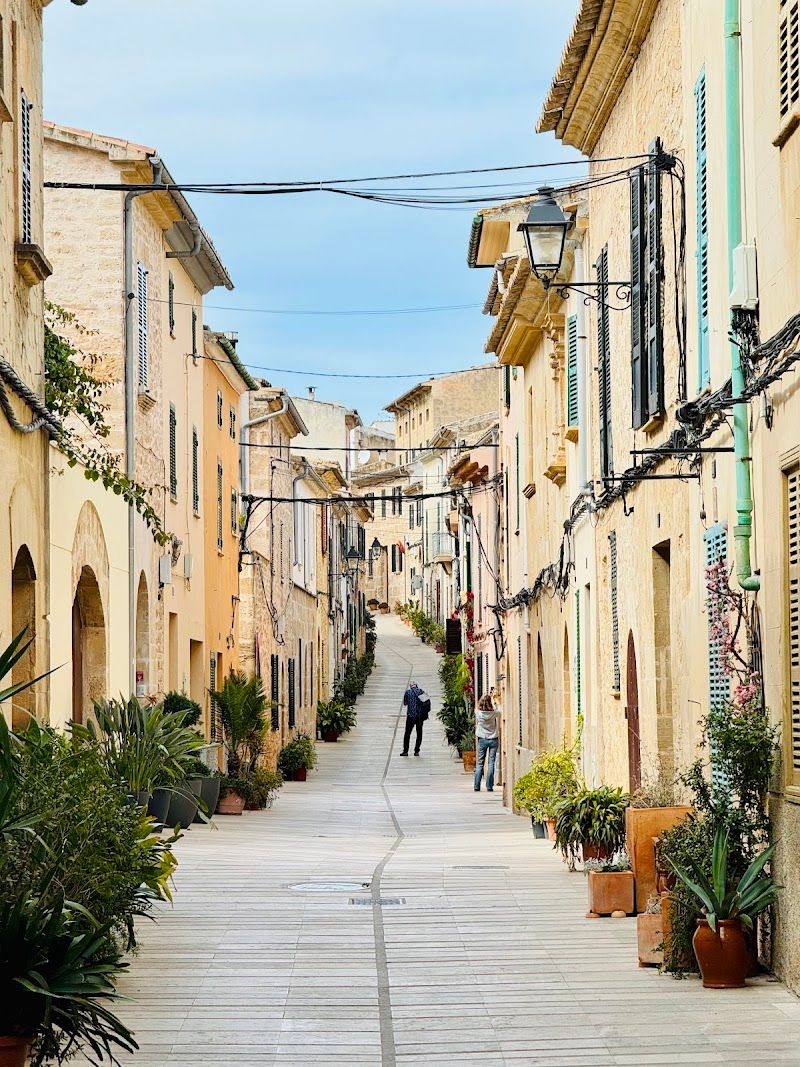
Drive back up to Lluc (yes, the same hairpin turns in reverse) and head to Fornalutx. This stone village wins awards as the "most beautiful village in Spain," and for once the tourism marketing is accurate. The houses are built from local limestone, the streets are paved with river stones, and orange trees grow in every courtyard.
Fornalutx has 692 residents and feels like a village that tourism hasn't quite discovered yet. Walk the Carrer Arbona Colom for the best-preserved traditional houses, and climb to the church of Nativitat de Nostra Senyora for views over the entire Soller valley.
For lunch, Es Turó restaurant has a terrace looking down the valley (approximately EUR 30-45 per person). The mallorquin (traditional Mallorcan stew) and tumbet are exactly what you should be eating in a mountain village.
If you're staying in Soller, take the evening walk through the orange groves on the Camí de s'Alqueria d'Avall. The path follows 19th-century irrigation channels, and the scent of orange blossoms (in season) is overwhelming. If you're heading back to Palma, the drive takes an hour on the Ma-11 through Bunyola.
Day 4: Pollenca, Formentor, and the North Coast
Drive time: 1.5 hours from Palma to Pollenca, 30 minutes Pollenca to Cap de Formentor Base: Pollenca or return to previous base
The north of Mallorca is where the Serra de Tramuntana meets the sea at dramatic headlands and empty beaches. Start in Pollenca, the town that locals consider the cultural capital of the island. The Sunday morning market in Plaza Major is the best on the island - not tourist crafts, but local produce, sobrassada, olive oil, and the round cheeses that Mallorca has been making for centuries.
Climb the Calvari steps (365 of them) to the chapel at the top for views over the town and the bay. Each step represents a day of the year, and locals climb them as a Good Friday pilgrimage. The cypress trees lining the stairway were planted in the 18th century.
From Pollenca, drive the winding road to Cap de Formentor. This peninsula extends 20km into the Mediterranean and ends at Mallorca's northernmost point. The lighthouse at the end sits 210 meters above crashing waves, and on clear days you can see Menorca 40km away.
The real reason to drive to Formentor is Platja de Formentor, the beach that appears in every Mallorca tourism photo. The sand is white, the water is turquoise, and pine forests grow right down to the beach. The Hotel Formentor opened here in 1929 and hosted Winston Churchill, Charlie Chaplin, and the Duke of Windsor - it's still operating and still expensive (approximately EUR 400-600 per night).
Platja de Formentor gets crowded by noon, especially in summer when buses bring day-trippers from the resorts. The best strategy is to arrive early (before 10am) or late afternoon after 4pm. The beach has good facilities and a restaurant, but bring your own drinks - everything is expensive.
For lunch, drive back toward Pollenca and stop in Alcudia. The old town is surrounded by medieval walls that the Moors built in the 10th century and the Christians reinforced in the 14th. The Tuesday and Sunday markets fill the streets inside the walls with local produce and crafts.
Mare Nostrum restaurant on Carrer Major serves excellent calderet de llagosta (lobster stew) and arroz de verduras (vegetable paella) in a 16th-century building (approximately EUR 35-50 per person). The walls are two meters thick, so it stays cool even in summer.
Spend the afternoon at S'Albufera Natural Park, Mallorca's largest wetland. This protected area covers 1,700 hectares and is home to over 230 bird species. The walking trails through reed beds and lagoons are flat and easy, and you'll see flamingos, herons, and egrets if you're quiet.
The park entrance is free, and bicycles can be rented at the visitor center (approximately EUR 10-15 per day). The best time for birdwatching is early morning or late afternoon when the birds are most active.
Day 5: East Coast Caves and Beaches
Drive time: 1 hour from Palma to Porto Cristo, 30 minutes between east coast towns Base: Stay on east coast or return to Palma
The east coast is where Mallorca does its best cove-hopping. Start at Coves del Drach in Porto Cristo (EUR 16). These limestone caves extend 1.2km underground and contain Lake Martel, one of the largest underground lakes in the world.
The guided tour takes 75 minutes and includes a classical music concert performed from boats on the underground lake. The acoustics are extraordinary - the music echoes off the cave walls and creates an otherworldly sound. Tours run every hour from 10am, and advance booking is essential in summer.
After the caves, explore Porto Cristo itself. This fishing village sits at the mouth of a natural harbor and still has working boats alongside the tourist infrastructure. The harbor restaurants serve excellent fresh fish - try Ca'n Martina for grilled dorada (sea bream) and calderet de llagosta (approximately EUR 25-40 per person).
Drive south to Cala Mondrago, part of the Mondrago Natural Park. This protected area contains two perfect coves - S'Amarador and Mondrago - separated by a low headland covered in pine forest. The sand is fine and white, the water is crystal clear, and boardwalks protect the dune vegetation.
Cala Mondrago has good facilities (toilets, showers, beach bar) but gets crowded in summer. The better strategy is to walk 10 minutes south to Cala S'Amarador, which has the same beautiful sand and water but fewer people. Both beaches have snorkeling - the rocky areas at the edges of the coves have good fish life.
For lunch, the beach bar at Cala Mondrago serves decent pa amb oli (EUR 6-12) and grilled fish, but the prices reflect the captive audience. A better option is to bring your own picnic from Porto Cristo.
End the day in Santanyi, the honey-colored stone town that supplies much of Mallorca's building stone. The Wednesday and Saturday markets fill Plaza Mayor with local produce, and the surrounding streets have art galleries and cafes that feel genuinely local rather than tourist-oriented.
Cafe Central on the main square serves excellent coffee and homemade pastries (approximately EUR 3-6), and the terrace is watching village life. The church of Sant Andreu dates from the 14th century and has a rose window that rivals Palma Cathedral's.
Day 6: South Coast and Es Trenc Beach
Drive time: 45 minutes from Palma to Es Trenc, 30 minutes between south coast locations Base: Return to Palma or stay in south coast village
The south coast is the least developed part of Mallorca and home to the island's best natural beach. Es Trenc stretches for 3km of white sand backed by dunes and pine forests - no hotels, no development, just beach.
Es Trenc is protected as a natural area, which means limited parking and no permanent facilities. The main access points are at Ses Covetes (eastern end) and Sa Rapita (western end). Ses Covetes has a large parking area (approximately EUR 6 per day) and a 10-minute walk through dunes to the beach.
The water at Es Trenc is shallow and warm - swimming and snorkeling. The beach faces south, so it's protected from the north winds that can make other beaches uncomfortable. Bring everything you need - water, food, sun protection - because the nearest shops are in Ses Covetes village.
The eastern section of Es Trenc (near Ses Covetes) is quieter and has better snorkeling around the rocky headlands. The western section (near the salt flats) is more popular with families because the water is even shallower.
For lunch, drive to Colonia Sant Jordi, a low-key resort town that locals use as their beach base. The harbor restaurants serve excellent fresh fish - Es Port has tables right on the harbor and serves calderet de llagosta that rivals anywhere on the island (approximately EUR 35-50 per person).
Colonia Sant Jordi is also the departure point for boat trips to Cabrera Island National Park. These trips take a full day and include snorkeling in pristine waters and hiking on an uninhabited island. Book ahead through Excursions a Cabrera (approximately EUR 40-60 per person).
Spend the afternoon exploring the Ses Salines salt flats between Es Trenc and Colonia Sant Jordi. These salt pans have been producing sea salt since Roman times and are still working today. The geometric patterns of the salt pans and the pink-tinged water create an otherworldly landscape.
The salt flats are also important for birdlife - flamingos, stilts, and avocets feed in the shallow water. The best viewing is from the road that runs along the eastern edge of the salt pans.
End the day with sunset drinks at one of the beach bars along Es Trenc. Chiringuito Es Trenc has tables in the sand and serves cold beer, sangria, and simple tapas (approximately EUR 15-25 per person). The sunset over the Mediterranean from this beach is worth planning your day around.
Day 7: Interior Villages and Return to Palma
Drive time: 1 hour from Palma to Sineu, 30 minutes between interior villages Base: Return to Palma for departure
Your final day explores Es Pla, the central plain that most tourists drive through without stopping. This is agricultural Mallorca - windmills, almond groves, and stone villages where tourism is something that happens somewhere else.
Start at Sineu, which holds Mallorca's largest agricultural market every Wednesday. If you're here on market day, the entire town center fills with livestock, produce, and local crafts. The market has been held here since 1306 and feels genuinely medieval - farmers still bring animals to sell, and the produce comes from farms within 20km.
The church of Santa Maria sits on Sineu's highest point and has views across the entire central plain. On clear days you can see the Serra de Tramuntana to the northwest and the sea to the southeast. The interior contains 14th-century frescoes and a baroque altarpiece worth seeing.
From Sineu, drive to Petra, the birthplace of Junipero Serra, the Franciscan missionary who founded nine of California's missions including San Francisco and San Diego. The Casa Museo Fra Juniper Serra (approximately EUR 3-5) contains artifacts from Serra's life and the California missions he established.
Petra itself is a perfect example of an interior Mallorcan village - narrow streets, sandstone houses, and a pace of life that hasn't changed much in centuries. The Bar Ca'n Tomeu on Carrer Major serves excellent sobrassada sandwiches and local wine (approximately EUR 8-12).
End your Mallorca week with lunch at Es Celler in Inca, a traditional cellar restaurant that has been serving the same Mallorcan dishes since 1907. The sobrassada, tumbet, and roasted lamb are exactly what locals eat, and the prices haven't caught up with tourism yet (approximately EUR 20-30 per person).
Drive back to Palma via the Ma-13, which takes 45 minutes from Inca. If you have time before your flight, spend your final hours in Palma's Santa Catalina neighborhood - this former fishing district has become the city's food and design quarter, with excellent restaurants, vintage shops, and the kind of authentic neighborhood life that package tourists never see.
Transportation for Your Mallorca Week Itinerary
Rental cars are essential for days 2-7 of this itinerary. Major companies (Avis, Hertz, Europcar) have desks at Palma Airport, and prices start around EUR 25-35 per day for a compact car. Book ahead - summer availability is limited.
For day 1 in Palma, public transport works well. The EMT bus system covers the entire city, with single tickets at EUR 2 or a T-10 card for EUR 15. The historic Soller train (EUR 32 round trip) is worth doing if you have extra time - the wooden carriages date from 1912 and the mountain route is spectacular.
Parking in Mallorca's villages requires patience. Most historic centers ban cars, with parking lots on the outskirts. Expect to walk 5-10 minutes from your car to the village center. Blue zones in towns require payment (usually EUR 1-2 per hour), and parking meters accept cards.
Budget Breakdown for 7 Days in Mallorca
This mallorca 7 day trip costs approximately EUR 800-1,200 per person, depending on accommodation choices and dining preferences:
Accommodation (6 nights): EUR 270-900 (budget hotels EUR 45-75 per night, mid-range EUR 80-150, luxury EUR 200-500)
Car rental (6 days): EUR 150-210 (including insurance and fuel)
Attractions and activities: EUR 75-100 (cathedral, caves, monasteries, castle entrances)
Meals: EUR 200-400 (mix of local restaurants, markets, and mid-range dining)
Miscellaneous: EUR 100-150 (parking, shopping, drinks)
To keep costs down, eat lunch at local markets, choose accommodations in Palma rather than resort areas, and pack picnics for beach days. The expensive items (nice dinners, luxury hotels, tourist attractions) can be selectively included based on your priorities.
Best Time for Your Mallorca Week
May through October offers the best weather for this itinerary, with July and August being hottest and most crowded. The ideal months are May, June, September, and early October - warm enough for swimming, cool enough for mountain hiking, and fewer crowds at major attractions.
Winter (November-March) works if you're focusing on culture and hiking rather than beaches. Many restaurants in small villages close in winter, but Palma and larger towns maintain full services year-round.
This seven-day plan gives you the real Mallorca - the island beyond the resort strips and package tours. You'll drive some of Europe's most spectacular coastal roads, eat in villages where menus aren't translated, and swim in coves that don't appear in guidebooks. Most importantly, you'll understand why people who visit Mallorca once tend to keep coming back.
For more specific guidance on individual aspects of your trip, check out our detailed guides on the best beaches in Mallorca and where to eat across the island. If you're traveling with children, our family-friendly Mallorca guide adapts this itinerary for younger travelers.