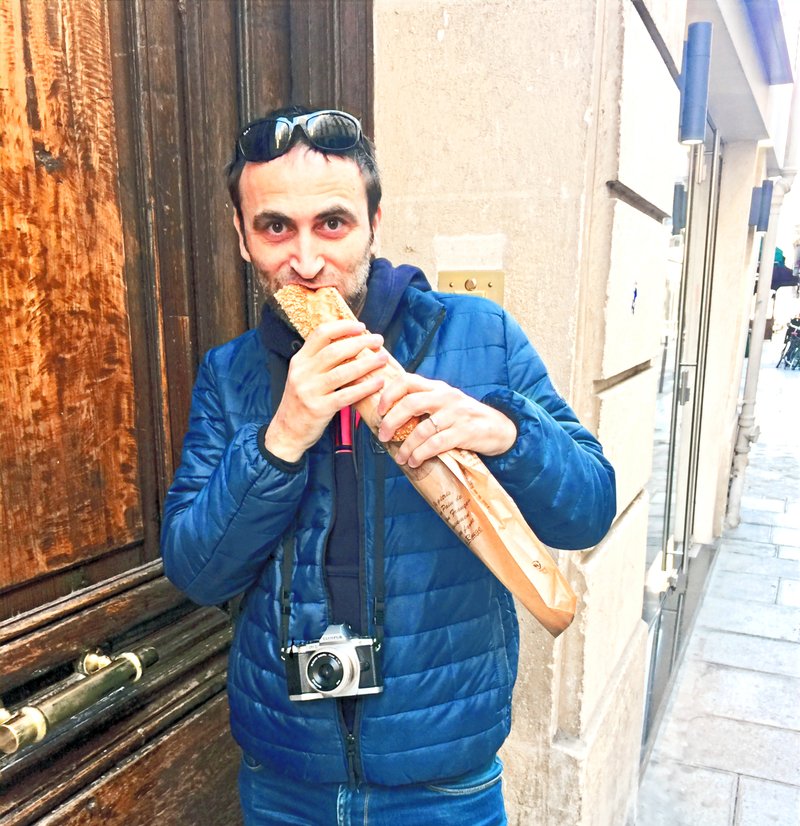
London's food reputation has transformed from a punchline to a global destination, but the london foods to try that matter most aren't found in Michelin-starred restaurants. They're the dishes that Londoners queue for on Sunday mornings, argue about in pubs, and miss desperately when they move away. This is your guide to the must try london food that actually defines the city.
The story of London food is the story of London itself - waves of immigrants bringing their traditions, mixing with what was already here, creating something entirely new. You'll find some of these dishes in tourist areas, others require a trip to neighborhoods where locals actually live. All of them are worth the journey.
Traditional London Food That Actually Matters
Fish and Chips: The Gold Standard
Every visitor expects fish and chips, but most eat terrible versions in Leicester Square. Real fish and chips uses fresh cod or haddock, hand-cut chips (never frozen), and mushy peas that aren't fluorescent green. The batter should be crispy but not greasy, the fish flaky inside.
Poppies in Shoreditch & Brick Lane does it properly - GBP 12-15 for a full portion. Kerbisher & Malt has multiple locations and uses sustainable fish. Avoid anywhere that pre-fries their chips or serves them in polystyrene containers.
The proper way: salt and vinegar (malt vinegar, not the clear stuff), wrapped in paper, eaten with your fingers while standing up. Mushy peas are mandatory for the full experience.
Sunday Roast: The Weekly Religion
Sunday roast isn't just a meal - it's a weekly ritual that brings families together and fills every decent pub from noon until they run out of Yorkshire puddings. Traditional london food doesn't get more central than this.
The components are non-negotiable: roasted meat (beef, lamb, pork, or chicken), roast potatoes, Yorkshire pudding, seasonal vegetables, and gravy. The meat should be properly rested, the potatoes crispy outside and fluffy inside, the Yorkshire pudding tall enough to hold gravy.
The Blackfriar near St Paul's Cathedral serves excellent roasts for GBP 18-24. The George Inn in Southwark does traditional versions in a 17th-century coaching inn. Book ahead - Londoners take their Sunday roast seriously.
Pie and Mash: East End Heritage
This working-class staple predates fish and chips by decades. Traditional pie and mash shops serve minced beef pies with mashed potatoes and "liquor" - a parsley sauce that's bright green and polarizing.
F. Cooke on Broadway Market has been family-run since 1862. The pies are hand-crimped, the mash is real potatoes (not instant), and the atmosphere is authentically no-frills. Expect to pay around GBP 8-10 for a complete meal.
The traditional accompaniment is jellied eels, which most visitors skip. The pie and mash alone tells the story of London's working-class food culture.
London's Curry Culture: More Than Just Indian
London's relationship with curry runs deeper than any other Western city. The london signature dishes that evolved here are distinct from their origins in Bangladesh, Pakistan, and India.
Brick Lane Curry: The Bengali Revolution
Brick Lane isn't just a street - it's the heart of London's Bangladeshi community and home to the city's most authentic curry houses. The best london dishes here evolved from traditional Bengali recipes adapted for British palates.
Tayyabs serves Pakistani-style cooking with exceptional lamb chops and karahi dishes. Expect a queue - they don't take bookings for groups under six. Aladin does excellent biryanis and traditional curries without the tourist markup.
The signature dish is chicken tikka masala, which may have been invented in Glasgow but was perfected in London's curry houses. At its best, it's creamy, complex, and nothing like the bright orange versions served to tourists.
Dishoom: Bombay Cafe Culture
While not traditional, Dishoom has created something uniquely London - Bombay cafe culture filtered through British sensibilities. Their black daal takes 24 hours to cook, their bacon naan is controversial but brilliant, and their breakfast menu bridged Indian and British morning food.
Locations in Covent Garden, King's Cross, and Shoreditch serve consistent quality. The breakfast bacon naan (GBP 8.50) shouldn't work but absolutely does.
Street Food and Markets: London's Democratic Dining
Borough Market: The Foodie Cathedral
Borough Market near London Bridge is London's oldest food market and still its best. While touristy, the quality remains exceptional because locals shop here daily.
Monmouth Coffee pulls perfect espresso and roasts their own beans. Neal's Yard Dairy offers tastings of British cheeses most people have never heard of. Padella makes fresh pasta to order - expect a 30-minute queue, but it's worth it.
The market works as both shopping and eating destination. Grab coffee and pastries for breakfast, sample cheeses and charcuterie, then eat lunch from one of the prepared food stalls. Budget around GBP 20-30 for a full market experience.
Camden Market Food
Camden Market gets dismissed as touristy, but the food scene is genuinely international and reasonably priced. The london local specialties here reflect the area's diverse community.
The Ethiopian stall serves injera bread with complex stews for GBP 8-10. Mac & Wild does Scottish venison burgers that cost twice as much but justify the price. The Japanese takoyaki stall consistently has the longest queue - always a good sign.
Camden works best for lunch when you want variety and don't mind crowds. The food is better than most tourist areas and the prices are reasonable for central London.
Pub Food: Beyond the Basics
London pub food has evolved far beyond soggy sandwiches and reheated pies. The best pubs now serve restaurant-quality food in casual settings.
The Gastropub Revolution
St. John Smithfield launched the nose-to-tail movement and remains essential eating. Their roasted bone marrow with parsley salad (GBP 8.50) sounds intimidating but tastes like concentrated beef flavor. The restaurant attached to St. John Smithfield serves the full menu.
The Eagle in Farringdon invented the gastropub concept. Their menu changes daily based on what's available, but the wood-fired grill consistently produces excellent meat dishes. Expect to pay GBP 15-22 for main courses.
These aren't traditional pubs - they're restaurants that happen to serve beer. But they've influenced pub food across the city.
Traditional Pub Classics Done Right
Proper pub food means simple ingredients cooked well. Bangers and mash should use premium sausages (Cumberland, Gloucestershire Old Spot, or similar) with real mashed potatoes and onion gravy. Ploughman's lunch isn't just cheese and crackers - it's a balanced meal of British cheeses, pickled onions, crusty bread, and quality ham.
The George in Borough does both dishes properly for GBP 12-16. Their sausages come from Smithfield Market, their cheese from Neal's Yard Dairy. The portions are generous and the quality consistent.
For more traditional pub experiences, check our best pubs guide for neighborhood recommendations.
Breakfast Culture: Beyond the Full English
The Full English: Components Matter
A proper Full English breakfast isn't just throwing ingredients on a plate. Each component serves a purpose: back bacon (not crispy American bacon), pork sausages, baked beans, grilled tomatoes, mushrooms, black pudding, and eggs cooked to order. Fried bread or toast completes the plate.
Terry's Cafe in Borough Market does the classic version for around GBP 10-14. Everything is cooked to order, the portions are substantial, and they don't rush you. Regency Cafe in Pimlico has been family-run since 1946 and maintains old-school standards.
The meal should keep you full until dinner. If you're hungry again by lunch, they didn't do it properly.
Modern Breakfast Culture
Monmouth Coffee Company in Borough Market roasts some of London's best coffee and serves it in a cramped, atmospheric space that forces you to talk to strangers. Their flat white (GBP 3-4) uses perfect milk texture and single-origin beans.
The Breakfast Club has multiple locations serving American-style pancakes, eggs Benedict, and other brunch dishes. It's not traditional British food, but it reflects how London eats now.
International London: The Global Palate
Lebanese and Middle Eastern
Maroush has been serving Lebanese food in Marylebone since 1981. Their mixed grill feeds two people for GBP 35-40, their homemade bread comes warm to the table, and their lamb dishes justify the prices.
Edgware Road between Marble Arch and Paddington has dozens of Lebanese, Syrian, and Egyptian restaurants. The area feels more like Beirut than London, and the food reflects that authenticity.
Turkish London
Green Lanes in North London has the city's largest Turkish community and best Turkish food. Gökyüzü serves exceptional lamb dishes and mezze in a crowded, family-run restaurant. Their mixed grill (GBP 18-22) includes multiple cuts of lamb, all perfectly seasoned.
For central London Turkish food, Mangal 2 in Dalston does excellent grilled meats in a no-frills setting.
Vietnamese Pho
Pho the restaurant chain serves decent Vietnamese food in clean, modern spaces across London. Their pho bowls (GBP 9-12) won't match what you'd find in Vietnam, but they're consistent and satisfying.
For more authentic Vietnamese food, Mien Tay in Battersea serves regional specialties in a basic setting. The food is excellent, the prices reasonable (GBP 8-15 for main courses), and the atmosphere genuinely Vietnamese.
Sweet London: Desserts and Afternoon Tea
Proper Afternoon Tea
Fortnum & Mason created the afternoon tea tradition and still does it properly. Their tea service (GBP 58-75 per person) includes finger sandwiches, scones with clotted cream and jam, and petit fours. The setting in their historic Piccadilly store justifies the price.
For a more relaxed experience, Sketch in Mayfair serves afternoon tea in pink, pod-shaped rooms that feel like a science fiction film. The food is excellent, the atmosphere unique (GBP 68 per person).
Traditional Sweets
Sticky toffee pudding appears on every British menu, but few do it properly. The sponge should be moist (not dry), the toffee sauce rich (not overly sweet), and the whole thing served warm with proper vanilla ice cream.
Rules in Covent Garden has been serving traditional British food since 1798. Their sticky toffee pudding (GBP 9) represents the dish at its best - dense, sweet, and absolutely satisfying.
Where to Find These Dishes: Neighborhood Guide
Different areas excel at different types of food. Westminster & St James's has the formal restaurants and afternoon tea services. Soho & Covent Garden offers international variety and late-night eating.
Shoreditch & Brick Lane has the best curry houses and trendy new restaurants. Borough & South Bank combines the famous food market with excellent pubs and modern British restaurants.
For budget-conscious eating, our London on a budget guide includes specific restaurant recommendations in each neighborhood.
Practical Eating Tips
Timing matters in London. Many pubs stop serving food by 9 PM on weeknights, 8 PM on Sundays. Restaurant kitchens often close between lunch and dinner service (typically 3-6 PM). Weekend brunch service usually runs 10 AM-3 PM.
Booking ahead is essential for popular restaurants, especially Friday and Saturday nights. Most pubs don't take bookings for groups under six, so arrive early or accept a wait.
Tipping is typically 10-15% for table service, rounded up to the nearest pound. Many restaurants add a "service charge" automatically - check your bill and adjust accordingly.
Cash vs. card varies by establishment. Most places accept contactless payments, but some traditional pubs and market stalls prefer cash. Always carry some pounds for street food and small vendors.
For comprehensive neighborhood eating recommendations, including specific addresses and opening hours, check our detailed where to eat guide.
The Real London Food Scene
The london foods to try that matter most aren't always the most photogenic or Instagram-ready. They're the dishes that locals eat regularly, that connect to the city's history and communities, that taste better here than anywhere else in the world.
London's food scene succeeds because it doesn't try to be anything other than itself - a messy, multicultural, constantly evolving collection of neighborhoods where people from everywhere bring their food traditions and adapt them to local tastes and ingredients.
Eat where locals eat, try dishes you've never heard of, and don't worry too much about finding the "best" version of everything. The best meal in London is usually the one you're having right now, especially if you're sharing it with people who can explain why it matters.
This guide covers the essentials, but London's food scene changes constantly. The curry house that's perfect today might close next month, replaced by something entirely different but equally worth trying. That's exactly what makes eating here so rewarding - there's always something new to discover, even for people who've lived here their entire lives.