London
Eight million stories, a thousand-year history, and a pub on every corner

About London
London is the kind of city where you can stand in a medieval fortress before lunch and eat Ethiopian food in a converted railway arch by dinner. It doesn't make sense on paper - a city this old shouldn't also be this cutting-edge - but that's exactly what makes it work.
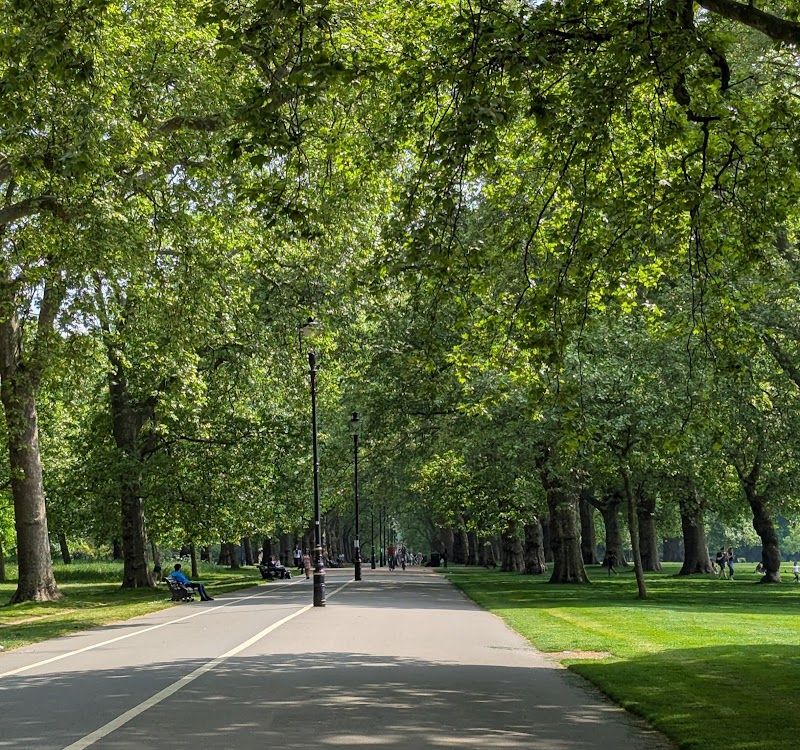
Forget the stereotypes about bad food and grey weather. London's restaurant scene has quietly become one of the best in the world, and when the sun comes out (it does, we promise), there's no better city for sitting in a park with a takeaway pint.
The Tube map looks terrifying until you realize you only need about six lines. The city's 32 boroughs each have their own personality - Shoreditch is creative and slightly chaotic, Kensington is polished and expensive, Camden still thinks it's 1977, and Marylebone feels like a village that happens to be in a global capital.
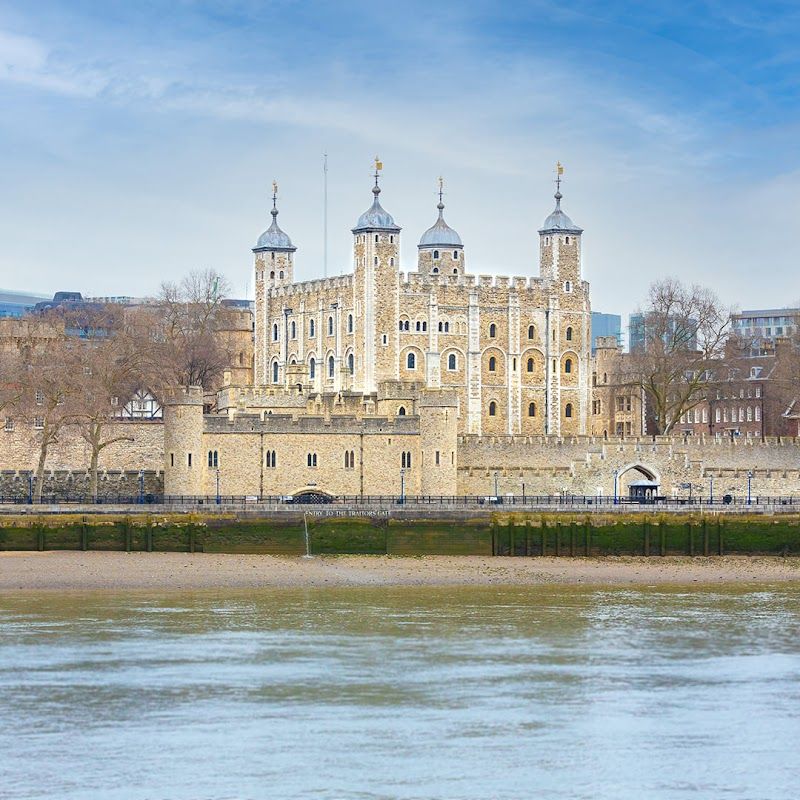
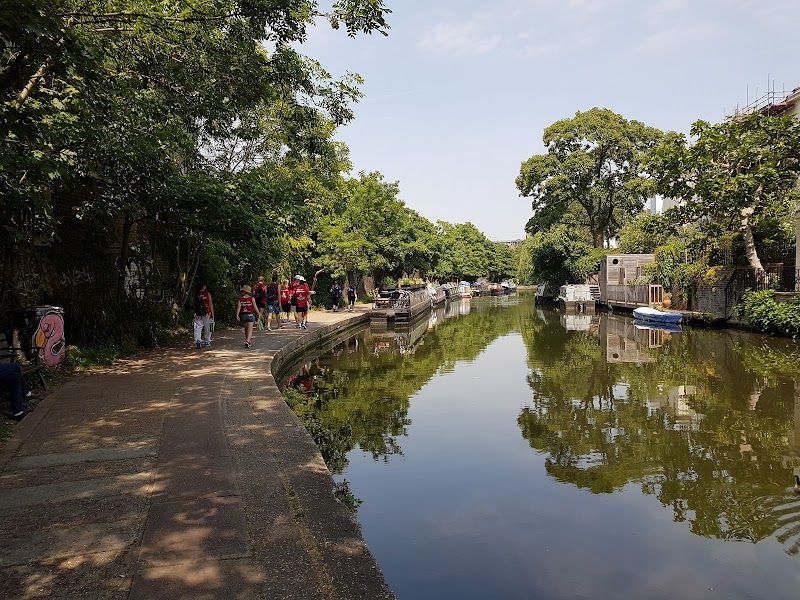
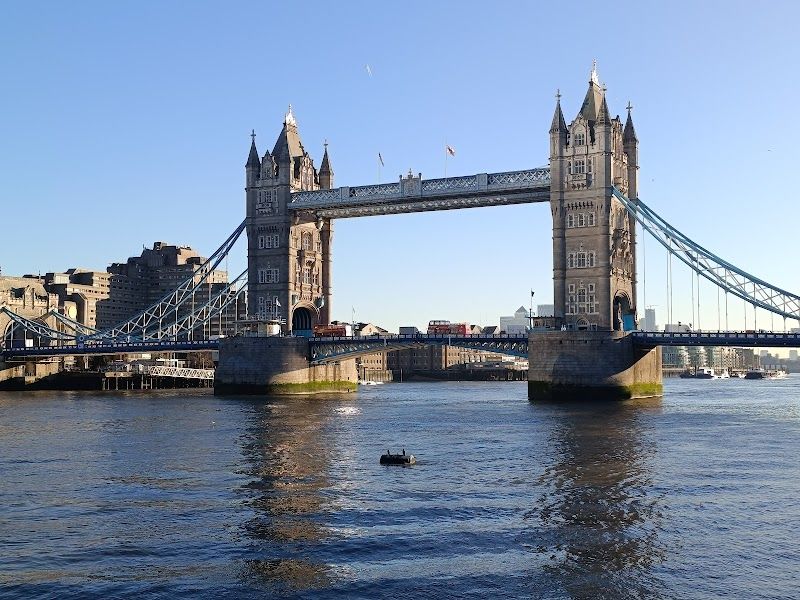
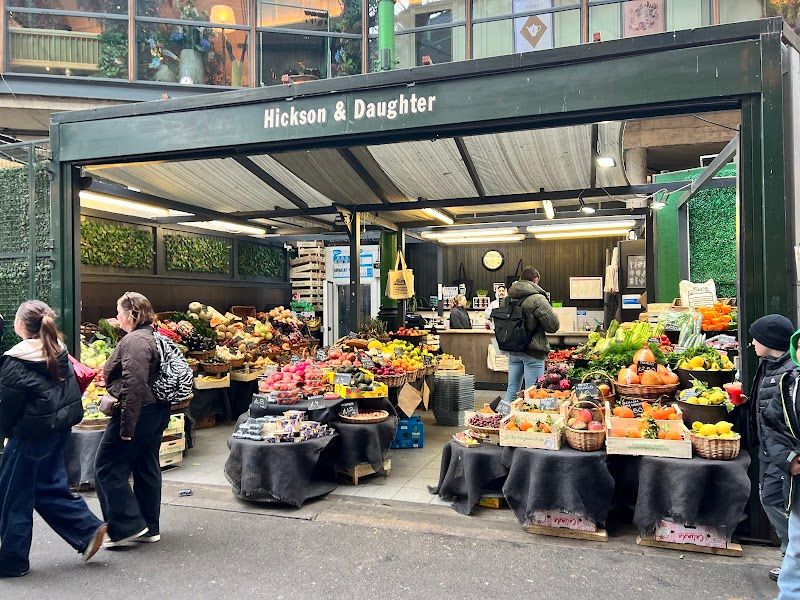
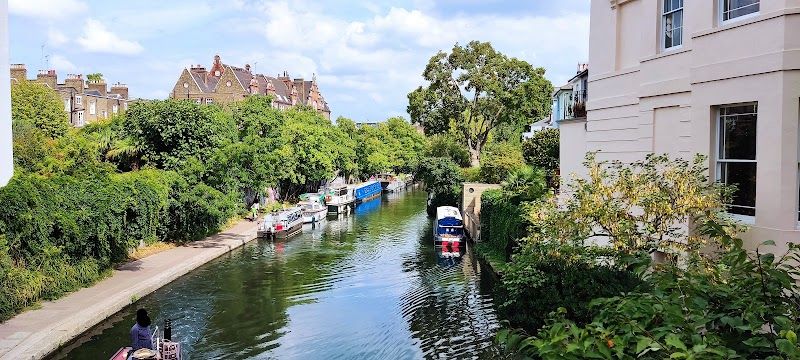
Here's what nobody tells you: the best parts of London aren't the landmarks. They're the Sunday roasts in canal-side pubs, the free museums you can wander into on a rainy Tuesday, the street markets where you'll eat better for 8 pounds than most restaurants charge 25 for. The landmarks are genuinely impressive - the Tower of London will give you chills - but it's the spaces between them where London actually lives.
Pick your base
Stay in London
Real-time pricing across hotels, apartments, and ryokans. Book direct from the map.
Things to do in London
Experiences worth booking ahead
Vetted tours and tickets we'd send a friend to. The ones worth reserving before you arrive.
Travel guides


From the blog
Practical bits, answered
Get an Oyster card (£7 deposit, refundable) or use contactless payment - it's much cheaper than paper tickets for a single Zone 1-2 journey. Off-peak fares are £3.10 and peak fares are £3.60, but the daily cap of £8.90 for Zones 1-2 means you stop paying once you hit that ceiling regardless of how many journeys you take (this cap is frozen until March 2027). Avoid peak hours (6:30-9:30am, 4-7pm weekdays) on the Tube when possible - fares are higher and trains are packed. Off-peak is more pleasant and cheaper.
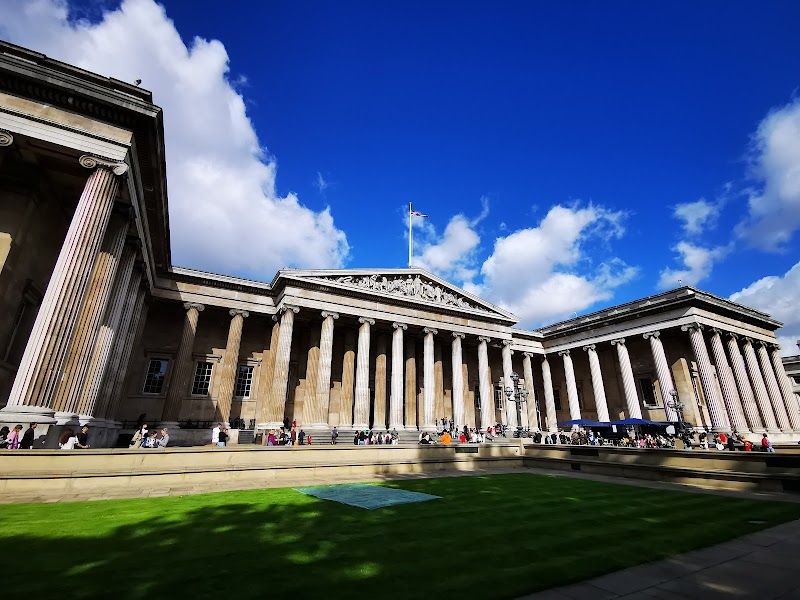
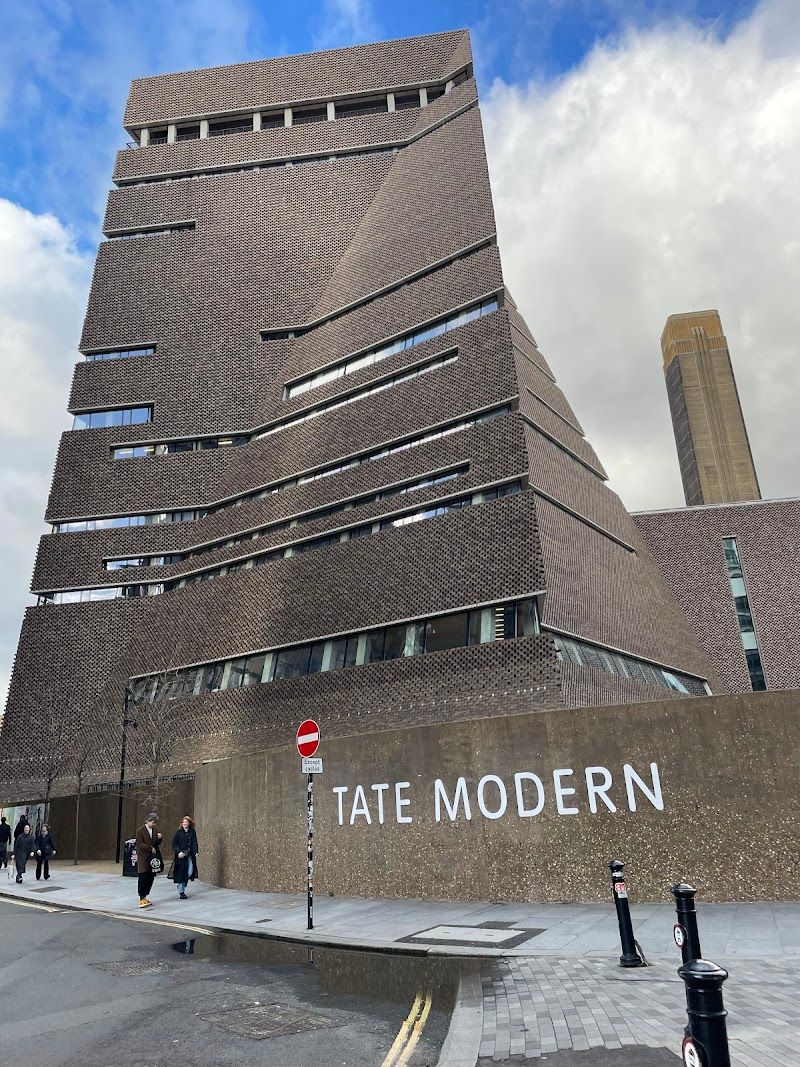
Most major museums are completely free for permanent collections (British Museum, National Gallery, V&A, Natural History Museum, Tate Modern, Science Museum). Visit on weekday mornings (10am-12pm) to avoid crowds. Special exhibitions now cost GBP 13-24 depending on the museum, though blockbuster shows at the V&A and British Museum have pushed past GBP 25 recently, so check prices before assuming the lower end applies. Timed entry requirements have shifted repeatedly across different museums, particularly at the British Museum, so check each museum's website directly before visiting rather than assuming walk-up access is available. The British Museum and Natural History Museum are enormous - plan 3-4 hours minimum and pick specific sections to focus on rather than attempting a full sweep.
The physical TKTS booth in Leicester Square closed permanently in early 2024. The TKTS service now operates online only through the Society of London Theatre website, where you can browse same-day and advance discounts of up to 50% off West End shows. Check the site before your visit since availability and show listings change daily. Many theaters sell "day seats" released in person when the box office opens each morning. Prices vary widely by production - a rough range is £25-50, though top shows can charge considerably more, so treat any figure as a starting point and check the specific theater's website before queuing. Shakespeare's Globe sells standing (groundling) tickets at a flat rate that shifts between seasons - recent seasons have put this around £5-10, but confirm the current price directly with the Globe before you go. Matinees on Wednesday and Saturday afternoons tend to be cheaper than evening performances across most West End venues. Rush tickets and lottery systems are show-specific and change frequently, so check individual theater websites for current details. TodayTix runs digital lotteries and last-minute deals for a range of productions, with pricing that varies heavily by show and how close you are to the performance date. The general approach is to stack your options: browse TKTS online for breadth of choice across multiple shows, check day seats for specific productions you have your heart set on, and monitor TodayTix in the days leading up to your visit for anything that falls within your budget.
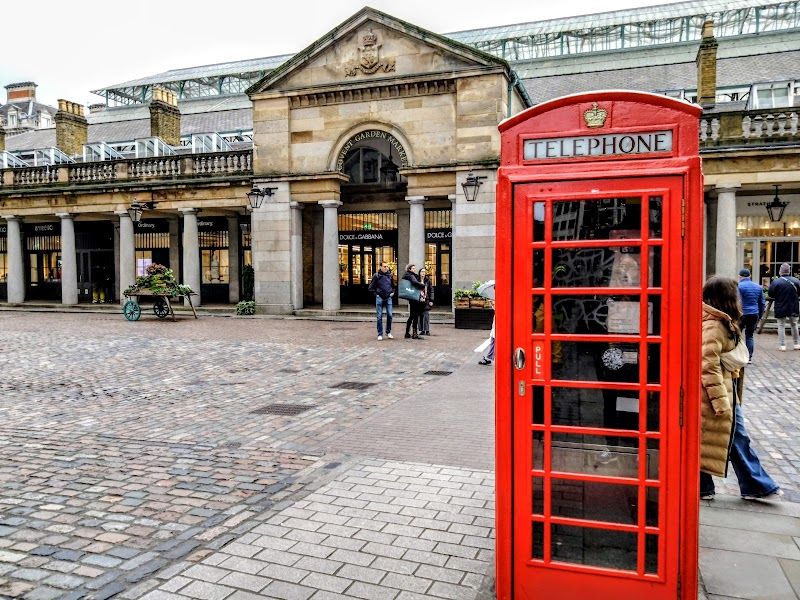
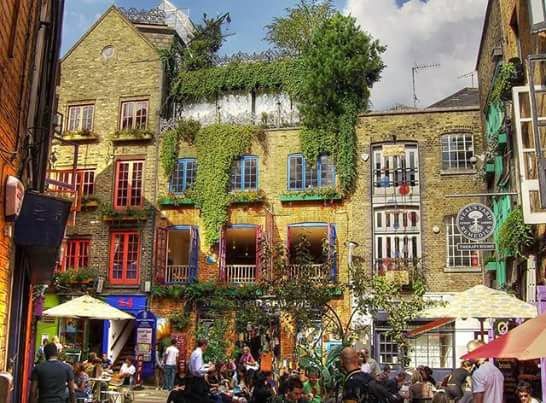
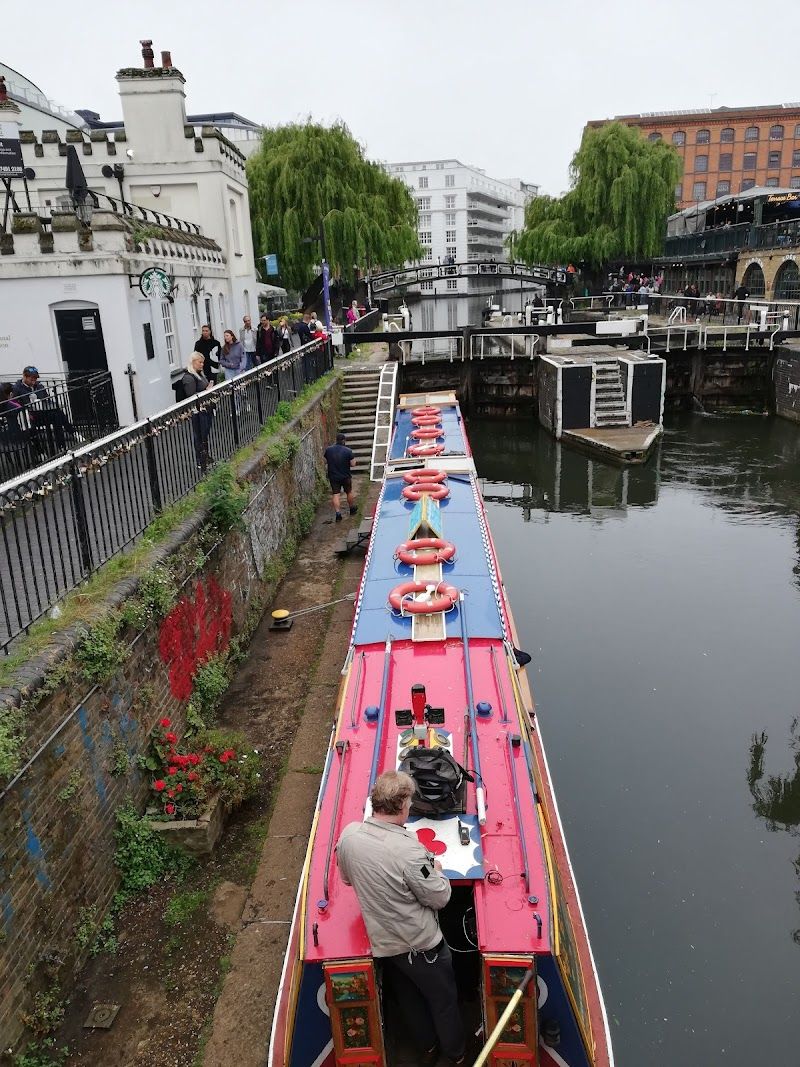
Don't just stick to Westminster and the tourist center. Camden Market is worth a visit for food stalls and general browsing, though it has grown more commercial over the years and less countercultural than its reputation suggests. Shoreditch remains good for street art and independent cafes, though specific murals change frequently so treat any particular piece as a bonus rather than a guaranteed sight. Columbia Road Flower Market runs Sundays from around 8am, typically winding down by 2-3pm depending on the day. Portobello Road is still worth a Saturday visit for antiques, though the market varies in density across its different sections and the best stalls tend to cluster toward the northern end. Brixton Village Market continues to operate but has faced trader disputes and controversy around gentrification since 2023, and the situation may have evolved further since then, so check its current status before making it a specific destination. Each neighborhood has its own personality and the journey between them is straightforward on the Tube at GBP 3.10 off-peak zones 1-2, or GBP 1.75 flat fare by bus - verify both figures on the TfL website before travel, as fares typically increase each January and published figures here may not reflect the most current rates.
Always carry an umbrella and layer clothing-London weather changes multiple times daily, even in summer. May and September often have the best weather with fewer tourists than peak summer (July-August). Winter (November-February) is rainy and gray but offers lower hotel prices and festive markets. Indoor activities (museums, theaters, markets) are plentiful for rainy days. Pack waterproof shoes!
4-5 days covers major highlights comfortably-enough time for key museums, the Tower of London, a West End show, and exploring 2-3 neighborhoods. Add 2-3 more days to explore neighborhoods deeply, see more shows, take day trips to Windsor/Bath/Oxford/Stonehenge, or revisit favorites. A long weekend (3 days) works if you prioritize ruthlessly and book major attractions in advance. First-timers should plan at least 4 full days.
London is one of Europe's pricier cities. Expect £100-150/day for budget travel (hostel dorm at £20-45/night or budget hotel at £80-130/night, supermarket meal deals, free museums, public transport), £180-280/day for mid-range (3-4 star hotel at £140-250/night plus meals and attractions on top), and £400+/day for luxury (boutique or luxury hotels, fine dining, taxis, premium theater seats). Free museums, supermarket meal deals, and an Oyster card help manage costs significantly. The Oyster/contactless daily cap for zones 1-2 is £8.90, so however many Tube and bus trips you take in a single day, you won't pay more than that. Bus journeys are a flat £1.75 each, and the Hopper fare lets you transfer to another bus free within an hour - useful for budget travellers piecing together a day on the cheap.
The Underground (Tube) is fastest for long distances and runs 5am-midnight (later on weekends). Single fares are £3.10 off-peak and £3.60 during rush hours (Mon-Fri 6:30-9:30am and 4-7pm) with a daily cap of £8.90. Buses cost £1.75 per ride and cover areas Tube doesn't reach-use the top deck of double-deckers for views. Walking between nearby attractions saves money and reveals hidden gems-central London is surprisingly walkable. Night buses run 24/7 when Tube closes. Get an Oyster card or use contactless payment for all public transport. Avoid taxis except late at night-black cabs typically cost £10-25 for central London trips while Uber runs 20-30% cheaper but faces the same traffic.
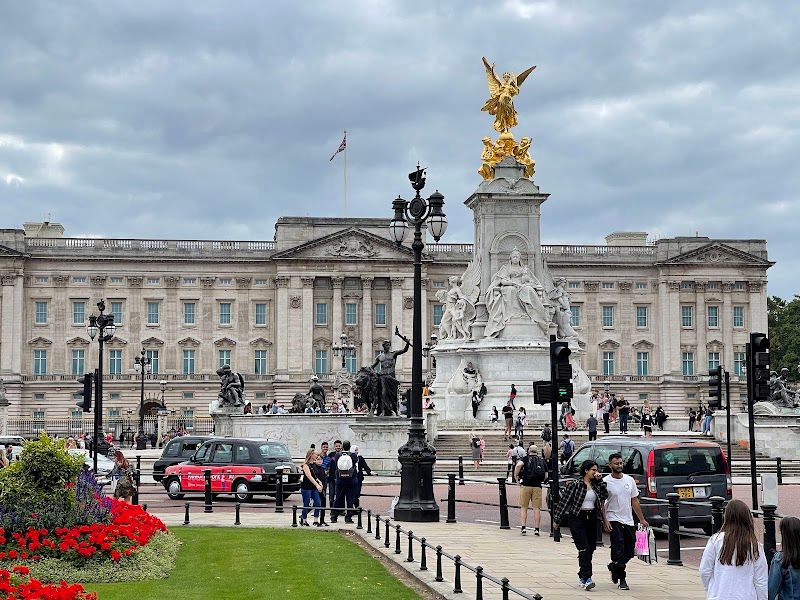
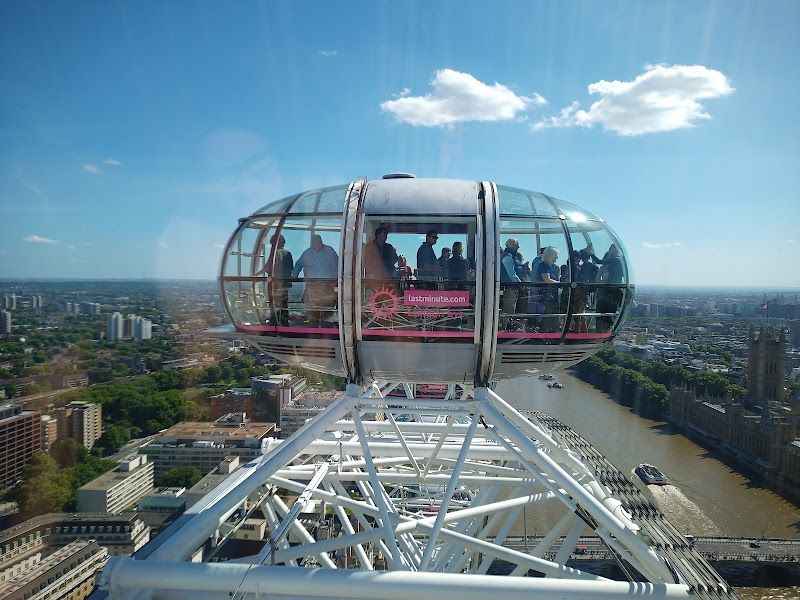
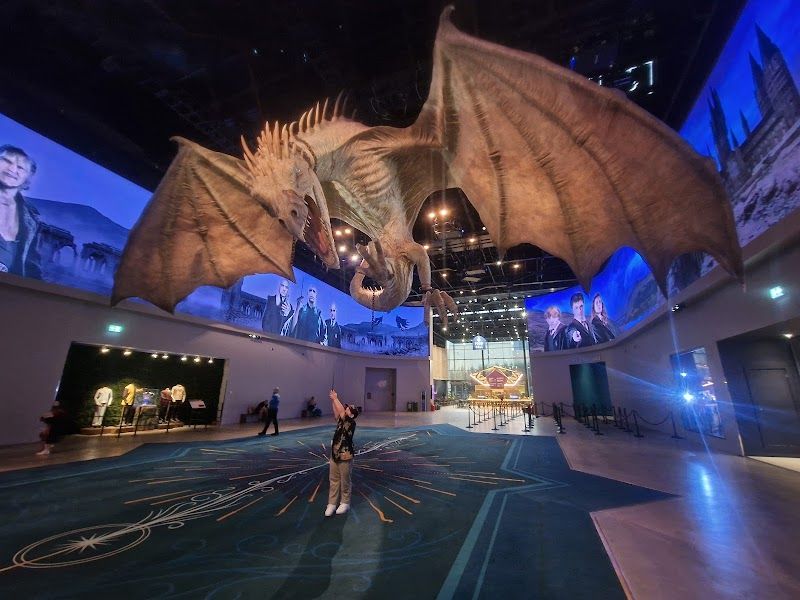
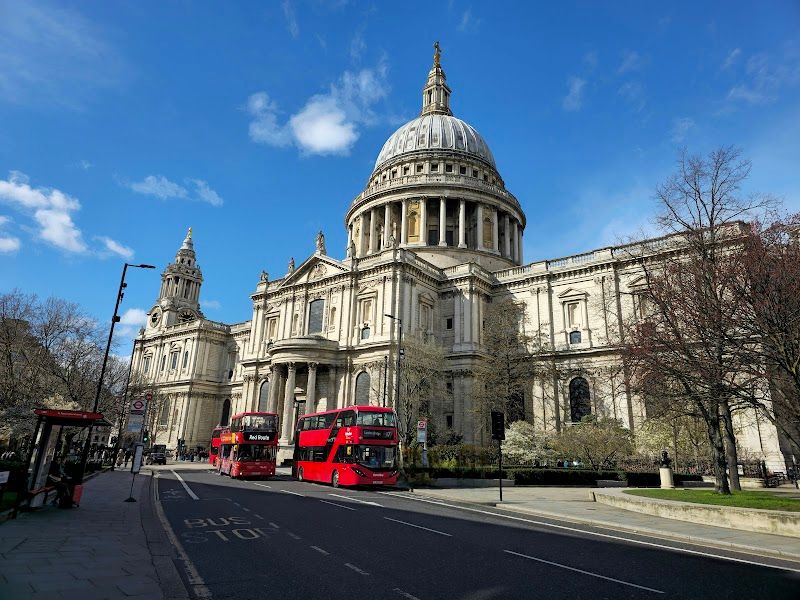
Yes, absolutely for: Tower of London (book online for a small discount off the walk-up price of GBP 34.80), Westminster Abbey (timed entry, GBP 29), St. Paul's Cathedral (timed entry, GBP 27), London Eye (GBP 29-35 depending on demand), Harry Potter Studio Tour (must book weeks ahead - sells out fast), The Shard viewing platform, and Buckingham Palace (GBP 33, open July-September only - book ahead in summer). Hampton Court Palace (GBP 29) is also worth booking in advance during peak season. Most museums are free with walk-up entry, but special exhibitions require advance booking. West End shows should be booked at least a few days ahead, more for popular shows like Hamilton or Wicked. Summer (June-August) and Christmas are busiest - book everything weeks in advance.
London is generally very safe with low violent crime. Watch for pickpockets in crowded tourist areas (Oxford Street, Leicester Square, Camden Market) and on the Tube, especially on busy lines like the Northern and Central lines. Be cautious late at night in less central areas. Common scams include fake petition signers, three-card monte near tourist sites, and unlicensed minicabs-always use official black cabs or pre-booked Uber/licensed minicabs. Emergency number is 999 (or 112 EU standard). The Tube and buses are safe at all hours, though late-night buses can be rowdy on weekends.
Let DAIZ plan your London days
Tell us how long you've got and what you're into. We'll build a day-by-day plan, with the bookable bits ready to lock in.