Lisbon's food scene operates on a different logic than most European capitals. You can eat exceptionally well for EUR 15 per person, and the best meals often happen in places that look like they haven't changed since 1974. The city's relationship with food is straightforward: fresh ingredients, honest preparation, and prices that won't bankrupt you.
The Lisbon foods to try extend far beyond the tourist trail of pastéis de nata and francesinha. Local dishes reflect Portugal's maritime heritage, its love affair with pork, and a particular genius for turning simple ingredients into something memorable. This isn't fusion cuisine or Instagram food - it's the kind of cooking that happens when a culture takes its time with flavors.
Traditional Lisbon Food: The Big Five
Pastéis de Nata
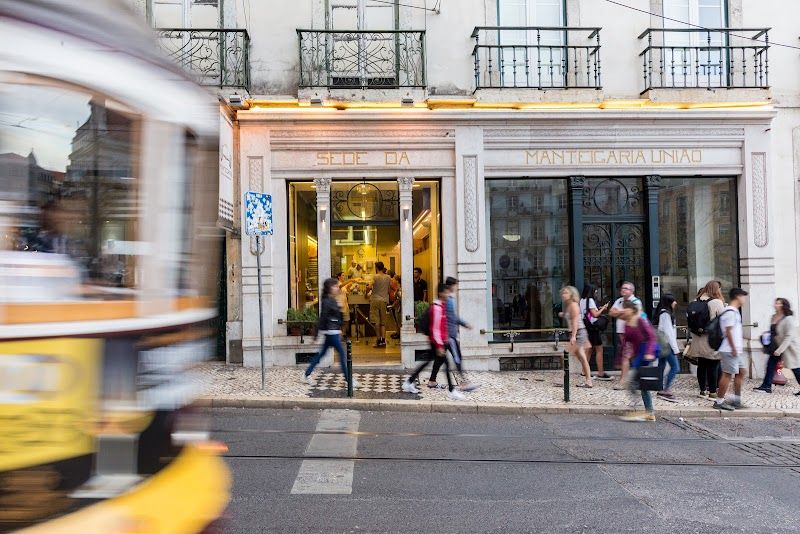
Start with the obvious because it's obvious for good reasons. Pastéis de nata cost EUR 1.2-1.8 at most bakeries, and the best versions have a custard that's sweet without being cloying and pastry that shatters when you bite it. The tourist pilgrimage to Pastéis de Belém is worth making once, but locals know that Manteigaria in Chiado produces equally good versions without the queues.
The secret isn't in the recipe (which every bakery claims to guard) but in the oven temperature. The custard should have black spots on top from high heat, and the pastry should still be warm. Eat them with espresso, never with milk, and never save them for later - they're best within an hour of baking.
Bifana
The bifana is Portugal's greatest contribution to street food: thin slices of marinated pork served on a crusty bread roll with mustard or piri-piri sauce. At EUR 2.5-4, it's also the country's best food bargain. The meat should be tender enough to cut with the side of your fork, and the bread should soak up the marinade without falling apart.
Every tasca has their own marinade recipe, usually involving white wine, bay leaves, and garlic. The best bifanas come from places that look slightly sketchy but have a constant stream of construction workers and taxi drivers. In Mouraria, try the version at Tabacaria Real - they've been making them the same way since 1962.
Bacalhau (Codfish)
Portugal supposedly has 365 ways to prepare bacalhau, one for each day of the year. This isn't tourist marketing - it's a conservative estimate. Salt cod appears on every menu in Lisbon, prepared in ways that range from simple to baroque.
Bacalhau à Brás mixes shredded cod with scrambled eggs and matchstick potatoes - comfort food that costs EUR 8-12 at most restaurants. Pastéis de bacalhau are cod fritters that work as bar snacks with beer. For something more substantial, bacalhau com natas layers cod with cream and potatoes in a casserole that feeds families.
The fish arrives in Portugal already salted and dried. Good bacalhau should flake easily and taste of the sea without being aggressively salty. Restaurants that know what they're doing soak it for 24 hours before cooking.
Caldo Verde
This soup made from kale, potatoes, and chouriço sausage appears on every Portuguese table, but Lisbon versions tend to be more refined than their northern cousins. The kale should be shredded so finely it looks like green confetti, and the potatoes should dissolve into the broth to create body without chunks.
A bowl costs EUR 3-5 as a starter, or you can make a meal of it with bread. The best versions balance the mineral taste of kale against the fat from chouriço. In winter, it's what locals eat when they want something that feels like home.
Francesinha
Technically from Porto, but Lisbon's versions of this sandwich deserve recognition. Francesinha layers ham, fresh sausage, and steak between bread, covers everything with melted cheese, and drowns it in a beer-and-tomato sauce that tastes like liquid comfort food.
Lisbon interpretations tend to be less heavy than the Porto original. The sandwich costs EUR 12-16 at most places and arrives with enough fries to feed two people. It's hangover food that works as dinner when you can't decide what you want to eat.
Portuguese Food in Lisbon: Seafood Specialties
Sardines
Lisbon's relationship with sardines peaks in June during the Santo António festival, when the entire city smells like grilled fish. But sardines deserve attention year-round, especially when they're grilled over charcoal and served with roasted peppers and new potatoes.
Fresh sardines are available from April through October. They should be firm to the touch and smell like the ocean, not like fish. Grilled sardines cost EUR 8-12 per portion and come with enough fish to satisfy serious appetites. The Portuguese eat them with their hands, pulling the meat off the bones with bread.
For the full experience, order sardinas assadas with pimentos assados (roasted peppers) and broa de milho (corn bread). The combination of smoky fish, sweet peppers, and dense bread explains why this remains Portugal's national dish.
Arroz de Marisco (Seafood Rice)
This isn't paella, despite surface similarities. Portuguese seafood rice is soupier, more intensely flavored, and designed to be eaten with a spoon rather than a fork. The rice absorbs the cooking liquid completely, creating something between risotto and soup.
A good arroz de marisco contains prawns, mussels, clams, and sometimes crab or lobster. The rice should be creamy but not mushy, and the seafood should taste like it was swimming that morning. Portions are generous - expect to pay EUR 16-25 per person for versions that serve as complete meals.
The best versions appear at marisqueiras (seafood restaurants) rather than tourist-focused establishments. Look for places where Portuguese families celebrate special occasions.
Cataplana
Named after the copper pot it's cooked in, cataplana combines seafood or meat with vegetables in a sealed vessel that creates its own steam. The theatrical presentation - opening the cataplana at your table - comes with serious flavors that justify the show.
Seafood cataplana typically contains monkfish, prawns, clams, and vegetables in a tomato-based sauce. The sealed cooking method concentrates flavors while keeping everything moist. Prices range from EUR 35-55 for two people, making this a special occasion dish rather than everyday food.
The cooking technique originated in the Algarve but has become standard in Lisbon seafood restaurants. The best versions balance the various seafood so no single ingredient dominates.
Best Food in Lisbon: Meat and Comfort Dishes
Cozido à Portuguesa
This is Portugal's answer to pot-au-feu: multiple meats, sausages, and vegetables simmered together until everything becomes tender. Traditional cozido includes beef, pork, chicken, blood sausage, and chouriço, plus cabbage, potatoes, carrots, and beans.
The dish appears on Thursday menus at traditional restaurants throughout Lisbon. It costs EUR 12-18 per person and provides enough food for serious appetites. The various elements should be recognizable but unified by the cooking liquid.
Most restaurants require advance notice for cozido since it takes hours to prepare properly. The result is comfort food that explains why Portuguese workers could build an empire on three continents.
Febras de Porco
Pork steaks marinated in wine and garlic, then grilled or pan-fried until the edges caramelize. Good febras should be tender enough to cut with a fork but with enough char to provide textural contrast. They're usually served with migas (breadcrumb mixture) or roasted potatoes.
This dish costs EUR 10-14 at most tascas and represents Portuguese cooking at its most fundamental. The marinade typically includes white wine, bay leaves, and enough garlic to ward off vampires. The meat should taste like pork, not like the marinade.
Alheira
This sausage was allegedly invented by Portuguese Jews during the Inquisition as a way to appear Christian while avoiding pork. Traditional alheira contains poultry, game, and bread but no pork, though modern versions often include everything.
Alheira appears grilled as a main course or sliced as an appetizer. The texture is lighter than chorizo, with a subtle smoky flavor that works with eggs, potatoes, or bread. A portion costs EUR 8-12 as a main course.
The sausage should hold together when grilled but not be dense or greasy. Look for artisanal versions at specialty shops in Príncipe Real.
Local Dishes Lisbon: Sweet Endings
Baba de Camelo
The name translates as "camel's drool," which sounds unappetizing until you taste this dessert made from condensed milk and eggs. The texture falls somewhere between mousse and custard, with a sweetness that's intense but not cloying.
Most versions include almonds or other nuts for textural contrast. The dessert appears on traditional restaurant menus for EUR 4-6 per portion. It's richer than it looks, so consider sharing unless you have a serious sweet tooth.
Queijadas de Sintra
These small cheesecakes originated in nearby Sintra but appear throughout Lisbon bakeries. Made with fresh cheese, eggs, and sugar in pastry shells, they're less sweet than American cheesecake but more substantial than most Portuguese pastries.
Queijadas cost EUR 1.5-2.5 each and work as afternoon snacks with coffee. The filling should be firm but not dense, with a slight tang from the cheese. They're best eaten within a day of baking.
Arroz Doce (Sweet Rice)
Portuguese rice pudding appears simple until you taste versions made by grandmothers who learned the technique from their grandmothers. Good arroz doce has individual rice grains suspended in custard-like milk, flavored with lemon zest and cinnamon.
The dessert costs EUR 3-5 at traditional restaurants and appears at family celebrations throughout Portugal. The rice should be tender but not mushy, and the milk should taste slightly caramelized from slow cooking.
What to Eat in Lisbon: Neighborhood Specialties
Different areas of Lisbon have developed their own food personalities. Alfama maintains the highest concentration of traditional tascas, where old men drink wine at 11 AM and discuss football with religious intensity. The food here leans heavily Portuguese - bacalhau, sardines, and wine that costs EUR 2-6 per glass.
Príncipe Real has evolved into Lisbon's most sophisticated food neighborhood, with restaurants that interpret traditional dishes through contemporary techniques. Expect to pay EUR 25-45 for dinner, but the quality justifies the premium.
Mouraria offers the city's most diverse food scene, with Pakistani, Bangladeshi, and Chinese restaurants operating alongside traditional Portuguese establishments. This is where immigrants have created fusion dishes that locals now consider authentically Lisbon.
Santos remains under-touristed despite excellent restaurants that serve neighborhood residents rather than visitors. The food tends to be traditional but executed with more care than touristy areas.
For comprehensive neighborhood-by-neighborhood recommendations, see our detailed guide to where to eat in Lisbon.
Practical Eating in Lisbon
Timing and Etiquette
Lisbon restaurants operate on Portuguese time, which means lunch happens between 12:30-14:30 and dinner starts around 19:30. Many traditional establishments close between 15:00-19:00, so plan accordingly.
Reservations aren't typically necessary except at high-end restaurants or during festival periods. Most tascas operate on a first-come basis, and the best tables often go to regulars who've been eating there for decades.
Tipping ranges from 5-10% at restaurants, though it's not mandatory. Round up to the nearest euro for coffee or small purchases. Many locals don't tip for espresso consumed standing at the bar.
Price Expectations
Lisbon remains one of Europe's best food bargains. A complete meal with wine costs EUR 8-15 per person at neighborhood tascas, EUR 25-45 at mid-range restaurants, and EUR 60-120 at the city's finest establishments.
Street food and casual meals offer exceptional value: bifanas cost EUR 2.5-4, pastéis de nata cost EUR 1.2-1.8, and a beer costs EUR 1.5-3.5 depending on location.
Lunch menus (menu do dia) at local restaurants typically include soup, main course, dessert, and coffee for EUR 8-15. These represent the best value in the city for complete meals.
Markets and Food Shopping
For ingredients and prepared foods, Mercado da Ribeira (also known as Time Out Market) combines tourist appeal with genuine quality. However, locals prefer smaller markets like Mercado de Alvalade or Mercado de Campo de Ourique for everyday shopping.
Specialty food shops in Chiado and Príncipe Real stock Portuguese products that make excellent souvenirs: olive oil from Alentejo, port wine, and artisanal preserves.
The combination of Atlantic seafood, Mediterranean vegetables, and Portuguese wine creates a food culture that's both distinctive and accessible. Whether you're spending EUR 10 on lunch or EUR 100 on dinner, Lisbon delivers flavors that explain why Portuguese cuisine deserves more international recognition.
For visitors planning longer stays, our 3-day Lisbon itinerary includes specific meal recommendations that align with sightseeing schedules, while budget-conscious travelers should consult our guide to visiting Lisbon for under EUR 50 per day for money-saving food tips.