Barcelona is safe to visit. That's the honest answer, and it needs to be said upfront before the caveats. Millions of people travel here every year and have no problems beyond sore feet and sunburn. But is Barcelona safe in the way that, say, Zurich is safe? No. Pickpocketing is a genuine, persistent problem, and the city consistently ranks among Europe's top destinations for tourist theft. Knowing that going in, and knowing exactly where and how it happens, is what separates travelers who get robbed from those who don't.
This isn't a reason to avoid Barcelona. It's a reason to spend ten minutes reading this before you arrive.
What the Barcelona Crime Rate Actually Looks Like
Barcelona sits near the top of European cities for petty theft and pickpocketing, a fact the local government has acknowledged repeatedly. The crime that affects tourists is overwhelmingly non-violent. Muggings at knifepoint happen, but they are not the norm. What is the norm: coordinated, professional theft teams operating on La Rambla, the metro, Las Boqueria market, and around the major Gaudí sites.
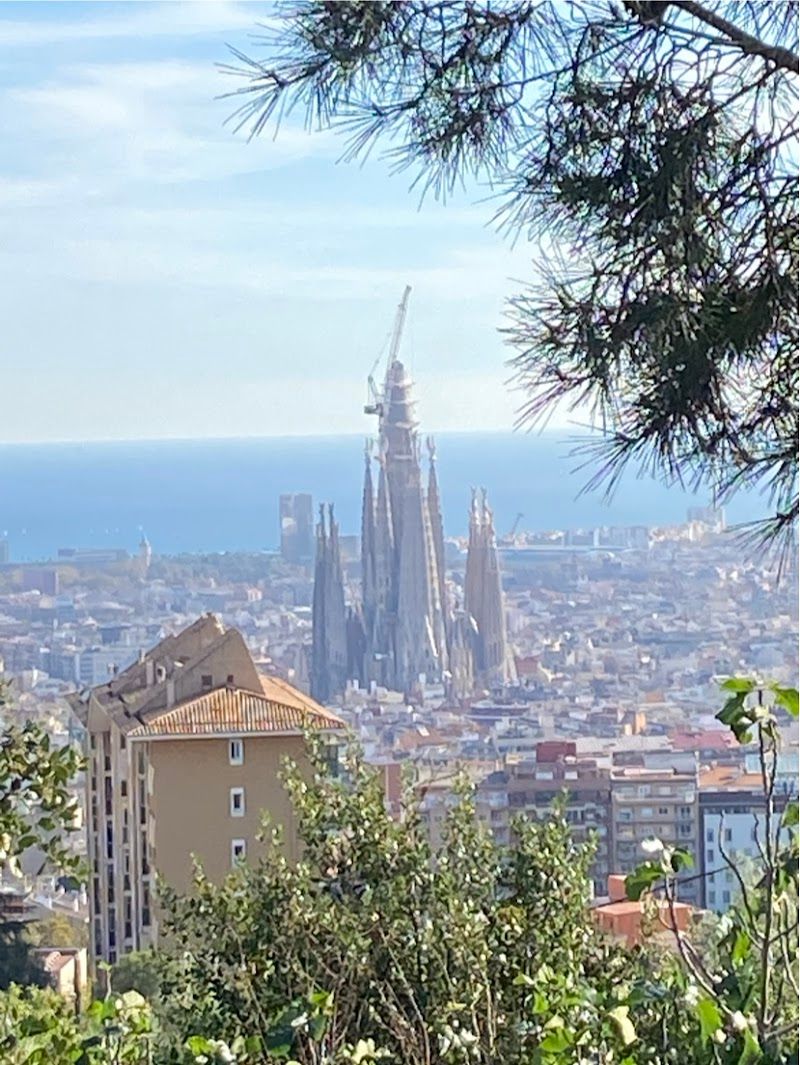
Spain's Interior Ministry data shows Catalonia has one of the highest rates of minor property crime in the country, and a significant share of those incidents happen in central Barcelona. In practical terms, this means a well-organized group of thieves knows exactly which tourists just got off the cruise ship, which pockets aren't zipped, and which people are too distracted by Sagrada Familia to notice a hand in their bag.
The good news: almost none of this involves violence. The city is not dangerous in the sense that you should fear for your physical safety walking around at night. It's dangerous in the sense that your phone and wallet are a target if you give them an easy opportunity.
How Barcelona Compares to Other European Cities
For context, Barcelona's violent crime rate is lower than London, Paris, or Rome. What's elevated is opportunistic theft. Travelers who've been to Naples or Rome often say Barcelona felt comparable, or slightly worse, for pickpocket risk in tourist zones. Travelers coming from northern European cities often find it a genuine shock.
The city's tourist infrastructure is excellent, the police presence in central areas is visible, and the emergency services are reliable. None of that means your phone is safe in your back pocket on the L3 metro.
Barcelona Safe Areas: A Neighborhood-by-Neighborhood Breakdown
Not all of Barcelona carries the same risk level, and the differences matter when you're deciding where to stay and how alert to be.
Gothic Quarter
The Gothic Quarter is the highest-theft area in the city, full stop. The narrow medieval streets are exactly the kind of environment where thieves operate well: limited sight lines, crowds, multiple escape routes. La Rambla, which runs along its western edge, is the single most notorious stretch for pickpocketing in all of Spain.
This doesn't mean you shouldn't go. The Barcelona Cathedral is worth your time, and the neighborhood has some of the best vermouth bars in the city. It means you should treat it like you'd treat any high-density tourist zone in a major European city: bag in front, phone in a zipped pocket, nothing valuable left in a daypack.
Our Gothic Quarter walking guide covers the route in detail, but the safety principle is the same throughout: eyes up, bag secured.
El Born and La Ribera
El Born is lower risk than the Gothic Quarter, but not without its issues. The Picasso Museum queues and the streets around Parc de la Ciutadella attract the same kind of professional thieves who work the Gothic Quarter, because the tourist density is high enough to be worth their time. Inside the neighborhood's bars and restaurants, the risk drops significantly.
El Raval
El Raval has a complicated reputation. Your hotel concierge may steer you away from it, partly out of genuine concern and partly out of outdated prejudice. The neighborhood has gentrified significantly over the past fifteen years. MACBA (the contemporary art museum, EUR 11 entry) sits in the middle of it. The lower Raval, toward the port, still has pockets of street drug activity and the occasional more aggressive solicitation, particularly late at night. Walking through during the day is fine. Walking through alone at 3am with your phone out is not a great idea in any city.
Barceloneta
Barceloneta and the beach at Platja de la Barceloneta are where a specific type of theft happens: beach theft. Leaving your bag unattended while you swim is how people lose everything. It happens constantly throughout summer. The actual neighborhood streets are generally fine.
Eixample, Gràcia, Poble Sec, Poblenou
These neighborhoods carry meaningfully lower risk than the tourist core. Eixample has some pickpocket activity around Casa Batlló and La Pedrera specifically, because the queues are obvious tourist gathering points. But walking around Eixample's grid streets, eating at restaurants, or shopping, you're unlikely to have any issues.
Gràcia, Poble Sec, and Poblenou are where locals actually live, and the risk level reflects that. These are genuinely low-concern neighborhoods. If you're trying to minimize your exposure to tourist-targeted crime and still see a real slice of the city, these are good bases.
Sarrià-Sant Gervasi is one of Barcelona's wealthiest residential areas and has very low crime rates by any measure.
Montjuïc
Montjuïc is generally safe during the day. The hill has parks, the MNAC museum (EUR 12, free Saturday after 3pm), and good views. Isolated paths after dark are a different story. Stick to the main routes if you're there in the evening.
Barcelona Pickpockets: How It Actually Works
Understanding the mechanics makes you much harder to rob. Professional theft teams in Barcelona use a handful of reliable techniques.
The distraction approach is the most common. Someone bumps into you, spills something on you, asks for directions, or starts an argument, while an accomplice takes your phone or wallet. The person you're interacting with isn't the one stealing from you.
The metro crush happens on the L3 and L5 lines, particularly at Passeig de Gràcia, Catalunya, and Drassanes stations. The thieves board at peak times and work the crowd as doors close. The moment the doors shut is when the theft happens.
The Boqueria / La Rambla distraction involves someone drawing your attention to the market stalls, performers, or a "lottery win" scheme while their partner works your bag. The motoreta scheme, where someone on a scooter grabs a bag from an outdoor cafe table, is less common than it used to be but still happens.
The beach bag lift is exactly what it sounds like. You go in the water. Your bag disappears.
What to Actually Do About It
The precautions are not complicated, but they require consistency:
Use a crossbody bag that sits in front of your body, not a backpack hanging behind you. Zipped pockets, not open ones. Your phone should never be in a back pocket, ever.
Divide your cash and cards. Keep one card and some cash accessible for the day. Keep your passport, backup card, and most of your cash somewhere secure at the hotel.
On the metro, be aware when the doors are closing. That's the moment of highest risk. Keep your bag in front of you.
At the beach, don't leave your bag unattended. Bring only what you need. Waterproof phone pouches that hang around your neck exist and work.
Trust your instincts. If someone is standing too close in a non-crowded space, or a stranger is being unusually insistent about something, disengage and move.
If you do get robbed, the nearest Guardia Urbana station (Barcelona's local police) can take a denuncia (official report) for insurance purposes. The Mossos d'Esquadra (Catalan regional police) handle more serious crimes. Neither is realistically going to recover your phone, but the denuncia is required for insurance claims.
Barcelona Safety Tips for Specific Situations
At Night
Barcelona is a late-night city by design. Dinner at 9pm, bars until 2am, clubs until 7am. Walking around at midnight in Eixample, Born, or Gràcia is normal and safe. The risk calculus changes in the lower Raval, isolated beach areas, or anywhere you're very visibly intoxicated and alone. The same common sense that applies in any major European city applies here.
For Solo Female Travelers
Barcelona is a reasonable city for solo female travel by European standards. Street harassment exists, particularly around nightlife areas, but it's not at the level of some southern European cities. The main risk remains the same as for anyone: theft, not physical danger. Taxis and rideshares (Uber operates here) are reliable for late-night returns.
Traveling with Children
Families visiting Barcelona face essentially the same theft risks as everyone else, with the added complexity of managing kids in crowded spaces. Our Barcelona with Kids guide covers the logistics in detail. The safety advice is simple: treat pushchairs and strollers as theft opportunities (don't hang bags on the handles in crowded spaces) and keep the same bag discipline you'd apply anywhere.
Using ATMs
Use ATMs inside bank branches where possible, not street-facing machines in tourist areas. Card skimming is less common than it used to be, but ATM fraud still happens. Decline the ATM's offer to do the currency conversion for you (always choose to be charged in EUR).
A Realistic Safety Assessment
Here's the honest verdict: Barcelona is safe for the vast majority of travelers who take basic precautions. The city's theft problem is real and persistent, but it's predictable and largely avoidable. The tourists who get robbed are, in most cases, the ones who made it easy.
| Risk Level | Areas | Main Concern |
|---|---|---|
| High | La Rambla, Gothic Quarter, Boqueria | Pickpockets, distraction theft |
| Medium-High | Barceloneta beach, Born tourist zone, Gaudí site queues | Beach theft, metro theft |
| Medium | El Raval (daytime) | Opportunistic theft, lower Raval at night |
| Low | Eixample residential, Gràcia, Poble Sec, Poblenou | Standard urban caution |
| Very Low | Sarrià-Sant Gervasi, Montjuïc (daytime) | Minimal tourist targeting |
If you're planning your first trip and want a fuller picture of logistics beyond safety, our first-time Barcelona guide covers everything from transport passes (the T-casual 10-trip card is EUR 13 for zone 1) to the best time to book Sagrada Família tickets. The 3-day itinerary also factors in sensible routing that minimizes time spent in the highest-risk zones.
Barcelona is a city that rewards travelers who actually engage with it rather than staying on the main tourist circuit. El Born for dinner, Gràcia for a weekend morning, Poble Sec for a long lunch at Quimet & Quimet with a vermouth and a plate of canned seafood that costs less than you'd expect. None of that requires unusual bravery. It just requires keeping your bag zipped.