Barcelona
Gaudi, tapas at midnight, and a beach you'll actually want to swim at

About Barcelona
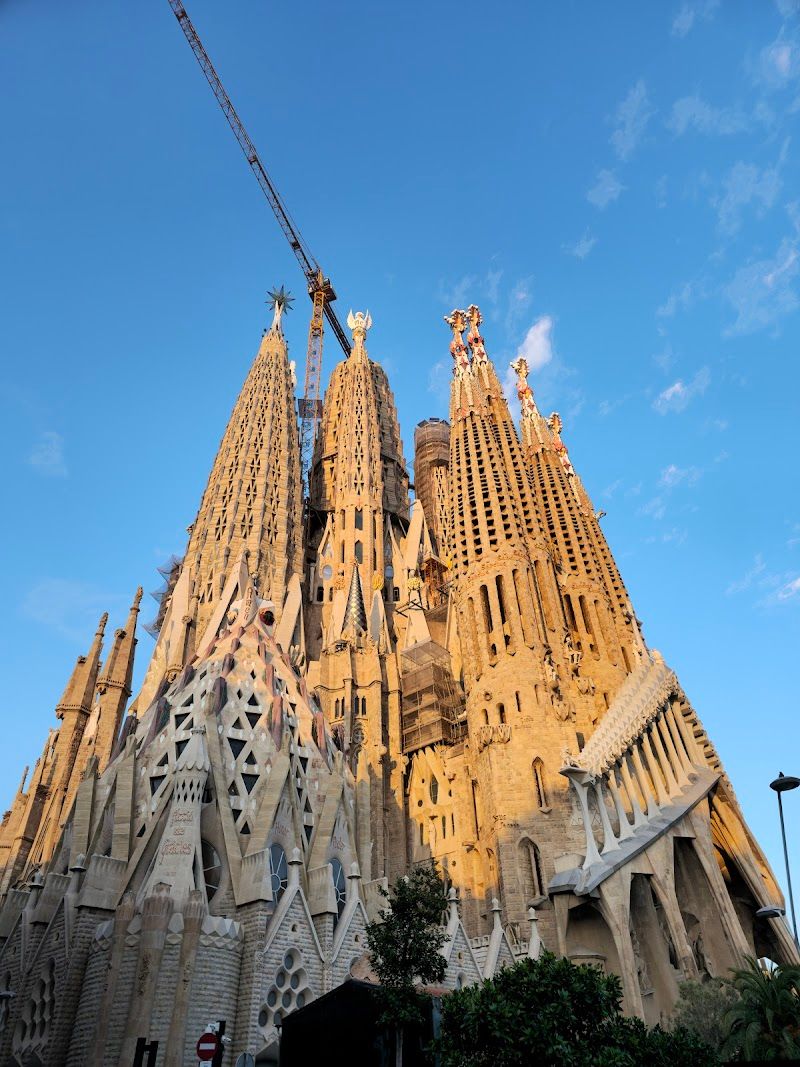
Barcelona is the city that proves you can have world-class architecture, a genuine beach, and a €1 espresso all in the same afternoon. Gaudi gets the credit for making the city look like a fever dream - and the Sagrada Familia really is that impressive - but it's the neighborhoods away from the tour buses that make you want to extend your trip.
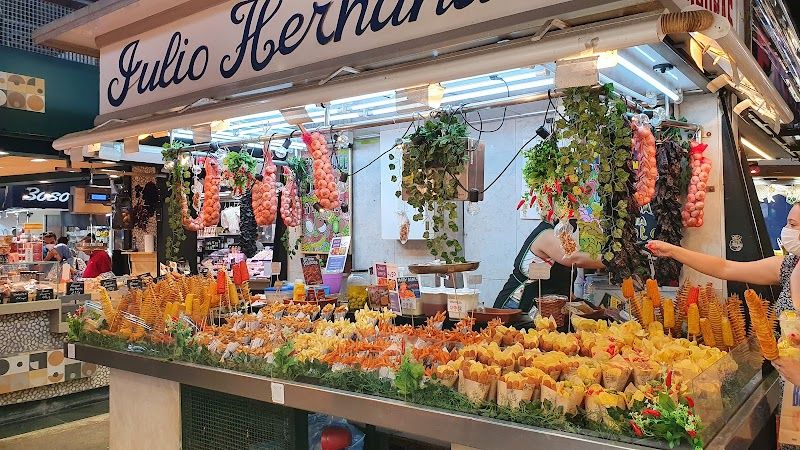
The Gothic Quarter has medieval streets narrow enough to touch both walls, and tapas bars where €3 gets you a glass of vermouth and a plate of patatas bravas at 7 PM while the rest of Europe is already eating dinner. Barcelona doesn't do dinner before 9. Lunch is at 2. This takes exactly one day to get used to and then you'll wonder why anyone eats any other way.
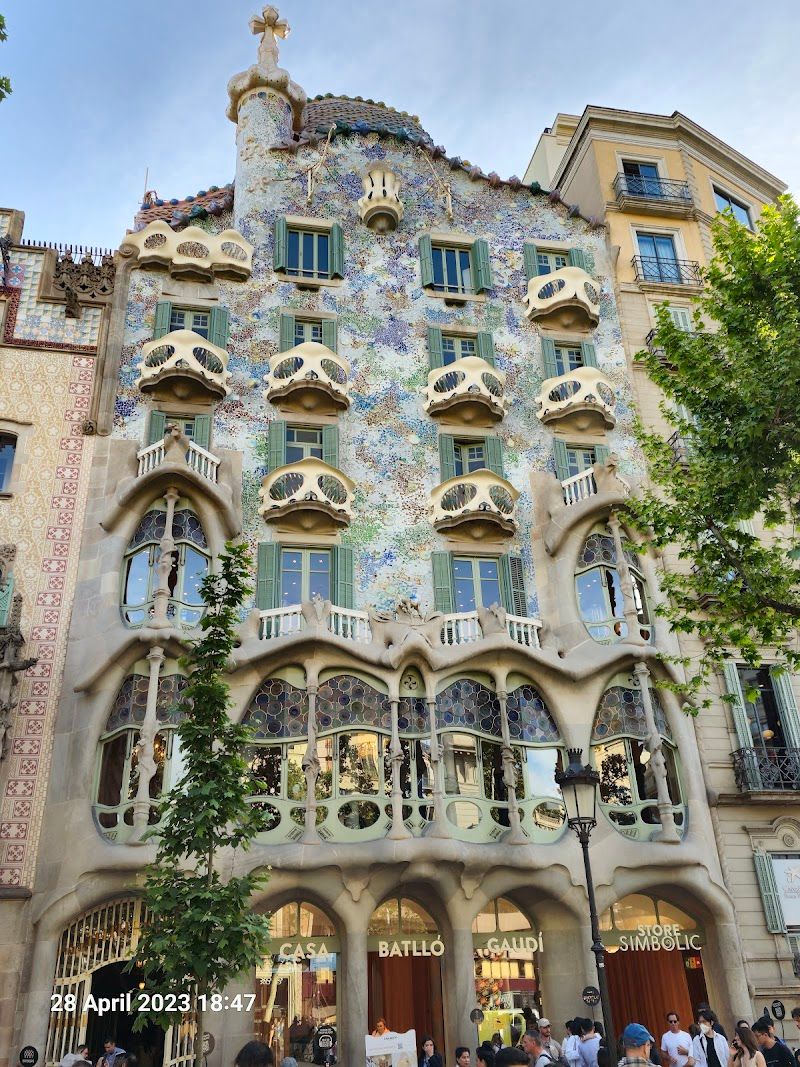
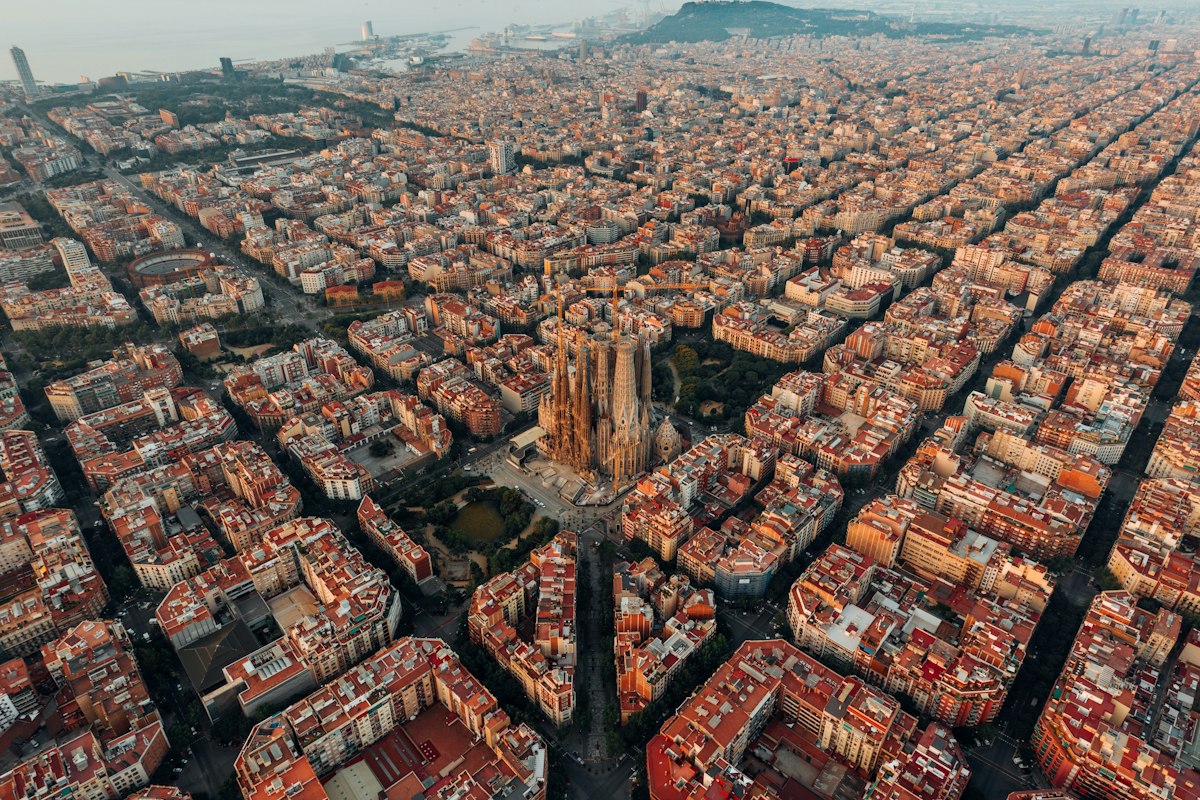
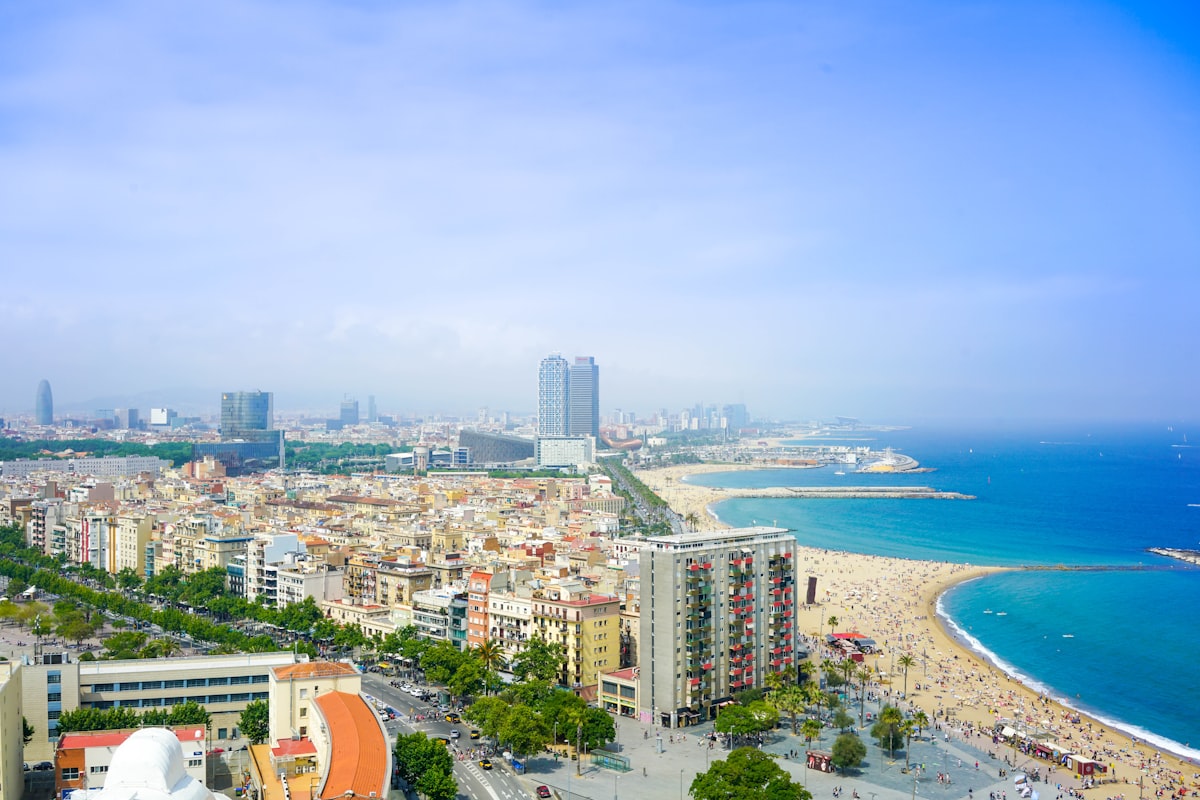
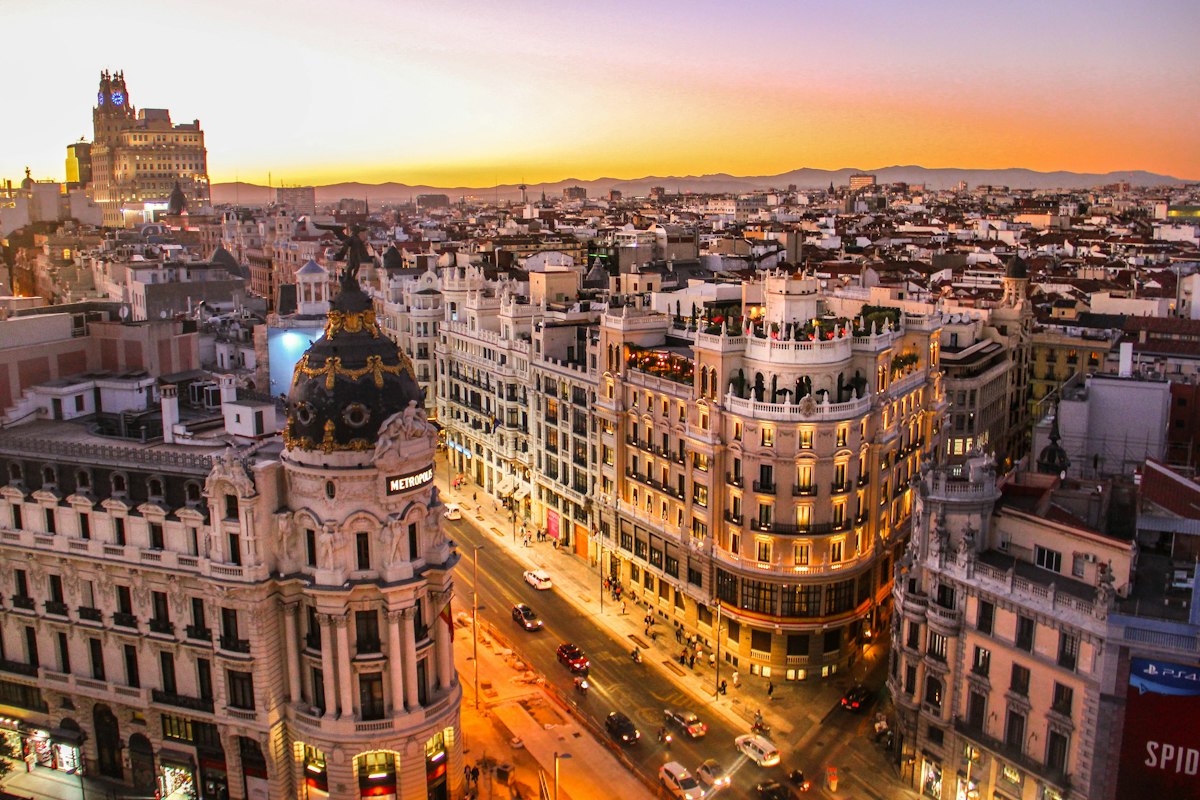
El Born is where the locals actually go out. Barceloneta has a beach that's genuinely good, not just good-for-a-city. Gracia feels like a small town that got absorbed by a metropolis and refused to change. And the Eixample - that grid of wide boulevards with the clipped corners - has more Modernista buildings than any architecture student could catalog in a month.
Here's the thing about Barcelona: the tapas are cheap, the wine is cheaper, and the city doesn't really wake up until you've already had three courses. It runs on its own clock and after 48 hours, so will you.
Pick your base
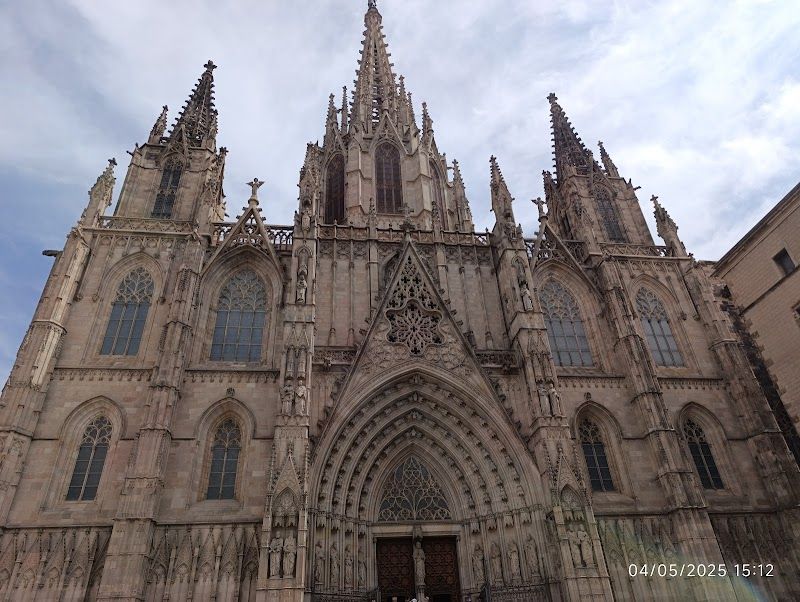
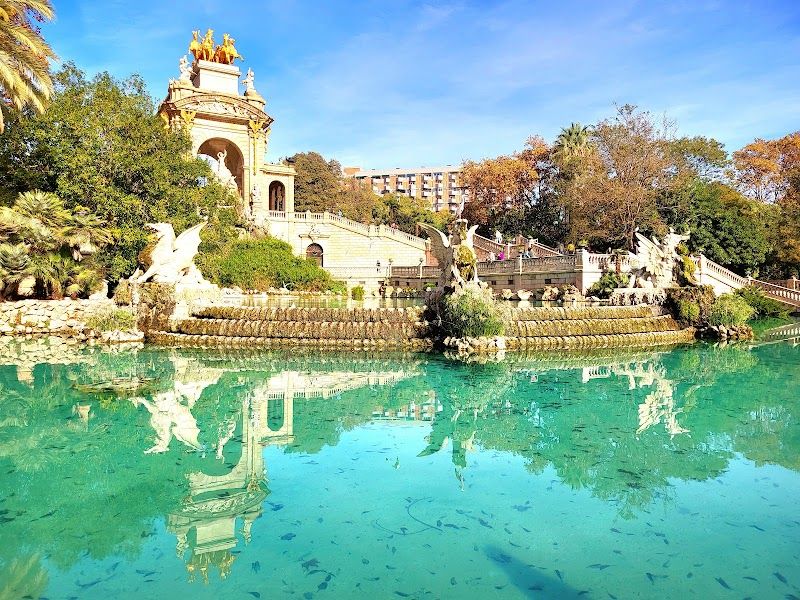
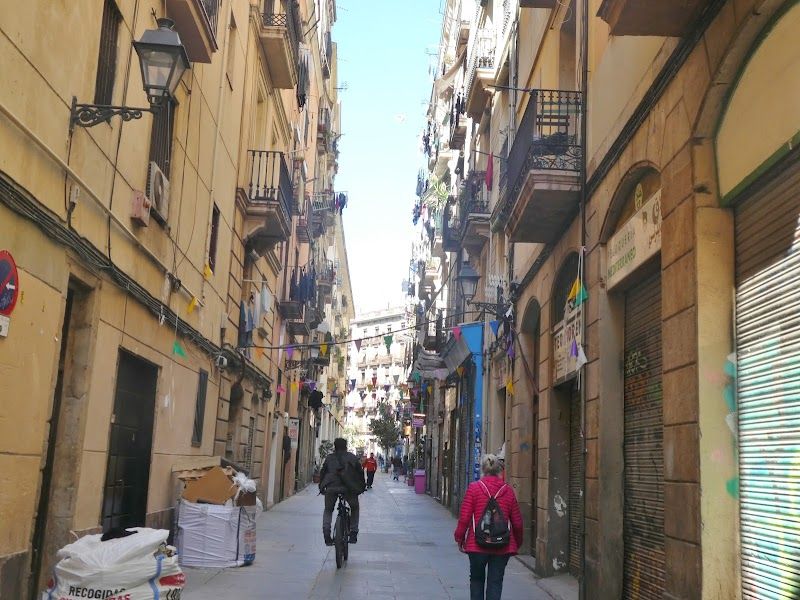
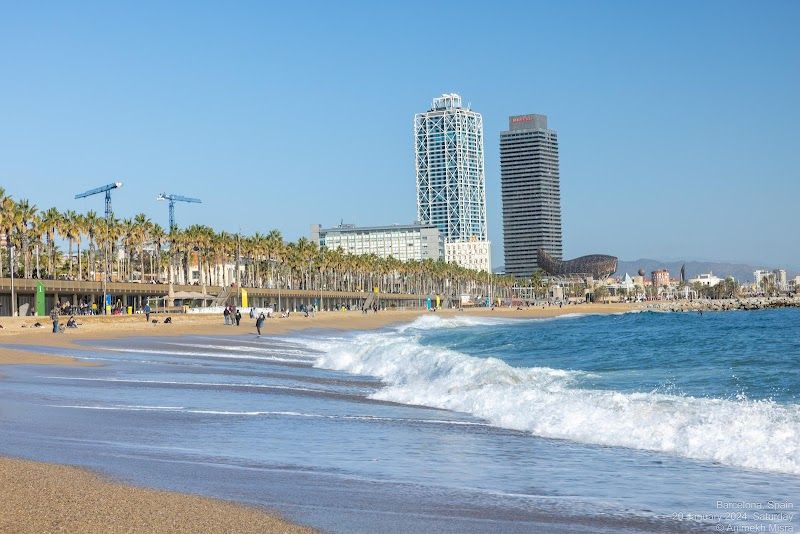
Stay in Barcelona
Real-time pricing across hotels, apartments, and ryokans. Book direct from the map.
Things to do in Barcelona
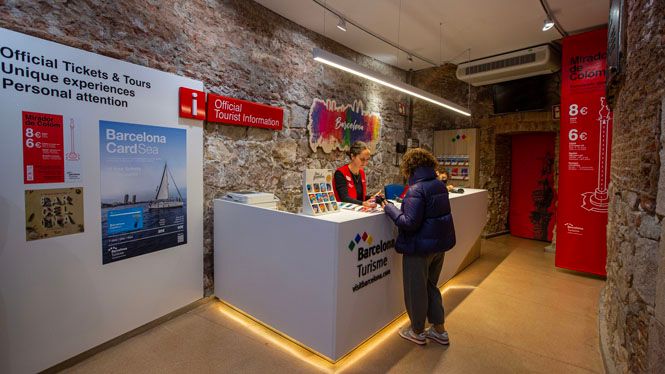
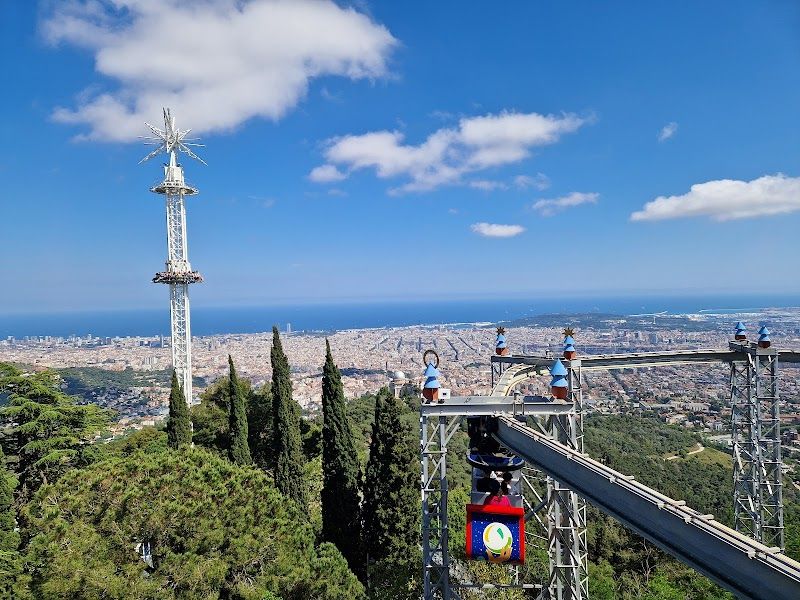
Experiences worth booking ahead
Vetted tours and tickets we'd send a friend to. The ones worth reserving before you arrive.
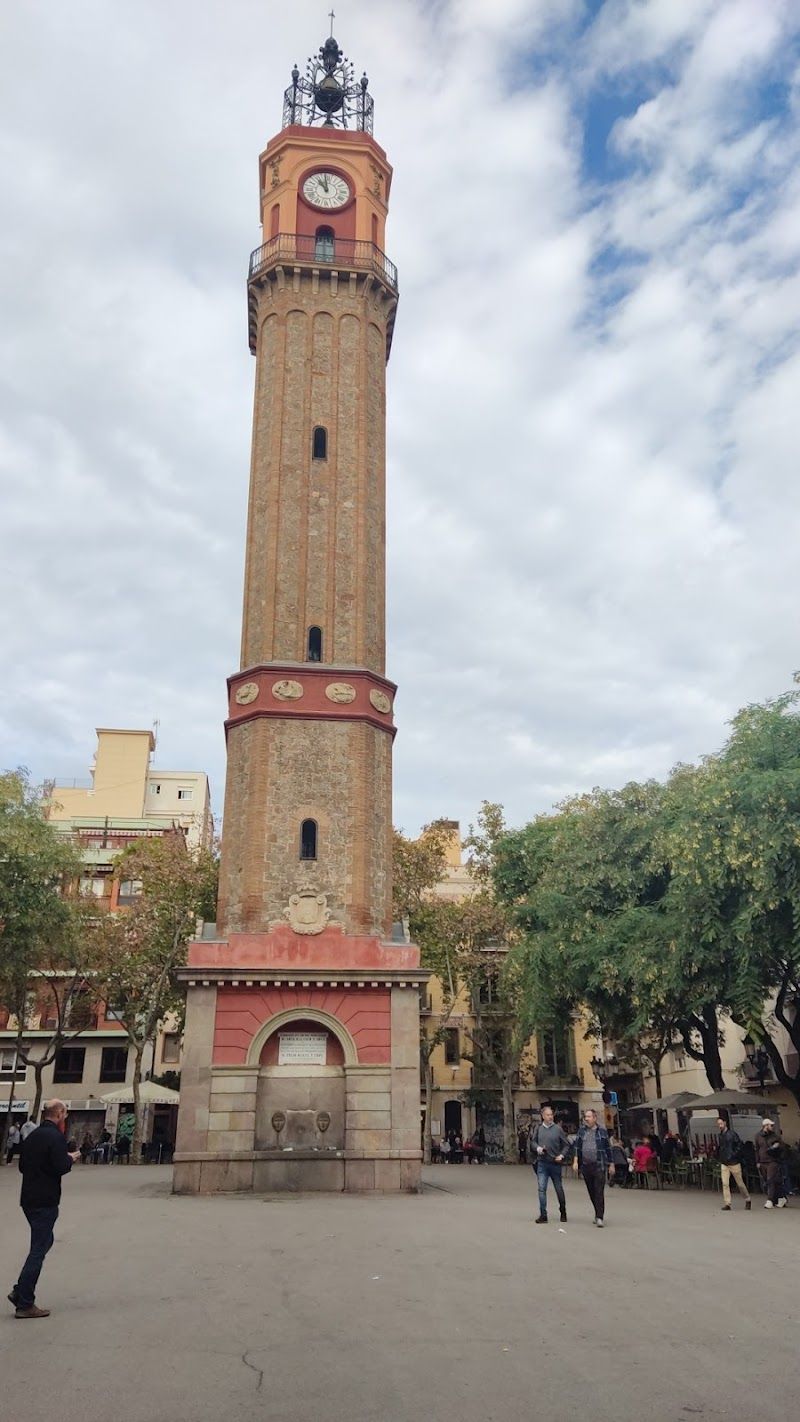
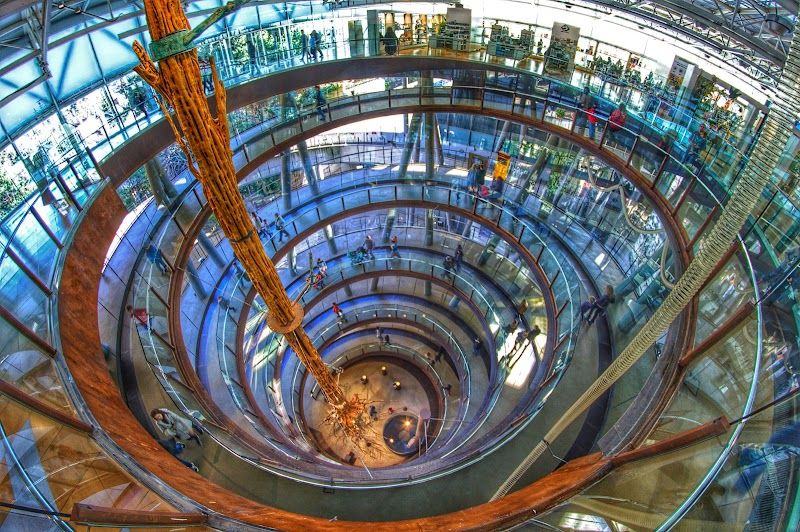
Travel guides
From the blog
Practical bits, answered
Lunch is 1:30-3:30 PM, dinner is 9-11 PM. Restaurants that serve dinner at 7 PM are tourist traps. The menu del dia at lunch (3 courses with drink for €12-18) is still the best deal in the city - available 1-4 PM at most restaurants.
Buy a T-Casual card (EUR 13 for 10 trips) at any metro station. It works on metro, bus, tram, and local trains within zone 1, but note it is non-transferable. If you're heading to the airport via metro L9 Sud, the zone 1 card is not valid - you'll need either the 2-zone T-Casual (EUR 25.5 for 10 trips) or a separate airport supplement ticket (EUR 5.5 single). For stays over 2 days, the Hola Barcelona 48h card (EUR 17.5) or 72h card (EUR 25.5) offer unlimited rides and do include the airport metro line, which makes them the cleaner option if you're arriving or departing by metro. The Aerobus is another solid airport option at EUR 7.75 single (return EUR 13.65) - it runs every 5-10 minutes from both terminals to Placa Catalunya and takes around 35 minutes. Most of central Barcelona is walkable in 20-30 minutes. Don't bother with taxis unless it's late at night or you have a lot of luggage - fixed fares from the airport are EUR 39 from T1 and EUR 47 from T2, taking 25-40 minutes depending on traffic.
Las Ramblas and the metro are the hot spots. Front pockets, zipped bags, phone in your hand not your back pocket. It's not dangerous, just annoying if you're careless. El Born and Gracia are totally fine.
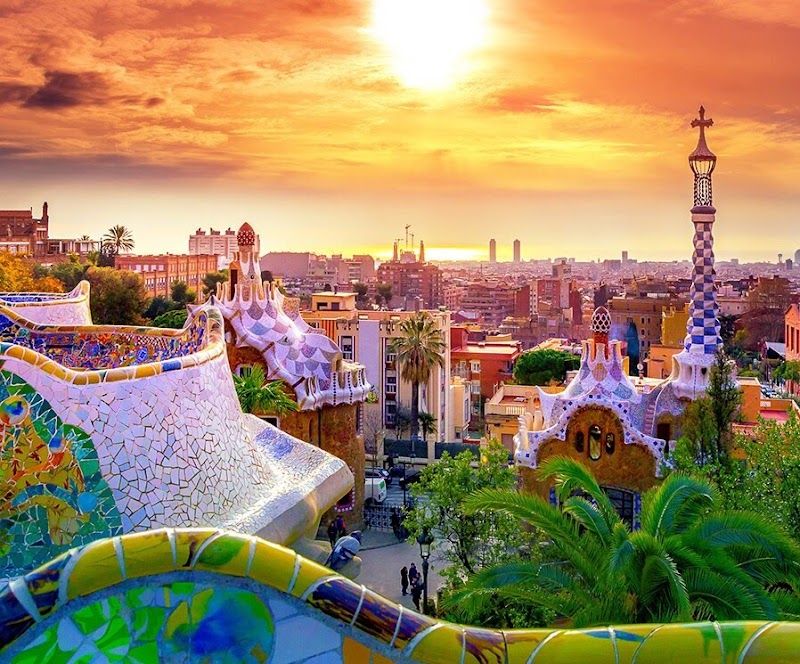
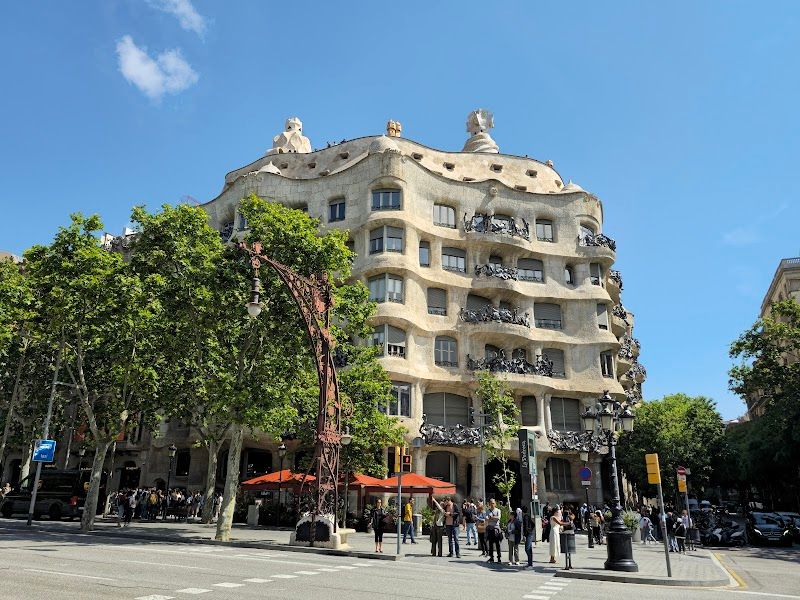
Book these online 3-4 weeks before your trip, and longer during peak season. Sagrada Familia and Casa Batllo tend to require the most lead time. Park Guell releases timed entry tickets in batches, so check back multiple times if your preferred slot shows as full. Current prices: Sagrada Familia basic entry with audioguide app is EUR 26 (tower access EUR 36, seniors EUR 21, under 30 EUR 24). Park Guell monumental zone is EUR 18 (children 7-12 EUR 13.50, under 7 free). Casa Batllo standard entry with AR experience is EUR 35, though Gold and Silver ticket tiers are also available at different price points. La Pedrera daytime visit is EUR 28. These are the figures available now, but all four attractions adjust prices regularly - Sagrada Familia in particular revises its pricing around construction milestones as the towers near completion. Confirm everything on official websites before booking, and treat any number you read elsewhere as approximate. Morning slots at Sagrada Familia get the best natural light for photos. La Pedrera tends to be less crowded in the early afternoon for daytime visits.
Barcelona is bilingual - street signs are in Catalan, most people speak both. "Gracia" not "gracias" is the local thank-you. Starting with "Bon dia" instead of "Buenos dias" gets you a warmer reception.
Not expected like in the US. Round up the bill or leave €1-2 for good service at restaurants. Nobody tips at bars or cafes. Don't overthink it.
Three days covers the highlights if you're efficient: Gothic Quarter, Gaudi's greatest hits, and the beach. Five days lets you explore Gracia, Montjuic, a day trip to Montserrat, and actually eat at a pace Barcelona approves of. Most people wish they'd booked one more day.
El Born is the sweet spot - walkable to the Gothic Quarter and beach, great restaurants and bars, and it feels like a neighborhood rather than a hotel district. The Eixample is good for Gaudi proximity and wider streets. The Gothic Quarter is atmospheric but noisy at night. Avoid staying on or near Las Ramblas.
Very safe for a major European city. Pickpocketing is the main concern, concentrated on Las Ramblas, in the metro, and around major attractions. Violent crime targeting tourists is extremely rare. Standard city precautions: don't leave your phone on the table at sidewalk cafes, keep bags zipped in crowds.
April through June is ideal: warm enough for the beach (usually from May), fewer crowds than summer, and everything is open. September and October are equally good. July and August are hot (30°C+), packed, and more expensive. Winter is mild (10-15°C) with great hotel deals but some beach bars close.
English is widely spoken in restaurants, hotels, and tourist areas. You'll manage fine. But learning a few words of Catalan or Spanish makes a real difference - "Bon dia" (good morning in Catalan), "la cuenta" (the bill), "una canya" (a small draft beer). Menu del dia menus are sometimes Spanish-only, but Google Translate handles that.
The Aerobus from Terminal 1 or 2 to Placa Catalunya takes 35 minutes and costs €7.75 one way. Runs every 5-10 minutes. The metro L9 Sud takes 35-45 minutes with transfers to reach the city center and requires a special airport supplement ticket - a standard T-casual zone 1 card is not valid for this segment, though a T-casual 2-zone card (€25.50 for 10 trips) or a Hola Barcelona Travel Card does cover it. The standalone airport metro ticket costs €5.50. Taxi fares are fixed: €39 from Terminal 1 or €47 from Terminal 2, taking 25-40 minutes depending on traffic. The Rodalies R2 Nord train is worth considering if you're staying near Barcelona Sants or Passeig de Gracia and is cheaper than the Aerobus, but Rodalies services have seen schedule changes and disruptions in recent years, so check current timetables before relying on it.
Let DAIZ plan your Barcelona days
Tell us how long you've got and what you're into. We'll build a day-by-day plan, with the bookable bits ready to lock in.