If you're using a barcelona travel guide 2026 that was written two years ago, you're already behind. Entry prices have shifted, the tourist tax has increased, transport fares are updated, and a few neighborhoods that were afterthoughts have become genuinely worth your time. This guide reflects what Barcelona actually looks like as of mid-2026, with verified prices and direct opinions on what's worth your money and what isn't.
Barcelona is still the city where you can stand in front of a cathedral that took 140 years to build, eat lunch for EUR 13, and be on a beach by 3 PM. That hasn't changed. What has changed is how much competition there is for the city's attention, and how much more useful it is to plan with current information rather than generic advice.
What's Actually New in Barcelona for 2026
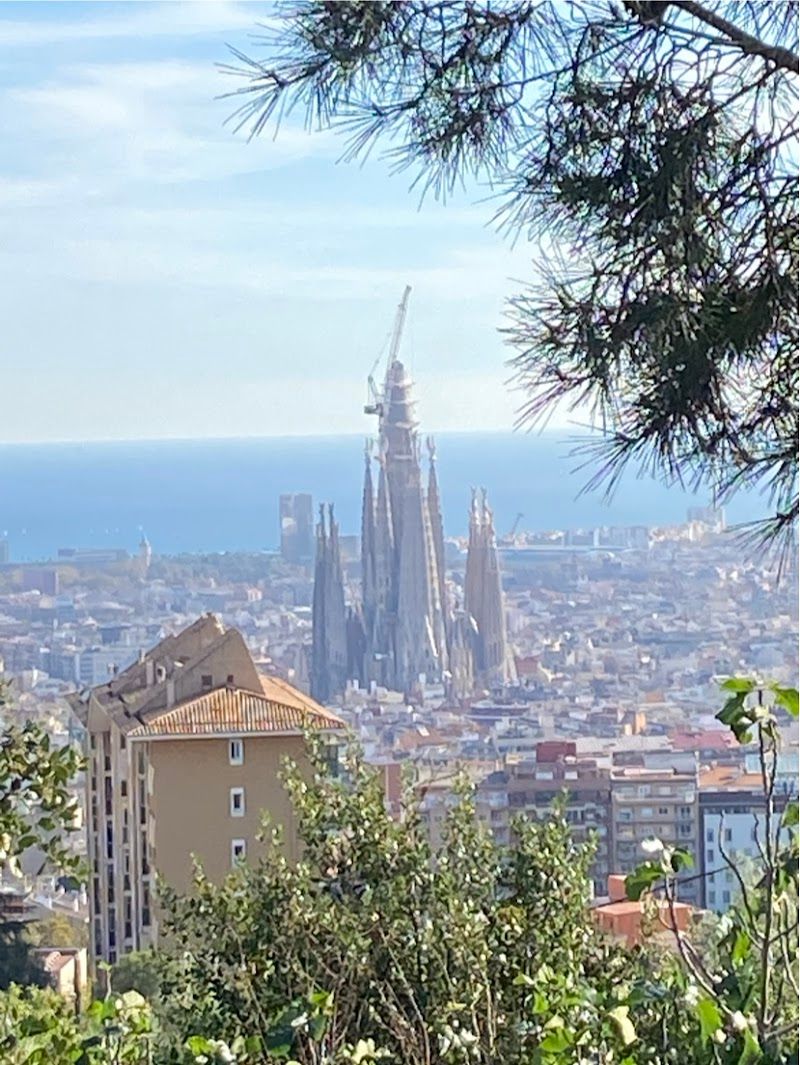
The biggest structural change in barcelona 2026 travel is the continued expansion and completion work at the Sagrada Familia. The towers dedicated to the Evangelists are now fully accessible, and the internal lighting upgrades completed in late 2025 make the nave experience genuinely different from what visitors saw even two years ago. The basic ticket sits at EUR 26 with the audioguide app included, or EUR 36 for tower access. Book at least two weeks ahead in summer - the timed entry slots fill up fast and there is no walk-in option worth relying on.
Poblenou has matured into a real destination rather than a footnote. The Disseny Hub Barcelona, at Plaça de les Glòries Catalanes, has expanded its permanent design collection and is running a strong 2026 program focused on Mediterranean industrial heritage. Entry is worth checking - it's one of the more underrated museums in the city. Can Recasens on Carrer del Pallars remains one of the better lunch spots in the area: a wine shop and deli hybrid that does generous plates at honest prices.
Poble Sec has gone from whispered recommendation to reliable destination. Carrer de Blai's pintxos bars are now known enough that you'll share them with other tourists, but the street behind it - Carrer de Tapioles - still runs quieter. Quimet & Quimet on Carrer del Poeta Cabanyes is a standing-room conserva bar that serves some of the most creative small plates in the city. It's tiny, closes early, and is closed on weekends in summer. Go on a Tuesday at 1 PM.
Barcelona 2026 Entry Prices: What's Worth Paying
This is where most guides fail you - they either list outdated prices or avoid taking a position on value. Here's a direct breakdown of the major attractions with honest verdicts.
| Attraction | Price (2026) | Worth It? |
|---|---|---|
| Sagrada Familia (basic) | EUR 26 | Yes, book ahead |
| Casa Batlló | EUR 35 | Yes, but go at night |
| La Pedrera daytime | EUR 28 | Yes |
| Park Güell (Monumental zone) | EUR 18 | Debatable - see below |
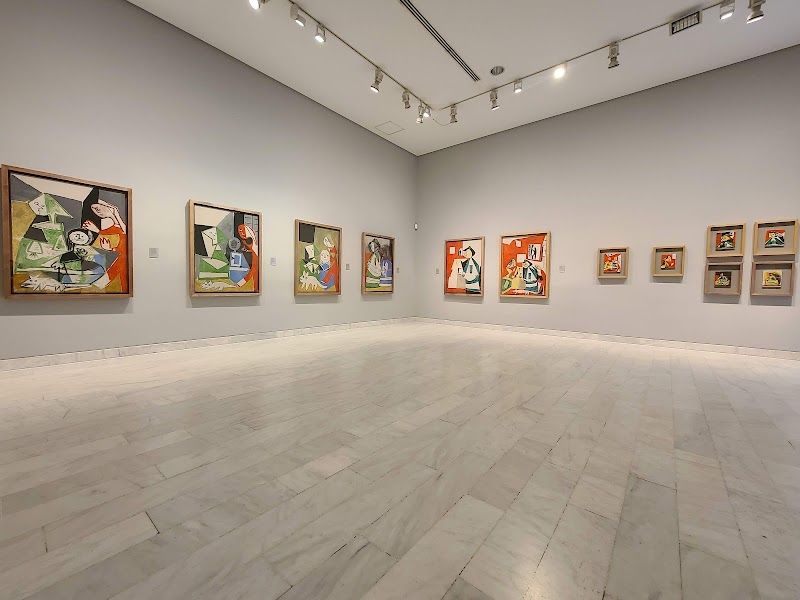
| Picasso Museum | EUR 12 | Yes |
| MNAC | EUR 12 | Yes |
| Barcelona Cathedral (tourist hours) | EUR 9 | Optional |
| Palau Güell | EUR 12 (approx.) | Yes, overlooked |
Casa Batlló at EUR 35 is steep, but the AR experience inside is genuinely well done and the rooftop is unlike anything else in the city. The night visits are worth the premium if you're only going once. La Pedrera at EUR 28 is the more architecturally serious of the two Eixample Gaudí buildings - the rooftop warrior chimneys are the image you're imagining, and the interior apartment reconstruction is useful context.
Park Güell at EUR 18 is the one entry fee that generates the most debate. The Monumental Zone with the mosaic terrace and Gaudí's famous salamander is legitimately impressive, but it's also extremely crowded from 10 AM to 5 PM in high season. Book the first slot at 8 AM or the last slot at 8 PM, or accept that you'll be in a slow-moving crowd of people holding phones above their heads.
The Picasso Museum at EUR 12 (free on the first Sunday of the month and Thursdays 4-7 PM) is one of the most honest value propositions in the city. The medieval palaces that house it are worth the visit alone, and the collection's focus on Picasso's formative years makes it more interesting than a greatest-hits survey.
For the Barcelona Cathedral: skip the EUR 9 tourist entry and go during free worship hours (8 AM to 12:30 PM or 5:15-7:30 PM). You'll see the same building.
Getting Around Barcelona in 2026: Transport Costs
The metro is the right answer for most trips. A T-casual 10-trip card costs EUR 13 for Zone 1, which covers almost every neighborhood you'll actually visit. A single ticket is EUR 2.55, so the T-casual pays off after six trips - you'll hit that on day one.
For the airport, the options break down clearly. The metro L9 Sud costs EUR 5.50 (requires a special airport supplement, not covered by Zone 1 T-casual), takes 35-45 minutes, and requires a change at Zona Universitària or Torrassa depending on your destination. The Aerobus to Plaça Catalunya costs EUR 7.75 single (EUR 13.65 return), takes about 35 minutes, and drops you directly in the center. If you're arriving with luggage and heading to Eixample or Gothic Quarter, the Aerobus is actually the simpler option even though it costs slightly more. Taxis from T1 run a fixed EUR 39; from T2 it's EUR 47.
If you're visiting for 48 or 72 hours and plan to move around constantly, the Hola Barcelona Travel Card at EUR 17.50 (48h) or EUR 25.50 (72h) includes unlimited metro, bus, tram, and the airport metro. For a busy two-day visit, the 48h card can make sense. For a more relaxed trip where you're walking neighborhoods, the T-casual is usually better value.
The Neighborhoods That Matter in 2026
Gothic Quarter and El Born: Still the Center of Gravity
The Gothic Quarter remains the geographic and historical core of the city. The narrow Roman-era streets around Carrer del Bisbe and Plaça de Sant Felip Neri are genuinely medieval in character - not a reconstruction. The drawback is that the main arteries (Carrer de la Boqueria, La Rambla) are saturated with tourist-facing businesses. Go one block off any main street and the city changes.
Granja Viader on Carrer d'en Xuclà has been serving hot chocolate and granissat since 1870 and is still one of the best morning stops in the Gothic Quarter. Coffee is around EUR 1.50-2 at a traditional bar like this. A cortado at a specialty coffee shop runs EUR 3-3.50.
For a more detailed walk through the area, the DAIZ Gothic Quarter walking guide covers it street by street.
El Born is where the city eats and drinks well without performing for tourists. El Xampanyet on Carrer de Montcada is a cava bar that's been doing the same thing since 1929: house cava, anchovies, simple plates. A glass of house cava costs around EUR 2.50. Cal Pep on Plaça de les Olles is the place that food writers have been recommending for 20 years, and it's still earning it - get there at opening (1 PM for lunch, 7:30 PM for dinner) or expect to wait.
Eixample: Architecture and Eating
The Eixample grid is where Barcelona's best architecture concentrates. The Modernista buildings along Passeig de Gràcia, including Casa Batlló and La Pedrera on what's called the "Block of Discord", are the reason most first-timers come to Barcelona at all. The neighborhood also has the city's best restaurant density outside of El Born - the menu del dia at most Eixample restaurants runs EUR 12-18 for three courses with a drink, and it's the best-value meal format in Spain.
For a night out without the noise of El Born, Dry Martini on Carrer d'Aribau is a serious cocktail bar that's been doing its thing since 1978. It's expensive by Barcelona standards (cocktails approximately EUR 14-18) but the bartending is technical and the room is genuinely stylish.
Gràcia and Montjuïc: Views and Value
Gràcia is worth a half-day even if you're only in Barcelona for three days. The squares - Plaça de la Vila de Gràcia, Plaça del Sol, Plaça de la Virreina - are where locals actually sit on weekday afternoons. Prices drop noticeably compared to the Gothic Quarter: a beer (caña) that costs EUR 4 near La Rambla costs EUR 2.50-3 here.
The Bunkers del Carmel, up in the Carmel neighborhood above Gràcia, gives a 360-degree view over the entire city. It's free, involves a 20-minute uphill walk from the Carmel bus stop (Bus H6 from Passeig de Gràcia), and is genuinely the best panoramic viewpoint in Barcelona - better than Tibidabo for the city view, and significantly cheaper than any paid observation deck.
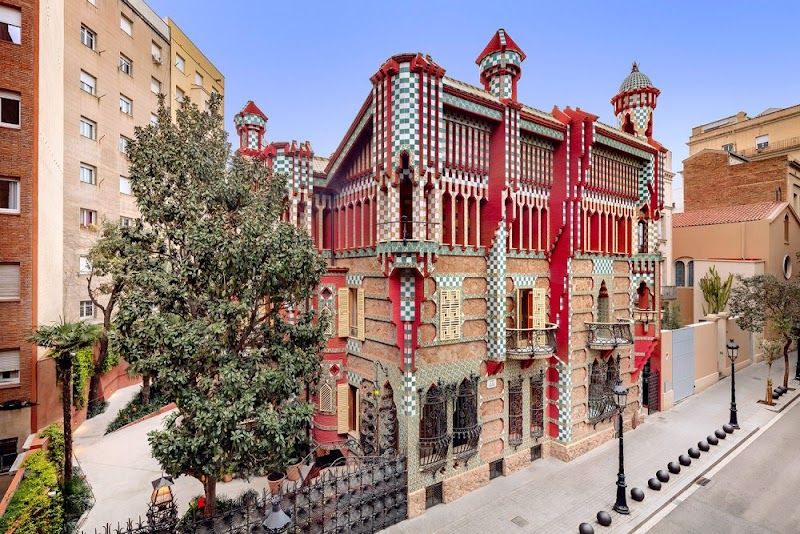
Casa Vicens on Carrer de les Carolines is Gaudí's first major work and is consistently overlooked because it's not on the main tourist route. At approximately EUR 16 (standard entry), it's less crowded than Casa Batlló and architecturally fascinating as the starting point of everything that came after.
Montjuïc earns its place on a longer trip. The MNAC at EUR 12 (free Saturday after 3 PM and first Sunday of the month) houses the best collection of Romanesque art in the world - the frescoes removed from Pyrenean churches in the early 20th century are extraordinary. The Fundació Joan Miró at EUR 15 is one of the best-designed museum buildings in Europe, and the collection justifies the entry.
Practical Barcelona 2026 Updates: What to Know Before You Go
The tourist tax continues to apply in 2026. Barcelona charges a city tourist tax (taxa turística) on top of hotel bills, currently approximately EUR 3.25-6.75 per person per night depending on accommodation category (this figure is set by Catalonia and subject to annual change - verify at booking). Budget for it rather than being surprised.
Booking windows have lengthened for major sites. Sagrada Família, Park Güell, and Casa Batlló all require advance booking. For summer visits (June-September), two weeks minimum is sensible. Picasso Museum and MNAC can usually be booked a few days out or on the day.
Meal timing is the adjustment most visitors underestimate. Restaurants serve lunch from roughly 1:30-3:30 PM and dinner from 9-10:30 PM. Showing up at 7 PM to a restaurant is not a Spanish dinner - it's either a tourist trap that caters to that timing or a place that will seat you in an empty room. Lean into the schedule: a caña and a tapa at 7 PM, actual dinner at 9:30 PM.
For a structured approach to your first visit, the DAIZ 3-day Barcelona itinerary and first-time visitor guide both reflect current 2026 information and work well alongside this overview.
Where to Eat Without Thinking Too Hard
A full neighborhood food breakdown lives in the DAIZ Barcelona food guide by neighborhood, but for quick orientation: La Cova Fumada in Barceloneta (Carrer del Baluard, 56) is the restaurant that allegedly invented the bombas - the fried potato and meat balls that every other bar in the city copies. It's cash only, closes early, and doesn't take reservations. Get there at noon.
Quimet & Quimet in Poble Sec is the standing bar that proves Barcelona tapas can be genuinely creative rather than just traditional. The conserva combinations (tinned fish, pickles, sauces) are more interesting than most sit-down restaurants in the Gothic Quarter.
The menu del dia format - three courses, bread, drink, and sometimes dessert for EUR 12-18 - is the best meal deal in Barcelona and the way most working locals eat at lunchtime. Any neighborhood restaurant that isn't primarily tourist-facing will offer it on weekdays.
The Honest Verdict on Barcelona in 2026
Barcelona has become more expensive and more crowded at the top end, and the gap between tourist-facing businesses and local ones has widened. But the city's fundamentals are unchanged: the architecture is extraordinary, the food culture is serious, the metro works, and the neighborhoods outside the main circuit reward anyone who walks an extra ten minutes.
The visitors who get the least out of Barcelona are the ones who stay on La Rambla's gravitational pull. The ones who do well are the ones who eat lunch at 2 PM, book Sagrada Família three weeks out, spend a morning in El Born rather than the Gothic Quarter, and take the bus up to the Bunkers for sunset instead of paying for a rooftop bar.
For everything else you need to plan your trip, start with the full Barcelona destination guide on DAIZ.