Florence in winter is the city's best-kept secret, and frankly, most travelers get it wrong. While everyone crowds into the Renaissance capital during summer, fighting through tour groups at the Uffizi Gallery and paying premium prices for everything, winter visitors get the authentic Florentine experience. You'll walk through the Duomo complex without human traffic jams, see Michelangelo's David at the Accademia Gallery without craning over selfie sticks, and pay half what summer visitors spend on accommodation.
Florence Winter Weather: The Real Story
Florence winter weather gets a bad reputation it doesn't deserve. December through February averages 8-12°C (46-54°F), which means you'll need a jacket but won't be miserable. January is the coldest month at around 6-10°C (43-50°F), while December and February hover closer to 8-12°C (46-54°F). Rain happens, usually in brief downpours rather than all-day drizzle, averaging 8-10 rainy days per month.
The key advantage: no oppressive summer heat. You can actually walk the cobblestone streets comfortably, explore the Oltrarno neighborhoods for hours, and climb Brunelleschi's dome without feeling like you're in a furnace. Florence's stone architecture stays pleasantly cool in winter, making indoor sightseeing comfortable.
Pack smartly: waterproof jacket, comfortable walking shoes with good grip (those Renaissance streets get slippery), and layers. The temperature can vary 10 degrees between morning and afternoon.
Why Visiting Florence in Winter Beats Summer
The math is simple: Florence receives 16 million visitors annually, and 70% arrive between April and October. This leaves winter as the ideal time for anyone who wants to experience Florence rather than just photograph it through crowds.
Museum access transforms completely. The Uffizi, which requires advance booking months ahead in summer, often has same-day availability in January and February. You'll spend time actually looking at Botticelli's Birth of Venus instead of jostling for a glimpse. The EUR 25 admission becomes worthwhile when you can linger in each room.
Accommodation costs drop dramatically. That boutique hotel in Santa Maria Novella charging EUR 300 in July? Expect EUR 120-150 in February. Even luxury properties near the Ponte Vecchio become accessible, often offering packages that include breakfast and museum tickets.
Restaurant reservations become possible again. Those Michelin-recommended spots in the Oltrarno that laugh at summer walk-ins will happily accommodate you in winter. The staff has time to explain dishes, recommend wines, and provide the personal service that makes Italian dining memorable.
Florence Winter Things to Do: The Complete List
Art Museums Without the Chaos
Start with the Uffizi Gallery, obviously, but do it right. Book the 8:15 AM opening slot - in winter, you'll practically have the galleries to yourself until 10 AM. The early morning light through the windows creates the atmosphere Renaissance masters intended.
The Accademia Gallery works best around 2 PM in winter when the afternoon light hits Michelangelo's David perfectly. The EUR 16 admission includes audio guides in winter (summer charges extra), and you can actually walk around the sculpture without human barriers.
Lesser-known gem: Museo di San Marco becomes magical in winter. Fra Angelico's frescoes in each monk's cell create an almost spiritual experience when you're not competing with tour groups. The EUR 6 admission is Florence's best museum value.
Architecture That Breathes
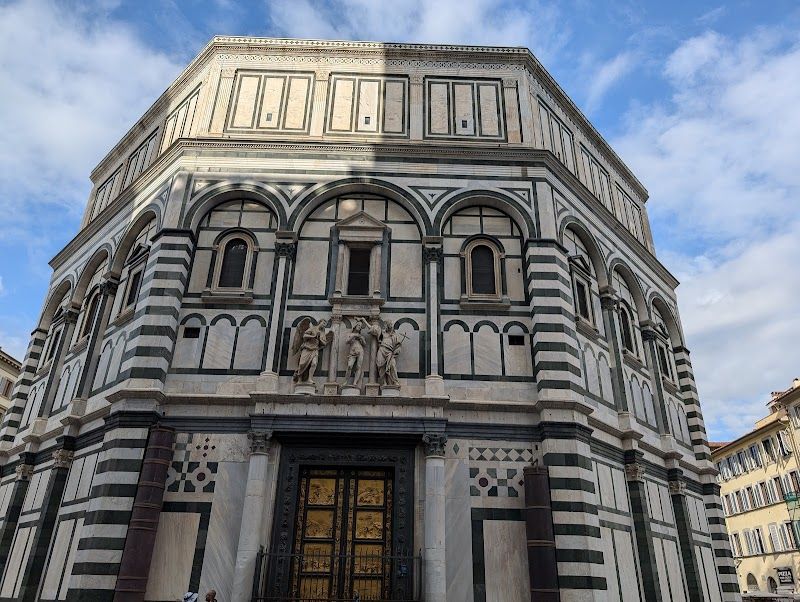
Climbing Brunelleschi's dome in winter means no overheating during the 463-step ascent and clearer views from the top. Book the 10 AM or 2 PM slots for optimal lighting. The EUR 30 Duomo complex ticket covers the dome climb, cathedral, baptistery, and museum - worth it when you can actually enjoy each component.
Palazzo Vecchio offers winter-only candlelit tours of the secret passages, available Friday evenings December through February. The regular EUR 12.5 admission becomes EUR 25 for these special tours, but walking through medieval chambers by candlelight feels like time travel.
Neighborhood Exploration
Winter is discovering the San Lorenzo area beyond just the tourist market. The neighborhood's authentic osterie and wine bars welcome regulars during winter months. Start at Trattoria Mario for lunch - no reservations accepted, but winter lines last 10 minutes instead of an hour.
The Santa Croce district becomes walkable in winter. You can actually appreciate the neighborhood's leather workshops and artisan studios without fighting tourist crowds. Many workshops offer winter demonstrations and classes - expect EUR 25-45 for hands-on experiences.
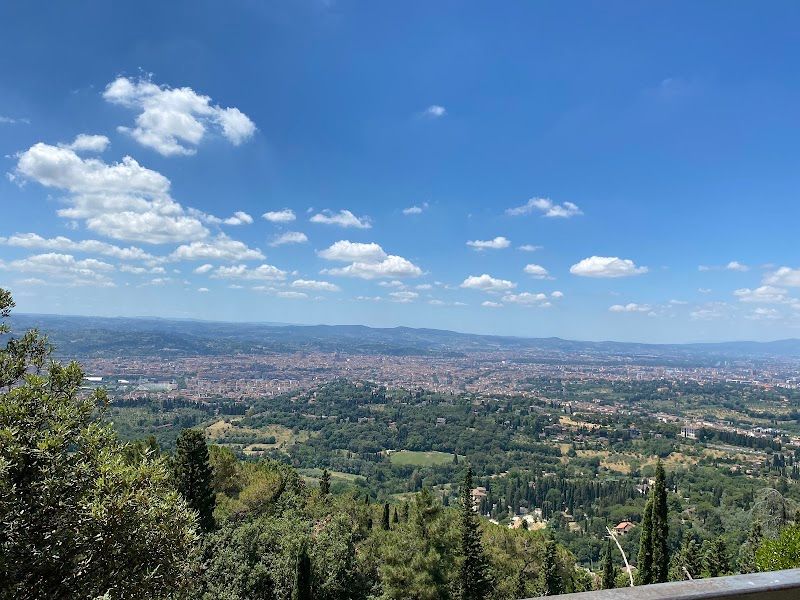
Fiesole makes an excellent winter day trip. Take bus 7 from San Marco (EUR 1.5 each way), and you'll have the hilltop town's Roman ruins and views largely to yourself. The Terrazza del Ristorante La Reggia degli Etruschi stays open through winter with panoramic views of snow-dusted Tuscan hills.
Florence Winter Temperature and Weather Patterns
Florence winter temperature follows predictable patterns that help with planning. December starts mild (10-14°C/50-57°F) but drops toward Christmas. January brings the coldest weather (4-8°C/39-46°F), particularly in early morning and late evening. February begins recovering (6-10°C/43-50°F) with noticeably longer days.
Morning temperatures typically run 4-6 degrees colder than afternoon highs. Plan indoor activities like museums for morning, outdoor exploration for afternoon when it's warmest. The city's stone and brick retain heat, making central areas like Piazza della Signoria more comfortable than you'd expect.
Rain comes in Mediterranean-style patterns: clear skies for days, then concentrated downpours lasting 2-4 hours. Weather apps work well for Florence - when they show rain, it usually arrives within the predicted timeframe. Use rainy periods for museum visits or extended café sessions at places like Caffè Gilli.
Florence December: Christmas Magic and Fewer Tourists
Florence in December transforms into something special without becoming a Christmas market caricature. The city maintains its Renaissance dignity while adding just enough holiday atmosphere to feel festive.
The main Christmas market sets up in Piazza Santa Croce, running December 8-23. Unlike Germany's overwhelming Christmas markets, Florence keeps things restrained: local artisan goods, regional wines, and traditional Tuscan holiday foods. Expect quality over quantity, with prices reflecting this (artisan pieces EUR 20-80).
December advantages: Museum crowds haven't reached winter lows yet, but they're dramatically lighter than summer. Hotel prices drop after December 8 but spike December 20-January 6. Book December 1-15 for optimal pricing.
Restaurants offer special December menus featuring winter Tuscan ingredients. Wild boar appears on menus, along with truffle dishes and hearty ribollita soup. Many places offer prix fixe holiday menus (EUR 35-50) that showcase seasonal specialties.
December weather specifics: Usually the wettest winter month with 9-11 rainy days, but temperatures remain mild (8-12°C/46-54°F). Pack waterproof boots - Florence's streets flood briefly after heavy rain.
Practical Winter Florence: Transportation and Costs
Florence's compact size works to your advantage in winter. The entire historic center spans about 2 kilometers, walkable even in cold weather. When it's too wet or cold, ATAF buses run regularly throughout the city. A single ticket costs EUR 1.5 and covers 75 minutes - enough for most cross-city trips.
The 7-day tourist pass (EUR 20) makes sense if you're planning trips to Fiesole or staying in outer neighborhoods. Winter schedules remain consistent, with buses running 6 AM-midnight on main routes.
Taxis from the airport cost EUR 20-30 to the city center, but the airport bus (EUR 6) runs every 30 minutes and stops at Santa Maria Novella station - perfectly positioned for most hotels.
Winter Accommodation Strategy
Florence hotel prices in winter can be 50-60% lower than summer rates, but book strategically. January offers the lowest prices, February sees slight increases, and December varies wildly by dates.
Budget options (EUR 60-90): Look in San Lorenzo or Santa Maria Novella areas. These neighborhoods maintain good restaurant and transport access while offering lower accommodation costs.
Mid-range sweetspot (EUR 100-180): Winter rates make 3-star hotels in prime locations affordable. Properties near the Duomo or in the Oltrarno become accessible.
Luxury opportunities (EUR 180-300): Four-star boutique hotels slash rates in January-February. Some offer packages including museum tickets or cooking classes - calculate the total value.
Food and Dining in Winter Florence
Winter dining in Florence focuses on comfort and seasonal ingredients. Restaurants shift from light summer fare to hearty Tuscan classics cold weather.
Trattoria Sostanza in Santa Maria Novella serves the city's best butter chicken (pollo al burro) - a dish that makes perfect sense on cold January evenings. The EUR 25-35 meals become deeply satisfying when you're not overheated from summer weather.
The Mercato Centrale food hall operates year-round with winter specialties. Nerbone serves lampredotto sandwiches (EUR 4-6) and bollito misto that warm you from inside. The upstairs gourmet level offers wine tastings (EUR 8-15) with small plates.
Winter aperitivo culture shifts to warmer venues. Le Volpi e l'Uva near Ponte Vecchio offers wine flights (EUR 12-20) with substantial appetizers in a cozy interior. The staff has time to explain Tuscan wines without summer's rushed service.
Seasonal specialties to try: Ribollita (thick bread and vegetable soup), wild boar ragu, winter truffle dishes, and vin santo with cantuccini cookies for dessert. These appear on winter menus but disappear in warmer months.
Getting the Most from Florence in Winter
Success in winter Florence requires different strategies than summer visits. Start later - museums and attractions don't get crowded until 10-11 AM, so use early morning for café culture and street wandering.
Daily rhythm that works: Breakfast at a bar standing up (EUR 3-6 for cappuccino and cornetto), morning museum visit, lunch at a local trattoria (EUR 15-25), afternoon neighborhood exploration, aperitivo (EUR 8-15), dinner reservations possible even same-day.
Take advantage of extended museum time. Summer visitors rush between attractions; winter visitors can spend 2-3 hours in major museums without feeling pressured. The Palazzo Pitti complex (EUR 16) becomes particularly worthwhile when you can explore all sections without fatigue.
Use winter for experiences unavailable other times. Artisan workshops in the Oltrarno offer classes and demonstrations when they're not overwhelmed with tourists. Cooking schools have availability and often discount rates. Even high-end restaurants accommodate special requests when they're not operating at capacity.
Book accommodations in neighborhoods rather than just near major sites. Santo Spirito offers authentic Florence life with easy access to major attractions. You'll experience the city as residents do while still reaching everything on foot.
The best reason to visit Florence in winter remains simple: you'll see the city as it actually is rather than as a tourist performance. The Renaissance masterpieces, the neighborhood life, the food culture - it all becomes accessible when you're not competing with millions of other visitors for the same experience.