Florence
Botticelli, Michelangelo's David, a dome that changed architecture, and a T-bone steak the size of your head
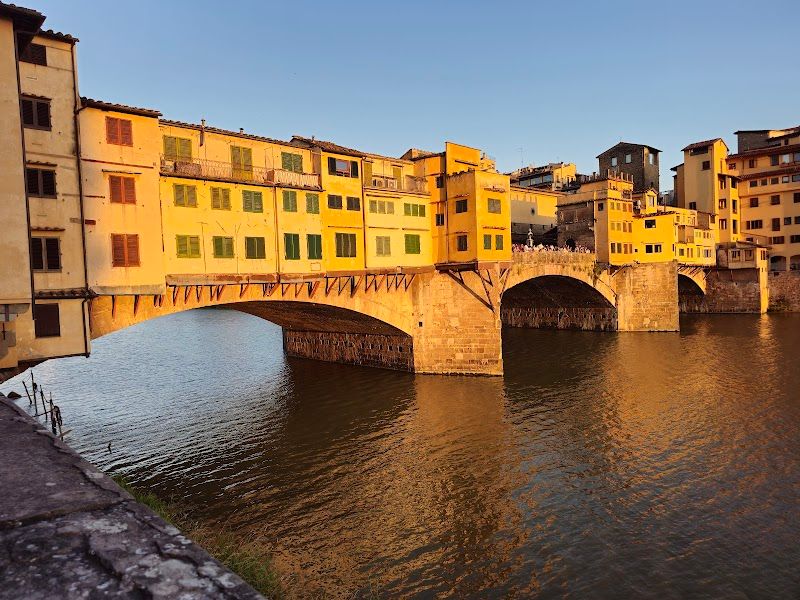
About Florence
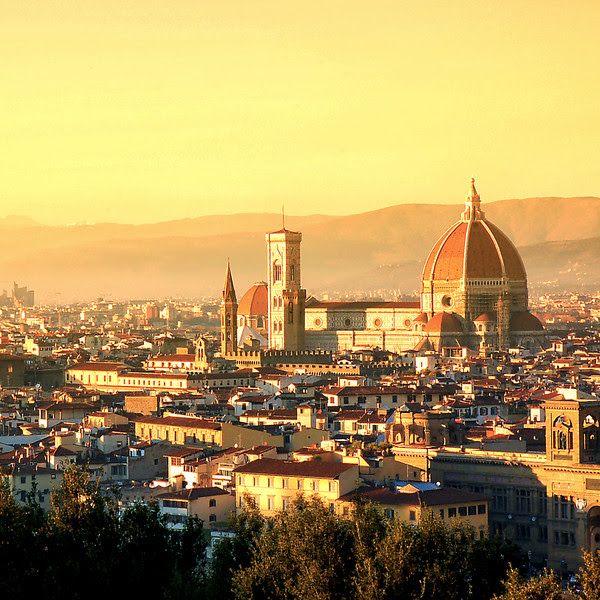
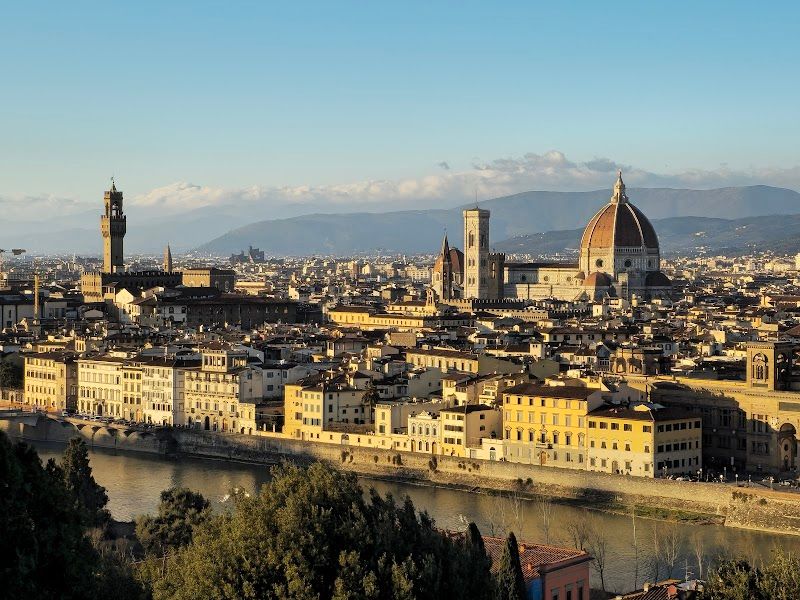
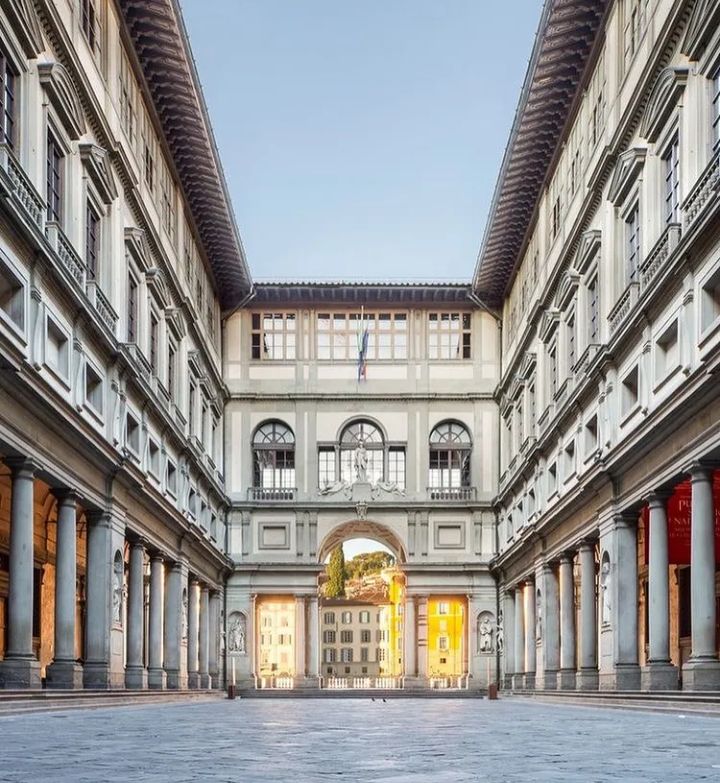
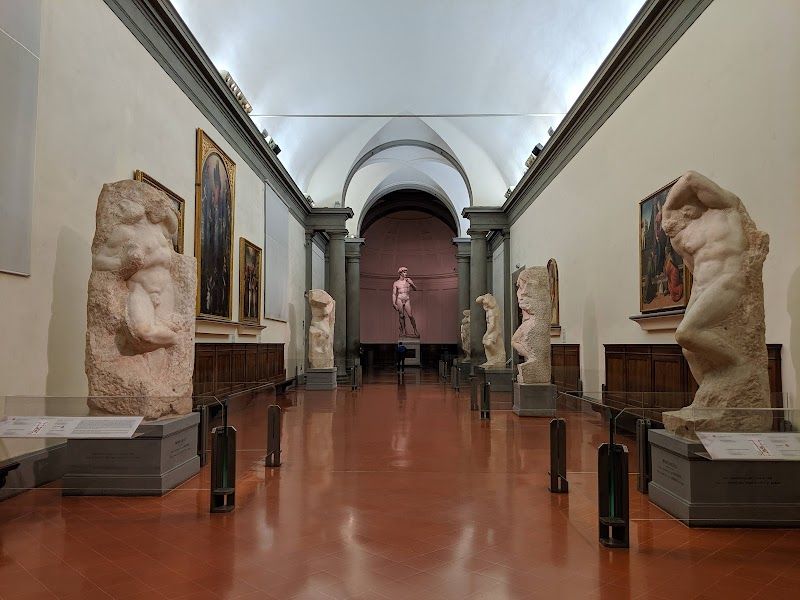
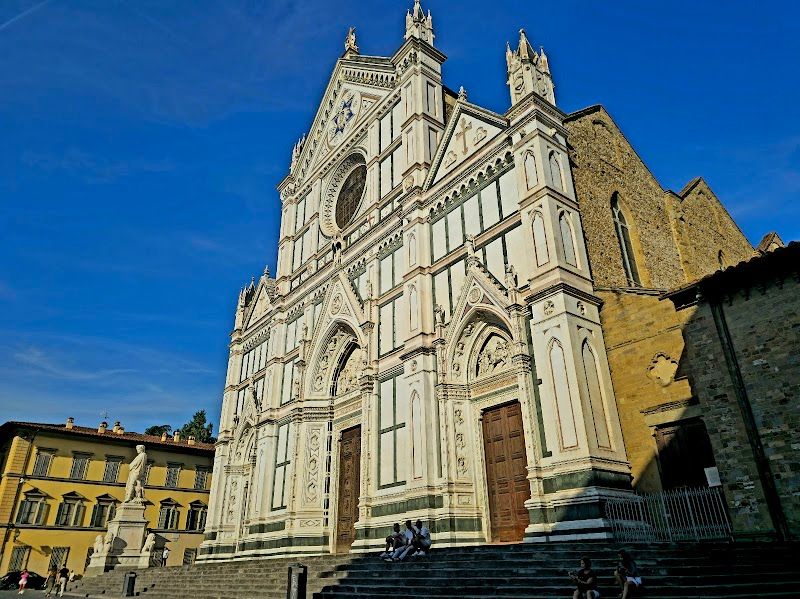
Florence is the city that invented the Renaissance and has been living off the interest ever since. That sounds like a criticism, but it is not. The Uffizi has Botticelli's Birth of Venus and Primavera, Caravaggio's Medusa, and rooms of Raphael and Leonardo that would be the centrepiece of any other museum in the world but here are just Tuesday. The Accademia has Michelangelo's David, which you have seen in a thousand photographs and which will still stop you in your tracks when you turn the corner and see it at full scale. The Duomo has Brunelleschi's dome, which was the largest in the world when it was built in 1436 and is still the defining shape of the Florentine skyline. All of this in a city you can walk across in 30 minutes.
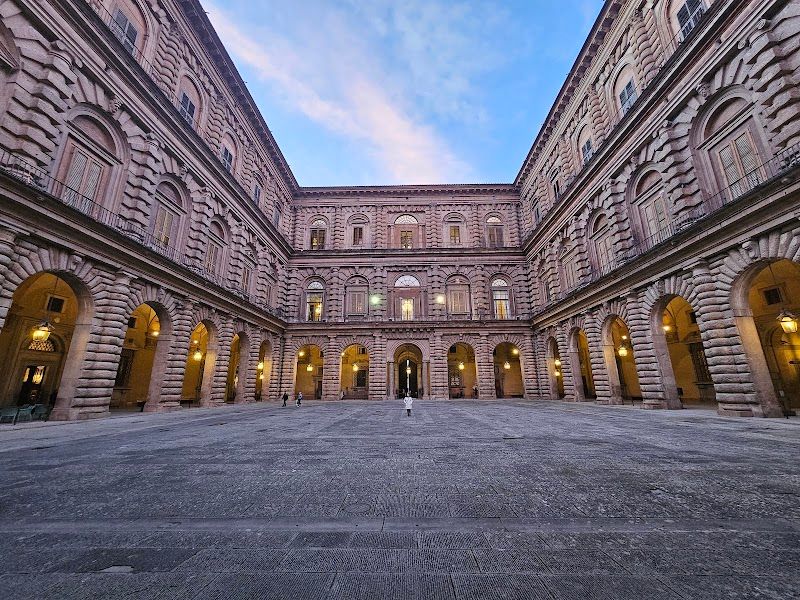
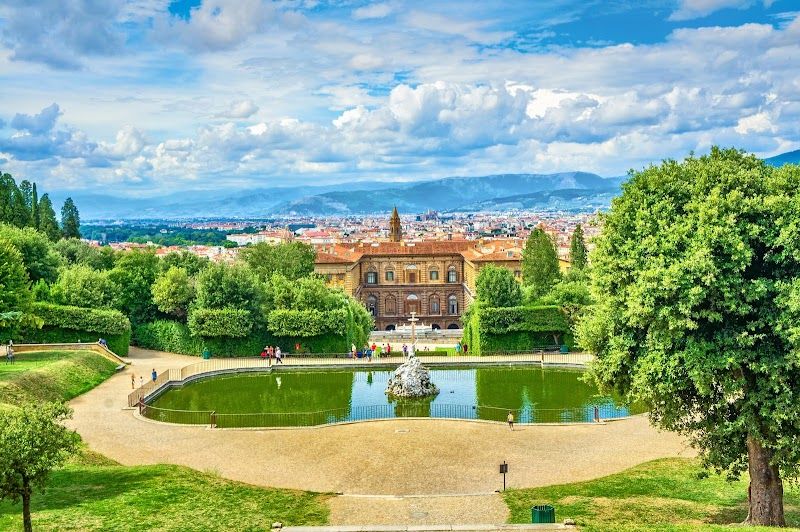
The problem with Florence is that everyone knows this. The centro storico is a UNESCO site that receives 15 million visitors a year in a city of 380,000 residents, and in July and August the streets between the Duomo and the Ponte Vecchio are a slow-moving river of tour groups, selfie sticks, and people eating EUR 5 gelato that was made from a powder. The trick is timing and geography. The Uffizi at 8:15 AM on a Tuesday in October is a different experience from the Uffizi at 2 PM on a Saturday in June. The Oltrarno (the south bank of the Arno) has artisan workshops, neighbourhood trattorias, and the Palazzo Pitti with no queue, and it is a 5-minute walk across the Ponte Vecchio from the crowds.
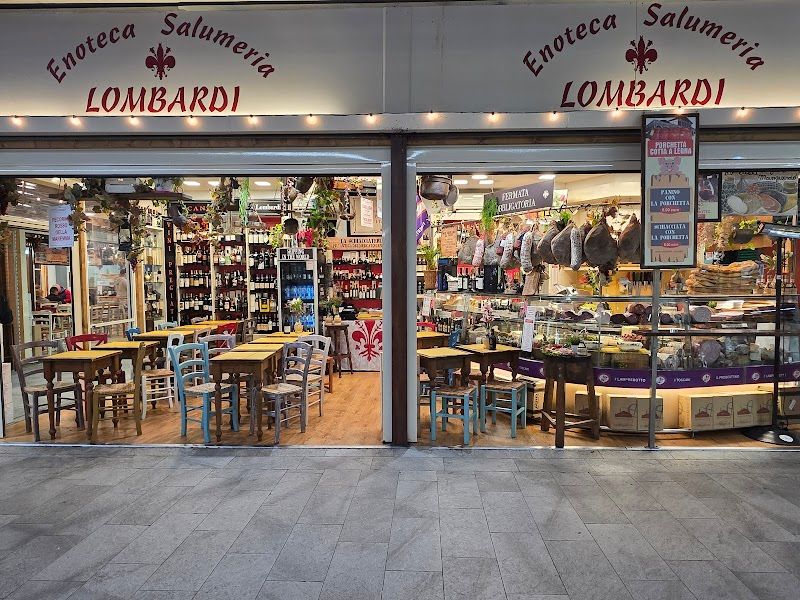
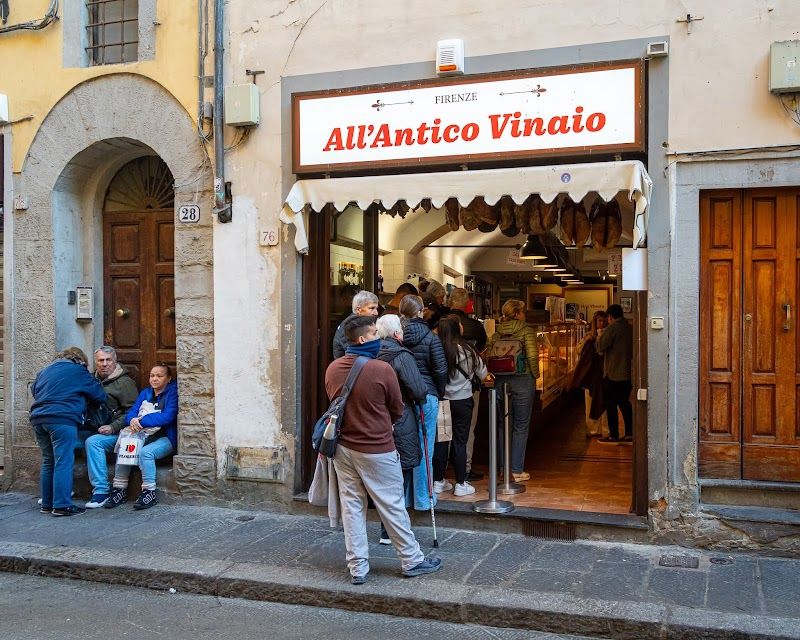
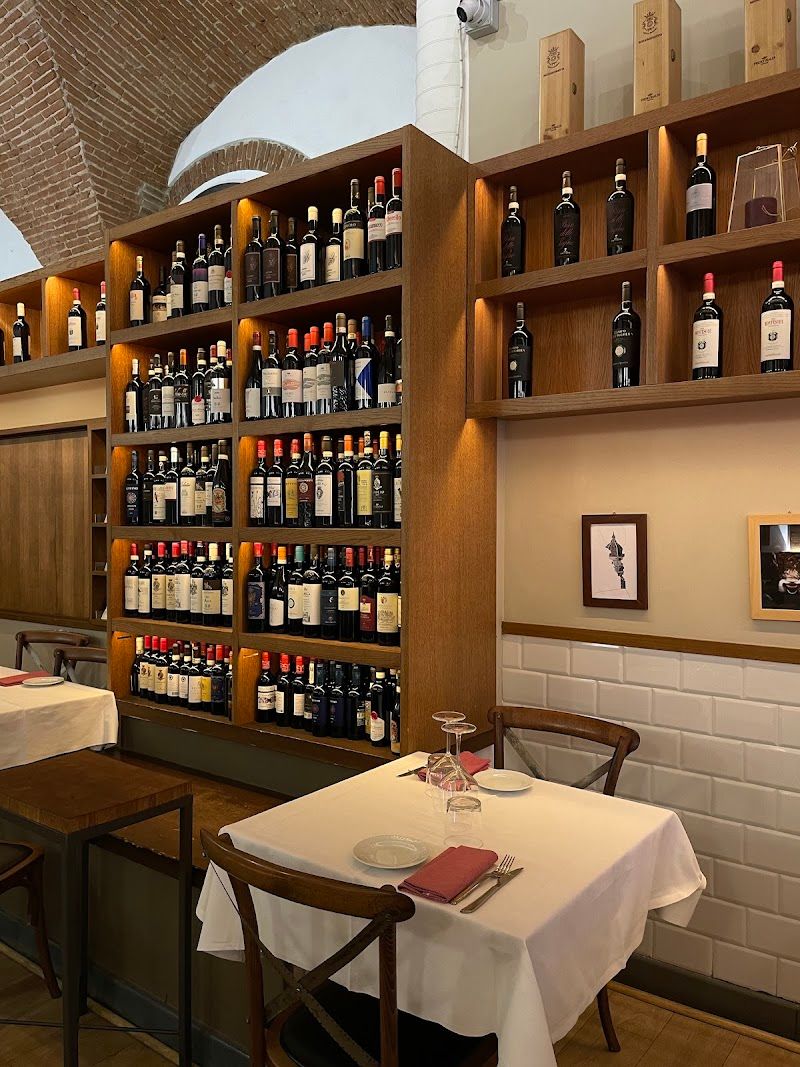
The food is Tuscan, which means simple, seasonal, and built on bread, olive oil, and meat. A bistecca alla fiorentina (the T-bone steak, minimum 1 kg, EUR 45-60, shared between two, cooked rare over wood, do not ask for it well done) is the signature dish and it is worth the price at a good trattoria. Ribollita (bread and vegetable soup), pappa al pomodoro (bread and tomato soup), lampredotto (tripe sandwich from a street cart, EUR 4-5, the Florentine street food that tourists are afraid of and locals eat for lunch) are the daily food. A glass of Chianti Classico at a neighbourhood enoteca costs EUR 5-7 and the quality is better than what you pay EUR 15 for at home.
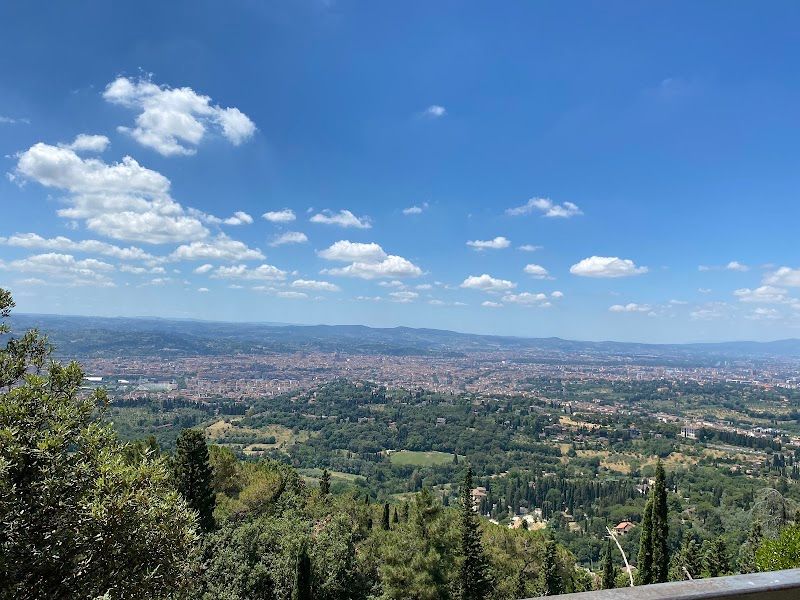
Florence is also small enough to use as a base. Siena is 75 minutes by bus (EUR 9, the Piazza del Campo is the most beautiful square in Italy). San Gimignano is 90 minutes (the medieval towers). The Chianti wine region starts 30 minutes south, and a day of driving through the hills, stopping at estates for tastings (EUR 10-20) and lunch at a farmhouse restaurant, is one of the best day trips in Europe. Fiesole is 25 minutes by bus 7 (EUR 1.50, Roman amphitheatre, panoramic view of Florence, and a quieter version of the Tuscan hilltop experience).
Pick your base
Stay in Florence
Real-time pricing across hotels, apartments, and ryokans. Book direct from the map.
Things to do in Florence
Experiences worth booking ahead
Vetted tours and tickets we'd send a friend to. The ones worth reserving before you arrive.
Travel guides
From the blog
Practical bits, answered
Most travelers find 4-5 days ideal to explore the main neighborhoods, museums, and dining scenes without feeling rushed. A long weekend works for a focused visit, while a week allows for day trips and deeper neighborhood exploration.
Le Marais offers the best balance of central location, walkability, dining, and nightlife. Saint-Germain-des-Pres suits those seeking a quieter, more literary atmosphere. For first-time visitors who want proximity to major landmarks, the 7th Arrondissement near the Eiffel Tower is convenient.
Generally very safe for tourists. Standard big-city precautions apply: watch for pickpockets in crowded metro stations and tourist areas, keep valuables secure, and stay aware of your surroundings at night. Avoid leaving bags unattended at cafe terraces.
April through June and September through October offer the best weather, fewer crowds than peak summer, and pleasant temperatures for walking. July and August are hot and busy but have the longest days. Winter is cold but offers lower prices and shorter museum queues.
The metro is fast, cheap, and covers the entire city - stations are never more than 500 meters apart. Buy a Navigo Easy card and load t+ tickets. Walking is the best way to discover neighborhoods. Avoid taxis during rush hour; ride-sharing apps work well late at night.
English is widely spoken in tourist areas, hotels, and restaurants. However, starting interactions with "Bonjour" goes a long way - Parisians appreciate the effort. Learn a few basics: "merci", "s'il vous plait", "l'addition" (the bill). Younger staff are typically more comfortable in English.
Let DAIZ plan your Florence days
Tell us how long you've got and what you're into. We'll build a day-by-day plan, with the bookable bits ready to lock in.