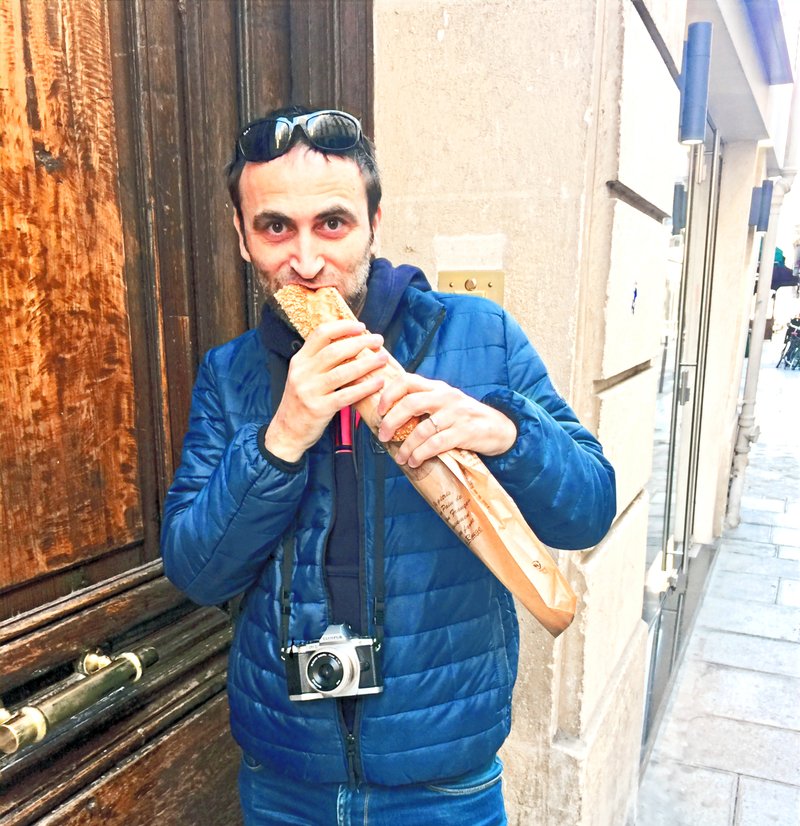
Florence invented Renaissance art, but its culinary scene runs deeper than most tourists realize. While crowds queue for mediocre paninis near the Duomo, the real food culture thrives in neighborhood trattorias, family-run wine shops, and centuries-old markets. A well-chosen florence food and wine tour cuts through the tourist noise to show you where locals actually eat and drink.
After testing dozens of tours, from budget walking tastings to luxury Chianti excursions, the truth is stark: most are overpriced theater designed for Instagram. But the best ones open doors to experiences you'd never find solo - like tasting wines in medieval cellars or learning why Florentines put beans in everything from the people who've been cooking them for generations.
What Makes a Florence Food Tour Worth Taking
The difference between a good food tour and tourist theater comes down to three factors: authentic locations, knowledgeable guides, and fair pricing. Tours that shuffle you between generic wine bars charging EUR 12 for house Chianti (when locals pay EUR 4) are common. The valuable ones take you to family-run establishments where the owner's grandmother still makes the ragu.
Authentic locations matter more than fancy marketing. The best florence wine tours include stops at enotecas like Le Volpi e l'Uva near Ponte Vecchio, where the sommelier can explain why Tuscan Sangiovese tastes different from vineyard to vineyard. Tourist-trap tours stop at places that exist solely for tour groups.
Knowledgeable guides separate good tours from great ones. A guide who explains that lampredotto (Florence's beloved tripe sandwich) originated as poor man's food but became a point of civic pride tells a story. One who just points to food stalls wastes your time and money.
Fair pricing reflects real value. Walking food tours should cost EUR 45-75 for 3-4 hours with 6-8 tastings. Chianti wine tours run EUR 120-180 for a full day including transportation. Anything significantly higher better include something extraordinary like private cellar access or cooking classes.
Best Walking Florence Food Tours
Florencetown Food Tours (EUR 59)
The Verdict: Best overall value for authentic local food experiences.
Florencetown runs the most consistently reliable florence food wine tasting tours in the city center. Their 3.5-hour walks hit 7-8 stops including Mercato Centrale for lampredotto, a family enoteca for wine pairings, and a gelateria that makes flavors daily.
The guide quality varies, but their local partnerships are solid. You'll taste at places like Nerbone, which has served the same trippa and lampredotto recipes since 1872. The wine selections focus on small Tuscan producers, not generic tourist bottles.
What's included: 7 food and wine tastings, English-speaking guide, route through San Lorenzo and Santa Croce neighborhoods.
Skip if: You want extensive wine education - this is more about food culture than serious wine learning.
Devour Tours Florence (EUR 75)
The Verdict: Premium experience with excellent storytelling, but expensive for what you get.
Devour delivers polished tours with guides who actually understand Tuscan food history. Their "Florence Food Tour" spends 4 hours exploring Oltrarno and central neighborhoods, with stops chosen for authenticity over convenience.
You'll visit a traditional salumeria for hand-cut prosciutto, taste wines at a 400-year-old enoteca, and learn why Florentines eat beans at nearly every meal. The storytelling elevates simple tastings into cultural education.
What's included: 8-10 tastings, small groups (12 people max), detailed cultural commentary, printed recipe cards.
Skip if: Budget is tight - you can get 80% of this experience for EUR 20 less elsewhere.
Secret Food Tours Florence (EUR 55)
The Verdict: Good value with quirky local spots, but inconsistent guide quality.
Secret Food Tours focuses on "hidden" locations, which in Florence often means shops locals use daily but tourists overlook. Their route includes a bread bakery that's supplied neighborhood restaurants since 1963, a wine shop where you taste directly from barrels, and street food stalls most visitors never notice.
The best guides provide genuine insights into Florentine food culture. The worst turn it into a generic walking tour with food breaks. Book based on recent reviews of specific guides when possible.
What's included: 6 tastings, 3-hour duration, small groups, focus on "secret" local spots.
Skip if: You want guaranteed high guide quality - this operator's standards vary significantly.
Best Florence Wine Tours and Tastings
Chianti Wine Tours from Florence
Leaving the city for proper florence wine tasting tours in Chianti opens up experiences impossible within Florence's walls. The 30-minute drive south transforms tourist-friendly wine bars into serious vineyard visits with centuries of winemaking heritage.
Walkabout Tours Chianti Experience (EUR 165)
The Verdict: Most comprehensive Chianti experience with excellent value for money.
This full-day tour visits two family estates plus the medieval village of Greve in Chianti. At each winery, you taste 4-5 wines paired with local cheeses, cured meats, and olive oil produced on-site. The estates are working farms, not tourist operations, so you see actual production facilities.
The lunch stop in Greve lets you explore Italy's most famous wine region on foot. Local wine shops offer tastings from producers too small for export, giving you access to wines unavailable elsewhere.
What's included: Transportation, two winery visits, wine and food pairings, Greve village stop, lunch (EUR 15-20 additional), English guide.
Worth noting: Tours run rain or shine. Spring (March-May) and fall (September-November) offer the best weather and scenery.
My Tour Chianti Wine Safari (EUR 145)
The Verdict: Budget-conscious choice that doesn't sacrifice quality.
My Tour operates smaller vans (8 people maximum) for a more intimate experience. Two winery visits include guided vineyard walks and cellar tours, plus comprehensive tastings of Chianti Classico, Super Tuscan, and Vinsanto dessert wines.
The guides are knowledgeable about viticulture without being pretentious. You'll learn why altitude affects wine flavor and how different grape blends create distinct profiles, but in accessible terms rather than sommelier jargon.
What's included: Small group transport, two wineries, 8-10 wine tastings, light lunch, vineyard walks.
Skip if: You want luxury amenities - this is focused on wine education and value rather than premium service.
City-Based Florence Wine Experiences
Enoteca Pinchiorri Wine School (EUR 120)
The Verdict: Serious wine education for enthusiasts willing to pay premium prices.
Enoteca Pinchiorri runs Florence's most respected wine school, offering 2-hour intensive courses on Tuscan wines. These aren't tours but educational experiences led by certified sommeliers. You'll taste 6-8 premium wines while learning about terroir, production methods, and food pairing principles.
The setting is the wine cellar of a Michelin three-star restaurant, giving you access to bottles costing hundreds of euros retail. This is wine education, not casual tasting - expect to take notes and ask technical questions.
What's included: Professional sommelier instruction, 6-8 premium wine tastings, tasting notes, small class sizes (6 people max).
Skip if: You want a casual social experience - this is academic and intensive.
Le Volpi e l'Uva Natural Wine Tastings (EUR 35)
The Verdict: Best introduction to natural and biodynamic Tuscan wines.
Le Volpi e l'Uva near Ponte Vecchio specializes in small-producer wines made with minimal intervention. Their weekly tastings (Thursday evenings) introduce 4-5 wines from organic and biodynamic estates across Tuscany.
The sommeliers explain why natural wines taste different and how traditional production methods affect flavor. You'll taste wines from producers with 2-3 hectares, not industrial operations, giving insight into artisanal winemaking.
What's included: 4-5 wine tastings, expert commentary, cheese and charcuterie pairings, intimate setting.
Worth noting: Reservations essential. Cash only. Maximum 8 people per session.
Florence Culinary Tours: Cooking Classes and Market Visits
Mercato Centrale Food Tours
Mercato Centrale, Florence's central food market, deserves dedicated exploration beyond typical tour stops. Several operators offer florence culinary tours focused specifically on market vendors and their specialties.
FloraGourmet Market Tour (EUR 65)
The Verdict: Best market-focused experience with vendor relationships that matter.
FloraGourmet partners with specific vendors for exclusive tastings not available to casual visitors. You'll taste aged Pecorino directly from the cheese wheel, sample olive oils pressed from single estates, and learn why Florentines are particular about their bread (it contains no salt, a tradition from medieval tax disputes).
The guide relationships with vendors create access to back-room tastings and ingredients not displayed for general sale. You'll understand why certain stalls have lines of locals while others target tourists.
What's included: 2.5-hour market exploration, vendor tastings, ingredient education, recipe suggestions.
Skip if: You prefer restaurant-based tours - this focuses entirely on market vendors and ingredients.
Cooking Classes with Market Visits
Mama Florence Cooking School (EUR 89)
The Verdict: Most authentic hands-on cooking experience with market education.
Mama Florence combines market shopping with cooking instruction in a home kitchen setting. You'll select ingredients at Mercato Centrale, then prepare a complete Tuscan meal including fresh pasta, seasonal vegetables, and traditional desserts.
The classes teach techniques, not just recipes. You'll learn why pasta water matters for sauce consistency, how to judge olive oil quality, and proper methods for cooking Florentine-style steak. The meal you prepare becomes your lunch, paired with local wines.
What's included: Market shopping tour, 4-hour cooking class, full meal preparation, wine pairings, recipe booklet.
Worth noting: Classes limited to 8 people. Advance booking essential, especially during peak season (April-October).
Neighborhood-Specific Florence Food Experiences
Oltrarno Food Tours
The Oltrarno district south of the Arno River maintains more authentic food culture than tourist-heavy areas near the Duomo. Several tour operators focus specifically on this neighborhood's trattorias, wine bars, and artisanal food shops.
Oltrarno Food Walk (EUR 55)
The Verdict: Best value for authentic neighborhood food culture.
This 3-hour walk explores family restaurants and food shops that serve locals, not tour groups. You'll taste ribollita (Tuscan bread soup) at a trattoria that's been family-run for three generations, sample wines at an enoteca where regulars play cards, and visit an artisanal chocolate maker who creates flavors using traditional techniques.
The route includes Santo Spirito market square, where evening aperitivo culture thrives among residents rather than tourists. You'll understand why Oltrarno maintains authentic Florentine character despite the city's tourism pressures.
What's included: 6 food and wine tastings, neighborhood cultural commentary, artisan shop visits, small groups (8 people max).
Skip if: You want famous landmarks - this focuses entirely on local culture and food.
Santa Croce Market and Food Tour
Santa Croce neighborhood combines tourist attractions with authentic local food culture. The morning market provides ingredients for neighborhood restaurants, while afternoon food tours explore traditional recipes and preparation methods.
Florence Food Tour Santa Croce (EUR 68)
The Verdict: Good balance of culture and cuisine with reasonable pricing.
This tour connects food tastings with cultural sites, visiting the Santa Croce basilica before exploring neighborhood food traditions. You'll learn how monastic communities influenced Florentine cooking, taste traditional sweets still made by local convents, and understand religious festivals' impact on seasonal menus.
Food stops include a family bakery that's supplied communion bread for Santa Croce since 1924, a wine shop with selections from monastery vineyards, and a gelateria that creates flavors based on religious holiday traditions.
What's included: Cultural site visits, 5 food tastings, religious history context, 3.5-hour duration.
Worth noting: Tours include Santa Croce basilica entry (normally free, but skip-the-line access during busy periods).
Food and Wine Tour Pricing Breakdown
Understanding florence food wine tasting tour pricing helps identify value versus tourist traps. Here's what different price points typically include:
| Tour Type | Price Range | Typical Inclusions | Value Indicators |
|---|---|---|---|
| Walking Food Tours | EUR 45-75 | 6-8 tastings, 3-4 hours | Local vendor partnerships, small groups |
| Wine-Focused Tours | EUR 80-120 | 8-12 wine tastings, food pairings | Sommelier guides, premium wine selections |
| Chianti Day Trips | EUR 120-180 | Transportation, 2 wineries, lunch option | Working estates, small group sizes |
| Cooking Classes | EUR 75-120 | Market visit, hands-on cooking, meal | Home kitchens, traditional techniques |
| Luxury Experiences | EUR 150-300 | Private guides, exclusive access | Michelin restaurants, private cellars |
Red flags for overpriced tours: Generic wine selections, large group sizes (15+ people), stops at tourist-focused venues, vague itinerary descriptions, or prices significantly above these ranges without clear premium justifications.
Value indicators to look for: Specific vendor names, guide credentials, group size limits, detailed tasting lists, and partnerships with establishments that serve locals, not just tourists.
Seasonal Considerations for Florence Food Tours
Timing affects both tour quality and pricing for florence wine tours throughout the year.
Peak Season (April-October): Higher prices, larger crowds, but best weather for Chianti visits. Book 2-3 weeks in advance. Morning tours avoid afternoon heat and crowds.
Shoulder Season (March, November): Best value period with 15-20% lower prices, smaller groups, and comfortable weather. Truffle season (October-December) adds seasonal specialties to food tours.
Winter (December-February): Lowest prices and smallest groups, but limited outdoor market experiences and some Chianti wineries close for renovations. Focus on indoor experiences like cooking classes and wine cellars.
Harvest Season (September-October): Premium time for wine tours with harvest activities, but expect 20-30% higher prices and advance booking requirements.
Making the Most of Your Florence Food and Wine Tour
The best tours enhance your overall Florence experience beyond the scheduled hours. Here's how to maximize value:
Ask for recommendations during tours. Guides at quality operations know which restaurants serve authentic food versus tourist versions. A good guide's dinner recommendation often proves more valuable than the tour itself.
Take notes on wine producers and food vendors. Many items you taste on tours are available for purchase at lower prices than tourist shops. Market vendors often offer bulk pricing or shipping services.
Schedule tours early in your visit. Good food tours provide context for the rest of your dining experiences. You'll recognize authentic trattorias and avoid tourist traps throughout your stay.
Consider multiple short tours over one long experience. A market tour plus a wine tasting provides more variety than a single combined tour, often at comparable total cost.
When researching best food tours florence, remember that authentic experiences rarely have the flashiest marketing. The tours worth taking focus on food culture and local relationships rather than Instagram opportunities. Choose based on specific interests - wine education, cooking techniques, or neighborhood culture - rather than trying to cover everything in one experience.
Florence rewards food tourists who dig deeper than surface attractions. The city's culinary culture runs centuries deep, from medieval trade routes that brought exotic spices to modern artisans maintaining traditional techniques. A well-chosen food and wine tour provides the context to understand not just what Florentines eat, but why these flavors define the city's identity.
For broader Florence planning, our guides on where to eat in Florence and exploring the complete Florence experience provide additional context for maximizing your culinary adventures in the Renaissance capital.