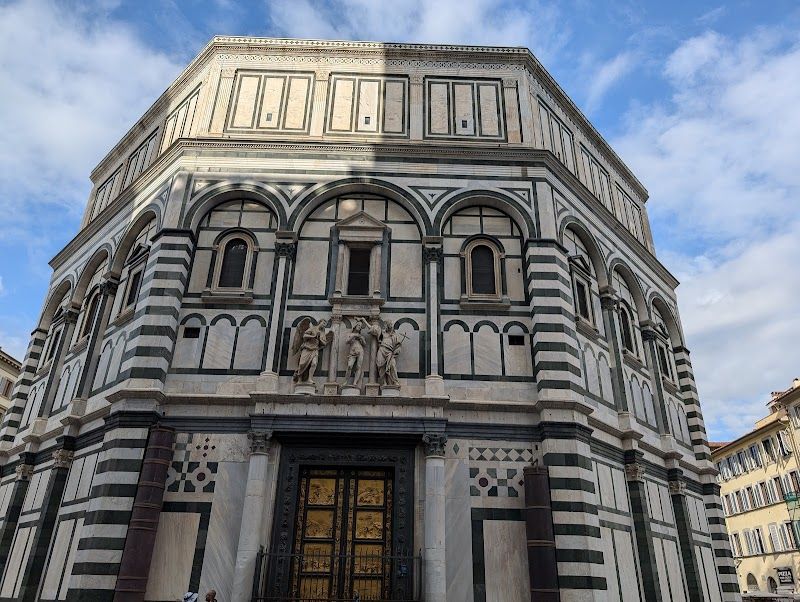

The Florence vs Naples debate isn't really a debate at all - it's a question of what kind of Italy you want. Florence is Italy as a museum, perfectly preserved and polished for visitors. Naples is Italy as it actually lives, messy and loud and real. Both cities offer something essential, but they're targeting completely different travelers.
Florence built the Renaissance and has been living off the rent ever since. That sounds like criticism, but it's not. When you have the Uffizi Gallery with Botticelli's Birth of Venus and the Accademia Gallery with Michelangelo's David, you don't need to reinvent yourself. Naples, meanwhile, invented pizza and has been perfecting it while everyone else was trying to copy it. The city operates on its own timetable, follows its own rules, and doesn't particularly care if you approve.
Art and Museums: Florence Wins by Miles
Florence dominates the naples vs florence italy comparison when it comes to art. The city houses more Renaissance masterpieces per square kilometer than anywhere else on earth. The Uffizi Gallery alone (EUR 25) contains Botticelli's Birth of Venus and Primavera, Caravaggio's Medusa, and rooms of Raphael and Leonardo that would anchor any other museum but here are just Tuesday. Book months in advance or plan to queue for hours.
The Accademia Gallery (EUR 16) exists primarily for Michelangelo's David, which you've seen in countless photos but will still stop you cold when you encounter it at full scale. The surrounding sculptures feel like an afterthought, but they'd be the highlight anywhere else.
Naples' archaeological treasures tell a different story. The National Archaeological Museum houses the best collection of Roman artifacts outside Rome, including mosaics and frescoes from Pompeii that put you directly in touch with daily life 2,000 years ago. But let's be honest - if you're choosing between Florence and Naples for art, you're choosing Florence.
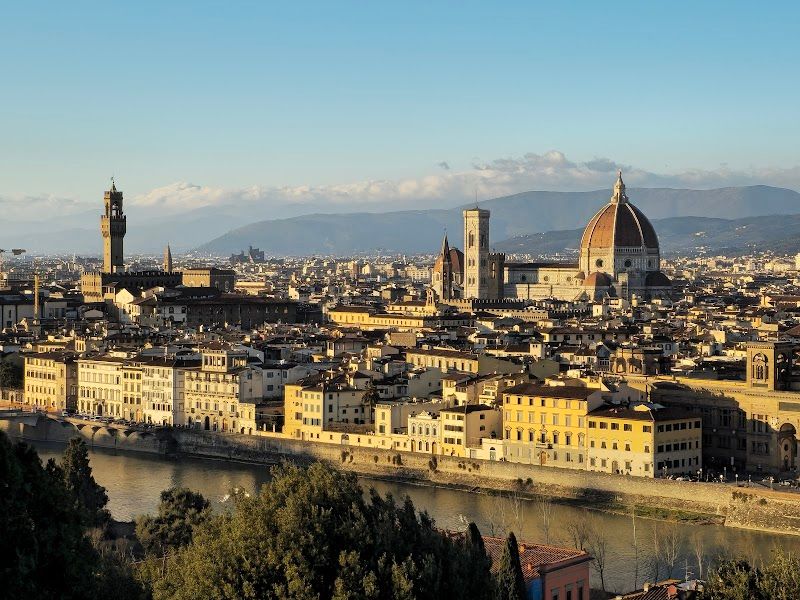
The Duomo complex ticket in Florence (EUR 30) includes Brunelleschi's dome climb, which was the largest dome in the world when completed in 1436. The 463 steps to the top offer views across the terracotta rooftops that define the city's skyline. Naples' Duomo houses the blood of San Gennaro, which supposedly liquefies three times a year. Both are worth seeing, but Florence's architectural achievement changed how buildings could be constructed.
Food Culture: Naples Takes This Round
When comparing florence naples food scenes, Naples wins on authenticity and value. Pizza was invented here in 1889 at Pizzeria Brandi, and the city has spent the subsequent 135 years perfecting it. A proper Neapolitan pizza margherita costs EUR 4-6 and uses San Marzano tomatoes, buffalo mozzarella from nearby Campania, and fresh basil on a wood-fired crust that's crispy outside and soft inside.
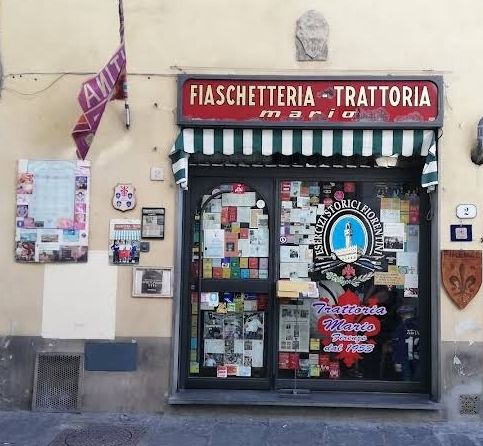
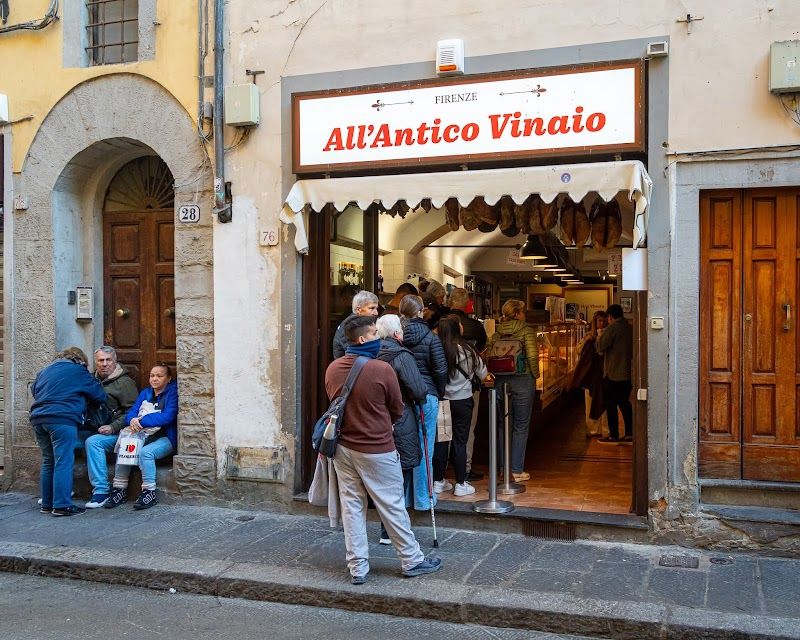
Florence's food scene caters more to tourists than locals. All'Antico Vinaio serves excellent panini but often has hour-long queues of Instagram-hunting visitors. Trattoria Mario near San Lorenzo Market offers authentic Tuscan cuisine (EUR 15-25 per meal) but books up weeks in advance.
Naples operates differently. Street food vendors sell cuoppo (fried seafood in paper cones) for EUR 3-5. Caffè costs EUR 1 standing at any bar. The city's markets - especially Porta Nolana - sell ingredients that locals actually use rather than souvenirs tourists might buy.
The wine cultures differ significantly too. Florence sits in Tuscany's Chianti region, surrounded by vineyards producing some of Italy's most famous wines. A glass of local Chianti costs EUR 4-8 at most establishments. Naples pairs better with beer - the heat and the pace of the city make wine feel too formal.
Neighborhoods and Character: Completely Different Energies
The florence or naples decision often comes down to neighborhood atmosphere. Florence's Duomo & Piazza della Signoria area concentrates the city's greatest hits in a walkable zone that feels like an outdoor museum. The Oltrarno district across the Arno River offers a quieter alternative with artisan workshops and fewer tour groups.
Naples' Spanish Quarter (Quartieri Spagnoli) pulses with actual city life. Laundry hangs between buildings, kids play football in narrow streets, and residents lean out windows to shout conversations with neighbors. It's not pretty in the Instagram sense, but it's genuine in a way Florence rarely manages.
The Ponte Vecchio in Florence represents the city's approach - a historic bridge that now houses upscale jewelry shops catering to tourists. Naples' equivalent might be Spaccanapoli, the ancient street that cuts through the city center, lined with pizza shops, churches, and stores selling everything from religious artifacts to motorcycle parts.
Florence neighborhoods stay clean and organized. Streets get swept, buildings get maintained, and everything operates on schedule. Naples embraces controlled chaos - it works, but not in ways that make immediate sense to outsiders.
Budget Comparison: Naples Wins Easily
Naples costs significantly less than Florence across every category. A budget traveler can manage EUR 40-50 per day in Naples versus EUR 60-80 in Florence. Mid-range visitors might spend EUR 100-120 daily in Naples compared to EUR 150-200 in Florence.
Accommodation costs favor Naples substantially:
| Category | Naples | Florence |
|---|---|---|
| Hostel dorm bed | EUR 18-25 | EUR 25-45 |
| Budget hotel double | EUR 45-70 | EUR 60-90 |
| Mid-range hotel double | EUR 70-120 | EUR 100-180 |
| Boutique hotel double | EUR 120-200 | EUR 180-300 |
Food costs show similar patterns:
| Meal Type | Naples | Florence |
|---|---|---|
| Pizza margherita | EUR 4-6 | EUR 8-12 |
| Mid-range dinner | EUR 20-30 | EUR 25-40 |
| Espresso at bar | EUR 0.80-1 | EUR 1-1.5 |
| Local wine glass | EUR 3-5 | EUR 4-8 |
Museum entry fees tell a different story. Florence's major attractions cost EUR 16-30 each, while Naples' archaeological sites often cost EUR 6-12. However, Florence offers the FirenzeCard (EUR 85 for 72 hours) that includes 60+ museums and public transport, making it worthwhile for art-focused visits.
Getting Around: Florence is Walkable, Naples Requires Navigation
Florence spans about 2 kilometers east to west and 1.5 kilometers north to south. You can walk from the Duomo to Piazzale Michelangelo in 25 minutes. The city center excludes most cars, making walking pleasant and safe.
Naples sprawls across multiple hills and neighborhoods that require public transport. The metro system has three lines that connect major attractions, but many neighborhoods rely on buses that don't always run on schedule. Naples' historic center has narrow streets originally designed for donkeys, not tourists with rolling suitcases.
Florence's ATAF bus system charges EUR 1.50 for 75 minutes of travel, though most visitors walk everywhere. Naples' public transport costs EUR 1.20 per ride or EUR 4.50 for daily unlimited travel.
Both cities connect well to other destinations. Florence sits between Rome (1.5 hours by high-speed train) and Venice (2 hours). Naples offers easy access to Pompeii (30 minutes), the Amalfi Coast (1 hour), and Capri (ferry connections from nearby Sorrento).
Safety and Comfort: Florence Feels Safer, Naples Keeps You Alert
Florence operates like a well-managed tourist destination. Streets stay clean, police presence remains visible, and serious crime targets tourists rarely. Pickpocketing occurs around major attractions, but violent crime stays rare.
Naples requires more awareness. The city has reputation for petty crime, though most problems involve pickpocketing and bag snatching rather than violent encounters. Certain neighborhoods like Forcella and parts of the Spanish Quarter need extra caution, especially after dark. However, millions of visitors navigate Naples safely every year by taking basic precautions.
The trade-off relates to authenticity. Florence's safety comes partly from its transformation into a tourist-focused city where real urban problems get managed away from visitor areas. Naples' edge comes from remaining a working city where tourism supplements rather than dominates the economy.
When to Choose Florence vs Naples
Choose Florence if you prioritize:
- Renaissance art and architecture
- Walkable, organized city layout
- Day trips to Tuscan countryside
- Comfortable, predictable travel experience
- Photography of classic Italian beauty
Choose Naples if you prefer:
- Authentic Italian street life
- Better food at lower prices
- Access to Pompeii, Amalfi Coast, Capri
- Urban energy and unpredictability
- Understanding how Italians actually live
The florence naples comparison ultimately depends on what you want from Italy. Florence offers Italy's greatest artistic achievements in a setting designed for comfortable consumption. Naples provides Italy's most authentic urban experience, with all the complications that entails.
Best of Both: Making the Florence or Naples Choice
Most travelers shouldn't choose between Florence and Naples - they should visit both, but in the right order. Start with Florence if you prefer easing into Italy gradually. The city's tourist infrastructure and walkable layout provide a gentle introduction to Italian travel rhythms.
Start with Naples if you want immediate immersion in Italian culture. The city's intensity and authenticity offer a crash course in navigating real Italy, making Florence feel almost quaint by comparison.
For first-time visitors to Italy, Florence typically works better as an introduction. The city's concentration of must-see attractions makes it easier to feel accomplished in a short visit. Naples rewards longer stays and multiple visits - the city reveals itself gradually rather than immediately.
Both cities anchor excellent Italian itineraries. Florence pairs naturally with Rome, Venice, and Tuscany. Naples connects perfectly with the Amalfi Coast, Capri, and Sicily. Your choice might depend more on which region interests you than which city appeals more.
The practical reality: most travelers with limited time choose Florence for the art and Naples for the coast. That's not wrong, but it misses what makes each city special. Florence succeeds as more than just a museum, and Naples offers more than just pizza and proximity to Pompeii. The best choice considers what kind of Italian experience you want most.