Cordoba's culinary identity extends far beyond its famous cold soup. While every visitor knows about salmorejo, the real Cordoba food specialties reveal themselves in the narrow streets around Plaza de la Corredera and inside century-old tabernas where locals gather for their daily rituals. These dishes carry the DNA of Al-Andalus, the flavors of Sephardic Jews who once filled the Jewish Quarter, and the hearty appetite of Andalusian workers who needed fuel for long days under the southern Spanish sun.
The problem with most Cordoba food guides is they list the same five dishes every tourist tries. But locals eat differently. They know which taberna makes the best flamenquín, where to find authentic montilla wine, and why certain specialties only appear on tables during specific seasons. This is your roadmap to eating like a Cordoban, not like a tourist taking photos of salmorejo.
Essential Cordoba Food Specialties You Won't Find Elsewhere
Flamenquín Cordobés: The Rolled Pork Masterpiece
Flamenquín cordobés (EUR 12-18) is Cordoba's signature dish, though most visitors leave without trying it properly. This isn't just rolled pork - it's paper-thin pork loin wrapped around serrano ham, breaded, and fried until golden. The technique requires skill that separates tourist traps from authentic tabernas.
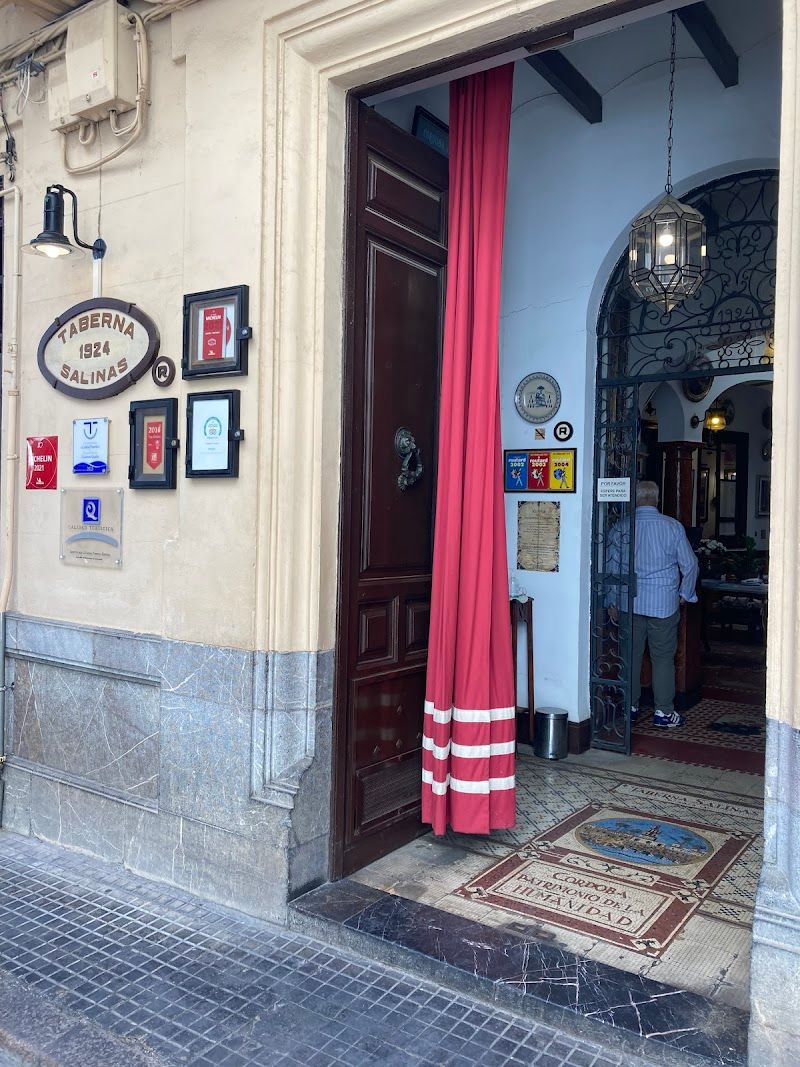
Taberna Salinas on Calle Tundidores serves the benchmark version. Their flamenquín arrives sliced to reveal the perfect ham spiral inside, accompanied by chips that actually complement rather than overwhelm the delicate pork. Bodegas Campos does a modern interpretation with jamón ibérico that costs EUR 18 but justifies every euro with its buttery texture.
The dish originated in the 1960s when Cordoba's working class needed portable, protein-rich meals. Smart cooks realized that wrapping cheap pork around expensive ham created something that tasted expensive while remaining affordable. Today, it's the dish locals order when they want comfort food that reminds them why Cordoba's cuisine matters.
Rabo de Toro: Oxtail Stew That Tells Stories
Rabo de toro (EUR 16-24) connects Cordoba directly to its bullfighting heritage. This isn't tourist theater - it's practical cooking that transforms tough oxtail into silk through slow braising with Montilla wine, garlic, and bay leaves. The sauce should coat the back of a spoon and taste like concentrated Andalusian earth.
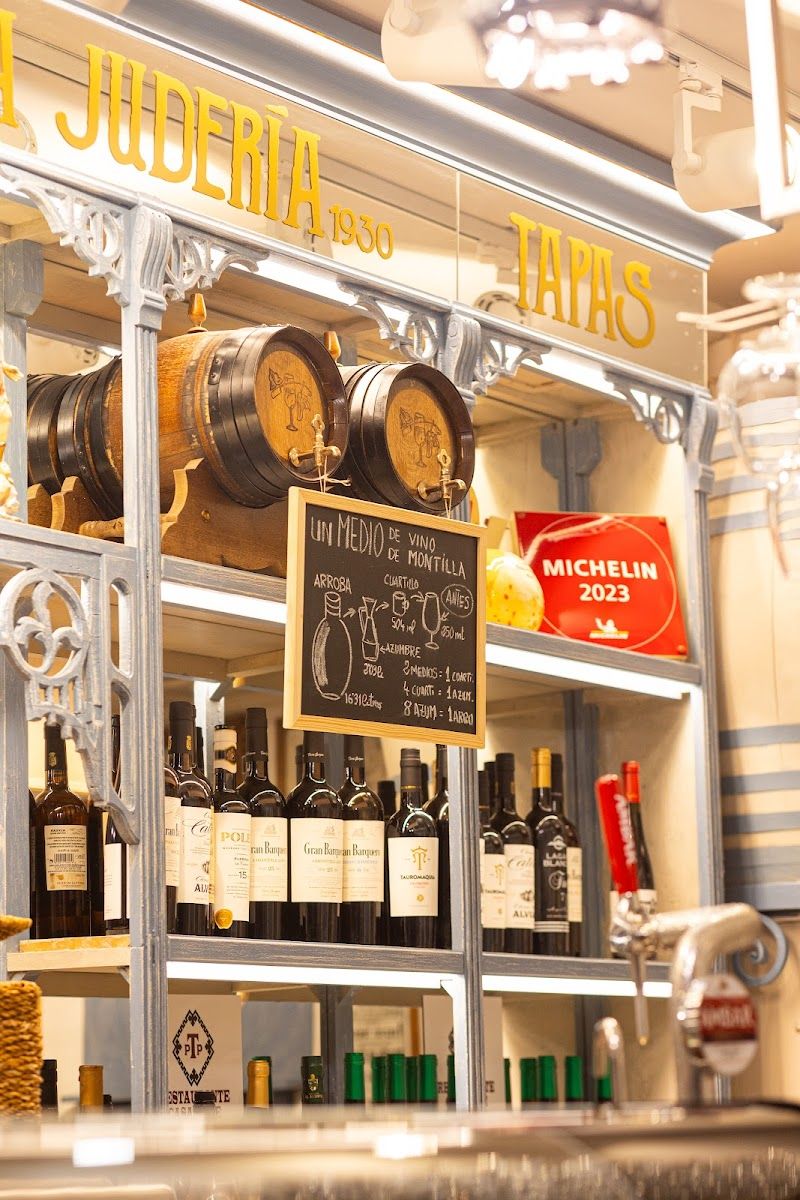
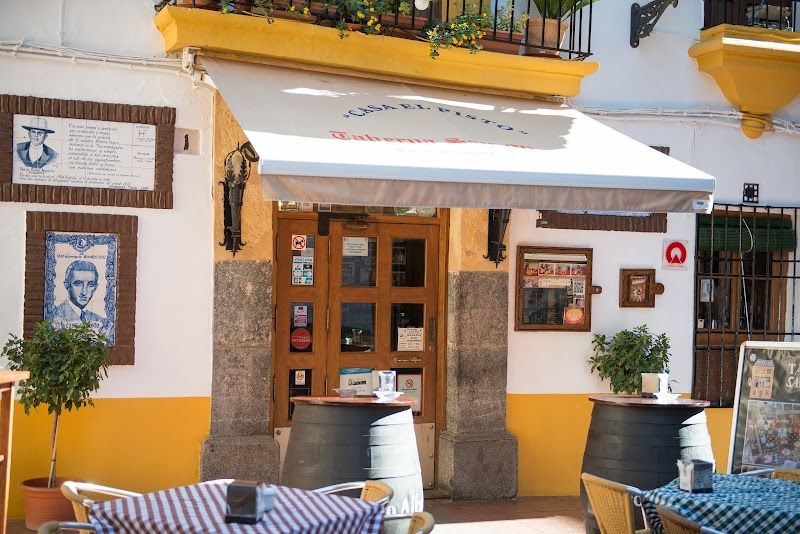
El Churrasco in the Judería serves the most refined version, where the meat falls off the bone and the sauce has been reduced to glossy perfection. But for authenticity, head to Taberna San Miguel (Casa El Pisto) where they've made the same recipe since 1880. Their version comes with more sauce and costs EUR 16, soaking up with crusty bread.
The dish requires patience - proper rabo de toro simmers for at least four hours. Restaurants that serve it quickly are reheating pre-made portions. The best versions appear on winter menus when locals want warming food after exploring the Mezquita on cold January mornings.
Salmorejo: Beyond the Tourist Version
Yes, everyone tries salmorejo (EUR 4-8), but most experience a watered-down version designed for timid palates. Authentic salmorejo should be thick enough to support its garnish without sinking, orange-pink from proper tomatoes, and sharp with good sherry vinegar.
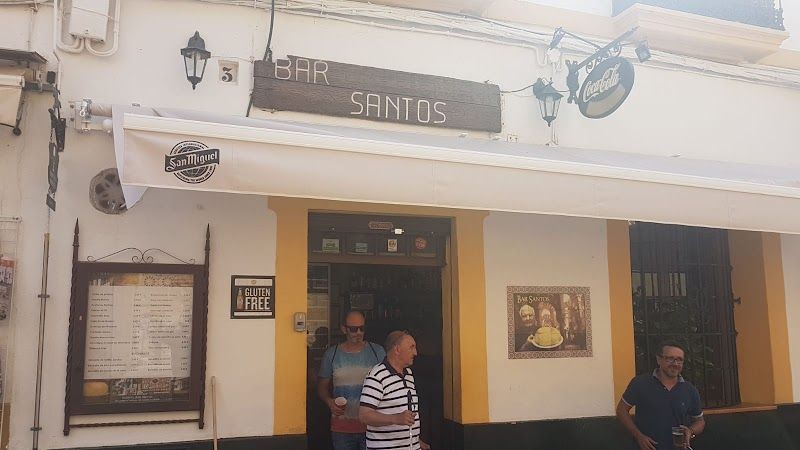
Bar Santos makes theirs with day-old bread from a specific bakery on Calle Deanes, creating a velvet texture that coats your mouth. They serve it in traditional clay bowls with diced egg and jamón that don't disappear into the soup. Casa Pepe de la Judería offers a version topped with tuna conserva that sounds wrong but works perfectly.
The secret is temperature and timing. Salmorejo should be cold but not refrigerator-cold, served within hours of making. Restaurants that pre-make batches lose the fresh tomato brightness that makes this dish worth eating.
Regional Cordoba Food Specialties with Deep Roots
Pastel Cordobés: The Sweet That Isn't Just Sweet
Pastel cordobés appears in every bakery window but varies wildly in quality. The best versions balance sweet cabello de ángel (angel hair pumpkin jam) with flaky pastry that doesn't overwhelm the delicate filling. This pastry emerged from the fusion of Moorish and Christian traditions, using techniques from both cultures.
Confitería La Campana on Calle Claudio Marcelo makes theirs following a 19th-century recipe. Their pastry shatters properly, revealing bright orange filling that tastes like concentrated autumn. At EUR 3 each, they cost more than supermarket versions but the difference is obvious from the first bite.
Eat pastel cordobés with strong coffee in the afternoon, when the sweetness provides energy without overwhelming your palate for dinner. Many tourists skip this thinking it's just another Spanish pastry, missing one of Cordoba's most historically significant foods.
Mazamorra Cordobesa: Ancient Flavors, Modern Plates
Mazamorra predates Roman occupation, making it possibly Cordoba's oldest dish. This cold soup combines ground almonds, garlic, olive oil, and bread into something that tastes both primitive and sophisticated. It's gazpacho's ancestor, the dish that taught Andalusians that cold soups could be complete meals.
Bodegas Mezquita serves an exceptional version that tastes like liquid almonds with a garlic bite that clears your sinuses. They garnish it with grapes and chopped almonds, adding texture to the smooth base. At EUR 6, it's an affordable way to eat something Romans might have recognized.
Most restaurants don't serve mazamorra because tourists find it too intense. The almond-garlic combination can overwhelm palates expecting milder flavors. But this intensity is exactly why locals love it as a summer starter that prepares your mouth for richer dishes to follow.
Cordero a la Miel: Honey-Glazed Lamb with Moorish Soul
Cordero a la miel showcases Cordoba's Islamic heritage through lamb glazed with local honey and spiced with cinnamon and saffron. This isn't fusion food - it's a direct descendant of dishes served in the Umayyad palaces at Madinat Al-Zahra.
The technique requires timing: the lamb must be tender enough to cut with a fork while the honey glaze stays glossy without burning. Bodegas Campos does this flawlessly, serving it with roasted vegetables that don't compete with the complex sweet-savory balance. Expect to pay around EUR 22 for a proper portion.
Many restaurants offer "honey lamb" that's just regular lamb with honey drizzled on top. Authentic cordero a la miel marinates the meat in spiced honey mixture, creating flavors that penetrate throughout rather than sitting on the surface.
Cordoba Food Specialties by Neighborhood
Jewish Quarter Classics
The Mezquita & Judería area holds the highest concentration of restaurants serving traditional Cordoba food, though quality varies dramatically based on location. Streets closest to the Mezquita cater to tour groups with simplified versions of local dishes, while parallel streets one block away serve the real thing to locals.
Berenjenas con miel (eggplant with honey) appears on every menu here, reflecting the neighborhood's Sephardic heritage. The dish requires paper-thin eggplant slices fried until golden, then drizzled with local honey. Casa Pepe de la Judería serves the definitive version - their eggplant shatters at first bite while maintaining a creamy interior.
Alcachofas a la montillana (artichokes cooked with Montilla wine) showcase how Jewish cooks adapted local ingredients. The artichokes braise slowly in white wine until tender, finished with garlic and parsley. This simple preparation lets the vegetable's flavor dominate while the wine adds depth without overwhelming.
Plaza de la Corredera Area Specialties
The Plaza de la Corredera & Centro neighborhood contains Cordoba's most traditional tabernas, where working-class specialties survive alongside touristy restaurants. Here you'll find dishes that appear nowhere else in Andalusia.
Cochifrito transforms cheap pork shoulder into something special through slow cooking with paprika, garlic, and bay leaves. The meat should fall apart when pressed with a fork, while the sauce provides enough richness to make plain bread interesting. Taberna La Montillana serves this for EUR 14, making it one of Cordoba's best value meals.
Caracoles (snails) require an adventurous palate but reward it with intense flavor. Cooked in spicy tomato sauce with chorizo and ham, they're eaten with toothpicks while standing at the bar. The sauce matters more than the snails themselves - it should be thick enough to cling to bread while delivering heat that makes you reach for more wine.
Where to Find Authentic Cordoba Food Specialties
Traditional Tabernas vs Tourist Restaurants
Cordoba's restaurant scene divides sharply between authentic tabernas serving locals and tourist-focused establishments near major attractions. The difference isn't subtle - traditional places display handwritten menus on chalkboards, serve wine in small glasses, and expect customers to eat standing at the bar for tapas.
Taberna San Miguel (Casa El Pisto) exemplifies authentic Cordoba dining. Their walls display bullfighting memorabilia from when the place opened in 1880, and their menu hasn't changed significantly since. They serve pisto cordobés (ratatouille-style vegetable stew) that locals order as a main dish, not a side. The vegetables cook until jammy while maintaining distinct flavors.
Contrast this with restaurants on Calle Cardenal Herrero, where menus appear in five languages and dishes arrive garnished with ingredients that never appeared in traditional recipes. These places serve recognizable versions of local food but lack the intensity that makes Cordoba's cuisine distinctive.
Seasonal Specialties and Timing
Cordoba food follows seasonal rhythms that tourists often miss. Gazpacho blanco (white gazpacho made with almonds) appears only in summer when temperatures climb above 35°C. Migas cordobesas (fried breadcrumbs with chorizo and peppers) warm winter tables when families gather after visiting the Alcázar gardens.
Pestiños flood bakeries during Christmas and Easter, their honey-soaked pastry providing energy for religious processions. Torrijas replace them during Semana Santa, when every family makes their own version of this Spanish French toast.
Timing your visit around these seasons determines which specialties you'll encounter. Summer visitors get cold soups and gazpachos, while winter travelers experience heartier stews and braised dishes that showcase Cordoba's Moorish spice traditions.
Market Shopping for Local Ingredients
Mercado Victoria offers a modern food court experience with stalls serving contemporary versions of local dishes, but for authentic ingredients, locals shop at Mercado de la Corredera. This traditional market sells the specific products that make Cordoba food distinctive.
Montilla-Moriles wine comes from vineyards 45 kilometers south of the city and provides the base for many local dishes. Unlike sherry, it's unfortified and tastes closer to white wine, though with more complexity. Local cooks use it in braises and sauces where its subtle sweetness enhances rather than dominates.
Aceite de oliva cordobés differs from generic Spanish olive oil through its blend of picual and hojiblanca olives grown in the surrounding countryside. This oil provides the base for salmorejo and gazpachos, where its peppery finish adds complexity to simple preparations.
Understanding Cordoba Food Culture
Eating Schedules and Social Customs
Cordoba follows traditional Spanish meal timing, but with regional variations that affect how you experience local specialties. Desayuno happens between 8-10 AM and consists of toast with tomato and olive oil, often accompanied by fresh orange juice. This simple meal provides the base for a day of walking through historic neighborhoods.
Almuerzo (mid-morning snack) occurs around 11 AM when locals stop for coffee and a small tapa. This isn't a tourist custom - workers genuinely need fuel between breakfast and the late lunch that doesn't arrive until 2-3 PM.
Comida (lunch) represents the day's main meal, when families gather for multiple courses that might include salmorejo, flamenquín, and fruit. Restaurants offer menú del día (EUR 12-18) that provides excellent value and authentic preparation methods.
Cena (dinner) starts around 9-10 PM and tends to be lighter than lunch. This is when locals eat tapas tours through multiple establishments, sampling different specialties while socializing.
Wine and Drink Pairings
Cordoba's location between sherry country and Rioja creates unique drinking traditions that complement local food. Montilla-Moriles wine pairs naturally with most dishes since many recipes incorporate it during cooking. The fino style works with cold dishes like salmorejo, while amontillado complements richer preparations like rabo de toro.
Cerveza remains the most popular drink for casual dining, with locals preferring small glasses (cañas) that stay cold in summer heat. Tinto de verano (red wine with lemon soda) appears at outdoor tables during warm months, providing refreshment without the alcohol content of straight wine.
Anís concludes heavy meals, its licorice flavor cleansing the palate after rich dishes. Many tabernas offer it complimentary after substantial meals, particularly during winter when its warming qualities are appreciated.
Beyond the Restaurant Scene
The most authentic Cordoba food experiences happen outside restaurants during local festivals and celebrations. Patios Festival in May brings families into their courtyards with tables laden with home-cooked specialties that visitors rarely see. Feria de Mayo features casetas (private booths) where invited guests share traditional dishes prepared according to family recipes.
Religious festivals throughout the year feature specific foods connected to celebrations. Semana Santa brings torrijas and pestiños, while Christmas introduces mantecados and polvorones from nearby Estepa.
These seasonal celebrations reveal how deeply food connects to Cordoba's cultural identity. The dishes aren't just fuel - they're expressions of history, religion, and regional pride that continue traditions dating back over a millennium.
Cordoba food specialties reward curious travelers willing to venture beyond the obvious choices. While salmorejo provides an excellent introduction, the real discoveries happen when you order rabo de toro at a neighborhood taberna or sample pastel cordobés from a family bakery. These dishes carry the flavors of Al-Andalus, the ingenuity of Sephardic cooks, and the hearty appetites of Andalusian workers into every bite.
For practical guidance on where to eat these specialties, consult our comprehensive Cordoba food guide which maps the best restaurants by neighborhood and price range. Planning your first visit? Our Cordoba itinerary includes meal recommendations that pair perfectly with sightseeing schedules.