Budapest rewards budget-conscious travelers with thermal baths that cost less than a decent meal in Paris, substantial Hungarian meals for under EUR 12, and accommodation options that span from EUR 12 hostels to EUR 120 boutique hotels. The Hungarian forint's favorable exchange rate against the euro makes this one of Europe's most affordable capitals, but only if you know where to spend and where to save.
The key to managing your Budapest travel budget lies in understanding the city's dual nature. Buda's hillside attractions like Buda Castle and Fisherman's Bastion command premium prices, while Pest's neighborhoods offer authentic experiences at local prices. Tourist zones around Váci Street and the Castle District inflate costs significantly, but venture into the Jewish Quarter or cross into residential Pest, and your money stretches considerably further.
Budapest Accommodation Costs: Where Every Euro Counts
Accommodation represents the largest expense for most Budapest visitors, but the city offers genuine value across all price ranges. Budget hotel double rooms cost EUR 35-55, placing Budapest well below Western European capitals where similar properties start at EUR 80.
Hostel dorm beds in central locations cost EUR 12-25 per person, with 6-8 bed rooms at the lower end and 4-bed rooms commanding premium prices. The best value hostels cluster in the Jewish Quarter, where you're walking distance from ruin bars and authentic restaurants. Avoid hostels near Keleti train station - the area feels sketchy after dark and adds transport costs to reach attractions.
Mid-range hotels charge EUR 60-120 for double rooms, representing excellent value for European standards. Properties in this range typically include breakfast, air conditioning, and English-speaking staff. The Belváros district offers the most options, with hotels along Váci Street commanding the highest prices within this range.
Boutique hotels cost EUR 90-180, often occupying converted Habsburg-era buildings with original architectural details. These properties concentrate in Pest's historic districts and offer unique character that chain hotels lack. Many include access to wellness facilities, though rarely thermal baths.
Luxury hotels range from EUR 200-450, with properties like the Four Seasons Gresham Palace and Aria Hotel Budapest leading the premium segment. At these rates, you're paying for prime Danube views, michelin-starred restaurants, and concierge services that can arrange private tours and restaurant reservations.
Neighborhood Price Variations
Location dramatically affects accommodation costs. Belváros properties cost 20-30% more than equivalent hotels in District VI or VII. The Castle District commands the highest premiums, with even basic hotels charging EUR 80+ for rooms that would cost EUR 50 in Pest.
District XIII (around Westend shopping center) offers modern hotels at competitive rates, but requires metro travel to reach historic attractions. District VI properties near Oktogon metro station provide excellent value, positioning you within walking distance of major sights while avoiding tourist zone pricing.
Budapest Food Budget: From Street Food to Fine Dining
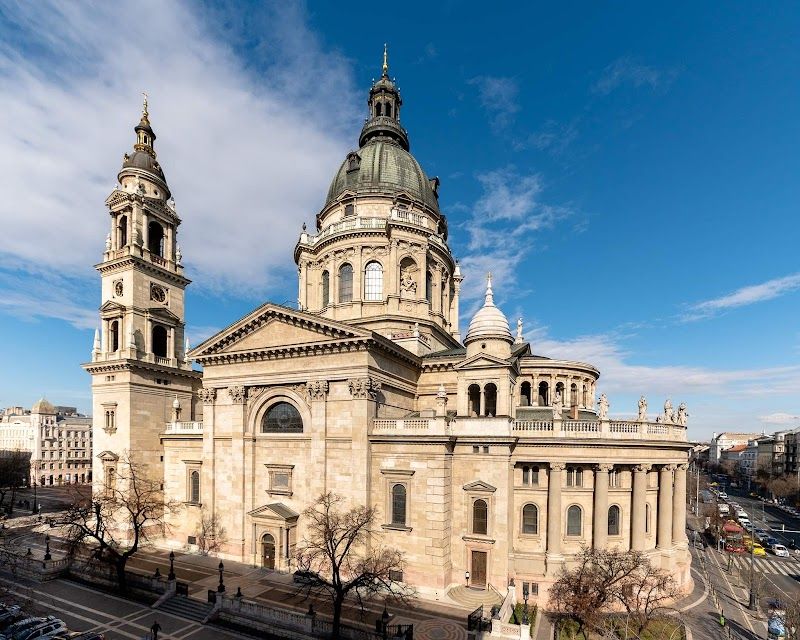
Hungarian cuisine offers exceptional value, with traditional lunch menus costing EUR 6-12 at authentic restaurants. These daily menus typically include soup, main course, and sometimes dessert, providing substantial portions that reflect Hungarian dining traditions. Tourist restaurants around St. Stephen's Basilica charge EUR 15-20 for similar meals.
Budget breakfast costs EUR 3-6, covering a pastry and coffee at local bakeries. Hungarian pastries like kürtőskalács (chimney cake) cost EUR 2-4 and provide filling alternatives to hotel breakfast buffets. Espresso coffee costs EUR 1.5-3.5, with prices rising near major attractions.
Street food presents Budapest's best food value. Lángos costs EUR 3-6, depending on toppings. This traditional fried bread, topped with sour cream and cheese, constitutes a filling meal. Great Market Hall vendors charge tourist prices (EUR 5-6), while neighborhood markets sell lángos for EUR 3-4.
Goulash soup costs EUR 4-8 at traditional restaurants, with authentic versions including generous meat portions and served with bread. Tourist restaurants serve watery versions for similar prices, making restaurant selection crucial for value.
Mid-range dinners cost EUR 20-35 for three courses with drink. This budget accommodates most traditional Hungarian restaurants and provides access to specialties like schnitzel, duck, and game dishes. Wine adds EUR 3-8 per glass for Hungarian varietals.
Local beer costs EUR 2.5-5 for 0.5L, with Hungarian brands like Dreher and Soproni offering good value. Imported beers command premium prices, particularly in tourist areas.
Restaurant Budget Strategies
Daily lunch menus provide the best value for experiencing Hungarian cuisine. Most traditional restaurants offer these EUR 6-12 menus between 11:30 AM and 2:30 PM. Evening à la carte dining costs 40-50% more for identical dishes.
Market halls beyond the touristy Great Market Hall offer authentic food at local prices. Hold Street Market and Lehel Market serve neighborhood customers, resulting in genuine portions and pricing.
Self-catering from supermarkets like Auchan or Tesco dramatically reduces food costs. Hungarian specialties like salami, cheese, and wine cost fraction of restaurant prices and create opportunities for picnics in City Park or along the Danube.
Transportation Budget: Moving Around Budapest Efficiently
Budapest's excellent public transport system provides affordable city navigation. Single tickets cost EUR 1.2 and remain valid for 80 minutes with one transfer. This covers metro, bus, and tram travel throughout the city, making individual journeys highly economical.
24-hour travel passes cost EUR 5.9, becoming cost-effective after five journeys. Most tourists using public transport benefit from daily passes, particularly when visiting multiple districts. 72-hour passes cost EUR 15.2, suitable for longer stays requiring frequent transport.
10-ride block tickets cost EUR 10.5, offering slight savings over individual tickets while providing transfer flexibility. These work well for travelers making occasional trips rather than constant transport use.
Airport shuttle bus 100E costs EUR 3.5 for direct service to Deák Ferenc tér, taking 35-40 minutes. This represents significant savings over taxi fares of EUR 25-35 for identical destinations. The bus operates every 20 minutes during peak hours.
Walking vs. Public Transport
Budapest's compact historic center enables extensive walking between major attractions. The distance from Chain Bridge to Hungarian Parliament Building requires only 15 minutes on foot, eliminating transport costs while providing Danube views.
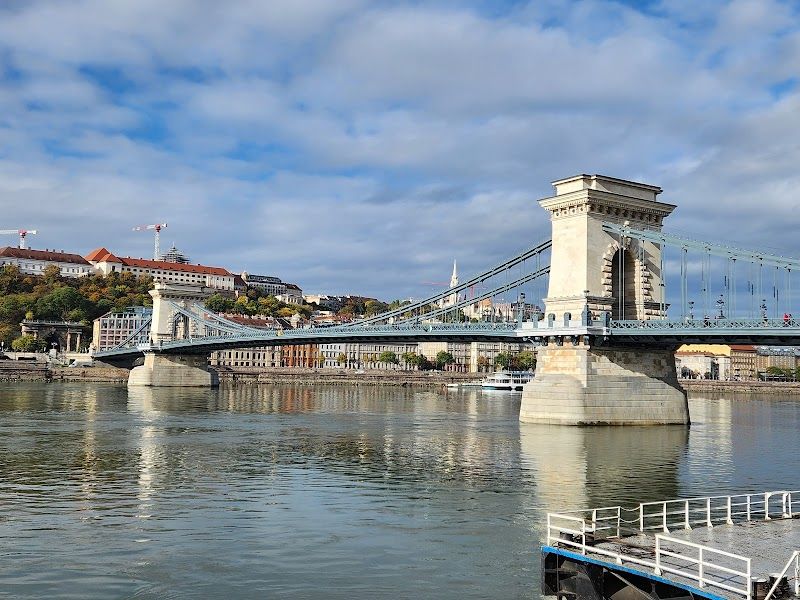
Crossing between Buda and Pest requires bridge crossings, all accessible on foot. Chain Bridge, Liberty Bridge, and Margaret Bridge offer free pedestrian access with excellent photography opportunities.
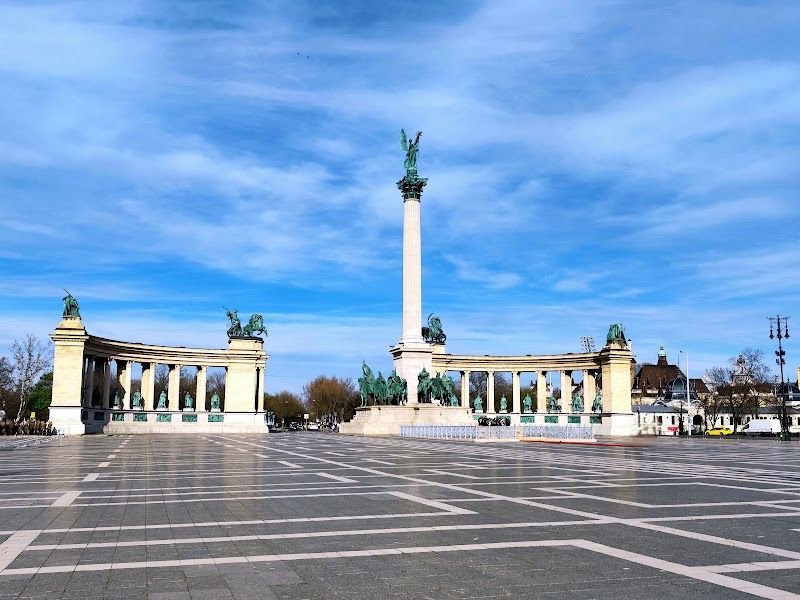
Metro travel becomes necessary for reaching City Park attractions like Széchenyi Thermal Baths or Heroes' Square. The M1 metro line directly connects these attractions to downtown Pest.
Activity and Attraction Costs in Budapest
Budapest's major attractions span free experiences to premium guided tours, allowing budget flexibility based on interests. Many of the city's most memorable experiences cost nothing, while paid attractions provide reasonable value compared to Western European equivalents.
Free Budapest Attractions
Several of Budapest's highlights require no admission fees. Walking the Danube Promenade costs nothing while providing UNESCO World Heritage views of both Buda Castle and Parliament buildings. The promenade extends from Margaret Bridge to Liberty Bridge, encompassing the city's most photogenic riverfront sections.
Central Market Hall browsing is free, though food purchases add costs. The Neo-Gothic building itself merits visiting, with its colorful Zsolnay roof tiles and iron architecture representing Hungarian craftsmanship.
Margaret Island park access costs nothing and provides 96 hectares of green space in the Danube. The island includes medieval ruins, rose gardens, and recreational facilities, making it popular with locals and tourists alike.
Chain Bridge pedestrian crossing offers free access to one of Europe's most beautiful bridges. The views encompass Buda Castle, Parliament, and the Danube bend, particularly striking during golden hour photography.
Váci Street shopping district provides free pedestrian access to Budapest's main commercial street. While shopping adds costs, walking the cobblestone street and observing street performers costs nothing.
Paid Attraction Budget Breakdown
Thermal baths represent Budapest's signature experience, with Széchenyi Thermal Baths costing EUR 25 for full-day access to all pools and saunas. This price includes outdoor thermal pools, indoor swimming pools, and various sauna facilities. Locker rental adds EUR 5, but the experience justifies the cost for most visitors.
Our thermal bath guide compares Széchenyi with Gellért and Rudas baths, helping you choose based on budget and preferences.
Hungarian Parliament Building guided tours cost EUR 22, with EU citizens receiving discounts. Advanced booking is mandatory, and tours fill quickly during peak season. The 45-minute tours include the impressive main staircase and parliament chamber.
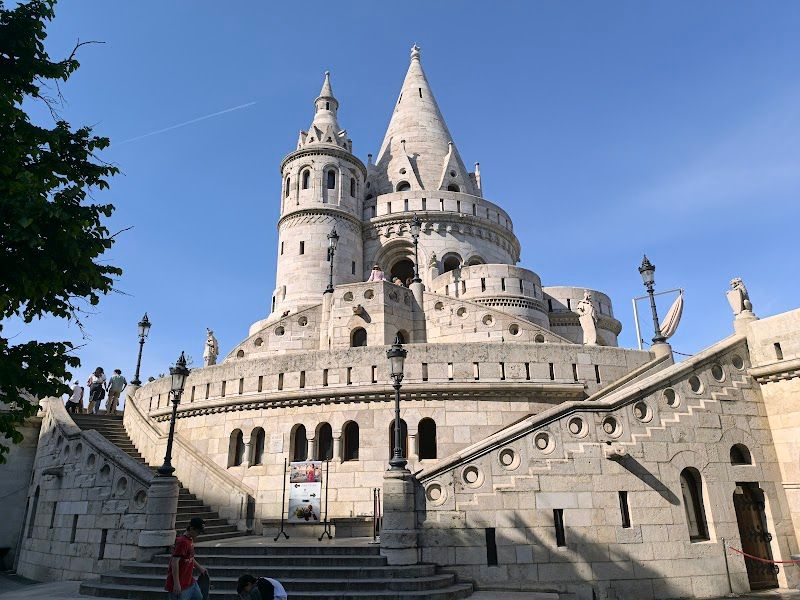
Fisherman's Bastion upper terraces cost EUR 4, while the lower level remains free. The panoramic views justify the modest fee, particularly for sunrise or sunset photography. The neo-Romanesque terraces provide Budapest's best elevated city views.
St. Stephen's Basilica dome access costs EUR 8 for elevator and stair combination to the panoramic terrace. The 360-degree city views rival those from Buda hills at fraction of the transport cost.
Buda Castle Royal Palace costs EUR 15-25 depending on exhibitions visited. The Hungarian National Gallery and History Museum occupy the palace, with separate admission fees. Free castle grounds access allows exploration of courtyards and exterior architecture.
Museum and Cultural Site Costs
Dohány Street Synagogue costs EUR 25 including museum access and guided tour. This comprehensive experience covers Europe's largest synagogue, Jewish museum, and historical cemetery.
House of Terror costs EUR 12 for this impactful museum documenting fascist and communist regimes. The experience requires 2-3 hours and provides crucial Hungarian historical context.
Museum of Fine Arts costs EUR 12 for the permanent European art collection, with temporary exhibitions requiring additional fees. The museum faces Heroes' Square in City Park.
Hungarian National Museum costs EUR 8, with free admission for EU citizens under 26. This represents excellent value for comprehensive Hungarian history and culture, though exhibits require significant time investment.
Hungarian State Opera House tours cost EUR 15 for 45-minute guided experiences. Performance tickets vary dramatically based on seating and production, starting around EUR 10 for upper balcony seats.
Daily Budapest Budget Breakdown by Travel Style
Backpacker Budget: EUR 35-50 per day
- Accommodation: EUR 12-18 (hostel dorm bed)
- Food: EUR 12-20 (breakfast EUR 3-4, lunch EUR 6-8, dinner EUR 8-12, snacks/drinks EUR 3-6)
- Transport: EUR 6 (24-hour pass or individual tickets)
- Activities: EUR 5-15 (mix of free attractions and one paid site)
- Miscellaneous: EUR 3-5 (bottled water, small purchases)
This budget accommodates thermal bath visits every few days, daily traditional meals, and most major attractions over a week-long stay. Cooking occasionally in hostel kitchens and choosing free walking tours stretches the budget further.
Mid-Range Budget: EUR 80-120 per day
- Accommodation: EUR 35-60 (budget to mid-range hotel double room, per person)
- Food: EUR 25-35 (breakfast EUR 5-8, lunch EUR 8-12, dinner EUR 15-25, drinks EUR 5-8)
- Transport: EUR 6-12 (daily passes, occasional taxis)
- Activities: EUR 15-25 (multiple paid attractions daily)
- Miscellaneous: EUR 8-15 (souvenirs, additional drinks, tips)
Mid-range travelers can visit thermal baths regularly, dine at recommended restaurants, and experience most attractions without budget constraints. This range accommodates guided tours and cultural performances.
Luxury Budget: EUR 200+ per day
- Accommodation: EUR 100-225 (boutique to luxury hotel double room, per person)
- Food: EUR 60-100 (upscale dining, wine pairings, premium experiences)
- Transport: EUR 15-30 (private transfers, convenient options)
- Activities: EUR 30-50 (premium experiences, guided tours, multiple attractions)
- Miscellaneous: EUR 20-40 (shopping, premium souvenirs, tips)
Luxury budgets enable Michelin-starred dining, private tour guides, premium thermal bath experiences, and convenient transportation without cost considerations.
Money-Saving Strategies for Budapest Travel
Timing Your Visit
Visiting during shoulder seasons (April-May, September-October) reduces accommodation costs by 20-30% while maintaining pleasant weather and full attraction access. November through March offers the lowest prices but limits outdoor activities and reduces thermal bath appeal.
Weekday visits cost less than weekend stays, particularly for accommodation. Tuesday-Thursday hotel rates often drop EUR 10-20 below weekend pricing for identical rooms.
Neighborhood Selection Impact
Staying in District VI or VII instead of Belváros saves EUR 15-25 nightly on accommodation while maintaining walking access to major attractions. These neighborhoods offer authentic dining options at local prices.
Avoiding Váci Street restaurants saves 30-40% on meal costs. Side streets parallel to Váci offer similar food quality at local pricing, often with better authenticity and larger portions.
Attraction Bundling
Budapest Card costs EUR 28 for 24-hour access, including public transport and museum discounts. The card becomes cost-effective when visiting three or more paid attractions daily, but calculate carefully against individual ticket prices.
Many attractions offer student and senior discounts, though requirements vary by site. EU citizens under 26 receive free admission to Hungarian National Museum and reduced rates at several other sites.
Food Cost Management
Lunch menus provide 40-50% savings over evening à la carte dining at identical restaurants. Eating your main meal at lunch and choosing lighter dinners significantly reduces daily food costs.
Supermarket shopping for breakfast and snacks saves EUR 8-12 daily compared to hotel breakfast and cafe purchases. Hungarian bread, cheese, and cold cuts create satisfying meals for picnics in City Park or along the Danube.
Local markets beyond Great Market Hall offer authentic food experiences at neighborhood prices. Hold Street Market and Rákóczi Square Market serve local customers, resulting in genuine pricing.
Budapest rewards informed budget planning with exceptional value across accommodation, dining, and activities. The city's thermal baths alone justify the trip cost, while traditional Hungarian cuisine provides filling, flavorful meals at reasonable prices. Smart neighborhood selection and attraction timing can reduce costs by 30-40% without sacrificing essential experiences.
Understanding Budapest's price geography - tourist zones versus local areas - enables travelers to experience authentic Hungarian culture while maintaining budget control. The city's excellent public transport system connects affordable neighborhoods with major attractions, while free walking areas like the Danube Promenade provide memorable experiences without costs.
For comprehensive planning, our 3-day Budapest itinerary incorporates budget considerations with essential attractions, while our ruin bar guide helps you navigate the Jewish Quarter's authentic nightlife scene without tourist trap pricing.