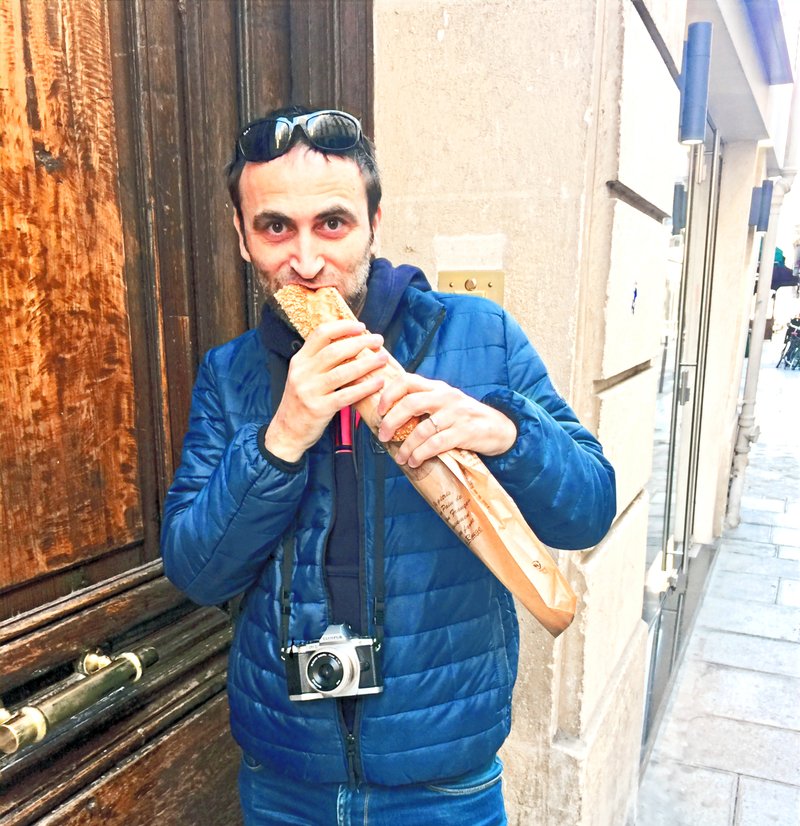
Bordeaux has a food identity problem. Most visitors arrive thinking about wine, spend two days in the châteaux, and leave without eating a single thing that wasn't served alongside a Merlot-heavy Pomerol. That's a waste. The city's food scene, anchored by serious markets, a tradition of Gascon cooking, and a generation of chefs who've stopped trying to be Paris, is reason enough to visit on its own terms. This bordeaux food guide covers the markets you need, the dishes worth ordering, the restaurants that justify the bill, and the ones that don't.
If you're still building your broader Bordeaux itinerary, the DAIZ first-time visitor guide to Bordeaux is a good starting point. But if eating is your primary reason for coming, keep reading.
The Bordeaux Food Specialties You Should Actually Know
Bordeaux specialties get discussed a lot online and executed badly in most tourist-facing restaurants. Here's what's genuinely worth seeking out.
Canelé
The canelé is Bordeaux's most famous food export, and it's one of the few cases where the local version really is categorically better than anything you've had elsewhere. The shell should be almost black and lacquered, crackling when you bite through it, with a custardy, rum-and-vanilla interior that's dense without being heavy. The key variables are the copper mould, the beeswax, and the resting time. Most tourist-zone versions skip at least one of these.
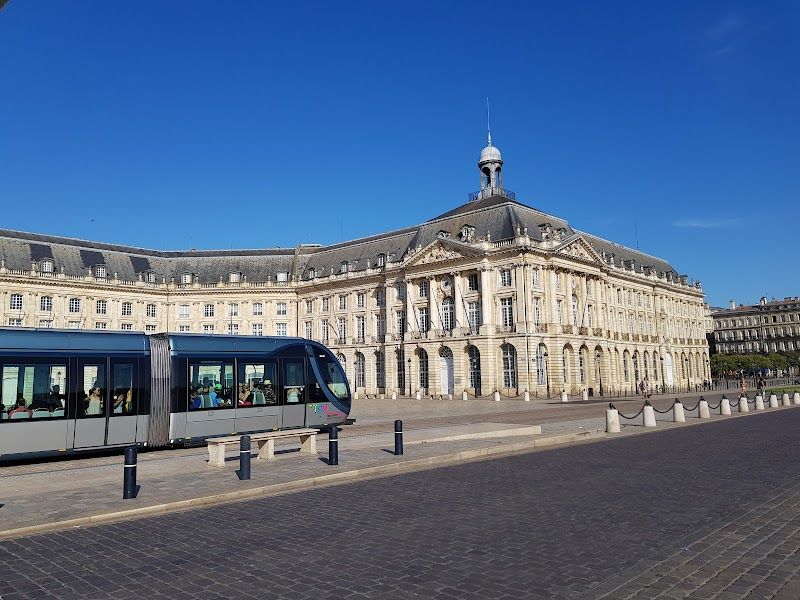
For the real thing, head to a proper boulangerie rather than a dedicated canelé shop. Around EUR 1.5-2 each is normal. Anything cheaper is probably frozen-and-reheated. Anything in a fancy box near the Place de la Bourse is priced for luggage, not eating.
Entrecôte Bordelaise
The entrecôte with bordelaise sauce, a reduction of red wine, bone marrow, shallots, and thyme, is the defining Bordeaux bistro dish. The city also has its own very particular restaurant tradition around this: a set-price menu, one dish, one sauce, unlimited fries. L'Entrecôte in the Chartrons neighbourhood is the most well-known version of this format. The queue outside most evenings tells you what you need to know. It's worth going once. The sauce is the point.
Huîtres du Bassin d'Arcachon
Oysters from the Arcachon Basin are among the best in France, and because Bordeaux is only 50km from the source, they arrive fresh and cheap by Parisian standards. At the Marché des Capucins, you can eat them at the counter for around EUR 6-9 for a half-dozen. If you're eating them at a restaurant that's charging EUR 18+ for six, you're paying for the address.
Lamproie à la Bordelaise
Lamprey cooked in its own blood with red wine and leeks is the city's most polarising specialty. You won't find it everywhere, and you definitely won't find it outside of late winter to early spring when the river lamprey season runs. If you see it on a menu between March and May, order it. It's rich, ferrous, and genuinely unlike anything else. If you're uncomfortable with the description, skip it and don't complain about Bordeaux food lacking personality.
Cèpes and Seasonal Produce
Southwest France takes its mushrooms seriously. Cèpes (porcini) from the Landes and Périgord are a seasonal fixture on menus from September through November. In summer, the markets overflow with Agen prunes, Espelette peppers, and white asparagus. Eating seasonally in Bordeaux isn't a lifestyle choice, it's just how the restaurants work.
The Best Food Markets in Bordeaux
The bordeaux food market scene is split between a working-class daily market and a weekend neighbourhood market, and they serve very different purposes.
Marché des Capucins (Saint-Michel & Capucins)
This is the serious market. Open Tuesday through Sunday from around 6am to 1pm, it sits on the Place des Capucins in the Saint-Michel & Capucins neighbourhood, which is also the neighbourhood that actually feeds Bordeaux. Stalls here sell live poultry, whole fish on ice, pungent charcuterie, cheese, and produce that arrived that morning. On Sunday mornings, the surrounding streets fill with additional vendors.
The food court section inside is where you eat. Oysters, foie gras on toast, charcuterie boards, and glasses of Bordeaux Blanc for under EUR 4 a glass. A full market breakfast here, oysters, bread, a glass of wine, coffee, comes to around EUR 12-15 depending on how enthusiastic you get. This is the best EUR 12-15 you'll spend in Bordeaux.
Sandwiches and salads from the market stalls run EUR 6-12, which makes it a reasonable lunch option too.
Marché des Chartrons (Chartrons)
The Marché des Chartrons runs on Sunday mornings along the Quai des Chartrons in the Chartrons neighbourhood. It's smaller, more curated, and significantly more expensive than Capucins. Organic producers, artisan cheese makers, natural wine merchants, and a rotation of street food stands. It's good for browsing and buying one or two quality things to take back to your accommodation. It's not where you eat breakfast unless you want to pay EUR 7 for a croissant.
The honest verdict: Capucins is the better food market. Chartrons is the more pleasant market experience. They're serving different needs.
Halles Bacalan
The Halles Bacalan is a covered food hall near the Cité du Vin in the Bassins à Flot district, open for lunch and dinner. The format is familiar: multiple food stalls, communal seating, a rotating selection of cuisines. Quality is uneven, as it always is in these places. The Basque counter and the fish stall are reliable. The Japanese counter is not. Useful if you're already in the area visiting La Cité du Vin, otherwise not worth a dedicated trip.
Where to Eat in Bordeaux: Restaurant Verdicts
Le Petit Commerce
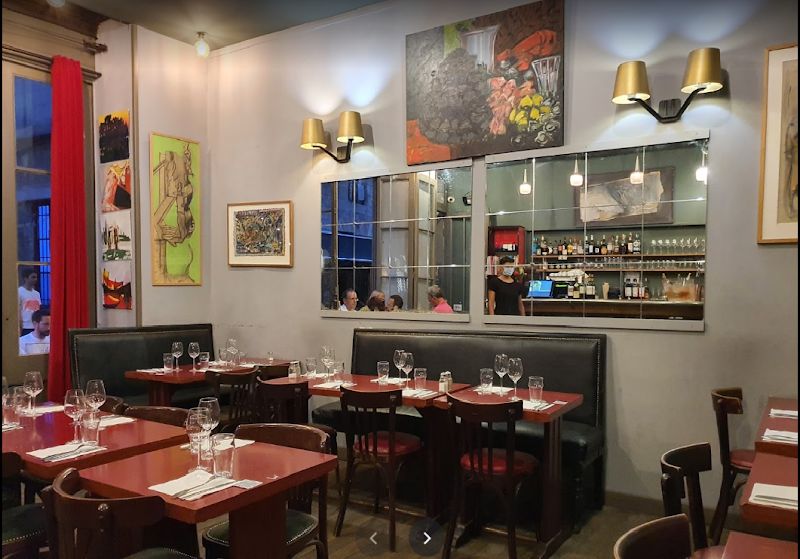
Le Petit Commerce on the Rue Parlement Saint-Pierre in Vieux Bordeaux has been doing seafood properly for decades. The menu tracks what's in season and what came in that morning. Oysters, sole meunière, plateaux de fruits de mer. The room is tight, the service is brisk, and the wine list skews toward white Bordeaux and Entre-Deux-Mers, which is the correct choice for the food. Budget around EUR 28-45 for three courses with a glass of wine. Book ahead. It fills up fast and they don't apologise for being full.
Le Quatrième Mur
Le Quatrième Mur sits inside the Grand Théâtre building and is the most-discussed fine dining option in the city centre. The cooking is technically accomplished, the room is visually serious, and the wine list is extensive. At EUR 65-120 for three courses with wine, it's a significant spend. Whether it justifies that spend depends on what you're comparing it to. For a special occasion dinner in Bordeaux, it's the most reliable choice in the historic centre. For everyday eating, it's not.
Symbiose
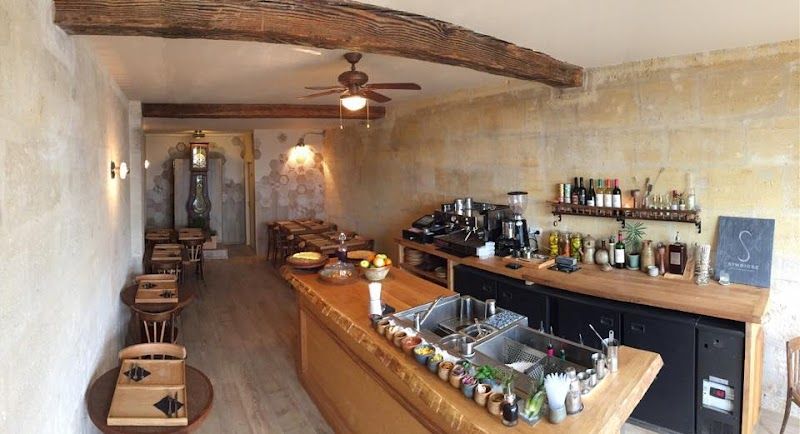
Symbiose in the Chartrons neighbourhood represents the newer Bordeaux cooking: ingredient-focused, portion-controlled, genuinely creative without being tiresome about it. The tasting menu format means you're committing to the chef's decisions for the evening, which works here because the decisions are mostly good. Prices sit at the upper end of the EUR 65-120 range for a full tasting experience with wine pairings. Worth it if that style of eating appeals to you. Not worth it if you want a steak and a carafe.
L'Entrecôte
Already mentioned above, but worth a specific note here: the L'Entrecôte formula is one dish, the sauce, and unlimited fries. There's no menu decision to make. The price is fixed at approximately EUR 26-30 per person including the set menu. Go early or queue. The fries are better than they have any right to be.
Bordeaux Food Pairing: Getting the Wine Right
The bordeaux food pairing conversation tends to default to red Bordeaux with red meat, which is fine but incomplete. The region produces exceptional dry whites from Pessac-Léognan and Entre-Deux-Mers, and those whites are what you should be drinking with the oysters, the fish, and the lighter seafood dishes at the market.
A useful pairing framework for Bordeaux eating:
| Food | Wine Style | What to Ask For |
|---|---|---|
| Oysters | Dry white | Entre-Deux-Mers, Bordeaux Blanc |
| Entrecôte bordelaise | Left Bank red | Médoc, Saint-Estèphe, Pauillac |
| Lamproie | Right Bank red | Saint-Émilion, Pomerol |
| Foie gras | Sweet white | Sauternes |
| Cèpe mushrooms | Right Bank red | Saint-Émilion, Fronsac |
| Canelé | Late harvest or sweet | Barsac, Monbazillac |
For accessible, affordable tastings before you commit to restaurant bottles, the Bar à Vin at the CIVB on the Cours du 30 Juillet lets you work through different appellations by the glass at EUR 4-12 a pour depending on what you're tasting. This is genuinely the best EUR 10 you can spend on wine education in the city, and the staff know what they're talking about.
For a more structured introduction to regional pairings, the DAIZ Bordeaux wine and food guide goes deeper on appellation specifics.
What to Skip
The restaurants on and immediately around the Place du Parlement operate almost entirely on tourist turnover. The food is adequate, the prices are high for what you get, and the wine lists rarely go beyond the most generic appellations. If a restaurant has a laminated menu with photographs, walk past it regardless of what city you're in, and Bordeaux is not an exception.
The canelé kiosks near the Miroir d'Eau charge premium prices for a product that is inferior to what you'll find in any decent boulangerie. They're selling the packaging. The tourist-facing wine shops in Vieux Bordeaux are similarly priced for people who want to carry something home rather than people who want to drink something good. For better value wine retail, the Chartrons neighbourhood, historically the city's wine merchant quarter, has shops that actually know their stock.
Foie gras is everywhere in Southwest France and some of it is excellent. But the vacuum-packed versions in tourist shops near the Cathédrale Saint-André are not the version to buy. If you want good foie gras to take home, buy it at Capucins.
Practical Notes for Eating in Bordeaux
Lunch is generally better value than dinner across all price brackets. A plat du jour at a serious bistro runs EUR 12-18 and often includes a glass of wine or a starter. The same restaurant at dinner will charge EUR 28-45 for three courses. Bordeaux lunches are an underused option.
Most restaurants take a break between 2:30pm and 7pm. If you arrive at 3pm looking for a sit-down meal, you will be turned away politely and you'll have to find a café. This is not unusual in France but Bordeaux restaurants are stricter about it than Paris ones.
For a full day of eating built around the markets and the old town, the DAIZ 2-3 days in Bordeaux guide has a practical day-by-day structure that works well around market and restaurant hours.
Tipping is not required in France, service is included in the bill by law, but rounding up or leaving EUR 2-3 on a dinner table is common practice and appreciated.
The single most important thing to know about the Bordeaux food scene in 2026: it's moved on from being just a wine tourism backdrop. The chefs working in Chartrons and Saint-Michel are cooking seriously, the markets are exceptional, and the raw ingredients, oysters, cèpes, duck, river fish, are among the best in France. You don't need to be a wine tourist to eat well here. You just need to know where to look.