Bordeaux
Where Wine Meets History
About Bordeaux
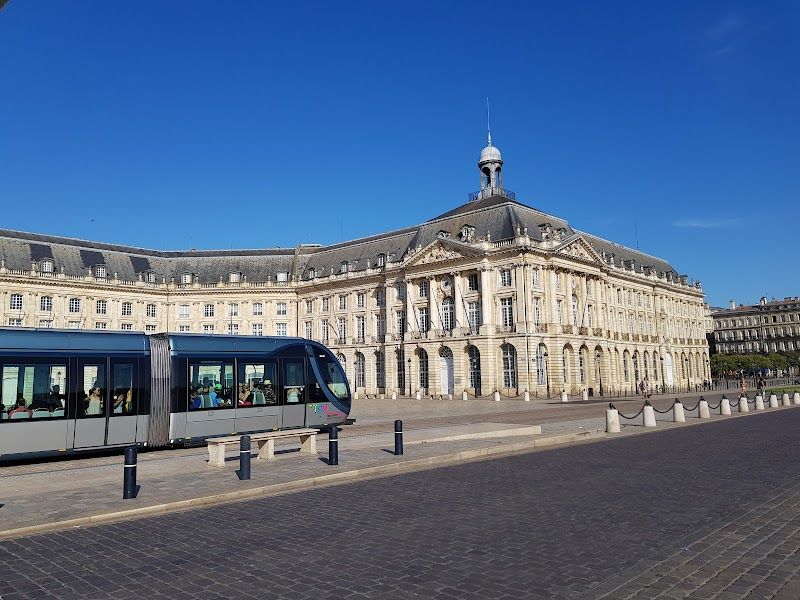
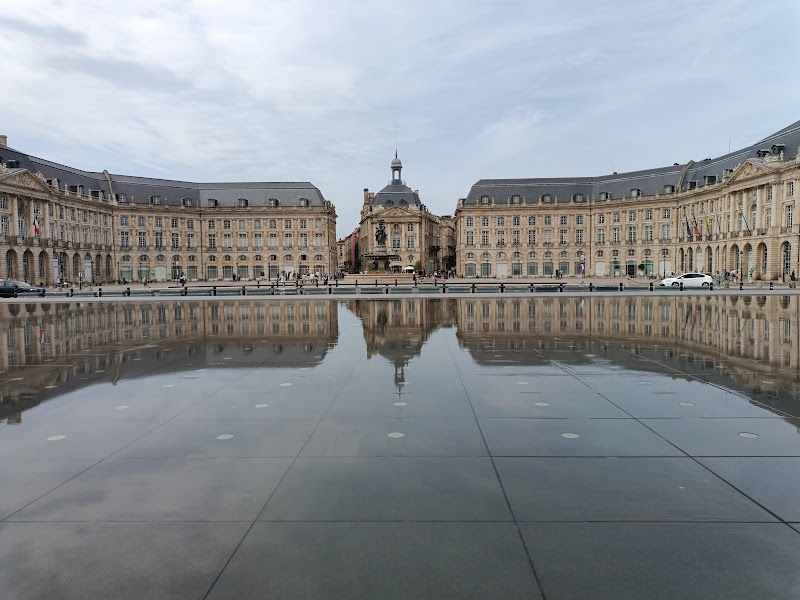
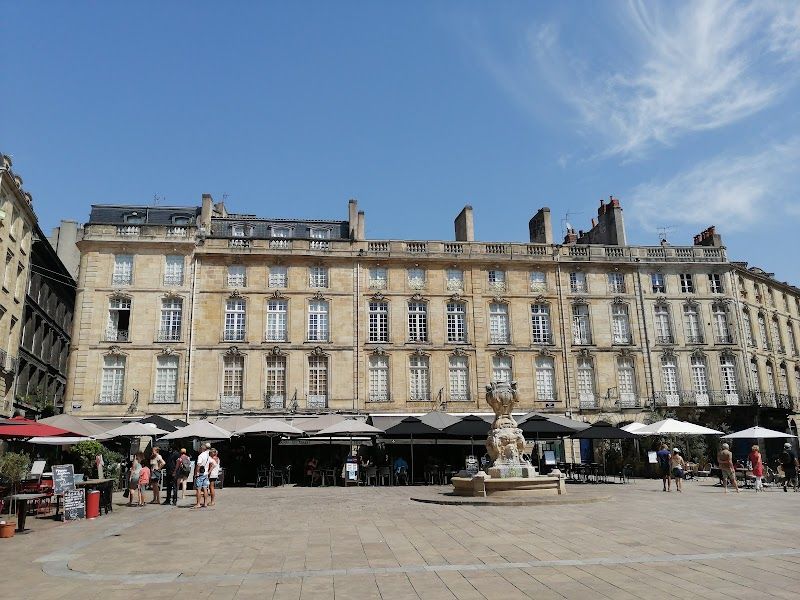
Bordeaux earned its UNESCO listing for the right reasons. The 18th-century city centre is one of the largest preserved urban ensembles in Europe: limestone facades, wrought-iron balconies, and wide avenues built on the wealth of the wine trade. The Place de la Bourse and its reflecting pool (the Miroir d'Eau, the world's largest, alternating between a mirror and a mist cloud every 23 minutes) is the image you came for, and it earns it.
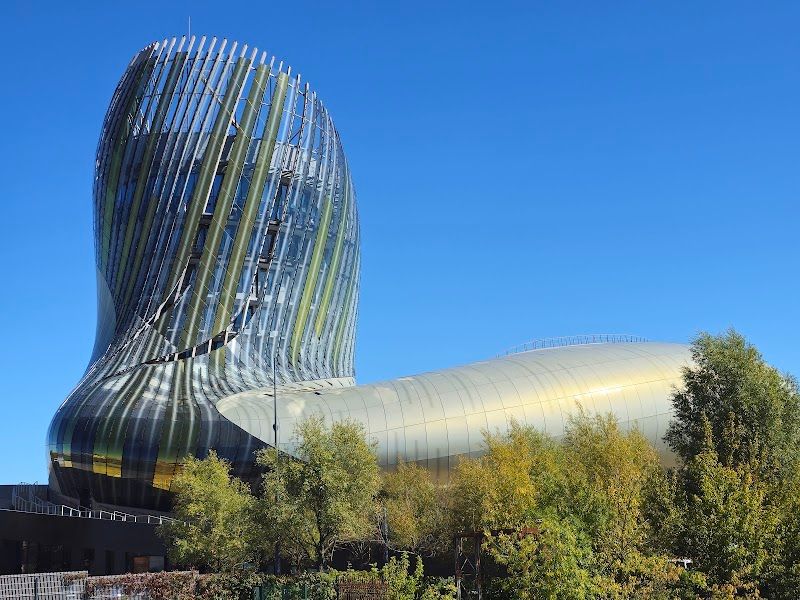
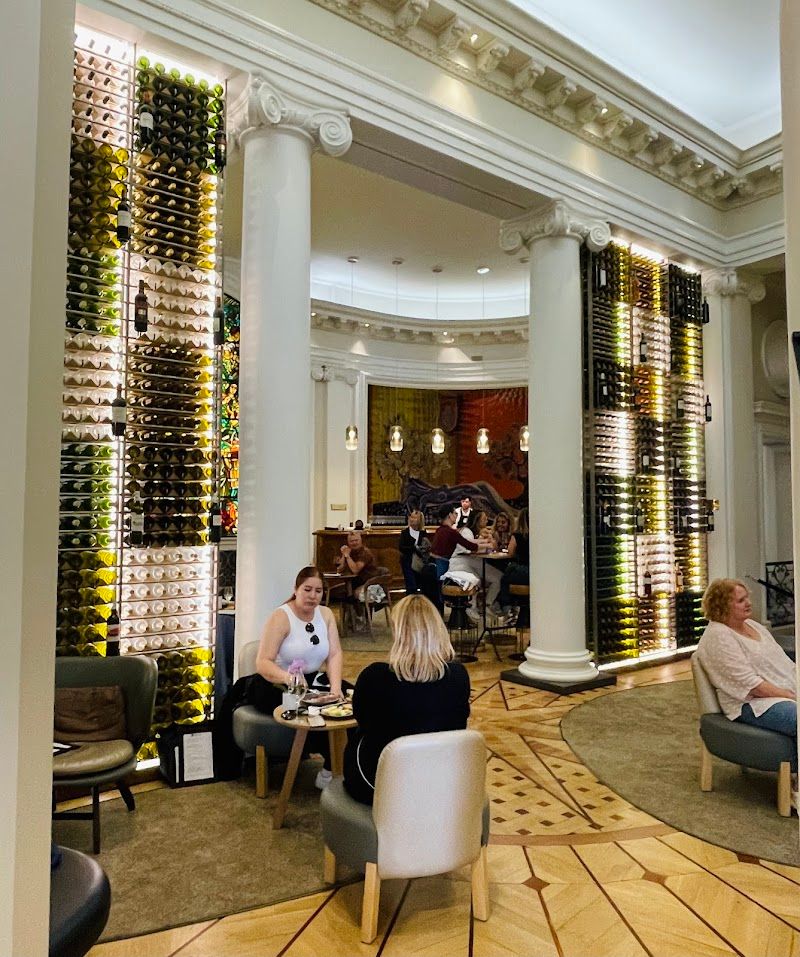
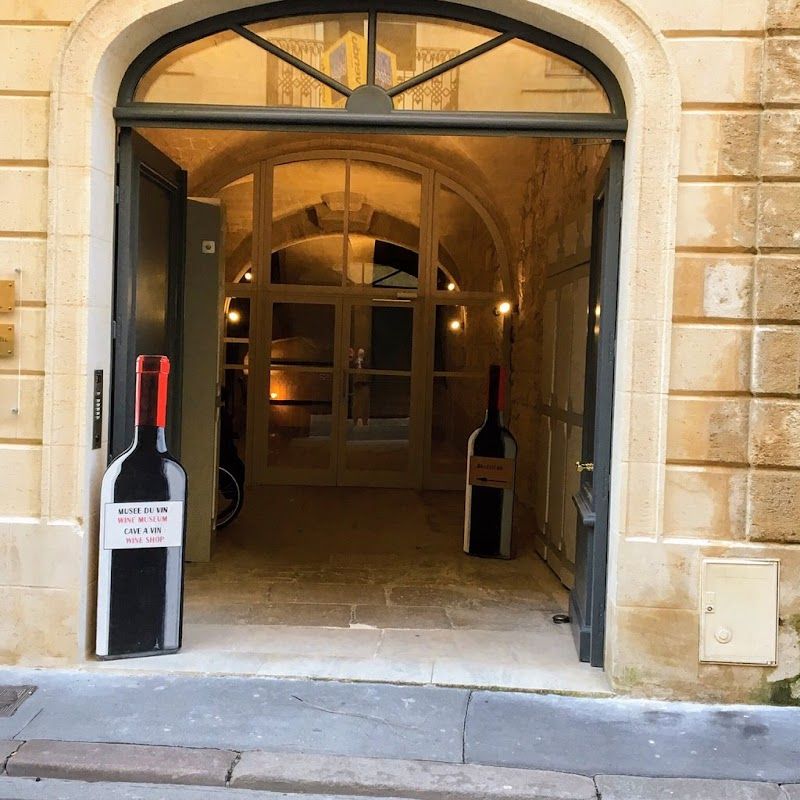
The wine is everywhere, starting with the Bar a Vin du CIVB on the Cours du 30 Juillet, where you can work through the appellation map by the glass. La Cite du Vin, the wine culture museum in a swirling gold building on the waterfront, is a genuinely ambitious institution with a panoramic tasting bar on the 8th floor. Saint-Emilion is 35 minutes by train: a medieval village in the vineyards, a monolithic church carved from a single rock, and classified chateaux that open for visits.
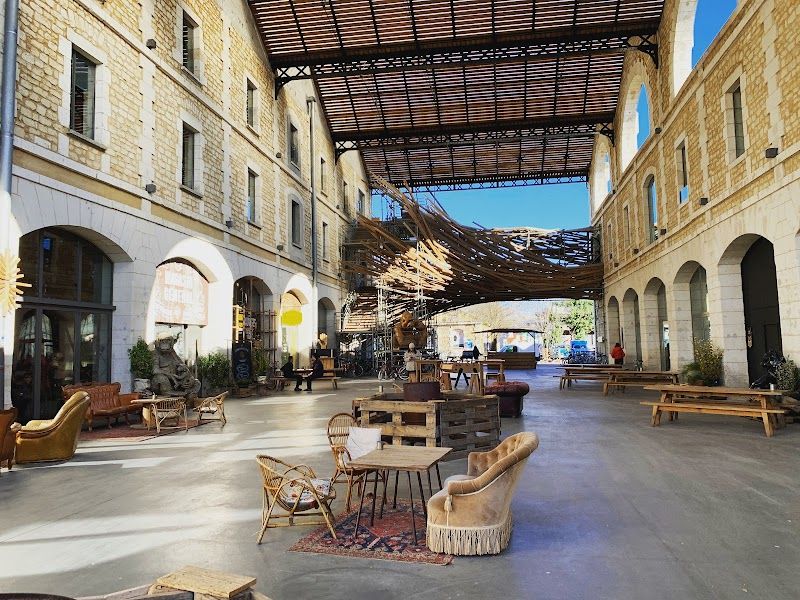
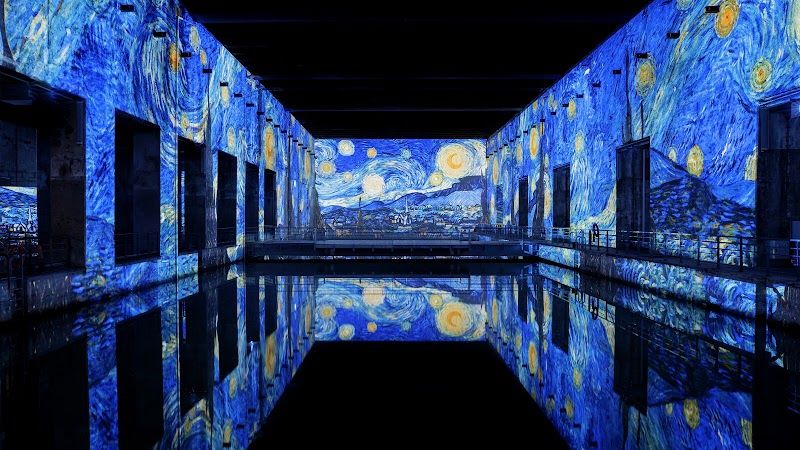
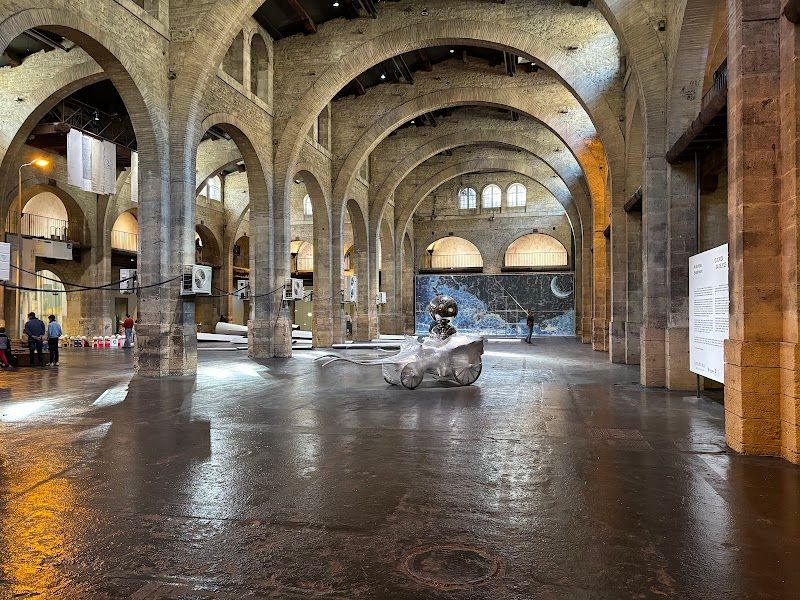
The neighbourhoods are what make Bordeaux worth more than a day. Chartrons was the wine merchants' district for three centuries: today it has antique shops, galleries, a serious wine bar scene, and the best Sunday market on the Quai des Chartrons. Saint-Michel is the multicultural neighbourhood around the Marche des Capucins (the city's main food market, best before 9 AM, oysters by the dozen from Arcachon fishermen). The Bassins a Flot docklands, where La Cite du Vin sits, are being reshaped by new restaurants, a submarine bunker turned arts venue, and a contemporary neighbourhood that feels genuinely different from the polished old town.
The food follows the wine. Canele bordelais (caramelised rum-and-vanilla pastry, the city's signature) are EUR 1.50-2.50 at every bakery. Entrecote bordelaise (steak in a bone marrow sauce) is the dinner order. Oysters from the Arcachon Basin, 45 minutes down the coast, are the lunch order at any market. Bordeaux is a city that rewards taking it seriously.
Pick your base
Stay in Bordeaux
Real-time pricing across hotels, apartments, and ryokans. Book direct from the map.
Things to do in Bordeaux
Experiences worth booking ahead
Vetted tours and tickets we'd send a friend to. The ones worth reserving before you arrive.
Travel guides
From the blog
Practical bits, answered
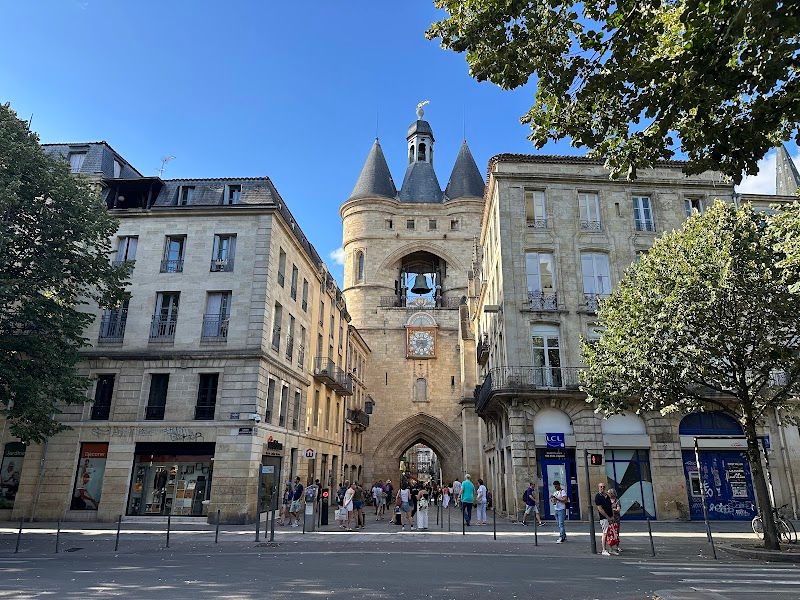
May to June and September to October are the best months: warm (20-25C), the vineyards are active, and the city is busy but not overwhelmed. July and August are hot (30-35C) and busy, but the Miroir d'Eau is at its most photogenic in summer evenings. Harvest season (September) is the most atmospheric time in the wine country: the Bans des Vendanges festival marks the start of picking, and the Grosse Cloche bell rings across the city. Winter (November to February) is mild by French standards, quieter, and cheaper, though some smaller restaurants close for holidays.
The city centre is compact and walkable. The tram network (lines A, B, C, D) covers the key areas and runs to the suburbs and the train station (Bordeaux-Saint-Jean, which connects to Paris in 2 hours by TGV). The Vcub public bike system (EUR 1.70 per 30 minutes) is excellent for the waterfront and Chartrons. For the wine regions (Medoc, Saint-Emilion, Pessac-Leognan), you need a rental car or a guided tour. Saint-Emilion is the exception: a direct train runs from Bordeaux-Saint-Jean in 35 minutes, EUR 9 each way.
Saint-Emilion is the essential day trip: 35 minutes by train, a medieval hilltop village surrounded by classified vineyards, the Monolithic Church carved from a single rock, and the Saturday morning market. The Arcachon Bay is 45 minutes by train: the Dune du Pilat (the tallest sand dune in Europe, EUR 4 to access in peak season), oyster villages on the bay's southern shore (Cap Ferret, Gujan-Mestras), and a swim in the Atlantic. The Medoc wine road (D2 north of Bordeaux) passes through Margaux, Pauillac, and Saint-Estephe: a self-drive through the most famous wine communes in France, with chateau visits available at many properties (book ahead).
Saint-Emilion and Pomerol (Right Bank, Merlot-dominant, 35 minutes east by train or car) are the most visitor-friendly: the village of Saint-Emilion is beautiful and has a tourist infrastructure for chateau visits. The Medoc (Left Bank, Cabernet Sauvignon-dominant, north of Bordeaux on the D2) passes the famous names: Chateau Margaux, Leoville-Barton, Pichon Baron, Mouton Rothschild, Chateau Latour. Most require advance booking. Pessac-Leognan (immediately south of the city, Graves appellation) has Chateau Haut-Brion and several other classified properties close enough for a half-day visit. For a single day trip, Saint-Emilion is the most rewarding for visitors without a specific chateau agenda.
Bordeaux food is rooted in the Gascon and Gironde traditions: foie gras, entrecote bordelaise (steak with a bone marrow and shallot sauce), oysters from the Arcachon Basin, lamproie a la bordelaise (lamprey in red wine, seasonal, an acquired taste), and canele bordelais (the caramelised rum-and-vanilla pastry that is the city's most recognisable product). The restaurant scene has improved significantly in recent years: Chartrons has the most interesting current openings. The Marche des Capucins (Tuesday to Sunday mornings, Place des Capucins in Saint-Michel) is the best place to eat like a local: oysters by the dozen with bread and shallot vinegar, charcuterie from Gascon producers, and seasonal produce at prices well below restaurant levels.
Let DAIZ plan your Bordeaux days
Tell us how long you've got and what you're into. We'll build a day-by-day plan, with the bookable bits ready to lock in.