The question "Bordeaux vs Merlot" pops up constantly in wine conversations, and it reveals a fundamental misunderstanding of how wine works. You're comparing a place (Bordeaux, the region in southwestern France) with a grape variety (Merlot). It's like asking "New York vs pizza" - the comparison simply doesn't compute.
Here's what you actually need to know: Merlot is one of the primary grape varieties grown in Bordeaux. In fact, it's the most planted grape in the entire region, covering about 60% of vineyard area. When you drink a Bordeaux wine, there's an excellent chance you're drinking Merlot - it just happens to be Merlot grown in Bordeaux's specific terroir and blended according to regional traditions.
This confusion matters because understanding the relationship between Bordeaux and its grape varieties is essential for appreciating what makes the region special. The answer isn't choosing between Bordeaux and Merlot - it's understanding how Merlot functions within Bordeaux's complex appellation system and what that means for your glass.
What Bordeaux Actually Means in Wine Terms
Bordeaux refers to wines produced in the Bordeaux region of France, which encompasses roughly 120,000 hectares of vineyards spread across 65 appellations. When a wine says "Bordeaux" on the label, it tells you where the grapes were grown and according to which regulations the wine was made - not which grapes were used.
The region operates on strict appellation rules. A wine labeled "Bordeaux AOC" (the most basic designation) can come from anywhere within the region and must meet minimum quality standards. More specific appellations like "Saint-Julien" or "Pomerol" indicate smaller geographic areas with higher standards and more distinctive characteristics.
Bordeaux wines are almost always blends, not single-variety wines. The traditional Bordeaux grape varieties include Merlot, Cabernet Sauvignon, Cabernet Franc, Petit Verdot, and Malbec for reds, plus Sauvignon Blanc, Sémillon, and Muscadelle for whites. The art lies in how winemakers combine these varieties to create their final product.
Price varies enormously within Bordeaux. You can find basic Bordeaux AOC wines for EUR 8-12 at any wine shop in the city, while prestigious châteaux command hundreds of euros per bottle. The appellation system helps explain these differences - more prestigious appellations generally mean higher prices.
How Merlot Functions in Bordeaux Wine
Merlot dominates Bordeaux viticulture for good reason: it thrives in the region's clay-limestone soils and maritime climate. The grape ripens earlier than Cabernet Sauvignon, making it reliable in vintages when late-season weather turns problematic. Merlot provides the backbone for most Bordeaux blends, contributing fruit, body, and approachability.
On the Right Bank (Saint-Émilion and Pomerol), Merlot takes center stage, often comprising 70-90% of the blend. These wines tend to be rounder, more immediately appealing, and less tannic than their Left Bank counterparts. Château Pétrus, one of Bordeaux's most expensive wines, is essentially 100% Merlot in most vintages.
The Left Bank tells a different story. In appellations like Margaux, Saint-Julien, and Pauillac, Cabernet Sauvignon typically leads the blend, with Merlot playing a supporting role. Here, Merlot might represent 20-40% of the blend, adding flesh to Cabernet Sauvignon's structure.
You can taste this difference systematically at the Bar à Vin du CIVB on Cours du 30 Juillet, where flights are organized by appellation. The contrast between a Merlot-heavy Pomerol and a Cabernet Sauvignon-dominated Pauillac demonstrates how the same grape varieties can produce dramatically different wines depending on their proportions and terroir.
Bordeaux Grape Varieties: The Complete Picture
Understanding Bordeaux requires knowing its permitted grape varieties and how they interact. The region's success stems from this diversity - winemakers can adapt their blends to vintage conditions and stylistic preferences.
Red Grape Varieties in Bordeaux
Merlot (60% of plantings): Provides fruit, body, and early approachability. Dominant on the Right Bank, supporting player on the Left Bank. Produces wines that can be enjoyed young but also age well.
Cabernet Sauvignon (25% of plantings): The structure grape, contributing tannins, aging potential, and cassis flavors. Prefers the gravel soils of the Left Bank. Requires longer aging to reach its potential.
Cabernet Franc (12% of plantings): Adds spice, elegance, and complexity. Particularly important in Saint-Émilion, where it can constitute up to 60% of some blends. More aromatic than Cabernet Sauvignon.
Petit Verdot (2% of plantings): A blending grape used in tiny quantities (typically 2-8% of the blend) to add color, tannin, and spice. Difficult to ripen but valuable in warm years.
Malbec (1% of plantings): Once more important but now relegated to minor blending roles. Adds color and rustic character when used.
White Bordeaux Grape Varieties
Sauvignon Blanc: Provides acidity and aromatic intensity in dry whites. Essential for Sauternes and other sweet wines.
Sémillon: Adds body and aging potential. Crucial for sweet wines due to its susceptibility to noble rot (botrytis cinerea).
Muscadelle: A minor blending grape that contributes floral aromatics.
You can explore these varieties systematically during tastings at La Cité du Vin, where the 8th-floor panoramic bar offers flights that demonstrate how different grape combinations create distinct wine styles.
Understanding Bordeaux Wine Types Through Location
Bordeaux's geography determines wine style more than any other factor. The Gironde estuary divides the region into Left Bank and Right Bank, with the Entre-Deux-Mers filling the space between the Garonne and Dordogne rivers. Each area has distinct soil types, microclimates, and wine traditions.
Left Bank: Cabernet Sauvignon Territory
The Left Bank encompasses the Médoc and Haut-Médoc appellations, plus the famous communal appellations of Margaux, Saint-Julien, Pauillac, and Saint-Estèphe. Gravel soils here favor Cabernet Sauvignon, which needs warmth to ripen properly. These wines are typically more structured, tannic, and age-worthy than their Right Bank counterparts.
Margaux produces elegant, perfumed wines with higher proportions of Merlot than other Left Bank appellations. The wines show finesse over power.
Saint-Julien offers the most consistent quality in Bordeaux, with no weak châteaux. The wines balance power and elegance beautifully.
Pauillac houses three first-growth châteaux (Lafite, Latour, and Mouton) and produces the most powerful, long-lived wines in Bordeaux.
Saint-Estèphe makes the most austere wines when young, but they age magnificently. Higher clay content means more Merlot in the blends.
Right Bank: Merlot's Kingdom
The Right Bank centers on Saint-Émilion and Pomerol, where clay and limestone soils favor Merlot and Cabernet Franc. These wines are generally more approachable young, with rounder textures and more immediate fruit appeal.
Saint-Émilion is Bordeaux's largest prestigious appellation, with diverse soil types creating different wine styles within the appellation. Merlot dominates, but Cabernet Franc plays a crucial supporting role.
Pomerol produces Bordeaux's most expensive wines on average, despite having no official classification system. The tiny appellation (just 800 hectares) specializes in Merlot-based wines of extraordinary concentration and elegance.
Fronsac and Canon-Fronsac offer excellent value, producing structured wines that age well. These lesser-known appellations deserve attention from serious wine drinkers.
The 35-minute train ride to Saint-Émilion from Bordeaux's Gare Saint-Jean station costs EUR 7.8 each way and provides firsthand exposure to Right Bank terroir and wine styles.
Tasting Bordeaux Wine Types in the City
Bordeaux city offers exceptional opportunities to understand the region's wine diversity without leaving the urban center. The city's wine bars, shops, and institutions provide structured ways to explore different appellations and grape combinations.
Professional Wine Education
The Bar à Vin du CIVB operates as both bar and educational center. Tastings cost EUR 4-12 per glass, with flights organized by appellation or vintage. The staff includes qualified sommeliers who can explain the technical differences between wines.
Monday through Saturday tastings run from 11am to 10pm, with special themed sessions highlighting specific appellations or vintage comparisons. The bar stocks over 30 Bordeaux wines by the glass, representing all major appellations and price points.
Educational workshops (EUR 25-45 per person) run twice weekly, covering topics like Left Bank vs Right Bank differences, vintage variation, and food pairing. These sessions include comparative tastings that demonstrate how terroir affects the same grape varieties.
Comprehensive Wine Culture
La Cité du Vin admission costs EUR 22 and includes access to the 8th-floor tasting bar with panoramic city views. The museum portion explains Bordeaux's role in global wine culture, while the tasting component focuses on regional diversity.
The panoramic bar offers 20 wines by the glass daily, rotated to showcase different appellations and vintages. Tastings include detailed tasting notes explaining grape composition, terroir influence, and aging potential. The views across the Garonne River toward the Chartrons neighborhood provide context for understanding Bordeaux's wine trade history.
Special exhibitions change quarterly, often focusing on specific aspects of Bordeaux wine production or history. Recent exhibitions have covered topics like climate change's impact on grape growing and the evolution of blending practices.
Wine Bar Scene
Bordeaux's wine bar scene extends well beyond tourist-focused venues. Local wine bars in the Vieux Bordeaux area offer more intimate settings for exploring regional wines.
Le Vin Rue on Rue des Bahutiers stocks over 150 Bordeaux wines, with 20-25 available by the glass daily. Prices range from EUR 4 for basic Bordeaux AOC to EUR 15 for classified growth wines. The owner provides detailed explanations of vineyard locations and winemaking practices.
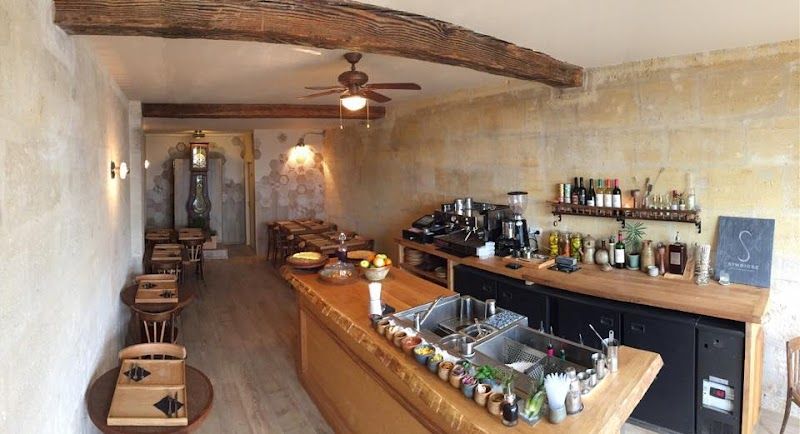
Symbiose restaurant offers an exceptional wine program focused on natural and biodynamic Bordeaux producers. The wine list includes detailed descriptions of grape percentages and winemaking techniques, helping diners understand how different approaches affect flavor profiles.
Bordeaux Wine Education: What Matters Most
Instead of comparing Bordeaux vs Merlot, focus on understanding how Bordeaux's appellation system works and what different grape combinations achieve. This knowledge will serve you better whether you're shopping for wine, visiting châteaux, or simply trying to understand what's in your glass.
Key Concepts to Master
Terroir determines grape selection: Different soil types and microclimates favor different varieties. Gravel soils warm up faster and drain better, suiting Cabernet Sauvignon. Clay retains moisture and stays cooler, favoring Merlot.
Blending creates complexity: Single-variety Bordeaux wines are rare. The art lies in combining varieties to create balanced, complex wines that express their terroir while remaining approachable.
Appellations indicate quality and style: The appellation system isn't just bureaucracy - it reflects centuries of experience about which areas produce the best wines and what grape combinations work best in each location.
Vintage matters significantly: Bordeaux's maritime climate creates vintage variation. Some years favor early-ripening varieties (Merlot), while others benefit late-ripening grapes (Cabernet Sauvignon).
Building Wine Knowledge Systematically
Start with basic Bordeaux AOC wines to understand the regional style without paying premiums for prestigious appellations. These wines typically cost EUR 8-15 and represent honest expressions of Bordeaux winemaking.
Progress to communal appellations like Margaux or Saint-Émilion (EUR 15-30) to understand how terroir differences affect wine style. The price jump reflects both higher quality standards and more distinctive characteristics.
Try classified growths when you want to understand what Bordeaux can achieve at its best. Even fifth-growth wines (EUR 40-80) demonstrate the complexity and aging potential that made Bordeaux famous.
Our comprehensive Bordeaux Wine & Food Guide provides detailed recommendations for wine experiences throughout the city, from casual tastings to serious educational programs.
Practical Wine Tourism in Bordeaux
Visiting Bordeaux provides unparalleled opportunities to understand regional wine diversity through direct experience. The city serves as the perfect base for exploring different appellations while offering excellent urban wine experiences.
Transportation to Wine Regions
Left Bank access: The Route des Châteaux begins just 20 minutes north of Bordeaux by car or organized tour. Public transportation is limited, making tours (EUR 45-85 for half-day group tours) or rental cars necessary for serious exploration.
Right Bank convenience: Saint-Émilion's train connection makes it the most accessible prestigious appellation. Trains run hourly during daylight hours, with the journey taking 35 minutes each way.
Entre-Deux-Mers exploration: This area between the rivers offers excellent value wines but requires a car for efficient exploration. The landscapes are beautiful, and the wines represent authentic Bordeaux character without prestigious pricing.
Seasonal Considerations
Harvest season (September-October) provides the most educational wine tourism experience. Châteaux are active with winemaking, and many offer special harvest-related tours and tastings. However, advance booking becomes essential during this period.
Winter wine tourism (November-February) offers advantages including lower prices, more personalized attention, and opportunities to taste barrel samples of the current vintage. Many châteaux reduce their tour schedules but provide more intimate experiences for visitors who do book.
Spring (March-May) brings vineyard awakening, with bud break and flowering providing visual interest for château visits. This period also sees the release of new vintages, creating opportunities to taste recently bottled wines.
For detailed seasonal planning, consult our First Time in Bordeaux guide, which covers optimal timing for different types of wine experiences.
The Real Question: Which Bordeaux Style Suits You?
Instead of asking "Bordeaux vs Merlot," ask which Bordeaux wine style matches your preferences. Do you prefer wines you can enjoy immediately, or are you willing to wait for complex bottles to mature? Do you like powerful, structured wines or elegant, finesse-driven styles?
For immediate enjoyment: Focus on Right Bank wines where Merlot dominates. These wines offer fruit and approachability from their youth while still aging gracefully.
For long-term cellaring: Left Bank wines with high Cabernet Sauvignon percentages reward patience. They can seem austere when young but develop extraordinary complexity with age.
For food pairing: Consider the dish when selecting Bordeaux styles. Rich, powerful wines suit robust meats, while elegant styles complement subtle preparations.
For value seeking: Look beyond famous appellations to find excellent wines at reasonable prices. Many smaller appellations produce outstanding wines without prestigious pricing.
The beauty of Bordeaux lies not in choosing between the region and its grape varieties, but in understanding how centuries of winemaking experience have created a system where different areas specialize in different styles, all using variations of the same basic grape varieties. Whether your wine contains 20% Merlot or 80% Merlot, the Bordeaux appellation system ensures it expresses the character of its specific terroir and meets established quality standards.
This understanding transforms wine selection from guesswork into informed choice-making, whether you're buying bottles at home or planning 2-3 days in Bordeaux to explore the region firsthand.