
The best time to visit Oxford is not a single answer. It depends on whether you want punt-worthy sunshine on the Cherwell, atmospheric misty quads in November, or the rare chance to wander Christ Church meadow without a tour group in front of you at every turn. Oxford operates on two calendars simultaneously: the academic year, which runs October to June in three eight-week terms, and the tourist season, which peaks in July and August. Understanding how those two rhythms interact is the most useful thing you can do before booking.
This guide covers every season honestly, with prices, specific trade-offs, and a verdict on who each window suits best.
Oxford Weather by Month: What to Actually Expect
Oxford sits in the Thames Valley in central southern England, which gives it a temperate maritime climate. That means rain is possible in any month, temperatures rarely drop below freezing for long, and the word "summer" covers a wide range of experiences from genuinely warm to persistently grey.
| Month | Avg High (°C) | Avg Low (°C) | Rainfall | Crowds |
|---|---|---|---|---|
| January | 7 | 2 | Moderate | Very Low |
| February | 8 | 2 | Moderate | Very Low |
| March | 11 | 4 | Moderate | Low |
| April | 14 | 6 | Low-Moderate | Medium |
| May | 17 | 9 | Low | Medium-High |
| June | 20 | 12 | Low | High |
| July | 23 | 14 | Low-Moderate | Very High |
| August | 22 | 14 | Low-Moderate | Very High |
| September | 19 | 11 | Moderate | High |
| October | 15 | 8 | Moderate | Medium |
| November | 10 | 5 | High | Low |
| December | 8 | 3 | Moderate | Low-Medium |
Temperatures above 20°C are common from June through August, and July is statistically the driest month. But Oxford's weather is famously unpredictable: a grey May weekend can be followed by a brilliant warm week in October. Pack layers regardless of when you go.
Oxford in Summer (June to August): The Peak Season Trade-off
Summer is when Oxford looks its best and gets its most visitors, and those two facts are directly related. June through August brings the longest days, warmest temperatures, and the biggest crowds the city sees all year.
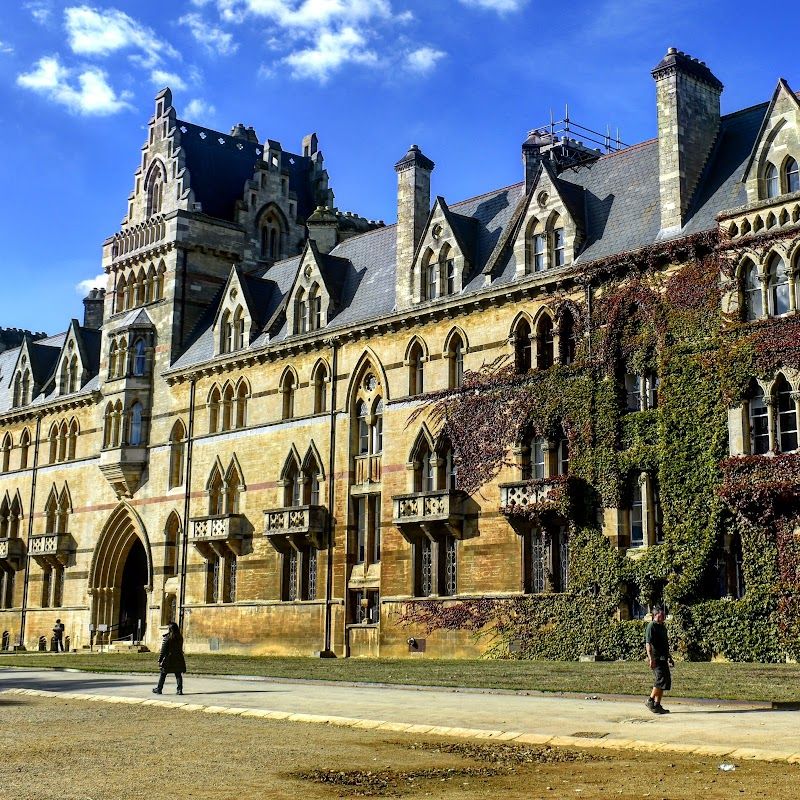
Punting on the Cherwell costs GBP 30 per hour and in July you will queue for a boat at Magdalen Bridge. The wait is often 30-45 minutes on weekends. Go on a Tuesday morning and the same river feels entirely different. Christ Church College, which charges GBP 18 for entry, has timed entry slots that sell out days in advance in peak summer. Book as soon as you have a date.
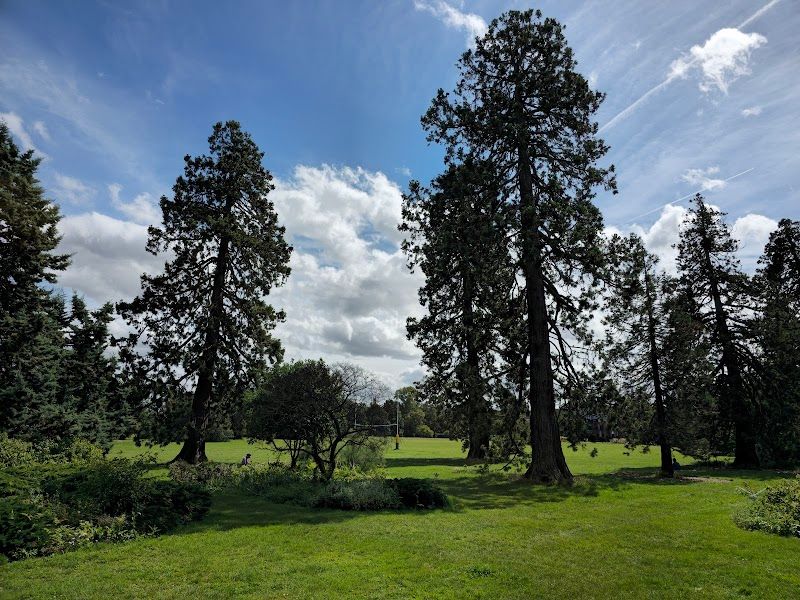
The upside: college gardens are open and at their best. Magdalen College (GBP 8) has a deer park that genuinely justifies the entry fee in June when the grounds are lush. University Parks, which is free, becomes a social hub where students, families, and visitors share the 30 hectares of riverside parkland. The Oxford Botanic Garden on Rose Lane is at its peak between May and September.
Hotels in summer cost significantly more. Expect to pay GBP 180-300 for a decent central double room in July and August, compared to GBP 120-180 for the same room in spring or autumn. If you're on a tighter budget, YHA Oxford dorm beds run GBP 25-35 year-round, and university accommodation during vacation periods (July-September, roughly) costs GBP 80-120 per night, which can be a genuinely good option.
The University Degree Ceremony Factor
Late June and early July bring graduation ceremonies at the Sheldonian Theatre. The streets around Broad Street and Radcliffe Square fill with families in formal dress and the city takes on a specific ceremonial energy. It's worth knowing about: the streets get unusually busy mid-week, and if you're trying to get a clear photograph of the Radcliffe Camera from the south, early morning is your only reliable window.
Oxford in Spring (March to May): The Best All-Round Window
For most visitors, late April to mid-May is the single best time to visit Oxford. The light is good, the crowds haven't peaked, and several of the best experiences in the city are at their most accessible.
Magdalen College celebrates May Morning on 1 May with choir singing from the top of Magdalen Tower at 6am, a tradition that dates to the 15th century and draws several thousand people to the High Street. It's free, genuinely atmospheric, and unlike anything else the city offers. Arrive by 5:30am if you want a decent position.
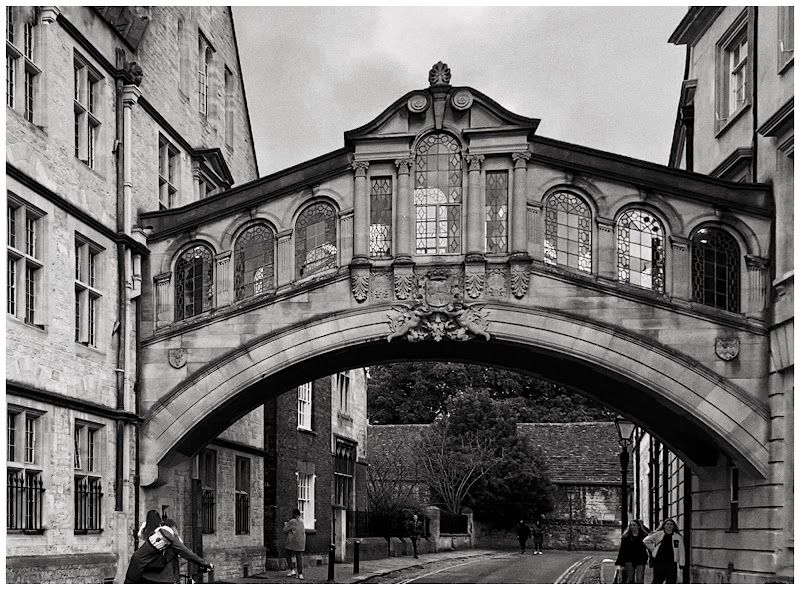
By April, the Bodleian Library tours (GBP 8 for the standard 30-minute version) have shorter queues than in summer. The Bridge of Sighs on New College Lane is photographable without twenty people already doing the same thing from the same angle. Spring term ends in mid-March, which means the city briefly has fewer students before the full tourist wave arrives.
Oxford's university term structure matters here. Hilary term (January to March) is the second of three terms, and Trinity term runs April to June. During term time, the colleges feel alive in a way they simply don't in summer: students cycling down the High Street, academic processions, porters in their lodges. If you want to understand what Oxford actually is rather than what it looks like on a postcard, visiting during term time is better.
For a well-paced introduction to the city in spring, the First-Timer's Itinerary works well as a starting framework.
Oxford in Autumn (September to November): The Local's Favourite
October is, by some distance, the most atmospheric month in Oxford. Michaelmas term begins in early October, the leaves on the horse chestnuts along Broad Street turn amber and copper, and the city regains its intellectual character after the summer tourist peak.
The Pitt Rivers Museum and the Ashmolean Museum are both free year-round, but in October you can move through their galleries at your own pace without navigating summer coach-party groups. The Pitt Rivers in particular, with its Victorian cases of anthropological objects on Parks Road, benefits from being explored slowly.
September is a transition month. The tail end of the tourist season overlaps with freshers' week and the start of term in late September, which gives the city an unusual energy: tourist families and 18-year-olds hauling trunks into college gateways at the same time. Hotel prices begin to drop from mid-September. By November, a mid-range central double room typically falls back to GBP 120-150.
The drawback of autumn is daylight. By late October, the sun sets before 5pm. If you're planning to spend a full day outdoors, visiting Christ Church Meadow in the afternoon mist is beautiful but cold, and you won't have the evening hours that summer gives you. Carry a waterproof: November is Oxford's wettest month.
The Literary Pub Circuit in Autumn
Autumn is arguably the best season to follow Oxford's literary pub trail. The Turf Tavern on Bath Place, one of the city's oldest pubs and accessible via a narrow alley off New College Lane, is warmest and most atmospheric when it's cold outside. The Eagle and Child on St Giles' Street, where Tolkien and C.S. Lewis met with the Inklings, has a snug back room that you can actually sit in without a 40-minute wait from October onwards. A pint here costs GBP 4.50-6.50.
Oxford in Winter (December to February): Quiet, Cheap, and Underrated
January is Oxford's least visited month and its most misunderstood. Yes, it's cold (average highs of 7°C), and yes, some college gardens close or reduce access. But the city's core attractions are entirely accessible, the museums are free and unhurried, and accommodation prices hit their annual low.
A budget hotel double room in January runs GBP 60-90, compared to GBP 180+ in peak summer. The Carfax Tower climb (GBP 3.50) for views across the skyline is best on a clear winter morning when the light is horizontal and sharp. Fewer people on the viewing platform means you can actually look without being jostled.
December has its own character. Oxford runs a Christmas market on Broad Street through most of the month, and the colleges occasionally hold carol services that are open to the public (check individual college websites as these are not centrally listed and change annually). The Covered Market on Market Street, which has operated continuously since 1774, is particularly good in December for food shopping and coffee at one of its independent cafes. A budget breakfast here runs GBP 4.50-7.
Hilary term starts in January, so from mid-January the university population returns and the city feels inhabited again rather than closed-up. The Oxford University Museum of Natural History on Parks Road, free admission, with its Victorian Gothic ironwork and cast iron dinosaur skeletons, is as good in winter as any other time of year.
Seasonal Price Breakdown: What to Budget
| Season | Budget Hotel | Mid-Range Hotel | Boutique/Luxury | Notes |
|---|---|---|---|---|
| Winter (Dec-Feb) | GBP 60-90 | GBP 100-140 | GBP 200-280 | Lowest prices, shortest days |
| Spring (Mar-May) | GBP 70-100 | GBP 120-160 | GBP 220-300 | Best value/experience balance |
| Summer (Jun-Aug) | GBP 90-120 | GBP 150-200 | GBP 280-400 | Peak prices, max crowds |
| Autumn (Sep-Nov) | GBP 65-95 | GBP 110-150 | GBP 200-280 | Good value, atmospheric |
Food and attraction prices don't change by season in Oxford. A mid-range dinner with a drink costs GBP 25-40 year-round. Christ Church College stays at GBP 18 regardless of when you visit. Transport within the city on the Oxford Bus Company's Day Rider ticket is GBP 5 per day in any season.
Oxford Best Season: The Honest Verdict by Traveller Type
You want the classic postcard experience with good weather: Go in late May or early June, before the school holiday rush fully kicks in. Trinity term is in progress, the colleges feel alive, and the long evenings give you time to wander Jericho after dinner.
You want low prices and few crowds: January or February. You will need a warm coat and a tolerance for short days, but the city is entirely accessible and distinctly less performative.
You want atmosphere over sunshine: October, without question. The combination of academic activity, autumn colour, and a city that has shed its tourist peak is hard to beat.
You're visiting for the first time and want everything to be open: Late April to mid-May. Nearly all colleges are accessible, the weather is usually pleasant, and the city isn't yet at its most crowded. Read the First-Time Oxford Guide before you go to avoid the predictable mistakes.
You're travelling with children: Summer wins for practicalities: long days, warm enough for punt trips, school holidays aligning. Just book Christ Church and any timed entry attractions well in advance.
What Oxford doesn't have is a genuinely bad time to visit. The Central University and Bodleian quarter looks extraordinary in any light, and the density of free museums means a rainy day in any season is still a good day. The question isn't whether to come, it's which version of the city you want to find when you do.