The best time to visit Bath depends on what matters more to you: perfect weather or manageable crowds. After analyzing Bath weather by month alongside tourist patterns, May through early July offers the sweet spot - warm enough for outdoor walking tours but not yet overwhelmed by summer holidaymakers. However, Bath's Georgian architecture looks particularly striking in winter light, and the Roman Baths feel more atmospheric when steam rises dramatically in cold air.
Spring in Bath: The Goldilocks Season (March-May)
Spring emerges as the best month to visit Bath for most travelers. March starts cool with highs around 11°C (52°F), but by May you're looking at comfortable 17°C (63°F) days exploring the Royal Crescent without overheating on the climb up Gay Street.
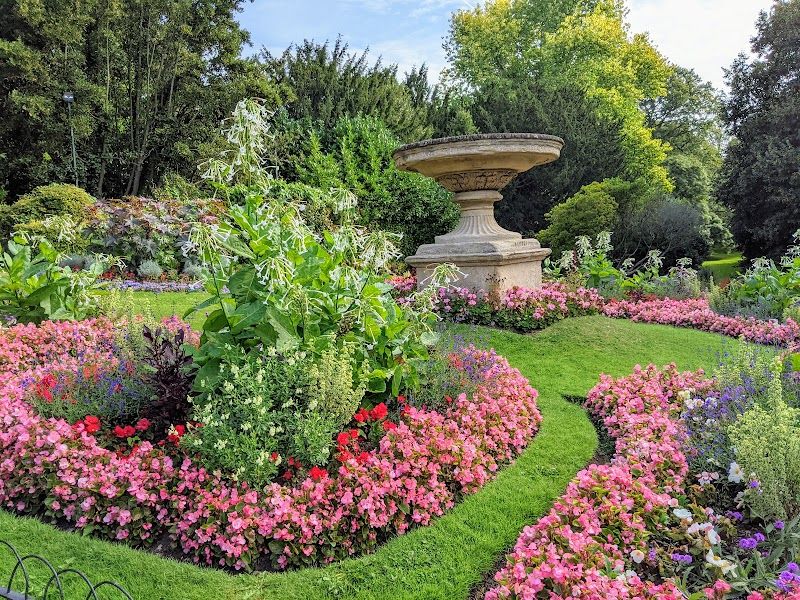
March weather patterns: Expect rain about 12 days of the month, but it's typically light showers rather than persistent downpours. The daffodils bloom in Royal Victoria Park, and tourist numbers remain manageable. Hotel prices average GBP 120-180 for mid-range options.
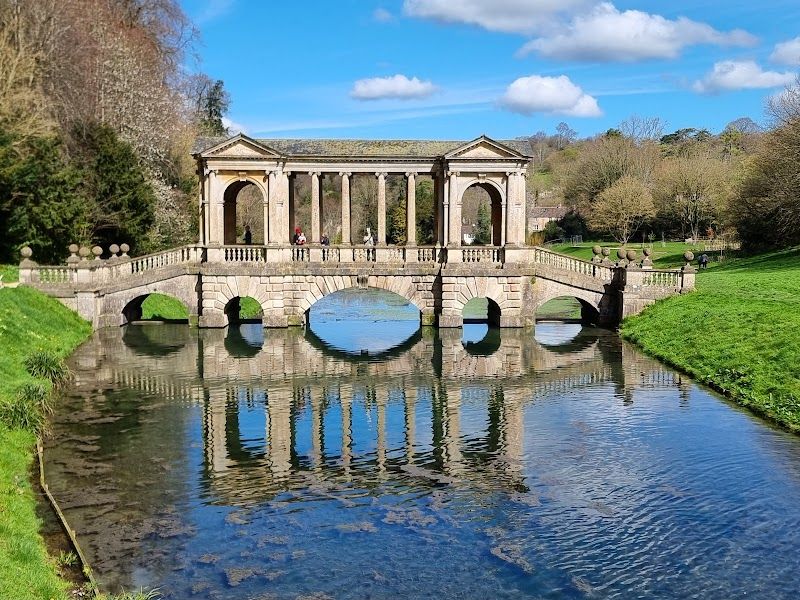
April hits the sweet spot: Temperature rises to 14°C (57°F), rainfall decreases to 9 days monthly, and daylight extends until 7:30 PM by month's end. The Roman Baths (GBP 26.5) feel less crowded, and you can actually enjoy the outdoor terraces at restaurants along Pulteney Bridge without shivering.
May perfection: At 17°C (63°F) with only 8 rainy days, May delivers Bath's most pleasant conditions. The honey-colored Bath stone glows in longer daylight hours, and outdoor dining becomes genuinely enjoyable. This is prime time for the Bath Abbey Tower Tour (GBP 8.5) - those 212 steps feel less daunting when you're not battling winter cold at the top.
Spring's main drawback: unpredictable weather swings. Pack layers because morning frost can give way to afternoon warmth within hours.
Summer in Bath: Peak Season Reality (June-August)
Bath weather by month shows summer delivers the warmest temperatures but also maximum crowds. June starts promisingly with 20°C (68°F) highs and minimal rainfall, but July and August bring tourist chaos that fundamentally changes the Bath experience.
June remains civilized: Early summer offers 20°C (68°F) temperatures with about 7 rainy days. The Thermae Bath Spa rooftop pool (GBP 42) becomes genuinely appealing rather than an endurance test. Hotel prices climb to GBP 200-320 for boutique properties, but availability remains reasonable.
July through August: beautiful weather, tourist pandemonium: Temperatures peak at 22°C (72°F) with sunshine lasting until 9 PM. However, the Roman Baths become genuinely unpleasant - imagine shoulder-to-shoulder crowds around every exhibit, audio guides barely audible over conversation, and photography requiring ninja-like patience.
The summer crowd reality extends beyond major attractions. Pulteney Bridge becomes a pedestrian traffic jam, restaurant reservations require advance planning, and even coffee at independent spots like Colonna & Small's involves queuing.
Summer advantages: Perfect weather for outdoor activities like the Bath Skyline Walk (free), excellent conditions for photographing Georgian architecture, and all seasonal attractions operating full hours. Gardens throughout the city reach peak bloom.
Summer disadvantages: Accommodation prices increase 40-60%, major attractions require advance booking, restaurant reservations essential, and the authentic Georgian atmosphere gets diluted by tour groups.
Autumn in Bath: Underrated Excellence (September-November)
September emerges as one of the best months to visit Bath, offering summer warmth without summer crowds. Bath weather in autumn provides the second-best window for comfortable sightseeing.
September: summer's encore performance: Temperatures hold at 19°C (66°F) with only 8 rainy days. Tourist numbers drop significantly after the August exodus, but weather remains excellent for walking the Georgian streets. Hotel prices decrease to spring levels while maintaining summer weather conditions.
October's golden month: At 15°C (59°F), October delivers pleasant walking weather with dramatic autumn colors in Sydney Gardens. The lower sun angle creates spectacular photography conditions for Bath's honey-colored stone architecture. Rain increases to 13 days monthly, but showers tend toward brief afternoon patterns.
November transitions to winter: Temperatures drop to 10°C (50°F) with 14 rainy days, but crowds thin to minimum levels. The Jane Austen Centre (GBP 12.5) becomes genuinely contemplative rather than crowded, and restaurants offer better service with shorter waits.
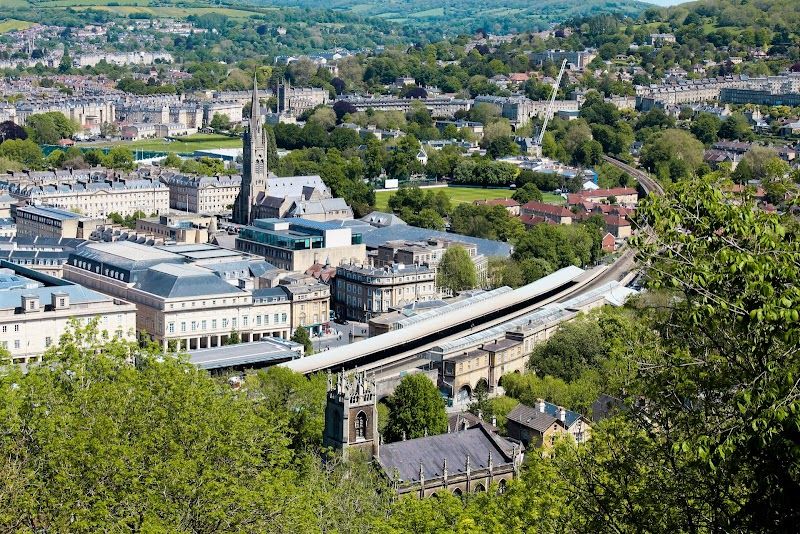
Autumn's photography advantages deserve emphasis. The lower sun angle illuminates Bath stone buildings with warm light that lasts longer than harsh summer sunshine. Alexandra Park provides spectacular city views with autumn foliage framing the Georgian crescents below.
Winter in Bath: Atmospheric but Challenging (December-February)
Winter transforms Bath into a different city entirely. Bath weather in winter averages 6-8°C (43-46°F) with frequent rain, but the reduced crowds and dramatic atmosphere create unique advantages for certain travelers.
December through February conditions: Expect temperatures around 7°C (45°F), rain 15-16 days monthly, and daylight lasting only until 4 PM by mid-winter. However, the Georgian architecture takes on a completely different character - more serious, more contemplative, arguably more authentic to its 18th-century origins.
Winter advantages include dramatically reduced crowds at major attractions. The Roman Baths regain their mystical atmosphere when you can actually hear the water bubbling and see steam rising without fighting for viewing space. No. 1 Royal Crescent (GBP 9.5) feels like stepping into a Georgian home rather than a tourist attraction.
Hotel bargains emerge in winter: Mid-range properties drop to GBP 65-95, while luxury options like the Royal Crescent Hotel offer rates 30% below summer prices. Restaurant reservations become unnecessary, and you can actually enjoy conversation without competing with tourist chatter.
Winter's atmospheric dining scene deserves mention. Cozy pubs like The Raven of Bath feel genuinely welcoming rather than crowded, and afternoon tea at The Pump Room captures the Georgian elegance without modern tourist overlay.
Winter disadvantages: Limited daylight restricts sightseeing hours, outdoor activities become unpleasant, and persistent rain makes walking tours miserable. Some seasonal attractions reduce hours or close entirely.
Bath Climate Patterns: What the Weather Actually Does
Bath's climate guide reveals oceanic patterns with moderate temperatures but persistent moisture. Annual rainfall averages 700mm (28 inches) distributed fairly evenly throughout the year, though late autumn and winter see slightly higher precipitation.
Temperature extremes: Summer rarely exceeds 25°C (77°F), while winter seldom drops below freezing. This moderate range means Bath weather never becomes truly unbearable, but it also rarely delivers the crisp, clear days that make sightseeing effortless.
Rain patterns matter more than temperature: Bath receives precipitation approximately 150 days yearly - nearly every other day. However, most rainfall comes as brief showers rather than day-long downpours. Pack a compact umbrella regardless of season.
Wind considerations: Bath sits in a valley, which provides protection from harsh winds but can trap moisture and create persistent overcast conditions. The surrounding hills create microclimates - areas like Prior Park often experience different conditions than the city center.
Crowd Patterns: When Bath Gets Overwhelmed
Understanding Bath's seasonal crowds matters as much as weather when planning your visit. Tourist patterns follow predictable cycles that dramatically impact your experience.
Peak chaos: July-August: International school holidays bring maximum crowds. Japanese tour groups arrive by coach at the Roman Baths by 9 AM, American tourists fill afternoon time slots, and European visitors pack evening hours. The result: genuinely unpleasant conditions at major attractions.
Shoulder season balance: May-June, September: These months offer the best compromise between pleasant weather and manageable crowds. You'll encounter other tourists, but they don't dominate the experience.
Winter solitude: December-February: Tourist numbers drop to 30% of summer levels. You might have entire sections of the Fashion Museum (GBP 10.5) to yourself, and photographing the Royal Crescent without people becomes possible.
Weekend vs weekday patterns: Regardless of season, weekends bring domestic tourists from London and Bristol. Tuesday through Thursday consistently offer the most peaceful sightseeing conditions.
Month-by-Month Verdict: The Honest Assessment
January-February: Only for dedicated architecture enthusiasts who appreciate dramatic atmosphere over comfort. Hotel bargains and crowd-free attractions offset harsh weather.
March: Transition month with improving weather but unpredictable conditions. Good for budget travelers willing to gamble on weather.
April: Excellent choice offering spring weather with moderate crowds. Perhaps the most underrated month for visiting Bath.
May: Top recommendation for most travelers. Optimal weather with reasonable crowds and good accommodation availability.
June: Still good, but crowds begin building. Book attractions in advance but expect pleasant conditions.
July-August: Beautiful weather but tourist pandemonium. Only recommended for travelers who must visit during school holidays.
September: Second-best option overall. Summer weather with reduced crowds creates excellent sightseeing conditions.
October: Good for photography enthusiasts and autumn lovers. Weather remains pleasant with minimal crowds.
November: Transitional month with increasing rain but very few tourists. Good for contemplative travelers.
December: Atmospheric for Georgian architecture appreciation, but limited daylight and frequent rain restrict activities.
Special Considerations for Bath Weather Planning
Thermal bath experiences vary by season: Thermae Bath Spa (GBP 42) becomes transcendent in winter when you're warm in thermal waters while snow falls around you. However, summer heat makes the hot pools less appealing.
Walking tour weather dependency: Bath's compact size makes it walking, but the hilly terrain becomes treacherous when wet. The climb to the Royal Crescent via Gay Street turns into a genuine workout in poor weather.
Photography considerations: Bath's honey-colored stone looks best in soft light rather than harsh summer sunshine. Overcast autumn days often provide superior photography conditions than brilliant summer weather.
Indoor backup activities: Plan museum visits like the Victoria Art Gallery or Sally Lunn's Historic Eating House & Museum (GBP 4) for rainy periods regardless of season.
Bath rewards visitors who match their expectations to seasonal realities. The city offers different experiences throughout the year - from contemplative winter atmospherics to summer social scenes. Choose your timing based on which version of Bath appeals most to your travel style. For comprehensive planning beyond weather considerations, consult our First Time in Bath guide and 1-2 Days itinerary to maximize your visit regardless of season.