Berlin's food scene reflects the city's fractured history and relentless reinvention. This is not a place bound by culinary tradition like Paris or Rome. Instead, it's a laboratory where Turkish immigrants in the 1970s created the döner kebab, where Syrian refugees now run some of the city's best falafel shops, and where young chefs trained in Copenhagen and Copenhagen turn abandoned buildings into restaurants that get international attention.
The berlin food scene operates differently than most European capitals. Restaurants here close on Sundays, kitchens stop serving at 9pm even on weekends, and the best meals often happen in neighborhoods tourists skip entirely. But when you know where to look, Berlin offers something no other German city can match: a culinary landscape shaped by constant migration, political upheaval, and the kind of creative energy that happens when rent is still affordable enough for people to take risks.
The Foundation: Berlin's Street Food Culture
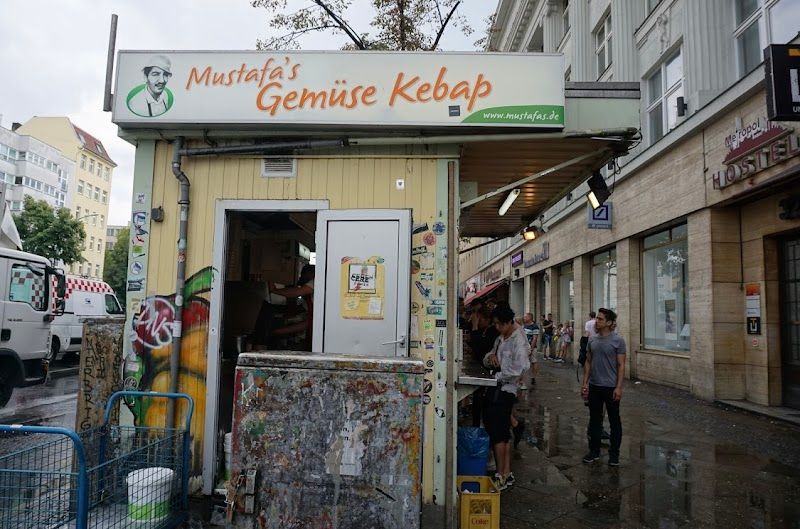
Berlin food culture starts on the street. The city invented the döner kebab as we know it, and every neighborhood has at least three opinions about which shop does it best. Mustafa's Gemüse Kebap gets the tourist attention with its vegetable-loaded version and hour-long lines, but locals will tell you the best döner happens at the Turkish shops that have been feeding the same Kiez for decades.
The currywurst stands that dot every major intersection serve Berlin's other signature dish: sliced bratwurst doused in curry-spiced ketchup. It costs EUR 3.5-6 and tastes exactly like what it is - cheap, filling fuel for a city that works late and parties later. Konnopke's Imbiss under the U2 tracks in Prenzlauer Berg claims to have invented the sauce in 1959, but every stand has its own recipe.
Street food markets have exploded across Berlin in the past decade. Markthalle Neun in Kreuzberg transforms from produce market to food hall each Thursday through Saturday, with vendors selling everything from Vietnamese bánh mì to natural wine. The Street Food Thursday events draw crowds, but the regular market stalls offer better value and shorter lines.
Hackescher Markt runs food trucks and stalls daily, where you can eat a proper lunch for EUR 6-12. The quality varies wildly - avoid anything that looks like it was assembled from frozen components, and gravitate toward the vendors with the longest lines of locals.
Neighborhood Food Maps: Where Berlin Actually Eats
Kreuzberg: The Original Food Destination
Kreuzberg pioneered the berlin food scene before anyone called it that. The Turkish immigration wave of the 1960s and 70s created the densest concentration of Middle Eastern food in Germany, and the punk squats of the 80s added vegetarian cafes and organic markets.
Görlitzer Bahnhof area serves the city's best Turkish breakfast at places like Öz Urfa on Dieffenbachstraße. The full spread - cheese, olives, honey, fresh bread, tea - costs around EUR 8-12 and will sustain you through an afternoon of gallery hopping.
The Bergmannstraße strip has evolved from alternative to affluent, but Zur Letzten Instanz, Berlin's oldest restaurant (1621), still serves heavy German classics for EUR 15-25 per main course. The schnitzel is reliable, the atmosphere is genuinely historic, and tourists somehow never find it despite its age.
Kottbusser Tor remains gritty and authentic. Immer Satt on Adalberstraße does massive portions of home-style German food for EUR 8-15. The clientele is 90% local, the décor has not changed since 1985, and the potato soup could feed three people.
Mitte: Fine Dining Meets Tourist Traps
Mitte contains Berlin's highest concentration of both Michelin-starred restaurants and tourist-trap schnitzel houses. Navigation requires local knowledge.
Hackescher Markt to Alexanderplatz is restaurant quicksand. The places with English menus and photos of food charge EUR 20-30 for mediocre schnitzel that costs EUR 12 in Charlottenburg. Lokal Modern on Veteranenstraße breaks this pattern with excellent modern German food for EUR 18-28 per main course.
The real action happens in converted courtyards and basements. Katz Orange in a former synagogue serves elevated comfort food in theatrical surroundings. Expect EUR 25-35 for mains, but the slow-cooked duck and dramatic atmosphere justify the price.
Rosenthaler Platz has the city's best Vietnamese food at Monsieur Vuong. No reservations, no phone number, just consistently excellent pho for EUR 8-12 and constant lines of locals who do not mind waiting.
Neukolln: The New Frontier
Neukolln represents berlin food culture in transition. The neighborhood's Turkish and Arabic communities created the foundation, and waves of young chefs have built on it without displacing it.
Sonnenallee between Karl-Marx-Straße and Hermannplatz concentrates the city's best Middle Eastern food in six blocks. Azzam serves massive plates of Syrian specialties for EUR 6-12. Babel does Lebanese mezze that rivals anything in Beirut. Al Andalos bakes fresh pita that still steams when they hand it to you.
The Reuterkiez around Weserstraße has become Berlin's answer to Noma-style Nordic cuisine, but at prices locals can afford. Industry Standard serves technically impressive small plates for EUR 8-15 each in a space that used to house motorcycle repairs. Silo does zero-waste fine dining for EUR 65-85 per tasting menu.
Rixdorf maintains its village atmosphere and village prices. Lavanderia Vecchia serves excellent Roman-style pasta for EUR 12-18 in a former laundromat. Barra does Spanish natural wine and small plates that actually complement each other, rare in a city where wine bars often serve afterthought food.
The Market Culture: Where Ingredients Meet Community
Berlin food markets operate on different schedules and serve different purposes than markets in other European cities. Most close by 2pm, and many vendors sell out of their best products by noon.
Wochenmarkt Kollwitzplatz in Prenzlauer Berg runs Thursdays and Saturdays with organic produce, artisanal breads, and prepared foods. The Roggenmeister bread stall sells sourdough loaves that cost EUR 4-6 and improve any meal. Käse-König offers samples of German cheeses you cannot find in supermarkets.
Winterfeldtmarkt in Schöneberg operates Wednesdays and Saturdays with a focus on international specialties. Antipasti Mama sells Italian imports at fair prices. Spreewaldhof brings pickled vegetables and smoked fish from Brandenburg. The flower stalls make it Instagram-worthy, but the food vendors make it worthwhile.
Turkish Market on Maybachufer runs Tuesdays and Fridays along the Landwehr Canal. This is where Berlin's Turkish community shops for ingredients unavailable elsewhere: proper white cheese, stuffed vine leaves, baklava made that morning. Prices run 30-40% below supermarket equivalents.
Price Breakdown: What Food Actually Costs in Berlin
Berlin food costs less than other major European capitals, but the range between cheap and expensive has widened dramatically.
| Category | Budget Option | Mid-Range | High-End |
|---|---|---|---|
| Breakfast | Bakery (EUR 4-7) | Cafe (EUR 8-12) | Hotel brunch (EUR 20-35) |
| Lunch | Döner (EUR 4.5-7) | Restaurant (EUR 12-18) | Business lunch (EUR 25-40) |
| Dinner | Street food (EUR 6-12) | Traditional (EUR 25-40) | Fine dining (EUR 65-120) |
| Drinks | Coffee (EUR 2.5-4.5) | Beer (EUR 4.5-7) | Wine (EUR 6-12) |
Street food provides the best value. A proper döner from a Turkish family operation costs EUR 4.5-7 and contains more protein and vegetables than most restaurant salads. Currywurst runs EUR 3.5-6 and comes with enough fries to constitute a meal.
Traditional German restaurants charge EUR 25-40 for three courses with a drink. Zur Letzten Instanz in Kreuzberg and Hackescher Hof in Mitte represent this category well - substantial portions, reliable quality, atmosphere that feels authentically Berlin rather than performed for tourists.
Fine dining in Berlin costs 30-40% less than equivalent restaurants in Paris or London. A mid-range dinner with three courses and wine runs EUR 25-40, while upscale establishments charge EUR 65-120 for tasting menus that would cost twice that in other capitals.
Restaurant Types: Understanding Berlin's Dining Categories
Gasthaus vs Restaurant
Berlin maintains the German distinction between Gasthaus (traditional pub-style dining) and Restaurant (more formal service and setting). Gasthaus meals cost EUR 12-20 and come in portions designed for manual laborers. Restaurants charge EUR 18-35 for more refined presentations.
Prater Garten in Prenzlauer Berg exemplifies the Gasthaus tradition - beer garden atmosphere, simple menu, massive portions. Lokal Modern represents the restaurant category - seasonal ingredients, wine pairings, smaller portions with more technique.
Kneipe vs Wine Bar
The traditional Kneipe serves beer, schnapps, and basic food in an atmosphere of studied shabbiness. Diener Tattersall in Schöneberg has not changed its décor since 1986 and charges EUR 4.5-7 for beer that comes with complimentary pickled eggs.
Wine bars represent Berlin's newer drinking culture. Weinerei in Mitte operates on an honor system - you pay what you think your evening was worth. Buck and Breck serves natural wines with small plates in a space so small you need to know someone to get in.
Imbiss Culture
Imbiss translates roughly to "snack bar" but represents a whole category of Berlin dining. These are not cafes or restaurants but something in between - places that serve hot food quickly, cheaply, and without ceremony.
Curry 36 under the U1 tracks in Kreuzberg does currywurst for shift workers, club kids, and anyone else who needs sustenance at 3am. Borchardt serves French bistro classics in gilt-heavy surroundings for politicians and people who want to see politicians.
Drinking Culture: How Alcohol Integrates with Food
Berlin drinking culture revolves around beer, but the city's wine scene has exploded in the past decade. Beer gardens serve simple food - sausages, pretzels, potato salad - designed to complement rather than compete with the main attraction.
Prater Garten claims to be Berlin's oldest beer garden (1837) and still operates under chestnut trees with communal tables and self-service beer. The Leberwurst sandwich costs EUR 4 and pairs perfectly with their house Prater Pils.
Natural wine bars have proliferated as young Berliners develop more sophisticated palates. Weinerei operates on trust - you choose wines by the glass, eat simple plates of cheese and charcuterie, and pay what you think the experience was worth when you leave.
Cocktail bars tend to open late and close later. Buck and Breck requires insider knowledge to find (no sign, no address published) but serves technically perfect cocktails to bartenders from other establishments. Ballhaus Berlin combines cocktails with dancing in a space that has hosted both since 1905.
Seasonal Eating: How Weather Changes the Food Scene
Winter: Comfort Food Season
Berlin winters demand heavy food. Traditional restaurants switch to game menus - wild boar, venison, duck. Eisbein (pork knuckle) becomes acceptable dinner rather than tourist novelty. Glühwein appears at every market stall.
Christmas markets run from late November through December with similar food offerings - Reibekuchen (potato pancakes), Geröstete Mandeln (roasted almonds), Bratwurst from temporary grills. Quality varies dramatically, but Lucia Weihnachtsmarkt in Charlottenburg maintains higher standards than the tourist-focused markets near Brandenburg Gate.
Summer: Street Food and Beer Gardens
Warm weather transforms Berlin dining from indoor necessity to outdoor celebration. Beer gardens reopen, street food markets expand their hours, and restaurants move tables onto every available sidewalk.
Tempelhofer Feld becomes an outdoor dining room as people bring picnics to the former airport runway. Thai Park in Preußenpark hosts informal Thai food vendors on weekends - locals call it "the best Thai food in Berlin" and pay EUR 6-10 for dishes that would cost twice that in restaurants.
Practical Information: Navigating Berlin's Food Scene
Reservation Policies
Berlin restaurants fall into three categories: no reservations accepted, reservations required, and reservations recommended. Mustafa's Gemüse Kebap and Monsieur Vuong never take bookings - you wait or you do not eat there. Fine dining establishments require reservations weeks in advance. Mid-range restaurants usually accommodate walk-ins before 7pm and after 9pm.
Payment and Tipping
Most Berlin restaurants accept cards, but many Imbiss stalls and beer gardens operate cash-only. Tipping runs 5-10% for adequate service, 10-15% for exceptional service. Round up to the nearest euro for street food and casual dining.
Timing
Berlin dining schedules differ from other European cities. Breakfast happens 8am-11am, lunch noon-3pm, dinner 6pm-9pm. Kitchens close early by international standards - many restaurants stop serving food by 9pm even on weekends. Sunday closures are common, especially in residential neighborhoods.
Getting the Most from Berlin's Food Culture
The best berlin food scene experiences happen when you stop trying to find "authentic German food" and start eating what Berliners actually eat. That means Turkish breakfast on Saturdays, Vietnamese pho when it rains, Syrian mezze when you want to linger over dinner, and currywurst when you need fuel between neighborhoods.
Our complete neighborhood food guide covers specific restaurant recommendations for each area, while the 3-day Berlin itinerary incorporates food experiences with sightseeing. For families, the Berlin with kids guide includes child-friendly restaurants and markets that welcome strollers.
Berlin's food reflects its history - divided, reunited, constantly reinventing itself through waves of immigration and gentrification. The result is not a coherent cuisine but a collection of food cultures that somehow work together, like the city itself. Understanding this makes every meal here more interesting than just another restaurant dinner. It makes eating in Berlin a way of understanding Berlin.