The Albert Cuyp Market gets all the guidebook mentions, but asking an Amsterdammer for their favorite amsterdam food market will get you a completely different answer. Yes, Albert Cuyp has its place - 260 stalls stretching along Albert Cuypstraat in De Pijp - but it's become a tourist magnet where you'll pay premium prices for average stroopwafels while dodging selfie sticks.
The real food culture in Amsterdam happens at smaller neighborhood markets, specialized food halls, and weekend farmers markets where locals actually shop. These are the places where you'll find the best Dutch cheese aged properly, vegetables that haven't traveled 2000 kilometers, and food that reflects Amsterdam's actual eating habits rather than what visitors think they should be eating.
The Truth About Albert Cuyp Market Food
Let's address the elephant in the room first. The Albert Cuyp Market runs Monday through Saturday from 9:00-17:00 along Albert Cuypstraat, and yes, it's the largest market in the Netherlands. The problem isn't that it's bad - it's that it's become Amsterdam's Times Square of markets.
What's worth it at Albert Cuyp: The cheese stalls at the Nieuwmarkt end still sell quality Gouda and aged cheeses, though you'll pay EUR 5-8 for samples that cost EUR 3-4 at neighborhood markets. De Kaaskamer at stall 67 knows their aged cheeses, and the stroopwafel stand at stall 42 makes them fresh, not the pre-packaged ones you'll find elsewhere.
What to skip: The prepared food stalls charging EUR 8-12 for mediocre sandwiches, the tourist-trap souvenir stands mixed between food vendors, and anything marked as "traditional Dutch" that looks suspiciously international.
The real issue with Albert Cuyp is timing. Hit it at 11:00 on a Saturday and you'll spend more time navigating crowds than actually shopping. Go at 9:00 on a Wednesday, and it's a different experience entirely.
Noordermarkt Amsterdam: Where Locals Actually Shop
Saturday mornings belong to Noordermarkt in the Jordaan. This is Amsterdam's premier boerenmarkt amsterdam (farmers market), running from 9:00-16:00 every Saturday on Noorderkerkplein. The organic produce here comes from farms within 100 kilometers of Amsterdam, and prices reflect real seasonal availability rather than year-round global shipping.
Best stalls to visit: Bakkerij Uit de Kunst sells sourdough bread that's worth the EUR 4-6 price tag. The vegetable stand on the church side offers seasonal Dutch specialties - try the purple carrots in winter or the tiny new potatoes in late spring. De Groene Weg's cheese selection focuses on Dutch farmhouse varieties aged in traditional caves.
Monday's different story: Noordermarkt transforms on Monday mornings (9:00-14:00) into an antiques and second-hand market. The food vendors disappear, replaced by vintage furniture, old books, and the kind of random household items that make you wonder who originally owned them.
The market sits in the shadow of the Noorderkerk, a 17th-century Protestant church that anchors one of Amsterdam's most livable squares. Grab coffee at Café 't Smalle afterward - it's a five-minute walk down Prinsengracht and has been serving locals since 1786.
Amsterdam Foodhallen: The Indoor Market Revolution
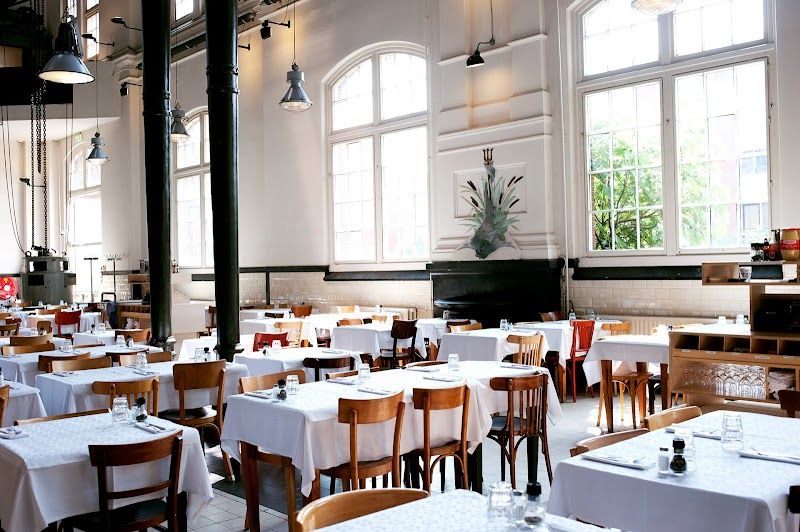
Amsterdam foodhallen represents the city's most successful attempt at modernizing the market concept. Located in Oud-West at Bellamyplein 51, this converted 1902 tram depot houses 21 food stalls under one roof. Open Tuesday-Thursday 11:00-23:30, Friday-Saturday 11:00-01:00, and Sunday 11:00-23:30.
This isn't your typical food court. Each vendor operates independently, many are local restaurant concepts testing new ideas, and the quality ranges from excellent to outstanding. De Ballenbar serves Dutch meatballs that actually taste like something your grandmother might have made (if your grandmother was an exceptionally good cook). Cannibale Royale focuses on meat prepared properly - their steak sandwich at EUR 14 beats most Amsterdam restaurants charging EUR 25.
Navigation strategy: The beer bar in the center serves local brews from Oedipus and De Prael for EUR 4-6. Most stalls accept cards, but bring cash for faster service during peak hours (19:00-21:00 weekends). The communal seating means you'll likely share a table - this is considered normal, not awkward.
Weekend warning: Friday and Saturday evenings turn into Amsterdam's approximation of a scene. If you want to actually taste the food rather than fight for a table, visit Tuesday through Thursday.
Nieuwmarkt Saturday Farmers Market
Every Saturday from 9:00-17:00, Nieuwmarkt square in Nieuwmarkt & Plantage hosts a farmers market that locals prefer over the more famous options. The setting alone - a medieval square surrounded by cafés and the 15th-century Waag building - makes this market feel distinctly Amsterdam.
The vendors here focus on organic produce, artisanal bread, and specialty items you won't find in Albert Heijn. Bakker Bert makes rye bread using traditional Dutch methods, dense and dark and perfect with aged cheese. The flower stall on the Waag side sells tulip bulbs in season, but also practical herbs and small plants for Amsterdam's tiny balconies.
Practical details: The square sits directly on metro line 51, 53, and 54 (Nieuwmarkt station). Most vendors speak English, but learning basic Dutch numbers helps with prices. Unlike tourist markets, haggling isn't expected or appreciated.
Combine with: The Nieuwmarkt area rewards wandering. The narrow streets leading off the square house independent bookshops, vintage clothing stores, and cafés that haven't changed their interiors since the 1970s.
Ten Katemarkt: The Local Alternative
While tourists crowd Albert Cuyp, locals shop at Ten Katemarkt in Oud-West. Open Monday, Wednesday, Friday, and Saturday from 9:00-17:00 along Ten Katestraat, this market reflects Amsterdam's actual demographics rather than its tourism industry.
The market runs for about 300 meters through a residential neighborhood where people actually live year-round. You'll hear Dutch, Turkish, Moroccan Arabic, and a dozen other languages reflecting Amsterdam's immigrant communities. This diversity shows in the food stalls - Turkish pastries at EUR 2-3, Moroccan olives by the kilo, and Dutch produce at prices that make sense for people who shop here weekly.
Best food finds: The Turkish bakery stall near the Kinkerstraat end sells börek and baklava that rival anything in Istanbul. The Dutch cheese vendor knows regular customers by name and offers tastes of aged varieties before you buy. The fruit and vegetable stalls price seasonally - strawberries in January cost EUR 8/kilo, but in June they're EUR 3.
Getting there: Tram 7 stops at Ten Katestraat, or it's a 10-minute walk from Vondelpark. The neighborhood lacks tourist infrastructure, which keeps prices reasonable and crowds manageable.
Specialized Markets Worth the Trip
Bloemenmarkt: More Than Flowers
The famous flower market on Singel canal deserves mention not for flowers (most tourists buy overpriced tulip bulbs that won't survive international shipping) but for the cheese vendors mixed between flower stalls. Cheese Company Singel operates from a floating stall and offers quality aged Gouda at fair prices. The Bloemenmarkt runs Monday-Saturday 9:00-17:30, Sunday 11:00-17:30.
Boerenmarkt Nieuwmarkt (Saturdays)
Different from the regular Nieuwmarkt market, the Saturday boerenmarkt focuses specifically on organic and locally-produced foods. Vendors must meet strict criteria about production methods and distance from Amsterdam. The selection is smaller but quality is consistently high.
Friday Markets in Noord
Amsterdam Noord hosts several smaller markets worth the ferry trip across the IJ. The NDSM market (first Sunday of each month) combines food vendors with Amsterdam's largest flea market. Ferry 901 from Centraal Station takes 15 minutes and runs every 15 minutes.
Market Shopping Strategy and Practical Tips
Best Times to Visit Amsterdam Food Markets
Early morning (9:00-10:30): Best selection, easiest navigation, vendors more willing to offer samples. Markets like Noordermarkt and Nieuwmarkt are pleasant and uncrowded.
Late afternoon (15:00-16:30): Vendors may discount perishables, but selection is picked over. Good for basics like bread and cheese, risky for produce.
Avoid entirely: Saturday afternoons at any major market, Monday mornings at Albert Cuyp (many stalls closed), and any market during Dutch school holidays.
Payment and Pricing
Most market vendors now accept cards, but cash still moves transactions faster. Bring small bills - EUR 20s and 50s can be problematic for small purchases. Tipping isn't expected, but rounding up small purchases to the nearest euro is appreciated.
Fair prices for quality items:
- Aged Dutch cheese: EUR 3-6 per 200g sample
- Fresh bread from artisan bakers: EUR 4-7 per loaf
- Seasonal vegetables: EUR 2-5 per kilo depending on type
- Prepared foods: EUR 6-12 for substantial portions
Language and Etiquette
Most vendors speak functional English, but learning basic Dutch market phrases helps: "Hoeveel kost dit?" (How much does this cost?), "Mag ik proeven?" (May I taste?), and "Dank je wel" (Thank you).
Market etiquette: Don't handle produce unless invited, ask before photographing vendors or their stalls, and don't block narrow aisles while deciding what to buy.
Combining Markets with Amsterdam Neighborhoods
The best amsterdam food market experiences happen when you treat them as entry points into neighborhoods rather than destinations themselves. Each market reflects its surrounding area's character and offers natural combinations with other activities.
Noordermarkt + Jordaan exploration: After Saturday market shopping, walk the narrow streets of the Jordaan. Stop at Winkel 43 for their famous apple pie (EUR 4.5 with whipped cream), browse the galleries on Tweede Egelantiersdwarsstraat, or visit the Anne Frank House if you've managed to secure advance tickets.
Foodhallen + Oud-West dining: The Foodhallen sits in Amsterdam's emerging food district. Walk to Lot Sixty One Coffee Roasters for properly extracted espresso, or try Restaurant Blauw for Indonesian rijsttafel that locals consider authentic.
Ten Katemarkt + Vondelpark: Combine market shopping with Amsterdam's favorite park. Buy cheese, bread, and seasonal fruit at Ten Katemarkt, then walk 10 minutes to Vondelpark for an improvised picnic. This works particularly well May through September.
For a comprehensive overview of eating throughout Amsterdam, including restaurants that complement these market experiences, check out our detailed neighborhood food guide.
When Markets Don't Make Sense
Amsterdam food markets aren't always the best choice. If you're staying in Amsterdam for less than three days, spending precious time navigating crowded markets for groceries you'll barely use doesn't make practical sense. Short-term visitors benefit more from experiencing Amsterdam's café culture and restaurant scene.
Skip markets if: You're traveling in winter (many outdoor markets reduce hours or close entirely), you're staying in accommodations without kitchen facilities, or your Amsterdam itinerary is already packed with museums and tourist attractions.
Better alternatives: Amsterdam's neighborhood restaurants, traditional brown cafés, or specialty food shops like Kaashuis Tromp in the Jordaan for cheese, or Unlimited Delicious in De Pijp for local products without market crowds.
The city's food scene extends far beyond markets. If you're planning a longer stay and want to experience Amsterdam like a local, our complete 5-day Amsterdam guide includes market visits within a broader exploration of the city's neighborhoods and culture.
The Reality of Market Food in Amsterdam
Amsterdam's food markets work best when you understand what they actually offer versus what travel guides promise. They're not primarily tourist attractions - they're neighborhood institutions where locals shop for weekly groceries, seasonal specialties, and the social interaction that comes with knowing your cheese vendor's name.
The best amsterdam food market experience happens when you shop like a local: go with a general idea of what you want, remain open to seasonal suggestions from vendors, and don't expect every stall to cater to international tastes or dietary restrictions.
Markets reflect Amsterdam's practical approach to food - quality ingredients prepared simply, seasonal availability respected, and fair prices for honest products. This philosophy extends throughout the city's food culture, from neighborhood restaurants to specialty shops that have served the same communities for generations.
Whether you choose the Albert Cuyp for convenience, the organic focus of Noordermarkt, or the modern approach of Foodhallen, Amsterdam's markets offer genuine insight into how this water-locked city feeds itself in the 21st century.