France

Alsace

Half-timbered villages, vineyard-draped hills, tarte flambee in a winstub, and a wine route that has been running since the Romans
Alsace, France
Type
Wine Route
Duration
4-5 days
Transport
mixed
Best Time
May-June, September-October, December for Christmas markets
Cities
3
The place

About Alsace

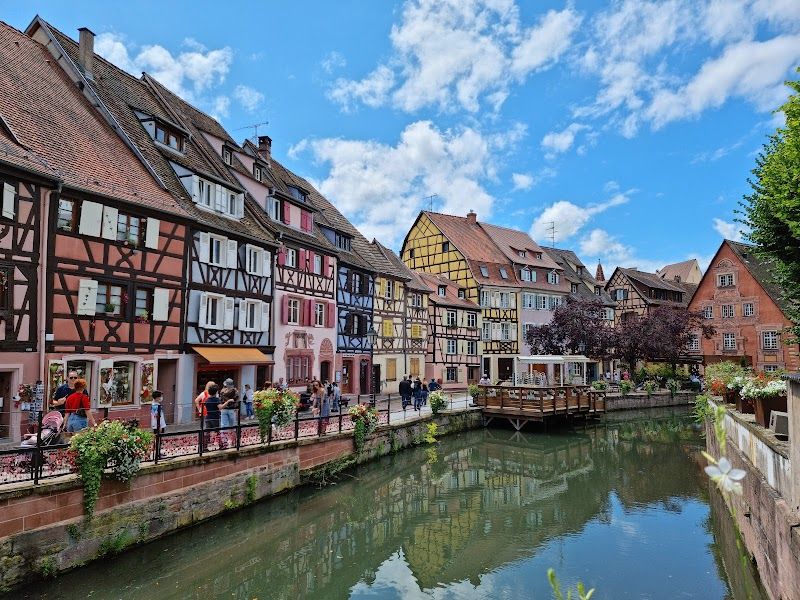
Alsace is the French region that Germany keeps trying to claim and France keeps refusing to give back, which is why the food tastes German, the wine tastes French, and the architecture looks like it could not decide between the two and chose both. The Route des Vins runs 170 km from Marlenheim to Thann through vineyards, half-timbered villages, and castle-topped hills that look like someone designed a wine route and then landscaped an entire region around it.

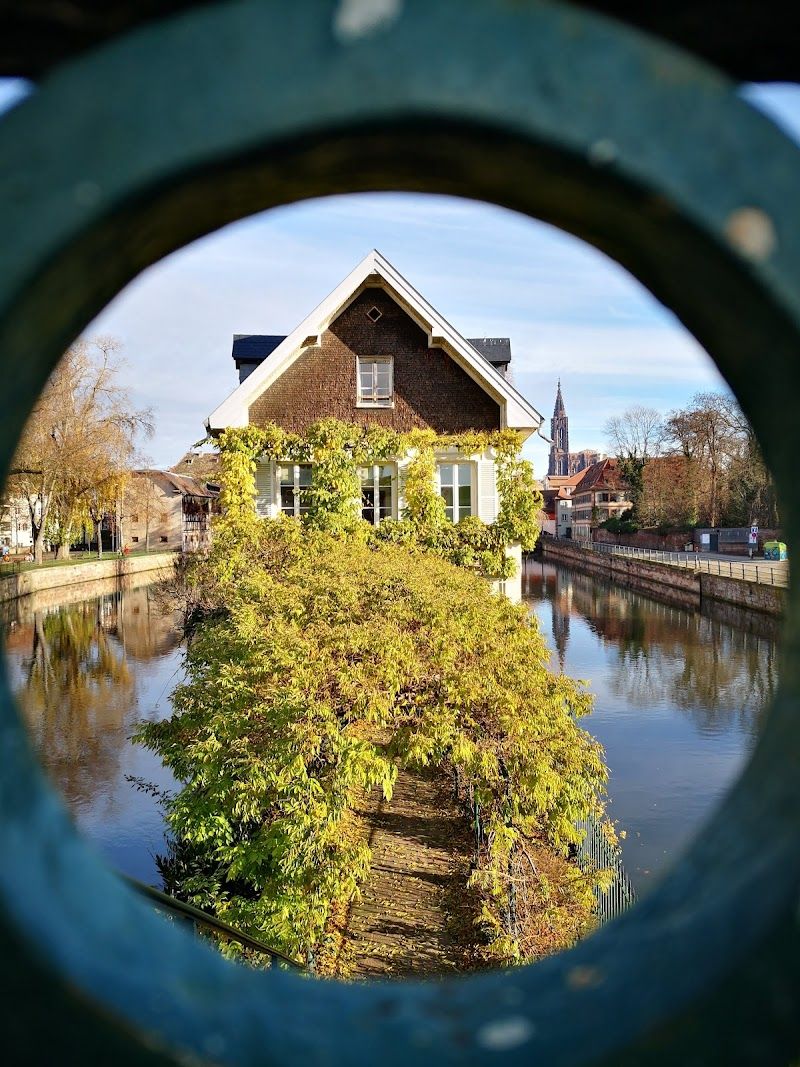
Strasbourg anchors the north with its cathedral, its Petite France canal quarter, and the European Parliament. Colmar anchors the south with Petite Venise, the Isenheim Altarpiece, and the most photogenic town centre in France. Between them, the wine villages of Eguisheim, Riquewihr, Kaysersberg, and Obernai line up along the D35 like a string of medieval pearls, each with its own personality, its own winstubs, and its own producers pouring Riesling that costs EUR 8-15 a bottle and outperforms wine that costs three times more anywhere else.

The food is the heaviest in France and the best argument for walking between meals. Tarte flambee (the Alsatian flatbread), choucroute garnie (the sauerkraut plate with five types of pork), baeckeoffe (the sealed-pot stew), and kougelhopf (the almond cake) are the pillars, and they are all better with a glass of the local wine. In December, the Christmas markets in Strasbourg, Colmar, and every village along the route turn the entire region into a mulled-wine-scented snow globe that justifies the flight alone.

The places

Cities in this region

3 destinations, each with its own character. Pick one as a base or string them into a route.
The path

Suggested route

1
Strasbourg2 nights
25 min drive from Strasbourg to Obernai (start of wine route)
2
Alsace Wine Route1-2 days
35 min train from Strasbourg
3
Colmar2 nights
What to do

Things to do across Alsace

24 top experiences across every destination in the region.
Hand-picked

Experiences worth booking ahead

Vetted tours and tickets across every destination in the region. The ones worth reserving before you arrive.
Place du Marché aux Cochons de Lait
Bestseller

Place du Marché aux Cochons de Lait

Place du Marché aux Cochons de Lait is a postcard-perfect medieval square where half-timbered houses lean inward like they're sharing secrets. The colorful facades date back centuries, with intricate wooden frameworks painted in blues, greens, and warm yellows that pop against white plaster walls. You'll find genuine 16th and 17th-century architecture here, complete with carved details and flower boxes that locals actually maintain. The square feels like a movie set, but it's completely authentic and refreshingly quiet compared to the tourist crowds around the cathedral. Walking into the space, you're surrounded by these towering timber-framed buildings that seem to close in overhead, creating an intimate courtyard effect. The cobblestones are uneven medieval originals, and small cafés spill onto the square with outdoor seating where you can sit among the architecture. Most guidebooks barely mention this spot, which works in your favor since you'll often have it to yourself for photos. The square is tiny, so 15 minutes is plenty unless you're settling in for coffee (expect €3-4 for an espresso at the corner café). Skip it if you're rushed, but if you're wandering Petite France anyway, it's a two-minute detour that delivers more medieval atmosphere than much larger squares.

StrasbourgBook
Pont du Corbeau
Top rated

Pont du Corbeau

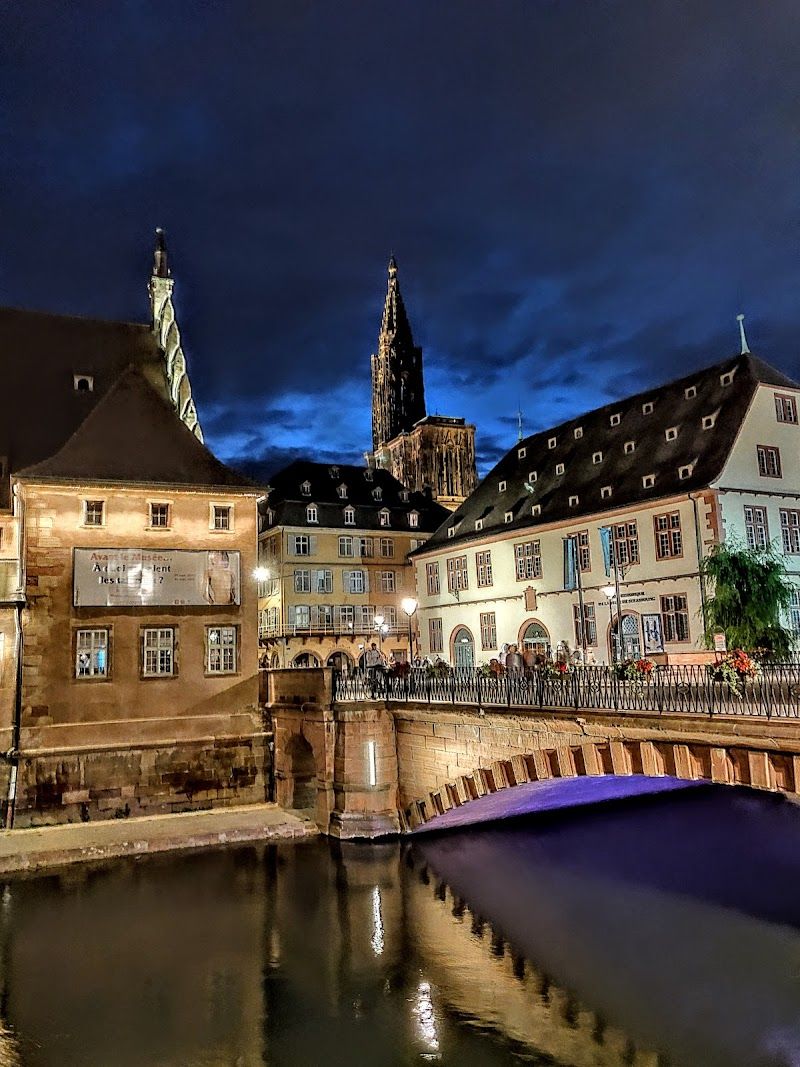
Pont du Corbeau spans the Ill River with a genuinely dark past: this medieval bridge served as Strasbourg's execution site where convicted criminals were drowned in sacks. Today it's one of the best vantage points for photographing the Ponts Couverts towers and the postcard-perfect half-timbered houses of Petite France. The Gothic buildings along Quai des Bateliers create that classic Alsatian riverside scene you see on every Strasbourg postcard. Walking across feels peaceful now, but plaques remind you of its grim history. The bridge itself is narrow stone, nothing fancy, but the views in every direction are spectacular. Water flows underneath while tour boats drift past, and you'll hear multiple languages as visitors pause to snap photos. The medieval atmosphere hits differently when you know people were executed right where you're standing. Most guides oversell this as a major attraction when it's really a 10-minute photo stop. The bridge gets packed during peak hours, especially when river cruises pass through. Early morning or late afternoon light makes the half-timbered reflections pop, but don't make a special trip just for this. Combine it with exploring Petite France properly, and skip the overpriced €15 boat tours that pass underneath.

StrasbourgBook
Place Gutenberg

Place Gutenberg

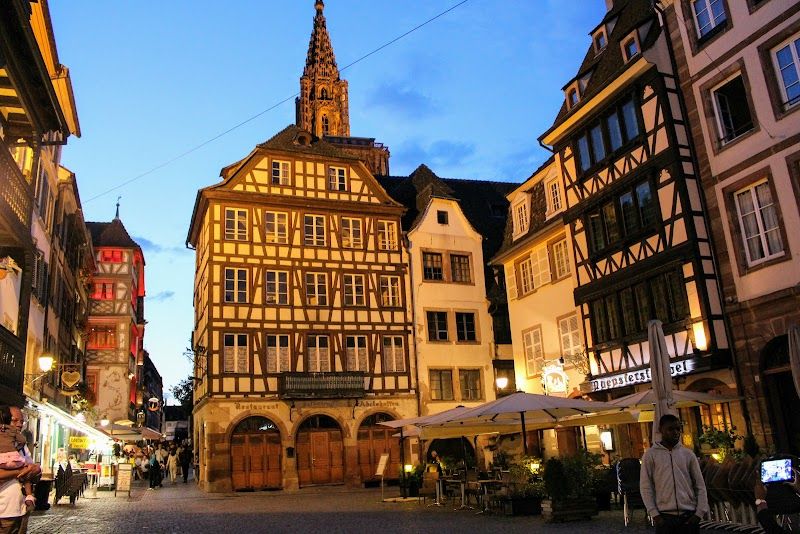
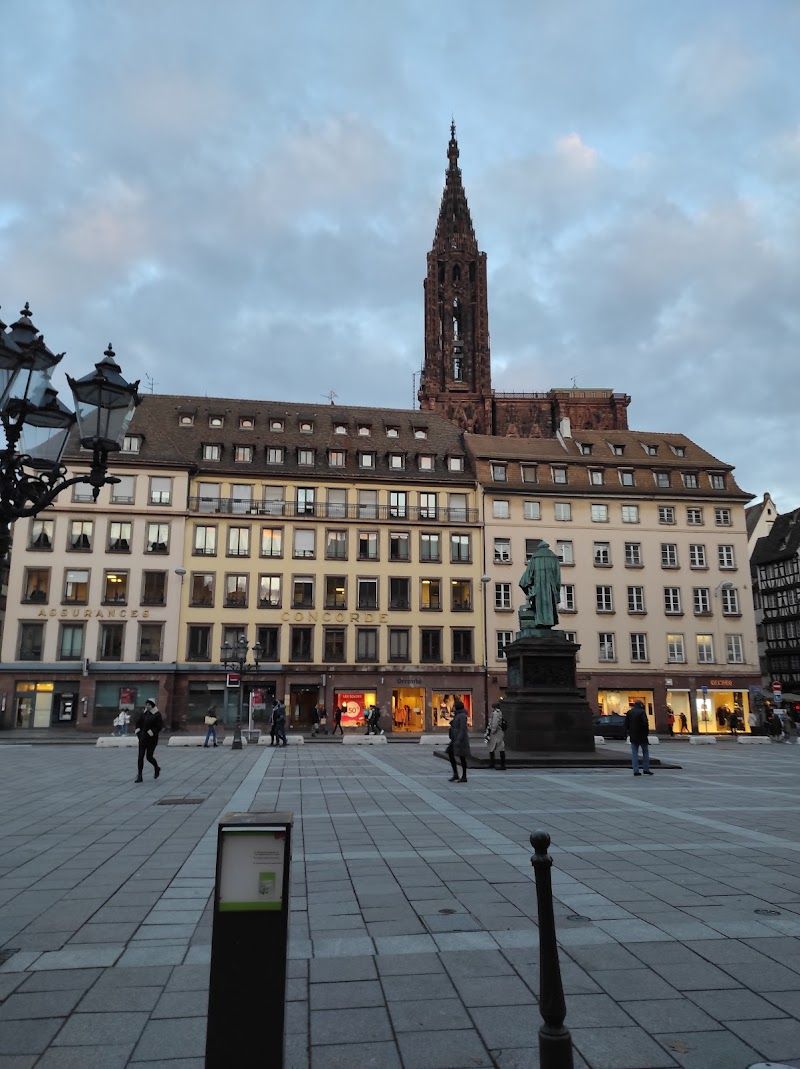
Place Gutenberg sits at the center of Strasbourg's old town, anchored by David d'Angers' bronze statue of Johannes Gutenberg from 1840. The square showcases some of the city's finest architecture: the ornate Maison Kammerzell with its 1589 carved facade dominates one corner, while the Renaissance Chambre de Commerce building (the former city hall) commands another side. Half-timbered Alsatian houses complete the picture, creating one of Strasbourg's most photogenic squares. The cobblestoned space feels intimate despite being surrounded by shops and cafes. You'll find yourself naturally drawn to the Gutenberg statue in the center, where the printing pioneer holds a matrix from his revolutionary press. The square serves as a crossroads for pedestrian streets, so there's constant movement of locals and tourists flowing through. Street performers occasionally set up near the statue, and the outdoor cafe terraces fill up quickly on sunny days. Most guidebooks oversell this as a major attraction when it's really just a pleasant square to pass through. The real draw is the architecture, especially Maison Kammerzell, rather than any deep Gutenberg connection. Skip the overpriced cafes facing the square (coffees run 4-5 EUR) and grab a pretzel from a nearby bakery instead. The lighting hits the carved facades best in mid-morning, making it prime time for photos.

StrasbourgBook
Strasbourg Cathedral and Astronomical Clock
Top rated

Strasbourg Cathedral and Astronomical Clock

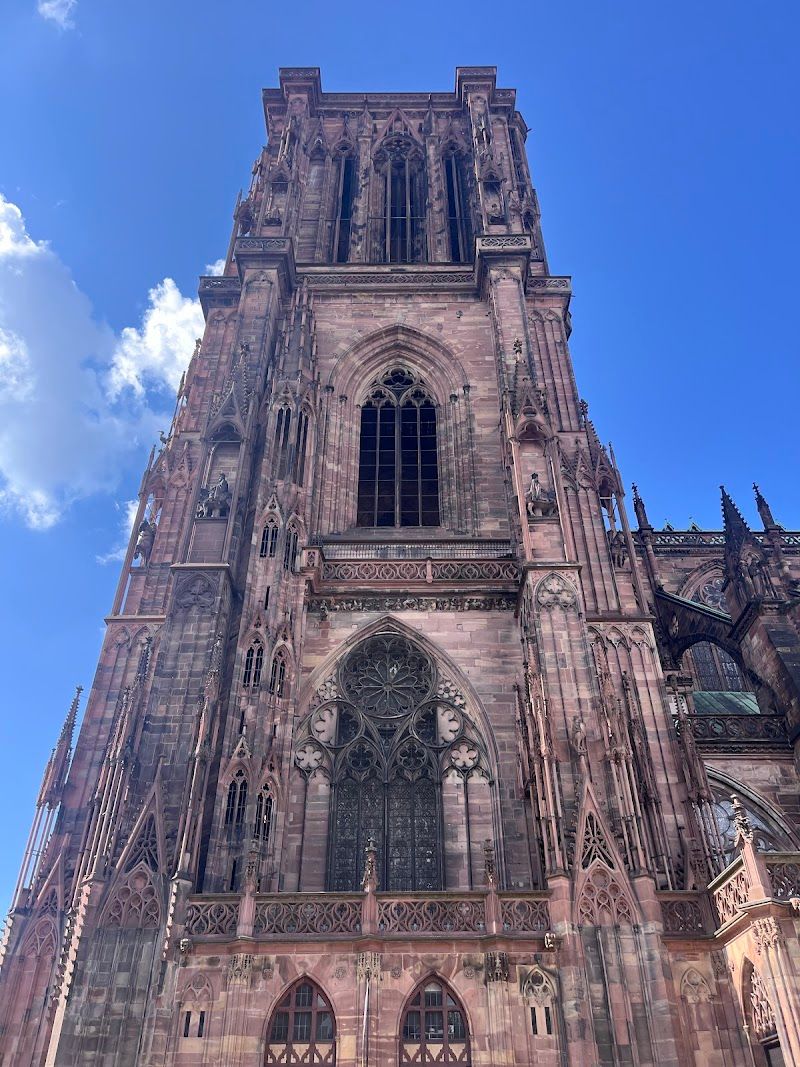
Strasbourg Cathedral dominates the city with its asymmetrical Gothic facade, covered in hundreds of carved figures that look like they're about to step off the stone. You're here for two main attractions: climbing the 332 steps up the north spire for views over Alsace, and watching the famous astronomical clock perform its mechanical theater at 12:30 PM sharp. The clock itself is a marvel of 19th century engineering, with apostles parading past Christ while Death strikes the hours and a rooster crows three times. Inside, the cathedral feels surprisingly intimate despite its massive scale. The light filtering through medieval stained glass creates an otherworldly atmosphere, especially in the rose window above the west entrance. When the astronomical clock springs to life, mechanical figures emerge from hidden compartments as crowds press forward with phones raised. The climb up the spire is a workout, but the spiral staircase opens onto a platform where you can see the Rhine plain stretching toward the Black Forest. Most visitors underestimate the timing here. The clock performance draws huge crowds, so you'll need that EUR 3 ticket sold inside the cathedral, not at the entrance. The spire climb costs EUR 8 and the morning queues are brutal in summer, so go right at 9:30 AM opening or skip it entirely if you're not committed to the workout. Honestly, the exterior facade is more impressive than the interior, and photographing it in golden hour beats fighting crowds inside.

StrasbourgBook
Château du Haut-Koenigsbourg
Top rated

Château du Haut-Koenigsbourg

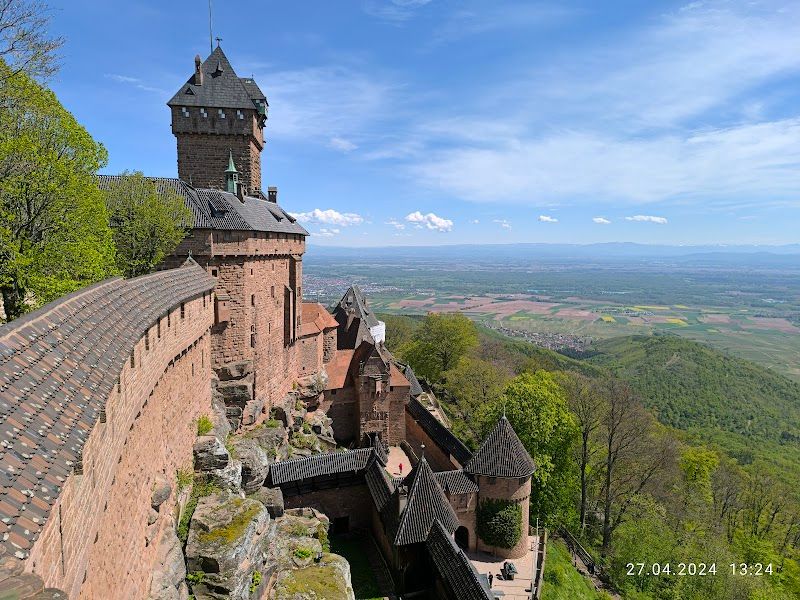
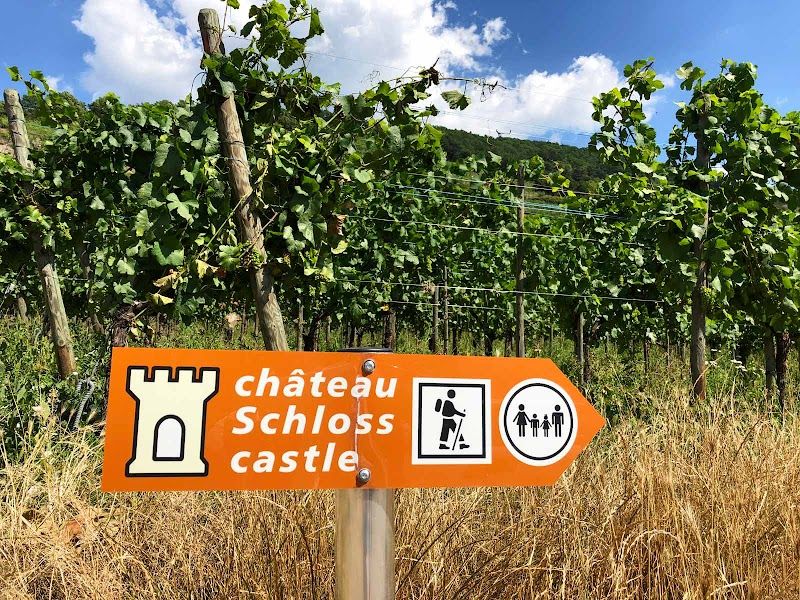
This reconstructed medieval fortress sits dramatically on a rocky outcrop 755 meters above the Rhine Valley, offering sweeping views across the Alsace plain to the Black Forest. You'll explore furnished chambers including the Kaiser's apartments, walk through authentic medieval kitchens with massive fireplaces, and examine one of France's best castle armory collections. The defensive walls, watchtowers, and inner courtyard showcase 15th-century military architecture, though everything you see dates from Kaiser Wilhelm II's meticulous 1900-1908 reconstruction. The visit follows a logical route through the castle's three levels, starting in the lower courtyard where audio guides (included) explain the fortress's strategic importance. The furnished rooms feel genuinely atmospheric, especially the great hall with its painted beams and period tapestries. From the upper ramparts, the panoramic views stretch endlessly: vineyards cascade down hillsides below while the Vosges Mountains rise to the west. The wind up here can be fierce, but the vista over the wine route villages is genuinely spectacular. Entry costs €9 for adults, and most visitors spend too much time in the armory displays when the real highlight is the architecture and views. Skip the lengthy historical timeline exhibits and head straight to the ramparts and furnished chambers. The castle gets impossibly crowded between 10:30 AM and 3 PM when tour buses arrive, transforming narrow staircases into bottlenecks. Come early morning or late afternoon for the best experience and lighting for photos.

Alsace Wine RouteBook
Place Kléber
Top rated

Place Kléber

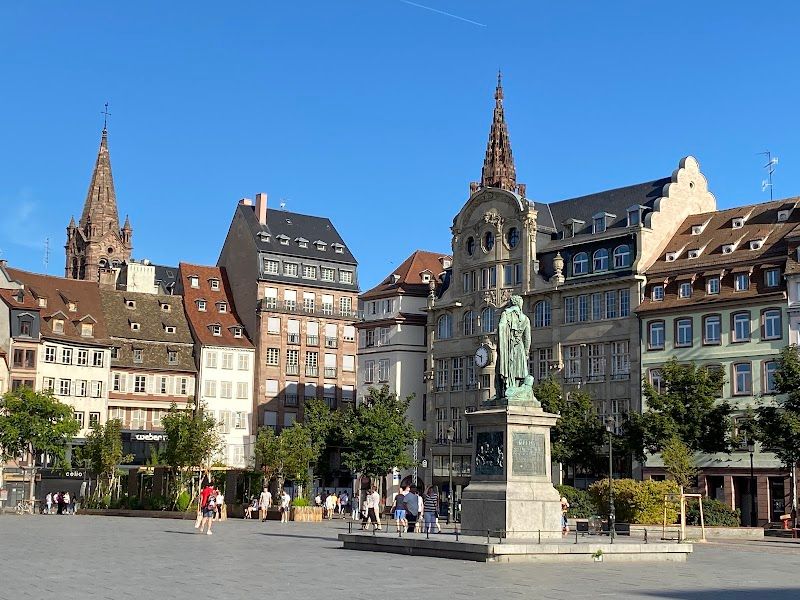
Place Kléber is Strasbourg's central command center, a massive pedestrian square anchored by General Kléber's statue and the grand Aubette building with its pink sandstone facade. You're here for the famous Christmas market (November 25 to December 30), where 300 wooden chalets create France's oldest holiday market around a towering 30-meter Christmas tree. The rest of the year, it's where locals meet before heading to restaurants or catch trams to other neighborhoods. The square feels different depending when you visit. Mornings are quiet with commuters cutting across to catch trams, while afternoons bring street performers and tourists photographing the statue. During Christmas season, the entire space transforms into a wonderland that smells like vin chaud and roasted chestnuts, though you'll be shoulder to shoulder with crowds. The Aubette's ground floor houses shops and cafes where you can escape the weather. Most guides oversell this as a destination itself, but honestly, it's more of a transit hub with good photo ops. The Christmas market is genuinely spectacular but expect to pay €4-5 for vin chaud and €8-12 for food portions. Skip the overpriced restaurants facing the square and use it as your starting point to explore the more interesting old town streets radiating outward.

StrasbourgBook
Musée d'Art Moderne et Contemporain de Strasbourg
Top rated

Musée d'Art Moderne et Contemporain de Strasbourg

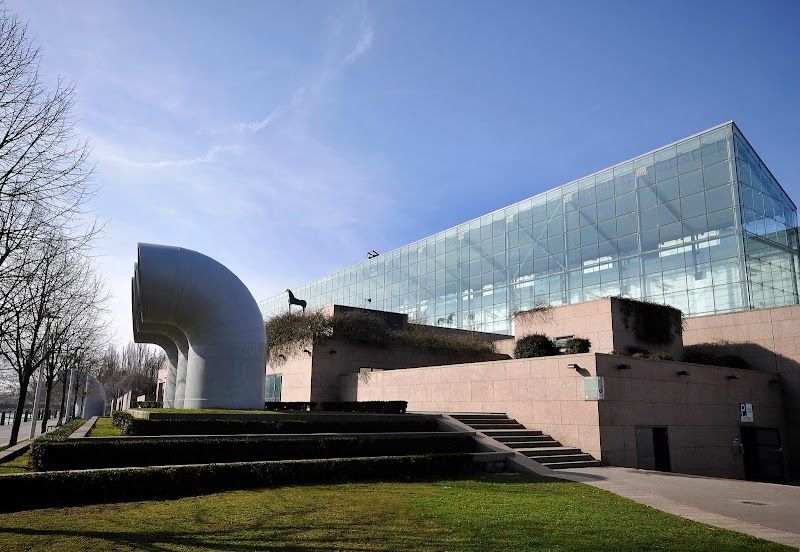
This sleek modernist museum sits right on the Ill River and houses one of France's best collections of modern art outside Paris. You'll find exceptional works by Kandinsky, Monet, Picasso, and Gustav Klimt, plus an outstanding Jean Arp collection that most people don't expect. The building itself is gorgeous: floor to ceiling windows flood the galleries with natural light, and the rooftop terrace gives you sweeping views over Strasbourg's old town and cathedral spire. The visit flows beautifully across three floors, starting with 19th century works on the ground level and moving up through increasingly contemporary pieces. The Kandinsky room on the second floor is genuinely spectacular, with several of his best abstract compositions displayed together. You'll spend most of your time on the upper floors where the light is best and the river views through the windows create this lovely dialogue between the art and the city outside. Here's what most guides won't tell you: the permanent collection is relatively small, so 90 minutes is plenty unless there's a special exhibition running. Skip the basement contemporary section unless you're really into video installations and conceptual work. At €7 for adults, it's excellent value, but honestly, you can see the best views from the rooftop cafe without buying a museum ticket at all.

StrasbourgBook
Unterlinden Museum and Isenheim Altarpiece
Top rated

Unterlinden Museum and Isenheim Altarpiece

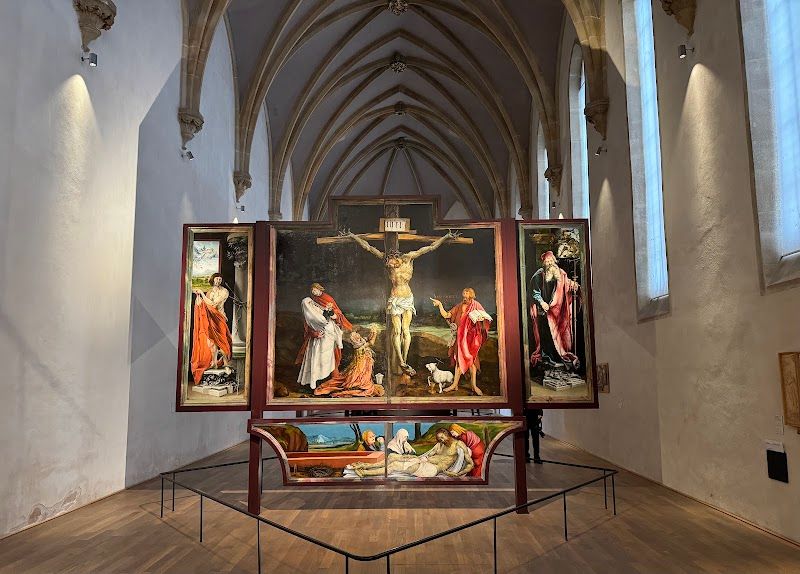
The Unterlinden Museum houses one of Europe's most emotionally devastating works of art: Matthias Grünewald's Isenheim Altarpiece, painted between 1512 and 1516. This isn't your typical religious art. The crucifixion panel shows Christ's body covered in thorns and lacerations, with figures below consumed by physical grief. The resurrection panel blazes with supernatural light that Herzog & de Meuron literally designed their 2015 building extension around. The altarpiece has three configurations that were rotated through the liturgical year, so you'll see multiple layers of panels. You'll enter through the modern wing before reaching the altarpiece in its climate-controlled sanctum. Most people gasp when they first see the crucifixion, it's that visceral. The space stays quiet, almost reverent, even with crowds. After the altarpiece's intensity, the 13th-century Dominican cloister offers relief with its peaceful arches. The museum also holds works by Cranach and Holbein, plus Alsatian folk art, but honestly, you came here for Grünewald. At EUR 13, it's expensive for what amounts to seeing one masterpiece, but that masterpiece justifies the trip to Colmar entirely. Skip the upper floors of regional artifacts unless you have extra time. The audio guide costs EUR 3 and helps with the altarpiece's complex iconography, though the visual impact needs no explanation. Plan 45 minutes minimum for the altarpiece alone.

ColmarBook
Where to book

Stay in Alsace

Real-time pricing across hotels, apartments, and ryokans. Book direct from the map.

Day by day

5 Days in Alsace: Cathedral, Wine Route & Christmas Cake

Five days covering Strasbourg, the Alsace Wine Route villages, and Colmar. Two nights in Strasbourg, one day driving the wine route, two nights in Colmar with day trips to the surrounding villages.

Day 1Strasbourg

Strasbourg: Spire & Petite France

Cathedral spire climb at opening (EUR 8, the view covers the Vosges and the Black Forest), the astronomical clock show at 12:30, lunch at a winstub in Petite France (tarte flambee and a glass of Riesling), afternoon Barrage Vauban rooftop (free, the panoramic view), evening in the Krutenau student quarter.

Day 2Strasbourg

Strasbourg: Museums & European Quarter

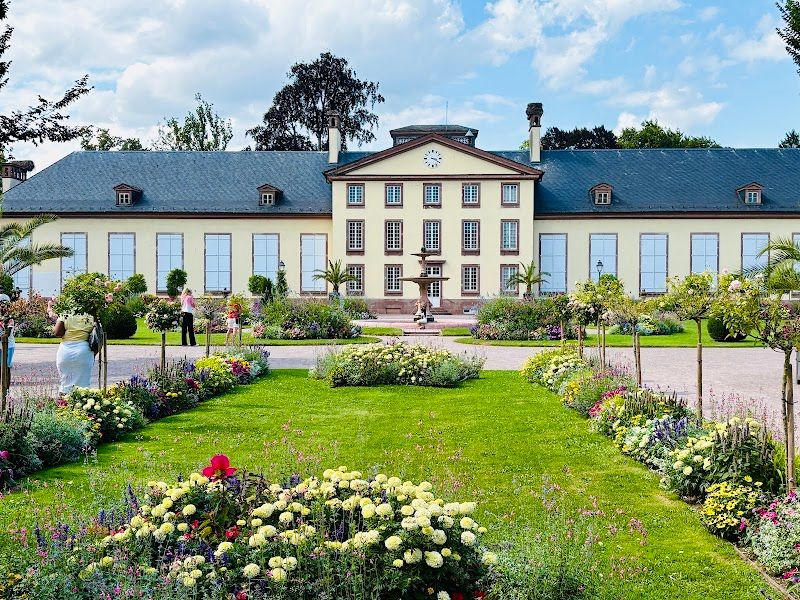
Morning Musee de l'Oeuvre Notre-Dame (EUR 6.50, medieval Alsatian art) or Palais Rohan (three museums in one palace), walk to the European Quarter and Parc de l'Orangerie (storks nesting, the symbol of Alsace), afternoon free for shopping on Grand'Ile or a boat tour of the canals (EUR 14, 70 min). Pick up rental car in the evening.

Day 3Obernai - Riquewihr - Kaysersberg

The Wine Route: North to South

Drive the D35 south from Strasbourg. Morning in Obernai (the market square, the ramparts), short detour to Mont Sainte-Odile monastery (the panoramic terrace). Drive through Barr and Mittelbergheim. Lunch at a winstub in Ribeauville. Afternoon in Riquewihr (the main street, Hugel tasting, the side streets), continue to Kaysersberg (the castle, the bakeries). Arrive in Colmar by evening.

Day 4Colmar

Colmar: Altarpiece & Canals

Unterlinden Museum at opening (EUR 13, the Isenheim Altarpiece demands an hour minimum), walk through old town to Petite Venise (the canal district, boat ride EUR 7 if you want the water perspective), lunch at a winstub in the Quartier des Tanneurs, afternoon Dominican Church (free, the Schongauer Madonna), Marche Couvert for Munster cheese and charcuterie, evening stroll and dinner.

Day 5Eguisheim - Colmar

Eguisheim & Farewell

Morning drive to Eguisheim (15 min, the circular village, walk the concentric streets, taste at Domaine Emile Beyer or Domaine Bruno Sorg). Optional: continue to Turckheim (the walled town with the night watchman). Return to Colmar for a late lunch, final kougelhopf and coffee, return rental car. Train back to Strasbourg for departure, or drive to Strasbourg airport (50 min).

Good to know

Practical bits, answered

Strasbourg and Colmar are connected by train (35 min, EUR 13-16). The wine route between them requires a car. The D35 road is well-signed and threads through vineyards between villages 5-15 minutes apart. Rent a car in Strasbourg or Colmar, return at the same city. Budget EUR 30-40/day. The villages have free parking but lots fill by 11 AM in summer.

Train between Strasbourg and Colmar (35 min, EUR 13-16). Car for the wine route (rent in Strasbourg, drop in Colmar or reverse). The wine route villages are 5-15 min apart on the D35.

Alsace is affordable by French standards. Wine tasting is free at most shops. A winstub lunch costs EUR 15-25. Hotel in Strasbourg or Colmar EUR 80-140/night. Car rental EUR 30-40/day.

Ready for Alsace?

Let DAIZ plan your Alsace days

Tell us how long you've got and what you're into. We'll build a day-by-day plan, with the bookable bits ready to lock in.

Plan my Alsace tripFree · no signup to start
Plan your Alsace trip