Alsace Wine Route
170 km of vineyards, circular medieval villages, Riesling at the cellar door for EUR 8, and castles on every hilltop
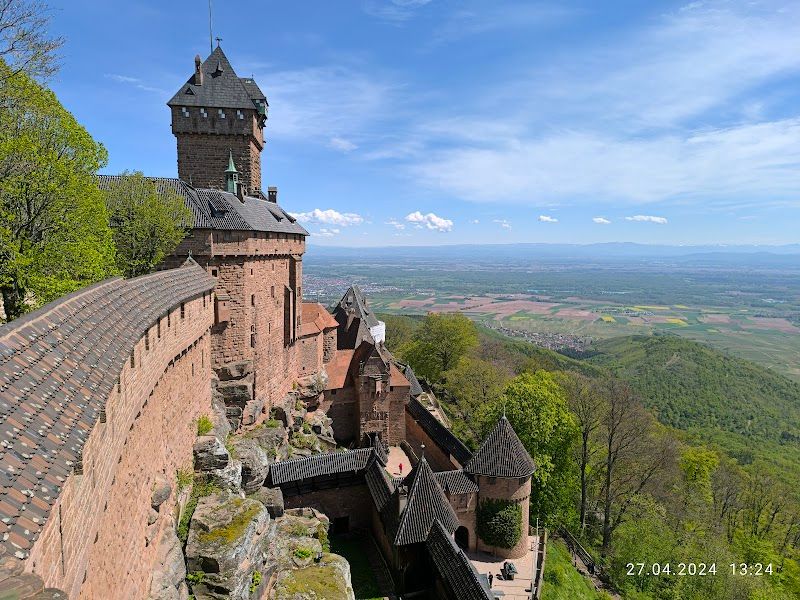
About Alsace Wine Route
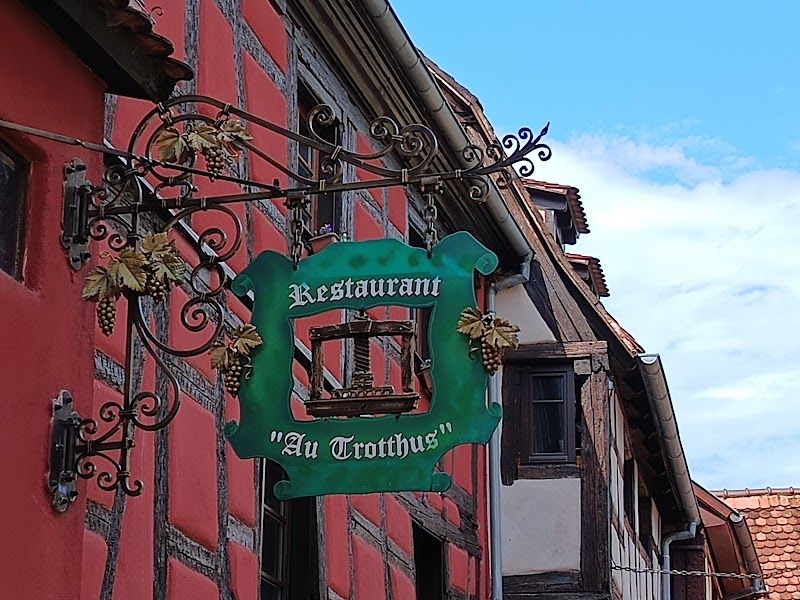
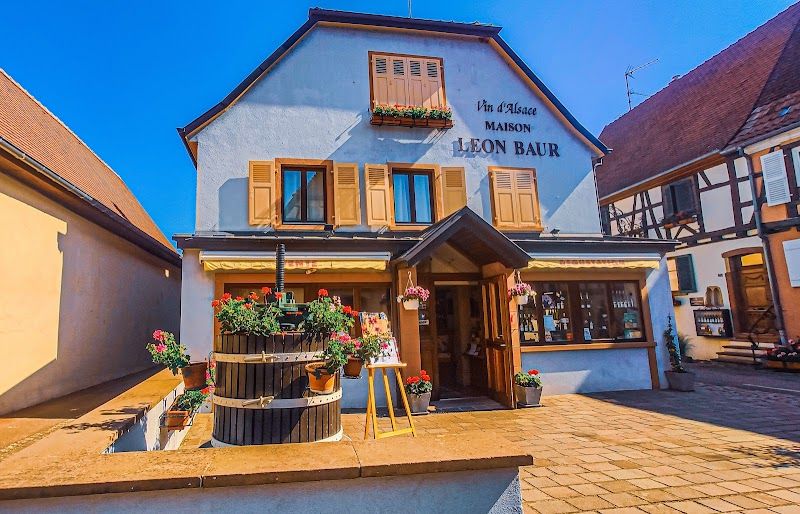
The Route des Vins d'Alsace runs 170 km from Marlenheim north of Strasbourg to Thann south of Colmar, through a ribbon of vineyards pressed between the Vosges mountains and the Rhine plain. The villages along it look like they were built to sell postcards, which they were not, they were built to make wine, and they have been doing it since the Romans planted the first vines. Eguisheim is a circular medieval village coiled around a central square that was voted France's favourite village and earns it. Riquewihr is the one every tour bus stops at because the main street is a perfect corridor of half-timbered houses, wine shops, and wisteria. Kaysersberg has the best bakeries and the Albert Schweitzer museum. Obernai has the largest town square on the route.
The wine is the point. Alsace makes white wine almost exclusively, and the quality is higher and the prices lower than most visitors expect. A bottle of Riesling from a good producer costs EUR 8-15 at the cellar door, which is half what you pay in a restaurant in Paris. Gewurztraminer (spicy, aromatic, goes with Munster cheese and foie gras), Pinot Gris (rich, honeyed), Pinot Blanc (crisp, everyday), and Cremant d'Alsace (the sparkling wine that outperforms most Champagne at a third of the price, EUR 7-10 a bottle) round out the list. Most producers offer free tastings at their shops, the larger domaines charge EUR 5-10 for a structured tasting of 5-6 wines.
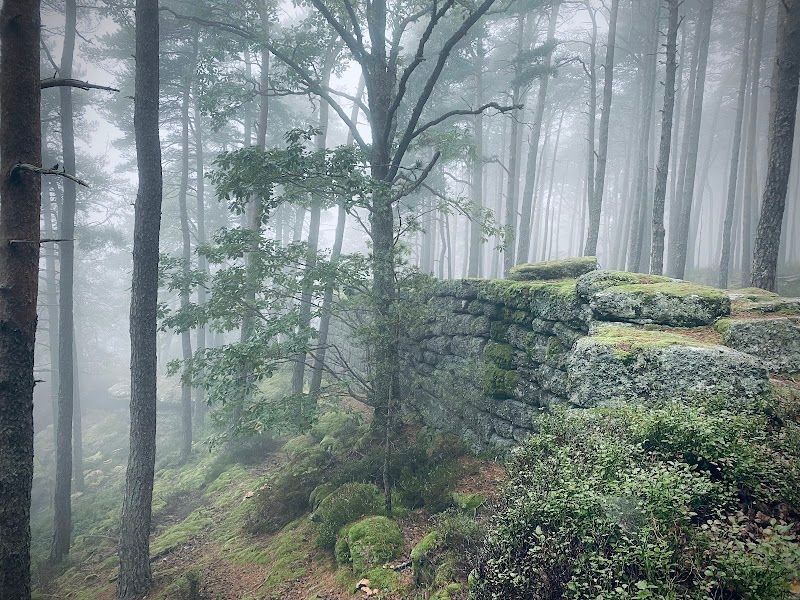
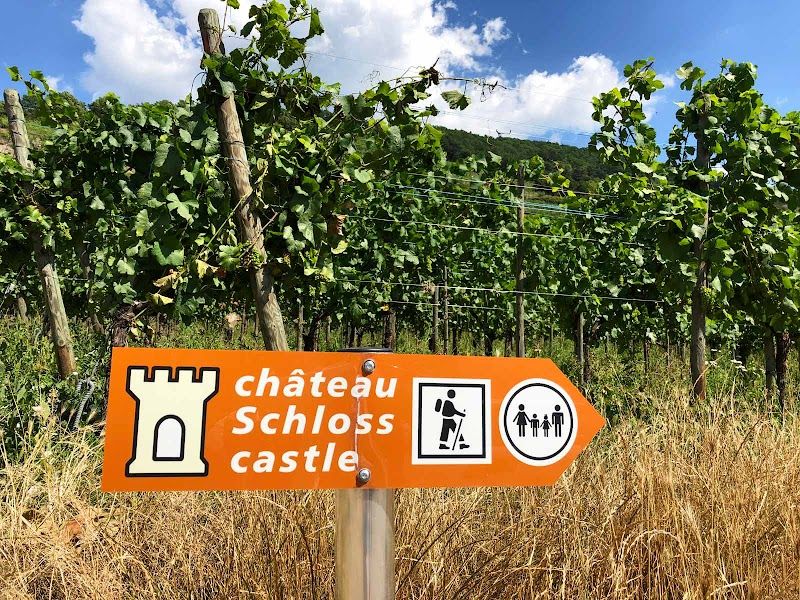
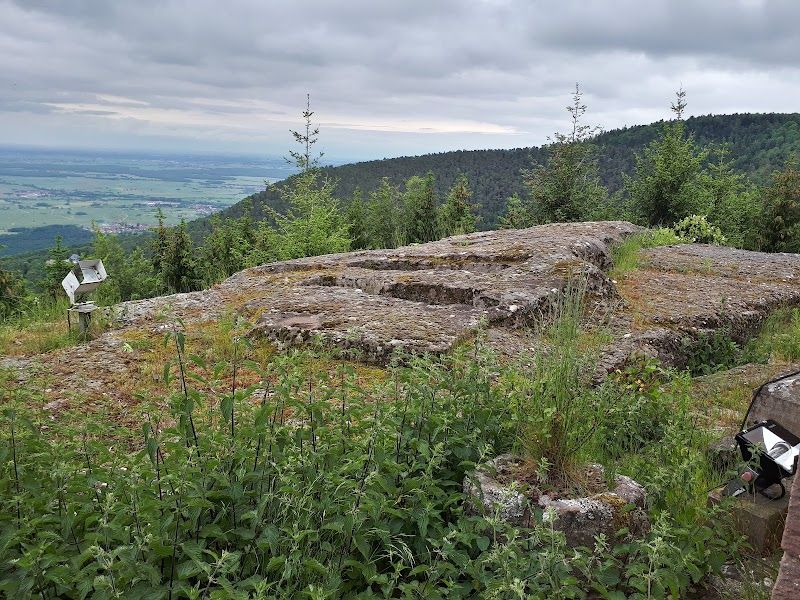
You need a car. The villages are 5-15 minutes apart along the D35 road that threads through the vines, and the landscape between them, rows of vines climbing the hillside with a ruined castle on every other peak, is half the experience. Stop at 2-3 villages per day, taste at 1-2 producers per village, eat lunch at a winstub in whichever village you find yourself in at noon, and do not try to see everything in one day because the route is 170 km long and the point is not efficiency.
Pick your base
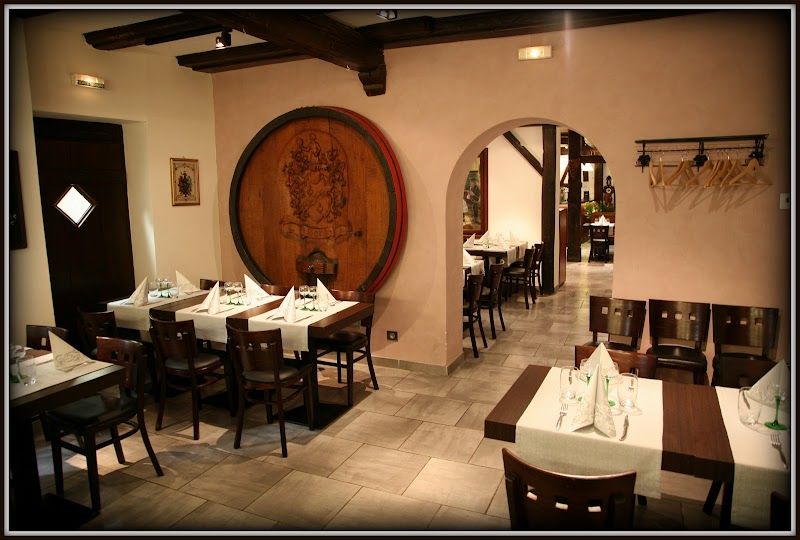
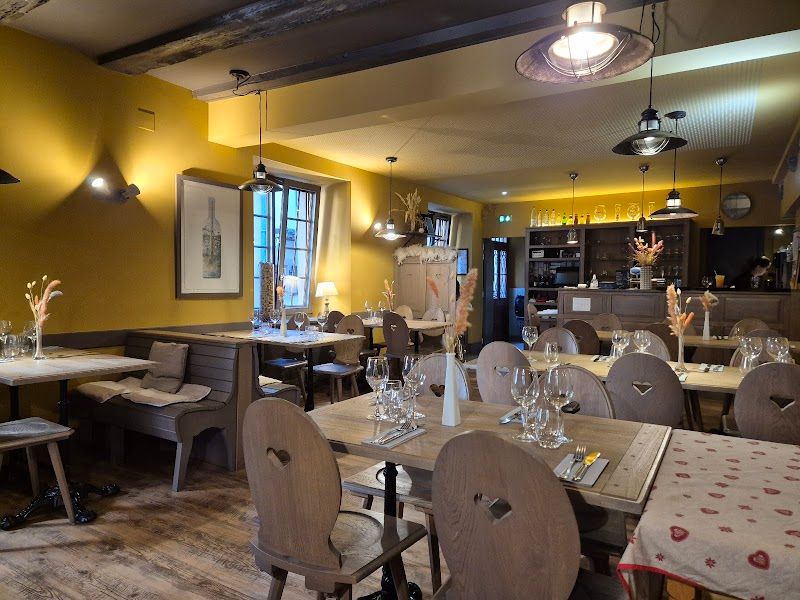
Stay in Alsace Wine Route
Real-time pricing across hotels, apartments, and ryokans. Book direct from the map.
Things to do in Alsace Wine Route
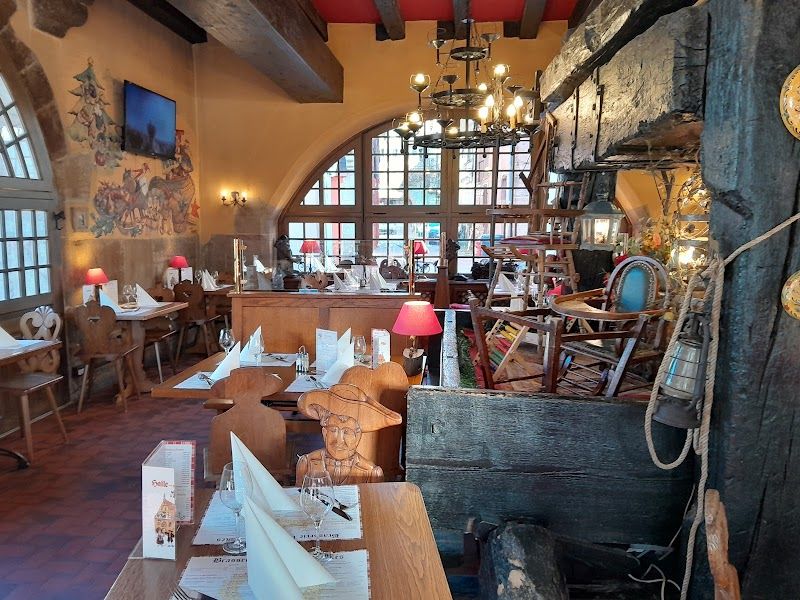
Experiences worth booking ahead
Vetted tours and tickets we'd send a friend to. The ones worth reserving before you arrive.
Travel guides
From the blog
Practical bits, answered
Yes. The villages are 5-15 minutes apart on the D35 road. Public transport exists but is limited and slow. Rent a car in Strasbourg or Colmar (EUR 30-40/day). The drive between villages, through vine rows with castles on the hilltops, is half the experience. If you only have a day without a car, Eguisheim is reachable by bus from Colmar (15 min, line 208).
3-4 villages per day is comfortable. More than that becomes a blur of half-timbered houses and wine tastings. If you only have time for one village, make it Eguisheim (the circular one). If you have time for two, add Kaysersberg (the one with substance). Riquewihr is the most visited and the most photogenic but also the most touristy.
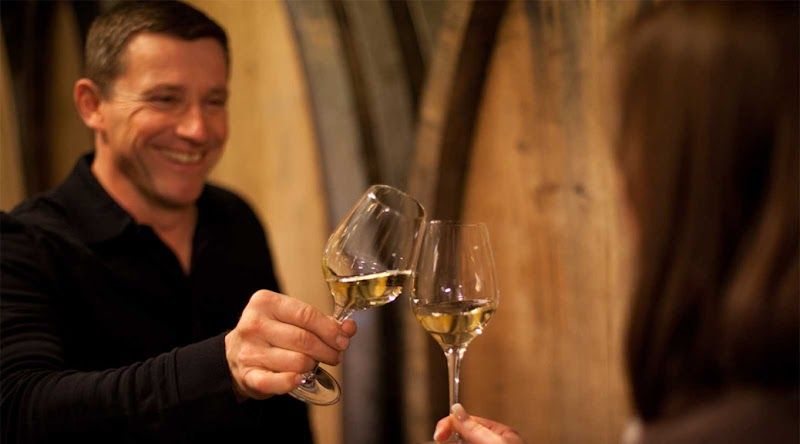
Free at most producers' shops in the villages - you walk in, they pour, you taste, you buy a bottle or two. This is the social contract. EUR 5-10 at the larger domaines for a structured tasting of 5-6 wines with explanation. Spit if you are driving - they provide spit buckets and expect it. The main wines: Riesling (the star), Gewurztraminer (the aromatic one), Pinot Gris (the rich one), Cremant d'Alsace (the sparkling bargain).
September-October for harvest season: the vineyards are active, the light is golden, and some producers let visitors join the picking. May-June is quiet with green vineyards and empty villages. July-August is high season with tour buses. December brings Christmas markets to every village. Avoid January-March when most villages are shuttered.
Let DAIZ plan your Alsace Wine Route days
Tell us how long you've got and what you're into. We'll build a day-by-day plan, with the bookable bits ready to lock in.