Planning the Alsace Wine Route without a proper map is like attempting to navigate a vineyard without knowing which rows have the good grapes. You need more than the basic tourist office brochures that show cartoon castles and omit crucial details like where to actually park your car. Our free downloadable Alsace Wine Route PDF map includes GPS coordinates, village parking zones, and winery addresses that work with your navigation system.
The Route des Vins d'Alsace stretches 170 kilometers from Marlenheim north of Strasbourg to Thann near the Swiss border. Unlike wine routes in other regions that meander aimlessly through countryside, Alsace's route follows a precise ribbon of vineyards pressed between the Vosges mountains and the Rhine plain. Every village on this route exists because of wine, and our map shows you exactly how to reach them efficiently.
What Makes a Good Alsace Wine Route Map PDF
Most Alsace wine route maps available online are either too simplified to be useful or so detailed they're unreadable on a phone screen. The tourist office map looks pretty but doesn't include practical information like where Route Départementale 35 splits from D83 near Ribeauvillé, or which villages close their centers to cars during harvest season.
Our PDF map includes:
- GPS coordinates for every major village and winery
- Public parking locations with daily rates (EUR 4-8 in peak season)
- Alternative routes when main roads are closed for festivals
- Train station connections for TER Alsace services
- Cycling route markers for the EuroVelo 5 path
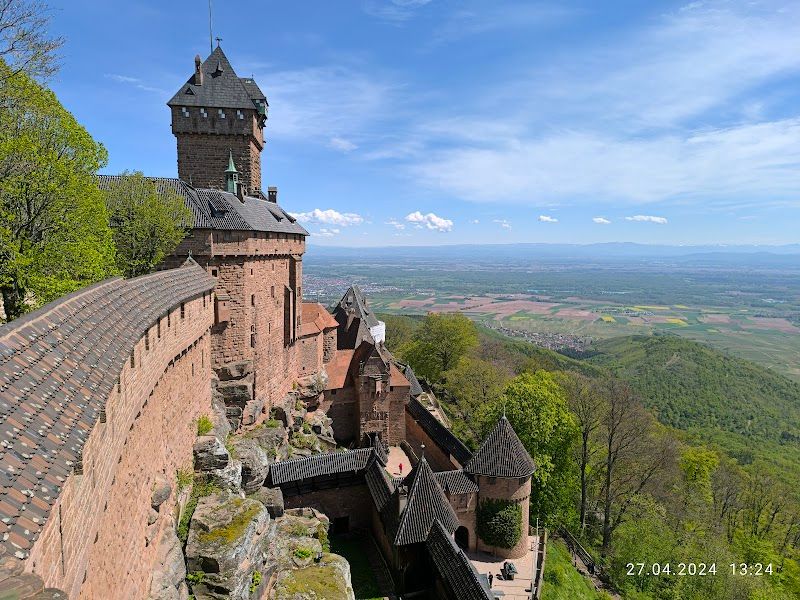
The map works offline once downloaded, crucial when you're driving through the Vosges foothills where cell coverage gets patchy. We've tested every coordinate listed, including the tricky approach to Château du Haut-Koenigsbourg where tourist GPS systems regularly send visitors to the wrong valley.
Northern Route Section: Obernai to Ribeauvillé
The northern section starts in Marlenheim but most visitors begin in Obernai, which has the largest market square on the route and direct train connections from Strasbourg (TER Alsace, EUR 7-13 advance booking). Our map marks the precise location of Obernai Market Square and Ramparts, including the medieval walls that survived both world wars.
Key coordinates for the northern section:
- Obernai town center: 48.4644°N, 7.4833°E
- Mont Sainte-Odile access road: 48.4389°N, 7.4033°E
- Barr cooperative parking: 48.4089°N, 7.4486°E
- Mittelbergheim village entrance: 48.4164°N, 7.4428°E
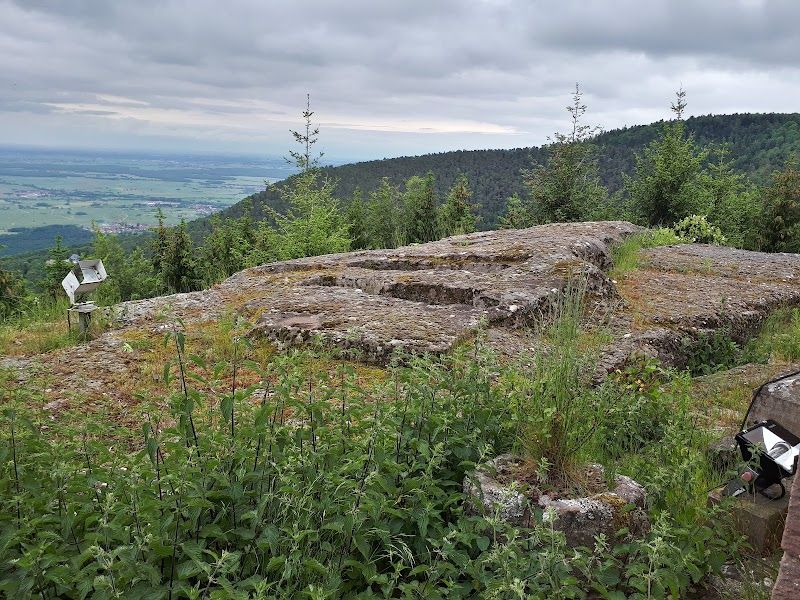
The Mont Sainte-Odile Monastery requires a detour up the mountain but offers the best panoramic view of the entire wine route. Our map shows the monastery access road (free entry, EUR 3-5 parking) and marks the trailhead for the Mur Païen, the mysterious pagan wall that predates Roman vineyards.
Between Obernai and Sélestat, the route passes through Barr and Mittelbergheim, two villages that most tourists skip but shouldn't. Barr has the region's oldest cooperative winery (Cave de Barr, founded 1902) and Mittelbergheim produces some of Alsace's best Riesling from steep vineyard terraces visible from the village center.
Central Route: The Tourist Triangle
The stretch from Sélestat to Colmar contains the three villages that appear on every Alsace postcard: Riquewihr, Kaysersberg, and Eguisheim. This is where our Alsace wine route cycle map annotations become essential, because summer traffic between these villages moves at walking pace.
Riquewihr sits at coordinates 48.1667°N, 7.2983°E, accessed via D1b from the main Route des Vins. The village closes its center to cars year-round, so our map shows the three parking areas outside the medieval walls. Public parking costs EUR 4-8 per day in high season, free November through March.
The main attraction here is Riquewihr Main Street, officially called Rue du Général de Gaulle, where every building houses a working business in a structure that's 400+ years old. The street runs exactly 350 meters from the upper gate to the lower gate, making it easily walkable even when crowded with tour groups.
Riquewihr navigation details:
- Upper parking (Parking des Remparts): 48.1672°N, 7.2962°E
- Lower parking (Parking de la Piscine): 48.1658°N, 7.3001°E
- Hugel winery entrance: 48.1665°N, 7.2978°E
- Dolder Tower base: 48.1669°N, 7.2985°E
Kaysersberg offers more substance than Riquewihr's tourist corridor. Albert Schweitzer was born here, and the Musée Albert Schweitzer occupies his childhood home at 126 Rue du Général de Gaulle. The village also has Alsace's best bakeries, particularly Boulangerie-Patisserie Gilg, which produces kougelhopf that locals drive from Colmar to buy.
The Kaysersberg Castle Ruins require a 15-minute climb from the village center but provide views across the entire Vosges valley. Our map marks the trailhead behind the church and indicates the steep sections where hiking boots are recommended.
Eguisheim: The Circular Village
Eguisheim was voted France's favorite village in 2013, and walking its circular medieval streets explains why. The village coils around a central square in two concentric circles, a layout unique in France that creates natural foot traffic flow.
Eguisheim key locations:
- Village center (Place du Château): 48.0419°N, 7.3064°E
- Outer parking area: 48.0411°N, 7.3045°E
- Cave d'Eguisheim cooperative: 48.0425°N, 7.3058°E
- Eguisheim Circular Village walk starting point: 48.0420°N, 7.3065°E
The village visit takes exactly one hour if you follow the outer rampart street clockwise from the château. This route passes every significant building and brings you back to the central square without retracing steps. Our map shows this circular walk with numbered waypoints that correspond to the village's official heritage trail.
For wine tasting in Eguisheim, Domaine Emile Beyer offers the most professional experience (EUR 18-35 for cellar tours), while the Cave d'Eguisheim cooperative provides accessible tastings (EUR 8-18) without advance booking required.
Southern Route: Colmar to Thann
South of Colmar, the wine route becomes less crowded but more authentically focused on wine production rather than tourism. Villages like Turckheim, Wintzenheim, and Guebwiller produce excellent wines with fewer tour buses clogging their main streets.
The route officially ends in Thann, but most visitors conclude their journey in Colmar, which serves as the practical base for exploring the southern villages. Colmar's old town merits a full day, particularly the Unterlinden Museum (EUR 13-15) which houses Grünewald's Issenheim Altarpiece, one of the three essential artworks to see in Alsace.
Transportation connections from Colmar:
- TER Alsace to Strasbourg: EUR 7-13 (advance booking)
- Car rental pickup: EUR 45-75 per day (economy class)
- Bike rental for village exploration: EUR 18-30 per day
Using the Map for Cycling the Wine Route
Our Alsace wine route cycle map annotations show elevation changes, bike-friendly roads, and charging stations for e-bikes. The wine route isn't flat despite looking deceptively gentle on standard maps. Gradual climbs toward the Vosges foothills make e-bikes worth the extra cost (EUR 18-30 per day vs EUR 12-18 for standard bikes).
Cycling route highlights:
- Flat section: Eguisheim to Turckheim (8km)
- Moderate climbs: Riquewihr to Ribeauvillé (12km)
- Challenging: Any approach to Haut-Koenigsbourg (200m elevation gain)
The EuroVelo 5 cycling route parallels the wine route but follows flatter valley roads rather than village centers. Our map shows where these routes intersect, allowing cyclists to choose between scenic village streets and efficient valley-floor cycling.
Practical Navigation Tips
French road signs use village names rather than route numbers, so memorize the village sequence: Obernai → Barr → Mittelbergheim → Andlau → Dambach-la-Ville → Sélestat → Bergheim → Ribeauvillé → Riquewihr → Kaysersberg → Ammerschwihr → Turckheim → Eguisheim → Colmar.
GPS coordinates for major waypoints:
- Route start (Marlenheim): 48.6237°N, 7.4969°E
- Central point (Ribeauvillé): 48.1953°N, 7.3189°E
- Route end (Thann): 47.8072°N, 7.1019°E
Parking becomes expensive and scarce during harvest season (September-October) and Christmas markets (December). Our map marks alternative parking areas outside village centers, typically a 5-10 minute walk from main attractions but always free or significantly cheaper.
Public transportation reaches most villages via TER Alsace regional trains, but the schedule requires careful planning. The Alsa Plus 24h Solo pass (EUR 19-23) provides unlimited TER access across Alsace, worthwhile if you're visiting multiple villages without a car.
Best Times to Use the Map
The wine route experiences distinct seasonal patterns that affect navigation:
May-June: Ideal weather, moderate crowds, all roads open July-August: Peak tourism, expect traffic delays in village centers September-October: Harvest season, some vineyard roads closed, premium accommodation rates November-March: Minimal crowds, many wineries closed Mondays-Tuesdays December: Christmas markets, accommodation requires advance booking
Our map includes seasonal annotations showing which villages host Christmas markets and when harvest restrictions affect certain roads. During Christmas market season, Strasbourg accommodation should be reserved months ahead, while wine village hotels become available again after December 24.
Integration with Existing Travel Plans
The wine route connects logically with other Alsace attractions. First-time visitors should allow 2-3 days minimum, while focused 1-2 day itineraries can cover the essential villages efficiently.
For dining, our comprehensive food guide complements the map with restaurant coordinates and reservation requirements. Villages like Kaysersberg have multiple excellent winstubs (Winstub du Chambellan, Winstub du Chateau) that require advance booking during peak season.
Download Instructions and Map Features
Our best Alsace wine route map PDF downloads as a 2.8MB file optimized for mobile viewing and offline use. The map uses layers that can be toggled on/off: village centers, wineries, parking areas, cycling routes, and train stations.
Technical specifications:
- File format: PDF (compatible with all devices)
- Offline capability: Full functionality without internet
- Print quality: 300 DPI for physical copies
- Mobile optimization: Readable on smartphone screens
- GPS compatibility: Coordinates copy-paste into navigation apps
The map includes QR codes linking to detailed information about major attractions, allowing quick access to current opening hours, admission prices, and booking requirements when you have internet access.
This isn't just another pretty tourist map. It's a working tool tested by travelers who've driven every kilometer of the route, parked in every village, and tasted wines at dozens of domains. Download it before you go, and you'll spend more time enjoying Alsace wines and less time figuring out where to park.