Oslo · Aker Brygge & Tjuvholmen

Engebret Café

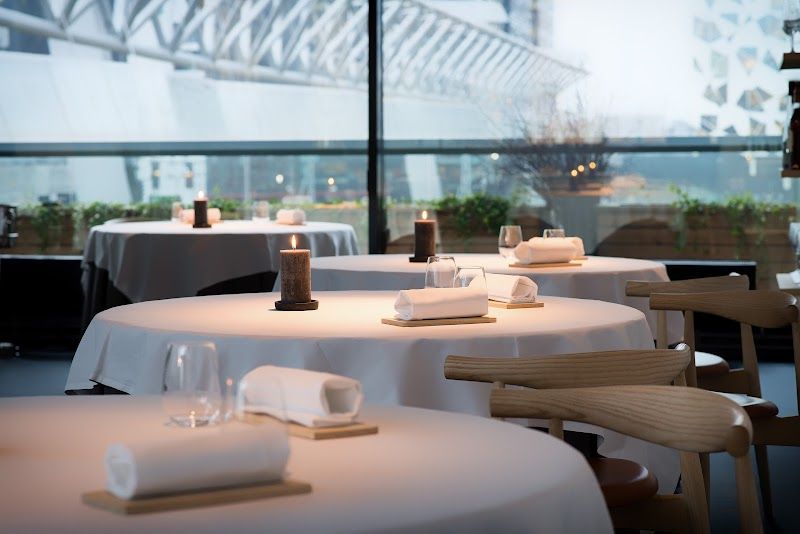
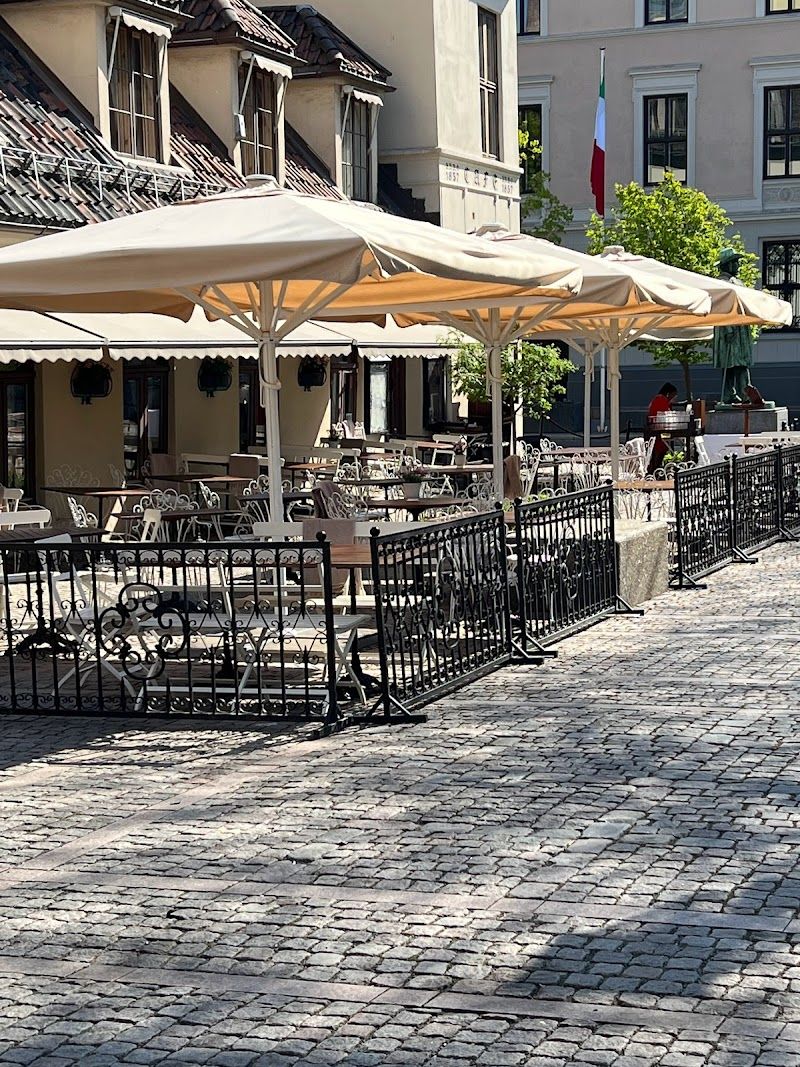
Oslo's oldest restaurant, established 1857, serving traditional Norwegian dishes in a historic dining room near City Hall.
Engebret Café, Oslo · Aker Brygge & Tjuvholmen
Category
Restaurant
Duration
1h 45m
Best Time
Any time
Entry
€€€
Rating
4.5 (1,746)
The place

About Engebret Café

Oslo's oldest restaurant, established 1857, serving traditional Norwegian dishes in a historic dining room near City Hall. The menu features farikal (lamb and cabbage stew, NOK 285) and lutefisk during Christmas season. The interior preserves original 19th-century woodwork and Norwegian folk art.

Book ahead

Book Tickets

Live availability and skip-the-line options from our booking partners.

Search on Viator →Search on GetYourGuide →

Booking powered by our partners. DAIZ may earn a commission.

The details

Practical bits

WalkingMinimal walking
The place

Getting there

Address
Bankplassen 1, 0151 Oslo, Norway
Neighborhood
Aker Brygge & Tjuvholmen
View on Google Maps →
Good to know

Tips, answered

The dagens rett lunch special (NOK 195, weekdays 11:30-3 PM) offers the same quality as dinner mains at nearly half the price

Plan for about 1h 45m.

Engebret Café is in the Aker Brygge & Tjuvholmen neighborhood of Oslo. The address is Bankplassen 1, 0151 Oslo, Norway. The area is well-served by metro.

This works well at any time of day, though mornings tend to be quieter. Weekdays are less crowded than weekends.

Closed on Sunday. Check the official website for holiday closures and special hours.

Around the corner

Nearby in Aker Brygge & Tjuvholmen
Explore all →
Akershus festning
Park & Garden

Akershus festning

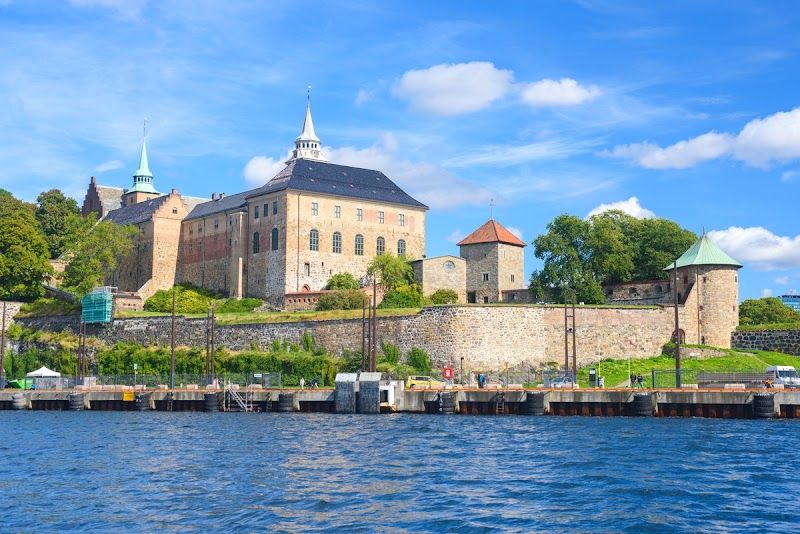
Akershus Fortress is Oslo's 700-year-old castle perched on a rocky outcrop above the harbor, offering some of the city's best fjord views for free. You'll walk medieval ramparts where cannons still point toward the water, explore courtyards where Norwegian kings once held court, and climb stone walls that defended Oslo through Viking raids, Danish rule, and Nazi occupation. The fortress grounds are completely free to roam, while the castle interior and Norwegian Resistance Museum cost NOK 130 combined if you want the full historical deep dive. Walking these ramparts feels like having Oslo's harbor spread out below you on a map. The stone walls are thick enough to stroll along comfortably, with cannon emplacements every few meters and benches positioned at the best viewpoints. Inside the castle, you'll find surprisingly well-preserved royal halls and chapels, though the real draw is the Resistance Museum's sobering displays about Norway's World War II underground fighters. The contrast between medieval stone and modern harbor development creates this odd time warp effect that works better than it should. Most visitors spend too much time in the castle interior when the rampart walks are the real prize here. The NOK 130 museum ticket is worth it only if you're genuinely interested in resistance history, otherwise save your money and stick to the free grounds. Come late afternoon when the light hits the fjord just right and you'll have better photos than from the expensive observation decks downtown. The cafe inside charges tourist prices for mediocre food, so eat elsewhere.

1.5-2 hoursExplore
Nasjonalmuseet
Museum

Nasjonalmuseet

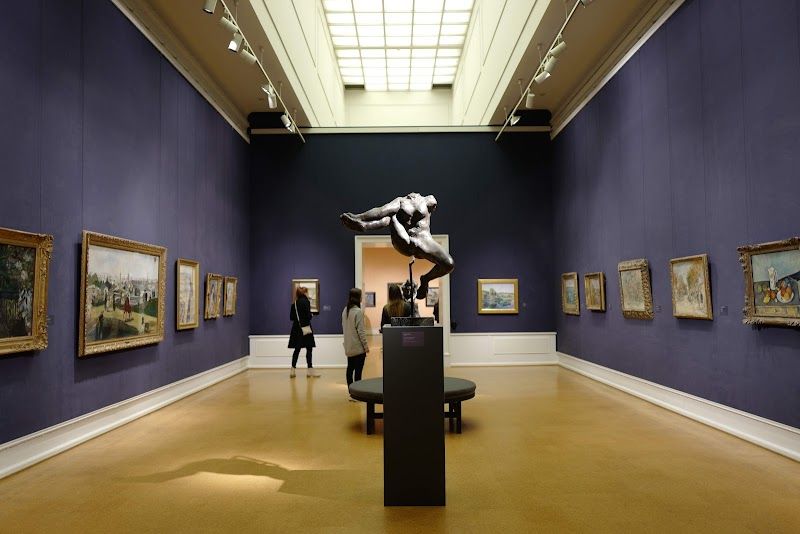
Norway's largest art museum houses an impressive collection spanning 5,000 years, from ancient artifacts to cutting-edge contemporary works. You'll find Norway's most famous painting, Munch's 'The Scream,' alongside masterpieces by Picasso, Monet, and Renoir. The building itself is stunning: the Light Hall soars 16 meters high with floor-to-ceiling windows overlooking the harbor, while specialized galleries showcase everything from Viking-era jewelry to avant-garde installations. The museum flows logically across four floors, starting with antiquities in the basement and climbing through Norwegian Golden Age paintings to modern art on the upper levels. The Light Hall dominates the ground floor and serves as both exhibition space and social hub where locals meet for coffee. Each gallery feels thoughtfully curated rather than overwhelming, and the natural light throughout makes even medieval artifacts feel alive. The rooftop terrace offers genuine respite with harbor views and outdoor sculptures. Most guides don't mention that permanent collection admission costs 200 NOK for adults but includes everything except special exhibitions. Skip the audio guide (100 NOK extra) and use the free app instead. The museum gets packed on free Thursday evenings and weekend afternoons. Come Tuesday or Wednesday mornings for the best experience, and don't try to see everything in one visit. Focus on floors 2-3 for the Norwegian masters, then head to the Light Hall.

2-3 hoursExplore
Astrup Fearnley Museet
Museum

Astrup Fearnley Museet

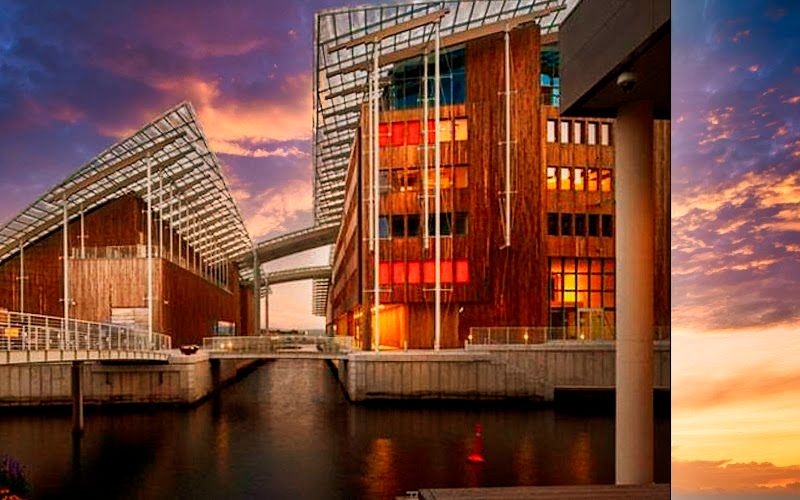
Astrup Fearnley Museet houses one of Scandinavia's strongest contemporary art collections in a Renzo Piano building that's genuinely spectacular. You'll find Jeff Koons balloon dogs, Damien Hirst installations, and Cindy Sherman photographs across two glass pavilions connected by floating walkways. The architecture steals the show: a canal literally flows beneath the building, and there's a dedicated sculpture island accessible by bridge where massive outdoor works change seasonally. The experience flows between indoor galleries and outdoor terraces with fjord views that most art museums can only dream of. Piano's glass walls flood the spaces with natural light, making the art feel alive rather than sterile. The sculpture island becomes almost meditative, especially when fewer visitors are around. You'll spend time moving between the two main pavilions, each with different temporary exhibitions alongside rotating displays from the permanent collection. Admission costs 150 NOK for adults, but it's free Thursday evenings from 5pm to 7pm (expect crowds then). Skip the ground floor shop area and head straight to the upper galleries where the best pieces live. The temporary exhibitions can be hit or miss, so check what's on before visiting. The outdoor sculpture island is actually more impressive than some indoor galleries, and it's included with admission.

1.5-2 hoursExplore
Kulturhistorisk museum
Museum

Kulturhistorisk museum

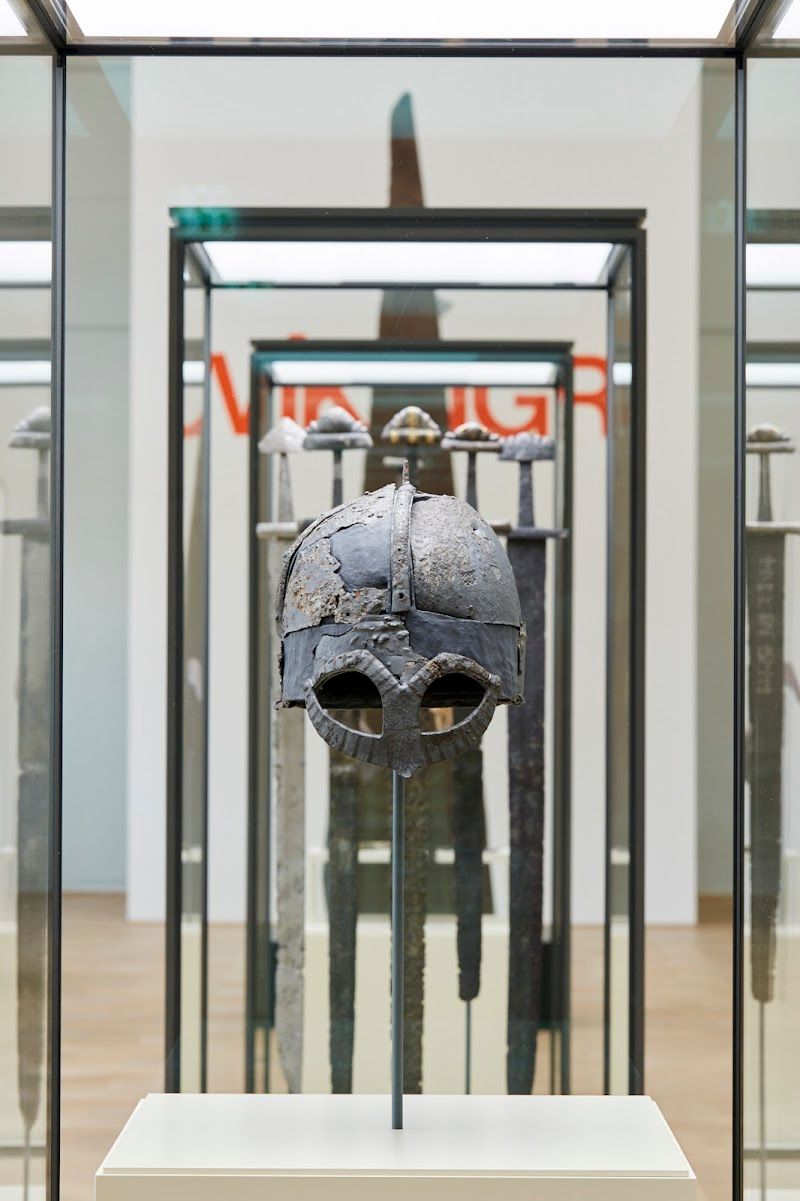
The Kulturhistorisk museum houses Norway's most important Viking collection while the famous ship museum undergoes renovation. You'll find genuine Viking weapons, jewelry, and daily objects that paint a complete picture of medieval Scandinavian life. The highlight is the massive gold treasure hoard and intricately carved medieval church portals that tower above you. Free entry to permanent collections makes this Oslo's best museum value. The building feels like a scaled-down British Museum with high ceilings and marble floors that echo your footsteps. The Viking exhibition on the ground floor draws crowds around the weapon displays and reconstructed burial sites. Upstairs, the medieval church art section stays surprisingly quiet, giving you space to examine wooden stave church portals up close. The atmosphere is scholarly but accessible, with excellent English descriptions throughout. Most visitors rush through to tick boxes, but you should spend at least 90 minutes to absorb the context properly. The temporary exhibitions cost extra (usually 100-150 NOK) and are hit or miss. Skip the ethnographic sections on upper floors unless you're genuinely interested in Arctic cultures. The museum shop is overpriced, but the cafe serves decent coffee if you need a break between floors.

1.5-2 hoursExplore
Båtservice Sightseeing
Tour

Båtservice Sightseeing

This two-hour fjord cruise from Aker Brygge gives you Oslo's skyline from the best possible angle: water level. You'll circle Hovedøya island, cruise under the Nesodden ferry crossing, and get unobstructed views of the Opera House's slanted roof and the towering Barcode buildings that define modern Oslo. The boat has heated indoor seating with floor-to-ceiling windows plus an outdoor deck for photos. The commentary runs in both Norwegian and English, covering everything from medieval fortress history to modern architecture. You'll feel the shift from urban harbor to open fjord as you round Hovedøya, then back through the ferry lanes where massive Nesodden boats cross overhead. The return journey offers completely different lighting on the same landmarks, especially dramatic in late afternoon when the glass towers catch golden light. At 350 NOK for adults, it's reasonably priced for what you get. Most other Oslo boat tours either skip the inner fjord or cost significantly more for longer routes you don't need. The afternoon departure works best for photography, and you don't need advance booking unless it's peak summer. Skip the expensive snack bar onboard and grab coffee beforehand.

2 hoursExplore
Vikingskipshuset
Museum

Vikingskipshuset

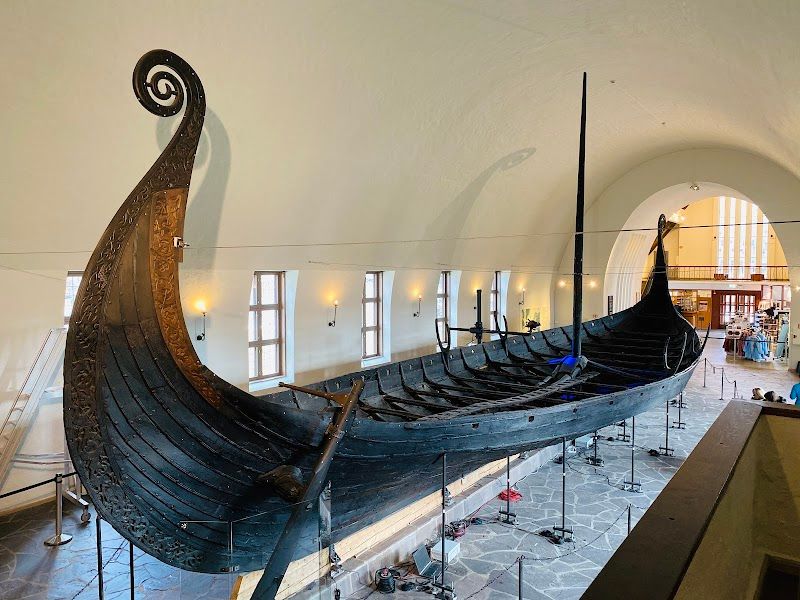
The Viking Ship Museum houses three genuine 9th-century burial ships discovered in Norwegian fjords, including the spectacular Oseberg ship with its intricate wood carvings and the sturdy Gokstad vessel. These aren't replicas or fragments: you're looking at actual ships that carried Viking chieftains to their final rest over 1,000 years ago. The artifacts buried alongside them, from ornate sleighs to everyday tools, paint the most complete picture you'll find anywhere of how Vikings actually lived and died. Right now though, you can't visit at all. The museum closed in 2019 for a massive renovation that won't finish until at least 2026, possibly later. The ships are being painstakingly conserved in climate-controlled storage while architects build a completely new museum around them. When it reopens, the space will be three times larger with interactive displays and better lighting, but for now the site sits empty behind construction barriers. Honestly, this closure is a huge loss for Oslo tourism, and the timeline keeps slipping. The old museum was cramped and poorly lit, sure, but seeing those ships up close was genuinely breathtaking. Your best alternative is the Museum of Cultural History at the University of Oslo, which has an excellent Viking collection including weapons, jewelry, and household items. It's not the same impact as standing next to a full ship, but it's what we've got until this renovation finally finishes.

1-1.5 hoursExplore
More on Oslo

From the blog

View all →
Ready for Oslo?

Let DAIZ plan your Oslo days

Tell us how long you've got and what you're into. We'll build a day-by-day plan, with the bookable bits ready to lock in.

Plan my Oslo tripFree · no signup to start
Plan your Oslo trip