Oslo might be Europe's most expensive city, but the oslo travel pass system doesn't have to break your budget if you understand the math. The city offers both the comprehensive Oslo Pass (NOK 495 for 24 hours) and separate transport passes, each serving different travel styles. After testing both options across multiple trips, the answer to whether these passes are worth it depends entirely on how you plan to spend your days in Norway's capital.
The short answer: The Oslo Pass pays for itself if you visit 3-4 major attractions and use public transport extensively. The standalone transport pass makes sense for longer stays focused on free attractions.
Understanding Oslo's Travel Pass Options
Oslo offers two distinct pass systems that travelers often confuse. The oslo city travel pass (officially called the Oslo Pass) bundles attractions with transport, while the separate oslo transport pass covers only public transit.
The Oslo Pass: All-In-One Tourism
The Oslo Pass includes free entry to over 30 museums and attractions plus unlimited public transport within all zones. The 2026 pricing structure is straightforward:
- 24 hours: NOK 495
- 48 hours: NOK 695
- 72 hours: NOK 895
Children aged 4-15 receive 50% discounts, and kids under 4 enter attractions free regardless. The pass covers heavyweight attractions like the Munch Museum with its 13 floors of Edvard Munch works, the Holmenkollen Ski Jump with panoramic city views, and the Norwegian Folk Museum's authentic stave church.
Less obvious inclusions add value for specific interests. The Kon-Tiki Museum showcases Thor Heyerdahl's Pacific expeditions, the Kulturhistorisk Museum houses Viking artifacts, and the Emanuel Vigeland Museum (brother of Gustav Vigeland) offers an entirely different artistic perspective than the famous sculpture park.
Standalone Transport Passes
If you prefer cherry-picking attractions, Oslo's public transport runs on a zone system with these oslo pass price options:
- Single ticket (zones 1-2): NOK 40 (1-hour validity)
- 24-hour pass (all zones): NOK 130
- 7-day pass (all zones): NOK 390
Most central attractions fall within zones 1-2, but popular destinations like Holmenkollen (zone 3) and the Norwegian Folk Museum at Bygdøy (special ferry zone) require broader coverage. The Ruter app handles ticket purchases, but physical machines at metro stations accept cards and cash.
Transport Zone Geography
Understanding Oslo's transport zones prevents costly mistakes:
Zone 1: Central Oslo including Karl Johans gate, the Opera House, Aker Brygge, and Grünerløkka Zone 2: Extends to Frogner Park, the Royal Palace area, and most tourist accommodations Zone 3: Includes Holmenkollen, some outer residential areas Special zones: Bygdøy peninsula (museums), Oslo Airport (separate pricing)
The hourly ticket system allows transfers between metro, bus, and tram within your purchased zones. A common mistake is buying zones 1-2 tickets then discovering your hotel sits in zone 3.
Breaking Down the Oslo Pass Value Proposition
To determine if the oslo pass is worth it, we calculated costs for different itinerary types using 2026 admission prices.
High-Value Scenario: Museum Hopper
A culture-focused day might include:
- Munch Museum: NOK 160
- National Museum: NOK 150
- Astrup Fearnley Museum: NOK 150
- Holmenkollen Ski Jump: NOK 160
- Norwegian Folk Museum: NOK 180
- 24-hour transport pass: NOK 130
Total individual cost: NOK 930 Oslo Pass cost: NOK 495 Savings: NOK 435 (47% discount)
This aggressive schedule requires early starts and efficient transport. The Munch opens at 10:00, allowing morning visits before afternoon trips to Holmenkollen (30 minutes by metro) and the folk museum at Bygdøy (bus plus ferry).
Moderate Scenario: Balanced Sightseeing
A typical first-time visitor might choose:
- Munch Museum: NOK 160
- Vigeland Sculpture Park: Free
- Oslo Opera House roof walk: Free
- Fram Museum: NOK 140
- Royal Palace guided tour: NOK 165
- 24-hour transport pass: NOK 130
Total individual cost: NOK 595 Oslo Pass cost: NOK 495 Savings: NOK 100 (17% discount)
This balanced approach mixes paid attractions with Oslo's excellent free offerings. The Royal Palace tours only run during summer months (June-August) and require advance booking, making the Oslo Pass's inclusion particularly valuable during peak season.
Low-Value Scenario: Free Attractions Focus
Budget-conscious visitors emphasizing free activities:
- Vigeland Sculpture Park: Free
- Akershus Fortress grounds: Free
- Oslo Opera House roof walk: Free
- Aker Brygge waterfront: Free
- Ekebergparken Sculpture Park: Free
- Oslo Cathedral: Free
- 24-hour transport pass: NOK 130
Total cost: NOK 130 Oslo Pass would cost: NOK 495 Waste: NOK 365
This scenario demonstrates Oslo's abundance of free attractions. The sculpture parks alone provide full-day experiences, while the waterfront areas offer dining and people-watching without admission fees.
Detailed Transport Economics
Oslo's public transport network covers metro (T-bane), buses, trams, and local trains under Ruter's unified system. The oslo transport pass pricing reflects one of Europe's more expensive transit systems, but the coverage is comprehensive.
Daily Transport Calculations
Breaking down typical daily transport needs:
Heavy transport user (staying outside center, multiple neighborhoods daily):
- Hotel to Sentrum: NOK 40
- Sentrum to Bygdøy museums: NOK 40
- Bygdøy to Frogner: NOK 40
- Frogner to Grünerløkka: NOK 40
- Return to hotel: NOK 40 Total: NOK 200 (daily pass saves NOK 70)
Moderate user (central accommodation, 2-3 transport segments):
- Morning museum trip: NOK 40
- Afternoon neighborhood change: NOK 40
- Evening return: NOK 40 Total: NOK 120 (daily pass saves minimal money)
Walker (central base, strategic transport):
- Single longer trip (airport or Holmenkollen): NOK 40-130 Total: Under NOK 130 (individual tickets better value)
Airport Transfer Strategy
Your oslo card benefits don't include premium airport services, creating decision points:
Flytoget Express (NOK 230): 19 minutes to Central Station, premium comfort, not included in any pass Regular train (NOK 130): 23 minutes to Central Station, included in transport passes Airport bus (NOK 190): 45-60 minutes, multiple city stops, not included in passes Taxi (NOK 800-1200): Door-to-door service, price varies by traffic and destination
Strategy: Buy a 7-day transport pass if staying longer than 5 days and using regular airport train. Otherwise, pay individually for airport transfers and evaluate daily passes separately.
Neighborhood-Specific Pass Strategies
Sentrum & Grünerløkka Deep Dive
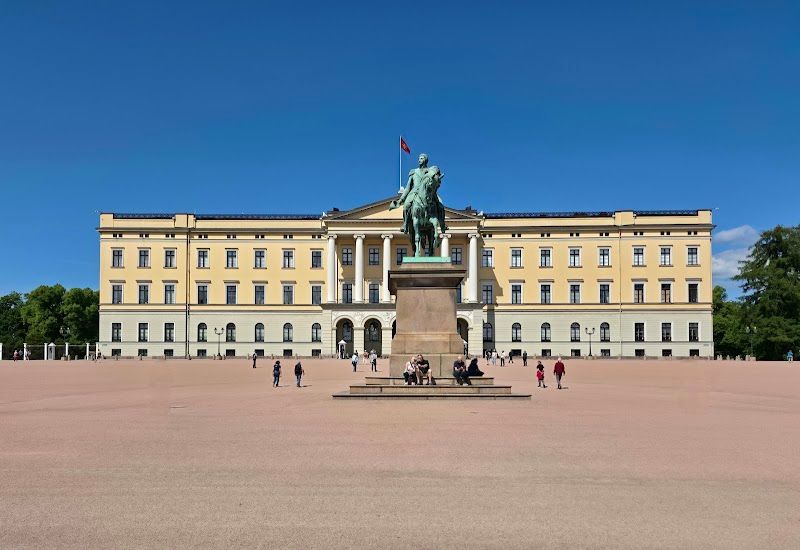
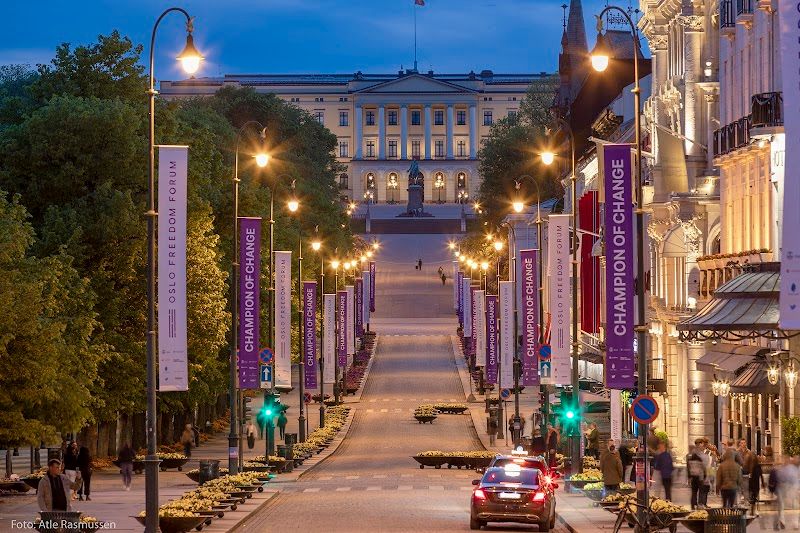
Sentrum & Grünerløkka contains Oslo's highest concentration of walkable attractions. The 900-meter Karl Johans gate connects Oslo Central Station to the Royal Palace, passing the Stortinget (Parliament), Oslo Cathedral, and numerous shops.
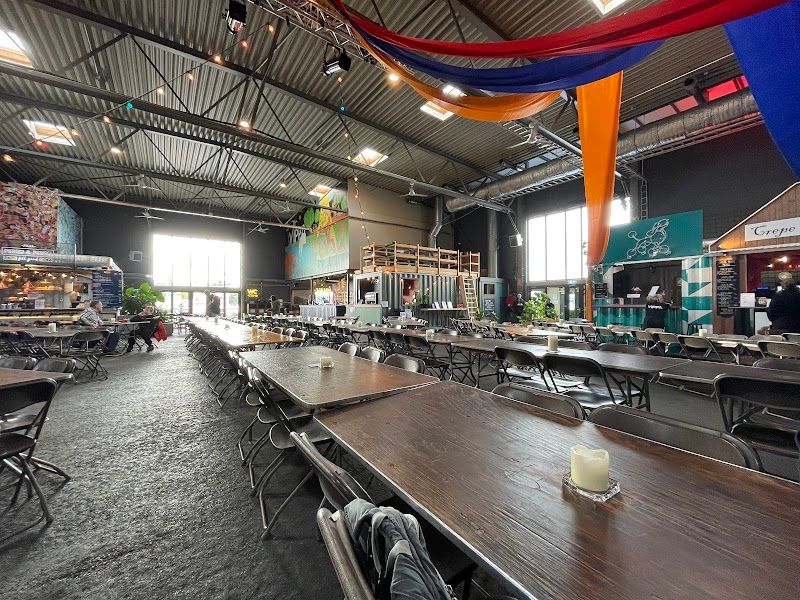
From this central spine, Mathallen Oslo lies 15 minutes north in Grünerløkka, accessible via tram 11, 12, or 13 from Jernbanetorget. Coffee culture thrives here with specialists like Tim Wendelboe and Fuglen within walking distance of food halls and vintage shops.
Transport strategy: Stay near Karl Johans gate and walk most attractions. Use individual tickets for targeted trips to Grünerløkka or waterfront areas.
Frogner & Vigeland Calculations
Frogner & Vigeland offers Oslo's best mix of residential charm and major attractions. The Vigeland Sculpture Park anchors the area with Gustav Vigeland's 200+ sculptures spread across 80 acres. The adjacent Frognerparken extends the green space with swimming areas and sports facilities.
Accommodations in this neighborhood put you walking distance from the park (saving transport costs) but require trams or buses to reach waterfront attractions. Tram 12 connects directly to Aker Brygge, while multiple bus lines serve the Opera House area.
Pass strategy: The oslo pass worth it calculation improves here since you're already near free major attractions and mainly need transport for museum visits.
Bjørvika & Opera Maximum Value
The Bjørvika & Opera neighborhood represents Oslo's newest development, built on former industrial harbor land. The Munch Museum towers over the area with 13 floors displaying the world's largest Edvard Munch collection, while the Deichman Bjørvika library provides free cultural programming and harbor views.
This district maximizes Oslo Pass value through attraction density. The Opera House (free roof access, paid performances), Munch Museum (NOK 160), and various harbor activities cluster within 500 meters. The new Lambda development adds contemporary architecture and waterfront dining.
Strategy: Base yourself here for maximum pass efficiency, using the Opera House as your central landmark for navigation.
Advanced Oslo Pass Optimization
Seasonal Value Fluctuations
Oslo Pass benefits change dramatically with seasons:
Summer (June-August):
- Royal Palace tours available (NOK 165 value)
- Outdoor sculptures and parks at peak appeal
- Longer daylight hours (19+ hours in June)
- Higher accommodation costs increase pass appeal
- Ferry services to Bygdøy operate frequently
Winter (December-February):
- Indoor attractions become more valuable
- Holmenkollen offers skiing and winter sports context
- Shorter days (6 hours in December) compress sightseeing
- Some outdoor attractions less appealing
- Transport passes more valuable due to weather
Shoulder seasons (March-May, September-November):
- Moderate weather balances indoor/outdoor activities
- Lower tourist crowds improve museum experiences
- Variable weather makes pass flexibility valuable
- Some seasonal attractions have limited hours
Cultural Event Integration
Oslo Pass holders receive discounts at partnered events and festivals. The annual Oslo Jazz Festival (August), Northern Lights Festival (February), and Oslo International Film Festival (November) offer pass holder benefits ranging from ticket discounts to priority booking.
The Norwegian National Opera provides pass holders with 20% discounts on same-day performance tickets when available. While not guaranteed, this benefit can offset significant portions of pass costs for culture enthusiasts.
Restaurant and Retail Benefits
Beyond attraction admissions, oslo card benefits extend to participating restaurants and shops:
Restaurant discounts: 10-20% at participating establishments, including some in Mathallen Oslo and waterfront areas Retail discounts: Souvenir shops, bookstores, and design boutiques offer pass holder reductions Cafe partnerships: Several coffee shops provide free pastries or drink upgrades
These ancillary benefits rarely justify pass purchases alone but improve overall value for multi-day visitors.
Money-Saving Alternatives and Combinations
Student and Senior Strategies
Norway's commitment to education and senior welfare creates significant discount opportunities:
Student discounts: Valid international student ID cards typically provide 50% reductions at major museums, potentially beating Oslo Pass rates for heavy museum users under 26 Senior discounts: Ages 65+ receive reduced admission at most attractions, though not as dramatic as student rates Group rates: Families or friend groups of 4+ often qualify for group pricing that undercuts individual pass purchases
Free Oslo Maximization
Oslo offers more free attractions than most European capitals:
Sculpture parks: Vigeland (downtown), Ekebergparken (southern hills with city views), and smaller installations throughout Architecture: Opera House roof access, Barcode development viewing, Astrup Fearnley building exterior (Renzo Piano design) Waterfront: Aker Brygge promenade, Tjuvholmen sculptures, harbor swimming areas Religious sites: Oslo Cathedral, various historic churches with free entry Markets: Youngstorget Saturday market, various neighborhood markets
Free day strategy: Alternate between pass-heavy museum days and free activity days to maximize both experiences and value.
Hybrid Approaches
Smart travelers combine pass types based on itinerary phases:
Arrival strategy: Use 24-hour transport pass for orientation and free attractions, then evaluate Oslo Pass needs Departure strategy: Buy Oslo Pass for final 1-2 days to maximize museum visits before leaving Weather hedging: Keep transport pass active throughout stay, add Oslo Pass for bad weather days when indoor attractions become priorities
Final Verdict: Is the Oslo Travel Pass Worth It?
The oslo travel pass makes financial sense for specific traveler types:
Buy the Oslo Pass if you:
- Plan to visit 3+ major museums in 24 hours
- Want transport flexibility without calculating costs
- Prefer structured sightseeing over spontaneous exploration
- Visit during shoulder/peak seasons when skip-the-line matters
- Stay in Oslo for 1-3 days with intensive cultural focus
- Travel with children (half-price passes improve family math)
If Oslo is one stop rather than the whole trip, Bergen vs Oslo covers how to split your days between the two, which changes the math considerably.
Skip the Oslo Pass if you:
- Prioritize free attractions (parks, waterfront, Opera House roof)
- Stay longer than 3 days (daily costs accumulate)
- Focus on food/nightlife over cultural attractions
- Have significant walking stamina for this compact city
- Visit primarily during summer with outdoor activity focus
- Already hold student/senior ID for individual attraction discounts
Choose transport-only passes if you:
- Cherry-pick 1-2 major attractions per day
- Stay in outer neighborhoods requiring regular transit
- Visit for 4+ days (7-day pass becomes economical at NOK 390)
- Plan to explore beyond central Oslo zones
- Want flexibility to skip tourist attractions some days
Oslo's expense reputation stems partly from restaurant and accommodation costs rather than attraction pricing. The city's commitment to free cultural access (sculpture parks, Opera House roof, fortress grounds, cathedral) means budget-conscious travelers can experience substantial Oslo highlights without passes.
For comprehensive cultural immersion, the Oslo Pass delivers clear value through both cost savings and logistical convenience. For casual exploration mixing free and paid activities, individual tickets offer better flexibility. The key is honest assessment of your sightseeing intensity and realistic daily itinerary planning.
Start with our first-time Oslo guide to understand the city layout, then map specific attractions using our 2-3 day itinerary, or use the Oslo hub to see the neighborhoods and attractions in one view. Once you know your must-see list, the pass mathematics become straightforward. In a city where a mid-range dinner costs NOK 500+ per person, every strategic tourist choice impacts your overall Oslo travel budget.