Oslo
An opera house you walk on, The Scream in a 13-floor museum, a free sculpture park, and fjord islands 10 minutes from the centre
About Oslo
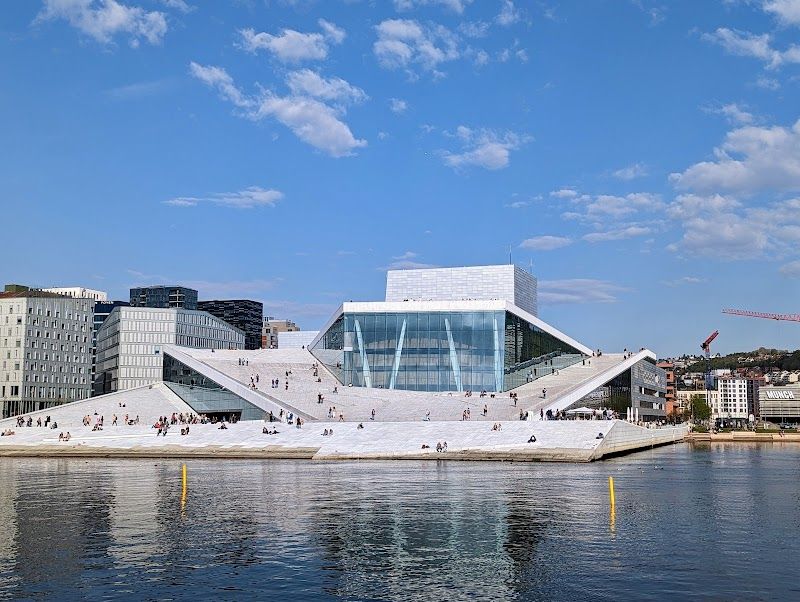
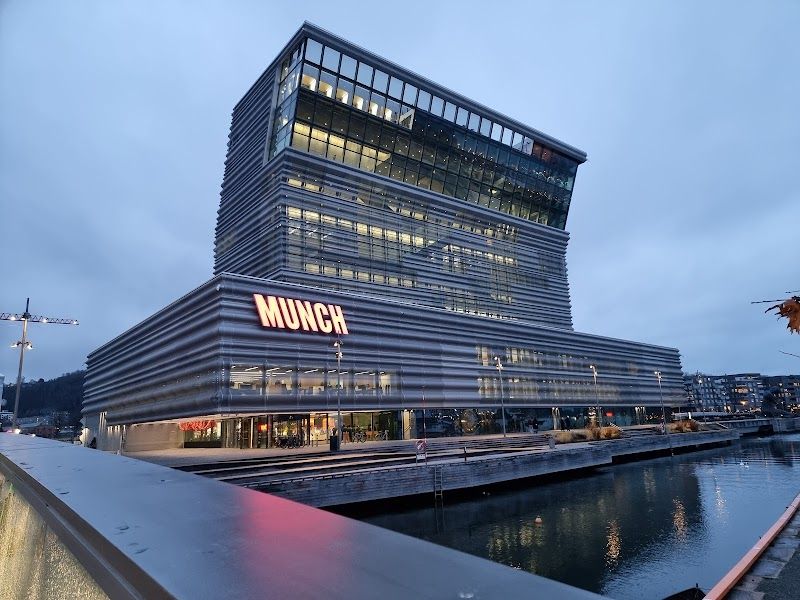
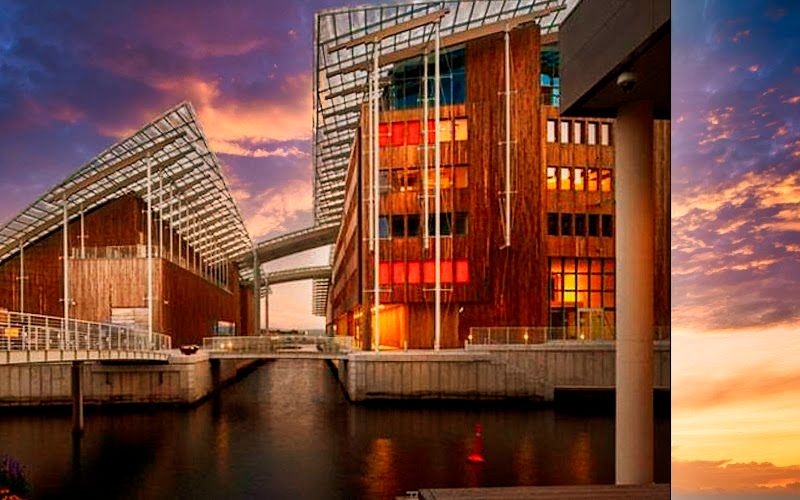
Oslo is the most expensive city in this guide and the one most people skip, which is a mistake. The city that sits at the head of a fjord, backed by forest-covered hills, with a waterfront that has been completely transformed in the last 15 years from industrial port to one of the best urban shorelines in Europe. The Opera House (free to walk on the roof, the angular white marble slopes into the fjord and people sit on it at sunset with wine), the Munch Museum (NOK 160, 13 floors of Edvard Munch's work including multiple versions of The Scream), and the Astrup Fearnley Museum (NOK 150, contemporary art in a Renzo Piano building on the Tjuvholmen waterfront) are all within walking distance of each other along the harbour.
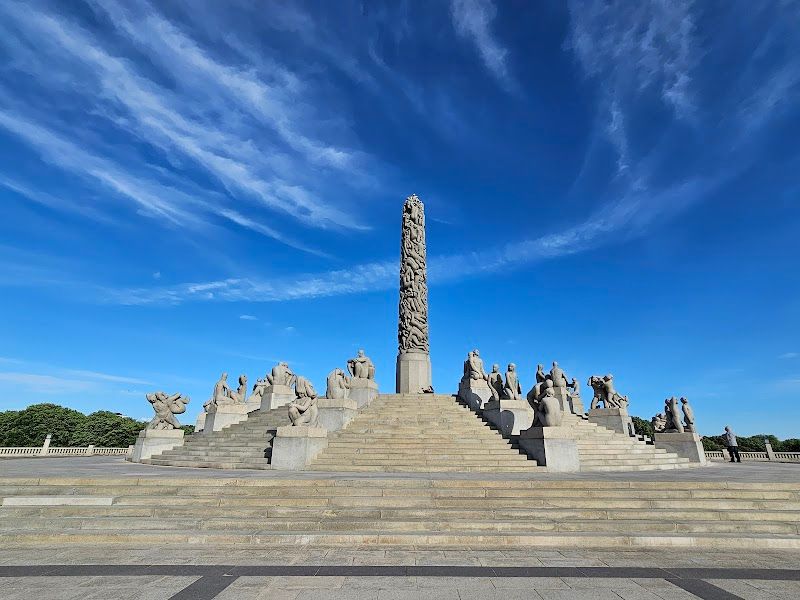
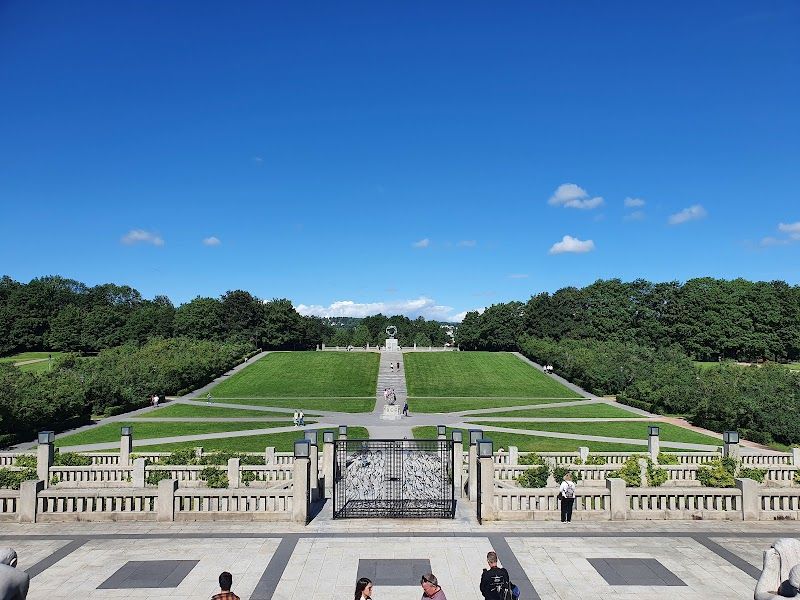
The expense is real but manageable. A beer at a bar costs NOK 95-120 (EUR 8-10), which hurts, but the museums are world-class, the public spaces are free, and the city is compact enough that you never need a taxi. The Vigeland Sculpture Park (free, 200+ sculptures by Gustav Vigeland depicting the human condition from birth to death, the Angry Boy statue and the Monolith are the most famous, the park is enormous and people jog, picnic, and argue about art in it simultaneously) is the single best free attraction in Scandinavia. The fjord (take the public ferry, NOK 42 with a transit pass, to the islands of Hovedoya or Gressholmen for swimming and picnics) is 10 minutes from the city centre.
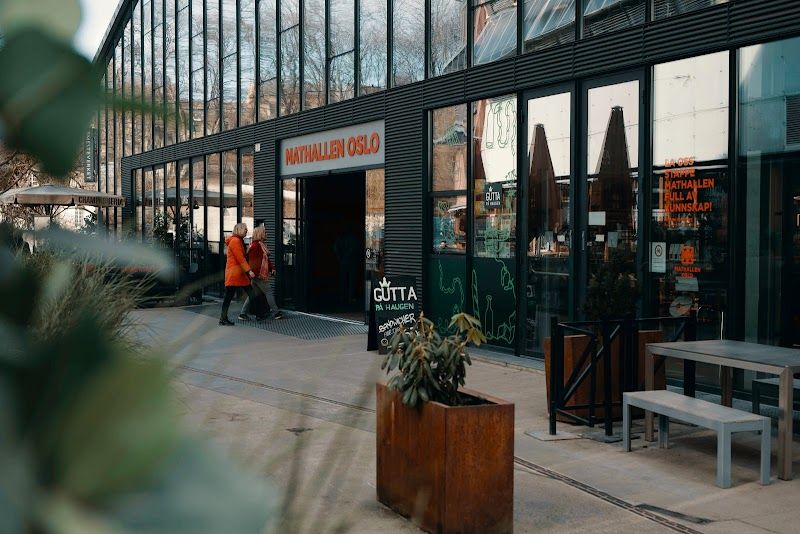
Norwegian food is more interesting than its reputation suggests. Fiskesuppe (fish soup, NOK 140-180, creamy and loaded with salmon, prawns, and cod), brunost (brown cheese, sweet and caramel-like, you will either love it or find it confusing), and the seafood at Mathallen food hall (Oslo's answer to Borough Market, vendors selling everything from reindeer hot dogs to bacalao to Norwegian craft beer). A proper restaurant dinner is NOK 400-700 per person, but a lunch at Mathallen costs NOK 120-180 and the food hall format lets you graze without committing to any single price point.
Pick your base
Stay in Oslo
Real-time pricing across hotels, apartments, and ryokans. Book direct from the map.
Things to do in Oslo
Experiences worth booking ahead
Vetted tours and tickets we'd send a friend to. The ones worth reserving before you arrive.
Travel guides
From the blog
Practical bits, answered
Oslo is the most expensive city in this guide. A beer at a bar costs NOK 95-120 (roughly EUR 8-10). A restaurant dinner is NOK 400-700 per person. Museum entries are NOK 150-200. The strategies that work: the Oslo Pass (NOK 535 for 48 hours) covers 30+ museums and all public transport including the fjord ferries, and it pays for itself if you visit three museums per day. Mathallen food hall in Grünerløkka (NOK 120-180 for a proper lunch) is the best value eating in Oslo. Tim Wendelboe coffee is NOK 55-65 but it is genuinely one of the best coffees you will have in Europe. The free public spaces (Vigeland Sculpture Park, the Opera House roof, the fjord waterfront) are worth several hours and cost nothing.
The Munch Museum (Edvard Munchs Plass 1, NOK 160) is a 13-floor building where Munch's 26,000 works rotate across permanent and temporary exhibitions. The National Museum (Nasjonalmuseet, nearby) also holds the most famous version of The Scream (the 1893 tempera version): if you want to see the single most famous Scream painting, that is where it is. The Munch Museum has four other versions of The Scream and broader context for all of Munch's work. For a first visit: take the lift to the top floor and work down. The permanent collection focusing on Munch's development is on floors 8-11. Floors 12-13 have the temporary exhibitions and the fjord views from the upper gallery windows. Budget 2 hours minimum.
The fjord islands closest to Oslo are Hovedoya, Gressholmen, Langoyene, and Nakholmen. Public ferries (Ruter line B1, B2, B3) depart from the Aker Brygge pier and reach the nearest islands in 10-20 minutes. The ferry costs NOK 42 per single fare (or is included in the Oslo transit pass). Hovedoya has a 12th-century monastery ruin, a small beach, and a summer cafe. Gressholmen has a cafe and a nature reserve. Langoyene has the best swimming beach and gets crowded on hot weekends. The islands are open from late May to early September for the full experience. Bring food and water as the island facilities are limited and expensive.
Let DAIZ plan your Oslo days
Tell us how long you've got and what you're into. We'll build a day-by-day plan, with the bookable bits ready to lock in.