Oslo's food scene balances traditional Norwegian cuisine with some of Europe's most innovative Nordic cooking. Yes, eating out costs more here than anywhere else in Scandinavia, but the quality justifies the expense if you know where to go. This oslo food guide cuts through the tourist traps to show you where locals actually eat, from fish soup that costs NOK 180 but fills you for the day to restaurants that redefine what Norwegian food can be.
The city's culinary transformation accelerated after 2010, when a new generation of chefs began treating traditional ingredients like reindeer, cloudberries, and Arctic char with the same reverence French chefs show for foie gras. The result is a dining scene that ranges from cozy neighborhood spots serving fish soup exactly as it's been made for 200 years to restaurants that earn Michelin stars by turning juniper berries and fermented fish into something that belongs on a museum wall.
Traditional Norwegian Food in Oslo: What to Order and Where
Oslo traditional food centers on fish, game, and preserved ingredients that sustained people through harsh winters. The dishes might seem simple compared to French or Italian cuisine, but they're built on centuries of technique and an intimate knowledge of what grows and swims in Norwegian waters.
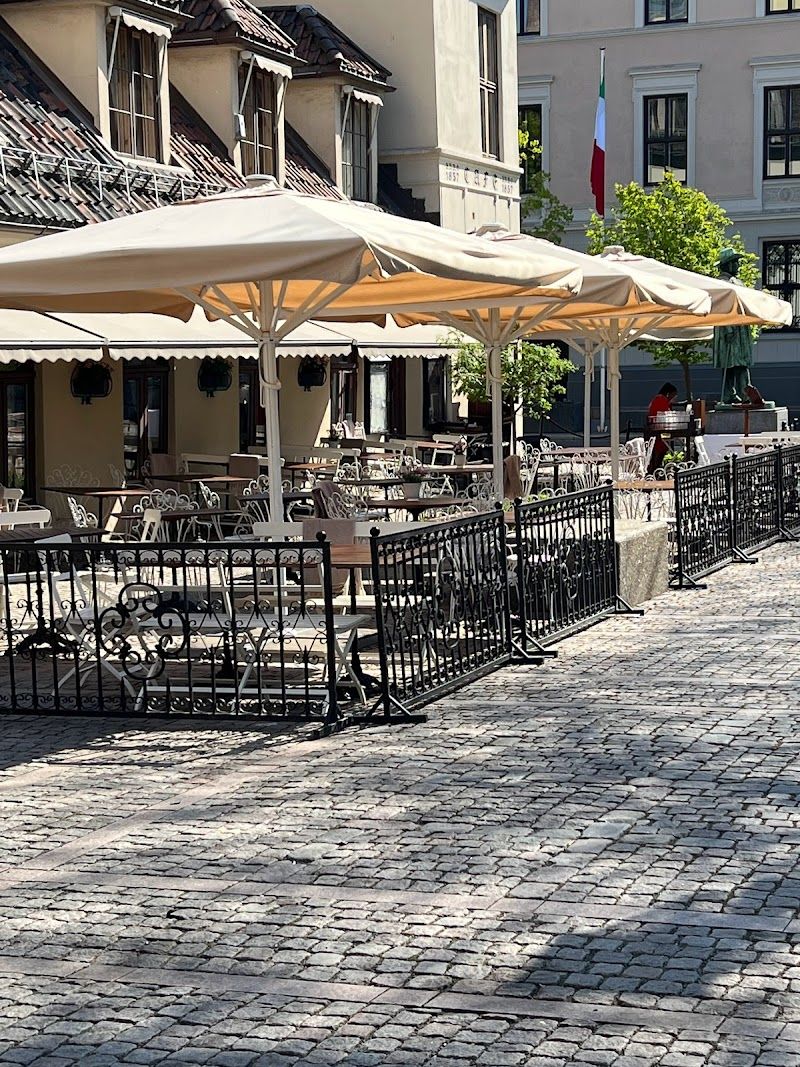
Fish soup (fiskesuppe) remains the most essential dish in Oslo. The best version simmers white fish, salmon, and shellfish in a cream-based broth with root vegetables and fresh dill. Engebret Cafe at Bankplassen 1 serves the city's most respected version for NOK 295. They've been perfecting the recipe since 1857, and their soup includes king crab, salmon, and cod in a saffron-scented broth that locals order even in summer.
Fiskekompaniet at Dronningens gate 27 offers a more contemporary take on fiskesuppe for NOK 285, adding sea buckthorn and using fish stock that simmers for 12 hours. The restaurant overlooks the harbor, which feels appropriate when you're eating the sea's bounty.
Reindeer (reinsdyr) appears on menus throughout Oslo, but preparation varies dramatically. The traditional approach serves it as steaks with lingonberry sauce and potato dumplings called klubb. Restaurant Schrøder at Waldemar Thranes gate 8 in Sentrum & Grünerløkka has served this combination unchanged since 1925, charging NOK 385 for a portion that would feed two normal people.
For a modern interpretation, Statholdergaarden at Rådhusgata 11 serves reindeer carpaccio with juniper oil and wild mushrooms (NOK 245 as a starter). The meat comes from Finnmark, Norway's northernmost region, and the chef ages it for three weeks before slicing it paper-thin.
Brown cheese (brunost) divides visitors more than any other Norwegian ingredient. This caramelized goat cheese tastes sweet and funky, somewhere between fudge and aged cheese. Norwegians eat it on crisp flatbread called knekkebrød, often with black coffee. Fuglen at Universitetsgata 2 serves an excellent introduction: toasted sourdough with brunost, cloudberry jam, and hazelnuts (NOK 125). The coffee here ranks among Europe's best, roasted in-house and served by baristas who treat espresso like a religious ceremony.
Oslo Fish Markets and Traditional Ingredients
The fish market at Youngstorget operates Tuesday through Saturday, offering the same Arctic char, king crab, and cloudberries that appear in Oslo's restaurants. Prices run about 30% below restaurant markup, making this your best option for ingredients if you're staying somewhere with a kitchen.
Matverk at Tjuvholmen Allé 3 specializes in traditional Norwegian ingredients presented for modern kitchens. Their selection includes dried fish (tørrfisk), fermented fish sauce (garum), and sea buckthorn juice that costs NOK 85 for a 500ml bottle but tastes like liquid vitamin C.
Best Restaurants in Oslo: From Budget to Michelin Stars
Oslo's restaurant scene operates on three distinct levels: neighborhood spots where locals eat regularly, mid-range restaurants that balance quality with reasonable prices, and destination restaurants worth planning a trip around.
Budget-Friendly Oslo Dining Under NOK 200
Døgnvill Burger at Thorvald Meyers gate 26 serves Oslo's best burger, made with Norwegian beef and served on house-made buns. The Classic costs NOK 165 and includes hand-cut fries that actually justify their reputation. The restaurant uses meat from Finnskogen, a forested region on the Swedish border where cattle graze on wild herbs.
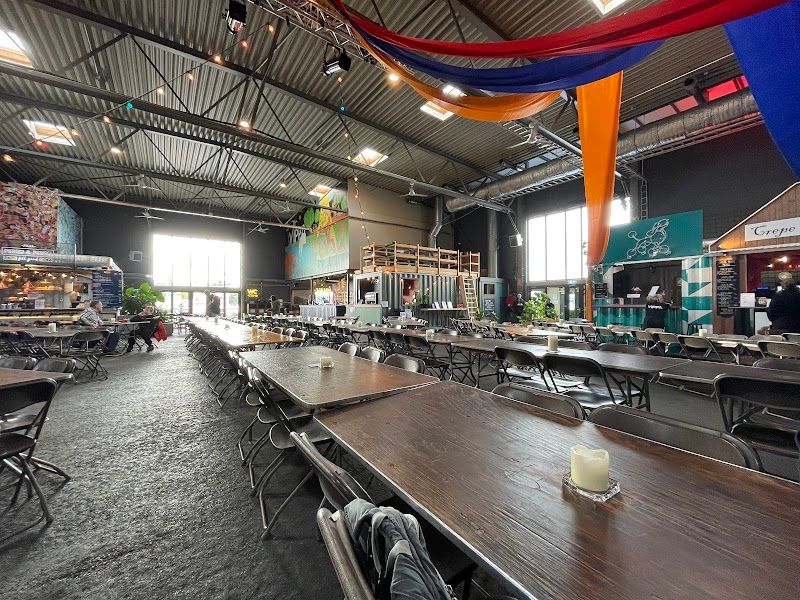
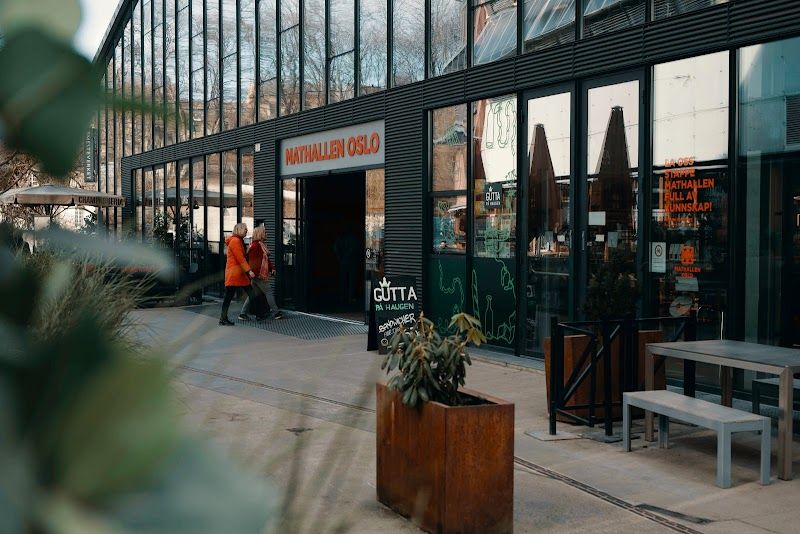
Mathallen Oslo functions as the city's premier food hall, housing 30 vendors under a restored railway building in Vulkan. The variety ranges from Vietnamese pho (NOK 180) to traditional lefse filled with salmon and cream cheese (NOK 95). The quality stays consistently high because vendors compete directly with each other, and locals vote with their wallets daily.
Rodins Bistro at Rostockgata 14 offers French technique applied to Norwegian ingredients. Their lunch menu changes daily but typically includes dishes like Arctic char with dill potatoes (NOK 185) or reindeer stew with root vegetables (NOK 195). The portions satisfy Norwegian appetites, meaning you'll struggle to finish everything on your plate.
Mid-Range Restaurants: Quality Without the Michelin Markup
Kolonialen Litteraturhuset at Wergelandsveien 29 combines a restaurant with a bookstore, creating the sort of intellectual atmosphere Oslo loves. Their dinner menu focuses on seasonal Norwegian ingredients with French influences. The lamb from Lofoten with wild herbs costs NOK 445, while their fish of the day runs NOK 385. The wine list emphasizes natural wines from small producers, with glasses starting at NOK 145.
Lofoten Fiskerestaurant at Stranden 75 occupies a 100-year-old fish warehouse, maintaining original wooden beams and brick walls. Their specialty involves whatever arrived at the fish market that morning, prepared simply and served with views of the Oslofjord. The seafood platter for two costs NOK 895 and includes king crab, langoustines, and three types of fish prepared according to traditional methods.
Arakataka at Maridalsveien 13 serves natural wines alongside small plates that change based on seasonal availability. The menu might include dishes like fermented vegetables with brown butter (NOK 185) or raw scallops with sea buckthorn (NOK 225). The restaurant operates on the shared-plate concept, encouraging diners to order multiple dishes and explore different flavor combinations.
Fine Dining: Oslo's Michelin-Starred Scene
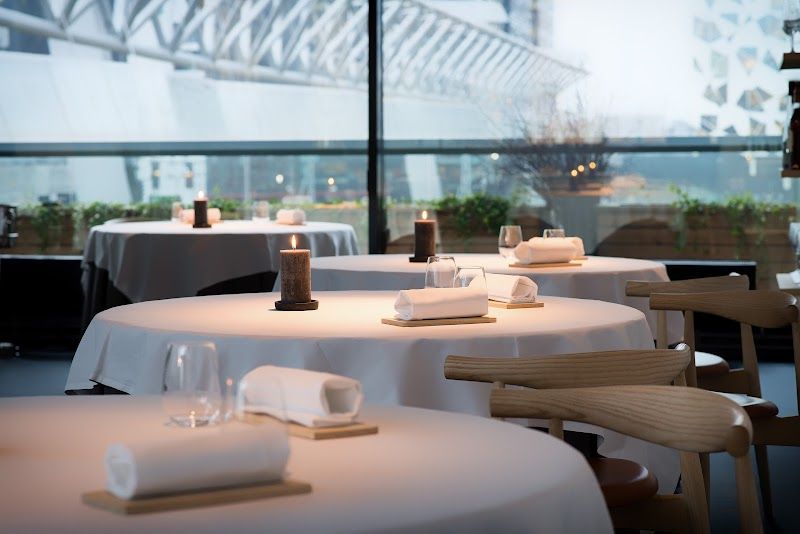
Maaemo at Schweigaards gate 15a holds three Michelin stars and consistently ranks among the world's best restaurants. Chef Esben Holmboe Bang creates 20-course tasting menus using exclusively Norwegian ingredients, many foraged from the forests surrounding Oslo. The menu costs NOK 3200 per person, with wine pairings adding another NOK 1800. Reservations open six months in advance and disappear within hours.
The experience at Maaemo goes beyond eating into performance art. Dishes arrive on custom ceramics made by Norwegian artisans, often incorporating elements like birch bark or juniper wood. A signature course presents Arctic char that's been cured in pine salt and served with fermented pine shoots, tasting like the Norwegian forest concentrated into a single bite.
Kontrast at Maridalsveien 15 earned its Michelin star by focusing on fermentation and preservation techniques. Chef Mikael Svensson ferments everything from vegetables to meat, creating umami-rich dishes that pair traditional Norwegian ingredients with Japanese techniques. Their 12-course menu costs NOK 1850, with wine pairings for NOK 950.
Statholdergaarden operates from a 17th-century building at Rådhusgata 11, combining historical atmosphere with modern technique. Their tasting menu features Norwegian ingredients prepared with French precision, like their signature dish of langoustine with brown butter and cloudberries (NOK 385 as part of the menu). The wine cellar holds 20,000 bottles, emphasizing producers from cool climates that complement Norwegian flavors.
Oslo Dining Guide by Neighborhood
Each Oslo neighborhood offers distinct dining experiences, from the waterfront restaurants of Aker Brygge & Tjuvholmen to the neighborhood bistros of Grünerløkka.
Aker Brygge & Tjuvholmen: Waterfront Dining
The transformed shipyard district now houses Oslo's most expensive restaurants, but the waterfront location and harbor views justify the premium for special occasions. Lekter'n at Stranden 3 serves traditional fish soup (NOK 295) while overlooking the marina where million-dollar yachts dock beside historic wooden boats.
Tjuvholmen Sjømagasin occupies a converted warehouse at Tjuvholmen Allé 14, maintaining original maritime architecture while serving contemporary seafood. Their Arctic menu changes seasonally but typically includes dishes like king crab with sea buckthorn (NOK 485) and fermented whale with traditional accompaniments (NOK 425). The whale comes from sustainable hunting in the Lofoten Islands and tastes like intensely flavored beef.
Bjørvika & Opera: Modern Norwegian Cuisine
The newest district attracts innovative restaurants that match the contemporary architecture. Sentralen at Øvre Slottsgate 3 operates in a former bank building, serving modern interpretations of traditional dishes. Their reindeer tartare with lingonberry and juniper costs NOK 285, while their version of fish soup includes sea urchin and costs NOK 345.
Near the Oslo Opera House, Restaurant Fjord at Sonja Henies plass 3 specializes in ingredients from specific Norwegian regions. They serve salmon exclusively from the Tana River, reindeer from Finnmark, and berries foraged in Valdres. The chef provides detailed provenance for each ingredient, turning dinner into a geography lesson about Norwegian terroir.
Sentrum & Grünerløkka: Neighborhood Favorites
Oslo's most diverse dining neighborhood combines established institutions with experimental newcomers. Olympen at Grønlandsleiret 15 has served traditional Norwegian food since 1892, maintaining the same recipes and much of the same décor. Their fish soup costs NOK 285 and arrives in portions that Norwegian fishermen would recognize from their grandmothers' kitchens.
Hitchhiker at Youngstorget 1 represents the neighborhood's experimental side, serving fermented vegetables, house-made vinegar, and natural wines. Their menu changes monthly but focuses on waste reduction and unusual flavor combinations. Recent dishes have included pig's head terrine with fermented apple (NOK 195) and beef heart with blackcurrant leaves (NOK 225).
The area around Karl Johans gate offers convenient dining for visitors staying in central hotels, though quality varies dramatically. Grand Café at Karl Johans gate 31 maintains its reputation from 1874, when Henrik Ibsen ate lunch here daily. Their traditional fish soup costs NOK 295 and follows the same recipe they've used for 150 years.
Frogner: Upscale Neighborhood Dining
Oslo's most affluent residential area supports restaurants that locals frequent regularly rather than saving for special occasions. Feinschmecker at Balchens gate 5 serves French-influenced cuisine using Norwegian ingredients. Their duck breast with cloudberries costs NOK 385, while their cheese selection includes both French classics and Norwegian alternatives.
Alex Sushi at Cort Adelers gate 2 combines Japanese technique with Norwegian fish, creating dishes like Arctic char sashimi with pine oil (NOK 285 for eight pieces) and king crab temaki with sea lettuce (NOK 195). The fish quality rivals Tokyo's best sushi restaurants, though the prices match Oslo's expensive standards.
Norwegian Cuisine Oslo: Seasonal Eating and Ingredients
Norwegian food changes dramatically with the seasons, more so than Mediterranean cuisines that rely on year-round availability. Understanding these seasonal patterns helps you order appropriately and avoid disappointment.
Spring (March-May) brings the first fresh ingredients after winter preservation. Restaurants feature early vegetables like ramsons (wild garlic) and the year's first asparagus. Fish runs include the spring salmon migration, when restaurants offer salmon at peak quality. Restaurant Eik at St. Olavs plass 2 creates special spring menus featuring foraged ingredients from the forests surrounding Oslo.
Summer (June-August) provides the brief window for fresh berries and herbs. Cloudberries ripen in late July, appearing on menus for just six weeks before disappearing until the following year. New potatoes from Lofoten arrive in June, sweet enough to eat without butter. Summer restaurants operate only during these months, including Peergynt at Bygdøy, which serves traditional dishes using ingredients exclusively from the brief growing season.
Autumn (September-November) brings mushroom foraging and game hunting seasons. Restaurants feature dishes with chanterelles, porcini, and the prized matsutake mushrooms that grow in Norwegian forests. Game birds like grouse and ptarmigan appear on menus, along with venison from the autumn hunt. Autumn menus at upscale restaurants like Kontrast showcase preservation techniques that will carry flavors through the winter.
Winter (December-February) relies on preserved, smoked, and fermented ingredients. This season showcases traditional Norwegian food at its most authentic, when dishes like fish soup, reindeer stew, and preserved fish sustained communities through months of darkness. The preserved flavors often taste more concentrated and complex than their fresh counterparts.
Practical Oslo Food Guide Information
Meal timing in Oslo follows Scandinavian patterns rather than Mediterranean schedules. Lunch typically occurs between 11:30 AM and 1:30 PM, with many restaurants offering set menus during these hours. Dinner service begins at 5:00 PM, earlier than in southern Europe, and most restaurants stop serving by 10:00 PM.
Tipping remains optional and modest. Norwegians round up bills or add 5-10% for exceptional service, but 20% American-style tips are unnecessary and sometimes cause confusion.
Reservations are essential for dinner at any restaurant above casual dining level. Popular spots like Maaemo require booking months in advance, while neighborhood restaurants typically accept reservations 1-2 weeks ahead. Many restaurants use online booking systems rather than phone calls.
Payment is almost entirely cashless. All restaurants accept credit cards, and many prefer them to cash. Mobile payment apps like Vipps (Norwegian) are common among locals but not necessary for visitors.
Dietary restrictions are well-accommodated. Most restaurants offer vegetarian options, and many provide vegan alternatives. Gluten-free dining has improved significantly, though traditional Norwegian bread remains challenging to replace authentically.
For visitors planning multiple meals, the Oslo food scene offers enough variety to satisfy any preference, from traditional fish soup in centuries-old restaurants to innovative Nordic cuisine that redefines what Norwegian food can become. The expense is real, but the quality and uniqueness of the experience justify the cost for anyone interested in understanding Nordic food culture at its source.
This oslo dining guide reflects the reality that eating well in Oslo requires planning and budget awareness, but rewards diners with access to ingredients and preparations they won't find anywhere else in the world. Whether you're seeking the comfort of traditional fish soup or the innovation of Michelin-starred Nordic cuisine, Oslo's restaurants deliver experiences that justify their reputation as among Europe's most distinctive dining destinations.