Marseille
France's oldest city, the Calanques, proper bouillabaisse, and a port that has never cared what Paris thinks
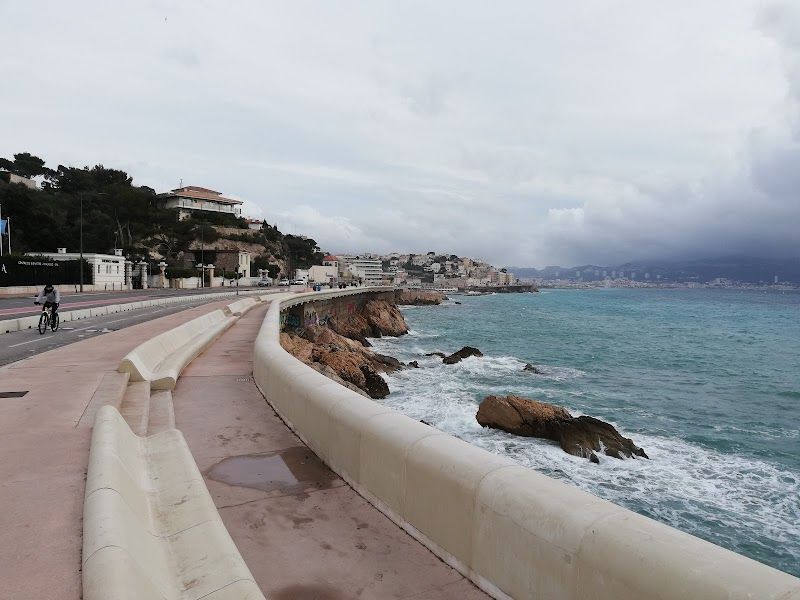
About Marseille
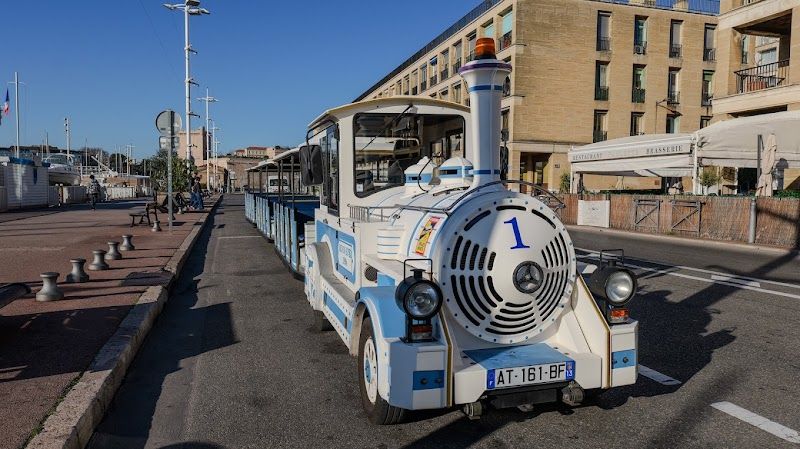
Marseille is the French city that does not care what Paris thinks. It is older (founded by Greek sailors in 600 BC), rougher around the edges, louder, and more honest about what it is: a Mediterranean port city where 90 nationalities live on top of each other and the result is the best bouillabaisse in the world and the worst parking in France. The Vieux-Port is the centre of everything, a rectangle of water lined with fishing boats and restaurants where the morning fish market has been running since the Greeks were here. The fish goes straight from the market to the bouillabaisse pot, and a proper bouillabaisse (EUR 45-65 per person, minimum two people, always order 24 hours ahead) is a two-course event: the broth first with rouille and croutons, then the fish.
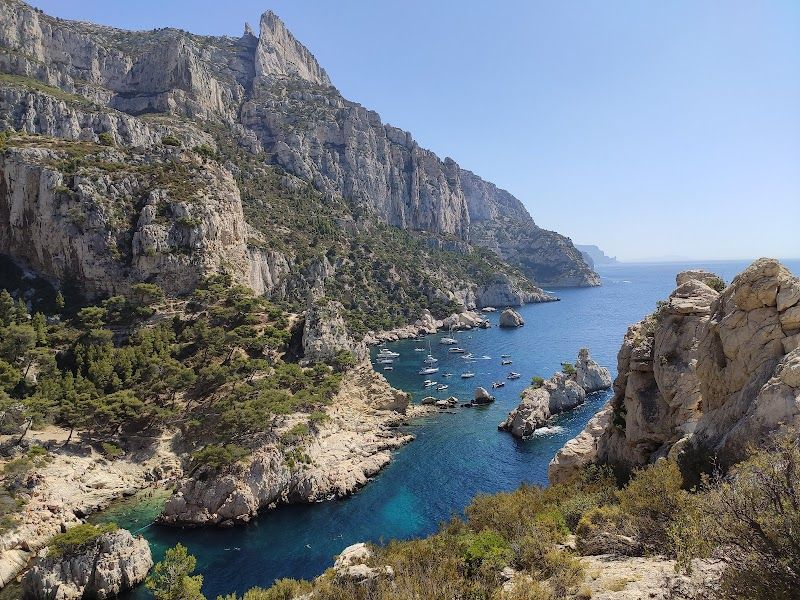
The Calanques are why people come back. These limestone fjords between Marseille and Cassis are a national park, accessible by boat (EUR 28-35 for a three-calanque cruise from the Vieux-Port), by foot (the trails are steep and exposed, bring water, no shade, 2-4 hours per calanque), or by car to Cassis and then boat from there. Calanque de Sormiou has a restaurant on the beach. Calanque d'En-Vau has the turquoise water that ends up on the postcards. The park limits access in summer due to fire risk, so check before you go.
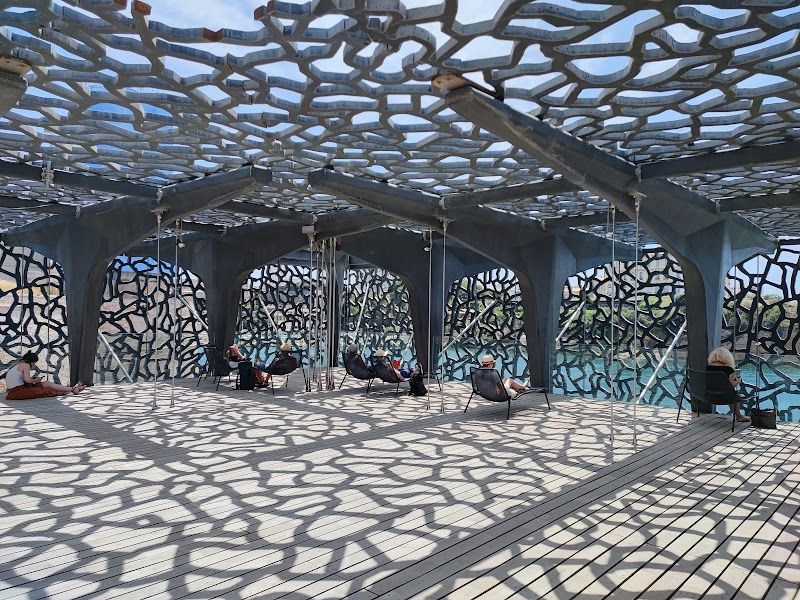
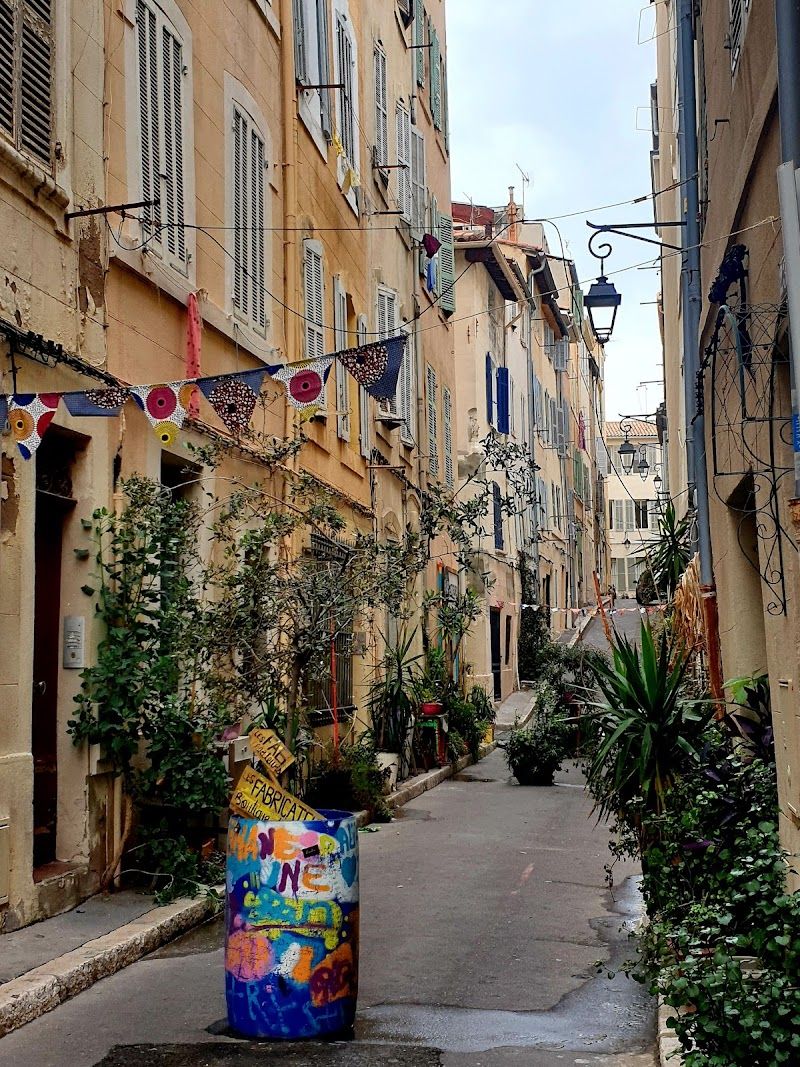
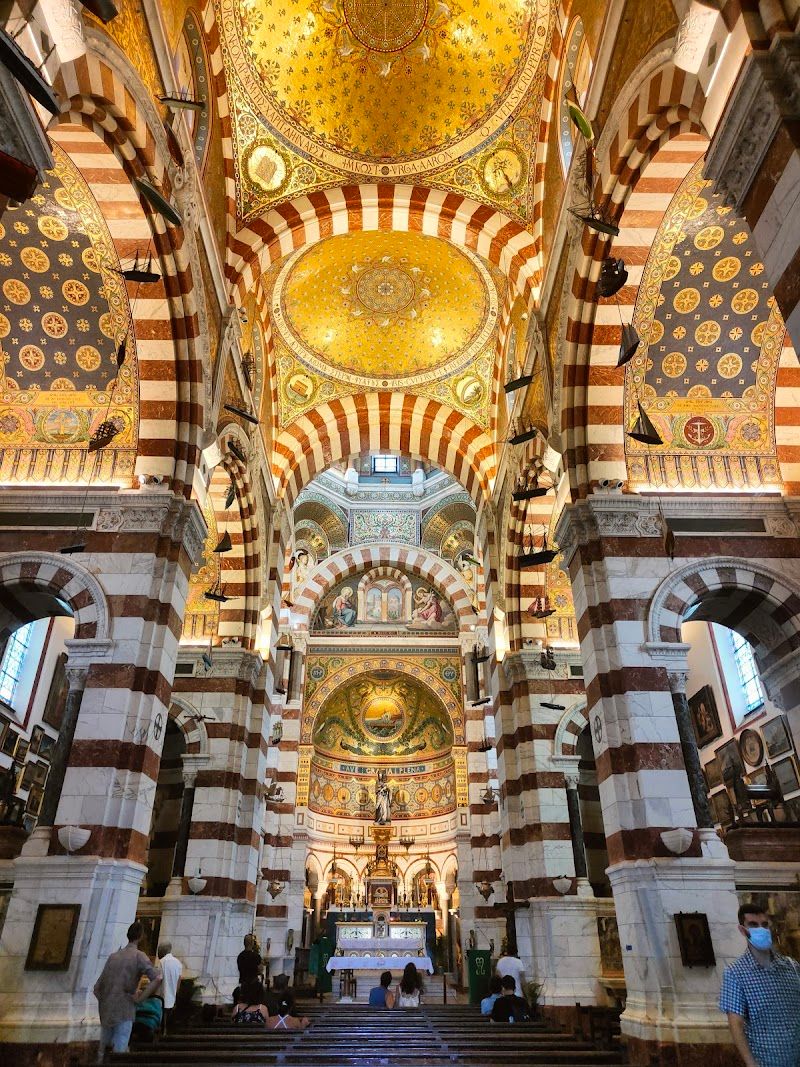
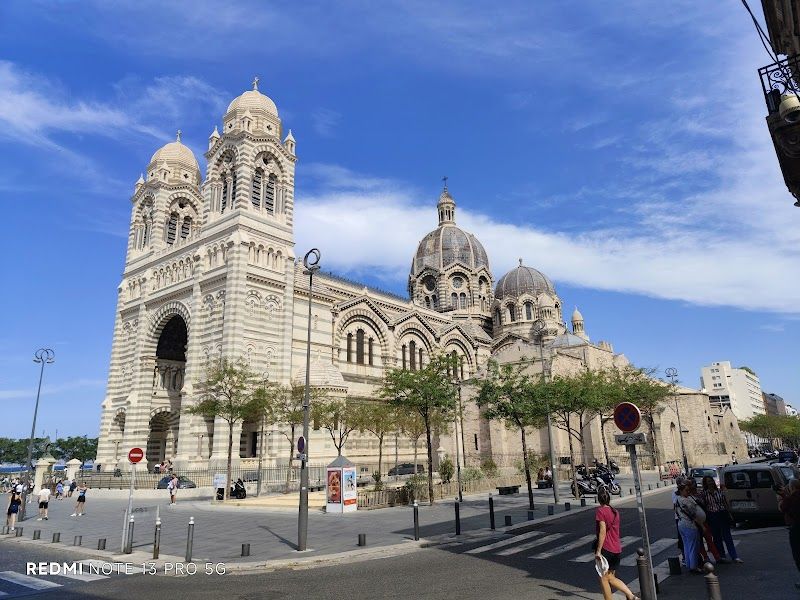
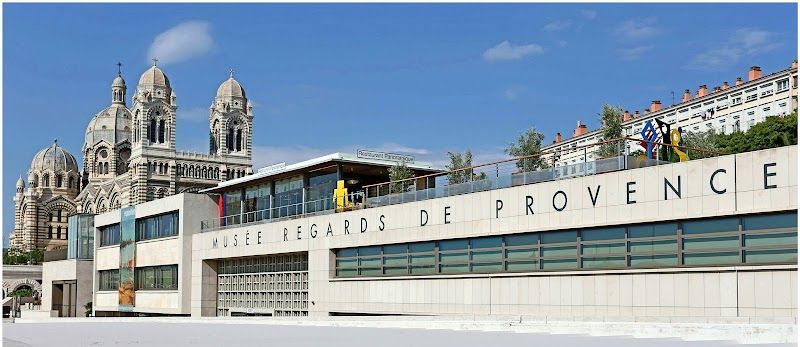
The city has neighbourhoods that feel like different countries. Le Panier is the oldest quarter, a hilltop tangle of painted stairs and street art above the Vieux-Port. La Joliette is the redeveloped docks with the MuCEM (Museum of European and Mediterranean Civilisations, EUR 11, the building alone is worth seeing), Les Terrasses du Port shopping centre, and the Cathedral de la Major. Cours Julien is the bohemian quarter with street art, record shops, and the best cheap food in the city. Notre-Dame de la Garde is the basilica on the highest hill, free entry, and the panoramic view from the top is the one that makes you understand why Marseille exists: it is all about the sea.
Pick your base
Stay in Marseille
Real-time pricing across hotels, apartments, and ryokans. Book direct from the map.
Things to do in Marseille
Experiences worth booking ahead
Vetted tours and tickets we'd send a friend to. The ones worth reserving before you arrive.
Travel guides
From the blog
Practical bits, answered
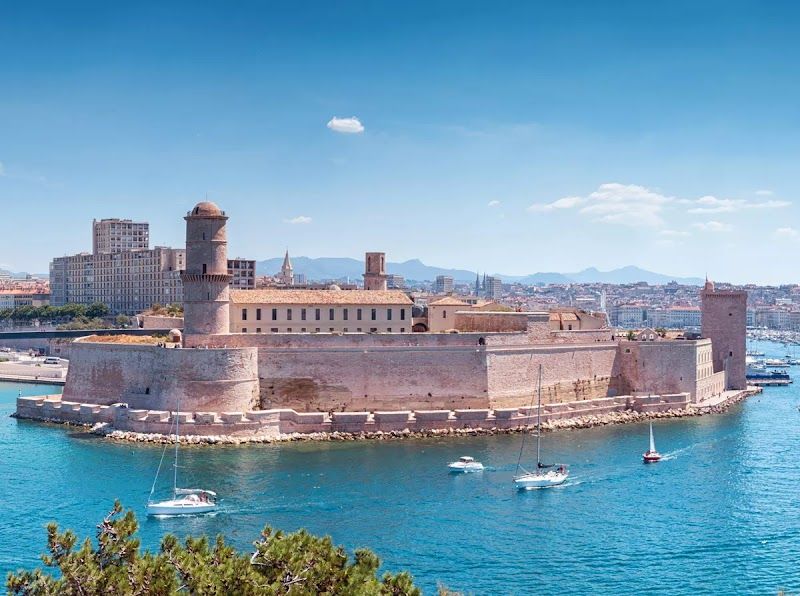
Two full days covers the essentials: one day for the Vieux-Port, Le Panier, MuCEM, and Notre-Dame de la Garde; one day for the Calanques (boat trip or hike to Sormiou). A third day allows for Cours Julien, Fort Saint-Jean, the Frioul Islands, and a proper bouillabaisse dinner. From Paris, the TGV takes 3 hours (EUR 40-80 booked ahead) and arrives at Marseille Saint-Charles station, 10 minutes on foot from the Vieux-Port.
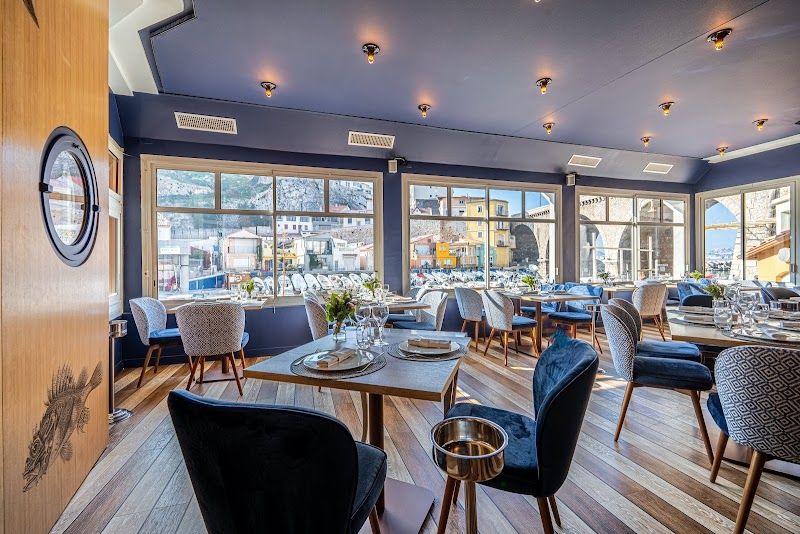
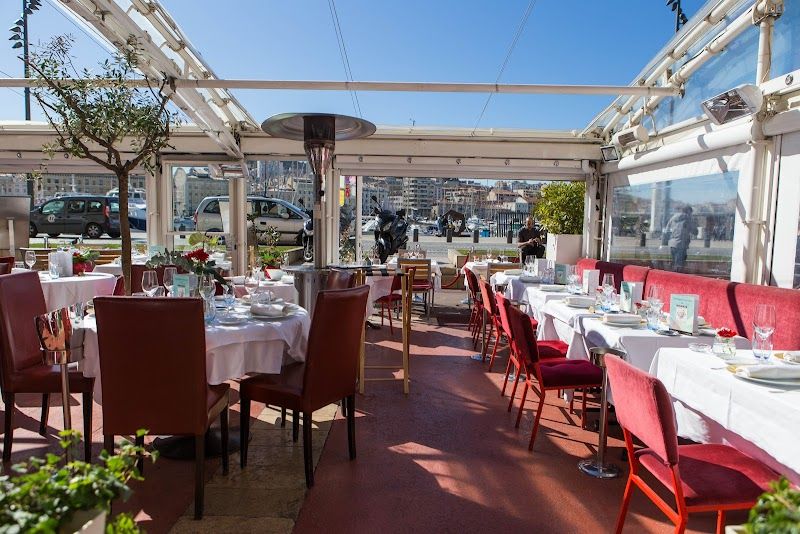
Bouillabaisse is Marseille's fish stew: a saffron broth served first with rouille (saffron-garlic aioli), croutons, and cheese, then the whole fish separately. A real bouillabaisse requires at minimum rascasse, grondin, and saint-pierre, takes hours to make, and costs EUR 45-65 per person minimum (two people minimum). The eight restaurants that have signed the Bouillabaisse Charter and serve the authentic version include Chez Fonfon and Chez Michel (both in Vallon des Auffes, book days ahead in season) and Le Miramar (on the Vieux-Port, EUR 55-70). If it costs under EUR 30, it is not real bouillabaisse.
The tourist areas (Vieux-Port, Le Panier, MuCEM, Notre-Dame de la Garde, Corniche Kennedy) are safe during the day and evening. Standard city precautions apply: watch for pickpockets in crowded areas, do not display expensive items. Some northern arrondissements (13th, 14th, 15th) have higher crime rates: stick to tourist zones unless you know the city. Marseille has a rougher reputation than Paris but most of the criminality is localised gang activity that tourists are not part of.
From Marseille: boat trips from the Vieux-Port (EUR 28-35, three calanques, 3-4 hours), or on foot (trails from the south of the city, 2-4 hours each way per calanque, steep and exposed, bring 2 litres of water). From Cassis (35 minutes by train from Marseille Saint-Charles): shorter hike to Calanque d'En-Vau (1.5 hours each way), or boats from Cassis port (EUR 15-20 for three calanques). The park closes hiking trails in summer due to fire risk: check calanques-parcnational.fr before going.
Let DAIZ plan your Marseille days
Tell us how long you've got and what you're into. We'll build a day-by-day plan, with the bookable bits ready to lock in.