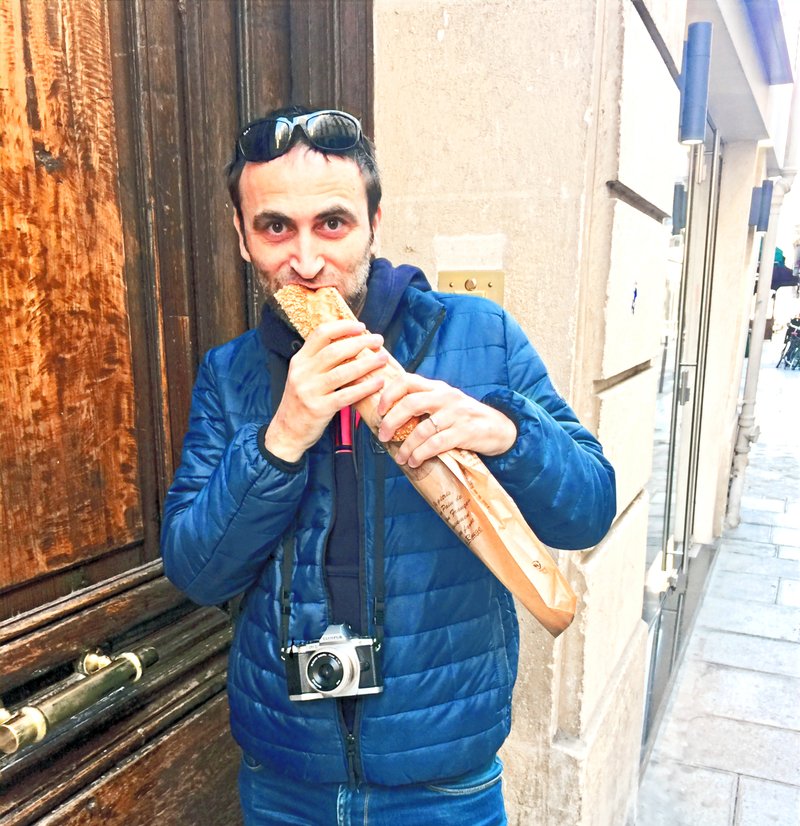
Four days in Marseille is the sweet spot. You have time to understand why this 2,600-year-old port city works the way it does, eat proper bouillabaisse twice, explore the neighborhoods locals actually live in, and take day trips to the Calanques and Cassis without rushing. This Marseille itinerary 4 days covers everything from the morning fish market at the Vieux-Port to swimming in turquoise calanques that look like they belong in the Greek islands.
Most visitors spend two days here and leave thinking they understand Marseille. They don't. Marseille is not a city that reveals itself quickly. The real Marseille is in the conversations at the fish market, the afternoon pastis at a neighborhood bar, the walk up to Notre-Dame de la Garde at sunset when the light turns the limestone buildings gold. Four days gives you time to find these moments.
Day 1: Vieux-Port and the Historic Heart
Morning: Vieux-Port Fish Market and Harbor Walk
Start at 8 AM at the Vieux-Port morning fish market. The market runs along the Quai des Belges from Tuesday to Sunday, and the fishermen have been selling their catch here since the Greeks founded Massalia in 600 BC. The fish goes straight from the boats to the market stalls to the restaurant kitchens, which is why Marseille's bouillabaisse tastes like the sea instead of a cooking show.
Watch the vendors sort rascasse (scorpion fish), rouget (red mullet), and saint-pierre (john dory) - the holy trinity of proper bouillabaisse. Prices vary by season and catch, but expect to pay around EUR 25-35 per kilogram for the premium fish. The vendors know who's cooking tonight and who's just looking, but they'll explain the difference between bouillabaisse fish and regular fish if you ask.
Walk the rectangle of the Vieux-Port afterward. It's 900 meters long and 200 meters wide, lined with cafes that charge EUR 4 for coffee because tourists pay EUR 4 for coffee. The Navettes du Vieux-Port ferry costs EUR 0.5 and saves you a 15-minute walk around the harbor - take it at least once because it's been running since 1880 and the view from the water shows you why Marseille grew up around this natural harbor.
Afternoon: Fort Saint-Jean and MuCEM
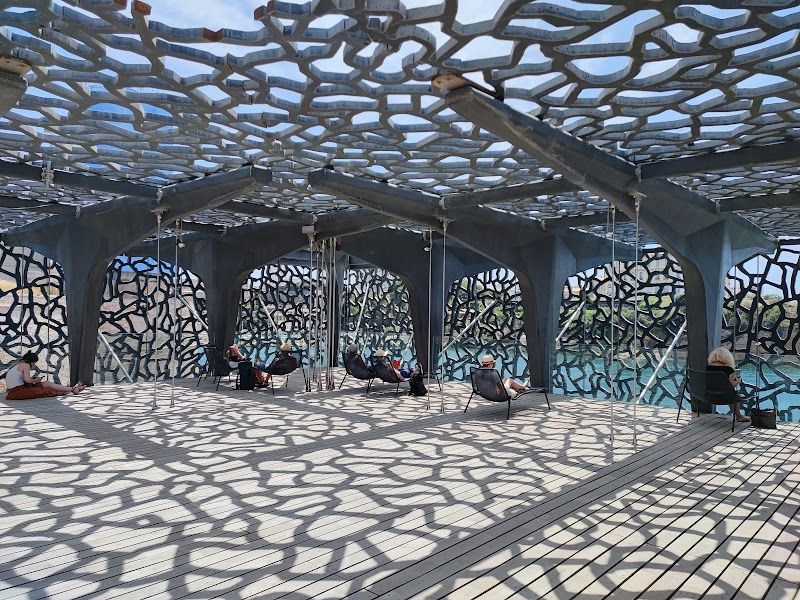
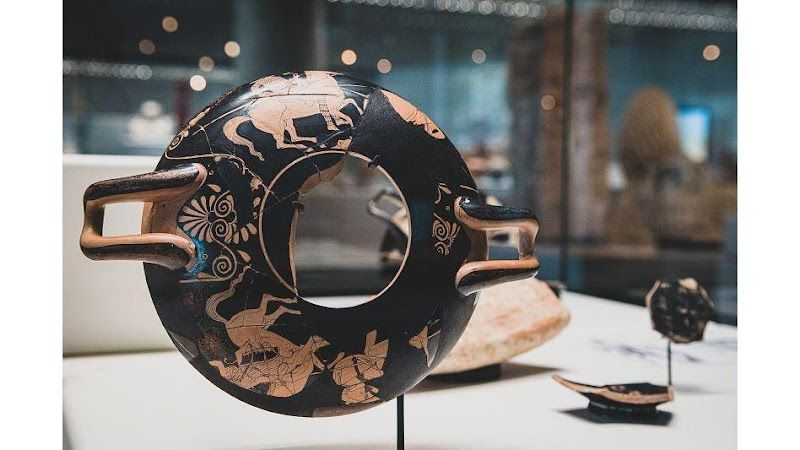
The Fort Saint-Jean guards the entrance to the Vieux-Port and connects to the MuCEM museum via a dramatic footbridge. MuCEM costs EUR 11 and focuses on Mediterranean civilizations, which sounds academic but the exhibitions are smart about connecting ancient trade routes to modern migration patterns. The building itself, designed by Rudy Ricciotti, looks like a black lace cube and photographs beautifully against the harbor.
Skip the permanent collection and focus on the temporary exhibitions, which change every few months and tackle subjects like Mediterranean street food or the history of swimming. The rooftop terrace is free with your ticket and gives you the best overview of the Vieux-Port and the hills beyond.
Evening: Dinner at Chez Michel
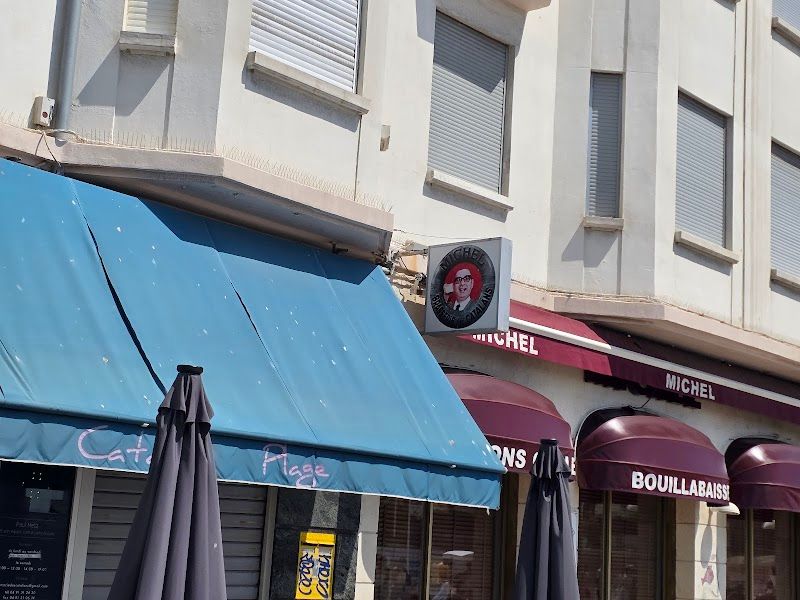
Book dinner at Chez Michel for your first bouillabaisse. This is important: proper bouillabaisse costs EUR 45-65 per person, requires 24 hours advance booking, and must be ordered for a minimum of two people. Chez Michel has been cooking bouillabaisse since 1946 and does not compromise. The ritual matters: first the broth with rouille (spicy mayonnaise) and croutons, then the fish served separately with more rouille.
Dinner service at Chez Michel starts at 7:30 PM and the restaurant fills up with locals who've been coming for decades. The wine list focuses on white wines from Cassis and Bandol that pair with the seafood. Expect to spend EUR 80-100 per person with wine.
Day 2: Le Panier and Notre-Dame de la Garde
Morning: Le Panier Historic Quarter
Le Panier is where Marseille began, and it still feels like a village that happens to be surrounded by a city. Start your Le Panier quarter walk at Place de Lenche, which sits on top of the original Greek agora. The Place de Lenche viewpoint looks down over the Vieux-Port and up toward the hills where modern Marseille spreads out in all directions.
The streets of Le Panier climb and descend without much logic, following the contours of the hill. Rue du Panier, Rue du Petit-Puits, and Rue des Moulins are lined with 17th and 18th-century buildings painted in faded pastels. The neighborhood was scheduled for demolition in the 1960s but survived, and now the old houses contain artist studios, small galleries, and cafes that serve espresso for EUR 1.5 at the counter.
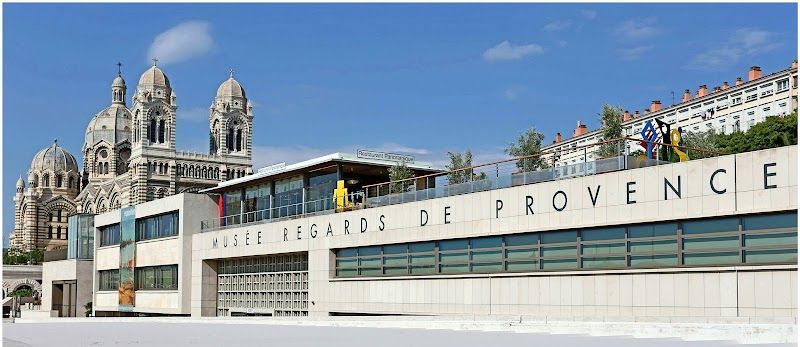
Stop at the Cathédrale La Major, which looks like it was built for a much larger city. The neo-Byzantine cathedral was completed in 1893 and holds 3,000 people, though Marseille was never particularly religious. The interior combines marble from Carrara, mosaics from Venice, and onyx from Algeria - a collection that makes sense in a port city where everything comes from somewhere else.
Afternoon: Notre-Dame de la Garde
Take bus 60 or walk 30 minutes uphill to Notre-Dame de la Garde. The basilica sits 154 meters above sea level and is visible from everywhere in Marseille. Entry is free, and the view from the terrace covers the entire city, the Calanques to the south, and on clear days, the island of Corsica 180 kilometers away.
The basilica itself was built between 1853 and 1864 in a Romano-Byzantine style that makes no sense anywhere except Marseille. The interior is covered with ex-votos - thank-you plaques left by sailors, soldiers, and others who survived dangerous situations. The maritime ex-votos show ships in storms, submarines under attack, and fishing boats in rough seas. Each plaque tells a story about why people come to Marseille and why some of them leave.
Evening: Cours Julien District
Spend the evening in Cours Julien, Marseille's bohemian quarter. The pedestrianized square is lined with cafe terraces where locals drink pastis and argue about Olympique de Marseille. The streets around the square - Rue des Trois Mages, Rue Crudère, Rue Saint-Pierre - contain bars, record shops, and restaurants that serve food from Morocco, Algeria, Tunisia, and other places with historical connections to Marseille.
Dinner here costs EUR 20-30 for North African cuisine or EUR 25-35 for modern French cooking. The bars stay open late and serve local beer for EUR 3.5-6 and Provençal wine for EUR 4-8 per glass.
Day 3: Calanques National Park Day Trip
Day three is your Calanques day trip. The Calanques are limestone cliffs cut by narrow inlets of turquoise water, and they stretch for 20 kilometers between Marseille and Cassis. The water is clear enough to see the bottom at 10 meters deep, and the hiking trails offer views that explain why people compare this coast to the Greek islands.
Getting to the Calanques
You have three options for your Calanques excursion: hiking from Marseille, taking a boat tour from the Vieux-Port, or combining both.
Boat Option: Calanques boat trips from Vieux-Port cost EUR 25-45 depending on how many calanques you visit. The standard tour covers Calanque de Sugiton, Calanque de Morgiou, and Calanque d'En-Vau in 3 hours. You see more calanques but spend less time in each one.
Hiking Option: Take bus 21 from the Vieux-Port to Luminy University (EUR 1.7, 45 minutes), then hike to Calanque de Sugiton (45 minutes) or Calanque de Morgiou (1 hour). The trails are well-marked but rocky. Bring water, sun protection, and proper shoes.
Combined Option: Take the morning boat tour to see the calanques from the water, then spend the afternoon hiking to one calanque for swimming and relaxation.
Calanque de Sugiton
Calanque de Sugiton is the closest to Marseille and the most accessible for swimming. The inlet is about 100 meters wide with a small pebble beach. The water temperature ranges from 15°C in winter to 24°C in summer, and the clarity is remarkable - you can see fish swimming at the bottom. The hike from Luminy takes 45 minutes on a rocky path that offers views over the Mediterranean.
The calanque fills up on summer weekends, but weekdays and off-season visits feel more private. Bring a picnic and plan to spend 2-3 hours here.
Calanque d'En-Vau
Calanque d'En-Vau is the most photographed calanque, with white limestone cliffs rising 100 meters above a narrow beach. The hike from Cassis takes 90 minutes and requires scrambling over rocks in the final section. The beach is small and gets crowded, but the setting is dramatic enough to justify the effort.
Return to Marseille by 6 PM to avoid rush hour on public transport. Bus 21 runs every 30 minutes until 8 PM.
Evening: Vallon des Auffes
End your Calanques day at Vallon des Auffes, a small fishing village that somehow survived inside Marseille. The harbor contains traditional pointu fishing boats, and the restaurants serve the kind of seafood that makes you understand why Marseille exists. Chez Fonfon is the most famous restaurant here, known for bouillabaisse and sea urchins in season (October to April).
Vallon des Auffes sits below the Corniche Kennedy, connected by steep stairs. The restaurant terraces hang over the water, and dinner feels like eating on a boat. Prices are high (EUR 40-60 per person) but the quality matches the setting.
Day 4: Cassis Day Trip and Marseille Extended Stay
Morning: Cassis Excursion
Take the 9 AM train from Marseille Saint-Charles to Cassis (EUR 7.5, 25 minutes). Cassis is a fishing port turned wine town with a harbor lined with pastel buildings and restaurants that charge tourist prices. The town exists because of its position between the Calanques and the vineyards that produce France's best white wine for drinking with seafood.
Walk to the harbor first, which looks like a postcard but functions as a real fishing port. The morning catch arrives around 10 AM, and the fish goes directly to the harbor restaurants. Prices are higher than Marseille (EUR 50-80 for bouillabaisse), but the setting compensates.
Wine Tasting in Cassis
Cassis produces white wine from Marsanne, Clairette, and Ugni Blanc grapes grown on limestone terraces above the Mediterranean. The wines are crisp, mineral, and designed to pair with seafood. Several wineries offer tastings within walking distance of the station:
- Domaine du Bagnol: Family winery producing organic Cassis blanc. Tastings EUR 8 for three wines.
- Château de Fontcreuse: Larger producer with vineyard tours. Tastings EUR 12 including rosé and red wines.
The tastings help you understand why Cassis wine costs EUR 15-25 per bottle in restaurants - the growing conditions are difficult, yields are low, and the demand from Marseille restaurants keeps prices high.
Afternoon: Cap Canaille
If you have energy left, hike or drive to Cap Canaille, the highest sea cliff in France at 394 meters. The trail starts behind Cassis town and takes 2 hours roundtrip with spectacular views over the Calanques and the Mediterranean. The rock formations change from white limestone to red clay, creating a landscape that looks like the American Southwest dropped into the Mediterranean.
Return to Marseille on the 4 PM or 6 PM train to avoid the evening rush.
Evening: Final Marseille Dinner
For your final dinner, choose between two experiences:
Traditional Option: Book your second bouillabaisse at a different restaurant to compare styles. L'Épuisette near Vallon des Auffes offers a refined version for EUR 65 per person, while Le Miramar on the Vieux-Port serves a more rustic style for EUR 45.
Modern Option: Try contemporary Provençal cooking at restaurants in the Cours Julien neighborhood. La Cantinetta serves modern Mediterranean cuisine for EUR 35-45 per person, while Une Table au Sud offers fine dining with harbor views for EUR 60-80.
Practical Information for Your Marseille 4-Day Plan
Transportation and Costs
Getting Around: Buy an RTM weekly pass for EUR 20.5, which covers metro, bus, and tram for 7 days. Single tickets cost EUR 1.7 but add up quickly over four days. The metro connects the main neighborhoods, while buses reach the Calanques trailheads.
Daily Budget Breakdown:
- Budget: EUR 70-90 per day (hostel EUR 25-45, street food EUR 15-20, public transport EUR 5)
- Mid-range: EUR 120-180 per day (hotel EUR 85-150, restaurant meals EUR 40-60, activities EUR 15-25)
- Luxury: EUR 200-350 per day (boutique hotel EUR 200+, fine dining EUR 80-120, private tours EUR 50+)
Where to Stay for a Marseille Extended Stay
Vieux-Port neighborhood: Central location, walking distance to restaurants and attractions. Hotels EUR 85-220 per night.
Le Panier: Historic atmosphere, fewer tourists in the evenings. Boutique hotels EUR 100-180 per night.
Notre-Dame de la Garde area: Quiet residential area with harbor views. Hotels EUR 70-150 per night.
Weather and Timing
May through October offers the best weather for this Marseille 4-day plan. Water temperature in the Calanques reaches 20-24°C from June through September. November through April brings lower prices but unpredictable weather - some days are hiking, others require indoor activities.
The mistral wind can blow at 60+ km/h and makes boat trips to the Calanques impossible. Check weather forecasts and have backup indoor plans for windy days.
Booking Advice
Bouillabaisse: Reserve 24 hours ahead at any serious restaurant. Weekend bookings require 48 hours notice.
Calanques boat tours: Book online in summer for guaranteed spots. Spring and fall tours sometimes cancel for weather.
Hotels: Book early for summer stays. Marseille hotel prices peak during the Marseille Jazz festival (July) and when Olympique de Marseille plays important matches.
Alternative Day 4 Options
If Cassis doesn't interest you, consider these alternatives:
Art and Culture: Visit Palais Longchamp and the Fine Arts Museum (EUR 6), explore the La Joliette district and its modern architecture, or take a guided tour with Urban Aventure.
Beach Day: Take the metro to Plage de la Pointe Rouge or Plage des Catalans for Mediterranean swimming without the Calanques hike.
Football: If Olympique de Marseille plays at home, tickets start at EUR 15 for the cheapest seats. The atmosphere at Stade Vélodrome is intense, and understanding OM is part of understanding Marseille.
This Marseille itinerary 4 days gives you time to experience the city properly - not just see it. Marseille rewards visitors who stay long enough to understand its rhythms: the morning fish market, the afternoon pastis, the evening debates about football and politics. Four days lets you participate instead of just observing, which is the difference between tourism and travel.
For more detailed neighborhood information and additional recommendations, check our complete guide to Marseille and our focused 2-3 day itinerary if you're planning a shorter visit. The city's food scene deserves its own planning - our Marseille food guide covers everything from street food to Michelin-starred restaurants.