Marseille rewards visitors who show up without expecting it to behave like Paris. This 2,600-year-old port city operates on its own terms: lunch starts at 1 PM sharp, the morning fish market at the Vieux-Port has been running since Greek settlers arrived in 600 BC, and a proper bouillabaisse dinner (EUR 35-65 per person) requires ordering 24 hours in advance. This marseille itinerary 3 days plan cuts through the tourism fluff to show you the neighborhoods, food, and Mediterranean coastline that make Marseille worth the trip.
Total budget estimate: EUR 180-320 per person for three days, including accommodation, meals, transport, and activities.
Day 1: Vieux-Port, Le Panier, and Your First Bouillabaisse
Morning: Vieux-Port and the Fish Market Reality
Start at the Vieux-Port morning fish market, which runs Tuesday through Sunday from 8 AM to 1 PM. This is not a tourist market - it is where local restaurants buy their fish for the day's bouillabaisse. The vendors speak rapid Provençal French and will not smile for your photos, but watching them work tells you everything about why Marseille's bouillabaisse matters.
The Vieux-Port itself is a 900-meter-long rectangle of water lined with fishing boats, pleasure craft, and restaurants with varying levels of tourist trap potential. Walk the north quay (Quai du Port) first - it has the morning light and fewer crowds. The MuCEM museum looms at the port's entrance, but save that for later.
Transport tip: Buy an RTM day pass for EUR 5.2 at any metro station. Marseille's public transport covers metro, bus, and tram with one ticket system.
Afternoon: Le Panier District Walking
From the Vieux-Port, walk north to Le Panier, where Marseille began when Greek colonists settled here in 600 BC. This is the city's oldest neighborhood, a tangle of narrow streets climbing uphill from the port. The Le Panier Quarter walk takes you through Place de Lenche (the old Greek agora), past street art that changes monthly, and up to viewpoints where you can see why the Greeks chose this spot.
Key stops in Le Panier:
- Place de Lenche: The ancient Greek marketplace, now a small square with cafe terraces
- Rue du Refuge: Street art gallery that transforms every few months
- Cathédrale La Major: Massive 19th-century cathedral (free entry)
- Montée des Accoules: Steep street with the best harbor views
Lunch at La Consigne (2 Place de Lenche) for EUR 12-18 plat du jour that locals actually eat. Their daube provençale uses beef from the Camargue region, slow-cooked with local wine.
Evening: Bouillabaisse Lesson Number One
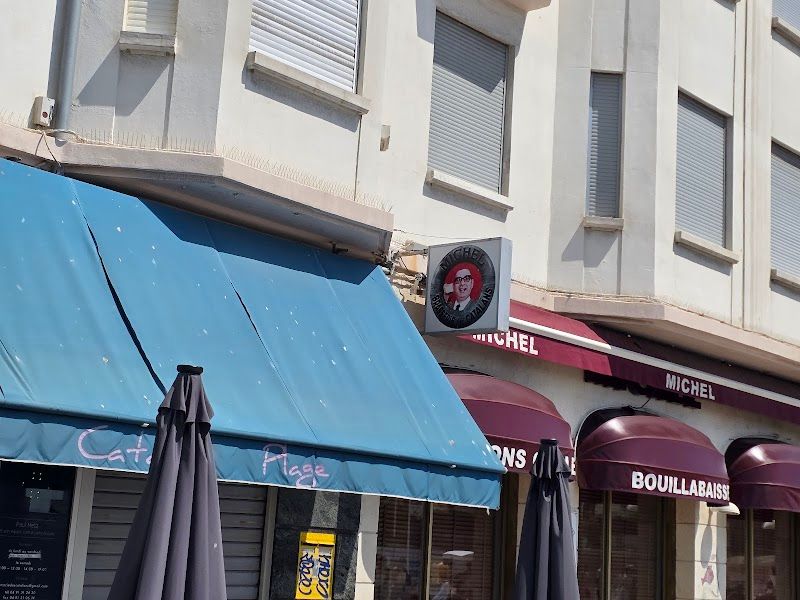
For your first bouillabaisse, book Chez Michel (6 Rue des Catalans, +33 4 91 52 30 63). This family-run restaurant has been serving proper bouillabaisse since 1946, and they still follow the Marseille Bouillabaisse Charter rules: the soup comes in two courses (broth first with rouille and croutons, then the fish), minimum two people, and always EUR 45-65 per person depending on the catch.
Bouillabaisse ordering rules:
- Call 24 hours ahead - they need time to prepare the stock
- Minimum two people (they will not serve it to solo diners)
- Expect a two-hour meal - this is not fast food
- The rouille (spicy mayonnaise) goes on the bread, not directly in the soup
Day 2: Museums, Markets, and Mediterranean Views
Morning: MuCEM and Fort Saint-Jean
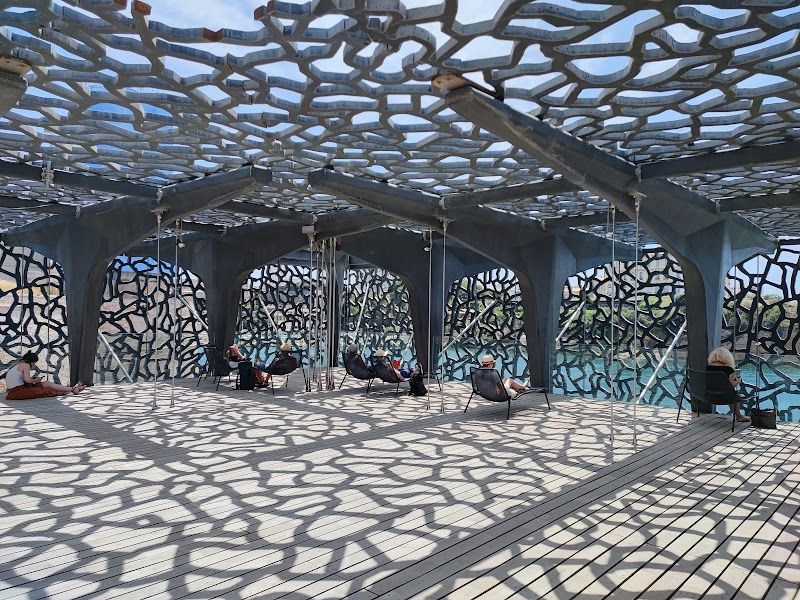
Start at MuCEM (Museum of European and Mediterranean Civilisations), which opens at 11 AM Tuesday through Sunday. Entry costs EUR 11, and the building itself - a latticed cube designed by Rudy Ricciotti - creates patterns of light and shadow that change throughout the day.
The museum focuses on Mediterranean cultures from ancient times to present day. Skip the temporary exhibitions if you are short on time and head to the permanent collection on Level 2, which explains how olive oil, wine, and wheat shaped Mediterranean civilization.
Connected to MuCEM: Fort Saint-Jean, a 17th-century fortress you can explore for free. The walkway between the museum and fort gives you harbor views without the Notre-Dame de la Garde crowds.
Afternoon: Notre-Dame de la Garde Climb
Notre-Dame de la Garde sits 154 meters above sea level, topped by a 9-meter-tall golden statue of the Virgin Mary that sailors have used as a navigation landmark for centuries. You can take bus 60 (EUR 1.7) from the Vieux-Port, but the 25-minute walk up Rue Sainte (starting from Place Colonel Edon) shows you residential Marseille neighborhoods tourists never see.
Inside the basilica (free entry): Ex-voto offerings from sailors, fishermen, and football players asking for protection or giving thanks. The walls are covered with small plaques, ship models, and photographs from grateful Marseillais.
The view: 360-degree panorama of Marseille, the Mediterranean, and on clear days, the Calanques limestone cliffs to the south.
Late Afternoon: Corniche Kennedy Drive
Corniche Kennedy is a 5-kilometer coastal road that connects the Vieux-Port to the Prado beaches. You can walk sections of it or take bus 83 (EUR 1.7) for the full route. The road passes Vallon des Auffes, a tiny fishing village inside the city where pointu boats (traditional Provençal fishing boats) are still built and repaired by hand.
Stop at Vallon des Auffes: This pocket-sized harbor has three restaurants. Chez Fonfon (140 Rue du Vallon des Auffes) serves bouillabaisse with harbor views, but you need reservations and deep pockets (EUR 65 per person).
Evening: Cours Julien Neighborhood
Cours Julien is Marseille's alternative neighborhood, a pedestrianized square surrounded by independent bookshops, record stores, and bars that serve pastis (the anise-flavored aperitif that locals drink before dinner). The square hosts a twice-weekly organic market (Wednesday and Saturday mornings).
Dinner options:
- La Part des Anges (33 Rue Sainte): Natural wine bar with small plates, EUR 25-30 per person
- Peron (56 Corniche Kennedy): Seafood with harbor views, EUR 40-60 per person
- L'Épicerie (18 Cours Julien): Bistro cooking with local ingredients, EUR 20-30 per person
Day 3: Calanques, Markets, and Final Marseille Lessons
Morning: Calanques Boat Trip
The Calanques are limestone cliffs that drop into turquoise Mediterranean water south of Marseille. These fjord-like inlets stretch for 20 kilometers and are protected as a national park. Boat trips leave from the Vieux-Port starting at 9 AM, cost EUR 25-45 depending on route length, and run year-round (weather permitting).
Boat tour options:
- 3-hour route: Calanque de Sormiou, En-Vau, and Port-Pin (EUR 25)
- 5-hour route: Adds Calanque de Morgiou and Sugiton (EUR 35)
- Full day with Cassis: Includes the town of Cassis and lunch stop (EUR 45)
Book through Croisières Marseille Calanques at the Vieux-Port (Quai des Belges) or online. The 3-hour route covers the essential calanques without feeling rushed.
Afternoon: Palais Longchamp and Marseille's Other Side
Palais Longchamp was built in 1869 to celebrate the completion of the Canal de Marseille, which brought fresh water from the Durance River to the city. The palace houses two museums (Fine Arts and Natural History) for EUR 6 combined entry, but the real attraction is the park and fountain system.
Take metro line 1 to Cinq Avenues-Longchamp station (10 minutes from Vieux-Port). The palace sits in a park with botanical gardens, an observatory, and plenty of locals walking dogs or having picnics - a different side of Marseille from the touristy port area.
Late Afternoon: Food Market Finale
Before leaving Marseille, visit Marché des Capucins (Place des Capucins, Tuesday-Saturday 7 AM-2 PM), the neighborhood market where locals shop for daily groceries. This is not a tourist market - vendors sell seasonal Provence vegetables, local cheeses, and olives from family farms in the Alpilles mountains.
What to buy:
- Tapenade: Olive paste made with capers and anchovies, EUR 6-8 for a jar
- Herbes de Provence: Buy from bulk spice vendors, not tourist shops, EUR 3-5
- Local honey: From Provence lavender or mountain flowers, EUR 8-12
- Pastis: Ricard brand was invented in Marseille, EUR 15-20 for a bottle
Evening: Final Marseille Meal
End your marseille 3 day guide with a meal that locals eat. Chez Fonfon at Vallon des Auffes serves the best bouillabaisse with a view, but if you want something more casual, try L'AM (8 Quai du Port) for grilled fish and local wine, EUR 30-40 per person.
Alternative: For street food, find a vendor selling panisse (chickpea flour fritters) or socca (chickpea pancake) for EUR 3-6. These North African-influenced specialties reflect Marseille's multicultural food scene.
Practical Planning for Your Marseille Weekend Itinerary
Getting Around Marseille
Metro system: Two lines connect major attractions. Line 1 runs east-west from La Rose to La Timone. Line 2 runs north-south from Sainte-Marguerite-Dromel to Bougainville. Single tickets cost EUR 1.7, but buy the RTM day pass for EUR 5.2 if you are taking more than three trips.
Walking distances:
- Vieux-Port to Le Panier: 10 minutes uphill
- Vieux-Port to Notre-Dame de la Garde: 25 minutes (steep climb)
- Vieux-Port to Cours Julien: 15 minutes east
- MuCEM to Cathédrale La Major: 5 minutes
Where to Stay for This Itinerary
Best neighborhood: Vieux-Port area puts you walking distance from day 1 and day 3 activities. Mid-range hotels cost EUR 85-150 per night.
Budget option: Hostels near Cours Julien or La Plaine, EUR 25-45 per night for dorm beds.
Luxury choice: InterContinental Marseille or Sofitel Marseille Vieux-Port, EUR 200-450 per night.
Money and Timing
Total cost breakdown:
- Accommodation: EUR 60-300 (3 nights)
- Meals: EUR 60-180 (including one bouillabaisse dinner)
- Transport: EUR 15-25 (day passes and boat trip)
- Attractions: EUR 20-40 (museums and activities)
Best time to visit: April-June and September-October have mild weather and fewer crowds. July-August are hot and busy. November-March can be windy but restaurants serve bouillabaisse year-round.
Restaurant reservations: Always call ahead for bouillabaisse restaurants. Other places usually take walk-ins except on weekend evenings.
Beyond the Basic Marseille Must See Attractions
Alternative Activities
If you want to extend this marseille travel plan or swap activities:
- Musée d'Histoire de Marseille: Underground archaeological site showing Greek and Roman Marseille (EUR 6)
- Château d'If: Island fortress from "The Count of Monte Cristo" (EUR 16 including boat)
- Parc Borély: Large park with beaches, botanical garden, and château (free)
- Football match at Stade Vélodrome: Olympique de Marseille games, especially against Paris Saint-Germain
Weather Backup Plans
Rainy day alternatives:
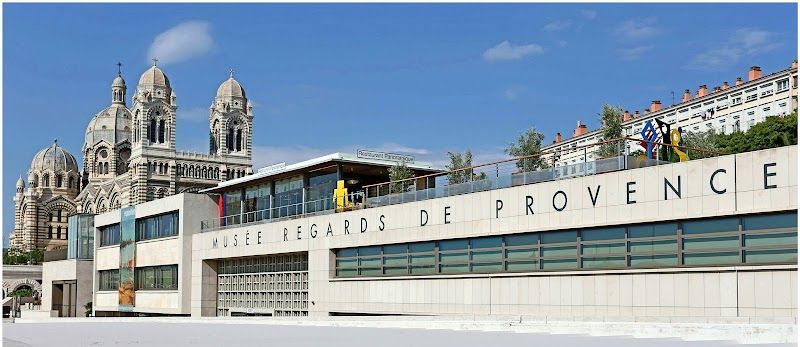
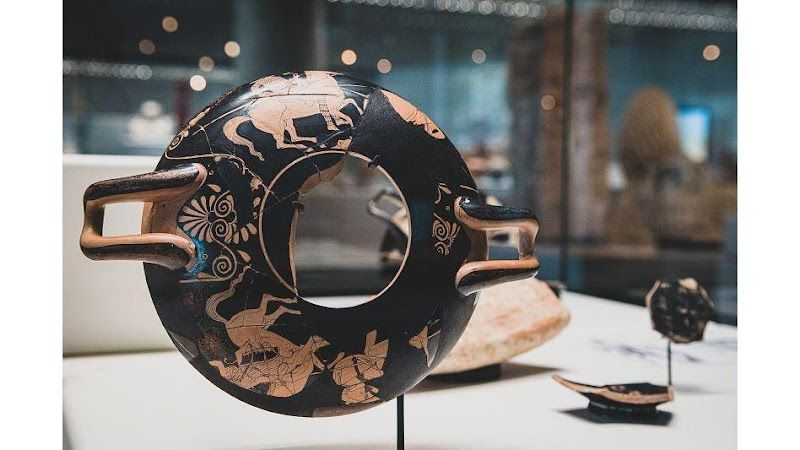
- Extend time at MuCEM or add Regards de Provence museum (EUR 6)
- Browse Les Terrasses du Port shopping center near MuCEM
- Food market visits (covered markets stay open in rain)
- Long lunch at a traditional restaurant
Day Trip Extensions
If you have extra time, consider day trips to:
- Cassis: Coastal town 30 minutes by train, EUR 7.6 round trip
- Aix-en-Provence: Historic city 45 minutes by bus, EUR 3.3 each way
- Avignon: Medieval papal city 1 hour by TGV train, EUR 25-40 round trip
Making This Marseille Highlights Tour Work
This marseille itinerary 3 days plan works because it balances must-see attractions with real neighborhood exploration. You will eat at least one proper bouillabaisse, see the Mediterranean from multiple angles, and walk through the oldest parts of a city that has been continuously inhabited for 2,600 years.
The key insight: Marseille reveals itself slowly. The first day might feel chaotic or overwhelming, but by day three, you will understand why locals are fiercely proud of their city despite (or because of) its rough edges.
Skip the tourist traps: Avoid restaurants directly facing the Vieux-Port (overpriced and mediocre), the petit train tourist trolley (waste of money), and any bouillabaisse served for less than EUR 35 per person (not authentic).
Embrace the pace: Marseille operates on Mediterranean time. Shops close for lunch, dinner starts late, and rushing will only frustrate you. Order pastis, watch the harbor, and let the city work its particular magic.
For more detailed neighborhood breakdowns and restaurant recommendations, check our comprehensive Marseille food guide and first-time visitor's guide.