Mallorca · South

Cala Pi

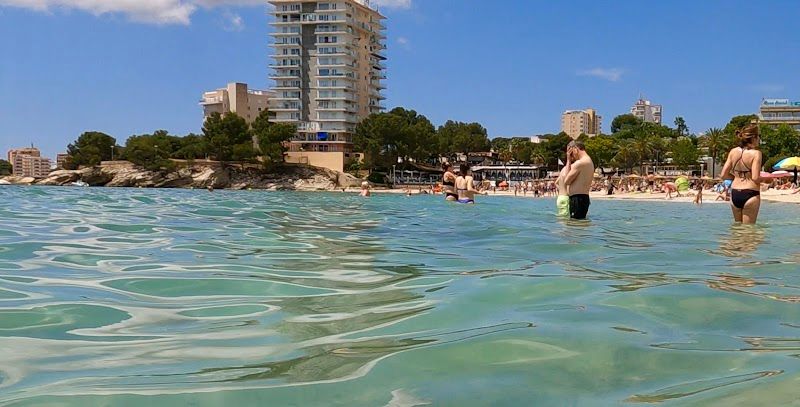
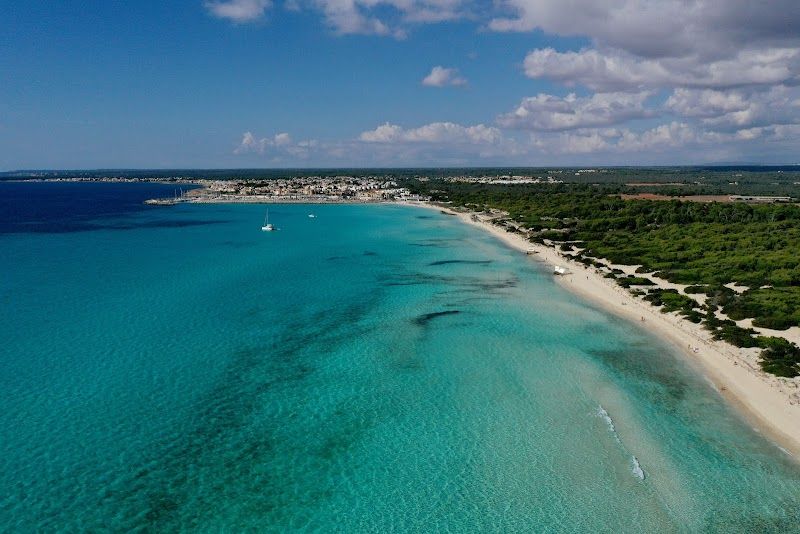
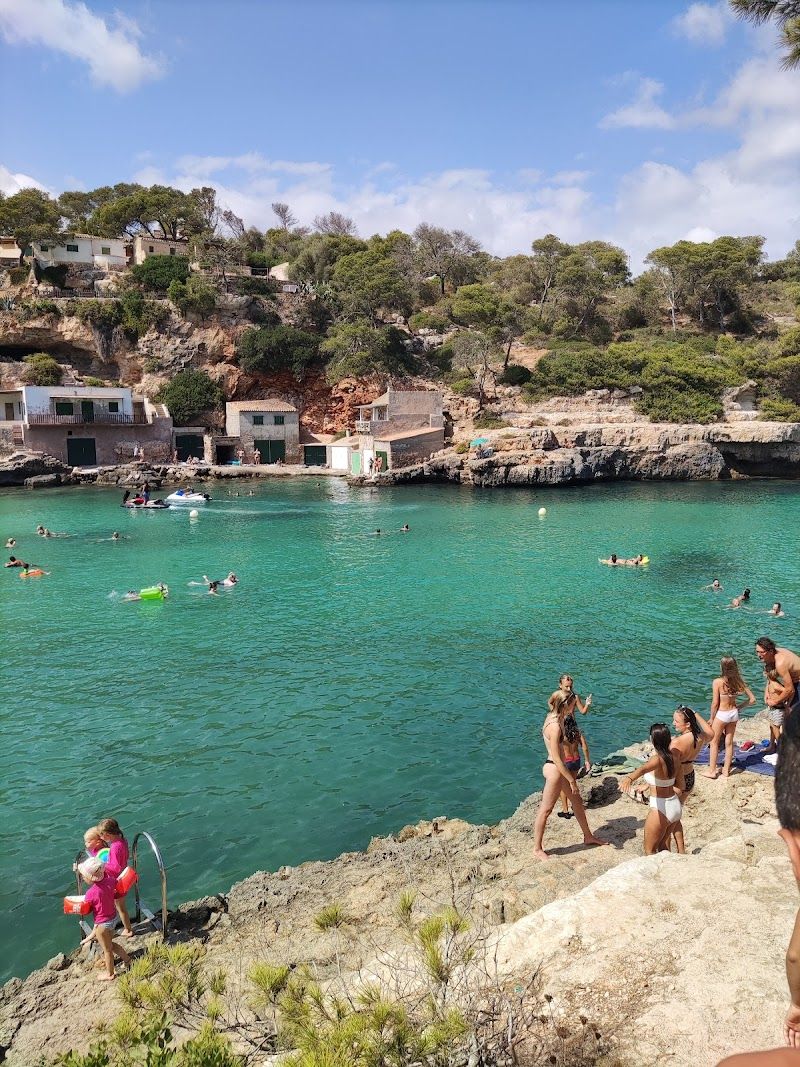
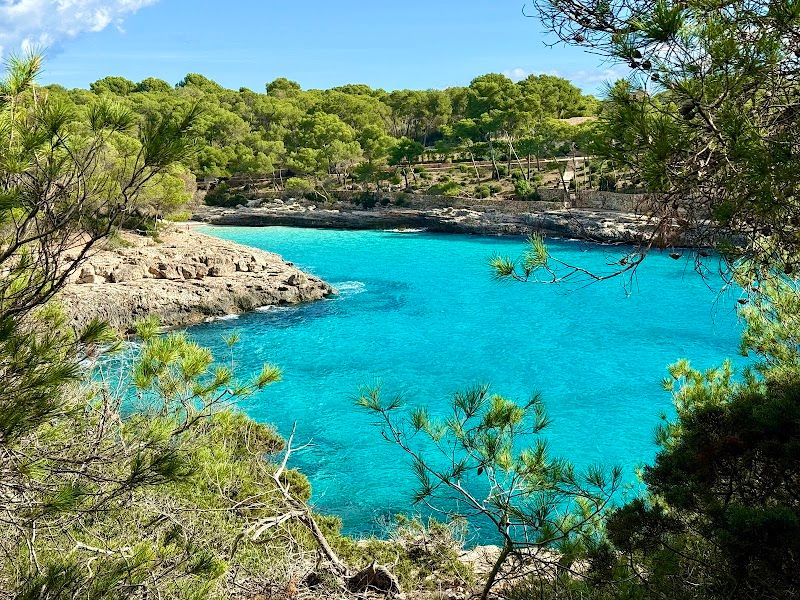
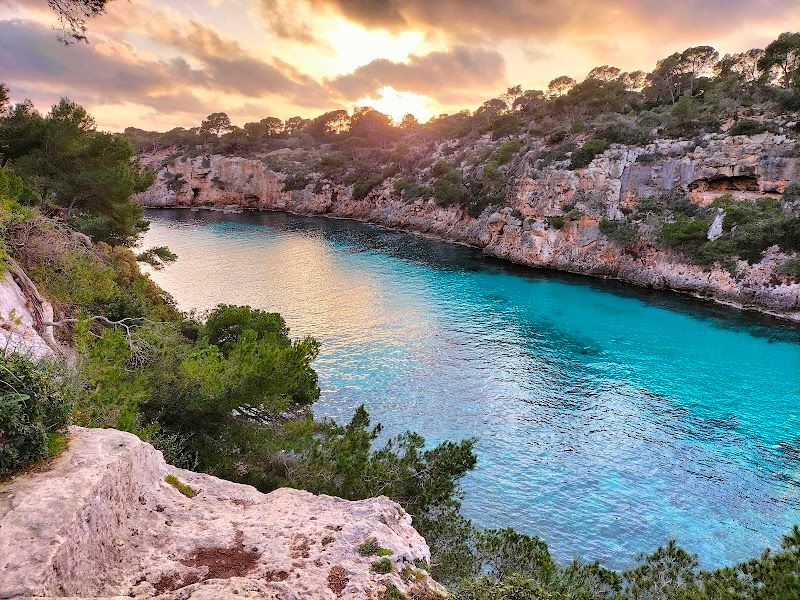
Cala Pi carves a dramatic 50-meter fjord into Mallorca's southern coastline, where turquoise water cuts between towering limestone cliffs that rise 30 meters on both sides.
Cala Pi, Mallorca · South
Category
Beach
Duration
2h 30m
Best Time
Any time
Entry
The place

About Cala Pi

Cala Pi carves a dramatic 50-meter fjord into Mallorca's southern coastline, where turquoise water cuts between towering limestone cliffs that rise 30 meters on both sides. You'll find one of the island's most protected beaches here, accessible only via a steep stone staircase that drops from the clifftop car park. The 16th-century Torre de Cala Pi watchtower stands guard on the eastern cliff, built to spot approaching pirates, while a scattering of expensive villas clings to the rocky slopes above.

The descent takes about 10 minutes down 200+ stone steps carved into the cliff face, with your calves definitely feeling it on the way back up. Once you reach the narrow beach, you're surrounded by walls of white limestone that create perfect shelter from wind and a natural amphitheater effect. The water stays shallow for about 10 meters before dropping off, making it ideal for swimming but limiting space when busy. The whole cove feels incredibly intimate, almost secretive, like you've discovered a private lagoon.

Most travel guides make this sound easier than it is. The beach gets packed by midday with barely 30 meters of sand to share, and there are no facilities whatsoever, no shade, no beach bar, nothing. Parking costs nothing but fills up fast after 10am, forcing late arrivals to park 500 meters away on the main road. Come early with plenty of water and snacks, or save yourself the leg workout and hit Es Trenc instead for actual amenities.

Book ahead

Book Tickets

Live availability and skip-the-line options from our booking partners.

Search on Viator →Search on GetYourGuide →

Booking powered by our partners. DAIZ may earn a commission.
The place

Getting there

Address
07639 Torrent de Cala Pi, Balearic Islands, Spain
Neighborhood
South
View on Google Maps →
Good to know

Tips, answered

Park in the small gravel lot right at the staircase entrance by 9:30am, any later and you'll be walking from the main road in blazing sun

Bring water shoes for the rocky entry points at both ends of the beach, the sand section in the middle is tiny and gets crowded first

Climb up to Torre de Cala Pi after your swim for the classic postcard shot looking down into the fjord, it's a 5-minute walk from the car park

Plan for about 2h 30m.

Cala Pi is in the South neighborhood of Mallorca. The address is 07639 Torrent de Cala Pi, Balearic Islands, Spain. The area is well-served by metro.

This works well at any time of day, though mornings tend to be quieter. Weekdays are less crowded than weekends.

Comfortable shoes are recommended. Parts are outdoors, so bring a light layer.

Around the corner

Nearby in South

Explore all →
GR 221 Ruta de Pedra en Sec
Park & Garden

GR 221 Ruta de Pedra en Sec

The GR 221 follows ancient mule paths and charcoal routes through Mallorca's UNESCO-listed Tramuntana mountains, connecting eight stone refuges across 140 kilometers of varied terrain. You'll walk on dry-stone paths that haven't changed in centuries, past abandoned snow houses where workers once collected ice for Palma's markets, through oak forests and olive terraces that cascade down to distant sea views. The trail passes through genuine mountain villages like Deià and Valldemossa, where you can resupply or bail out if needed. Each day feels like stepping back into pre-industrial Mallorca. The refuges are basic but atmospheric: shared dorms, simple meals, and evening conversations with fellow hikers from across Europe. Morning starts often reveal cloud inversions filling valleys below while you walk in brilliant sunshine above. The stone work is exceptional, with perfectly fitted walls that have survived centuries without mortar. You'll hear nothing but wind, bells from roaming sheep, and your own footsteps on ancient flagstones. Most guides won't mention that spring can be muddy and cold, while summer is extremely hot with limited water sources. The refuges cost around 15 EUR per night but book up months ahead for peak season. Skip the final section into Pollença, it's mostly road walking. The Sa Calobra detour adds coastal views but requires an extra day most people don't plan for.

7-10 days full routeExplore
Serra de Tramuntana (Ma-10 Drive)
Attraction

Serra de Tramuntana (Ma-10 Drive)

The Ma-10 is a mountain road running 90 km along the northwest coast of Mallorca from Andratx to Pollenca, through the UNESCO-listed Serra de Tramuntana. It is one of the best drives in Europe: hairpin bends, tunnel sections, viewpoints overlooking 300-metre drops to the sea, and stone villages that appear around corners. Drive south to north for the best views (the coast opens up on your right). Allow a full day with stops in Valldemossa, Deia, and Soller. The road is narrow in sections, so rent a small car: anything bigger than a Seat Ibiza might cause stress through the tightest bends. In summer, tour buses use the road between 10 AM and 4 PM, so start early or you'll be stuck behind a German coach doing 20 km/h. Budget €15-20 for parking in the main villages. Valldemossa gets packed by noon, but the Real Cartuja monastery (€9.50) is worth seeing as this is where Chopin spent his winter. In Deia, skip the overpriced Hotel La Residencia lunch and grab a bocadillo at Ca'n Costa for €6. The Sa Foradada viewpoint, 15 minutes past Deia, offers a good photo opportunity without the crowds. Soller is your logical lunch stop. Park at the train station (€3 for 4 hours) and walk five minutes to Cafe Scholl for excellent German-run coffee and cake. The orange groves have a lovely scent in spring, but by August the heat will make the car journey uncomfortable without air conditioning. Fill up your tank in Soller as petrol stations are scarce on the mountain sections.

6-8 hours (full day with stops)Explore
Es Trenc Beach
Beach

Es Trenc Beach

Es Trenc is the best natural beach on Mallorca: 3 km of white sand backed by dunes and pine trees, no hotels visible, water that shifts between turquoise and emerald depending on the light. It feels more Caribbean than Mediterranean. The beach is protected natural area, so there is no development and that is the point. The sand here squeaks under your feet, genuinely white instead of the beige you find elsewhere on the island. Pine trees provide natural shade about 20 meters back from the water, perfect for afternoon siestas when the sun gets brutal around 2 PM. The water stays shallow for ages, making it ideal if you have kids, though the wind can whip up surprisingly strong waves on some days. There are a few chiringuitos (beach bars) for drinks and basic food, but mostly you bring your own. Es Chiringuito Blue at the main access serves decent paella for EUR 18 and cold beers for EUR 4, nothing fancy but the location makes up for it. The other bars are forgettable. Pack a cooler with plenty of water because there is zero shade on the actual beach and August temperatures hit 35°C regularly. Parking is EUR 7 at Ses Covetes (closest access, fills by 10 AM in summer) or Sa Rapita (north end, less crowded). Arrive before 9 AM or after 4 PM to avoid the worst crowds and heat. Walk 10-15 minutes along the beach from any access point to find space. The south end has a naturist section if that is your thing. Bring reef-safe sunscreen, an umbrella, and realistic expectations about solitude during peak season. This is not some secret spot anymore.

3-5 hoursExplore
Salines de Llevant
Park & Garden

Salines de Llevant

Salines de Llevant produces actual sea salt using 2,000-year-old Roman techniques, with workers still raking salt by hand in shallow evaporation ponds. The operation runs year-round, but winter brings the real spectacle: hundreds of flamingos arrive from November through March to feed on brine shrimp in the mineral-rich water. You'll walk coastal paths with clear views across geometric salt beds that shift from white to deep pink depending on algae concentration and water depth. The experience feels surprisingly industrial yet timeless, watching modern workers use ancient methods while pink birds wade through man-made lagoons. Salt pyramids dot the landscape like miniature mountains, and the air carries that sharp, clean scent of concentrated seawater. Flamingos cluster in specific ponds where brine shrimp are thickest, creating photo opportunities that feel almost surreal against Mallorca's typical beach scenery. The contrast between working salt production and wildlife sanctuary creates an atmosphere unlike anywhere else on the island. Most guides oversell this as a major attraction when it's really a pleasant hour-long detour, best combined with nearby Colonia de Sant Pere. The viewing is free from public paths, so ignore any tour operators charging admission. Winter visits are dramatically better due to flamingo presence, but summer offers the fascinating spectacle of salt harvest. The coastal path can get muddy after rain, and there's zero shade, so bring water and sun protection.

1 hourExplore
Cala Llombards
Beach

Cala Llombards

Cala Llombards delivers exactly what you want from a Mallorcan beach: a compact 55-meter stretch of powdery white sand squeezed between towering limestone cliffs that block the wind and create a natural amphitheater. The water here is genuinely transparent, revealing rocky patches perfect for snorkeling along the cliff bases where small fish dart between the stones. Two simple chiringuitos perch at opposite ends, serving cold beer (€3), bocadillos (€6-8), and providing the only shade beyond the cliff shadows. You'll walk down a gentle 300-meter slope through scrubland to reach the sand, and the beach reveals itself dramatically as you round the final bend. The protected cove means the water stays calm even when other beaches are choppy, making it ideal for floating and swimming. Families cluster near the beach bars while snorkelers head to the rockier sections, and the whole scene has an intimate, almost private feel despite the crowds. The limestone cliffs glow golden in late afternoon light, creating Instagram moments that actually live up to the hype. Most guides won't mention that this place becomes uncomfortably packed by noon in summer, with barely space to lay a towel. The parking situation is genuinely stressful after 11am, and you'll end up walking much further uphill in the heat. Skip it entirely in July and August unless you arrive by 9am. The snorkeling is decent but not exceptional compared to Cala Mondragó nearby, which has better fish life and more space to breathe.

2-3 hoursExplore
More on Mallorca

From the blog

View all →
Ready for Mallorca?

Let DAIZ plan your Mallorca days

Tell us how long you've got and what you're into. We'll build a day-by-day plan, with the bookable bits ready to lock in.

Plan my Mallorca tripFree · no signup to start
Plan your Mallorca trip