Madrid · Malasana

La Vía Láctea

A grungy Malasaña institution since 1979 that epitomizes the Movida Madrileña counterculture movement.
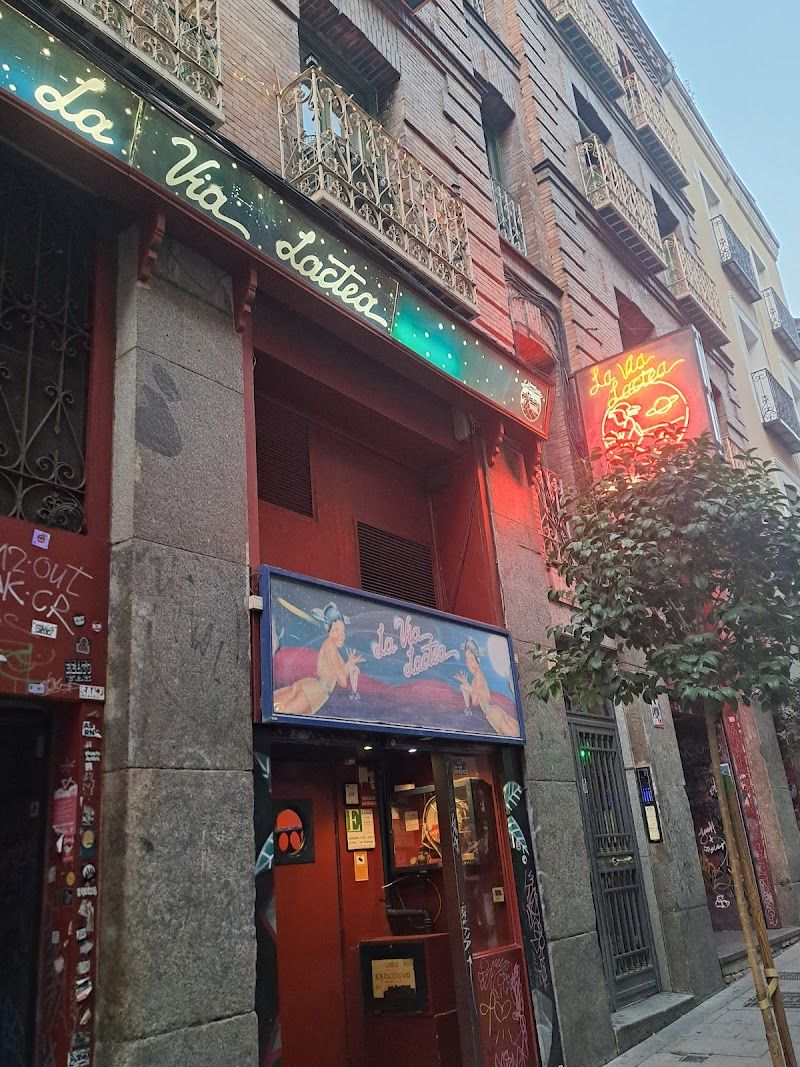
La Vía Láctea, Madrid · Malasana
Category
Nightlife
Duration
2h 30m
Best Time
Evening
Entry
Rating
4.2 (4,120)
The place

About La Vía Láctea

A grungy Malasaña institution since 1979 that epitomizes the Movida Madrileña counterculture movement. The walls are plastered with concert posters and graffiti, the bathrooms are legendary for their chaotic decor, and the crowd is a mix of old-school punks and young indie kids. DJs spin rock, punk, and alternative music until 3:30am on weekends.

Book ahead

Book Tickets

Live availability and skip-the-line options from our booking partners.

Search on Viator →Search on GetYourGuide →

Booking powered by our partners. DAIZ may earn a commission.

The details

Practical bits

WalkingMinimal walking
The place

Getting there

Address
C. de Velarde, 18, Centro, 28004 Madrid, Spain
Neighborhood
Malasana
Nearest Metro
Lines 1, 5, 10 to TribunalLine 3 to NoviciadoLine 10 to Plaza de Espana
View on Google Maps →
Good to know

Tips, answered

Cash only at the bar, and don't expect fancy cocktails -stick to beer or basic spirits in this authentically grungy space.

Plan for about 2h 30m. Evening visits offer a different atmosphere with softer light.

La Vía Láctea is in the Malasana neighborhood of Madrid. The address is C. de Velarde, 18, Centro, 28004 Madrid, Spain. The area is well-served by metro.

Evening visits offer a unique atmosphere. The light is softer, crowds thin out, and the experience feels more intimate.

Around the corner

Nearby in Malasana

Explore all →
Museo de Historia de Madrid
Museum

Museo de Historia de Madrid

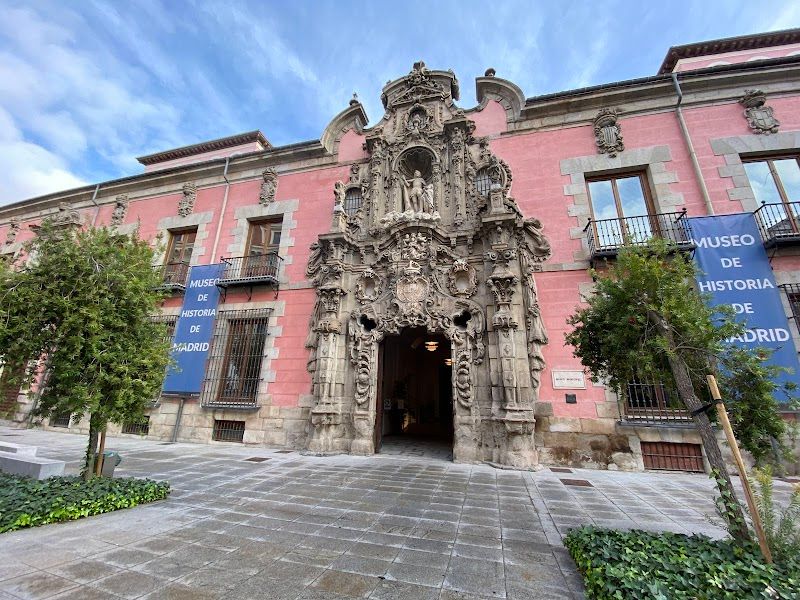
This free museum tells Madrid's complete story through actual artifacts, not tourist-friendly summaries. You'll walk through recreated 19th-century shops, see original city planning maps that shaped modern Madrid, and browse thousands of historical photographs showing streets you probably walked today. The baroque facade by Pedro de Ribera is genuinely spectacular, all swirling stone and theatrical drama. Inside, the collection spans from medieval settlement remnants to 1980s urban development, with detailed models of how neighborhoods like Malasaña evolved. The visit flows chronologically across three floors, starting with Roman foundations and medieval walls on the ground floor. The recreated historical interiors feel authentic rather than theme-park fake, especially the old pharmacy and traditional Madrid kitchen. The photography collection on the upper floors is genuinely addictive: you'll recognize intersections and buildings, then see them as farmland or construction sites decades ago. The atmosphere stays quiet and contemplative, attracting more locals than tourists. Most guides oversell the decorative arts collection, which feels scattered compared to the photography and urban planning sections. Focus your time on the historical photographs and city development displays on floors two and three. The museum shop sells excellent reproductions of historical Madrid maps for around 15 EUR. Skip the temporary exhibitions unless they specifically cover Madrid topics, as they often feel disconnected from the main collection's strengths.

1.5 hoursExplore
More on Madrid

From the blog

View all →
Ready for Madrid?

Let DAIZ plan your Madrid days

Tell us how long you've got and what you're into. We'll build a day-by-day plan, with the bookable bits ready to lock in.

Plan my Madrid tripFree · no signup to start
Plan your Madrid trip